

Los Cobanos Beach Travel Guide - Free Web & App
Your ultimate guide to Los Cobanos Beach. Discover top landmarks, proposed trips, and local tips. Free on the web or via the Evendo companion app.


Los Cóbanos Beach, El Salvador, offers coral reefs, tide pools, whale watching, seafood and Pacific coastal sunsets near Acajutla and Sonsonate.
A Coastal Village and Marine Landscape
Los Cóbanos Beach lies on El Salvador’s Pacific coast in Sonsonate Department, close to the port town of Acajutla. It is less an urban resort than a small coastal settlement beside a broad, gently curving beach, rocky intertidal platforms and a marine environment recognised for its coral and reef communities. The surrounding landscape combines tropical Pacific vegetation with agricultural land, fishing activity and views across the open ocean. Los Cóbanos is also associated with the Área Natural Protegida Complejo Los Cóbanos, whose terrestrial and marine habitats make the area important for conservation as well as recreation.Read more about Los Cobanos Beach
Reef, Tides and Wildlife
Exploring Los Cóbanos
When is the best time to visit Los Cobanos Beach?
Best: October–December · 31–32°C| Month | High (°C) | Rainfall (mm) |
|---|---|---|
| January | 32 | 0 |
| February | 32 | 0 |
| March | 33 | 0 |
| April | 33 | 0 |
| May | 33 | 0 |
| June | 33 | 0 |
| July | 33 | 0 |
| August | 33 | 0 |
| September | 32 | 0 |
| October (best) | 32 | 0 |
| November (best) | 32 | 0 |
| December (best) | 31 | 0 |
Getting to and around Los Cobanos Beach
How to get there
Transportation
Best attractions in Los Cobanos Beach
The main attraction is Los Cóbanos Beach itself, where a broad Pacific shoreline meets rocky intertidal areas and the marine habitats of the Complejo Los Cóbanos protected area. At low tide, visitors can observe pools, sea life and exposed reef surfaces, although footwear and local guidance are important on uneven rocks. The offshore reef is the focus of guided snorkelling and diving when conditions permit, while boat excursions may offer seasonal whale-watching opportunities. The beach village provides a quieter coastal atmosphere than nearby Acajutla, whose port and waterfront form a useful contrast with Los Cóbanos’s nature-oriented character. The wider Sonsonate coast also includes volcanic landscapes, rivers and other beaches, but these should be treated as separate excursions rather than assumed to lie within Los Cóbanos. The area is most rewarding for visitors interested in tides, marine ecology, fishing culture and unhurried time beside the Pacific rather than a large concentration of built attractions.
-
Beach
Decameron
Discover the natural beauty and adventure at Decameron, a stunning beach destination in Los Cobanos, El Salvador, perfect for relaxation and exploration.
-
Beach
Playa El Flor
Playa El Flor: A stunning beach destination in El Salvador, perfect for relaxation, snorkeling, and breathtaking sunsets over the Pacific Ocean.
-
Playa los almendros
Experience the breathtaking beauty of Playa Los Almendros, a stunning beach in Acajutla, El Salvador, perfect for relaxation and adventure.
-
Tourist attraction
Playa la Flor 2
Experience the serene beauty and adventure of Playa la Flor 2, a stunning beach destination on El Salvador's picturesque Pacific coast.


Best landmarks in Los Cobanos Beach
The defining landmark of Los Cóbanos is its reef-fringed Pacific coastline, where rocky shore platforms and marine formations distinguish the area from El Salvador’s more uniformly sandy surf beaches. The protected Complejo Los Cóbanos gives the coast ecological significance through its combination of terrestrial, intertidal and marine habitats. The beach village and the surrounding shore also reflect the area’s connection with fishing and the nearby maritime centre of Acajutla. Rather than a concentration of castles, churches or monumental architecture, Los Cóbanos is marked by natural features: the open Pacific horizon, reef surfaces revealed by falling tides and the broader volcanic coastal setting of Sonsonate Department. Offshore marine life and seasonal whale movements add cultural and ecological importance, but sightings and access depend on weather, sea conditions and responsible local management.
-
Hotel
Royal Decameron Salinitas
Experience El Salvador's Pacific coast at Royal Decameron Salinitas: Mayan-themed all-inclusive resort with stunning ocean views and diverse activities.
-
 Hotel
Las Veraneras Villas & Resort
Escape to Las Veraneras Villas & Resort in Acajutla: Where tranquil beaches meet family-friendly luxury on El Salvador's Pacific coast.
-
Beach
Playa Mizata
Discover Playa Mizata, El Salvador: A tranquil black sand beach with consistent surf, stunning scenery, and a peaceful escape from the crowds.
-
Beach
Playa Los Cobanos
Discover Playa Los Cobanos: El Salvador's best kept secret for diving, snorkeling, and serene beach escapes.


Explore Los Cobanos Beach on the map
Plan your trip on one map. See where the top attractions, landmarks, restaurants and hotels are, and book hotels and experiences in a few clicks.
Best hotels in Los Cobanos Beach
Best restaurants in Los Cobanos Beach
Dining in Los Cóbanos is centred on small local eateries and coastal food stalls rather than a large restaurant district. Seafood and fish are natural features of the local table, often served in straightforward preparations alongside rice, salad, plantain or tortillas, while typical Salvadoran foods such as pupusas and fried or grilled dishes may also be found depending on the establishment. Availability can be informal and variable, so visitors should ask locally about opening times and daily offerings rather than expect a fixed resort menu. Acajutla provides a broader choice of restaurants and seafood venues, while Sonsonate has the widest range of everyday dining in the area. Fresh juices, soft drinks and locally familiar refreshments are more readily available than specialist international cuisine, and carrying water is sensible during beach outings.
-
Restaurant
NAWi Beach House
Discover exquisite dining at NAWi Beach House in Mizata - where ocean views meet exceptional cuisine.
-
Restaurant
Restaurante Cafe La Cueva
Discover Restaurante Cafe La Cueva: A culinary haven offering delicious Salvadoran cuisine with stunning ocean views in Acajutla.
-
Restaurant
Hotel y Restaurante Vista al Mar
Discover breathtaking ocean views at Hotel y Restaurante Vista al Mar - your perfect getaway in Metallo.
-
Restaurant
Hostal y Restaurante Marsolie
Experience delightful local cuisine and breathtaking coastal views at Hostal y Restaurante Marsolie in beautiful Los Cóbanos.


Best bars in Los Cobanos Beach
Los Cóbanos has a quiet evening character, with social life concentrated in small local eateries, informal seaside businesses and the hospitality of the village rather than nightclubs or a dedicated nightlife district. Evenings are generally suited to a meal, conversation and the sound of the Pacific, although individual venues may operate according to local demand and season. Visitors seeking a wider choice of bars, late dining or entertainment should look towards Acajutla or Sonsonate, while remembering that these towns are gateways to Los Cóbanos rather than part of the beach settlement itself. Arrange transport before drinking or staying out late, as rural coastal connections may be limited after dark and the beach is not a setting for assuming regular evening services.
-
Hotel
Royal Decameron Salinitas
Discover the beauty of El Salvador at Royal Decameron Salinitas, where luxury meets adventure in a stunning coastal paradise.
-
Hotel
Las Veraneras Villas & Resort
Discover the perfect blend of luxury and nature at Las Veraneras Villas & Resort, your serene escape in Acajutla, El Salvador.
-
Beach
Playa Los Cobanos
Discover the tranquility of Playa Los Cobanos, a stunning beach in El Salvador known for its pristine sands and vibrant marine life.
-
Bar
Restaurante Cafe La Cueva
Experience the flavors of Salvadoran cuisine at Restaurante Cafe La Cueva, where every dish tells a story of the sea.


Best nightclubs in Los Cobanos Beach
Los Cóbanos has a quiet evening character, with social life concentrated in small local eateries, informal seaside businesses and the hospitality of the village rather than nightclubs or a dedicated nightlife district. Evenings are generally suited to a meal, conversation and the sound of the Pacific, although individual venues may operate according to local demand and season. Visitors seeking a wider choice of bars, late dining or entertainment should look towards Acajutla or Sonsonate, while remembering that these towns are gateways to Los Cóbanos rather than part of the beach settlement itself. Arrange transport before drinking or staying out late, as rural coastal connections may be limited after dark and the beach is not a setting for assuming regular evening services.
-
Hotel
Royal Decameron Salinitas
Discover the serene beauty and luxurious offerings of Royal Decameron Salinitas, a premier beachfront resort in El Salvador.
-
Hotel
Las Veraneras Villas & Resort
Discover the perfect blend of relaxation and adventure at Las Veraneras Villas & Resort, your tropical paradise in El Salvador.
-
Hotel
Los Cobanos Village Lodge
Discover serenity and natural beauty at Los Cobanos Village Lodge, your perfect beachside escape in El Salvador.
-
Grill
Bar Ballena
Experience the flavors of El Salvador at Bar Ballena, a coastal grill offering fresh seafood and stunning ocean views in Playa Los Cóbanos.


Best shops in Los Cobanos Beach
Shopping in Los Cóbanos is limited and practical, with small village shops and coastal vendors providing basic refreshments and necessities rather than a substantial retail scene. The most characteristic purchases are likely to be locally prepared food, seafood where legally and responsibly sold, and simple beach supplies, but product availability varies. Acajutla offers more everyday commerce, while Sonsonate is the better base for supermarkets, pharmacies, clothing, crafts and a wider selection of regional goods. Visitors interested in Salvadoran products can look for coffee, chocolate, woven items, pottery or packaged foods in larger towns, choosing established sellers and checking that natural materials have been obtained responsibly. Do not remove coral, shells or other material from the reef or protected shore as souvenirs.
-
Beach
Playa Los Cobanos
Experience the unspoiled beauty of Playa Los Cobanos, a tranquil beach paradise in El Salvador ideal for relaxation, adventure, and local culinary delights.
-
Hostel
Hostal Casa Garrobo
Discover the serene charm of Hostal Casa Garrobo in Los Cóbanos, where relaxation meets adventure in a tropical paradise.
-
Tourist attraction
Cobanos beach
Cobanos Beach: A Hidden Gem on El Salvador's Pacific Coast Offering Breathtaking Views, Adventure, and Tranquility for Every Traveler.
-
Holiday apartment rental
RANCHO LOS COBANOS
Discover tranquility and adventure at Rancho Los Cobanos, your ideal holiday apartment rental in the heart of El Salvador's stunning coastline.


Get your free copy of our complete guide to Los Cobanos Beach, delivered straight to you.
Everything on this page, from attractions and restaurants to essentials and local phrases, in one PDF you can read offline, print or share.
Already have an account? Sign in
Your Los Cobanos Beach guide is ready.
We'll send it to · Not you? Sign out

Getting your guide ready…
We are putting together a fresh copy of the Los Cobanos Beach guide. This can take up to a minute.
This can take a few moments. If your browser asks, choose Allow so the download can start. You'll find the guide in your Downloads folder.
Nothing happened? Download it again
Sorry, the guide is taking longer than usual. Please try again in a minute, or get it by email instead.
Los Cobanos Beach essentials
Currency and Payment
Safety
Emergency Situations
Do's and Don'ts
Local Tips
From Eve
Local phrases worth knowing
You don't need to get them perfect. A few words go a long way, and locals appreciate the effort.
Basics
| English | Local | Say it |
|---|---|---|
| Hello | Hola | [oh-lah] |
| Goodbye | Adiós | [ah-dee-ohs] |
| Yes | Sí | [see] |
| No | No | [noh] |
| Please/You're welcome | Por favor/De nada | [por fah-vor/deh nah-dah] |
| Thank you | Gracias | [grah-see-ahs] |
| Excuse me/Sorry | Perdón/Lo siento | [pair-dohn/loh see-en-toh] |
| How are you? | ¿Cómo estás? | [koh-moh ehs-tahs] |
| Fine. And you? | Bien. ¿Y tú? | [bee-ehn. ee too] |
| Do you speak English? | ¿Hablas inglés? | [ah-blahs een-glehs] |
| I don't understand | No entiendo | [noh ehn-tee-ehn-doh] |
Eating & Drinking
| English | Local | Say it |
|---|---|---|
| I'd like to see the menu, please | Me gustaría ver el menú, por favor | [meh goo-stah-ree-ah behr ehl meh-noo, poor fah-vor] |
| I don't eat meat | No como carne | [noh koh-moh kahr-neh] |
| Cheers! | ¡Salud! | [sah-loohd] |
| I would like to pay, please | Me gustaría pagar, por favor | [meh goo-stah-ree-ah pah-gahr, poor fah-vor] |
Emergencies
| English | Local | Say it |
|---|---|---|
| Help! | ¡Ayuda! | [ah-yoo-dah] |
| Go away! | ¡Vete! | [veh-teh] |
| Call the Police! | ¡Llame a la policía! | [yah-meh ah lah poh-lee-see-ah] |
| Call a doctor! | ¡Llame a un médico! | [yah-meh ah oon meh-dee-koh] |
| I'm lost | Estoy perdido | [ehs-toy pair-dee-doh] |
| I'm ill | Estoy enfermo | [ehs-toy ehn-fehr-moh] |
Shopping
| English | Local | Say it |
|---|---|---|
| I'd like to buy... | Me gustaría comprar... | [meh goo-stah-ree-ah kohm-prahr...] |
| I'm just looking | Solo estoy mirando | [soh-loh ehs-toy mee-rahn-doh] |
| How much is it? | ¿Cuánto cuesta? | [kwan-toh kwehs-tah] |
| That's too expensive | Eso es demasiado caro | [eh-soh ehs deh-mah-see-ah-doh kah-roh] |
| Can you lower the price? | ¿Puede bajar el precio? | [pweh-deh bah-har ehl pree-see-oh] |
Time & Numbers
| English | Local | Say it |
|---|---|---|
| What time is it? | ¿Qué hora es? | [keh oh-rah ehs] |
| It's one o'clock | Es la una | [ehs lah oo-nah] |
| Half past (10) | Son las diez y media | [sohn lahs dyehs ee meh-dee-ah] |
| Morning | Mañana | [mah-nyah-nah] |
| Afternoon | Tarde | [tahr-deh] |
| Evening | Noche | [noh-cheh] |
| Yesterday | Ayer | [ah-yehr] |
| Today | Hoy | [oy] |
| Tomorrow | Mañana | [mah-nyah-nah] |
| 1 | Uno | [oo-noh] |
| 2 | Dos | [dohs] |
| 3 | Tres | [trehs] |
| 4 | Cuatro | [kwah-troh] |
| 5 | Cinco | [seen-koh] |
| 6 | Seis | [says] |
| 7 | Siete | [syeh-teh] |
| 8 | Ocho | [oh-choh] |
| 9 | Nueve | [nweh-veh] |
| 10 | Diez | [dyehs] |
Transport & Directions
| English | Local | Say it |
|---|---|---|
| Where's a/the...? | ¿Dónde está el/la...? | [dohn-deh ehs-tah ehl/lah] |
| What's the address? | ¿Cuál es la dirección? | [kwal ehs lah dee-rehk-syon] |
| Can you show me (on the map)? | ¿Puede mostrarme (en el mapa)? | [pweh-deh mohs-trar-meh (ehn ehl mah-pah)] |
| When's the next (bus)? | ¿Cuándo es el próximo (autobús)? | [kwan-doh ehs ehl proh-see-moh (ow-toh-boos)] |
| A ticket (to ....) | Un boleto (a ...) | [oon boh-leh-toh (ah ...)] |
History of Los Cobanos Beach
A Volcanic Pacific Coast
Los Cóbanos forms part of El Salvador’s geologically active Pacific margin, where volcanic landscapes meet a warm tropical sea. The coast around Sonsonate contains rocky shore platforms, beaches and marine habitats shaped by wave action, sediment movement and long-term volcanic processes. The reef environment is particularly significant because it provides a complex underwater habitat along a coastline better known for volcanic sand beaches and powerful surf. This geological and ecological setting explains why Los Cóbanos developed as a place valued not only for fishing and recreation but also for marine research and conservation.
Early Coastal Communities
Before modern tourism and roads connected the coast with larger settlements, the wider Sonsonate region was occupied by Indigenous communities whose lives were linked to agriculture, rivers and the Pacific shore. Coastal resources, including fish and shellfish, formed part of the wider economic landscape, while inland communities cultivated fertile volcanic soils. The surviving settlement pattern around Los Cóbanos remains relatively modest compared with nearby Sonsonate and Acajutla, reflecting a coast where local livelihoods have traditionally depended more on fishing, small-scale commerce and rural activity than on large urban development.
Acajutla and the Maritime Economy
Los Cóbanos lies within the historical sphere of Acajutla, one of El Salvador’s important Pacific ports. The port’s growth strengthened commercial and transport links along the Sonsonate coast, bringing agricultural exports, maritime traffic and new routes into a region already connected to inland markets. Los Cóbanos did not become a major port itself, but its nearby waters and shoreline belong to the same maritime setting. Fishing, coastal trade and the movement of people between villages and port settlements helped shape the local identity, while the beach remained more lightly developed than Acajutla.
From Beach Settlement to Conservation Area
During the twentieth century, improved road access and growing domestic tourism brought more visitors to El Salvador’s Pacific beaches, including Los Cóbanos. Interest increasingly extended beyond bathing and beach recreation to the area’s reef, intertidal habitats and marine wildlife. The establishment of the Área Natural Protegida Complejo Los Cóbanos reflected a broader national effort to conserve representative coastal ecosystems while allowing carefully managed public use. Today, conservation, fishing, tourism and community livelihoods coexist in a landscape where responsible access is important because reefs, shore life and breeding habitats are sensitive to physical disturbance.
Los Cobanos Beach in Photos
Browse through our photo collection highlighting the charm and character of the destination.
Neighbouring destination travel guides
The closest destinations to Los Cobanos Beach, if you have time for more than one.
-
-

-

-
-


Swipe for more destinations
Explore more
Explore more of Western Region
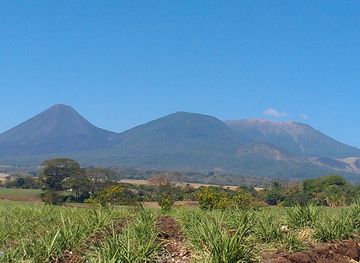
Discover the beauty and history of the Western Region of El Salvador, from the majestic Santa Ana Volcano to ancient ruins and picturesque coffee plantations.
Explore Western Region
Explore more of El Salvador
Discover the hidden gem of Central America with El Salvador's stunning landscapes, rich culture, and world-class surfing. A paradise for adventurers and culture lovers alike.
Explore El Salvador