

Free Bioko Island Travel Guide & Mobile App
Explore Bioko Island with free travel guides. Discover regional history, expert tips, proposed trips, and audio guides on web or mobile app.


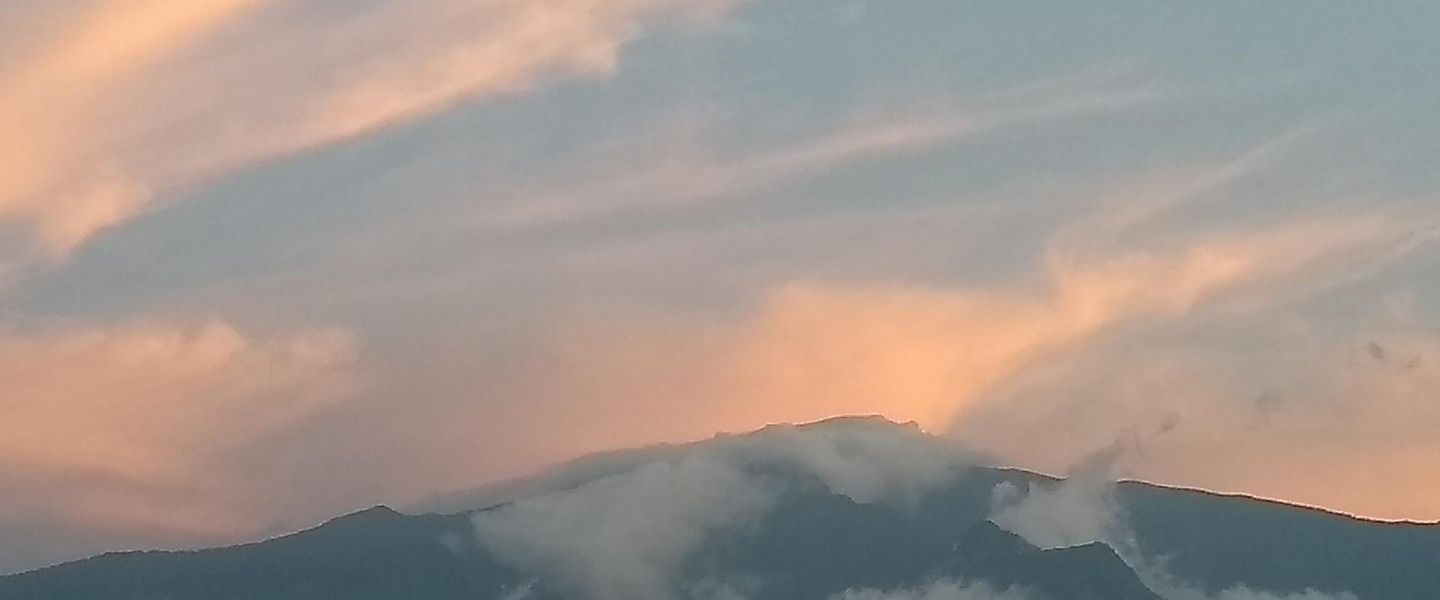


Discover Bioko Island in Equatorial Guinea: A paradise of lush rainforests, pristine beaches, and rich cultural heritage waiting to be explored.
Read more about Bioko Island
When is the best time to visit Bioko Island?
Best: January–March · 30°C| Month | High (°C) | Rainfall (mm) |
|---|---|---|
| January (best) | 30 | 50 |
| February (best) | 30 | 55 |
| March (best) | 30 | 60 |
| April | 30 | 65 |
| May | 30 | 70 |
| June | 30 | 75 |
| July | 29 | 80 |
| August | 29 | 85 |
| September | 30 | 90 |
| October | 30 | 95 |
| November | 30 | 100 |
| December | 29 | 105 |
Getting to and around Bioko Island
How to get there
Transportation
Top city travel guides in Bioko Island
The cities of Bioko Island, and the easiest places to base yourself.
-

-


Swipe for more cities
Destinations in Bioko Island
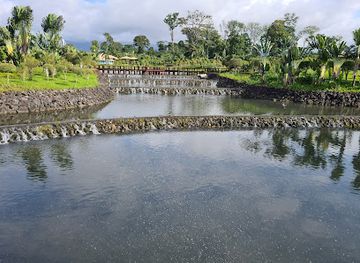
Resorts, valleys and scenic spots worth a trip of their own.
-

-

-


Swipe for more destinations
Best attractions in Bioko Island
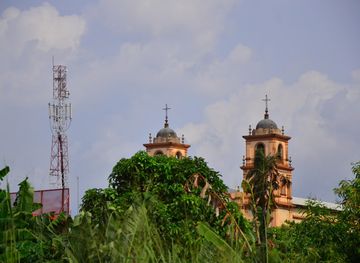
Bioko Island, an emerald jewel in the Gulf of Guinea, offers a mesmerizing mosaic of attractions that promise an unforgettable adventure. Visitors can explore the lush rainforests teeming with rare wildlife, including the endangered drill monkeys and a variety of colorful tropical birds. The island's volcanic landscapes, such as Pico Basilé, beckon hikers with panoramic views of verdant valleys and the shimmering Atlantic Ocean. History enthusiasts can stroll through the cobbled streets of Malabo, the island's capital, marveling at colonial architecture and visiting the Cathedral of Santa Isabel, a stunning example of neo-Gothic design. Beach lovers will find solace on the pristine sands of Arena Blanca, where the turquoise waters are perfect for snorkeling and diving. Cultural aficionados can immerse themselves in the vibrant Bubi and Fang traditions, witnessing traditional dances, music, and artisan crafts. Bioko Island’s blend of natural beauty, rich history, and cultural diversity makes it a hidden gem waiting to be discovered.
-
Park
Parque Nacional de Malabo
Explore Parque Nacional de Malabo, a breathtaking park in Equatorial Guinea, where nature and adventure await every traveler.
-
Catholic cathedral
St. Elizabeth’s Cathedral
Experience the stunning architecture and rich heritage of St. Elizabeth's Cathedral in Malabo, a must-visit spiritual landmark in Equatorial Guinea.
-
Island
Bioko
Explore the lush rainforests, volcanic landscapes, and rich culture of Bioko Island, a hidden paradise in Equatorial Guinea.
-
Hiking area
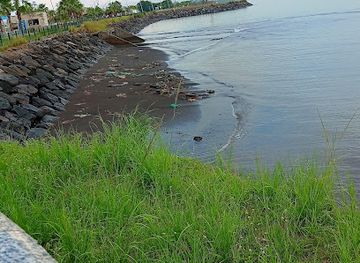
Paseo Maritimo
Experience the breathtaking coastal beauty, vibrant culture, and adventure awaiting you at Paseo Maritimo in Malabo, Equatorial Guinea.
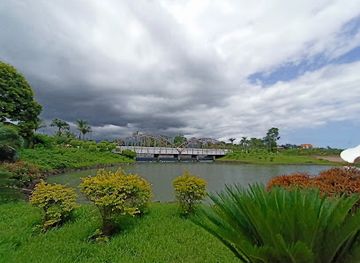
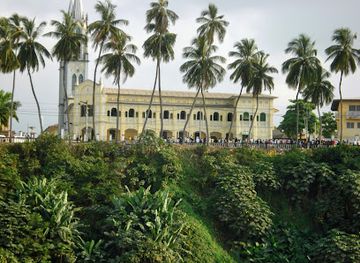
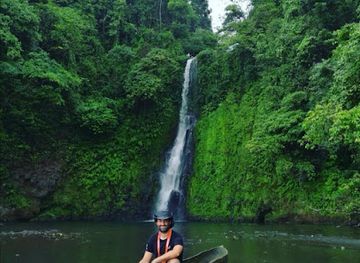
Best landmarks in Bioko Island
Bioko Island in Equatorial Guinea is a gem waiting to be discovered, offering a blend of natural beauty and historical intrigue. Explore the bustling capital city of Malabo, where colonial Spanish architecture meets lively markets and the stunning Santa Isabel Cathedral stands as a testament to the island's rich history. Venture to the lush Pico Basilé National Park, where you can hike to the island's highest peak and witness breathtaking panoramic views. Discover the pristine beaches of Arena Blanca, lined with powdery white sand and crystal-clear waters, perfect for relaxation or adventurous water sports. History enthusiasts can visit the ancient village of Ureca, known for its traditional Bubi culture and as a prime location for watching sea turtles nest. The island’s unique biodiversity is showcased at the Bioko Biodiversity Protection Program headquarters, where you can learn about conservation efforts and even partake in wildlife tours. For a touch of local flavor, the Luba Crater Scientific Reserve offers a fascinating glimpse into volcanic landscapes and endemic flora and fauna. Bioko Island promises an unforgettable journey through its diverse landscapes and vibrant cultural heritage.
-
Hotel
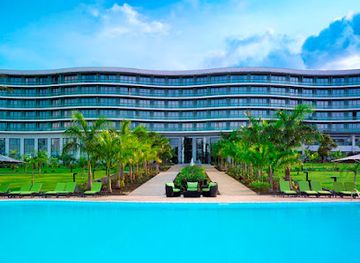
Sofitel Malabo Sipopo Le Golf
Experience luxury and tranquility at Sofitel Malabo Sipopo Le Golf, your ideal retreat in the heart of Equatorial Guinea's breathtaking landscapes.
-
 Hotel
HotelHotel Anda China Malabo
Discover comfort and hospitality at Hotel Anda, the ideal base for exploring the vibrant city of Malabo, Equatorial Guinea.
-
Hotel
ibis Malabo
Discover affordable comfort at Ibis Malabo, your gateway to exploring the enchanting Isla De Bioko in Equatorial Guinea.
-
Park
Parque Nacional de Malabo
Discover the breathtaking beauty of Parque Nacional de Malabo in Equatorial Guinea, a paradise for nature lovers and adventure seekers.
Explore Bioko Island on the map
Plan your trip on one map. See where the top cities, national parks and sights are, and book hotels and experiences in a few clicks.
Best hotels in Bioko Island
Best restaurants in Bioko Island
Bioko Island offers a vibrant and diverse culinary adventure that will tantalize any food enthusiast’s palate. The dining scene is a rich tapestry of traditional Equatoguinean dishes, fresh seafood caught daily from the surrounding Gulf of Guinea, and an array of international cuisines reflecting the island's multicultural influences. Visitors can expect to savor mouth-watering local specialties such as succulent grilled fish and hearty stews infused with tropical flavors like plantains and yuca. From bustling local markets bursting with fresh produce to charming seaside restaurants offering panoramic ocean views, and upscale dining venues that blend modern gastronomy with indigenous ingredients, Bioko Island is a feast for the senses. To truly immerse in the local culture, don't miss the opportunity to try the island’s signature dish, pepe soup, a spicy and aromatic seafood broth that captures the essence of Bioko's culinary heritage.
-
Fine Dining
La Luna
Experience exquisite fine dining at La Luna in Malabo, where local flavors meet international cuisine in an elegant setting.
-
Pizza
Bidji Binia
Discover Bidji Binia in Malabo - A pizza paradise offering delicious flavors and warm hospitality perfect for every traveler.
-
Restaurant
L'Atelier
Discover the rich flavors of Equatorial Guinea at L'Atelier – where culinary excellence meets authentic local cuisine.
-
Gastropub
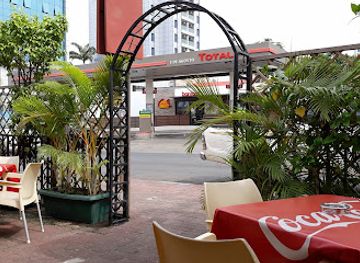
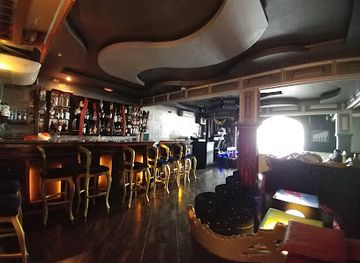
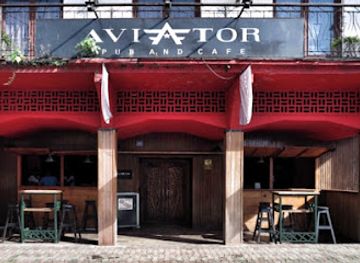
Aviator Pub and Café
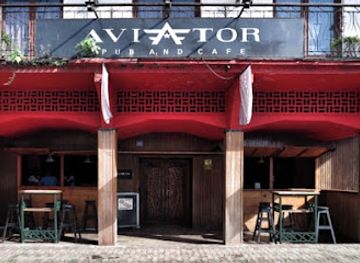
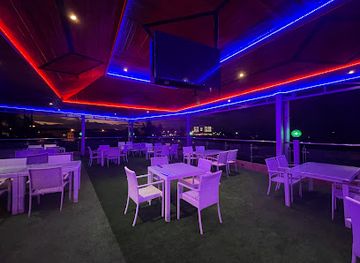
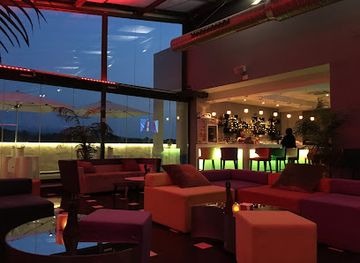
Experience the vibrant atmosphere at Aviator Pub and Café in Malabo – where delicious American cuisine meets live music entertainment.
Best bars in Bioko Island
Bioko Island's nightlife scene is a vibrant mix of local traditions and modern entertainment, offering visitors an eclectic experience. In Malabo, the island's capital, you'll find a range of lively bars and nightclubs, each with its own unique charm. Dance the night away to Afrobeat and Latin rhythms at popular spots like La Luna and Sofitel Sipopo Le Golf, or enjoy a more laid-back evening with live music and ocean views at the stylish cafes along the waterfront. For a truly local experience, venture into the smaller towns and discover hidden gems where you can sip on traditional drinks like palm wine or malamba while mingling with friendly locals. Street festivals and impromptu dance parties often spill into the early hours, giving you a taste of the island's rich cultural tapestry and infectious energy.
-
Fine Dining
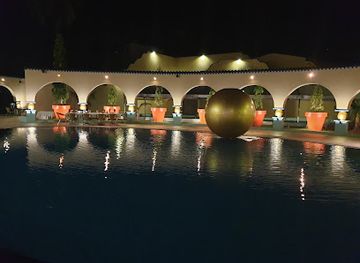
La Luna
Discover La Luna in Malabo for an unparalleled fine dining experience showcasing the best of local and international cuisine.
-
Gastropub
Aviator Pub and Café
Explore the vibrant flavors of Equatorial Guinea at Aviator Pub and Café, where American comfort food meets local charm in a lively atmosphere.
-
Restaurant
El Hard Rock Resto and Pub
Discover the vibrant flavors and lively atmosphere of El Hard Rock Resto and Pub in Malabo, Equatorial Guinea, perfect for all food lovers.
-
Restaurant
Olympus Skybar
Experience stunning views, delightful cuisine, and vibrant nightlife at Olympus Skybar in Malabo, a top destination for unforgettable dining.
Best nightclubs in Bioko Island
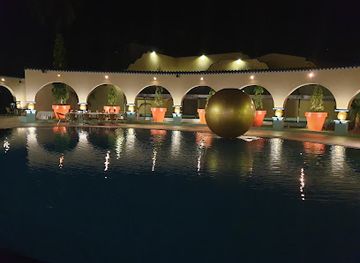
Bioko Island's nightlife scene is a vibrant mix of local traditions and modern entertainment, offering visitors an eclectic experience. In Malabo, the island's capital, you'll find a range of lively bars and nightclubs, each with its own unique charm. Dance the night away to Afrobeat and Latin rhythms at popular spots like La Luna and Sofitel Sipopo Le Golf, or enjoy a more laid-back evening with live music and ocean views at the stylish cafes along the waterfront. For a truly local experience, venture into the smaller towns and discover hidden gems where you can sip on traditional drinks like palm wine or malamba while mingling with friendly locals. Street festivals and impromptu dance parties often spill into the early hours, giving you a taste of the island's rich cultural tapestry and infectious energy.
-
Gastropub
Aviator Pub and Café
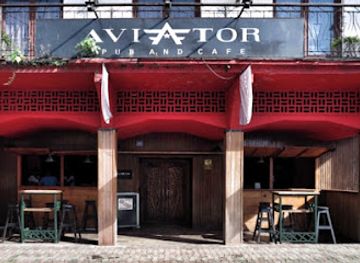
Experience the vibrant atmosphere of Aviator Pub and Café in Malabo, where delicious American cuisine meets live music and karaoke fun.
-
Bar
SAKOGE SL
Experience the vibrant nightlife at SAKOGE SL, a trendy bar in Malabo offering refreshing drinks and a lively atmosphere.
-
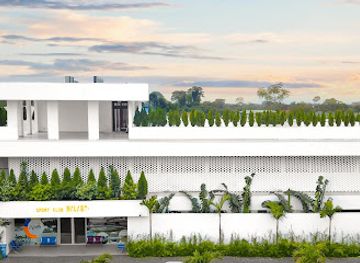
Club
Sport Club Malabo
Discover the heart of Malabo's nightlife at Sport Club Malabo, where vibrant music and dancing await every visitor.
-
Lounge
IMANI LOUNGE MALABO
Experience the vibrant nightlife of Malabo at Imani Lounge, where delicious cocktails, shisha, and snooker await you in a cozy atmosphere.
Best shops in Bioko Island
Bioko Island's shopping scene is a vibrant mosaic that captures the essence of Equatorial Guinea's rich culture and history. Visitors can explore bustling markets like the Malabo Market, where a kaleidoscope of local goods awaits, from fresh produce and exotic spices to intricately woven textiles and handmade crafts. The island's artisanal shops offer unique treasures such as traditional Fang masks, intricately carved wooden sculptures, and beautiful jewelry made from local materials. For those seeking modern conveniences, there are also contemporary shopping centers in Malabo featuring a mix of international brands and local boutiques. The shopping experience in Bioko Island is not just about buying items; it's about immersing oneself in the local way of life, engaging with friendly vendors, and discovering the island's multifaceted identity through its diverse offerings.
-
Health and beauty shop
Unicasa
Explore Unicasa in Malabo for an extensive range of beauty supplies, cosmetics, and perfumes, blending local charm with high-quality products.
-
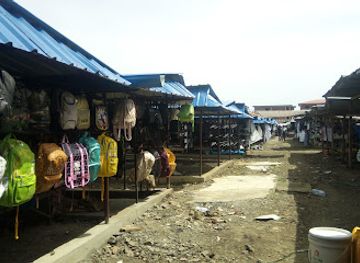
Market
SEMU Mercado
Explore SEMU Mercado in Malabo, a vibrant market showcasing local produce, crafts, and the rich culture of Equatorial Guinea.
-
Supermarket
Supermercado Martínez Hermanos - Edificio Muankaban
Discover local flavors and vibrant culture at Supermercado Martínez Hermanos in Malabo, the perfect spot for culinary exploration.
-
Grocery store
EGTC
Experience the vibrant flavors of Equatorial Guinea at EGTC, your go-to grocery store in Malabo for local produce and culinary delights.



Get your free copy of our complete guide to Bioko Island, delivered straight to you.
Everything on this page, from attractions and restaurants to essentials and local phrases, in one PDF you can read offline, print or share.
Already have an account? Sign in
Your Bioko Island guide is ready.
We'll send it to · Not you? Sign out

Getting your guide ready…
We are putting together a fresh copy of the Bioko Island guide. This can take up to a minute.
This can take a few moments. If your browser asks, choose Allow so the download can start. You'll find the guide in your Downloads folder.
Nothing happened? Download it again
Sorry, the guide is taking longer than usual. Please try again in a minute, or get it by email instead.
Bioko Island essentials
Currency and Payment
Safety
Emergency Situations
Do's and Don'ts
Local Tips
From Eve
Local phrases worth knowing
You don't need to get them perfect. A few words go a long way, and locals appreciate the effort.
Basics
| English | Local | Say it |
|---|---|---|
| Hello | Bula | [boo-lah] |
| Goodbye | Tata | [tah-tah] |
| Yes | Eyo | [eh-yoh] |
| No | Ayo | [ah-yoh] |
| Please/You're welcome | Esyan | [eh-syan] |
| Thank you | Mesi | [meh-see] |
| Excuse me/Sorry | Ndoa | [n-doh-ah] |
| How are you? | Como estu? | [koh-moh es-too] |
| Fine. And you? | Bien. Y tú? | [byen. ee too] |
| Do you speak English? | Hablas inglés? | [ah-blas een-glehs] |
| I don't understand | No entiendo | [noh en-tee-en-doh] |
Eating & Drinking
| English | Local | Say it |
|---|---|---|
| I'd like to see the menu, please | Quiero ver el menú, por favor | [kee-eh-roh vehr el meh-noo, por fah-vor] |
| I don't eat meat | No como carne | [noh koh-moh kar-neh] |
| Cheers! | Salud! | [sah-lud] |
| I would like to pay, please | Quiero pagar, por favor | [kee-eh-roh pah-gar, por fah-vor] |
Emergencies
| English | Local | Say it |
|---|---|---|
| Help! | ¡Ayuda! | [ah-yoo-dah] |
| Go away! | ¡Vete! | [veh-teh] |
| Call the Police! | ¡Llama a la policía! | [yah-mah ah lah poh-lee-siah] |
| Call a doctor! | ¡Llama a un doctor! | [yah-mah ah oon dok-tor] |
| I'm lost | Estoy perdido | [es-toy per-dee-doh] |
| I'm ill | Estoy enfermo | [es-toy en-fer-mo] |
Shopping
| English | Local | Say it |
|---|---|---|
| I'd like to buy... | Quiero comprar... | [kee-eh-roh kom-prahr] |
| I'm just looking | Solo estoy mirando | [so-lo es-toy mee-ran-doh] |
| How much is it? | ¿Cuánto cuesta? | [kwan-toh kwes-tah] |
| That's too expensive | Es muy caro | [es moo-ee kah-roh] |
| Can you lower the price? | ¿Puedes bajar el precio? | [pweh-des bah-har el preh-syo] |
Time & Numbers
| English | Local | Say it |
|---|---|---|
| What time is it? | ¿Qué hora es? | [keh oh-rah es] |
| It's one o'clock | Es la una | [es lah oo-nah] |
| Half past (10) | Y media (10) | [ee meh-dee-ah] |
| Morning | Mañana | [mah-nyah-nah] |
| Afternoon | Tarde | [tar-deh] |
| Evening | Noche | [noh-cheh] |
| Yesterday | Ayer | [ah-yehr] |
| Today | Hoy | [oy] |
| Tomorrow | Mañana | [mah-nyah-nah] |
| 1 | Uno | [oo-noh] |
| 2 | Dos | [dohs] |
| 3 | Tres | [tres] |
| 4 | Cuatro | [kwah-troh] |
| 5 | Cinco | [seen-koh] |
| 6 | Seis | [says] |
| 7 | Siete | [see-eh-teh] |
| 8 | Ocho | [oh-choh] |
| 9 | Nueve | [nweh-beh] |
| 10 | Diez | [dyehs] |
Transport & Directions
| English | Local | Say it |
|---|---|---|
| Where's a/the...? | ¿Dónde está un/una...? | [dohn-deh es-tah oon/oo-nah] |
| What's the address? | ¿Cuál es la dirección? | [kwahl es lah dee-rehk-syon] |
| Can you show me (on the map)? | ¿Puedes mostrarme (en el mapa)? | [pweh-des mohs-trar-meh (en el mah-pah)] |
| When's the next (bus)? | ¿Cuándo llega el próximo (autobús)? | [kwan-doh yeh-gah el prohk-see-mo (ow-toh-boos)] |
| A ticket (to ....) | Un billete (a ....) | [oon bee-yeh-teh (ah ....)] |
History of Bioko Island
Early Inhabitants: The Bubi People
The Bubi people are considered the original inhabitants of Bioko Island. They are believed to have settled the island around 3,000 years ago, migrating from the mainland. The Bubi developed a unique culture and social structure, which included a matrilineal system and a deep connection to their land and natural surroundings.
Portuguese Discovery: Fernando Pó
In 1472, Portuguese explorer Fernão do Pó discovered the island, which was subsequently named after him as 'Fernando Pó'. The island became an important stop for Portuguese ships navigating the Atlantic, and it was one of the earliest European contacts with the island.
Spanish Colonization
In 1778, the island was ceded to Spain by Portugal through the Treaty of El Pardo. The Spanish aimed to use Fernando Pó as a base for their slave trade operations. However, the island's difficult terrain and climate made it challenging for the Spanish to establish a strong presence initially.
British Influence and Anti-Slavery Efforts
During the early 19th century, the British established a naval base on Fernando Pó as part of their efforts to suppress the transatlantic slave trade. The island served as a key location for the British West Africa Squadron. The British also introduced various agricultural projects, including the cultivation of cocoa and coffee.
Liberian and Creole Settlements
In the mid-19th century, freed slaves from Liberia and Sierra Leone were resettled on Fernando Pó. These Creole communities brought with them diverse cultural practices and languages, contributing to the island's rich cultural tapestry.
Colonial Economy and Labor Systems
By the late 19th century, Fernando Pó's economy was heavily based on agriculture, particularly cocoa and coffee plantations. The Spanish colonial administration relied on forced labor systems, including the use of contracted laborers from Liberia and Nigeria, to maintain these plantations.
Path to Independence
In the mid-20th century, nationalist movements began to emerge in Spanish Guinea, including on Bioko Island. These movements aimed to end colonial rule and gain independence. By 1968, Equatorial Guinea, including Bioko Island, achieved independence from Spain, marking a significant chapter in the island's history.
Modern Era: Political and Economic Changes
The post-independence period saw significant political and economic changes on Bioko Island. The discovery of oil and gas reserves in the late 20th century transformed the island's economy, attracting foreign investment and increasing its strategic importance. Despite these economic gains, the island has faced challenges related to governance and human rights.
Cultural Heritage and Festivals
Bioko Island boasts a rich cultural heritage, with influences from the Bubi, Creole, and other African communities. Traditional music, dance, and festivals play a crucial role in the island's cultural life. The Malabo Hip Hop Festival and the Bubi Yam Festival are notable events that celebrate the island's vibrant culture.
Bioko Island in Photos
Browse through our photo collection highlighting the charm and character of the destination.
Neighbouring regions of Bioko Island
The closest regions to Bioko Island, if you have time for more than one.
-

-

-

-

-


Swipe for more regions
Explore more
Explore more of Equatorial Guinea
Discover Equatorial Guinea – A captivating blend of colonial history, lush rainforests, pristine beaches, and vibrant culture in the heart of Central Africa.
Explore Equatorial Guinea