

Free Río Muni Travel Guide & Mobile App
Explore Río Muni with free travel guides. Discover regional history, expert tips, proposed trips, and audio guides on web or mobile app.


Explore Río Muni in Equatorial Guinea for Atlantic coastlines, rainforest parks, Fang culture, and the mainland cities of Bata and Mongomo.
Read more about Río Muni
When is the best time to visit Río Muni?
Best: January–March · 28°C| Month | High (°C) | Rainfall (mm) |
|---|---|---|
| January (best) | 28 | 120 |
| February (best) | 28 | 110 |
| March (best) | 28 | 130 |
| April | 28 | 140 |
| May | 29 | 150 |
| June | 28 | 160 |
| July | 28 | 170 |
| August | 28 | 180 |
| September | 28 | 190 |
| October | 28 | 200 |
| November | 28 | 210 |
| December | 28 | 220 |
Getting to and around Río Muni
How to get there
Transportation
Top city travel guides in Río Muni
The cities of Río Muni, and the easiest places to base yourself.

Swipe for more cities
Best attractions in Río Muni
Río Muni’s attractions are defined less by a dense chain of formal visitor sites than by the contrast between Atlantic urban life and extensive equatorial forest. Bata provides the most accessible mixture of coast, beaches, markets, civic buildings and everyday commercial activity, while the roads inland lead through towns and villages set among plantations, forest fragments and broad tropical landscapes. Monte Alén National Park is the region’s leading nature destination, protecting rainforest, hills, rivers and important wildlife habitat in Centro Sur Province. Visitor infrastructure can be limited, so excursions need advance organisation, local guidance and realistic expectations. Altos de Nsork National Park in the east offers another substantial forest environment, and Monte Temelón Natural Reserve near the northern part of the mainland is significant for its rainforest and biodiversity. In Mongomo and the eastern interior, planned urban development and formal public architecture provide a different perspective on the country’s post-oil transformation. Smaller attractions include markets, churches, colonial-era urban traces, roadside communities and river landscapes. Río Muni suits travellers interested in conservation, Central African geography and contemporary development rather than those seeking a conventional resort itinerary.
-
Island
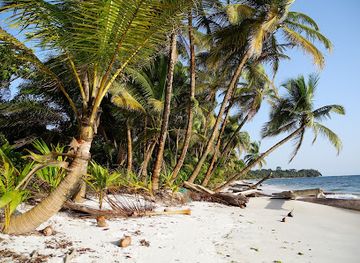
Corisco
Experience the serene beauty and vibrant culture of Corisco Island, a hidden paradise in Equatorial Guinea perfect for nature lovers and adventure seekers.
-
Hiking area
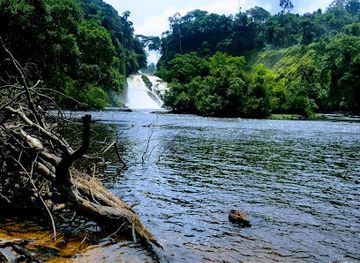
Chutes de Memve'ele
Experience the breathtaking beauty of Chutes de Memve'ele, a stunning waterfall and hiking area in Cameroon, perfect for outdoor enthusiasts and nature lovers.
-
 Cathedral
Rio Muni
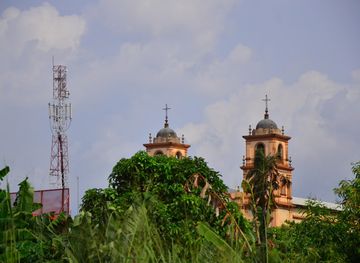
Experience the architectural wonder of Rio Muni, a historic cathedral in Bata, Equatorial Guinea, blending culture, history, and stunning artistry.


Best landmarks in Río Muni
Bata’s coastal urban landscape is Río Muni’s most recognisable civic setting, combining the Atlantic waterfront with broad avenues, public buildings and remnants of the city’s Spanish colonial foundation. Its importance comes from its role as the mainland’s principal port, commercial centre and largest city rather than from a single monumental structure. Inland, Mongomo is a major political and ceremonial centre whose planned avenues, large public buildings and formal religious architecture reflect the scale of state construction during the oil era. The city’s Basilica of the Immaculate Conception is among the most prominent religious landmarks on the mainland. In the east, Ciudad de la Paz, formerly known as Oyala, is a conspicuous planned development built in the forested interior as a new administrative centre; its broad infrastructure contrasts sharply with older settlements and rural surroundings. The most significant natural landmarks are the forested hills and river valleys of Monte Alén National Park, where rainforest terrain rather than masonry defines the landscape. Across Río Muni, churches, bridges, market areas, colonial street plans and carefully landscaped government precincts reveal the successive layers of mission history, colonial rule, independence and oil-funded modernisation.
-
Hotel
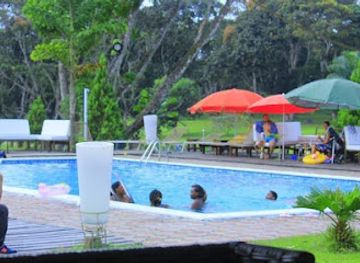
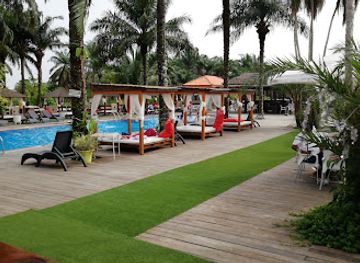
Résidence Hotelière Dounia Park Eco Lodge
Experience the harmony of nature and comfort at Résidence Hotelière Dounia Park Eco Lodge in Libreville, Gabon.
-
Restaurant
Torre de la Libertad
Experience the heart of Bata at Torre de la Libertad—where exquisite local cuisine meets vibrant nightlife in Equatorial Guinea.
-
National park
Parque Nacional del Monte Alén
Explore the unparalleled natural beauty and rich biodiversity of Parque Nacional del Monte Alén in Equatorial Guinea, a true paradise for eco-tourists and adventurers.
-
Island
Corisco
Discover the serene beauty of Corisco Island, Equatorial Guinea, where pristine beaches meet rich cultural experiences for an unforgettable getaway.

Explore Río Muni on the map
Plan your trip on one map. See where the top cities, national parks and sights are, and book hotels and experiences in a few clicks.
Best hotels in Río Muni
Best restaurants in Río Muni
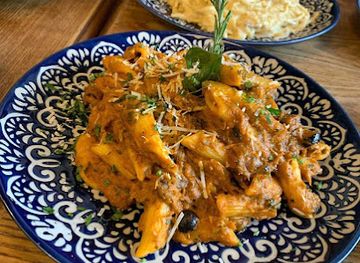
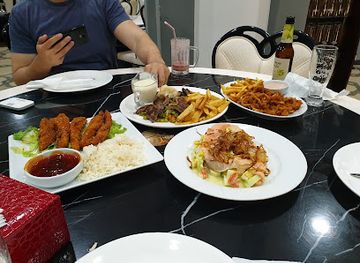
Dining in Río Muni combines Equatoguinean home cooking with Central African, Spanish and wider international influences. Plantains, cassava, rice, peanuts, fish, chicken and leafy vegetables form the basis of many meals, while grilled fish and seafood are especially natural choices in Bata and other coastal settlements. Soups and sauces made with vegetables, nuts or chilli are widely encountered, although recipes vary between households and communities. In towns, modest restaurants and cafés serve local dishes alongside Spanish-style meals, rice plates, grilled meats and familiar international options. Markets and informal food stalls are useful for observing everyday food culture, but visitors should choose busy establishments with good turnover and take care with untreated water. The mainland’s forest and agricultural zones support locally grown produce, yet restaurant menus do not always identify its origin. Formal hotels offer the most predictable service and payment arrangements, while rural dining is simpler and may require advance planning. Beer, soft drinks and bottled water are widely available; imported wine and specialised products are more limited and expensive.
-
Fine Dining
La Luna
Discover exquisite fine dining at La Luna in Malabo—where local flavors meet culinary artistry.
-
Restaurant
La Ferme Beach
Experience exquisite local cuisine at La Ferme Beach while enjoying breathtaking ocean views in Bata, Equatorial Guinea.
-
Restaurant
Torre de la Libertad
Discover Torre de la Libertad: A culinary gem and lively disco club in Bata, Equatorial Guinea offering delicious local cuisine and vibrant nightlife.
-
Restaurant
TamTam Restaurant & Pastry
Savor delicious local dishes and exquisite pastries at TamTam Restaurant & Pastry in Bata - an unmissable culinary experience!
Best bars in Río Muni
Evening life in Río Muni is concentrated in Bata and the larger inland cities rather than spread across the countryside. In Bata, hotel lounges, restaurant terraces, neighbourhood bars and music venues provide the broadest choice, with evenings often centred on conversation, football, recorded music and locally popular dancing. Mongomo and Ebebiyín have smaller urban scenes shaped by residents, business travel and cross-border connections. Traditional bars and casual restaurants are generally more important than a large, dedicated nightclub circuit, and venues can change their hours or character without much advance notice. In rural areas, nightlife usually means a quiet meal, a local bar or socialising with hosts rather than organised entertainment. Visitors should travel back to accommodation by trusted taxi or arranged transport, avoid displaying valuables and respect local expectations around photography. Equatoguinean and wider Central African music are part of the contemporary soundscape, while Spanish and international influences are more visible in formal urban venues.
-
Hotel
Hotel Anda China Malabo
Experience comfort and local charm at Hotel Anda in Malabo, your perfect base for exploring Equatorial Guinea.
-
Hotel
ibis Malabo
Discover the vibrant capital of Equatorial Guinea while enjoying modern comforts at ibis Malabo, your home away from home.
-
Hotel
Magno Suites Exclusive Hotel & Restaurant
Experience luxury and comfort at Magno Suites Exclusive Hotel & Restaurant, the perfect retreat in Malabo, Equatorial Guinea.
-
Fine Dining
La Luna
Discover the exquisite flavors of La Luna in Malabo, a fine dining gem blending local ingredients with international culinary artistry for an unforgettable experience.
Best nightclubs in Río Muni
Evening life in Río Muni is concentrated in Bata and the larger inland cities rather than spread across the countryside. In Bata, hotel lounges, restaurant terraces, neighbourhood bars and music venues provide the broadest choice, with evenings often centred on conversation, football, recorded music and locally popular dancing. Mongomo and Ebebiyín have smaller urban scenes shaped by residents, business travel and cross-border connections. Traditional bars and casual restaurants are generally more important than a large, dedicated nightclub circuit, and venues can change their hours or character without much advance notice. In rural areas, nightlife usually means a quiet meal, a local bar or socialising with hosts rather than organised entertainment. Visitors should travel back to accommodation by trusted taxi or arranged transport, avoid displaying valuables and respect local expectations around photography. Equatoguinean and wider Central African music are part of the contemporary soundscape, while Spanish and international influences are more visible in formal urban venues.
-
River
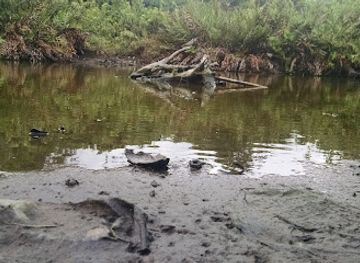
Benito River
Explore the serene beauty of Benito River in Equatorial Guinea, a nature lover's paradise with stunning landscapes and rich biodiversity.
-
Night club
Discoteca Beyby
Discover the heart of Evinayong's nightlife at Discoteca Beyby, where music, dance, and fun collide in an unforgettable experience.
Best shops in Río Muni
Shopping in Río Muni is primarily practical and local in character. Bata has the broadest selection of markets, small supermarkets, street traders, clothing shops and general stores, while inland towns such as Mongomo and Ebebiyín serve their surrounding communities and cross-border trade. Markets are the best places to see locally sold plantains, cassava, fruit, vegetables, smoked or fresh fish, household goods and imported products from neighbouring Central African countries. Visitors may find carved wooden objects, woven goods, fabrics and small craft items, but quality and provenance vary, so purchases should be made directly and respectfully rather than treating traditional objects as anonymous souvenirs. Packaged coffee, cocoa or other agricultural products may be available, though supplies are not always consistent. Shopping centres and luxury retail are limited compared with major international cities, and opening arrangements can be informal. Carry cash in smaller CFA franc denominations, bargain politely only where it is clearly customary, and never buy wildlife products, archaeological material, protected timber or anything that may have been taken illegally from a forest.
-
National park
Parque Nacional del Monte Alén
Experience the breathtaking biodiversity and stunning landscapes of Parque Nacional del Monte Alén, a gem of natural beauty in Equatorial Guinea.
-
Market
Marché de cocobeach
Discover the heart of Gabon at Marché de Cocobeach, a vibrant market filled with local flavors, crafts, and culture.
-
Home goods store
ikunde primero
Explore Ikunde Primero in Bata for unique home goods and local crafts that embody the spirit of Equatorial Guinea.
-
Market
Monte Bata
Discover the bustling heart of Bata at Monte Bata Market, where vibrant colors, local crafts, and fresh produce come together in a cultural shopping experience.

Get your free copy of our complete guide to Río Muni, delivered straight to you.
Everything on this page, from attractions and restaurants to essentials and local phrases, in one PDF you can read offline, print or share.
Already have an account? Sign in
Your Río Muni guide is ready.
We'll send it to · Not you? Sign out

Getting your guide ready…
We are putting together a fresh copy of the Río Muni guide. This can take up to a minute.
This can take a few moments. If your browser asks, choose Allow so the download can start. You'll find the guide in your Downloads folder.
Nothing happened? Download it again
Sorry, the guide is taking longer than usual. Please try again in a minute, or get it by email instead.
Río Muni essentials
Currency and Payment
Safety
Emergency Situations
Do's and Don'ts
Local Tips
From Eve
Local phrases worth knowing
You don't need to get them perfect. A few words go a long way, and locals appreciate the effort.
Basics
| English | Local | Say it |
|---|---|---|
| Hello | ¡Hola! | [O-la!] |
| Goodbye | Adiós | [A-dee-os] |
| Yes | Sí | [See] |
| No | No | [No] |
| Please/You're welcome | Por favor | [Por fa-vor] |
| Thank you | Gracias | [Gra-thias] |
| Excuse me/Sorry | Perdón | [Per-don] |
| How are you? | ¿Cómo estás? | [Ko-mo es-tas] |
| Fine. And you? | Bien. ¿Y tú? | [Bee-en. Ee tu?] |
| Do you speak English? | ¿Hablas inglés? | [Ah-blas in-glés] |
| I don't understand | No entiendo | [No en-tyen-do] |
Eating & Drinking
| English | Local | Say it |
|---|---|---|
| I'd like to see the menu, please | Me gustaría ver el menú, por favor | [Me gus-ta-ria ver el me-nu, por fa-vor] |
| I don't eat meat | No como carne | [No ko-mo car-ne] |
| Cheers! | ¡Salud! | [Sa-lud] |
| I would like to pay, please | Me gustaría pagar, por favor | [Me gus-ta-ria pa-gar, por fa-vor] |
Emergencies
| English | Local | Say it |
|---|---|---|
| Help! | ¡Ayuda! | [A-yu-da] |
| Go away! | ¡Vete! | [Ve-te] |
| Call the Police! | ¡Llama a la policía! | [Ya-ma a la po-li-cia] |
| Call a doctor! | ¡Llama a un doctor! | [Ya-ma a un doc-tor] |
| I'm lost | Estoy perdido | [Es-toy per-di-do] |
| I'm ill | Estoy enfermo | [Es-toy en-fer-mo] |
Shopping
| English | Local | Say it |
|---|---|---|
| I'd like to buy... | Me gustaría comprar... | [Me gus-ta-ria kom-prar] |
| I'm just looking | Solo estoy mirando | [So-lo es-toy mi-ran-do] |
| How much is it? | ¿Cuánto cuesta? | [Kwan-to kwes-ta] |
| That's too expensive | Eso es muy caro | [E-so es muy ca-ro] |
| Can you lower the price? | ¿Puedes bajar el precio? | [Pwe-des ba-har el pre-cio] |
Time & Numbers
| English | Local | Say it |
|---|---|---|
| What time is it? | ¿Qué hora es? | [Ke o-ra es] |
| It's one o'clock | Es la una | [Es la u-na] |
| Half past (10) | Y media (10) | [Ee me-dia (10)] |
| Morning | Mañana | [Ma-nya-na] |
| Afternoon | Tarde | [Tar-de] |
| Evening | Noche | [No-che] |
| Yesterday | Ayer | [A-yer] |
| Today | Hoy | [Oy] |
| Tomorrow | Mañana | [Ma-nya-na] |
| 1 | Uno | [U-no] |
| 2 | Dos | [Dos] |
| 3 | Tres | [Tres] |
| 4 | Cuatro | [Cua-tro] |
| 5 | Cinco | [Sin-co] |
| 6 | Seis | [Seis] |
| 7 | Siete | [Sye-te] |
| 8 | Ocho | [O-cho] |
| 9 | Nueve | [Nwe-ve] |
| 10 | Diez | [Dyez] |
Transport & Directions
| English | Local | Say it |
|---|---|---|
| Where's a/the...? | ¿Dónde está un/una...? | [Don-de es-ta un/una] |
| What's the address? | ¿Cuál es la dirección? | [Kwal es la di-rec-ción] |
| Can you show me (on the map)? | ¿Puedes mostrarme (en el mapa)? | [Pwe-des mos-trar-me (en el ma-pa)] |
| When's the next (bus)? | ¿Cuándo es el próximo (autobús)? | [Kwan-do es el pro-xi-mo (au-to-bus)] |
| A ticket (to ....) | Un billete (a ....) | [Un bi-lye-te (a ....)] |
History of Río Muni
Early Bantu and Fang Settlement
The mainland of Equatorial Guinea was shaped by successive Bantu-speaking migrations and the development of forest and riverine communities over many centuries. Fang-speaking peoples became particularly influential across much of Río Muni, establishing settlements, family networks and systems of exchange adapted to the rainforest environment. Coastal communities also maintained connections with Atlantic trade. Archaeological evidence in the wider region points to long histories of ironworking, cultivation and movement through Central African forest zones, although much of the mainland’s precolonial history is preserved through oral traditions rather than monumental remains.
Portuguese Atlantic Exploration
Portuguese navigators reached the Gulf of Guinea during the fifteenth century, beginning the European phase of the area’s recorded colonial history. The islands of present-day Equatorial Guinea became more directly connected to Portuguese and later Spanish interests than the forested mainland, but Río Muni was drawn into the same changing Atlantic political and commercial system. European traders and missionaries encountered coastal societies whose links extended inland through established African networks. The mainland was not transformed into a dense European settlement zone at this stage, and outside influence remained strongest along the coast.
Spanish Control of Río Muni
Spain acquired formal control of Río Muni in the late nineteenth century as European powers divided Central Africa into colonial territories. Spanish authority expanded gradually from coastal posts, and the mainland became part of Spanish Guinea. Colonial administration relied on missions, commercial concessions, forced or heavily controlled labour systems and the production of timber, cocoa and other commodities. Bata developed as the principal coastal centre, while roads and administrative stations connected selected inland areas. Colonial boundaries separated communities from neighbouring Cameroon and Gabon, creating political divisions that remain relevant to modern travel.
Colonial Economy and Urban Development
During the first half of the twentieth century, Spain consolidated its administration of the mainland through forestry, agriculture, taxation, Catholic missions and state infrastructure. Timber extraction and plantation production altered local economies, while Bata grew as a port and administrative centre. Spanish colonial architecture, road alignments and civic buildings remain visible in parts of the older urban fabric, although later construction has changed the appearance of the cities substantially. Colonial rule also brought coercion and unequal access to education, land and political power, experiences that formed an important background to the independence movement.
Independence in 1968
Equatorial Guinea became independent from Spain on 12 October 1968. The new state inherited a small administrative and educated class, limited infrastructure and deep regional inequalities between the islands and mainland. Río Muni was central to the country’s political and economic life because of its territory, population and agricultural and forestry resources. The early post-independence period under Francisco Macías Nguema brought severe repression, economic collapse and the disruption of public institutions. Many people left the country, and the mainland’s schools, health services and commercial networks suffered lasting damage.
Political Change and the Oil Era
A change of government in 1979 under Teodoro Obiang Nguema Mbasogo began a period of reconstruction, followed later by the discovery and exploitation of offshore oil and gas resources in the 1990s. Oil revenues financed major roads, public buildings, airports and planned urban developments across Río Muni, including substantial expansion in Bata and the construction of Ciudad de la Paz, formerly Oyala, in the interior. The oil boom transformed the appearance of the region, but it also produced a highly centralised economy and did not remove the practical difficulties of accessing remote rural and forest areas.
Río Muni in Photos
Browse through our photo collection highlighting the charm and character of the destination.
Neighbouring regions of Río Muni
The closest regions to Río Muni, if you have time for more than one.
-

-

-

-

-


Swipe for more regions
Explore more
Explore more of Equatorial Guinea
Discover Equatorial Guinea – A captivating blend of colonial history, lush rainforests, pristine beaches, and vibrant culture in the heart of Central Africa.
Explore Equatorial Guinea