

Free Kie-Ntem Travel Guide & Mobile App
Explore Kie-Ntem with free travel guides. Discover regional history, expert tips, proposed trips, and audio guides on web or mobile app.


Explore Kie-Ntem in Equatorial Guinea for rainforest scenery, Ntem River landscapes, Fang culture and the cross-border energy of Ebebiyín.
Read more about Kie-Ntem
When is the best time to visit Kie-Ntem?
Best: January–February, July · 26°C| Month | High (°C) | Rainfall (mm) |
|---|---|---|
| January (best) | 26 | 200 |
| February (best) | 26 | 180 |
| March | 26 | 220 |
| April | 26 | 250 |
| May | 26 | 230 |
| June | 26 | 210 |
| July (best) | 26 | 190 |
| August | 26 | 200 |
| September | 26 | 220 |
| October | 26 | 240 |
| November | 26 | 230 |
| December | 26 | 210 |
Getting to and around Kie-Ntem
How to get there
Transportation
Best landmarks in Kie-Ntem
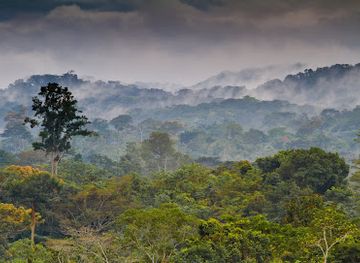
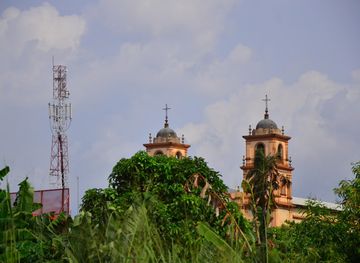
The Ntem River is Kie-Ntem’s most important natural landmark, defining part of the province’s relationship with Cameroon and embodying the cross-border geography of the wider Fang cultural region. Ebebiyín is the principal human landmark: its roads, commercial areas, public institutions and religious buildings express the town’s role as a national gateway and regional trading centre. The townscape also reflects the layered presence of Spanish colonial administration, Catholic Christianity and post-independence state development, although individual buildings should be viewed from public areas and not photographed automatically. Micomeseng provides a more compact example of a mainland provincial settlement, surrounded by forest, farmland and smaller communities. Beyond the towns, the visual landmarks are environmental rather than monumental: rainforest edges, red-earth roads, river corridors and cultivated clearings form a changing Central African landscape. Kie-Ntem does not possess the concentration of famous castles, grand monuments or formal heritage sites found in some better-known travel regions, and its most meaningful landmarks are closely tied to geography, movement and everyday settlement.
-
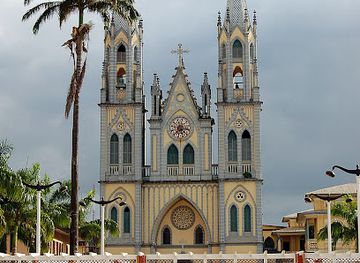
Catholic cathedral
St. Elizabeth’s Cathedral
Experience the architectural splendor and spiritual serenity of St. Elizabeth’s Cathedral, a must-see destination in Malabo, Equatorial Guinea.
-
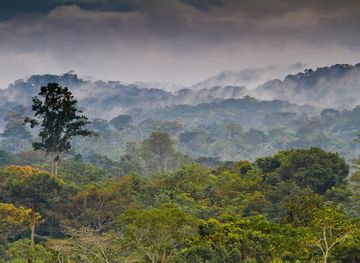
National park
Parque Nacional del Monte Alén
Explore the lush landscapes and diverse ecosystems of Parque Nacional del Monte Alén, a stunning national park in Equatorial Guinea that captivates every nature lover.
-
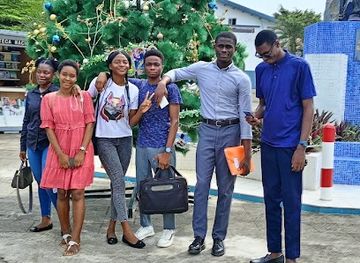
University
Universidad Nacional de Guinea Ecuatorial
Discover the vibrant academic life and rich cultural heritage at Universidad Nacional de Guinea Ecuatorial in Malabo.
-
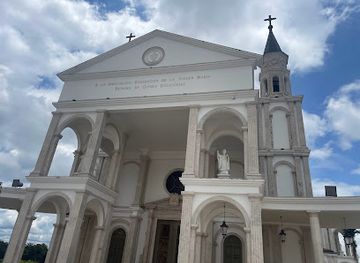
Basilica
Basilica of the Immaculate Conception, Mongomo
Explore the Basilica of the Immaculate Conception in Mongomo, a stunning architectural gem that reflects the rich cultural heritage of Equatorial Guinea.
Explore Kie-Ntem on the map
Plan your trip on one map. See where the top cities, national parks and sights are, and book hotels and experiences in a few clicks.
Best hotels in Kie-Ntem
Best restaurants in Kie-Ntem
Dining in Kie-Ntem is generally informal and concentrated in Ebebiyín and other larger settlements. Local cooking reflects the mainland Equatorial Guinean and wider Central African repertoire, with cassava, plantain, rice, fish, chicken, groundnuts, greens, peppers and richly seasoned sauces appearing frequently. Roadside grills and small eateries may offer simple plates at busy times, while modest hotel restaurants provide a more predictable option for visitors. Markets are useful for fruit, bread, snacks and ingredients, although hygiene standards and availability vary. The province’s border position means that dishes and ingredients associated with Cameroon and Gabon may also appear alongside Equatorial Guinean food. Travellers should ask how meat and fish have been sourced and avoid protected wildlife products. In rural areas, food choices can be narrow, so carrying sealed snacks and drinking treated or bottled water is sensible. Dining is usually more about fresh, filling food and local conversation than formal culinary presentation.
-
 Hotel
Hotelibis Malabo
Discover comfort at ibis Malabo – your ideal base for exploring Equatorial Guinea's vibrant culture and stunning landscapes.
-
Hotel
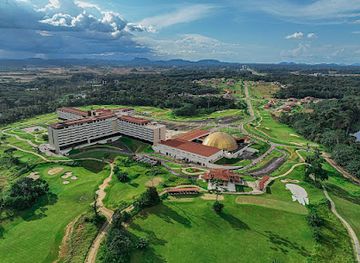
Grand Hotel Djibloho
Experience unparalleled luxury at Grand Hotel Djibloho in Ciudad de la Paz - where comfort meets elegance in Equatorial Guinea.
-
Hotel
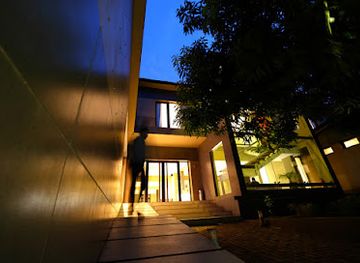
Magno Suites Exclusive Hotel & Restaurant
Discover unparalleled luxury at Magno Suites Exclusive Hotel & Restaurant in Malabo – where elegance meets exceptional service.
-
Fine Dining
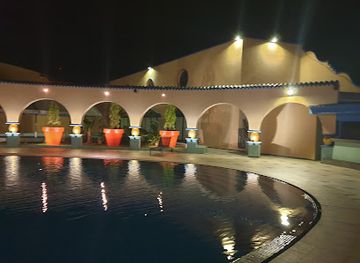
La Luna
Experience exquisite fine dining at La Luna in Malabo, where local flavors meet international culinary artistry for an unforgettable meal.
Best bars in Kie-Ntem
Evening life in Kie-Ntem is modest and centred mainly on beer gardens, neighbourhood bars, hotel lounges, small restaurants and informal social gatherings rather than a major nightclub circuit. Ebebiyín has the broadest choice, with activity linked to its commercial and cross-border population, while Micomeseng and smaller settlements generally become quiet earlier. Music may be played in bars or at local celebrations, but events and opening arrangements are not dependable enough to plan around without local confirmation. Visitors should choose established accommodation or a trusted local recommendation, keep valuables secure and arrange transport before drinking. In rural districts, the evening experience is more likely to involve conversation, food and community life than organised entertainment. Alcohol is not necessary for engaging with the province, and respectful behaviour is particularly important in small communities where visitors are conspicuous.
-
Hotel
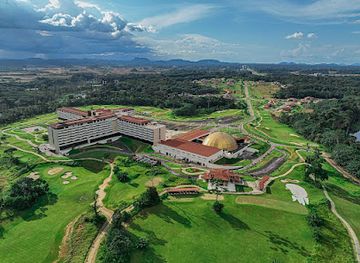
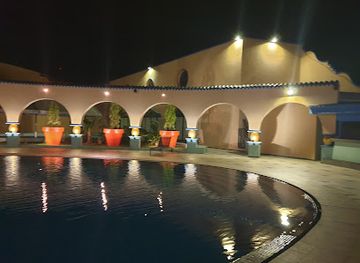
Grand Hotel Djibloho
Experience unparalleled luxury and comfort at Grand Hotel Djibloho in Ciudad de la Paz, Equatorial Guinea, with world-class amenities and stunning surroundings.
-
Fine Dining
La Luna
Experience the exquisite flavors of La Luna, a fine dining restaurant in Malabo, offering a blend of local and international cuisine in an elegant setting.
-
Gastropub
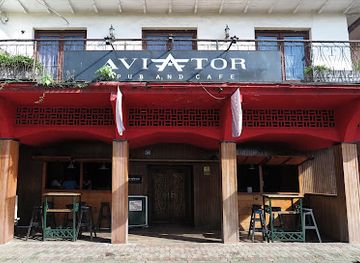
Aviator Pub and Café
Experience the best of American cuisine and vibrant nightlife at Aviator Pub and Café in Malabo, a must-visit gastropub.
-
Hotel
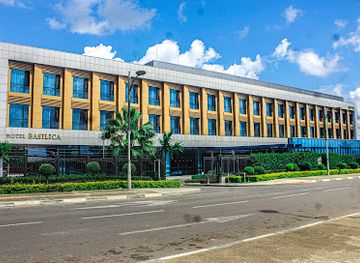
Basilica Hotel
Discover comfort and elegance at Basilica Hotel in Mongomo, Equatorial Guinea, your gateway to cultural and natural wonders.
Best nightclubs in Kie-Ntem
Evening life in Kie-Ntem is modest and centred mainly on beer gardens, neighbourhood bars, hotel lounges, small restaurants and informal social gatherings rather than a major nightclub circuit. Ebebiyín has the broadest choice, with activity linked to its commercial and cross-border population, while Micomeseng and smaller settlements generally become quiet earlier. Music may be played in bars or at local celebrations, but events and opening arrangements are not dependable enough to plan around without local confirmation. Visitors should choose established accommodation or a trusted local recommendation, keep valuables secure and arrange transport before drinking. In rural districts, the evening experience is more likely to involve conversation, food and community life than organised entertainment. Alcohol is not necessary for engaging with the province, and respectful behaviour is particularly important in small communities where visitors are conspicuous.
-
Disco club
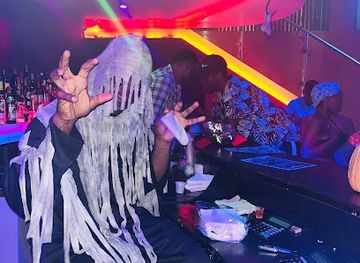
The Popular Night Club
Dive into the vibrant nightlife of Malabo at The Popular Night Club, where the rhythm of the night comes alive with music, dancing, and unforgettable experiences.
Best shops in Kie-Ntem
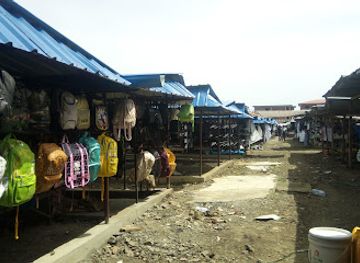
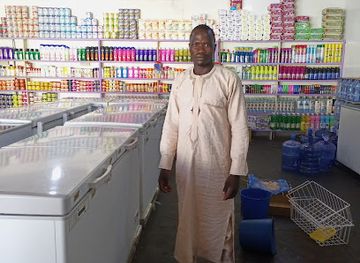
Shopping in Kie-Ntem is practical and market-oriented, with Ebebiyín offering the widest selection of foodstuffs, clothing, household goods, mobile-phone provisions and cross-border merchandise. Smaller settlements have basic markets and roadside stalls rather than dedicated souvenir shops. Visitors may find locally grown fruit, plantains, cassava products, spices and prepared snacks, while craft items and textiles are more likely to be sourced through personal recommendations than from a formal retail district. Border commerce means that goods from Cameroon, Gabon and elsewhere in Equatorial Guinea may appear together, but travellers should understand customs rules before carrying purchases across an international frontier. Avoid buying wildlife products, archaeological objects or timber whose origin is unclear. Bargaining may be customary in informal markets, whereas fixed prices are more likely in established shops. Cash in smaller CFA franc notes remains useful, and packaging, quality and availability can vary considerably.
-
Market
SEMU Mercado
Experience the vibrant culture and flavors of SEMU Mercado in Malabo, Equatorial Guinea's bustling market of local crafts and fresh produce.
-
Supermarket
Supermercado Champion
Experience local life at Supermercado Champion, Ebebiyin's vibrant supermarket offering fresh produce and cultural insights.
-
National park
Parque Nacional del Monte Alén
Discover the enchanting beauty of Parque Nacional del Monte Alén, a national park brimming with wildlife and breathtaking landscapes.
-
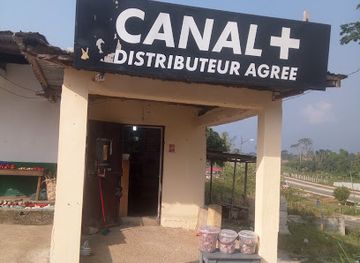
Poster store
CANAL+ de Mongomo, Guinea Ecuatorial
Discover unique artistic prints and immerse yourself in the vibrant culture of Equatorial Guinea at CANAL+ de Mongomo.
Get your free copy of our complete guide to Kie-Ntem, delivered straight to you.
Everything on this page, from attractions and restaurants to essentials and local phrases, in one PDF you can read offline, print or share.
Already have an account? Sign in
Your Kie-Ntem guide is ready.
We'll send it to · Not you? Sign out

Getting your guide ready…
We are putting together a fresh copy of the Kie-Ntem guide. This can take up to a minute.
This can take a few moments. If your browser asks, choose Allow so the download can start. You'll find the guide in your Downloads folder.
Nothing happened? Download it again
Sorry, the guide is taking longer than usual. Please try again in a minute, or get it by email instead.
Kie-Ntem essentials
Currency and Payment
Safety
Emergency Situations
Do's and Don'ts
Local Tips
From Eve
Local phrases worth knowing
You don't need to get them perfect. A few words go a long way, and locals appreciate the effort.
Basics
| English | Local | Say it |
|---|---|---|
| Hello | Hola | [Ola] |
| Goodbye | Adiós | [Adios] |
| Yes | Sí | [Si] |
| No | No | [No] |
| Please/You're welcome | Por favor | [Por favor] |
| Thank you | Gracias | [Gracias] |
| Excuse me/Sorry | Perdón | [Perdon] |
| How are you? | ¿Cómo estás? | [Como estas] |
| Fine. And you? | Bien. ¿Y tú? | [Bien. Y tu] |
| Do you speak English? | ¿Hablas inglés? | [Hablas ingles] |
| I don't understand | No entiendo | [No entiendo] |
Eating & Drinking
| English | Local | Say it |
|---|---|---|
| I'd like to see the menu, please | Me gustaría ver el menú, por favor | [Me gustaria ver el menu, por favor] |
| I don't eat meat | No como carne | [No como carne] |
| Cheers! | ¡Salud! | [Salud] |
| I would like to pay, please | Me gustaría pagar, por favor | [Me gustaria pagar, por favor] |
Emergencies
| English | Local | Say it |
|---|---|---|
| Help! | ¡Ayuda! | [Ayuda] |
| Go away! | ¡Vete! | [Vete] |
| Call the Police! | ¡Llama a la policía! | [Llama a la policia] |
| Call a doctor! | ¡Llama a un médico! | [Llama a un medico] |
| I'm lost | Estoy perdido | [Estoy perdido] |
| I'm ill | Estoy enfermo | [Estoy enfermo] |
Shopping
| English | Local | Say it |
|---|---|---|
| I'd like to buy... | Me gustaría comprar... | [Me gustaria comprar] |
| I'm just looking | Solo estoy mirando | [Solo estoy mirando] |
| How much is it? | ¿Cuánto cuesta? | [Cuanto cuesta] |
| That's too expensive | Eso es demasiado caro | [Eso es demasiado caro] |
| Can you lower the price? | ¿Puedes bajar el precio? | [Puedes bajar el precio] |
Time & Numbers
| English | Local | Say it |
|---|---|---|
| What time is it? | ¿Qué hora es? | [Que hora es] |
| It's one o'clock | Es la una | [Es la una] |
| Half past (10) | Y media (10) | [Y media] |
| Morning | Mañana | [Mañana] |
| Afternoon | Tarde | [Tarde] |
| Evening | Noche | [Noche] |
| Yesterday | Ayer | [Ayer] |
| Today | Hoy | [Hoy] |
| Tomorrow | Mañana | [Mañana] |
| 1 | Uno | [Uno] |
| 2 | Dos | [Dos] |
| 3 | Tres | [Tres] |
| 4 | Cuatro | [Cuatro] |
| 5 | Cinco | [Cinco] |
| 6 | Seis | [Seis] |
| 7 | Siete | [Siete] |
| 8 | Ocho | [Ocho] |
| 9 | Nueve | [Nueve] |
| 10 | Diez | [Diez] |
Transport & Directions
| English | Local | Say it |
|---|---|---|
| Where's a/the...? | ¿Dónde está un/a...? | [Donde esta un/a] |
| What's the address? | ¿Cuál es la dirección? | [Cual es la direccion] |
| Can you show me (on the map)? | ¿Puedes mostrarme (en el mapa)? | [Puedes mostrarme en el mapa] |
| When's the next (bus)? | ¿Cuándo es el próximo (autobús)? | [Cuando es el proximo autobus] |
| A ticket (to ....) | Un billete (a ....) | [Un billete a] |
History of Kie-Ntem
Fang settlement and precolonial networks
Long before colonial rule, the forested mainland was shaped by Fang-speaking communities whose settlements, kinship networks, farming systems and trading relationships extended across the area now divided between Equatorial Guinea, Cameroon and Gabon. Villages were connected by paths through the forest, while rivers and clearings influenced movement and cultivation. These older regional connections remain important to understanding Kie-Ntem: the modern international frontier is relatively recent compared with the cultural geography of the people living on both sides of it.
Spanish claims and the Río Muni colonial period
Spain established colonial authority over the mainland territory commonly known as Río Muni during the late nineteenth and early twentieth centuries, following European negotiations over Central African possessions. Colonial administration introduced new boundaries, mission stations, taxation and forms of forced or highly coercive labour. In Kie-Ntem, Spanish rule was experienced through administrative posts, transport routes, Christian missions and commercial extraction rather than through dense European settlement. The province’s present towns and roads carry traces of this administrative history, although much of the surrounding forest remained rural.
Missions, Christianity and colonial education
Catholic missions became important institutions in mainland Equatorial Guinea during the Spanish period. They introduced churches, schools and new forms of literacy while contributing to major religious and social change among local communities. Christian practice became deeply established, but it developed alongside older family traditions and cultural forms rather than simply replacing them. In Kie-Ntem, churches and civic institutions in towns such as Ebebiyín and Micomeseng reflect this layered history, while the region’s predominantly Fang cultural identity remains central to local life.
Independence and the first postcolonial upheaval
Equatorial Guinea became independent from Spain in 1968. The early postcolonial period brought severe political repression, economic disruption and the departure of many Spanish personnel, including teachers, administrators and clergy. These changes affected the mainland provinces as well as Bioko, weakening infrastructure and public services. The experience left a lasting mark on education, commerce and local administration, and helps explain why some colonial-era institutions and memories remain significant in Kie-Ntem’s towns.
Authoritarian rule and centralised state development
The government established under Francisco Macías Nguema was replaced by Teodoro Obiang Nguema Mbasogo in 1979, after which the state gradually rebuilt administrative structures and public infrastructure. Political power remained highly centralised, but investment connected mainland towns through improved roads, public buildings and expanded communications. Kie-Ntem benefited from its strategic position near Cameroon and Gabon, although development has been uneven between Ebebiyín and more remote settlements.
Oil wealth, roads and a changing border economy
From the 1990s, offshore petroleum production transformed Equatorial Guinea’s public finances and enabled major construction projects. In mainland regions, road building and urban investment became especially visible, even though the benefits of the oil economy were unevenly distributed and the country remained heavily dependent on hydrocarbons. Kie-Ntem’s border position gave Ebebiyín continuing importance in trade and movement, while older forest-based livelihoods, small-scale farming and local commerce continued beyond the principal transport corridors.
Kie-Ntem in Photos
Browse through our photo collection highlighting the charm and character of the destination.
Neighbouring regions of Kie-Ntem
The closest regions to Kie-Ntem, if you have time for more than one.
-

-

-

-

-


Swipe for more regions
Explore more
Explore more of Equatorial Guinea
Discover Equatorial Guinea – A captivating blend of colonial history, lush rainforests, pristine beaches, and vibrant culture in the heart of Central Africa.
Explore Equatorial Guinea