

Free Litoral Travel Guide & Mobile App
Explore Litoral with free travel guides. Discover regional history, expert tips, proposed trips, and audio guides on web or mobile app.


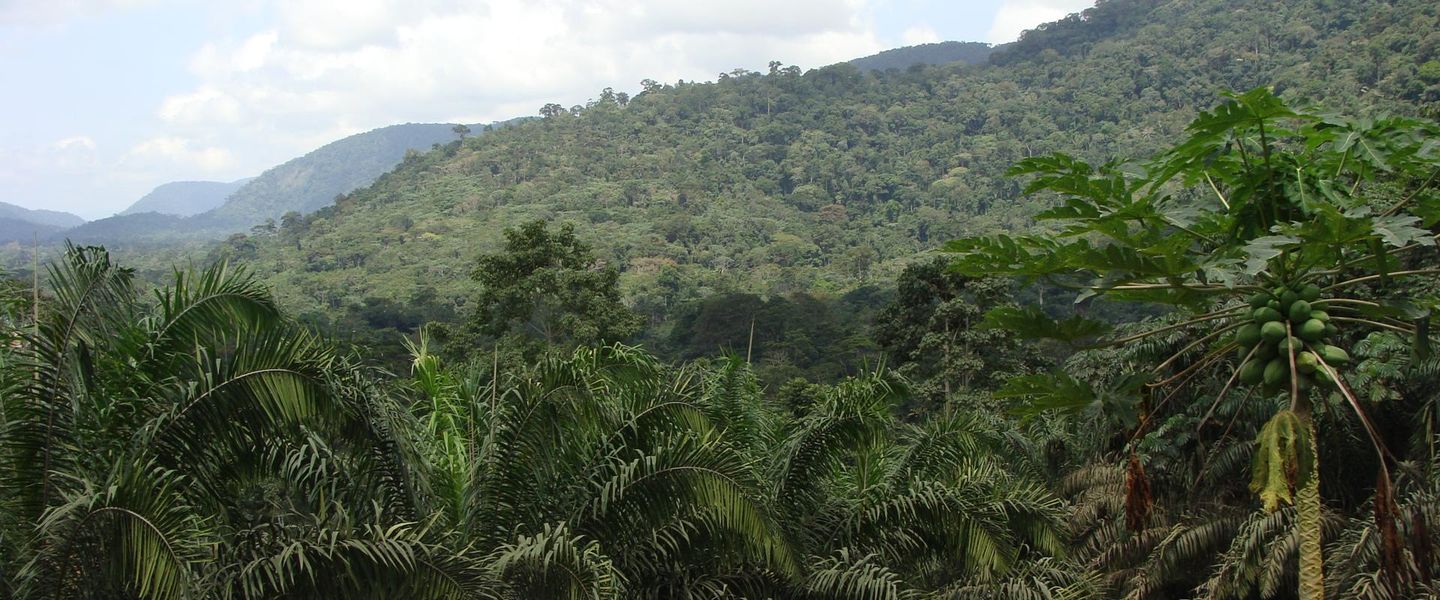


Explore Litoral in Equatorial Guinea for Bata’s coastal culture, Atlantic beaches, forested landscapes and estuarine communities.
Read more about Litoral
When is the best time to visit Litoral?
Best: January–March · 29–30°C| Month | High (°C) | Rainfall (mm) |
|---|---|---|
| January (best) | 29 | 70 |
| February (best) | 30 | 80 |
| March (best) | 30 | 100 |
| April | 30 | 120 |
| May | 30 | 140 |
| June | 30 | 160 |
| July | 29 | 180 |
| August | 29 | 200 |
| September | 30 | 220 |
| October | 30 | 240 |
| November | 30 | 260 |
| December | 29 | 280 |
Getting to and around Litoral
How to get there
Transportation
Top city travel guides in Litoral
The cities of Litoral, and the easiest places to base yourself.

Swipe for more cities
Best attractions in Litoral
Litoral’s attractions are shaped by the meeting of city, forest and Atlantic water rather than by a dense chain of formal tourist sites. Bata provides the province’s most accessible cultural experiences, including its waterfront, markets, cathedral, public spaces and examples of colonial-era urban fabric. The city is also the practical starting point for excursions and for learning about mainland Equatorial Guinea’s coastal communities. Outside Bata, the province offers broad beaches, humid vegetation, fishing settlements and waterways around Mbini and Cogo. The Muni estuarine area in the south is particularly suited to guided boat or nature excursions, although services and visitor infrastructure are limited. Rural travel is more about landscapes, local knowledge and observation than packaged sightseeing: mangroves, river mouths and forest edges can reveal birdlife and traditional coastal livelihoods, but should be approached with a guide and suitable transport. Litoral is not the province for a highly developed resort circuit; its appeal lies in seeing continental Equatorial Guinea’s working coast and rapidly changing urban centre.
-
Tourist attraction
Parque Nacional del Monte Alén
Discover the breathtaking biodiversity and stunning landscapes of Parque Nacional del Monte Alén, a hidden gem in Equatorial Guinea for nature enthusiasts.
-
National library
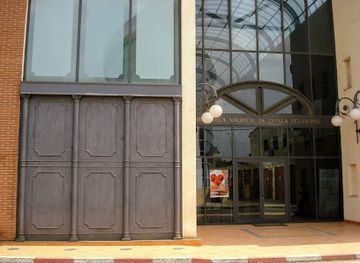
Biblioteca Nacional de Guinea Ecuatorial
Explore the Biblioteca Nacional de Guinea Ecuatorial in Malabo for a deep dive into the country's rich literary culture and heritage.
-
Wildlife refuge
Conservation Parc Nacional de Campo-Ma‘an (WWF)
Explore the diverse ecosystems and rich wildlife of Campo-Ma'an National Park, a true gem for nature lovers in Cameroon.
-
 Island
Little Elobey
Experience the untouched beauty and tranquility of Little Elobey, an idyllic island paradise in Equatorial Guinea, perfect for nature lovers and adventurers.

Best landmarks in Litoral
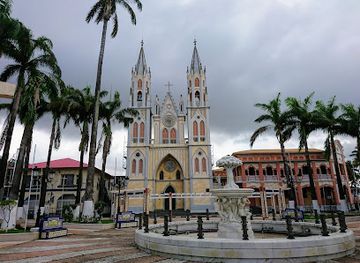
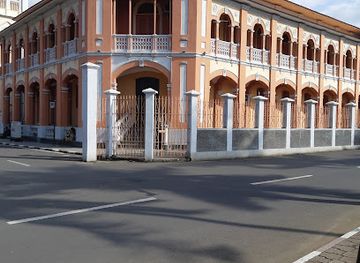
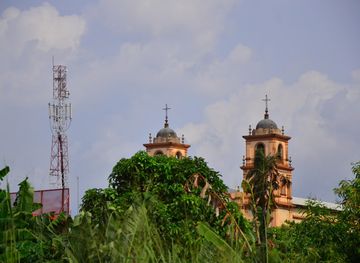
Bata’s cathedral is among the province’s most recognisable architectural landmarks, standing as a visible reminder of the city’s Catholic and Spanish colonial history while remaining part of a contemporary urban centre. The Bata waterfront and its broad civic avenues are equally important visual markers of the post-independence city, reflecting large-scale public construction and the capital-sized ambitions of Equatorial Guinea’s mainland metropolis. Older colonial buildings and street patterns survive in parts of central Bata, although they should be understood as fragments within a heavily redeveloped city rather than as a preserved historic quarter. Away from Bata, the estuaries and mangrove-lined waterways around Mbini and Cogo function as geographical landmarks: their river mouths, tidal channels and low coastal vegetation express the environmental character of southern Litoral. These natural features are best experienced with local guidance, since access, tides and weather can change quickly. The province’s most meaningful landmarks therefore combine civic architecture, religious buildings and working coastal landscapes rather than a single famous monument.
-
Hotel
ibis Malabo
Discover the charm of Equatorial Guinea at ibis Malabo, where comfort meets convenience in the heart of Malabo.
-
Catholic cathedral
St. Elizabeth’s Cathedral
Discover the architectural beauty and spiritual significance of St. Elizabeth’s Cathedral, a must-visit landmark in Malabo, Equatorial Guinea.
-
Hiking area
Paseo Maritimo
Explore Paseo Maritimo in Malabo: a stunning coastal promenade offering vibrant culture, delicious cuisine, and breathtaking ocean views.
-
Restaurant
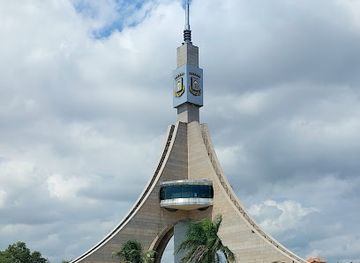
Torre de la Libertad
Experience the vibrant culture of Bata at Torre de la Libertad, where delicious dining meets lively nightlife in Equatorial Guinea.
Explore Litoral on the map
Plan your trip on one map. See where the top cities, national parks and sights are, and book hotels and experiences in a few clicks.
Best hotels in Litoral
Best restaurants in Litoral
Dining in Litoral is concentrated in Bata, where restaurants and hotel dining rooms serve Equatoguinean, Central African, Spanish and international food. Fish and seafood are natural features of the coastal setting, while cassava, plantain, rice, leafy vegetables and chilli-based sauces commonly accompany meals. Grilled or stewed fish, prawns and other locally available seafood may appear alongside chicken and meat dishes, though menus and supply vary. Informal eateries and market stalls can offer a more local experience, but visitors should choose busy premises with good food turnover and take care with untreated water and raw ingredients. Spanish influence is visible in some cafés, breads and prepared dishes, yet the province’s culinary identity is firmly connected to mainland African ingredients and coastal trade. Outside Bata, choice is much narrower, so carry water and basic provisions on longer journeys and do not assume that every small settlement has a reliable restaurant.
-
Fine Dining
La Luna
Discover exquisite dining at La Luna in Malabo - where local flavors meet fine culinary artistry for an unforgettable experience.
-
Restaurant
La Ferme Beach
Experience exquisite dining at La Ferme Beach - where fresh seafood meets stunning ocean views in Bata.
-
Pizza
Bidji Binia
Experience authentic pizza at Bidji Binia in Malabo - where every slice is crafted with love and tradition.
-
Restaurant
L'Atelier
Discover exquisite dining at L'Atelier in Malabo - where local flavors meet international cuisine in an elegant setting.
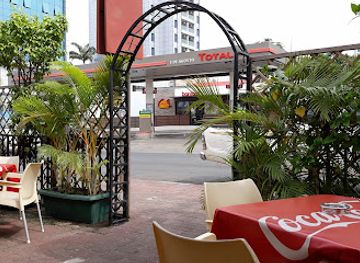
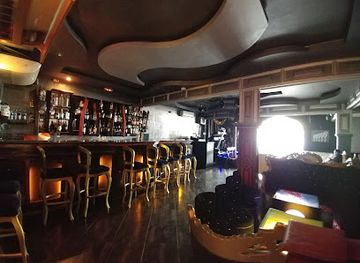
Best bars in Litoral
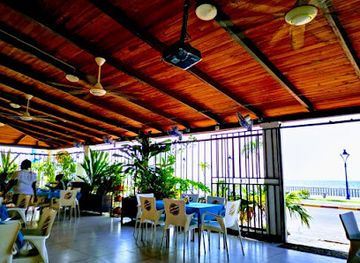
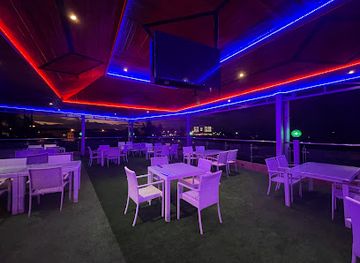
Evening life in Litoral is centred on Bata and is more varied there than in the province’s smaller settlements. Hotel lounges, restaurants, neighbourhood bars and music venues provide the main options, with local and international drinks, football broadcasts and occasional live entertainment. Bata’s broad urban layout means that venues can be spread out rather than concentrated in a clearly defined nightlife quarter. In Mbini, Cogo and rural areas, social life is generally quieter and revolves around eateries, informal bars and community gatherings rather than a substantial club scene. Opening arrangements and venue status can change, so local advice is more dependable than old online listings. Visitors should arrange transport home in advance, avoid displaying valuables and remember that enjoying the region does not require drinking; an early evening meal, waterfront walk in a suitable public area or a cultural event may be more appropriate.
-
Restaurant
Torre de la Libertad
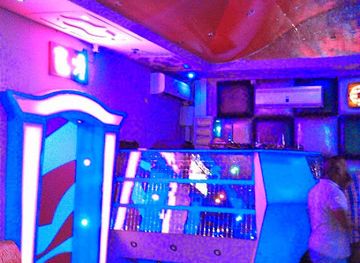
Discover the vibrant culinary scene at Torre de la Libertad, a premier restaurant and disco club in Bata, Equatorial Guinea, blending local flavors with lively nightlife.
-
Gastropub
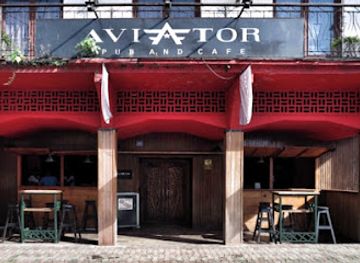
Aviator Pub and Café
Discover the vibrant Aviator Pub and Café in Malabo, offering American cuisine, live music, and a lively atmosphere perfect for every visitor.
-
Restaurant
Casa Marcial
Discover the flavors of Equatorial Guinea at Casa Marcial, a delightful restaurant on the Paseo Maritimo in Bata, where local cuisine meets warm hospitality.
-
Restaurant
El Hard Rock Resto and Pub
Discover the vibrant culinary scene at El Hard Rock Resto and Pub, where local flavors meet a lively atmosphere in the heart of Malabo.
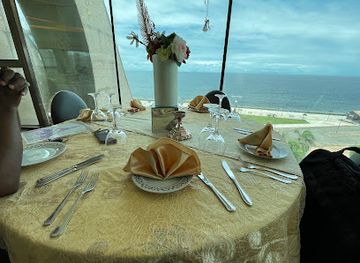
Best nightclubs in Litoral
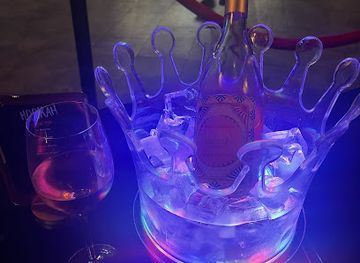
Evening life in Litoral is centred on Bata and is more varied there than in the province’s smaller settlements. Hotel lounges, restaurants, neighbourhood bars and music venues provide the main options, with local and international drinks, football broadcasts and occasional live entertainment. Bata’s broad urban layout means that venues can be spread out rather than concentrated in a clearly defined nightlife quarter. In Mbini, Cogo and rural areas, social life is generally quieter and revolves around eateries, informal bars and community gatherings rather than a substantial club scene. Opening arrangements and venue status can change, so local advice is more dependable than old online listings. Visitors should arrange transport home in advance, avoid displaying valuables and remember that enjoying the region does not require drinking; an early evening meal, waterfront walk in a suitable public area or a cultural event may be more appropriate.
-
Gastropub
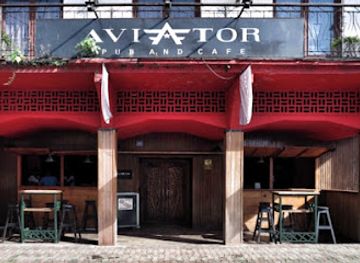
Aviator Pub and Café
Experience the vibrant culture of Malabo at Aviator Pub and Café, where American cuisine meets live music and unforgettable evenings.
-
Lounge
IMANI LOUNGE MALABO
Discover the lively IMANI LOUNGE MALABO, where local flavors meet vibrant nightlife in the heart of Equatorial Guinea.
-
Night club
Torre Caleyma
Discover the vibrant nightlife at Torre Caleyma, Malabo's premier night club offering top-notch service and an electrifying atmosphere for unforgettable nights.
-
Disco club
Discoteca L'Alizee
Discover the electrifying nightlife at Discoteca L'Alizee in Malabo, where vibrant music and dancing await you every night.
Best shops in Litoral
Shopping in Litoral is concentrated in Bata, where markets, neighbourhood shops and larger commercial premises serve local residents and visitors. Markets are useful for fresh produce, cassava, plantains, seafood, household goods and imported everyday products, while central shops may stock clothing, mobile phones and travel essentials. Small craft purchases and regional food products can sometimes be found through local traders, but the province is not organised around a large, standardised souvenir industry. Visitors should compare prices politely, carry smaller CFA notes and check the condition of packaged goods before buying. Outside Bata, retail choice becomes limited and is mainly focused on necessities in Mbini, Cogo and other settlements. If buying carved objects, wood products or wildlife-related items, ask about their origin and avoid anything made from protected species or illegally harvested materials. Markets are also social spaces, so ask before photographing stalls or sellers.
-
Catholic cathedral
St. Elizabeth’s Cathedral
Explore the stunning St. Elizabeth's Cathedral, a neo-Gothic masterpiece in Malabo, offering a glimpse into Equatorial Guinea's rich cultural heritage.
-
Market
SEMU Mercado
Explore SEMU Mercado in Malabo: A colorful fusion of fresh produce, artisan crafts, and local culture, perfect for an immersive travel experience.
-
Shopping mall
Centro Comercial EGTC
Experience the lively atmosphere and diverse shopping options at Centro Comercial EGTC, the top shopping mall in Bata, Equatorial Guinea.
-
Shopping mall
Edificio Candy Vistamar
Explore Edificio Candy Vistamar in Bata, a vibrant shopping mall where local culture, great food, and unique shopping experiences await every tourist.


Get your free copy of our complete guide to Litoral, delivered straight to you.
Everything on this page, from attractions and restaurants to essentials and local phrases, in one PDF you can read offline, print or share.
Already have an account? Sign in
Your Litoral guide is ready.
We'll send it to · Not you? Sign out

Getting your guide ready…
We are putting together a fresh copy of the Litoral guide. This can take up to a minute.
This can take a few moments. If your browser asks, choose Allow so the download can start. You'll find the guide in your Downloads folder.
Nothing happened? Download it again
Sorry, the guide is taking longer than usual. Please try again in a minute, or get it by email instead.
Litoral essentials
Currency and Payment
Safety
Emergency Situations
Do's and Don'ts
Local Tips
From Eve
Local phrases worth knowing
You don't need to get them perfect. A few words go a long way, and locals appreciate the effort.
Basics
| English | Local | Say it |
|---|---|---|
| Hello | Hola | [Oh-lah] |
| Goodbye | Adiós | [Ah-dee-ohs] |
| Yes | Sí | [See] |
| No | No | [No] |
| Please/You're welcome | Por favor/De nada | [Por fah-vor/Deh nah-dah] |
| Thank you | Gracias | [Grah-see-as] |
| Excuse me/Sorry | Perdón | [Pehr-dohn] |
| How are you? | ¿Cómo estás? | [Koh-moh es-tahs] |
| Fine. And you? | Bien. ¿Y tú? | [Byen. Ee too] |
| Do you speak English? | ¿Hablas inglés? | [Ah-blahs een-glays] |
| I don't understand | No entiendo | [No en-tee-en-doh] |
Eating & Drinking
| English | Local | Say it |
|---|---|---|
| I'd like to see the menu, please | Me gustaría ver el menú, por favor | [Meh goo-stah-ree-ah vehr el meh-noo, por fah-vor] |
| I don't eat meat | No como carne | [No koh-moh kar-neh] |
| Cheers! | ¡Salud! | [Sah-lood] |
| I would like to pay, please | Me gustaría pagar, por favor | [Meh goo-stah-ree-ah pah-gar, por fah-vor] |
Emergencies
| English | Local | Say it |
|---|---|---|
| Help! | ¡Ayuda! | [Ah-yoo-dah] |
| Go away! | ¡Vete! | [Veh-teh] |
| Call the Police! | ¡Llama a la policía! | [Yah-mah ah lah poh-lee-see-ah] |
| Call a doctor! | ¡Llama a un doctor! | [Yah-mah ah oon dok-tor] |
| I'm lost | Estoy perdido | [Es-toy per-dee-doh] |
| I'm ill | Estoy enfermo | [Es-toy en-fehr-moh] |
Shopping
| English | Local | Say it |
|---|---|---|
| I'd like to buy... | Me gustaría comprar... | [Meh goo-stah-ree-ah kom-prar] |
| I'm just looking | Solo estoy mirando | [Soh-lo es-toy mee-ran-doh] |
| How much is it? | ¿Cuánto cuesta? | [Kwan-toh kwes-tah] |
| That's too expensive | Es demasiado caro | [Es deh-mah-see-ah-doh kah-roh] |
| Can you lower the price? | ¿Puedes bajar el precio? | [Pweh-des bah-har el preh-syo] |
Time & Numbers
| English | Local | Say it |
|---|---|---|
| What time is it? | ¿Qué hora es? | [Keh oh-rah es] |
| It's one o'clock | Es la una | [Es lah oo-nah] |
| Half past (10) | Y media (10) | [Ee meh-dee-ah (10)] |
| Morning | Mañana | [Mah-nyah-nah] |
| Afternoon | Tarde | [Tar-deh] |
| Evening | Noche | [No-cheh] |
| Yesterday | Ayer | [Ah-yehr] |
| Today | Hoy | [Oy] |
| Tomorrow | Mañana | [Mah-nyah-nah] |
| 1 | Uno | [Oo-noh] |
| 2 | Dos | [Dohs] |
| 3 | Tres | [Tres] |
| 4 | Cuatro | [Kwah-troh] |
| 5 | Cinco | [Seen-koh] |
| 6 | Seis | [Says] |
| 7 | Siete | [Syeh-teh] |
| 8 | Ocho | [Oh-choh] |
| 9 | Nueve | [Nweh-beh] |
| 10 | Diez | [Dyehs] |
Transport & Directions
| English | Local | Say it |
|---|---|---|
| Where's a/the...? | ¿Dónde está un/una...? | [Dohn-deh es-tah oon/oo-nah] |
| What's the address? | ¿Cuál es la dirección? | [Kwahl es lah dee-rek-syon] |
| Can you show me (on the map)? | ¿Puedes mostrarme (en el mapa)? | [Pweh-des mos-trar-meh (en el mah-pah)] |
| When's the next (bus)? | ¿Cuándo es el próximo (autobús)? | [Kwan-doh es el prohk-see-moh (ow-toh-boos)] |
| A ticket (to ....) | Un billete (a ...) | [Oon bee-yeh-teh (ah ...)] |
History of Litoral
Pre-colonial coastal and inland societies
Before European rule, the mainland coast and river systems were occupied and used by several African communities, including Ndowe-speaking coastal peoples and Fang communities farther inland. Fishing, farming, forest resources and river travel supported settled life, while coastal waterways connected villages to wider commercial networks. The estuaries around the Mbini and Muni rivers were particularly important as places of movement and exchange. Much of this history survives through language, social traditions and settlement patterns rather than through large surviving monuments.
Portuguese exploration and Atlantic trade
Portuguese navigators reached the Gulf of Guinea coast during the age of Atlantic exploration, bringing the mainland into European maps and trading systems. European activity initially focused on maritime commerce rather than extensive inland administration. The coast’s rivers and anchorages became points of contact, although African societies continued to control local production and movement. This period introduced commercial and political pressures that later intensified under Spanish colonial rule.
Spanish sovereignty and colonial administration
Spain acquired the territories that became Equatorial Guinea in the late eighteenth century, although effective control over the mainland developed gradually during the nineteenth and early twentieth centuries. Missionary activity, administrative stations and commercial enterprises expanded around coastal centres including Bata. Colonial rule altered land use, labour systems and patterns of trade, while Spanish became an important language of administration and education. Several buildings and urban layouts in Bata still reflect this period, though the colonial landscape has been substantially transformed.
Timber, plantations and the growth of Bata
During the colonial era and after, the mainland economy was shaped by tropical agriculture, forest extraction and commercial transport. Cocoa and other plantation products were important in the wider territory, while timber became increasingly significant in Río Muni. Bata grew as a port, administrative centre and market, linking inland production with maritime routes. Roads and public buildings reinforced its role, laying the foundations for the city’s later position as the main urban centre of continental Equatorial Guinea.
Independence in 1968
Equatorial Guinea became independent from Spain in 1968, with Bata remaining central to the political and economic life of the mainland. The early post-independence period was marked by severe political repression and economic disruption, which affected institutions, education and commerce throughout the country. Later governments rebuilt state infrastructure and strengthened the role of Bata as a national centre. The country’s Spanish colonial legacy continued alongside African cultural and linguistic traditions.
Oil-era transformation and contemporary Litoral
The discovery and exploitation of offshore petroleum from the 1990s transformed Equatorial Guinea’s public finances and accelerated construction in Bata and other urban areas. New roads, administrative buildings and waterfront development appeared alongside older neighbourhoods and commercial districts. The change brought greater connectivity but did not eliminate the province’s dependence on imported goods or its infrastructure limitations outside the main city. Litoral today reflects this contrast between state-led modernisation, coastal livelihoods and the enduring importance of forest and maritime resources.
The Bata explosions of 2021
In March 2021, a series of explosions at a military barracks in Bata caused extensive deaths, injuries and damage across nearby parts of the city. The disaster became one of the most significant recent events in Litoral’s history, affecting homes, public facilities and families well beyond the immediate site. Reconstruction and recovery followed, but the explosions remain part of the city’s contemporary memory. Visitors should avoid restricted or damaged military areas and follow current local instructions.
Litoral in Photos
Browse through our photo collection highlighting the charm and character of the destination.
Neighbouring regions of Litoral
The closest regions to Litoral, if you have time for more than one.
-

-

-

-

-


Swipe for more regions
Explore more
Explore more of Equatorial Guinea
Discover Equatorial Guinea – A captivating blend of colonial history, lush rainforests, pristine beaches, and vibrant culture in the heart of Central Africa.
Explore Equatorial Guinea