

Free Centro Sur Travel Guide & Mobile App
Explore Centro Sur with free travel guides. Discover regional history, expert tips, proposed trips, and audio guides on web or mobile app.


Explore Centro Sur in Equatorial Guinea for rainforest, Fang heritage, Evinayong and access to the wildlife-rich Monte Alén landscape.
Read more about Centro Sur
When is the best time to visit Centro Sur?
Best: January–March · 30–31°C| Month | High (°C) | Rainfall (mm) |
|---|---|---|
| January (best) | 30 | 100 |
| February (best) | 31 | 110 |
| March (best) | 31 | 120 |
| April | 32 | 130 |
| May | 32 | 150 |
| June | 31 | 170 |
| July | 31 | 190 |
| August | 30 | 210 |
| September | 30 | 190 |
| October | 31 | 170 |
| November | 31 | 150 |
| December | 31 | 130 |
Getting to and around Centro Sur
How to get there
Transportation
Top city travel guides in Centro Sur
The cities of Centro Sur, and the easiest places to base yourself.

Swipe for more cities
Best attractions in Centro Sur
-
Tourist attraction
Parque Nacional del Monte Alén
Discover the breathtaking beauty and diverse wildlife of Parque Nacional del Monte Alén, a premier national park in Equatorial Guinea for nature lovers and adventurers.
-
 Tourist attraction
Mwadib'a Vilonje (Rivière)
Explore Mwadib'a Vilonje River in Campo, Cameroon - a serene retreat for nature lovers and adventure seekers amidst lush landscapes and vibrant wildlife.

Best landmarks in Centro Sur
-
Restaurant
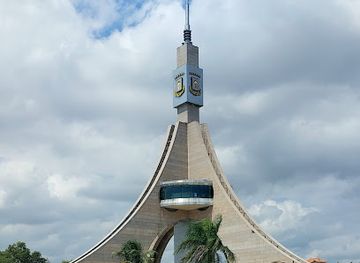
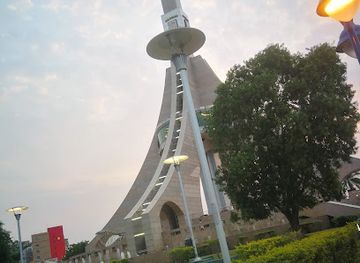
Torre de la Libertad
Experience the vibrant culinary and nightlife scene at Torre de la Libertad in Bata, Equatorial Guinea, where local flavors meet lively entertainment.
-
National park
Parque Nacional del Monte Alén
Discover the lush landscapes and vibrant wildlife of Parque Nacional del Monte Alén, a must-visit national park in Equatorial Guinea for every nature enthusiast.
Explore Centro Sur on the map
Plan your trip on one map. See where the top cities, national parks and sights are, and book hotels and experiences in a few clicks.
Best hotels in Centro Sur
Best restaurants in Centro Sur
Dining in Centro Sur is informal and closely connected to local markets, household cooking and roadside trade. Visitors are likely to encounter staples such as plantain, cassava, rice and maize served with fish, chicken or meat, together with sauces based on groundnuts, vegetables or locally available leaves. Forest and river environments have traditionally influenced local foodways, but travellers should choose cooked food carefully and avoid consuming protected wildlife or products whose origin is unclear. Evinayong and Niefang offer the widest selection of modest restaurants, cafés and market stalls, while rural areas may have only simple meals arranged through accommodation or a local guide. Spanish and Central African influences coexist in the wider national cuisine, and imported bottled drinks are more readily found in towns than in remote settlements. Carrying safe drinking water and a small supply of familiar food is sensible during excursions towards Monte Alén.
-
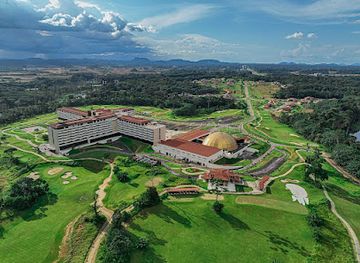
Hotel
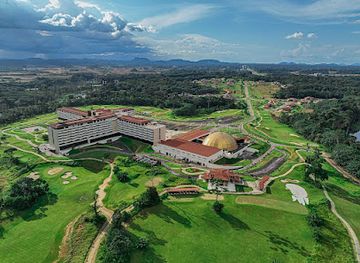
Grand Hotel Djibloho
Discover unparalleled luxury at Grand Hotel Djibloho - your perfect getaway in Ciudad de la Paz, Equatorial Guinea.
-
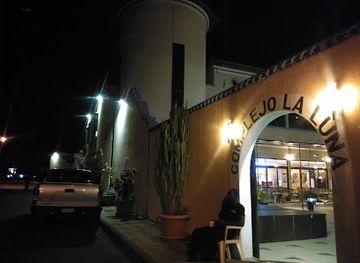
Fine Dining
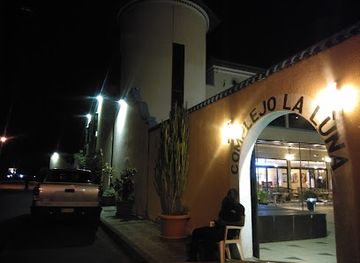
La Luna
Experience exquisite fine dining at La Luna in Malabo, where local flavors meet culinary artistry in an elegant setting.
-
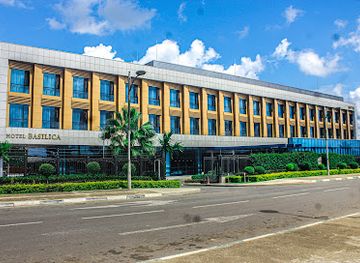
Hotel
Basilica Hotel
Experience the warmth of Equatorial Guinea at Basilica Hotel—your gateway to Mongomo's rich culture and hospitality.
-
Restaurant
El Rancho Restaurant
Experience authentic Equatorial Guinean cuisine at El Rancho Restaurant in Malabo – a culinary gem offering delicious local and international dishes.
Best bars in Centro Sur
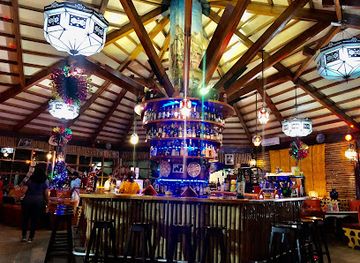
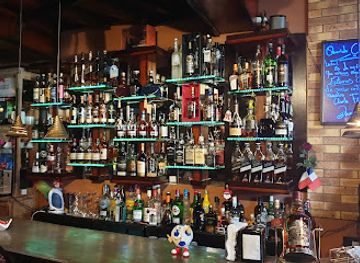
Centro Sur does not have a large, internationally oriented nightlife scene. Evening life is concentrated in Evinayong and Niefang, where modest bars, local drinking places and restaurants provide spaces for conversation, music and televised sport. In smaller settlements, activity generally winds down earlier and may centre on community life rather than dedicated entertainment venues. Visitors should not expect a reliable nightclub circuit, published event calendar or late-night transport, particularly near Monte Alén National Park. Enjoying the evening responsibly means following local advice, arranging a safe return to accommodation and keeping valuables secure. Beer, soft drinks and locally familiar beverages are more commonly available than specialist cocktails or extensive wine lists, while live music and social gatherings may occur informally rather than in permanent performance venues.
-
Hotel
Grand Hotel Djibloho
Discover the epitome of luxury and comfort at Grand Hotel Djibloho, your premier destination in Ciudad de la Paz, Equatorial Guinea.
-
Fine Dining
La Luna
Experience the elegance of fine dining at La Luna in Malabo, where local flavors meet international culinary artistry.
-
Restaurant
L'Atelier
Discover the culinary artistry of L'Atelier in Malabo, where local flavors meet international cuisine for an unforgettable dining experience.
-
Gastropub
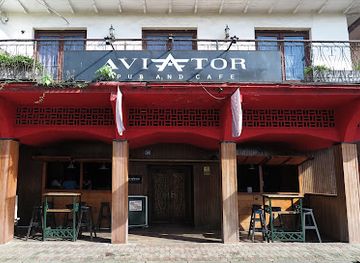
Aviator Pub and Café
Experience the vibrant flavors of American cuisine at Aviator Pub and Café, Malabo's favorite gastropub for great food and live entertainment.
Best shops in Centro Sur
Shopping in Centro Sur is practical and local rather than centred on large retail complexes. Evinayong and Niefang have markets and small shops where visitors can find fresh produce, cassava and plantain products, drinks, household goods and basic travel supplies. Rural market activity is an important part of daily exchange, although opening patterns and available goods vary, so travellers should not rely on finding specialist equipment or imported products outside the main towns. Locally made baskets, woven items and other small crafts may appear through informal sellers, but quality, provenance and prices differ and should be discussed respectfully. Regional food products can make useful souvenirs when they are sealed, legal to transport and suitable for the destination country’s customs rules. Cash remains essential, and visitors should complete substantial shopping before heading towards Monte Alén or remote rural areas, where retail services are very limited.
-
National park
Parque Nacional del Monte Alén
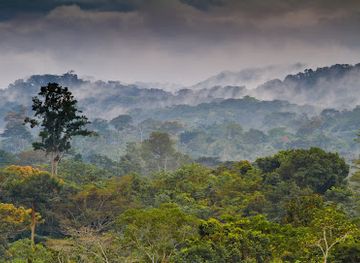
Explore the enchanting Parque Nacional del Monte Alén, a biodiversity hotspot in Equatorial Guinea, perfect for nature lovers and adventure seekers.
-
Shopping mall
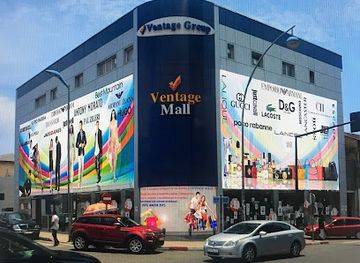
Ventage Mall Malabo
Experience the best shopping and dining at Ventage Mall Malabo, a vibrant hub of culture and commerce in Equatorial Guinea.
-
Poster store
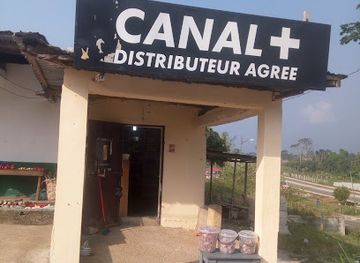
CANAL+ de Mongomo, Guinea Ecuatorial
Discover the vibrant art scene at CANAL+ de Mongomo with a stunning collection of posters reflecting Equatorial Guinea's culture and creativity.
-
Shopping mall
Bocoum
Discover the vibrant shopping and dining scene at Bocoum, the premier shopping mall in Mongomo, Equatorial Guinea.

Get your free copy of our complete guide to Centro Sur, delivered straight to you.
Everything on this page, from attractions and restaurants to essentials and local phrases, in one PDF you can read offline, print or share.
Already have an account? Sign in
Your Centro Sur guide is ready.
We'll send it to · Not you? Sign out

Getting your guide ready…
We are putting together a fresh copy of the Centro Sur guide. This can take up to a minute.
This can take a few moments. If your browser asks, choose Allow so the download can start. You'll find the guide in your Downloads folder.
Nothing happened? Download it again
Sorry, the guide is taking longer than usual. Please try again in a minute, or get it by email instead.
Centro Sur essentials
Currency and Payment
Safety
Emergency Situations
Do's and Don'ts
Local Tips
From Eve
Local phrases worth knowing
You don't need to get them perfect. A few words go a long way, and locals appreciate the effort.
Basics
| English | Local | Say it |
|---|---|---|
| Hello | Hola | [Ola] |
| Goodbye | Adiós | [Adios] |
| Yes | Sí | [Si] |
| No | No | [No] |
| Please/You're welcome | Por favor | [Por favor] |
| Thank you | Gracias | [Grathias] |
| Excuse me/Sorry | Perdón | [Perdon] |
| How are you? | ¿Cómo estás? | [Como estas] |
| Fine. And you? | Bien. ¿Y tú? | [Bien. Y tu] |
| Do you speak English? | ¿Hablas inglés? | [Hablas ingles] |
| I don't understand | No entiendo | [No entiendo] |
Eating & Drinking
| English | Local | Say it |
|---|---|---|
| I'd like to see the menu, please | Me gustaría ver el menú, por favor | [Me gustaria ver el menu, por favor] |
| I don't eat meat | No como carne | [No como carne] |
| Cheers! | ¡Salud! | [Salud] |
| I would like to pay, please | Me gustaría pagar, por favor | [Me gustaria pagar, por favor] |
Emergencies
| English | Local | Say it |
|---|---|---|
| Help! | ¡Ayuda! | [Ayuda] |
| Go away! | ¡Vete! | [Vete] |
| Call the Police! | ¡Llama a la policía! | [Llama a la policia] |
| Call a doctor! | ¡Llama a un doctor! | [Llama a un doctor] |
| I'm lost | Estoy perdido | [Estoy perdido] |
| I'm ill | Estoy enfermo | [Estoy enfermo] |
Shopping
| English | Local | Say it |
|---|---|---|
| I'd like to buy... | Me gustaría comprar... | [Me gustaria comprar] |
| I'm just looking | Solo estoy mirando | [Solo estoy mirando] |
| How much is it? | ¿Cuánto cuesta? | [Cuanto cuesta] |
| That's too expensive | Eso es demasiado caro | [Eso es demasiado caro] |
| Can you lower the price? | ¿Puedes bajar el precio? | [Puedes bajar el precio] |
Time & Numbers
| English | Local | Say it |
|---|---|---|
| What time is it? | ¿Qué hora es? | [Que hora es] |
| It's one o'clock | Es la una | [Es la una] |
| Half past (10) | Y media (10) | [Y media] |
| Morning | Mañana | [Mañana] |
| Afternoon | Tarde | [Tarde] |
| Evening | Noche | [Noche] |
| Yesterday | Ayer | [Ayer] |
| Today | Hoy | [Hoy] |
| Tomorrow | Mañana | [Mañana] |
| 1 | Uno | [Uno] |
| 2 | Dos | [Dos] |
| 3 | Tres | [Tres] |
| 4 | Cuatro | [Cuatro] |
| 5 | Cinco | [Cinco] |
| 6 | Seis | [Seis] |
| 7 | Siete | [Siete] |
| 8 | Ocho | [Ocho] |
| 9 | Nueve | [Nueve] |
| 10 | Diez | [Diez] |
Transport & Directions
| English | Local | Say it |
|---|---|---|
| Where's a/the...? | ¿Dónde está un/los...? | [Donde esta un/los] |
| What's the address? | ¿Cuál es la dirección? | [Cual es la direccion] |
| Can you show me (on the map)? | ¿Puedes mostrarme (en el mapa)? | [Puedes mostrarme en el mapa] |
| When's the next (bus)? | ¿Cuándo es el siguiente (autobús)? | [Cuando es el siguiente autobus] |
| A ticket (to ....) | Un billete (a ....) | [Un billete a] |
History of Centro Sur
Fang settlement and precolonial societies
Before European colonisation, much of mainland Equatorial Guinea was inhabited by Fang-speaking communities organised through extended families, local leaders and shifting networks of settlement. Forest resources, hunting, fishing and cultivation shaped life in what is now Centro Sur. Political authority was generally dispersed rather than concentrated in a single kingdom covering the whole region. Many contemporary customs, food practices and linguistic connections in the province reflect this older history, which also links Centro Sur culturally with Fang communities in northern Gabon and southern Cameroon.
Spanish expansion in Río Muni
Spain gradually established effective colonial control over the mainland territory known as Río Muni during the late nineteenth and early twentieth centuries. Mission stations, administrative posts and new roads altered patterns of movement and settlement, while Catholic missions became influential institutions. The colonial system also introduced taxation, forced labour practices and commercial extraction. Evinayong developed as an administrative centre in the interior, linking surrounding communities with the Spanish colonial network and the coastal port of Bata.
Colonial agriculture and forest extraction
During the Spanish period, Equatorial Guinea’s economy was organised around export agriculture and the exploitation of forest resources. Cocoa became especially important in the country as a whole, although mainland production was accompanied by timber cutting, food cultivation and labour systems that deeply affected rural communities. Roads through Centro Sur were developed chiefly to connect administrative settlements and productive areas, not to serve tourism. The region’s extensive forest cover is therefore part of both its ecological heritage and its economic history.
Independence in 1968
Equatorial Guinea became independent from Spain in October 1968, the first and only Spanish colony in sub-Saharan Africa to achieve independence. The transition was followed by severe political repression and economic disruption under Francisco Macías Nguema. Mainland administrative centres, including those in the present-day Centro Sur province, experienced population displacement, weakened public services and the collapse of many colonial-era economic structures. This difficult period remains essential to understanding the country’s contemporary institutions and infrastructure.
The Nguema era and political transformation
After Macías Nguema was overthrown in 1979, Teodoro Obiang Nguema Mbasogo became president and the country gradually rebuilt state institutions and external economic links. Development was uneven, but roads, public buildings and administrative services expanded over subsequent decades. Centro Sur remained less urbanised and less commercially developed than the coastal capital of Bata and the oil-producing centres, while Evinayong continued to function as an important provincial hub.
Oil revenues and conservation pressures
The discovery and development of offshore petroleum from the 1990s transformed Equatorial Guinea’s national finances and accelerated major infrastructure projects. Most oil activity has been concentrated away from Centro Sur, yet national investment improved road connections and public construction across the mainland. At the same time, the rainforest became increasingly important as a conservation concern. Monte Alén National Park represents the continuing effort to protect Central African forest ecosystems while communities and authorities manage pressures from roads, hunting, agriculture and timber extraction.
Centro Sur in Photos
Browse through our photo collection highlighting the charm and character of the destination.
Neighbouring regions of Centro Sur
The closest regions to Centro Sur, if you have time for more than one.
-

-

-

-

-


Swipe for more regions
Explore more
Explore more of Equatorial Guinea
Discover Equatorial Guinea – A captivating blend of colonial history, lush rainforests, pristine beaches, and vibrant culture in the heart of Central Africa.
Explore Equatorial Guinea