

Free Dankalia Travel Guide & Mobile App
Explore Dankalia with free travel guides. Discover regional history, expert tips, proposed trips, and audio guides on web or mobile app.


Explore Dankalia in Eritrea for stark Danakil landscapes, Afar culture, Red Sea coastlines and the port town of Assab.
Read more about Dankalia
When is the best time to visit Dankalia?
Best: December–February · 30–31°C| Month | High (°C) | Rainfall (mm) |
|---|---|---|
| January (best) | 30 | 5 |
| February (best) | 31 | 5 |
| March | 33 | 10 |
| April | 35 | 10 |
| May | 37 | 5 |
| June | 39 | 5 |
| July | 40 | 10 |
| August | 39 | 10 |
| September | 38 | 5 |
| October | 36 | 5 |
| November | 33 | 5 |
| December (best) | 31 | 5 |
Getting to and around Dankalia
How to get there
Transportation
Destinations in Dankalia
Resorts, valleys and scenic spots worth a trip of their own.
-

-


Swipe for more destinations
Best attractions in Dankalia
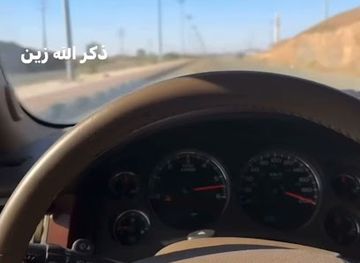
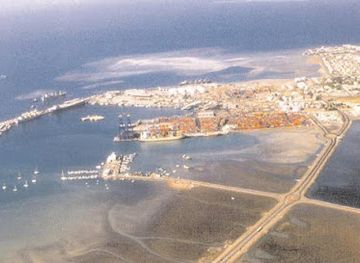
Dankalia’s attractions are primarily environmental and cultural rather than built for mass tourism. Assab provides the practical base, with its port setting, waterfront atmosphere and surviving elements of colonial-era urban planning. Beyond the town, the Southern Red Sea lowlands offer stark views of salt-affected ground, volcanic terrain, gravel plains and an exceptionally arid coastline. Authorised excursions may focus on desert geology, coastal scenery, birdlife, reefs or the interaction between marine and pastoral landscapes, but access varies and should never be assumed. Afar cultural landscapes are an important part of the region’s appeal, particularly where visitors can learn respectfully about pastoral movement, salt work and traditional knowledge through local arrangements. The coast around the Bay of Assab has marine interest, although heat, reefs, tides, security controls and limited rescue facilities make water activities highly dependent on permission and preparation. Dankalia is not a region of conventional museums, amusement parks or extensive tourist infrastructure; its value lies in scale, remoteness, geology, maritime history and the opportunity to understand how people live in one of the world’s most demanding environments.
-
Tourist attraction
Ayaba Jazira
Experience the natural beauty and serene atmosphere of Ayaba Jazira, a hidden gem in Āssab, Eritrea, perfect for relaxation and exploration.
-
Tourist attraction
Sanahbor Gadir
Explore the rich history and stunning landscapes of Sanahbor Gadir, a top tourist attraction in Āssab, Eritrea.
Best landmarks in Dankalia
Dankalia’s most meaningful landmarks are closely tied to its geography and strategic history. Assab’s port and waterfront express the town’s continuing role on the Red Sea and its proximity to the maritime approaches leading towards the Bab el-Mandeb. Within the town, surviving elements of Italian colonial planning and older port infrastructure provide a visual record of the late nineteenth- and early twentieth-century development of the settlement, although individual buildings and access arrangements should be checked locally. Beyond Assab, the Bay of Assab is the defining natural landmark, contrasting open water and islands with the dry volcanic and desert terrain inland. Salt-affected plains, lava-strewn ground and low coastal escarpments create a landscape whose scale is more significant than any single monument. Afar routes, wells and pastoral spaces are also cultural landmarks, but they are living places rather than open-air exhibits and should be visited only with permission. Port, military and border-sensitive sites must not be photographed or approached without explicit authorisation.

Explore Dankalia on the map
Plan your trip on one map. See where the top cities, national parks and sights are, and book hotels and experiences in a few clicks.
Best hotels in Dankalia
Best restaurants in Dankalia
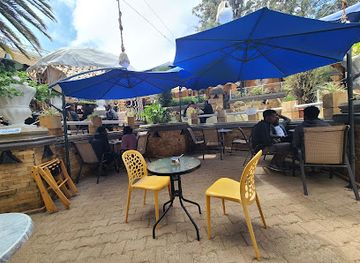
Dining in Dankalia centres on Assab and on practical meals arranged for travel into the lowlands. Eritrean staples such as injera with stewed meat, vegetables or pulses are part of the broader national food culture, while Assab’s position on the Red Sea gives seafood a local presence when supplies and availability permit. Small restaurants and cafés are more likely to offer straightforward Eritrean dishes, tea, coffee and soft drinks than an extensive international menu. Travellers heading into remote areas should carry suitable provisions and confirm food and water arrangements in advance, since shops and eating places are sparse beyond the town. Afar pastoral traditions have historically included dairy products and livestock-based foods, but visitors should not assume that particular dishes will be available commercially or served in every community. Alcohol availability, restaurant choice and opening arrangements may be limited, so dining is best viewed as part of the region’s practical travel rhythm rather than as a separate tourism scene.
Best bars in Dankalia
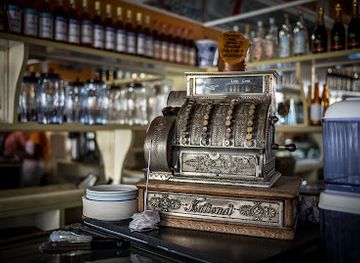
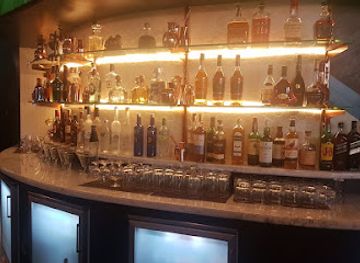
Dankalia has a modest evening scene concentrated in Assab rather than a broad network of nightclubs. Local cafés, hotel restaurants and informal meeting places provide the main options for an evening drink, tea, coffee or conversation, while music and social activity may be occasional and locally organised. Outside Assab, settlements and travel camps have few dedicated nightlife facilities, and darkness, heat management, security arrangements and transport distances limit late movement. Visitors should follow local guidance, avoid photographing people or premises without consent and make transport arrangements before going out. The region’s evenings are often better suited to quiet conversation, observing the changing light over the coast or resting after a demanding journey than to organised entertainment. Availability can change, and foreign visitors should not assume that alcohol, card payment or late opening will be readily accessible.
-
Restaurant
Ghibabo Restaurant And Pizzeria
Discover the flavors of Italy at Ghibabo Restaurant And Pizzeria in Asmara, where authentic pizzas and traditional dishes await.
-
Cafe
Bar Pasticceria Vittoria
Experience the delightful flavors of Eritrea at Bar Pasticceria Vittoria, Asmara's charming cafe for pastries and coffee.
-
Cafeteria
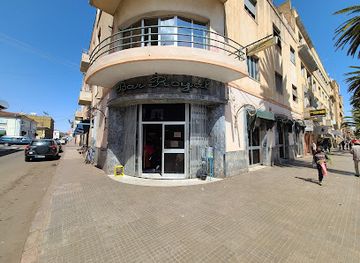
Bar Royal
Experience the essence of Asmara at Bar Royal, a cozy cafeteria perfect for coffee lovers and cultural explorers alike.
-
Restaurant
Admas Restaurant & Bar
Savor traditional Eritrean dishes in a lively atmosphere at Admas Restaurant & Bar, a top dining destination in Asmara.
Best nightclubs in Dankalia
Dankalia has a modest evening scene concentrated in Assab rather than a broad network of nightclubs. Local cafés, hotel restaurants and informal meeting places provide the main options for an evening drink, tea, coffee or conversation, while music and social activity may be occasional and locally organised. Outside Assab, settlements and travel camps have few dedicated nightlife facilities, and darkness, heat management, security arrangements and transport distances limit late movement. Visitors should follow local guidance, avoid photographing people or premises without consent and make transport arrangements before going out. The region’s evenings are often better suited to quiet conversation, observing the changing light over the coast or resting after a demanding journey than to organised entertainment. Availability can change, and foreign visitors should not assume that alcohol, card payment or late opening will be readily accessible.

Best shops in Dankalia
Shopping in Dankalia is practical and small-scale, with the greatest choice in Assab. Local shops and markets may provide food, water, household goods, clothing, basic travel supplies and imported everyday products, but stock can be irregular and specialist equipment should be brought from elsewhere in Eritrea or from abroad. Visitors may find Eritrean textiles, woven items, beadwork or other locally made goods, though availability and provenance vary and respectful bargaining should not become intrusive. Regional foods and coffee may be useful purchases when properly packaged, while shells, coral and archaeological-looking objects should not be removed from the coast or bought without clear assurance that they are lawful and ethically sourced. Outside Assab there are few dependable retail facilities, so travellers should purchase fuel-related essentials, medicines, sun protection and provisions before entering remote areas. Commercial photography, sales and access to markets should be handled with courtesy and permission.
-
Store
Kahawta
Explore the vibrant culture of Eritrea at Kahawta, a charming store in Asmara offering unique local products and an authentic shopping experience.
-
Fresh food market
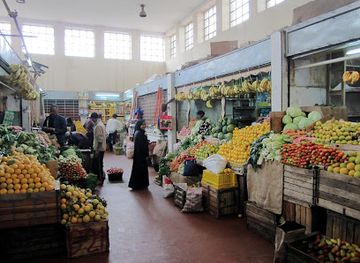
ማርካቶ | Markato
Explore the vibrant Markato Market in Asmara, Eritrea, where fresh produce and local culture come together in a delightful shopping experience.
-
Electrical supply store
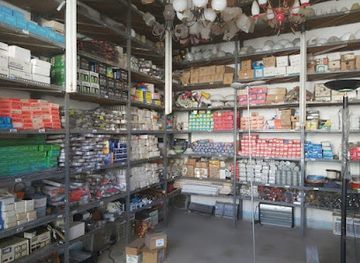
Kassa Asfaha Electric Shop (ካሳ ኣስፋሃ ናይ ኢሊክትሪክ ኣቑሑት መሸጣ)
Explore Kassa Asfaha Electric Shop in Asmara for quality electrical supplies and exceptional local service, a must-visit for every traveler in Eritrea.
-
Coffee shop
Asseb Restaurant
Experience the warmth of Eritrean hospitality at Asseb Restaurant, your go-to coffee shop in Āssab for a delightful local treat.

Get your free copy of our complete guide to Dankalia, delivered straight to you.
Everything on this page, from attractions and restaurants to essentials and local phrases, in one PDF you can read offline, print or share.
Already have an account? Sign in
Your Dankalia guide is ready.
We'll send it to · Not you? Sign out

Getting your guide ready…
We are putting together a fresh copy of the Dankalia guide. This can take up to a minute.
This can take a few moments. If your browser asks, choose Allow so the download can start. You'll find the guide in your Downloads folder.
Nothing happened? Download it again
Sorry, the guide is taking longer than usual. Please try again in a minute, or get it by email instead.
Dankalia essentials
Currency and Payment
Safety
Emergency Situations
Do's and Don'ts
Local Tips
From Eve
Local phrases worth knowing
You don't need to get them perfect. A few words go a long way, and locals appreciate the effort.
Basics
| English | Local | Say it |
|---|---|---|
| Hello | Selam | [seh-lahm] |
| Goodbye | Dehan | [deh-han] |
| Yes | Ewe | [eh-weh] |
| No | Ayde | [ah-yeh] |
| Please/You're welcome | Bega | [beh-gah] |
| Thank you | Yekenyeley | [yeh-ken-yeh-ley] |
| Excuse me/Sorry | Ma'af | [mah-ahf] |
| How are you? | Kemey alek? | [keh-mey ah-lek] |
| Fine. And you? | Bihay, kemey alek? | [bee-hay, keh-mey ah-lek] |
| Do you speak English? | Tiguh English? | [tee-goo English] |
| I don't understand | Aytihiyu | [ay-tee-hee-yoo] |
Eating & Drinking
| English | Local | Say it |
|---|---|---|
| I'd like to see the menu, please | Bega menu zeykoni | [beh-gah meh-noo zay-ko-nee] |
| I don't eat meat | Aytiguh baste | [ay-tee-goo bas-teh] |
| Cheers! | Salute! | [sah-loo-teh] |
| I would like to pay, please | Bega zeyhajel | [beh-gah zay-ha-jel] |
Emergencies
| English | Local | Say it |
|---|---|---|
| Help! | Aydish! | [ah-yee-dish] |
| Go away! | Zekuh! | [zeh-koo] |
| Call the Police! | Call Police! | [call po-leece] |
| Call a doctor! | Call doctor! | [call doc-tor] |
| I'm lost | Ana dikh! | [ah-nah dee-kh] |
| I'm ill | Ana marid | [ah-nah mah-reed] |
Shopping
| English | Local | Say it |
|---|---|---|
| I'd like to buy... | Bega zeykoni... | [beh-gah zay-ko-nee] |
| I'm just looking | Ana zeykoni bziya | [ah-nah zay-ko-nee bzi-ya] |
| How much is it? | Kemey zeyna? | [keh-mey zay-nah] |
| That's too expensive | Ayde zeyna kulu | [ah-yeh zay-nah koo-loo] |
| Can you lower the price? | Tiguh zeyna gher | [tee-goo zay-nah gher] |
Time & Numbers
| English | Local | Say it |
|---|---|---|
| What time is it? | Kemey zeyna? | [keh-mey zay-nah] |
| It's one o'clock | Ala zeyna | [ah-lah zay-nah] |
| Half past (10) | Nekat zeyna (10) | [neh-kat zay-nah (10)] |
| Morning | Bokur | [bo-kur] |
| Afternoon | Mizuk | [mee-zook] |
| Evening | Hawari | [ha-wah-ree] |
| Yesterday | Hizb | [hizb] |
| Today | Hizb zeyna | [hizb zay-nah] |
| Tomorrow | Hizb zeyne | [hizb zay-neh] |
| 1 | 1 | [1] |
| 2 | 2 | [2] |
| 3 | 3 | [3] |
| 4 | 4 | [4] |
| 5 | 5 | [5] |
| 6 | 6 | [6] |
| 7 | 7 | [7] |
| 8 | 8 | [8] |
| 9 | 9 | [9] |
| 10 | 10 | [10] |
Transport & Directions
| English | Local | Say it |
|---|---|---|
| Where's a/the...? | Kemey zeykoni ...? | [keh-mey zay-ko-nee ...?] |
| What's the address? | Kemey zeyna address? | [keh-mey zay-nah ad-dress?] |
| Can you show me (on the map)? | Tiguh zeykoni (fi map)? | [tee-goo zay-ko-nee (fee map)?] |
| When's the next (bus)? | Kemey zeyna next (bus)? | [keh-mey zay-nah next (bus)?] |
| A ticket (to ....) | Tiket (to ...) | [ti-ket (to ...)] |
History of Dankalia
Afar Lowland Settlement and Red Sea Exchange
For centuries, the lowlands now associated with Dankalia have been inhabited and traversed by Afar communities whose economies traditionally combined pastoralism, salt gathering, fishing in some coastal areas and long-distance exchange. The desert was not an empty barrier but a network of seasonal routes linking the Red Sea shore with inland markets. Control of wells, grazing areas and caravan passages shaped local authority, while maritime trade connected the coast to Arabia and the wider western Indian Ocean.
Ottoman and Egyptian Influence on the Red Sea Coast
From the sixteenth century, Ottoman power and later Egyptian administration affected sections of the Eritrean Red Sea coast, although effective control varied greatly beyond ports and strategic settlements. Coastal authority was negotiated with local rulers and communities rather than uniformly imposed across the desert. These successive influences helped connect the region to wider Red Sea political and commercial systems, while Afar social structures remained central in the inland lowlands.
The Founding of Assab and Italian Expansion
Assab became a focus of European expansion in the late nineteenth century. In 1869, the Italian missionary and traveller Giuseppe Sapeto negotiated the acquisition of territory around the bay on behalf of the Rubattino shipping company. Italy later consolidated its position, and Assab became part of Italian Eritrea after the colony was proclaimed in 1890. The port’s development introduced new administrative buildings, shipping infrastructure and colonial settlement patterns to the southern coast.
Colonial Port Development and the Desert Hinterland
Under Italian rule, Assab served as a maritime outpost and logistical centre rather than a densely settled inland region. Roads, warehouses, customs facilities and port works tied the town to wider colonial networks, while the surrounding lowlands remained sparsely populated and dependent on local knowledge of wells and routes. The contrast between a planned port town and an expansive pastoral hinterland remains visible in Dankalia’s geography and built environment.
War, Federation and Eritrean Self-Determination
After the Second World War, Eritrea’s changing constitutional status brought the Red Sea ports into wider struggles over political authority. Eritrea was federated with Ethiopia in 1952 and annexed by Ethiopia in 1962, after which armed resistance developed into a prolonged war of independence. Assab and the southern coast had strategic importance because of their port facilities and position near the Bab el-Mandeb. Eritrea achieved internationally recognised independence in 1993.
Assab in Contemporary Eritrea
Since independence, Assab has remained an important Eritrean port and a centre for the Southern Red Sea area, although regional conflict, border tensions and changing maritime conditions have affected commercial activity and travel. The town and its hinterland continue to combine port infrastructure, Afar cultural landscapes and extremely arid terrain. Contemporary Dankalia is therefore shaped by both ancient mobility across the lowlands and the modern strategic importance of Eritrea’s Red Sea coastline.
Dankalia in Photos
Browse through our photo collection highlighting the charm and character of the destination.
Neighbouring regions of Dankalia
The closest regions to Dankalia, if you have time for more than one.
-

-

-
-

-


Swipe for more regions

