

Free Debub Travel Guide & Mobile App
Explore Debub with free travel guides. Discover regional history, expert tips, proposed trips, and audio guides on web or mobile app.


Explore Debub’s Eritrean highlands, Qohaito ruins, ancient Metera, mountain scenery and market towns through carefully planned cultural journeys.
Read more about Debub
When is the best time to visit Debub?
Best: February–March, November · 25–26°C| Month | High (°C) | Rainfall (mm) |
|---|---|---|
| January | 23 | 5 |
| February (best) | 25 | 4 |
| March (best) | 26 | 6 |
| April | 28 | 8 |
| May | 29 | 12 |
| June | 31 | 17 |
| July | 32 | 22 |
| August | 31 | 20 |
| September | 30 | 12 |
| October | 28 | 10 |
| November (best) | 25 | 7 |
| December | 23 | 6 |
Getting to and around Debub
How to get there
Transportation
Top city travel guides in Debub
The cities of Debub, and the easiest places to base yourself.
-

-

-

-

-


Swipe for more cities
Destinations in Debub
Resorts, valleys and scenic spots worth a trip of their own.

Swipe for more destinations
Best attractions in Debub
Debub’s attractions centre on archaeology, highland scenery and the region’s layered cultural history. The plateau of Qohaito, reached from the Adi Keih area, is the region’s most important ancient landscape, with ruins, agricultural traces and wide views across the escarpment. Metera, near Senafe, offers another major archaeological experience and is associated with the Hawulti monument and the early history of the northern Horn of Africa. The sites are atmospheric but lightly serviced, making advance arrangements and local guidance important. Town visits add a more contemporary dimension: Mendefera and Adi Keih are market centres, while Senafe provides access to mountain landscapes and historic settlements. The Emba Soira area appeals to experienced walkers and landscape enthusiasts, although access and permissions must be checked. Churches, village life, roadside scenery and cultivated plateaux provide further interest, but the region is not organised around a dense network of commercial attractions. Visitors should expect a destination where archaeology, history and geography are encountered in open terrain rather than through large museums or formal visitor complexes.
-
Park
ZIban Seraw Open Space
Discover tranquility at Ziban Seraw Open Space, a serene park in Eritrea perfect for relaxation and nature exploration.
-

Berakit Abay
Explore Berakit Abay - A Hidden Gem in Eritrea Offering Stunning Scenery and Rich Cultural Experiences for Travelers.
-
Tourist attraction
Trke
Explore Trke, a captivating tourist attraction in Berakit-Abay, Eritrea, where stunning landscapes meet rich cultural experiences.
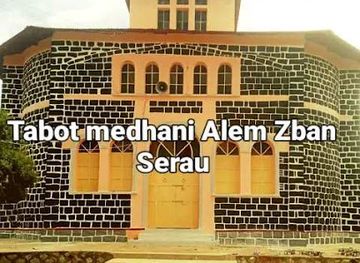
Best landmarks in Debub
Qohaito is Debub’s defining archaeological landmark: its high plateau setting, ancient remains and views over the southern escarpment give it both historical and geographical significance. Near Senafe, Metera is another landmark of national importance, particularly because of the Hawulti monument and its evidence of early written and religious culture in the region. The Emba Soira massif forms the most prominent natural landmark in the southern highlands and represents the elevated, rugged character of Debub, although reaching mountain areas may require authorisation and specialist preparation. The towns themselves contain more modest but meaningful landmarks, including traditional stone buildings, churches, market streets and traces of colonial-era administration. Roads and key passes through the highlands also carry historical importance because they linked communities and became strategic routes during the independence struggle and the 1998–2000 border war. Military memorials and remnants should be viewed respectfully, and visitors must follow restrictions on photography and access.
-
Historical landmark
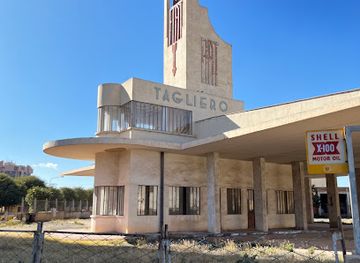
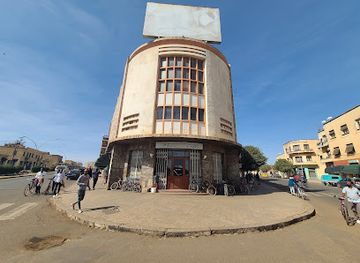
Fiat Tagliero ፡ፍያት ታሌሮ
Discover the exquisite Fiat Tagliero, a modernist architectural landmark in Asmara, Eritrea, embodying the nation's unique heritage and innovation.
-
Catholic cathedral
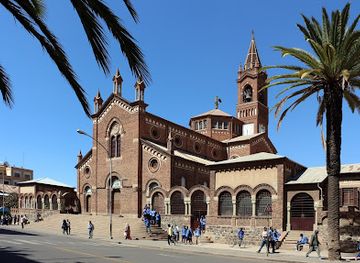
ኣስመራ ካቴድራል | Cathedral Our Lady of the Rosary
Explore the architectural beauty and serene atmosphere of Cathedral Our Lady of the Rosary, a historical gem in Asmara, Eritrea.
-
Mountain peak
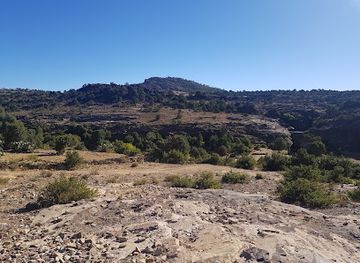
Emba Soira
Explore the breathtaking heights of Emba Soira, Eritrea's highest mountain, where adventure meets stunning natural beauty.
-
Museum
National Museum of Eritrea
Discover Eritrea's rich history and vibrant culture at the National Museum of Eritrea in Asmara, showcasing artifacts from ancient times to contemporary art.
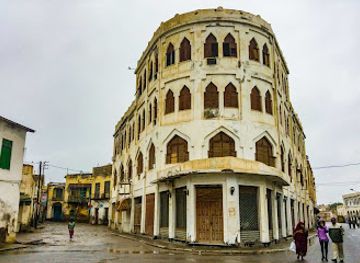
Explore Debub on the map
Plan your trip on one map. See where the top cities, national parks and sights are, and book hotels and experiences in a few clicks.
Best hotels in Debub
Best restaurants in Debub
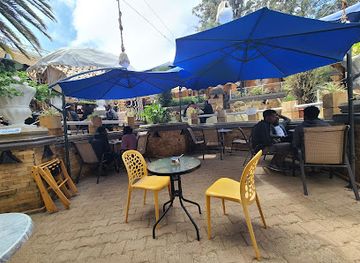
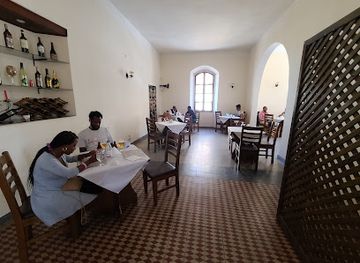
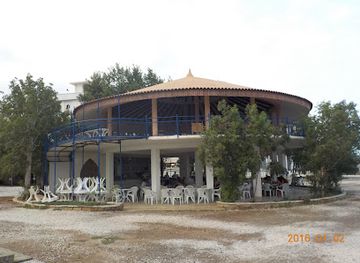
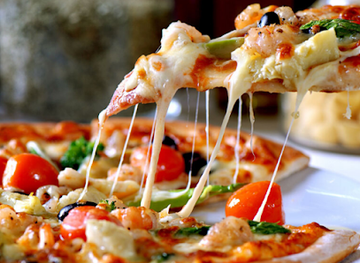
Eating in Debub is closely tied to Eritrea’s highland food culture. In Mendefera, Adi Keih, Senafe and other larger towns, meals commonly centre on injera, the fermented flatbread used to accompany tsebhi stews, shiro, lentils, vegetables and meat dishes. Recipes and seasoning vary between households and establishments, with berbere often providing heat and depth. Small cafés and simple restaurants are more common than formal dining rooms, while roadside places may specialise in tea, coffee or filling local meals. Eritrean coffee ceremonies are an important social tradition and may be encountered in homes, cafés or during community occasions; they should be approached as hospitality rather than a performance for visitors. Availability becomes more limited near Qohaito, Metera and remote mountain areas, so carry provisions for day trips. Vegetarian dishes are widely available, and fasting practices in Orthodox Christian communities can influence menus at particular times.
-
Restaurant
Ghibabo Restaurant And Pizzeria
Experience exquisite dining at Ghibabo Restaurant And Pizzeria in Asmara – where authentic flavors meet a warm atmosphere.
-
Restaurant
Spaghetti And Pizza House
Experience the best of Eritrean and Italian cuisine at Spaghetti And Pizza House in Asmara - where flavor meets tradition.
-
Italian
Al Sicomoro Restaurant
Experience authentic Italian flavors at Al Sicomoro Restaurant in Asmara – where every meal is a delightful journey into Italian cuisine.
-
Eritrean
Golden Fork Fast Food
Experience authentic Eritrean cuisine at Golden Fork Fast Food, where tradition meets flavor in every bite.
Best bars in Debub
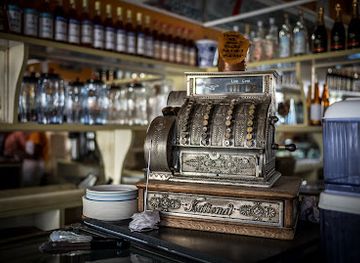
Debub has a modest evening scene rather than a concentrated nightclub culture. In Mendefera, Adi Keih, Senafe and Dekemhare, evenings generally revolve around cafés, small restaurants, tea rooms and locally frequented bars, with conversation and coffee often more central than late-night entertainment. Eritrean music may be heard in selected venues or at social gatherings, but programmes and opening arrangements are changeable and should be checked locally. Outside the larger towns, nightlife is limited and rural evenings are usually quiet. Visitors should observe local expectations around dress, photography and alcohol, particularly near religious communities, and should arrange transport back to their accommodation rather than assuming that taxis or public services will remain available late. The atmosphere is best understood through everyday social spaces rather than a formal entertainment district.
-
Cafe
Bar Pasticceria Vittoria
Savor the authentic taste of Eritrea at Bar Pasticceria Vittoria, where every pastry is a delight and every coffee is a masterpiece.
-
Bar
Bar Jima
Discover the vibrant energy and rich flavors at Bar Jima, a must-visit bar in Asmara offering a unique local experience.
-
Grill
Bar Zilli
Discover Bar Zilli in Asmara: a culinary haven offering exquisite grilled dishes and a lively bar ambiance with unique Italian decor.
-
Bar
Goitom's Bar and Restaurant
Experience authentic Eritrean cuisine and vibrant culture at Goitom's Bar and Restaurant in Asmara, a must-visit for all travelers.

Best nightclubs in Debub
Debub has a modest evening scene rather than a concentrated nightclub culture. In Mendefera, Adi Keih, Senafe and Dekemhare, evenings generally revolve around cafés, small restaurants, tea rooms and locally frequented bars, with conversation and coffee often more central than late-night entertainment. Eritrean music may be heard in selected venues or at social gatherings, but programmes and opening arrangements are changeable and should be checked locally. Outside the larger towns, nightlife is limited and rural evenings are usually quiet. Visitors should observe local expectations around dress, photography and alcohol, particularly near religious communities, and should arrange transport back to their accommodation rather than assuming that taxis or public services will remain available late. The atmosphere is best understood through everyday social spaces rather than a formal entertainment district.
-
Cafeteria
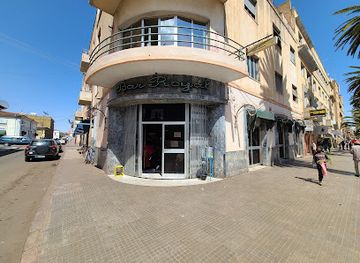
Bar Royal
Discover authentic Eritrean flavors at Bar Royal, a cozy cafeteria in Asmara offering a delightful blend of local and international dishes.
-
Bar
Bar Jima
Experience the vibrant atmosphere and rich Eritrean culture at Bar Jima, Asmara's must-visit bar for tourists.
-
Grill
Bar Zilli
Discover authentic Italian flavors at Bar Zilli, an inviting grill and bar in Asmara, Eritrea, perfect for a delightful dining experience.
-
Night club
Disco Club
Discover the vibrant nightlife of Mitsiwa at Disco Club, where dance and music create an unforgettable experience in Eritrea.

Best shops in Debub
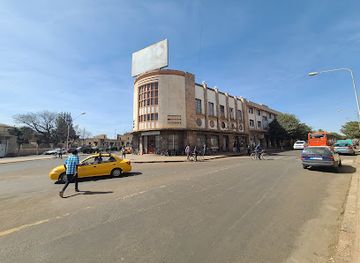
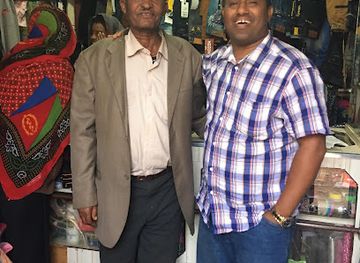
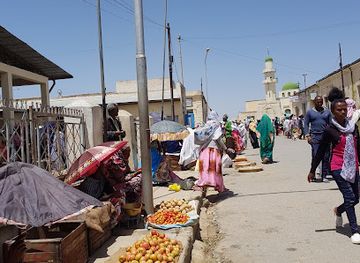
Shopping in Debub is primarily local and practical, with the strongest choice found in the market areas of Mendefera, Adi Keih, Senafe and other larger towns. Visitors can look for woven textiles, simple garments, household goods, leather items, local coffee and packaged or fresh agricultural produce, although selection varies and dedicated tourist craft shops are uncommon. Markets are also useful for seeing the region’s food economy, including cereals, pulses, spices, vegetables and seasonal fruit such as prickly pear. Handmade objects should be bought only when their materials and provenance are clear, and archaeological artefacts must never be purchased or removed. Bargaining may occur in informal markets, but it should remain courteous and proportionate. Rural communities may have no permanent retail area, so arrange essentials before travelling to Qohaito, Metera or remote mountain districts.
-
Clothing store
Yemane Express
Explore the vibrant styles of Yemane Express, where Eritrean culture meets contemporary fashion in the heart of Senafe.
-
Supermarket
ኩዳር ዓድ ቐይሕ Adikeyh Supert Market
Explore Adikeyh Supert Market, a vibrant supermarket in Adi Keyh, Eritrea, offering local and international products for an authentic shopping experience.
-
Cosmetics store
KOKOB SHOP ኮኾብ ሾፕ
KOKOB SHOP ኮኾብ ሾፕ offers a unique blend of local beauty products and international cosmetics in the heart of Asmara.
-
Grocery store
ኩዳር ሰገነይቲ Segeneyti Super Markt
Discover the flavors of Eritrea at Segeneyti Super Markt, a vibrant grocery store filled with local products and a taste of tradition.

Get your free copy of our complete guide to Debub, delivered straight to you.
Everything on this page, from attractions and restaurants to essentials and local phrases, in one PDF you can read offline, print or share.
Already have an account? Sign in
Your Debub guide is ready.
We'll send it to · Not you? Sign out

Getting your guide ready…
We are putting together a fresh copy of the Debub guide. This can take up to a minute.
This can take a few moments. If your browser asks, choose Allow so the download can start. You'll find the guide in your Downloads folder.
Nothing happened? Download it again
Sorry, the guide is taking longer than usual. Please try again in a minute, or get it by email instead.
Debub essentials
Currency and Payment
Safety
Emergency Situations
Do's and Don'ts
Local Tips
From Eve
Local phrases worth knowing
You don't need to get them perfect. A few words go a long way, and locals appreciate the effort.
Basics
| English | Local | Say it |
|---|---|---|
| Hello | Selam | [Se-lam] |
| Goodbye | Dehna hun | [Deh-na hun] |
| Yes | Iyes | [Ee-yes] |
| No | Ine | [Ee-neh] |
| Please/You're welcome | B'ziha | [B'zi-ha] |
| Thank you | Yemal | [Ye-mal] |
| Excuse me/Sorry | Min alen | [Min a-len] |
| How are you? | Kemey alek? | [Ke-mey a-lek] |
| Fine. And you? | B'ziha. Kemey alek? | [B'zi-ha. Ke-mey a-lek] |
| Do you speak English? | Englizi t'ekem? | [En-gli-zi te-kem] |
| I don't understand | Ayn alen | [Ayn a-len] |
Eating & Drinking
| English | Local | Say it |
|---|---|---|
| I'd like to see the menu, please | Menyu y'k'wal, b'ziha | [Men-yu ye-k'wal, b'zi-ha] |
| I don't eat meat | Basar alen | [Ba-sar a-len] |
| Cheers! | L'k'ay | [L'kay] |
| I would like to pay, please | Y'k'wal y'k'ay, b'ziha | [Ye-k'wal ye-k'ay, b'zi-ha] |
Emergencies
| English | Local | Say it |
|---|---|---|
| Help! | Y'k'ay! | [Ye-k'ay] |
| Go away! | T'k'ay! | [T'kay] |
| Call the Police! | Polisi z'k'ay! | [Po-li-si z'kay] |
| Call a doctor! | Daktari z'k'ay! | [Dak-ta-ri z'kay] |
| I'm lost | Ayn t'k'ay | [Ayn t'kay] |
| I'm ill | Ayn b'ziha | [Ayn b'zi-ha] |
Shopping
| English | Local | Say it |
|---|---|---|
| I'd like to buy... | Y'k'wal y'ga... | [Ye-k'wal ye-ga] |
| I'm just looking | Y'k'wal k'wal | [Ye-k'wal k'wal] |
| How much is it? | K'emey zey? | [Ke-mey zey] |
| That's too expensive | Zey k'el'ay | [Zey ke-lay] |
| Can you lower the price? | Zey z'k'ay alek? | [Zey z'kay a-lek] |
Time & Numbers
| English | Local | Say it |
|---|---|---|
| What time is it? | K'emey zey t'ka? | [Ke-mey zey t'ka] |
| It's one o'clock | Awet t'ka | [A-wet t'ka] |
| Half past (10) | H'alfa t'ka (10) | [H'al-fa t'ka] |
| Morning | B'le | [B'le] |
| Afternoon | K'ala | [K'a-la] |
| Evening | M'k'ala | [M'ka-la] |
| Yesterday | Z'k'ala | [Z'ka-la] |
| Today | I'k'ala | [I'ka-la] |
| Tomorrow | B'k'ala | [B'ka-la] |
| 1 | H'adra | [H'a-dra] |
| 2 | K'ulu | [K'u-lu] |
| 3 | Sel'asa | [Sel-a-sa] |
| 4 | Arba | [Ar-ba] |
| 5 | H'amsa | [H'am-sa] |
| 6 | S'ita | [Si-ta] |
| 7 | S'b'a | [S'ba] |
| 8 | S'sh'a | [S'sha] |
| 9 | T's'ah | [T's'ah] |
| 10 | A'sura | [A'su-ra] |
Transport & Directions
| English | Local | Say it |
|---|---|---|
| Where's a/the...? | E'k'ay...? | [E'kay] |
| What's the address? | Z'k'ay alamat? | [Z'kay a-la-mat] |
| Can you show me (on the map)? | Zey k'ay t'k'ay? | [Zey k'ay t'kay] |
| When's the next (bus)? | K'emey zey t'k'ay (bus)? | [Ke-mey zey t'kay] |
| A ticket (to ....) | B'ilet (b'... ) | [B'ile-t] |
History of Debub
Early Highland Settlement and Qohaito
The elevated plateau around Qohaito preserves evidence of a substantial ancient settlement and agricultural landscape. Its position near routes linking the Eritrean highlands with the Red Sea world helped make it an important centre over many centuries. Archaeological remains include foundations, carved or worked stone, water-management features and religiously interpreted structures, although the site is not uniformly excavated or presented for tourism. Qohaito matters because it demonstrates that the southern Eritrean highlands were connected to wider networks of exchange and political culture long before the modern state existed.
Metera and the Northern Horn of Africa Trade World
Metera, near modern Senafe, was another important ancient settlement in the highlands. It is particularly associated with the Hawulti, a distinctive pre-Aksumite or early Aksumite stone monument bearing inscriptions in an ancient script. The site reflects the interaction of local highland communities with the wider cultural and commercial sphere of the northern Horn of Africa. Metera’s remains, together with nearby agricultural terraces and mountain terrain, show how settlement, farming, religion and trade were connected in this region before the rise of later medieval and modern political boundaries.
Aksumite and Medieval Highland Connections
Debub formed part of a broader highland zone influenced at different times by Aksumite and successor political traditions centred across the northern Horn of Africa. Direct control and settlement patterns changed over the centuries, but routes through the southern Eritrean plateaux continued to connect communities, markets and religious institutions. Christianity became an important force in the highlands, while Muslim communities and commercial networks also shaped regional life. The surviving churches, oral traditions, agricultural practices and archaeological sites are best understood as parts of a connected Eritrean and Tigrayan highland history rather than as isolated local episodes.
Italian Colonial Rule and Transport Development
Italian rule in Eritrea from the late nineteenth century transformed administration, land use and transport. The southern highlands were drawn more tightly into colonial systems linking Asmara, the principal towns and routes towards the Ethiopian interior. Roads, administrative buildings and commercial activities altered existing patterns of movement, while colonial policies brought unequal access to land, work and political power. The architectural and infrastructural traces of this period are more prominent in some towns than others, but its wider legacy remains visible in settlement planning, road corridors and the historical memories attached to the region.
The Eritrean Independence Struggle
Debub was deeply affected by the armed struggle for Eritrean independence, which lasted from the early 1960s until 1991. Its plateaux and towns were strategically important because they connected central Eritrea with the southern frontier and neighbouring areas. Communities experienced displacement, military operations, disrupted agriculture and the difficult consequences of prolonged conflict, while many residents supported or became involved with the independence movement in different ways. The war’s legacy can be encountered in memorials, damaged or rebuilt infrastructure and family histories, although military subjects should be approached sensitively.
The 1998–2000 Eritrea–Ethiopia Border War
The border war between Eritrea and Ethiopia brought renewed fighting to parts of the southern highlands, including the Senafe and Tsorona areas. Towns, roads, farmland and communities were affected by bombardment, displacement and the militarisation of the frontier. The conflict ended with the Algiers Agreement in 2000, but the border remained politically tense for many years afterwards. Visitors should recognise that some areas retain military sensitivity and may be restricted. The war is not merely a historical backdrop: it continues to influence access, local memories and the practical geography of travel in Debub.
Debub in Photos
Browse through our photo collection highlighting the charm and character of the destination.
Neighbouring regions of Debub
The closest regions to Debub, if you have time for more than one.
-

-

-

-

-


Swipe for more regions
Explore more

Explore more of Eritrea
Discover Eritrea: A land of ancient history, stunning coastlines, and vibrant cultures nestled in the heart of the Horn of Africa.
Explore Eritrea