

Free Akkele Guzay Travel Guide & Mobile App
Explore Akkele Guzay with free travel guides. Discover regional history, expert tips, proposed trips, and audio guides on web or mobile app.


Explore Akkele Guzay in Eritrea for ancient Qohaito, highland scenery, historic towns and archaeological landscapes shaped by centuries of culture.
Read more about Akkele Guzay
When is the best time to visit Akkele Guzay?
Best: April, September–October · 24–26°C| Month | High (°C) | Rainfall (mm) |
|---|---|---|
| January | 20 | 5 |
| February | 21 | 6 |
| March | 23 | 6 |
| April (best) | 25 | 7 |
| May | 26 | 7 |
| June | 28 | 8 |
| July | 28 | 8 |
| August | 28 | 7 |
| September (best) | 26 | 7 |
| October (best) | 24 | 6 |
| November | 21 | 6 |
| December | 20 | 5 |
Getting to and around Akkele Guzay
How to get there
Transportation
Top city travel guides in Akkele Guzay
The cities of Akkele Guzay, and the easiest places to base yourself.
-

-

-

-

-


Swipe for more cities
Destinations in Akkele Guzay
Resorts, valleys and scenic spots worth a trip of their own.

Swipe for more destinations
Best attractions in Akkele Guzay
Akkele Guzay's attractions centre on ancient archaeological landscapes, highland scenery and the cultural life of its towns rather than on a large, formal tourism industry. Qohaito, reached from the Adi Keyh area, spreads across a high plateau of ruins, terraces, rock shelters, inscriptions and views into deep valleys. Metera, near Senafe, offers a different archaeological setting, with stone remains and the Hawulti monument associated with the ancient Aksumite world. Their scale and exposed locations make them rewarding for visitors interested in archaeology, geology and landscape, but both require advance permission, preparation and local guidance. Around Adi Keyh and Senafe, travellers encounter markets, Orthodox churches, historic streets and rural settlements shaped by highland farming. The escarpment provides opportunities for scenic drives and strenuous walking where permission, local knowledge and conditions allow. The region's attraction landscape is best approached slowly: archaeological remains are distributed across open terrain, visitor facilities are limited, and the meaning of a site often depends on understanding its relationship to ancient routes, cultivated land and present-day communities.
-
Island
Disei Island
Explore the pristine beauty and rich culture of Disei Island, a hidden paradise off the coast of Eritrea, perfect for relaxation and adventure.
-
 Garden
Teklehaimanot Tesfai Garden
Discover the tranquility of Teklehaimanot Tesfai Garden in Adi Keyh, Eritrea, where lush greenery and vibrant blooms create a peaceful escape for all visitors.
-
Garden
Teame Kiros Garden (ጀርዲን ጠዓመ ኪሮስ )
Discover the tranquil beauty of Teame Kiros Garden in Segheneyti, Eritrea—a perfect retreat for relaxation, exploration, and photography.
-
Tourist attraction
Wedi mehari park
Experience the serene landscapes and vibrant biodiversity of Wedi Mehari Park, a must-visit tourist attraction in Adi Keyh, Eritrea.


Best landmarks in Akkele Guzay
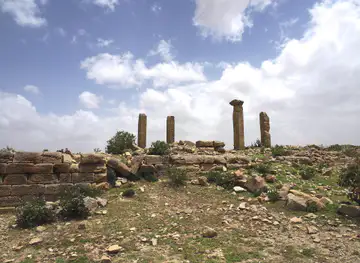
Qohaito is Akkele Guzay's most recognisable historic landscape: its elevated ruins, ancient terraces, inscriptions and escarpment views express the region's long relationship with agriculture, trade and monumental building. Near Senafe, Metera is distinguished by ancient stone remains and the Hawulti, a carved monument of major importance to Eritrea's archaeological heritage and the history of writing in the northern Horn. The highland escarpment itself is another defining landmark, marking a dramatic environmental transition between the cultivated interior and lower, drier country to the east. Adi Keyh and Senafe contain more recent traces of regional history in their churches, cemeteries, public buildings and street plans, although these should be viewed with sensitivity because some sites are religious or official. Together, these places show why Akkele Guzay cannot be reduced to a single ruin: its identity lies in the relationship between ancient settlements, highland geology, living communities and routes that have connected the interior with the Red Sea for centuries.
-
Historical landmark
Fiat Tagliero ፡ፍያት ታሌሮ
Explore the architectural wonders of Fiat Tagliero in Asmara, Eritrea, a historical landmark that showcases modernist design and cultural heritage.
-
Catholic cathedral
ኣስመራ ካቴድራል | Cathedral Our Lady of the Rosary
Discover the architectural beauty and spiritual serenity of Cathedral Our Lady of the Rosary in Asmara, Eritrea, a must-visit for every traveler.
-
Mosque
Khulafa al-Rashidun Mosque - ጃምዕ ኹለፋእ ኣልራሺዲን
Explore the Khulafa al-Rashidun Mosque in Asmara, a stunning architectural masterpiece and a serene oasis of spirituality in Eritrea's capital.
-
Monastery
ቅድስተ ቅዱሳን ድንግል ማርያም ደብረሲና ኦርቶዶክስ ተዋህዶ ገዳም ኤርትራ "St. Mariam Debresina Orthdox Tewahdo Monastery Eritrea"
Explore the tranquil beauty and rich traditions of St. Mariam Debresina Orthodox Tewahdo Monastery in Elabered, Eritrea, a reflection of the country's spiritual heritage.


Explore Akkele Guzay on the map
Plan your trip on one map. See where the top cities, national parks and sights are, and book hotels and experiences in a few clicks.
Best hotels in Akkele Guzay
Best restaurants in Akkele Guzay
Dining in Akkele Guzay is modest, local and closely connected to Eritrea's wider highland food culture. In Adi Keyh, Senafe and smaller settlements, visitors are most likely to find simple cafés, family-run eateries and traditional meals rather than a broad restaurant scene. Injera, the fermented flatbread made from grains such as teff or sorghum, is commonly served with stews, pulses and vegetables; meat dishes may appear according to availability and local custom. Italian influence can be seen in the national popularity of coffee, pasta and simple bakery foods, although these are not exclusive to Akkele Guzay. Markets are useful for seasonal fruit, bread and provisions, while rural hosts may offer food based on locally available grains, dairy or livestock products. Coffee ceremonies are important across Eritrea, but participation should be accepted respectfully and without assuming that every household follows the same routine. Carry snacks and bottled water for archaeological excursions, since food outlets and reliable supplies are scarce away from towns.
-
Restaurant
Ghibabo Restaurant And Pizzeria
Experience the rich flavors of Eritrea at Ghibabo Restaurant And Pizzeria in Asmara – where traditional meets modern culinary art.
-
Eritrean
Golden Fork Fast Food
Discover authentic Eritrean flavors at Golden Fork Fast Food in Asmara – where tradition meets convenience.
-
Restaurant
The Roof Garden
Discover exquisite dining at The Roof Garden in Asmara, where breathtaking views meet delightful flavors.
-
Family-friendly
Banuna Bar & Restaurant
Discover delicious family-friendly dining at Banuna Bar & Restaurant in Mitsiwa, where local flavors meet warm hospitality.


Best bars in Akkele Guzay
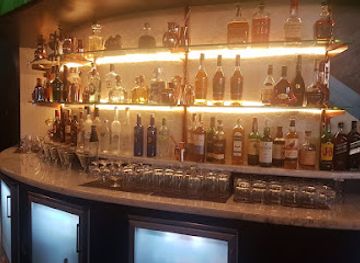
Nightlife in Akkele Guzay is restrained and centred on cafés, restaurants and informal social spaces in Adi Keyh and Senafe rather than on a concentrated club scene. Evenings may involve coffee, conversation, football broadcasts or local music, while some establishments serve beer and other drinks within Eritrea's broader urban café culture. Rural settlements become quiet after dark, and archaeological areas have no evening facilities. Visitors should follow local guidance on where foreigners may go, avoid photographing public gatherings and respect religious observance and community routines. Alcohol should not be treated as central to the region's culture, and transport should be arranged before going out because late public services are limited. Any venue information should be checked locally, as opening arrangements and available entertainment can change without reliable online notice.
-
Cafe
Bar Pasticceria Vittoria
Experience the authentic taste of Eritrea at Bar Pasticceria Vittoria, a delightful café in Asmara known for its exquisite pastries and cozy atmosphere.
-
Cafeteria
Bar Royal
Discover the flavors of Eritrea at Bar Royal, a charming cafeteria in Asmara offering a taste of local culture and hospitality.
-
Restaurant
Admas Restaurant & Bar
Discover the flavors of Eritrea at Admas Restaurant & Bar, where tradition meets culinary excellence in the heart of Asmara.
-
Bar
Bar selam ባር ሰላም ( እንዳ ሳባ)
Experience the vibrant culture and hospitality of Eritrea at Bar Selam, a must-visit bar in Adi Kontsi.


Best nightclubs in Akkele Guzay
Nightlife in Akkele Guzay is restrained and centred on cafés, restaurants and informal social spaces in Adi Keyh and Senafe rather than on a concentrated club scene. Evenings may involve coffee, conversation, football broadcasts or local music, while some establishments serve beer and other drinks within Eritrea's broader urban café culture. Rural settlements become quiet after dark, and archaeological areas have no evening facilities. Visitors should follow local guidance on where foreigners may go, avoid photographing public gatherings and respect religious observance and community routines. Alcohol should not be treated as central to the region's culture, and transport should be arranged before going out because late public services are limited. Any venue information should be checked locally, as opening arrangements and available entertainment can change without reliable online notice.
-
Tour operator
Eritrea Visit
Explore the enchanting landscapes and rich culture of Eritrea with expert guidance from Eritrea Visit, your trusted tour operator in Asmara.
-
Cafeteria
Bar Royal
Discover Bar Royal in Asmara, a cozy cafeteria offering local flavors and a welcoming atmosphere for every traveler.
-
Restaurant
Admas Restaurant & Bar
Discover the flavors of Eritrea at Admas Restaurant & Bar in Asmara, where culinary tradition meets vibrant dining.
-
Bar
Bar Jima
Experience the vibrant nightlife and local culture at Bar Jima, Asmara's go-to bar for refreshing drinks and great company.



Best shops in Akkele Guzay
Shopping in Akkele Guzay is primarily local and practical. Markets in Adi Keyh and Senafe are the best places to observe daily commerce and find bread, grains, spices, coffee, fruit, household goods and clothing, although market days and stock vary. Travellers may encounter woven items, simple handicrafts, religious objects and locally made goods, but availability is limited and not every item offered as an antique is authentic or legal to export. Food products such as coffee, spices or packaged local provisions can be more dependable souvenirs than fragile archaeological-looking objects. Independent small shops serve residents rather than tourists, and there is little reason to expect extensive fashion, luxury or specialist retail. Ask permission before photographing market stalls, negotiate politely where bargaining is customary, and retain receipts and any required export documentation. Never buy inscriptions, antiquities, ancient-looking stones or artefacts from archaeological areas, as removing cultural material is unlawful and damaging.
-
Tour operator
Eritrea Visit
Discover Eritrea's beauty and culture with expert guidance from Eritrea Visit, your trusted travel agency in Asmara.
-
Store
Kahawta
Explore the heart of Asmara at Kahawta, where local craftsmanship and vibrant culture meet in a unique shopping experience.
-
Supermarket
Wikianos Supermarket
Explore a wide array of local and international products at Wikianos Supermarket in Asmara, your gateway to Eritrean culinary delights.
-
Fresh food market
ማርካቶ | Markato
Discover the heart of Asmara at Markato, a vibrant fresh food market that offers a taste of authentic Eritrean culture and cuisine.


Get your free copy of our complete guide to Akkele Guzay, delivered straight to you.
Everything on this page, from attractions and restaurants to essentials and local phrases, in one PDF you can read offline, print or share.
Already have an account? Sign in
Your Akkele Guzay guide is ready.
We'll send it to · Not you? Sign out

Getting your guide ready…
We are putting together a fresh copy of the Akkele Guzay guide. This can take up to a minute.
This can take a few moments. If your browser asks, choose Allow so the download can start. You'll find the guide in your Downloads folder.
Nothing happened? Download it again
Sorry, the guide is taking longer than usual. Please try again in a minute, or get it by email instead.
Akkele Guzay essentials
Currency and Payment
Safety
Emergency Situations
Do's and Don'ts
Local Tips
From Eve
Local phrases worth knowing
You don't need to get them perfect. A few words go a long way, and locals appreciate the effort.
Basics
| English | Local | Say it |
|---|---|---|
| Hello | ሰላም | [Selam] |
| Goodbye | ደህና ሁን | [Dehna hun] |
| Yes | አዎን | [Awen] |
| No | አይ | [Ay] |
| Please/You're welcome | እቅፍ/እንቁላል | [Eqif/Inqulal] |
| Thank you | አመሰግናለሁ | [Amesegenalehu] |
| Excuse me/Sorry | ይቅርታ | [Yiqirta] |
| How are you? | እንዴት ነህ/ነሽ? | [Endet neh/nesh?] |
| Fine. And you? | ጥሩ እና አንተ/አች? | [T'iru ena ante/ach?] |
| Do you speak English? | እንግሊዝኛ ትናገራለህ? | [Ingiliznya tinageraleh?] |
| I don't understand | አልተረዳኝም | [Alteradanyem] |
Eating & Drinking
| English | Local | Say it |
|---|---|---|
| I'd like to see the menu, please | እቅፍ የምንጭ እባኮት እንቅስቃሴ | [Eqif yeminch ebakot enqsqasé] |
| I don't eat meat | ስጋ አልብስኝ | [Siga albesign] |
| Cheers! | እንግዲህ! | [Engdih!] |
| I would like to pay, please | እቅፍ እንደ ክፍያ እባኮት እንቅስቃሴ | [Eqif endé kifya ebakot enqsqasé] |
Emergencies
| English | Local | Say it |
|---|---|---|
| Help! | እገዛ! | [Egeza!] |
| Go away! | በሩቅ ሂድ! | [Beruq hid!] |
| Call the Police! | ፖሊስ ይደውሉ! | [Polis yidewlu!] |
| Call a doctor! | ዶክተር ይደውሉ! | [Dokter yidewlu!] |
| I'm lost | እኔ ገደብ ወደይ! | [Ine gedeb wedey!] |
| I'm ill | እኔ በሽታ ነኝ | [Ine beshita nenyi] |
Shopping
| English | Local | Say it |
|---|---|---|
| I'd like to buy... | እቅፍ ማስገቢያ እንዴት ነው | [Eqif masgebia endet new] |
| I'm just looking | ይህን እይ | [Yihen iy] |
| How much is it? | እንዴት ይመክር? | [Endet yimiker?] |
| That's too expensive | ይህ በጣም ውድ ነው | [Yih bet'am wid new] |
| Can you lower the price? | ዋጋ በታች እንደሚኖር? | [Waga bet'ach endeminor?] |
Time & Numbers
| English | Local | Say it |
|---|---|---|
| What time is it? | የምን ሰዓት ነው? | [Yemina se'at new?] |
| It's one o'clock | አንድ ሰዓት ነው | [And se'at new] |
| Half past (10) | ከ10 በኋላ | [Ke 10 behuala] |
| Morning | ጠዋት | [T'ewat] |
| Afternoon | ከሰዓት በኋላ | [Kese'at behuala] |
| Evening | ምሽት | [Mishit] |
| Yesterday | እንቅስቃሴ | [Enqsqasé] |
| Today | ዛሬ | [Zare] |
| Tomorrow | ነገ | [Nage] |
| 1 | 1 | [1] |
| 2 | 2 | [2] |
| 3 | 3 | [3] |
| 4 | 4 | [4] |
| 5 | 5 | [5] |
| 6 | 6 | [6] |
| 7 | 7 | [7] |
| 8 | 8 | [8] |
| 9 | 9 | [9] |
| 10 | 10 | [10] |
Transport & Directions
| English | Local | Say it |
|---|---|---|
| Where's a/the...? | የተደረገ ይታወቃል? | [Yetederge yitawkal?] |
| What's the address? | የአድራሻ እንዴት ነው? | [Ye'adrasha endet new?] |
| Can you show me (on the map)? | እቅፍ እንደ ካርታ ይታወቃል? | [Eqif endé karta yitawkal?] |
| When's the next (bus)? | የአንደኛ እንዴት ነው? | [Ye'andegna endet new?] |
| A ticket (to ....) | የወንድም ታክስ ውለው | [Ye'wendim takis wulé] |
History of Akkele Guzay
Early Highland Settlement and Rock Art
The highlands of Akkele Guzay contain evidence of long human occupation, including rock shelters, agricultural terraces, inscriptions and stone structures. The region's elevated plateaux provided grazing and cultivable land, while its escarpment valleys connected the interior with routes towards the Red Sea. Archaeological interpretation remains complex, but the surviving landscapes demonstrate that communities here developed durable systems of farming, livestock keeping and exchange well before the better-documented medieval and colonial periods.
Qohaito and the Ancient Highland Trade Sphere
Qohaito became one of the most important ancient settlement landscapes in southern Eritrea. Its position on a high plateau placed it near routes linking the northern Horn's agricultural interior with Red Sea commerce. Ruins, rock-cut features, inscriptions, terraces and monumental remains indicate a society with organised agriculture and long-distance connections. Qohaito is often discussed alongside the wider cultural world that preceded and accompanied Aksum, although the precise chronology and political affiliations of individual remains continue to be studied.
Metera and the Aksumite Cultural World
Metera, near Senafe, preserves remains associated with the ancient civilisation commonly known as Aksumite. Its architecture, stonework and the Hawulti monument reflect the use of writing, religious symbolism and monumental building in the northern Horn of Africa. The settlement's location on the highland routes helped connect local communities with larger political and commercial networks. Today, the site is valuable not only for its ruins but also for what it reveals about the region's role in the ancient history of Eritrea.
Christian Highland Traditions and Local Rule
Over subsequent centuries, Akkele Guzay developed within interconnected highland Christian communities whose institutions, landholding patterns and local authorities shaped everyday life. Orthodox churches and religious traditions became important markers of settlement and identity, while local leaders negotiated relationships with larger powers in the northern Ethiopian and Eritrean highlands. The region's history was not governed by a single uninterrupted authority; political influence shifted, but farming communities, churches and trade routes provided continuity.
Italian Colonial Rule and Infrastructure
Italian colonial expansion brought Akkele Guzay into Eritrea's formal colonial administration in the late nineteenth and early twentieth centuries. Roads, administrative structures and new patterns of commerce altered relations between highland towns and the coast, while colonial rule also imposed taxation, labour demands and political controls. Adi Keyh and Senafe acquired greater administrative significance, and elements of the built environment still reflect this period. The colonial legacy remains inseparable from the wider history of Eritrean urban development and resistance.
War, Federation and Eritrean Nationalism
After the Second World War, Eritrea's changing constitutional status and its federation with Ethiopia in 1952 were followed by the federation's removal and annexation by Ethiopia in 1962. Akkele Guzay was consequently drawn into the long Eritrean armed struggle, with its difficult highland terrain becoming strategically important. Villages and families experienced displacement, military pressure and the disruption of agriculture. These decades helped shape the strong historical memory found in the region today.
Independence and Contemporary Eritrea
Eritrea achieved de facto independence in 1991 and formal independence in 1993 after the defeat of Ethiopian forces. Akkele Guzay became part of the modern state while retaining its historic regional identity within contemporary administrative structures. The area remains predominantly rural, with livelihoods linked to cultivation, livestock and local trade. Archaeological heritage offers considerable cultural importance, but tourism infrastructure and access are limited, reflecting Eritrea's tightly regulated travel environment.
Akkele Guzay in Photos
Browse through our photo collection highlighting the charm and character of the destination.
Neighbouring regions of Akkele Guzay
The closest regions to Akkele Guzay, if you have time for more than one.
-

-
-

-

-


Swipe for more regions
Explore more

Explore more of Eritrea
Discover Eritrea: A land of ancient history, stunning coastlines, and vibrant cultures nestled in the heart of the Horn of Africa.
Explore Eritrea