

Free Eastern Eritrea Travel Guide & Mobile App
Explore Eastern Eritrea with free travel guides. Discover regional history, expert tips, proposed trips, and audio guides on web or mobile app.


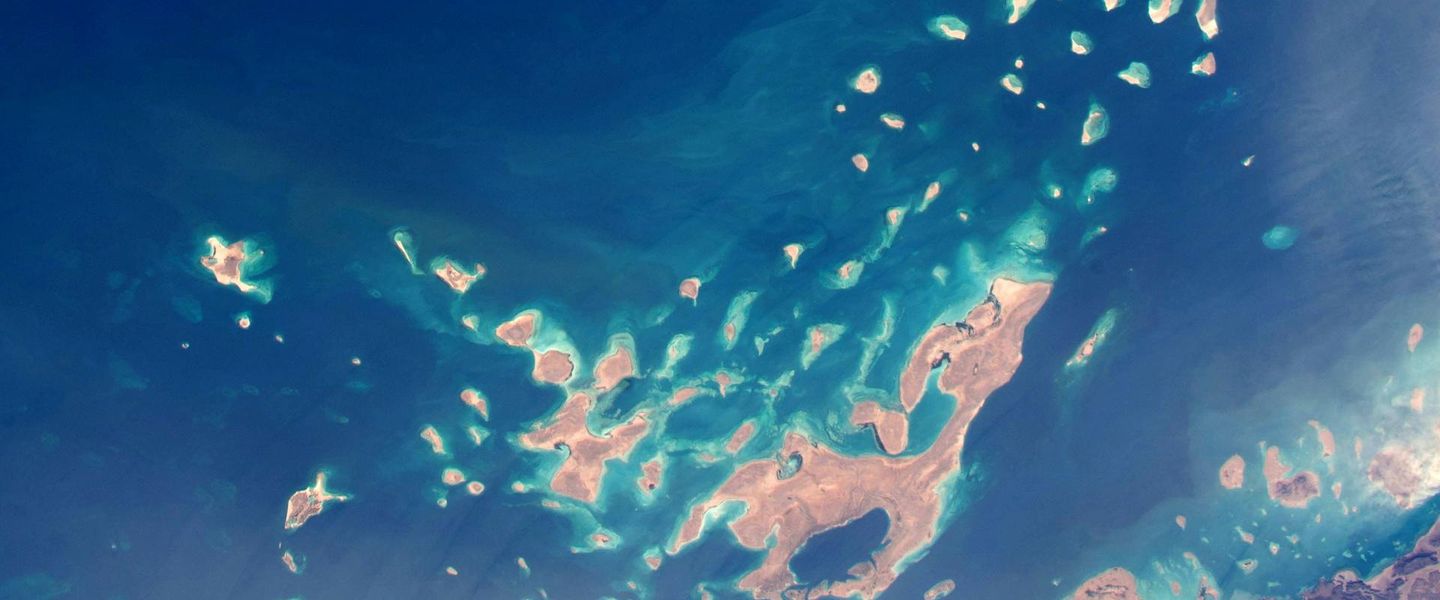


Explore Eastern Eritrea for Massawa’s Red Sea heritage, ancient Adulis, desert coastlines and carefully arranged journeys to the Dahlak Islands.
Read more about Eastern Eritrea
When is the best time to visit Eastern Eritrea?
Best: December–February · 25–26°C| Month | High (°C) | Rainfall (mm) |
|---|---|---|
| January (best) | 25 | 10 |
| February (best) | 26 | 10 |
| March | 28 | 15 |
| April | 30 | 15 |
| May | 33 | 20 |
| June | 35 | 20 |
| July | 35 | 25 |
| August | 34 | 25 |
| September | 33 | 25 |
| October | 31 | 20 |
| November | 28 | 15 |
| December (best) | 26 | 10 |
Getting to and around Eastern Eritrea
How to get there
Transportation
Top city travel guides in Eastern Eritrea
The cities of Eastern Eritrea, and the easiest places to base yourself.
-

-

-

-


Swipe for more cities
Destinations in Eastern Eritrea
Resorts, valleys and scenic spots worth a trip of their own.
-

-

-

-


Swipe for more destinations
Best attractions in Eastern Eritrea
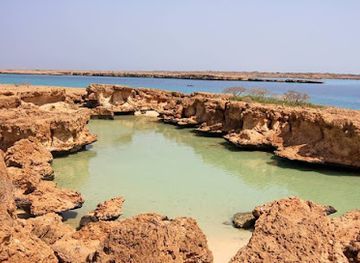
Eastern Eritrea’s attractions are concentrated around maritime history, archaeological remains and landscapes rather than large commercial visitor complexes. Massawa provides the strongest cultural focus, with its historic island quarters, mosques, waterfront, port buildings and Italian-era structures offering evidence of several successive trading and imperial periods. The city is also a practical base for understanding the Red Sea coast, although damaged buildings and restricted areas require respectful, guided exploration. South of Massawa, the remains of Adulis near Zula are significant for their connection with ancient Aksumite and international Red Sea commerce; access should be arranged in advance and archaeological material must not be disturbed. Offshore, the Dahlak Archipelago offers coral islands, shallow coastal waters, marine habitats and communities shaped by fishing and seafaring. Visits depend on permission, boats and weather rather than a regular tourism infrastructure. The mainland coast includes broad desert vistas, salt-affected plains and fishing settlements, while boating, diving or snorkelling should be undertaken only with properly organised local support. Eastern Eritrea is therefore best suited to travellers interested in history, geography and maritime environments who are prepared for basic facilities, administrative planning and long journeys.
-
National park
Dahlak Marine National Park
Explore the breathtaking biodiversity of Dahlak Marine National Park, Eritrea's pristine sanctuary of marine life and unspoiled beauty.
-
 Park
ParkSsv island
Explore the serene Ssv Island in Eritrea, a breathtaking park rich in biodiversity, stunning landscapes, and tranquil waters for nature enthusiasts.

Best landmarks in Eastern Eritrea
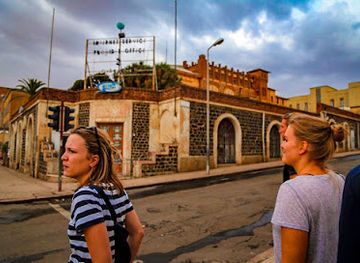
Massawa’s historic fabric is the defining landmark landscape of Eastern Eritrea. On Massawa Island, narrow streets, mosques, coral-stone buildings and former commercial premises recall the port’s Ottoman, Egyptian, Arab and African connections, while Taulud Island contains wider civic spaces and Italian colonial architecture. Much of the city was damaged during the war and the 1993 earthquake, making the surviving and ruined structures important records of modern history rather than merely decorative scenery. The harbour and causeway approach also express Massawa’s geography as a city distributed across islands and mainland shore. Farther south, the archaeological remains of Adulis near Zula mark the site of an ancient port whose importance reached across the Red Sea and into the Aksumite world. Offshore, the low coral islands and reefs of the Dahlak Archipelago form a natural and cultural landmark system: their significance lies in marine environments, seafaring history and island communities rather than monumental buildings. Because parts of the coast are restricted or remote, visitors should confirm access and use local guidance before approaching any landmark beyond the established urban area.
-
Historical landmark
Fiat Tagliero ፡ፍያት ታሌሮ
Explore the Fiat Tagliero in Asmara, Eritrea, a stunning architectural landmark showcasing modernist design and rich history.
-
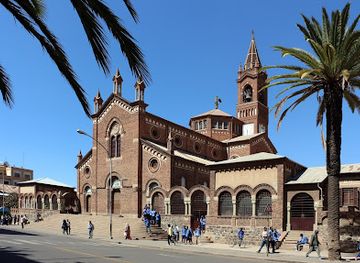
Catholic cathedral
ኣስመራ ካቴድራል | Cathedral Our Lady of the Rosary
Discover the architectural beauty and cultural significance of Cathedral Our Lady of the Rosary, a must-see landmark in Asmara, Eritrea.
-
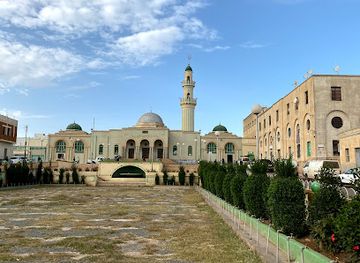
Mosque
Khulafa al-Rashidun Mosque - ጃምዕ ኹለፋእ ኣልራሺዲን
Explore the Khulafa al-Rashidun Mosque, a stunning architectural gem in Asmara, reflecting Eritrea's rich cultural heritage and spiritual essence.
-
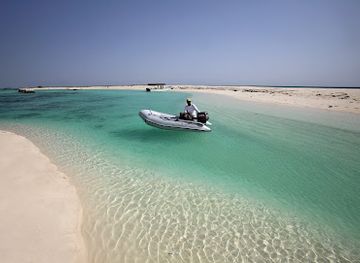
National park
Dahlak Marine National Park
Explore the unspoiled beauty of Dahlak Marine National Park, a breathtaking retreat of islands and marine life in Eritrea's Red Sea.

Explore Eastern Eritrea on the map
Plan your trip on one map. See where the top cities, national parks and sights are, and book hotels and experiences in a few clicks.
Best hotels in Eastern Eritrea
Best restaurants in Eastern Eritrea
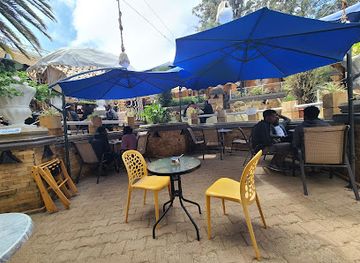
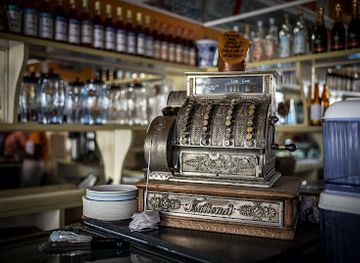
Massawa’s food culture reflects its Red Sea position and the wider culinary traditions of Eritrea, with seafood, rice, flatbreads, stews and spiced sauces commonly shaping meals. Fresh fish and other marine produce are natural features of a port city, while dishes associated with Eritrean and neighbouring Horn of Africa cooking may include injera served with meat, lentils or vegetables. Coastal dining is generally simpler and more locally grounded than the restaurant scene found in Asmara, and choices become very limited beyond Massawa. Small eateries, hotel restaurants and tea or coffee places are the most practical options, with availability dependent on supplies and local conditions. In markets and shops, visitors may encounter dates, bread, bottled drinks and other provisions useful for excursions. Travellers heading towards Adulis or the islands should carry suitable snacks and drinking water rather than expecting regular cafés or restaurants. Ask about ingredients and preparation if dietary requirements are important, and arrange meals in advance when travelling with a group.
-
Restaurant
Ghibabo Restaurant And Pizzeria
Discover Ghibabo Restaurant And Pizzeria: A must-visit culinary delight in Asmara serving exquisite Eritrean and Italian dishes.
-
Eritrean
Golden Fork Fast Food
Experience authentic Eritrean cuisine at Golden Fork Fast Food in Asmara - A must-visit for food lovers!
-
Cafe
Bar Pasticceria Vittoria
Experience the best of Eritrean pastry culture at Bar Pasticceria Vittoria, a charming café in Asmara offering delicious sweets and coffee.
-
Restaurant
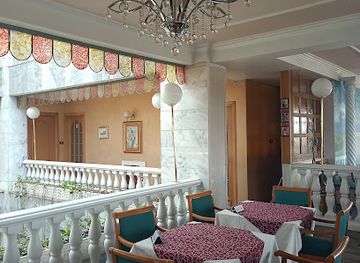
The Roof Garden
Experience the breathtaking views and exquisite cuisine at The Roof Garden, Asmara's premier dining destination offering local flavors and international delights.

Best bars in Eastern Eritrea
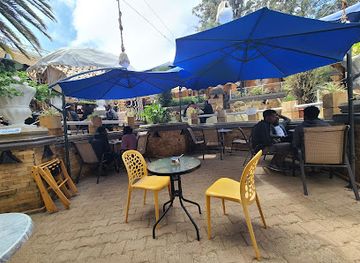
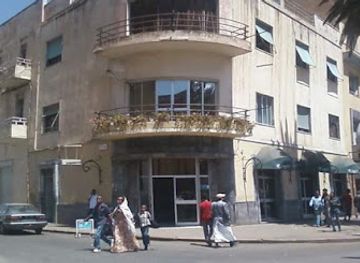
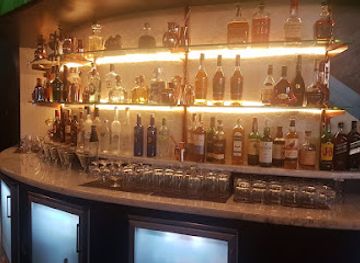
Evening life in Eastern Eritrea is centred on cafés, hotel venues, restaurants and informal social spaces rather than a large nightclub circuit. Massawa has the region’s broadest choice, but the atmosphere is generally unhurried and shaped by the port’s small urban scale, intense daytime heat and limited tourism infrastructure. Coffee and tea are important parts of social life, while some establishments may serve locally available beer or spirits; alcohol should not be treated as essential to experiencing the city. Outside Massawa, evening options are sparse, and settlements along the coast are primarily oriented towards fishing, family life and early starts. Visitors staying in hotels should confirm dining, electricity and closing arrangements locally, as services can vary. On the islands and at remote archaeological or coastal sites, there is no dependable nightlife infrastructure, so evenings are usually spent at the accommodation or in organised camp settings.
-
Restaurant
Ghibabo Restaurant And Pizzeria
Discover the flavors of Italy at Ghibabo Restaurant And Pizzeria, a top dining destination in Asmara, Eritrea offering authentic cuisine and a warm atmosphere.
-
Cafe
Bar Pasticceria Vittoria
Discover the delightful flavors of Bar Pasticceria Vittoria, Asmara's premier café for exquisite pastries and aromatic coffee.
-
Cafeteria
Bar Royal
Experience the authentic taste of Eritrea at Bar Royal, a charming cafeteria in Asmara offering delicious local dishes and a warm atmosphere.
-
Restaurant
Admas Restaurant & Bar
Experience the rich flavors of Eritrean cuisine at Admas Restaurant & Bar in Asmara, where culinary tradition meets modern dining.

Best nightclubs in Eastern Eritrea
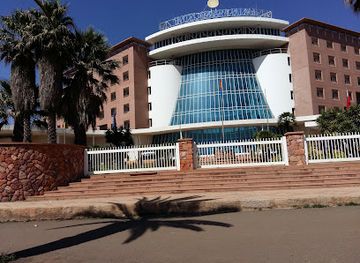
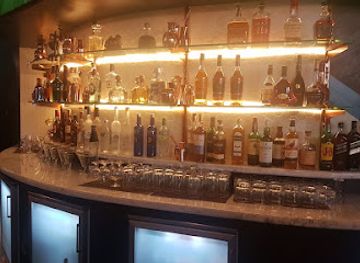
Evening life in Eastern Eritrea is centred on cafés, hotel venues, restaurants and informal social spaces rather than a large nightclub circuit. Massawa has the region’s broadest choice, but the atmosphere is generally unhurried and shaped by the port’s small urban scale, intense daytime heat and limited tourism infrastructure. Coffee and tea are important parts of social life, while some establishments may serve locally available beer or spirits; alcohol should not be treated as essential to experiencing the city. Outside Massawa, evening options are sparse, and settlements along the coast are primarily oriented towards fishing, family life and early starts. Visitors staying in hotels should confirm dining, electricity and closing arrangements locally, as services can vary. On the islands and at remote archaeological or coastal sites, there is no dependable nightlife infrastructure, so evenings are usually spent at the accommodation or in organised camp settings.
-
Hotel
Asmara Palace Hotel
Experience luxury and comfort at the Asmara Palace Hotel, the perfect retreat in Eritrea's vibrant capital.
-
Restaurant
Admas Restaurant & Bar
Discover the flavors of Eritrea at Admas Restaurant & Bar, where culinary excellence meets a vibrant nightlife in the heart of Asmara.
-
Bar
Bar Jima
Experience the lively atmosphere of Bar Jima, where Eritrean culture and nightlife come alive with local drinks and vibrant music.
-
Night club
Disco Club
Dive into the electrifying nightlife at Disco Club in Mitsiwa, where pulsating beats and vibrant energy create an unforgettable experience.

Best shops in Eastern Eritrea
Shopping in Eastern Eritrea is modest and locally focused, with Massawa offering the most practical selection of small shops, market stalls and everyday provisions. Visitors may find woven items, simple handicrafts, locally produced foods, spices, coffee, textiles and souvenirs connected with Red Sea or Eritrean culture, although stock varies and independent retail should not be compared with a major capital-city shopping district. The port’s markets are useful for observing everyday commerce and obtaining water, snacks and travel supplies, but bargaining should be courteous and prices should be clarified before purchase. In coastal communities, fish and marine products are part of the local economy, while remote islands have very limited retail facilities. Do not buy archaeological objects, old coins, coral, shells or items presented as having been removed from historic sites. Carry sufficient cash in nakfa, as card payment is unreliable, and purchase important provisions in Massawa before travelling to Adulis or the Dahlak Archipelago.
-
National park
Dahlak Marine National Park
Explore the pristine underwater world and breathtaking landscapes of Dahlak Marine National Park in Eritrea, a paradise for nature lovers and adventurers.
-
Tour operator
Eritrea Visit
Explore the breathtaking landscapes and rich culture of Eritrea with personalized tours from Eritrea Visit, your trusted travel partner.
-
Monastery
Debre Bizen
Explore Debre Bizen Monastery in Nefasit, Eritrea - a serene escape rich in history and spiritual significance.
-
Shopping mall
Yigzaw Shop ይግዛው ድኳን ከተማ ከረን
Explore Yigzaw Shop in Keren, Eritrea: A vibrant shopping mall offering local crafts, delicious snacks, and a taste of Eritrean culture.

Get your free copy of our complete guide to Eastern Eritrea, delivered straight to you.
Everything on this page, from attractions and restaurants to essentials and local phrases, in one PDF you can read offline, print or share.
Already have an account? Sign in
Your Eastern Eritrea guide is ready.
We'll send it to · Not you? Sign out

Getting your guide ready…
We are putting together a fresh copy of the Eastern Eritrea guide. This can take up to a minute.
This can take a few moments. If your browser asks, choose Allow so the download can start. You'll find the guide in your Downloads folder.
Nothing happened? Download it again
Sorry, the guide is taking longer than usual. Please try again in a minute, or get it by email instead.
Eastern Eritrea essentials
Currency and Payment
Safety
Emergency Situations
Do's and Don'ts
Local Tips
From Eve
Local phrases worth knowing
You don't need to get them perfect. A few words go a long way, and locals appreciate the effort.
Basics
| English | Local | Say it |
|---|---|---|
| Hello | Selam | [seh-lahm] |
| Goodbye | Dehri | [deh-ree] |
| Yes | Iye | [ee-yeh] |
| No | Iye | [ee-yeh] |
| Please/You're welcome | Beka | [beh-kah] |
| Thank you | Yekeni | [yeh-keh-nee] |
| Excuse me/Sorry | Afwan | [ahf-wahn] |
| How are you? | Kemey alek? | [keh-may ah-lek] |
| Fine. And you? | Kebri. Kemey alek? | [keh-bree. keh-may ah-lek] |
| Do you speak English? | Englizi tibel? | [en-glee-zee tee-bel] |
| I don't understand | Altefahmi | [ahl-teh-fah-mee] |
Eating & Drinking
| English | Local | Say it |
|---|---|---|
| I'd like to see the menu, please | Menyu tibel, beka | [men-yoo tee-bel, beh-kah] |
| I don't eat meat | Anu bastera alen | [ah-noo bas-teh-rah ah-len] |
| Cheers! | Fekri! | [feh-kree] |
| I would like to pay, please | Aba'i tibel, beka | [ah-bah-ee tee-bel, beh-kah] |
Emergencies
| English | Local | Say it |
|---|---|---|
| Help! | Amsi! | [ahm-see] |
| Go away! | Bzay! | [b-zai] |
| Call the Police! | Polis tibel! | [poh-lees tee-bel] |
| Call a doctor! | Doktor tibel! | [dok-tor tee-bel] |
| I'm lost | Anu kibrin | [ah-noo kee-brin] |
| I'm ill | Anu maraz | [ah-noo mah-raz] |
Shopping
| English | Local | Say it |
|---|---|---|
| I'd like to buy... | Nihna bzi... | [nee-hna bzee] |
| I'm just looking | Anu zeyle | [ah-noo zay-leh] |
| How much is it? | Kemey zey? | [keh-may zay] |
| That's too expensive | Hager zey yker | [hah-ger zay y-kair] |
| Can you lower the price? | Bzi zey qebah? | [bzi zay keh-bah] |
Time & Numbers
| English | Local | Say it |
|---|---|---|
| What time is it? | Kemey seme? | [keh-may seh-meh] |
| It's one o'clock | Seme kulu | [seh-meh koo-loo] |
| Half past (10) | Haf zey (10) | [haf zay (ten)] |
| Morning | Bokret | [boh-kret] |
| Afternoon | Matsra | [maht-srah] |
| Evening | Kebri | [keh-bree] |
| Yesterday | Dihri | [dee-hree] |
| Today | Zemem | [zeh-mem] |
| Tomorrow | Dihri zey | [dee-hree zay] |
| 1 | Hadi | [ha-dee] |
| 2 | Kulu | [koo-loo] |
| 3 | Selasa | [seh-lah-sah] |
| 4 | Arba | [ahr-bah] |
| 5 | Hamsh | [hahmsh] |
| 6 | Sita | [see-tah] |
| 7 | Sebat | [seh-baht] |
| 8 | Semeni | [seh-meh-nee] |
| 9 | Tis'a | [tee-sah] |
| 10 | Asir | [ah-seer] |
Transport & Directions
| English | Local | Say it |
|---|---|---|
| Where's a/the...? | Wey zey ...? | [way zay ...] |
| What's the address? | Kemey address? | [keh-may ah-dress] |
| Can you show me (on the map)? | Bzay tibel (bela map)? | [b-zay tee-bel (beh-lah map)] |
| When's the next (bus)? | Kemey zey (bus) tesem? | [keh-may zay (bus) teh-sem] |
| A ticket (to ....) | Tiket (zey ...) | [tee-ket (zay ...)] |
History of Eastern Eritrea
Adulis and Ancient Red Sea Commerce
Adulis, near the modern settlement of Zula on the southern Red Sea coast, was one of the most important ancient ports in the Horn of Africa. Its activity connected the inland kingdom of Aksum with Arabia, Egypt, the eastern Mediterranean and the wider Indian Ocean trading world. Goods moving through the port included luxury commodities, metals and African products, while inscriptions and imported materials reveal the region’s international links. Although much of the archaeological site remains difficult to visit and interpret without local arrangements, Adulis gives Eastern Eritrea a historical depth that predates the modern port of Massawa by many centuries.
Islamic Maritime Networks and Massawa
From the medieval period onwards, the Red Sea coast formed part of trading and religious networks linking the Horn of Africa with the Arabian Peninsula and Egypt. Massawa developed as a strategically placed harbour, serving merchants, sailors and regional rulers. Islam became deeply established in the coastal communities, and the port’s culture reflected movement across the sea as much as connections with the Eritrean interior. The old town’s island setting, mosques, lanes and mercantile character still express this maritime inheritance, even though successive conflicts and disasters have altered its historic fabric.
Ottoman and Egyptian Rule
Ottoman influence reached the Red Sea coast in the sixteenth century as imperial powers competed for control of the sea routes and approaches to the Horn of Africa. Massawa became an important strategic possession, and later Egyptian administration also extended along parts of the coast during the nineteenth century. These periods left political, architectural and commercial traces rather than creating a single uniform coastal culture. The harbour’s importance rested on geography: ships could use its sheltered waters while authorities sought to control trade, pilgrimage routes and access towards the Eritrean and Ethiopian highlands.
Italian Colonial Development
Italy established colonial control over Eritrea at the end of the nineteenth century and developed Massawa as a principal port for administration, commerce and military movement. New roads, rail infrastructure and public buildings linked the coast with the highlands, while Italian planning was superimposed on older Arab, African and Ottoman urban traditions. The railway towards Asmara was especially significant, although much of its route lies outside Eastern Eritrea. Italian-era buildings remain among Massawa’s most recognisable architectural features, but they should be understood alongside the older port quarters and the city’s subsequent wartime history.
British Administration and Federation
British forces took control of Eritrea in 1941 during the Second World War, and Massawa’s harbour retained strategic importance in the years that followed. In 1952 Eritrea entered a federation with Ethiopia under a United Nations arrangement. The federation was later dismantled, and Ethiopian centralisation intensified political opposition. For the coast, these constitutional changes affected port administration, trade, military control and the relationship between maritime communities and governments based in the highlands. The period also formed part of the longer political crisis that led to armed struggle.
War, Independence and the Destruction of Massawa
The Eritrean War of Independence lasted from 1961 until 1991, when Eritrean forces took control of the territory; independence was formally confirmed after a referendum in 1993. Massawa was central to the conflict because its harbour and coastal position made it strategically valuable. The 1990 battle for the city caused extensive destruction, and the earthquake of 1993 compounded the damage. Ruined buildings, damaged warehouses and altered streets are therefore not simply picturesque remnants: they record the violence and upheaval that shaped modern Eritrea.
The Modern Red Sea Coast
Since independence, Eastern Eritrea has remained important for ports, fishing, transport and national maritime access, although tourism infrastructure is limited and movement can be regulated. Massawa continues to serve as the principal urban centre on the coast, while the Dahlak communities maintain ways of life connected with the sea. Archaeological interest in Adulis and the archipelago’s environmental significance add cultural and scientific value. At the same time, the coastline’s development is constrained by heat, remoteness, limited services and the strategic sensitivity of the Red Sea corridor.
Eastern Eritrea in Photos
Browse through our photo collection highlighting the charm and character of the destination.
Neighbouring regions of Eastern Eritrea
The closest regions to Eastern Eritrea, if you have time for more than one.
-

-

-

-

-


Swipe for more regions
Explore more

Explore more of Eritrea
Discover Eritrea: A land of ancient history, stunning coastlines, and vibrant cultures nestled in the heart of the Horn of Africa.
Explore Eritrea