

Free Teseney Travel Guide & Mobile App
Plan your Teseney trip with Evendo. Get free guides to top attractions, restaurants, hotels, and bars. Web access or download the mobile app.


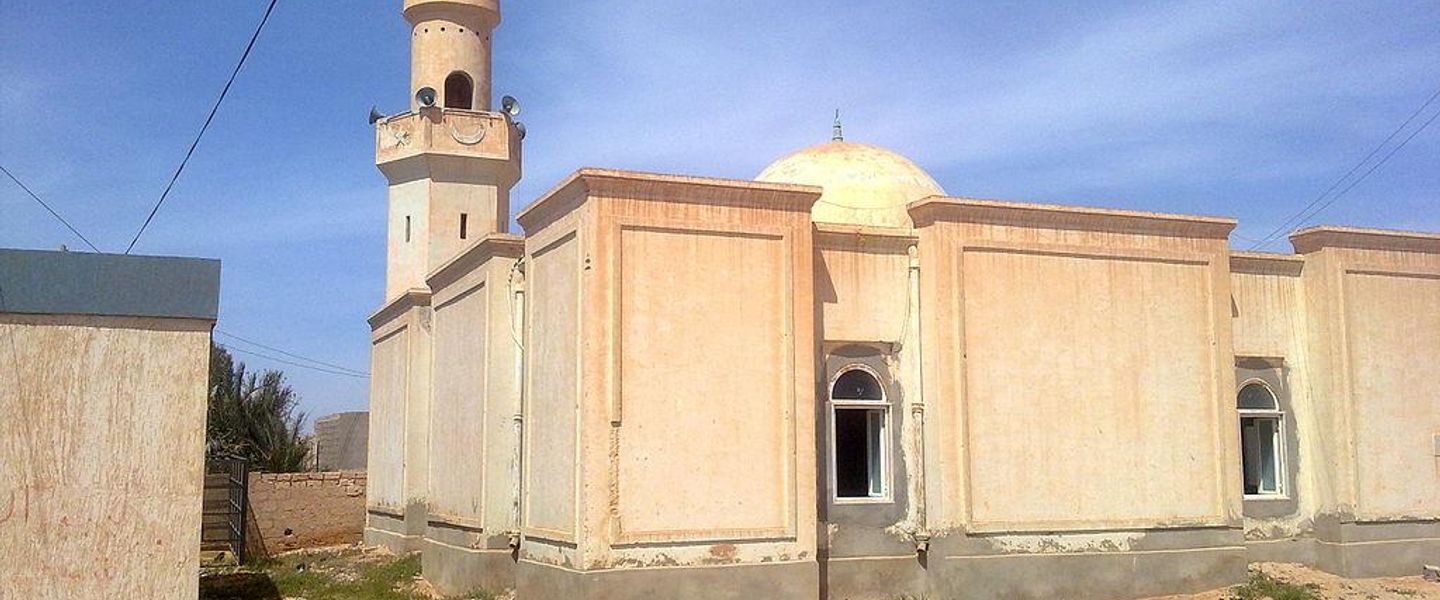


Discover Teseney, Eritrea: A hidden gem offering rich history, vibrant markets, and stunning natural landscapes near the Sudanese border.
Read more about Teseney
When is the best time to visit Teseney?
Best: December–February · 29–31°C| Month | High (°C) | Rainfall (mm) |
|---|---|---|
| January (best) | 29 | 0 |
| February (best) | 31 | 0 |
| March | 33 | 0 |
| April | 36 | 0 |
| May | 39 | 0 |
| June | 41 | 0 |
| July | 40 | 0 |
| August | 40 | 0 |
| September | 39 | 0 |
| October | 36 | 0 |
| November | 32 | 0 |
| December (best) | 30 | 0 |
Getting to and around Teseney
How to get there
Transportation
Best attractions in Teseney
Teseney in Eritrea offers visitors a unique blend of historical and cultural attractions. From the impressive ruins of the ancient city of Metera to the bustling markets filled with local crafts and cuisine, there is something for everyone to enjoy. Explore the scenic landscapes surrounding the town, including the picturesque valleys and mountains, or immerse yourself in the rich history by visiting the local museums and historical sites. Don't miss the opportunity to interact with the friendly locals and experience the vibrant traditions and customs of this fascinating region.
-
Garden
Fanko Rawi Dam፣ ዲጋ ፋንኮ ራዊ
Experience the tranquil beauty of Fanko Rawi Dam in Giamal Biscia, Eritrea, a hidden garden oasis perfect for relaxation and nature lovers.
50 min drive · 30 km from city centre
-
 Park
Parkمنتزه خزان
Explore the natural beauty and tranquility of منتزه خزّان, Eritrea's serene park perfect for relaxation and family outings.
33 min drive · 13 km from city centre
-
Garden
Yonan kab sdra zweresto geza.
Explore the tranquil beauty of Yonan Kab Sdra Zweresto Geza in Teseney, Eritrea—a hidden oasis perfect for relaxation and nature lovers.
11 min walk · 0.9 km from city centre
-
Garden
جبل دوبطايت
Discover the serene charm of Jebel Dubeitat, a tranquil garden in Eritrea, perfect for nature lovers and those seeking peaceful retreats.
30 min drive · 10 km from city centre

Explore Teseney on the map
Plan your Teseney trip on one map. See where the top attractions, landmarks, restaurants, bars and hotels are, find what's near where you're staying, and book hotels and experiences in a few clicks.
Best hotels in Teseney
Best restaurants in Teseney
Teseney offers a unique dining experience for visitors, with a variety of local eateries and street food vendors serving up traditional Eritrean cuisine such as injera, tsebhi, and shiro. The bustling marketplaces are filled with the aroma of freshly cooked food, while cozy cafes offer a relaxing atmosphere to enjoy a cup of traditional coffee. For those looking for a more upscale dining experience, there are also restaurants serving international dishes and fusion cuisine. Whether you're grabbing a quick bite on the go or sitting down for a leisurely meal, Teseney's dining scene is sure to delight your taste buds and immerse you in the local culture.
-
Restaurant
Restaurant
Experience authentic Sudanese cuisine in Kassala's charming restaurant where tradition meets hospitality.
1 h 7 min drive · 47 km from city centre
-
Restaurant
موسى سلات
Discover authentic Sudanese flavors at Musa Salat in Kassala - where every dish tells a story.
1 h 6 min drive · 46 km from city centre
-
Chicken
Eltirafi Hotel
Discover the rich flavors of Sudanese cuisine at Eltirafi Hotel in Kassala – where every dish tells a story.
1 h 8 min drive · 48 km from city centre
-
Restaurant
شتات
Discover authentic Sudanese flavors at شتات in Wadsharefy - where culinary tradition meets warm hospitality.
56 min drive · 36 km from city centre

Best bars in Teseney
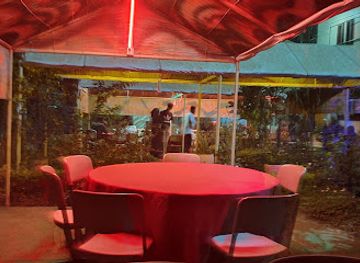
Teseney offers a vibrant nightlife scene with a variety of bars and nightclubs to cater to different tastes. From cozy local pubs where you can enjoy traditional Eritrean drinks to modern clubs with live music and DJs playing the latest hits, there is something for everyone. The atmosphere is lively and welcoming, perfect for socializing and meeting both locals and fellow travelers. Whether you prefer a laid-back evening sipping cocktails or dancing the night away, Teseney's nightlife scene has it all.
-
Hotel
Tsegay Tilyan Hotel and Bar
Experience the warmth of Eritrean hospitality at Tsegay Tilyan Hotel and Bar in Teseney, where comfort meets vibrant local culture.
7 min walk · 0.6 km from city centre
-
Hotel
Sabrin Hotel
Discover comfort and local charm at Sabrin Hotel, your perfect retreat in Teseney, Eritrea, where hospitality meets tranquility.
3 min walk · 0.2 km from city centre
-
Bar
Dr.fries
Discover the lively charm of Dr.fries in Kassala, a vibrant bar offering a taste of local culture and refreshing drinks in a welcoming atmosphere.
1 h 8 min drive · 48 km from city centre
-
Bar
Juice Point
Experience the vibrant atmosphere and refreshing drinks at Juice Point, the perfect bar in Kassala for both locals and tourists.
1 h 8 min drive · 48 km from city centre


Best shops in Teseney
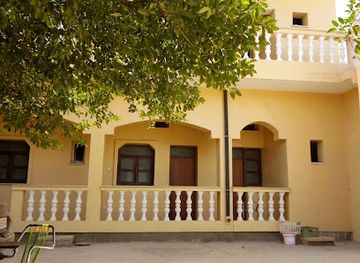
Teseney offers a unique shopping experience for visitors, with bustling markets filled with colorful textiles, handmade crafts, and traditional Eritrean souvenirs. Visitors can stroll through the lively streets lined with vendors selling local produce, spices, and handmade jewelry, immersing themselves in the vibrant culture of the city. The friendly locals are always eager to share their stories and traditions, making shopping in Teseney not just a transaction, but a cultural exchange.
-
General store
اسماعيل سلمان
Explore اسماعيل سلمان, a local gem in Bitama, Eritrea, offering authentic products and a warm community spirit for an unforgettable cultural experience.
45 min drive · 25 km from city centre
-
Duty free store
سوق شمبوب
Explore the vibrant سوق شمبوب in Kassala, Sudan – your ultimate duty-free shopping destination for unique souvenirs and international brands.
1 h 1 min drive · 41 km from city centre
-
Shopping mall
ሓድሽ እንዳ ኹዳሪ,New shopping centre.
Explore ሓድሽ እንዳ ኹዳሪ, a shopping paradise in Teseney, where local culture meets modern retail experiences in Eritrea.
17 min walk · 1.3 km from city centre
-
Bakery
Dawit Forno
Discover the authentic taste of Eritrea at Dawit Forno, Teseney's premier bakery offering delightful pastries and traditional breads.
6 min walk · 0.5 km from city centre
Get your free copy of our complete guide to Teseney, delivered straight to you.
Everything on this page, from attractions and restaurants to essentials and local phrases, in one PDF you can read offline, print or share.
Already have an account? Sign in
Your Teseney guide is ready.
We'll send it to · Not you? Sign out

Getting your guide ready…
We are putting together a fresh copy of the Teseney guide. This can take up to a minute.
This can take a few moments. If your browser asks, choose Allow so the download can start. You'll find the guide in your Downloads folder.
Nothing happened? Download it again
Sorry, the guide is taking longer than usual. Please try again in a minute, or get it by email instead.
Teseney essentials
Currency and Payment
Safety
Emergency Situations
Do's and Don'ts
Local Tips
From Eve
Local phrases worth knowing
You don't need to get them perfect. A few words go a long way, and locals appreciate the effort.
Basics
| English | Local | Say it |
|---|---|---|
| Hello | ሰላም | [selam] |
| Goodbye | ዋላ ዋላ | [wala wala] |
| Yes | እወ | [ew] |
| No | የለ | [yel] |
| Please/You're welcome | እግዚኣብሄር | [egzabihir] |
| Thank you | መልክአ | [melka] |
| Excuse me/Sorry | ኣብዚ | [abzi] |
| How are you? | እንቛዕ ናይ? | [enkae nai?] |
| Fine. And you? | እንቛዕ እዋ? | [enkae ewa?] |
| Do you speak English? | እቶም ኣንጭዋተር? | [etom anchwatir?] |
| I don't understand | ብትግራይ ኣልበይ | [btegray albay] |
Eating & Drinking
| English | Local | Say it |
|---|---|---|
| I'd like to see the menu, please | ንክሓል ኣንጽርሑ እትምህ | [n'khel ansterhu etmh] |
| I don't eat meat | ምንት ኣለዎ ካልእ ምምራ | [mnt alewo kale mimra] |
| Cheers! | ሰላም | [selam] |
| I would like to pay, please | እቲ ናቕር ክሓል፡ | [eti nakr khel] |
Emergencies
| English | Local | Say it |
|---|---|---|
| Help! | ኣብዚ! | [abzi!] |
| Go away! | በዓል! | [baal!] |
| Call the Police! | ኣብዚ ሓርበ! | [abzi harb!] |
| Call a doctor! | ኣብዚ ሰዓት! | [abzi saat!] |
| I'm lost | እትስምን፡ | [etsemn] |
| I'm ill | እትስምን | [etsemn] |
Shopping
| English | Local | Say it |
|---|---|---|
| I'd like to buy... | ንክሓል ኣለዎ ኣዝዩ... | [n'khel alewo azu...] |
| I'm just looking | ኣብ ታሕቲ ኣዝዩ | [ab t'hati azu] |
| How much is it? | ብሓስባር ኣብዚ? | [bhasbar abzi?] |
| That's too expensive | በይኒ ናብ ግምት | [byni nab g'mt] |
| Can you lower the price? | መምርሒ ኸምዚ ኣብዚ? | [mamri khmzi abzi?] |
Time & Numbers
| English | Local | Say it |
|---|---|---|
| What time is it? | ብሓጎስ ሪሒዝ? | [b'hagos rihiz?] |
| It's one o'clock | ኣእሽኽሮም ሪሒዝ | [aeshkrom rihiz] |
| Half past (10) | ኣእሽኽሮም ፈሳሕ | [aeshkrom fesah] |
| Morning | መኸተኸት | [meketet] |
| Afternoon | ምዕራባል | [me'arbal] |
| Evening | ርሑስ | [rhus] |
| Yesterday | እናታእስ | [enataesh] |
| Today | ሓሙስ | [hamus] |
| Tomorrow | ማጽሓር | [mats'har] |
| 1 | ኣእሽኽሮም | [aeshkrom] |
| 2 | ላዕሊ | [laili] |
| 3 | ምልእግስ | [mleghes] |
| 4 | ኣራት | [arat] |
| 5 | ሕዝብ | [hzb] |
| 6 | ስምንታ | [smnta] |
| 7 | ሰምንታ | [semnta] |
| 8 | ራብዓ | [rab'a] |
| 9 | ትሕትና | [th'thna] |
| 10 | ሓምሳ | [hamsa] |
Transport & Directions
| English | Local | Say it |
|---|---|---|
| Where's a/the...? | ብዓል እዚ... | [baal ezi...] |
| What's the address? | ብዓል ኣብዚ... | [baal abzi...] |
| Can you show me (on the map)? | መምርሕ እምላ ኣብዚ? | [mamri emla abzi?] |
| When's the next (bus)? | እምበባ ብዝሒ... | [emba ba'zi...] |
| A ticket (to ....) | ትኽሕተ (...) | [t'khte (...)] |
History of Teseney
Ancient Settlements and Early History
Teseney, located in the western part of Eritrea, has a history that dates back to ancient times. Archaeological evidence suggests that the area was inhabited by various indigenous groups who engaged in farming, herding, and trade. The fertile lands along the Gash River made it an ideal location for early settlements.
Colonial Era and Italian Occupation
In the late 19th and early 20th centuries, Teseney, like much of Eritrea, fell under Italian colonial rule. The Italians invested in infrastructure, including roads and buildings, some of which still stand today. This period also saw the introduction of new agricultural techniques and crops, which influenced the local economy.
The Battle of Teseney
During the Eritrean War of Independence, Teseney was a significant battleground. The town was strategically important due to its proximity to the Sudanese border, which served as a supply route for Eritrean fighters. The Battle of Teseney in 1984 was a pivotal moment, leading to a temporary Eritrean victory and boosting the morale of the independence movement.
Post-Independence Development
Following Eritrea's independence in 1991, Teseney experienced a period of reconstruction and development. The town became a hub for trade and commerce, benefiting from its location near the border with Sudan. Efforts were made to rebuild infrastructure and improve public services, contributing to the town's growth and modernization.
Cultural Diversity and Traditions
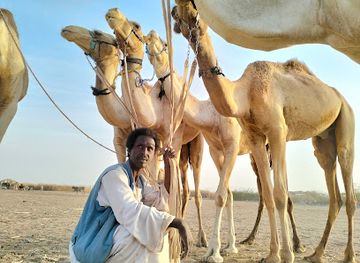
Teseney is a melting pot of different cultures and ethnic groups, including the Kunama, Nara, and Tigrinya peoples. This diversity is reflected in the town's festivals, music, and cuisine. Traditional crafts such as weaving and pottery are still practiced, preserving the rich cultural heritage of the region.
Teseney in Photos
Browse through our photo collection highlighting the charm and character of the destination.
Cities near Teseney
The closest cities to Teseney, if you have time for more than one stop.
-

-

-

-

-


Swipe for more cities
Explore more

Explore more of Eritrea
Discover Eritrea: A land of ancient history, stunning coastlines, and vibrant cultures nestled in the heart of the Horn of Africa.
Explore Eritrea