

Free Adi Quala Travel Guide & Mobile App
Plan your Adi Quala trip with Evendo. Get free guides to top attractions, restaurants, hotels, and bars. Web access or download the mobile app.


Adi Quala, Eritrea offers highland landscapes, colonial history, local markets and a quiet window into the country’s southern cultural life and heritage.
A Highland Town on the Southern Road
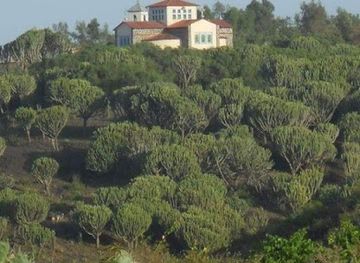
Adi Quala, also written Adi Qeyh in some transliterations, is a small town in Eritrea’s Debub Region, set among the dry highlands south of Asmara. Its position on the historic route towards the Ethiopian frontier has given it an importance out of proportion to its modest size. The surrounding landscape consists of broad uplands, rocky escarpments, cultivated valleys and scattered settlements, with an atmosphere that is markedly quieter and more rural than Eritrea’s capital.Read more about Adi Quala
History in the Landscape
Everyday Eritrean Life
When is the best time to visit Adi Quala?
Best: February–March, November · 24–27°C| Month | High (°C) | Rainfall (mm) |
|---|---|---|
| January | 22 | 2 |
| February (best) | 24 | 2 |
| March (best) | 27 | 2 |
| April | 29 | 2 |
| May | 30 | 2 |
| June | 30 | 2 |
| July | 29 | 2 |
| August | 30 | 3 |
| September | 30 | 3 |
| October | 29 | 3 |
| November (best) | 25 | 2 |
| December | 23 | 2 |
Getting to and around Adi Quala
How to get there
Transportation
Best attractions in Adi Quala
Adi Quala’s principal attraction is its setting in Eritrea’s southern highlands, where broad cultivated slopes, rocky ridges and traditional settlements create a strong sense of place beyond the capital. The central market offers an unvarnished view of regional commerce, with produce, household goods and everyday services serving surrounding communities. Visitors interested in history can look for modest Italian-era administrative traces and wartime associations along the town’s older roads, though these are not presented as a formal heritage circuit. Local churches and mosques reflect the area’s religious life, but access should be arranged respectfully and photography may be restricted. Short excursions into the surrounding countryside reveal rural architecture, dry-stone boundaries and highland farming patterns. Adi Quala is not a museum-led destination; its interest lies in reading the landscape, roads and daily activity as part of Eritrea’s southern borderland history.
-
 Garden
ላዕላይ ገዛ
Explore the serene gardens of Adi Kuala, a hidden paradise brimming with vibrant flora, perfect for relaxation and nature photography.
27 min drive · 9.0 km from city centre
-
Garden
Goitom Araya Garden
Discover the natural beauty and tranquility of Goitom Araya Garden in Time'i, Eritrea, a perfect retreat for nature lovers and peace seekers.
10 min drive · 3.2 km from city centre
-
Garden
May,chelot
Explore the lush landscapes and tranquil ambiance of May, Chelot, a captivating garden retreat in the heart of Eritrea.
12 min drive · 4.1 km from city centre
-
City park
Menafesha
Explore Menafesha Park: A tranquil city park in Adi Kuala, Eritrea, perfect for relaxation, picnics, and enjoying the beauty of nature.
12 min walk · 1.0 km from city centre

Best landmarks in Adi Quala
Adi Quala’s landmarks are relatively modest and are best understood within the town’s borderland and colonial history. Older roads and surviving administrative traces reflect the Italian period, when colonial authorities extended transport and government networks through Eritrea’s highlands. Local churches and mosques remain important markers of community identity, although their architectural details and accessibility vary and photography should never be assumed to be permitted. The town’s market area is a civic landmark in a broader sense: it is where surrounding agricultural communities meet, trade and obtain essential goods. Roads leading south towards the Ethiopian frontier also carry historical significance, having served military, administrative and commercial purposes across successive political periods. Unlike Asmara, Adi Quala does not possess a dense ensemble of monumental modernist buildings, so its significance lies in the relationship between ordinary structures, regional routes, religious life and the landscape shaped by decades of conflict and commerce.
-
Bus station
Adi Quala Bus Station
Experience local culture at Adi Quala Bus Station, the gateway to exploring Eritrea's stunning landscapes and vibrant communities.
12 min walk · 1.0 km from city centre
-
Restaurant
seven burger Places
Experience the best burgers in Mendefera at Seven Burger Places, where quality meets flavor in a vibrant setting.
47 min drive · 27 km from city centre
-
Hospital
Adi Quala Hospital
Explore the heart of Eritrea's healthcare at Adi Quala Hospital, a vital institution offering essential medical services in a welcoming community.
14 min walk · 1.2 km from city centre
-
Greek Orthodox church
Eyamo ኢያሞ
Discover the tranquil Eyamo Church in Adi Kuala, Eritrea, where stunning architecture meets deep cultural heritage in a serene setting.
6 min walk · 0.5 km from city centre

Explore Adi Quala on the map
Plan your Adi Quala trip on one map. See where the top attractions, landmarks, restaurants, bars and hotels are, find what's near where you're staying, and book hotels and experiences in a few clicks.
Best hotels in Adi Quala
Best restaurants in Adi Quala
Dining in Adi Quala is informal and closely tied to everyday Eritrean cooking rather than a developed visitor restaurant scene. Small cafés and local eateries may serve injera, the fermented flatbread used with stews and vegetables, alongside dishes such as tsebhi, a spiced meat or vegetable stew, lentils and beans. Coffee is central to social life, and a traditional coffee ceremony may be encountered in domestic or community settings when introduced by a local host. Tea, bread and simple snacks are also common at roadside cafés. The town’s location in the highlands connects its food culture with locally grown grains, pulses and agricultural produce, while Eritrea’s wider links with the Red Sea and neighbouring Ethiopia add broader culinary influences. Menus, opening patterns and supplies can be limited, so meals are best treated as part of local daily life rather than as a formal gastronomic circuit.
-
Restaurant
seven burger Places
Experience the best gourmet burgers in Mendefera at Seven Burger Places—where every bite tells a story of flavor and freshness.
47 min drive · 27 km from city centre
Best bars in Adi Quala
Adi Quala has a restrained evening scene centred on local cafés, tea and coffee houses, modest bars and social gatherings rather than nightclubs or a concentrated entertainment quarter. After sunset, residents commonly socialise over conversation, coffee or a drink, while small venues may provide a more useful introduction to local rhythms than formal nightlife. Live entertainment and dancing can occur during community celebrations or special occasions, but these are not permanent tourist attractions and should not be assumed to be taking place. Streets become quiet relatively early, and limited transport, lighting and services make walking unfamiliar roads at night impractical. Visitors should follow local advice, respect religious and social norms, and avoid photographing people in cafés or gatherings without permission. Adi Quala’s evenings are best understood through ordinary community life, not through an extensive commercial club culture.
-
Bar
Adi Tsadi ዓዲ ጻዕዲ
Discover the vibrant atmosphere of Adi Tsadi ዓዲ ጻዕዲ, a local bar in Eritrea offering a lively blend of drinks and culture.
54 min drive · 34 km from city centre
-
Bar
Merkeja shop and bar
Discover the vibrant atmosphere of Merkeja Shop and Bar in Sibi'a, where local culture meets delightful drinks in an inviting setting.
33 min drive · 13 km from city centre
-
Bar
Robel
Experience local flavors and vibrant culture at Robel, a charming bar in Adi Agwa, Eritrea, perfect for unwinding after a day of exploration.
37 min drive · 17 km from city centre
-
Bar
Jaker
Discover Jaker, the vibrant bar in Adi Agwa, where local culture and refreshing drinks merge for an unforgettable experience.
37 min drive · 17 km from city centre
Best nightclubs in Adi Quala
Adi Quala has a restrained evening scene centred on local cafés, tea and coffee houses, modest bars and social gatherings rather than nightclubs or a concentrated entertainment quarter. After sunset, residents commonly socialise over conversation, coffee or a drink, while small venues may provide a more useful introduction to local rhythms than formal nightlife. Live entertainment and dancing can occur during community celebrations or special occasions, but these are not permanent tourist attractions and should not be assumed to be taking place. Streets become quiet relatively early, and limited transport, lighting and services make walking unfamiliar roads at night impractical. Visitors should follow local advice, respect religious and social norms, and avoid photographing people in cafés or gatherings without permission. Adi Quala’s evenings are best understood through ordinary community life, not through an extensive commercial club culture.
-
Bus station
Adi Quala Bus Station
Experience the vibrant atmosphere of Adi Quala Bus Station, a key transit hub that embodies the spirit of Eritrea and connects you to your next adventure.
12 min walk · 1.0 km from city centre
-
Bar
Sami
Experience the vibrant nightlife at Sami, a bar in Adi Kuala, Eritrea, where local culture meets a lively atmosphere for unforgettable moments.
8 min walk · 0.6 km from city centre
-
Village hall
Adi Hihi
Experience the serene beauty and rich culture of Adi Hihi, a hidden gem in Eritrea that captures the essence of village life.
8 min walk · 0.7 km from city centre
-
Bar
Tsehay berki
Experience the vibrant nightlife of Adi Kuala at Tsehay Berki, a local bar serving traditional drinks and a warm atmosphere.
10 min walk · 0.8 km from city centre
Best shops in Adi Quala
Shopping in Adi Quala is concentrated on the local market and small independent shops rather than formal retail streets. The market serves residents from the town and surrounding farming communities, with grains, pulses, vegetables, household necessities, clothing and practical goods changing hands according to local supply. Visitors may find Eritrean coffee, spices, woven items or small locally made products, but selection and availability vary and should not be treated as guaranteed. The commercial atmosphere is functional and community-oriented, offering a clearer view of daily life than a specialised souvenir market. Bargaining may occur in informal settings, though respectful conversation is more appropriate than aggressive negotiation. Carry nakfa in small denominations, ask permission before photographing vendors and avoid purchasing archaeological material, old military objects or anything that may be subject to export restrictions.
-
Bus station
Adi Quala Bus Station
Discover the heart of Eritrea at Adi Quala Bus Station, a vibrant hub connecting travelers to captivating destinations.
12 min walk · 1.0 km from city centre
-
Bakery
Enda Forno
Discover the essence of Eritrean flavors at Enda Forno, the ultimate bakery experience in Adi Kuala with exquisite bread and pastries.
9 min walk · 0.7 km from city centre
-
Grocery store
Aloniab supper market(Bilal Idris)
Discover the flavors of Eritrea at Aloniab Supermarket, where local produce and traditional goods await your taste buds in Mendefera.
48 min drive · 28 km from city centre
-
Store
Merkeja ጣሓኒትን ድኳንን
Discover unique local products and the vibrant culture of Eritrea at Merkeja ጣሓኒትን ድኳንን in Sibi'a.
33 min drive · 13 km from city centre


Get your free copy of our complete guide to Adi Quala, delivered straight to you.
Everything on this page, from attractions and restaurants to essentials and local phrases, in one PDF you can read offline, print or share.
Already have an account? Sign in
Your Adi Quala guide is ready.
We'll send it to · Not you? Sign out

Getting your guide ready…
We are putting together a fresh copy of the Adi Quala guide. This can take up to a minute.
This can take a few moments. If your browser asks, choose Allow so the download can start. You'll find the guide in your Downloads folder.
Nothing happened? Download it again
Sorry, the guide is taking longer than usual. Please try again in a minute, or get it by email instead.
Adi Quala essentials
Currency and Payment
Safety
Emergency Situations
Do's and Don'ts
Local Tips
From Eve
Local phrases worth knowing
You don't need to get them perfect. A few words go a long way, and locals appreciate the effort.
Basics
| English | Local | Say it |
|---|---|---|
| Hello | ሰላም | [selam] |
| Goodbye | ደሓን | [dehan] |
| Yes | እወ | [ew] |
| No | እንደ | [ende] |
| Please/You're welcome | እወን | [ewen] |
| Thank you | እናትና | [enatna] |
| Excuse me/Sorry | ኣብዚ | [abzi] |
| How are you? | ንብረትይ? | [nabrety?] |
| Fine. And you? | እንተደ. ንሓምድ? | [ente'd. nhamed?] |
| Do you speak English? | በግዕሪ ክትክፍለኩም? | [beg'eri k'tekfleku?] |
| I don't understand | ኣንስትረክኩም | [anstrekum] |
Eating & Drinking
| English | Local | Say it |
|---|---|---|
| I'd like to see the menu, please | ኣምሓላም ዋጽንዕ እዩ | [amhalem wats'neu eyu] |
| I don't eat meat | ኣምቡጽር | [ambuts'r] |
| Cheers! | ኣምቓላ! | [amqala!] |
| I would like to pay, please | ኣምሓላም ክመርሕቕ እዩ | [amhalem kemerhkhe eyu] |
Emergencies
| English | Local | Say it |
|---|---|---|
| Help! | እወ! | [ew!] |
| Go away! | እጠል! | [etel!] |
| Call the Police! | እምብርኩሞ ኮሚዲ እዩ | [embirkumo k'midi eyu] |
| Call a doctor! | እምብርኩሞ ሰማይ እዩ | [embirkumo semay eyu] |
| I'm lost | ኣምበቲ እየ | [ambeti ey] |
| I'm ill | ኣምበቲ እየ | [ambeti ey] |
Shopping
| English | Local | Say it |
|---|---|---|
| I'd like to buy... | ኣምሓላም ሓዲሽን... | [amhalem hadishn...] |
| I'm just looking | ኣምሓላም ምስጣኽ | [amhalem ms'tak] |
| How much is it? | ክርክር ኣለኹ? | [k'rk'ar aleku?] |
| That's too expensive | ወየ ይድሕኸ | [way yidhkhe] |
| Can you lower the price? | ሓንቲ ክሕብስ ኢና? | [hanti k'hebs ina?] |
Time & Numbers
| English | Local | Say it |
|---|---|---|
| What time is it? | ኣብዚ ሰዓል ኣለኹ? | [abzi sa'al aleku?] |
| It's one o'clock | ኣኽብሮት ኣኽብሮት | [ahkbrot ahkbrot] |
| Half past (10) | ዘለና ስዓመት (ከም) | [zalna sa'amet (kem)] |
| Morning | ቀዳማይ | [qadamay] |
| Afternoon | ኣምሓድ | [amhad] |
| Evening | ሓበሬታ | [habereta] |
| Yesterday | ትሕዝቶ | [thizto] |
| Today | ዓርቢ | [arbi] |
| Tomorrow | ቅርሲ | [qrisi] |
| 1 | ኣኽብሮት | [ahkbrot] |
| 2 | ሜትር | [metr] |
| 3 | ስምንት | [semnt] |
| 4 | ዘርን | [zern] |
| 5 | ምስሓ | [misha] |
| 6 | ሻማን | [shaman] |
| 7 | ሰሓቕ | [sha'akh] |
| 8 | ስምንድ | [semnd] |
| 9 | ዘጠን | [zeten] |
| 10 | ከም | [kem] |
Transport & Directions
| English | Local | Say it |
|---|---|---|
| Where's a/the...? | ከም ስለይ...? | [kem selei...?] |
| What's the address? | ኣብዚ ንምሕጽር ኣለኹ? | [abzi n'mh'sr aleku?] |
| Can you show me (on the map)? | ሓንቲ ኣለና? | [hanti alena?] |
| When's the next (bus)? | እዚ ኣምንን እዩ? | [ezi amnn eyu?] |
| A ticket (to ....) | ትኽእሉ (እዩ።) | [t'k'elu (eyu)] |
History of Adi Quala
Highland Communities and Regional Routes
Adi Quala developed within the settled highlands of the southern Eritrean plateau, a region shaped by Tigrinya-speaking farming communities, seasonal water management and longstanding movement between the central highlands and the northern Ethiopian borderlands. Before modern state boundaries, local life was organised through villages, religious institutions, agricultural production and regional trade. The town’s position on a route linking Asmara with communities farther south helped it function as a market and administrative centre, although detailed early documentation for Adi Quala itself is more limited than for Eritrea’s principal historic cities.
Italian Rule and Colonial Administration
Italy established Eritrea as a colony in 1890 and gradually extended administrative and military control across the highlands. Adi Quala’s location made it relevant to the colonial road network and the movement of officials, soldiers and goods towards the south. Italian rule introduced new administrative structures and transport links while also imposing coercive labour, taxation and political control. Surviving colonial traces in towns across Eritrea are often modest rather than monumental, but the period affected street layouts, public buildings, commercial practices and the region’s connection with Asmara.
War and the End of Italian Rule
During the East African campaign of the Second World War, British and Commonwealth forces defeated Italian forces in Eritrea in 1941. The change of administration brought British Military Administration, which governed Eritrea until the territory’s post-war constitutional settlement. Roads and towns in the southern highlands were part of a strategically important corridor linking central Eritrea with the Ethiopian frontier. The wartime period also intensified the political debate over Eritrea’s future, as local communities faced changing authorities and the wider collapse of Italian East Africa.
Federation and Ethiopian Annexation
In 1952, the United Nations established a federation between Eritrea and Ethiopia, formally preserving Eritrean autonomy while placing foreign affairs and defence under Ethiopia. The arrangement was progressively weakened, and Ethiopia annexed Eritrea in 1962. For Adi Quala and other southern highland communities, the following decades brought political repression, armed conflict, displacement and disruption to ordinary economic life. The Eritrean War of Independence, which began in 1961, transformed roads and settlements throughout the country, including the routes around Adi Quala.
Independence and a Borderland Present
Eritrean independence followed the victory of the Eritrean People’s Liberation Front in 1991 and was confirmed by referendum in 1993. Adi Quala thereafter remained a regional town within Debub Region, close to a politically sensitive international boundary. The Eritrea–Ethiopia war of 1998–2000 again affected the southern borderlands and brought extensive disruption to communities in the area. Today, the town’s history is encountered less through a large concentration of museums than through its location, memorial culture, religious life, roads and the continuing importance of local markets.
Adi Quala in Photos
Browse through our photo collection highlighting the charm and character of the destination.
Cities near Adi Quala
The closest cities to Adi Quala, if you have time for more than one stop.
-

-

-

-

-


Swipe for more cities
Explore more

Explore more of Eritrea
Discover Eritrea: A land of ancient history, stunning coastlines, and vibrant cultures nestled in the heart of the Horn of Africa.
Explore Eritrea