

Free Mendefera Travel Guide & Mobile App
Plan your Mendefera trip with Evendo. Get free guides to top attractions, restaurants, hotels, and bars. Web access or download the mobile app.


Mendefera, Eritrea, offers highland scenery, Tigrinya culture, local markets and colonial-era history south of Asmara, with quiet rural landscapes.
A Southern Highland Setting
Mendefera stands in Eritrea’s cool central highlands, approximately 54 kilometres south of Asmara and serving as the administrative centre of the Debub, or Southern, Region. Known historically as Adi Ugri, the town occupies an elevated landscape of cultivated slopes, eucalyptus and juniper, with broad views across the surrounding Tigrinya-speaking countryside. Its climate and slower pace offer a marked contrast to Eritrea’s coastal lowlands and a different perspective on the country beyond the capital.Read more about Mendefera
Markets, Faith and Everyday Life
A Base for the Southern Highlands
When is the best time to visit Mendefera?
Best: April, September–October · 25–26°C| Month | High (°C) | Rainfall (mm) |
|---|---|---|
| January | 20 | 4 |
| February | 22 | 3 |
| March | 23 | 2 |
| April (best) | 25 | 2 |
| May | 26 | 1 |
| June | 27 | 1 |
| July | 26 | 0 |
| August | 26 | 0 |
| September (best) | 26 | 1 |
| October (best) | 25 | 1 |
| November | 23 | 2 |
| December | 22 | 3 |
Getting to and around Mendefera
How to get there
Transportation
Best attractions in Mendefera
Mendefera’s principal attractions are modest in scale but closely connected to everyday life in Eritrea’s southern highlands. The central market offers an informative glimpse of regional commerce, with farmers, traders and residents from nearby settlements converging around food, household goods and clothing. Orthodox Christian churches, including St Maryam, reflect the enduring religious culture of the Tigrinya highlands, although visitors should ask locally about access and photography. The town’s older streets and administrative buildings recall the period when it was known as Adi Ugri and formed part of the colonial road network south of Asmara. Beyond the centre, cultivated slopes, stone field boundaries and mountain views provide the strongest sense of place, particularly on arranged drives through the Debub countryside. Mendefera is not a museum-filled destination; its interest lies in observing a working regional town, understanding its historic connections and using it as a carefully planned starting point for the surrounding highland landscape.
-
Park
ዝባን ዑና
Experience the tranquil beauty of Mendefera Park, a serene escape in Eritrea, perfect for relaxation and cultural engagement amidst nature.
9 min drive · 2.9 km from city centre
-
 Park
ParkAquarach Tsexer
Discover the serene beauty of Aquarach Tsexer in Mendefera, Eritrea, where nature meets tranquility in a picturesque park setting.
6 min drive · 2.1 km from city centre
-
Garden
እንዳ ነጋሽ እንዳ እስታላ
Explore the serene beauty of the Garden in Mendefera, a perfect sanctuary for nature lovers and those seeking tranquility in Eritrea.
5 min drive · 1.6 km from city centre

Best landmarks in Mendefera
Mendefera’s landmarks express its role as a regional highland centre rather than a city of monumental architecture. St Maryam and other Orthodox Christian churches are important points of reference, reflecting the religious institutions that have long shaped Tigrinya community life; access, services and photography should always be approached respectfully. Older administrative buildings and road corridors associated with the former name Adi Ugri recall the town’s incorporation into Italian colonial Eritrea and its position on routes south of Asmara. The central market is a practical civic landmark, linking the town with surrounding farming communities and making its regional importance visible. Beyond the built centre, the cultivated highland slopes, stone walls and ridgelines form a cultural landscape in which agriculture, settlement and faith remain closely connected. Mendefera’s significance is therefore best understood through the relationship between its modest structures and the countryside they serve.
-
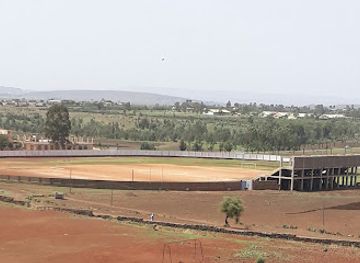
Stadium
Mendefera stadium
Experience the vibrant community spirit of Mendefera Stadium, a cultural and sports hub in Eritrea that showcases local pride and heritage.
12 min walk · 0.9 km from city centre
-
Minibus taxi service
Mendefera Bus Station
Discover the vibrant culture and stunning landscapes of Eritrea from the bustling Mendefera Bus Station, your starting point for scenic adventures.
9 min walk · 0.7 km from city centre
-
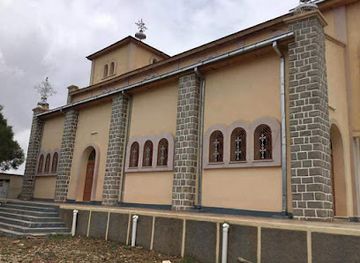
Orthodox church
Mendefera Medhanie Alem Church
Explore the cultural and spiritual heart of Eritrea at the Medhanie Alem Church in Mendefera, a masterpiece of Orthodox architecture.
9 min walk · 0.7 km from city centre
-
Hospital
Mendefera Hospital
Discover the significance of Mendefera Hospital in Eritrea's healthcare landscape while exploring the cultural richness of Mendefera.
8 min drive · 2.6 km from city centre
Explore Mendefera on the map
Plan your Mendefera trip on one map. See where the top attractions, landmarks, restaurants, bars and hotels are, find what's near where you're staying, and book hotels and experiences in a few clicks.
Best hotels in Mendefera
Best restaurants in Mendefera
Mendefera’s eating places are generally simple local cafés and restaurants rather than a large international dining scene. Meals commonly centre on injera, the fermented flatbread made from teff or other grains, served with tsebhi stews, lentils, vegetables and meat dishes seasoned with berbere. Tigrinya culinary traditions remain closely tied to household cooking, Orthodox Christian fasting practices and the agricultural rhythms of the surrounding highlands, so menus may vary according to the day and season. Coffee is an important social ritual, and a traditional coffee ceremony may involve roasting beans, burning incense and serving several small cups, although the full ceremony is more often encountered through an arranged local introduction than a casual restaurant order. Market stalls and modest eateries provide opportunities to sample everyday food, while visitors should carry water and avoid assuming that every establishment can accommodate foreign dietary requirements or card payment.
-
Hotel
Mereb Hotel
Discover comfort and tradition at Mereb Hotel in Mendefera - your gateway to exploring Eritrea's rich culture.
11 min walk · 0.9 km from city centre
-
Hotel
H.G Hotel
Experience unparalleled comfort at H.G Hotel in Mendefera, where modern luxury meets rich Eritrean culture.
10 min drive · 3.5 km from city centre
-
Cafe
siye cafe
Discover the rich flavors of Eritrea at Siye Cafe in Mendefera, where traditional coffee meets local charm.
5 min walk · 0.4 km from city centre
-
Cafe
universal cafe
Experience the vibrant flavors of Eritrea at Universal Cafe in Mendefera - where comfort meets culture.
5 min walk · 0.4 km from city centre


Best bars in Mendefera
Mendefera has a restrained evening scene centred on cafés, small bars and hotel or guesthouse common areas rather than dedicated nightclubs or a late-running entertainment district. After dark, residents may gather for coffee, conversation, televised sport or local drinks, while traditional music and social occasions are more likely to take place within community or family settings than in formal performance venues. Eritrea’s licensing rules, limited visitor infrastructure and conservative social norms mean that nightlife is quieter and less predictable than in Asmara. Walking outside the centre late at night is not advisable without local guidance, and visitors should respect religious observances, avoid conspicuous behaviour and confirm arrangements for returning to their accommodation. Evening interest often comes from the atmosphere of the town itself rather than a programme of bookable shows or clubs.
-
Bar
family Bar (tegera)
Discover the lively ambiance and local flavors at Family Bar in Mendefera, a perfect spot for tourists to unwind and socialize.
7 min walk · 0.6 km from city centre
Best nightclubs in Mendefera
Mendefera has a restrained evening scene centred on cafés, small bars and hotel or guesthouse common areas rather than dedicated nightclubs or a late-running entertainment district. After dark, residents may gather for coffee, conversation, televised sport or local drinks, while traditional music and social occasions are more likely to take place within community or family settings than in formal performance venues. Eritrea’s licensing rules, limited visitor infrastructure and conservative social norms mean that nightlife is quieter and less predictable than in Asmara. Walking outside the centre late at night is not advisable without local guidance, and visitors should respect religious observances, avoid conspicuous behaviour and confirm arrangements for returning to their accommodation. Evening interest often comes from the atmosphere of the town itself rather than a programme of bookable shows or clubs.
-
Hotel
Mereb Hotel
Relax in style at Mereb Hotel, your perfect base for exploring the vibrant culture and breathtaking landscapes of Mendefera, Eritrea.
11 min walk · 0.9 km from city centre
-
Log cabins
Adi wegri
Discover the tranquility of nature at Adi Wegri Log Cabins in Mendefera, Eritrea, your perfect retreat surrounded by breathtaking landscapes.
5 min drive · 1.7 km from city centre
-
Night club
ሊባኖሰይ መዘናግዒ ማእከል
Dive into the lively atmosphere of ሊባኖሰይ መዘናግዒ ማእከል, Mendefera's premier night club, and experience the heart of Eritrean nightlife.
16 min walk · 1.3 km from city centre

Best shops in Mendefera
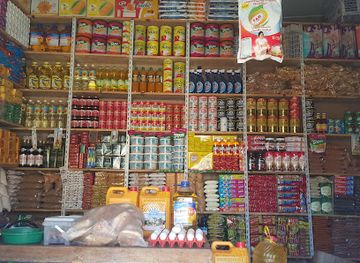
Shopping in Mendefera is concentrated around the central market, small independent shops and roadside stalls rather than formal malls or a large boutique district. The market is the best place to encounter locally traded grain, vegetables, spices, household supplies, clothing and everyday goods arriving from surrounding communities. Visitors may also find Eritrean coffee, berbere and other food products, although packaging and availability vary and agricultural items are primarily sold for local use. Traditional woven textiles, simple leather goods and handicrafts may appear through informal sellers, but the town is not principally a specialist souvenir centre. Bargaining should be courteous and modest, with prices clarified before a purchase; cash in nakfa is essential. Photography in markets should be discreet and undertaken only after permission, particularly when people, religious objects or official facilities appear in the frame.
-
Grocery store
Aloniab supper market(Bilal Idris)
Explore the heart of Mendefera at Aloniab Supermarket, where local flavors and vibrant culture come alive in every aisle.
6 min walk · 0.5 km from city centre
-
Grocery store
Lula hassen Grocery(ድኳን ሉላ ሓሰን)
Discover authentic Eritrean flavors at Lula Hassen Grocery in Mendefera, where local ingredients and culinary traditions come alive.
9 min walk · 0.8 km from city centre
-
Store equipment supplier
Okbe dukan & Furnitur
Explore Mendefera's Okbe Dukan & Furnitur for unique store equipment and exceptional local craftsmanship, perfect for enhancing your space.
11 min walk · 0.9 km from city centre
-
Music store
kangaroo electronics
Discover the vibrant world of music at Kangaroo Electronics, Mendefera – your gateway to Eritrean melodies and instruments.
5 min walk · 0.4 km from city centre
Get your free copy of our complete guide to Mendefera, delivered straight to you.
Everything on this page, from attractions and restaurants to essentials and local phrases, in one PDF you can read offline, print or share.
Already have an account? Sign in
Your Mendefera guide is ready.
We'll send it to · Not you? Sign out

Getting your guide ready…
We are putting together a fresh copy of the Mendefera guide. This can take up to a minute.
This can take a few moments. If your browser asks, choose Allow so the download can start. You'll find the guide in your Downloads folder.
Nothing happened? Download it again
Sorry, the guide is taking longer than usual. Please try again in a minute, or get it by email instead.
Mendefera essentials
Currency and Payment
Safety
Emergency Situations
Do's and Don'ts
Local Tips
From Eve
Local phrases worth knowing
You don't need to get them perfect. A few words go a long way, and locals appreciate the effort.
Basics
| English | Local | Say it |
|---|---|---|
| Hello | ሰላም | [selam] |
| Goodbye | ደሓን | [dehan] |
| Yes | ነይ | [ney] |
| No | ኣይ | [ay] |
| Please/You're welcome | ኣስርሓ/እንተዛኣበና | [asreha/entzaben] |
| Thank you | ኣመሰገን | [amesegen] |
| Excuse me/Sorry | ማሕበረ/ኣብዝበሓል | [mahbere/abzebhel] |
| How are you? | ኣንስትዮ? | [anstyo?] |
| Fine. And you? | ኣስተሮ. እንተ? | [astero. ent?] |
| Do you speak English? | እንተ እንግሊዝኛ ኣይኮነን? | [ent englisha aykonen?] |
| I don't understand | አይተወለድ | [aytwaled] |
Eating & Drinking
| English | Local | Say it |
|---|---|---|
| I'd like to see the menu, please | እንተ በቀል እወይ | [ent bekle ewey] |
| I don't eat meat | እንተ ምንቅስ ኣይኮነን | [ent minkes aykonen] |
| Cheers! | እስክር | [eskere] |
| I would like to pay, please | እንተ ክፍሊ እወይ | [ent kifli ewey] |
Emergencies
| English | Local | Say it |
|---|---|---|
| Help! | እዋን! | [ewen] |
| Go away! | እወል! | [ewel] |
| Call the Police! | ስርዓት ይኽእሉ! | [sraat yekelul] |
| Call a doctor! | ሰላም ይኽእሉ! | [selam yekelul] |
| I'm lost | እንተ ክምሃል | [ent kemhal] |
| I'm ill | እንተ ኣስቲማን | [ent astiman] |
Shopping
| English | Local | Say it |
|---|---|---|
| I'd like to buy... | እንተ ኣምሓራን እወይ | [ent amharan ewey] |
| I'm just looking | እንተ ኣምሓርን | [ent amharan] |
| How much is it? | ብዝሒ ክፍሊ ነይ? | [bzhi kifli ney?] |
| That's too expensive | እሞ ክፍሊ ኣብዚሒ ነይ | [emo kifli abzhi ney] |
| Can you lower the price? | እንተ ሓሳይ ክፍሊ ወርከት እወይ? | [ent hasay kifli warket ewey?] |
Time & Numbers
| English | Local | Say it |
|---|---|---|
| What time is it? | ስምምን ነይ? | [smamn ney] |
| It's one o'clock | ኣካይ ሰዓት ነይ | [akai sa'at ney] |
| Half past (10) | ዓለም ወዲ ኣምሓራ | [a'lem wedi amhar] |
| Morning | ኣማኑ | [amanu] |
| Afternoon | ኣምሓራ | [amhar] |
| Evening | ሓፋሽ | [hafash] |
| Yesterday | ትላንት | [talanat] |
| Today | ዚመክ | [zimek] |
| Tomorrow | ኣብሓት | [abhate] |
| 1 | ኣካይ | [akai] |
| 2 | ርሻሽ | [rashash] |
| 3 | ርሻሽ ኣገልግሎት | [rashash agelgilot] |
| 4 | ኣምሓራ | [amhar] |
| 5 | ምግባር | [migbar] |
| 6 | ሓምለ | [hamle] |
| 7 | ምስጋና | [msigana] |
| 8 | ምዕናይ | [menay] |
| 9 | ምርጫን | [mretan] |
| 10 | ኣምሓራ | [amhar] |
Transport & Directions
| English | Local | Say it |
|---|---|---|
| Where's a/the...? | ከተማእቲ ነይ...? | [ketma'eti ney...?] |
| What's the address? | ናይ ኣስርሓ ነይ? | [nay asreha ney?] |
| Can you show me (on the map)? | እንተ ኣስርሓ እወይ (በቡናላ)? | [ent asreha ewey (bebnala)?] |
| When's the next (bus)? | ክሳብ ዓርከበን ነይ? | [ksab arkeben ney?] |
| A ticket (to ....) | ቲኬት (እወይ ...) | [tiket (ewey ...)] |
History of Mendefera
Highland Communities Before Colonial Rule
The area around present-day Mendefera has long been part of the northern Ethiopian and Eritrean highlands, where Tigrinya-speaking farming communities cultivated cereals and kept livestock on elevated, seasonally dry land. Settlement patterns were shaped by access to water, defensible hills and church communities, while local authority involved village elders, religious institutions and wider regional rulers. The surrounding landscape still bears traces of this agricultural past in stone boundaries, terraced fields and compact settlements. Mendefera’s historical importance therefore did not begin with modern administration; it grew from its position within an established highland society connecting villages, markets and ecclesiastical centres.
The Emergence of Adi Ugri
Mendefera was widely known as Adi Ugri before Eritrea’s independence. During the late nineteenth and early twentieth centuries, the settlement became more prominent as political power and commercial routes were reorganised across the highlands. Its location south of Asmara made it a useful stopping point between the colonial capital and communities farther south. The growth of roads, administrative offices, shops and mission or church institutions gave the town a more recognisable urban form, although agriculture remained central to the surrounding economy. The name Adi Ugri appears frequently in records of the colonial and pre-independence periods, while Mendefera became the principal official name after independence.
Italian Colonial Administration
Italian rule in Eritrea, established in 1890, altered Mendefera’s administrative and economic connections even though the town never acquired the monumental scale of Asmara. Roads and government structures tied Adi Ugri more closely to the colonial network, while commercial activity expanded around transport routes and regional markets. Colonial rule also brought coercive labour systems, racial hierarchy and military priorities that affected local communities throughout Eritrea. The period left practical traces in the town’s street layout and older buildings, but its legacy must be understood alongside the restrictions and inequalities imposed on Eritreans. After Italy’s defeat in the Second World War, British administration replaced Italian rule in 1941.
War and the Struggle for Independence
The post-war decades placed Mendefera within the wider political conflict over Eritrea’s status. Ethiopia’s 1952 federation with Eritrea was ended by annexation in 1962, and armed struggle followed. The surrounding highlands became affected by military operations, displacement and disruption to farming and trade during the Eritrean War of Independence, fought from 1961 to 1991. Communities in the area contributed to, endured and were divided by the conflict, whose impact extended well beyond battle sites. The eventual victory of the Eritrean People’s Liberation Front and the 1993 independence referendum transformed Mendefera from a town within Ethiopia into an important centre of an independent Eritrean region.
Mendefera in Independent Eritrea
Since independence, Mendefera has served as the capital of the Debub, or Southern, Region, retaining its role as a political, commercial and transport centre for the surrounding highlands. The town’s contemporary identity combines Tigrinya cultural traditions, Orthodox Christian heritage, market agriculture and the administrative legacy of earlier periods. Its development has been shaped by Eritrea’s distinctive political system, limited private infrastructure and the continuing importance of road links to Asmara and regional settlements. Rather than a city dominated by large-scale tourism, Mendefera remains a working highland town whose history is visible through its name, institutions, religious life and relationship with the rural communities around it.
Mendefera in Photos
Browse through our photo collection highlighting the charm and character of the destination.
Cities near Mendefera
The closest cities to Mendefera, if you have time for more than one stop.
-

-

-

-

-


Swipe for more cities
Explore more

Explore more of Eritrea
Discover Eritrea: A land of ancient history, stunning coastlines, and vibrant cultures nestled in the heart of the Horn of Africa.
Explore Eritrea