

Free Dekemhare Travel Guide & Mobile App
Plan your Dekemhare trip with Evendo. Get free guides to top attractions, restaurants, hotels, and bars. Web access or download the mobile app.


Dekemhare, Eritrea, reveals Italian-era industry, highland landscapes and local life south of Asmara through markets, heritage streets and rural scenery.
A Town South of Asmara
Dekemhare lies in Eritrea’s central highlands, about 40 kilometres south of Asmara on the road towards Mendefera and the southern provinces. At an elevation of roughly 2,000 metres, it has a cooler, drier climate than the Red Sea lowlands and a landscape shaped by cultivated fields, rocky slopes and broad highland valleys. The town is considerably smaller and less visited than the capital, but its location makes it a useful window onto everyday life beyond Asmara’s grand avenues and colonial architecture.Read more about Dekemhare
Industry and Colonial Imprints
Highland Life and Surrounding Landscapes
When is the best time to visit Dekemhare?
Best: March, October–November · 24–26°C| Month | High (°C) | Rainfall (mm) |
|---|---|---|
| January | 22 | 0 |
| February | 24 | 0 |
| March (best) | 25 | 0 |
| April | 27 | 0 |
| May | 29 | 0 |
| June | 29 | 0 |
| July | 29 | 0 |
| August | 28 | 0 |
| September | 27 | 0 |
| October (best) | 26 | 0 |
| November (best) | 24 | 0 |
| December | 23 | 0 |
Getting to and around Dekemhare
How to get there
Transportation
Best attractions in Dekemhare
Dekemhare’s attractions are modest but rewarding for visitors interested in Eritrea beyond its capital. The town’s older Italian-era industrial quarter provides the clearest sense of the manufacturing and agricultural economy that developed here during the colonial period, with weathered masonry structures and broad working streets rather than a formal museum circuit. Dekemhare Market brings together produce, household goods and everyday commerce from the surrounding highlands, offering a more immediate view of local life than a curated attraction. The central streets are suited to an unhurried walk, while the edges of town open towards cultivated fields, rocky slopes and rural tracks shaped by seasonal farming. Travellers with appropriate local guidance can also observe the southern highland landscape on the road towards Mendefera, although this is a regional journey rather than an attraction within Dekemhare. The town’s appeal lies in its atmosphere, working heritage and position between Asmara and Eritrea’s southern plateau.
-
Park
Jiraferi ጂራፌሪ
Experience nature's tranquility at Jiraferi Park in Dekemhare, Eritrea, a perfect retreat for relaxation and exploration amidst lush greenery.
3 min walk · 0.2 km from city centre
-
 Park
Parkمنتزة اتحاد الشباب مدينة دقمحري إريتريا
Experience the tranquil beauty of اتحاد الشباب Park, a serene escape in Dekemhare, Eritrea, perfect for relaxation and cultural immersion.
11 min walk · 0.9 km from city centre
-
Park
ፓኣርክ አንዳ ፍሩስታለ
Discover the tranquil charm of Dekemhare Park, a lush green escape that offers relaxation and natural beauty in the heart of Eritrea.
9 min walk · 0.7 km from city centre
Best landmarks in Dekemhare
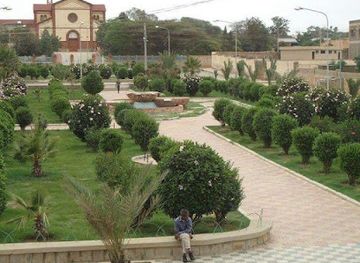
Dekemhare’s principal landmarks are connected less with monumental architecture than with the town’s industrial and civic history. Surviving Italian-period industrial buildings and older masonry premises recall the infrastructure created when colonial administrators developed processing and manufacturing in the central highlands. The town’s market area is another important urban reference point: its significance is social and economic, serving farmers, traders and residents from surrounding settlements. Older streets and public buildings provide a sense of the planned commercial settlement that grew south of Asmara, although many structures have been altered, weathered or repurposed. The surrounding highland fields and rocky slopes are also part of Dekemhare’s identity, showing how closely its urban life remains linked to agriculture. Unlike Asmara, the town does not have a dense concentration of internationally recognised monuments, and its heritage is best read through the relationship between working buildings, transport routes, market activity and the landscape.
-
Hotel
Park Hotel
Discover comfort and tranquility at Park Hotel in Dekemhare, your perfect base for exploring the rich culture and beauty of Eritrea.
15 min walk · 1.2 km from city centre
-
Hotel
Dekemhare Hotel
Discover Dekemhare Hotel: A serene retreat in Eritrea blending comfort, local culture, and exceptional hospitality for an unforgettable experience.
6 min walk · 0.4 km from city centre
-
Hotel
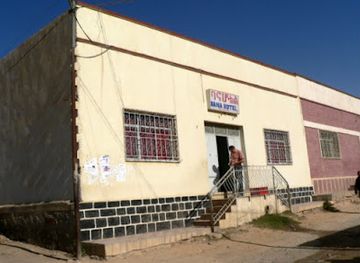
Bana Hotel
Discover comfort and local charm at Bana Hotel, your perfect base for exploring the rich culture and stunning landscapes of Dekemhare, Eritrea.
9 min walk · 0.7 km from city centre
-
Hotel
Hotel Akele guzay
Experience the perfect blend of comfort and culture at Hotel Akele Guzay in Dekemhare, Eritrea, where your memorable stay awaits.
7 min walk · 0.6 km from city centre


Explore Dekemhare on the map
Plan your Dekemhare trip on one map. See where the top attractions, landmarks, restaurants, bars and hotels are, find what's near where you're staying, and book hotels and experiences in a few clicks.
Best hotels in Dekemhare
Best restaurants in Dekemhare
Dekemhare’s dining scene is small and locally oriented, with simple cafés, tea rooms and modest eateries serving the staples of Eritrean highland cooking rather than an extensive restaurant selection. Expect injera, the fermented sour flatbread made from teff and other grains, accompanied by tsebhi stews, lentils, vegetables or meat, as well as pasta and bread reflecting Italian colonial influence. Coffee is central to social life, and a traditional coffee ceremony may unfold slowly with roasted beans, incense and several small servings when hosted in a domestic or community setting. Market stalls and small shops provide basic snacks and drinks, but visitors should not assume a wide choice of international food or consistent opening times. Dining is generally casual, and locally available produce reflects the surrounding agricultural highlands. As facilities are limited, travellers often eat in Asmara before or after a day visit, carrying water and simple provisions when travelling onward.
-
Restaurant
Morya Recreation center
Experience authentic Eritrean cuisine at Morya Recreation Center in Dekemhare - where flavors meet culture in a warm atmosphere.
5 min drive · 1.6 km from city centre
-
Restaurant
Peacock Bar & Reasturant
Experience authentic Eritrean flavors at Peacock Bar & Restaurant in Dekemhare – a culinary haven for food lovers.
8 min walk · 0.6 km from city centre
-
Restaurant
Peacoke Bar & Reastaurant
Discover authentic Eritrean cuisine at Peacoke Bar & Restaurant in Dekemhare - a culinary journey filled with rich flavors and warm hospitality.
4 min walk · 0.3 km from city centre
-
Restaurant
Sedaw Bar and Restaurant
Experience authentic Eritrean cuisine at Sedaw Bar and Restaurant in Dekemhare—where every meal tells a story of tradition.
6 min walk · 0.5 km from city centre
Best bars in Dekemhare
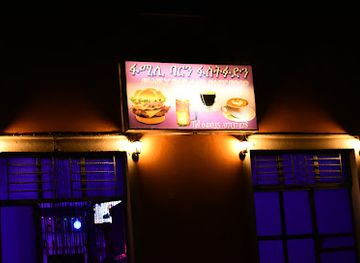
Dekemhare has a quieter evening scene than Asmara and should not be approached as a nightlife destination. After dark, social life is more likely to centre on cafés, tea rooms, local restaurants and informal gatherings than on dedicated clubs or a concentrated entertainment quarter. Coffee, conversation and Eritrean music may be more characteristic of an evening here than elaborate cocktails or late-night venues. Small bars may exist within ordinary local establishments, but opening arrangements and services are not reliably advertised, and visitors should follow local expectations about discreet behaviour. Streets become less suitable for aimless walking once activity subsides, particularly outside the central built-up area. Those seeking live entertainment, a broader selection of cafés or established cultural venues will find more choice in Asmara, while Dekemhare offers a low-key evening shaped by local routines rather than organised nightlife.
-
Cafe
Family Bar & Fastfood
Discover the flavors of Eritrea at Family Bar & Fastfood, where local dishes and fast-food favorites meet in a warm, family-friendly environment.
6 min walk · 0.5 km from city centre
-
Hotel
Dekemhare Hotel
Discover the heart of Eritrea at Dekemhare Hotel, where comfort meets local culture in a serene setting perfect for all travelers.
6 min walk · 0.4 km from city centre
-
Cafe
Castello Bar & fastfood
Discover the vibrant flavors and cozy atmosphere of Castello Bar & Fastfood in Dekemhare, a must-visit for every tourist.
6 min walk · 0.5 km from city centre
-
Restaurant
Peacock Bar & Reasturant
Discover flavorful Eritrean cuisine at Peacock Bar & Restaurant in Dekemhare, a dining experience that blends culture and taste.
8 min walk · 0.6 km from city centre
Best nightclubs in Dekemhare
Dekemhare has a quieter evening scene than Asmara and should not be approached as a nightlife destination. After dark, social life is more likely to centre on cafés, tea rooms, local restaurants and informal gatherings than on dedicated clubs or a concentrated entertainment quarter. Coffee, conversation and Eritrean music may be more characteristic of an evening here than elaborate cocktails or late-night venues. Small bars may exist within ordinary local establishments, but opening arrangements and services are not reliably advertised, and visitors should follow local expectations about discreet behaviour. Streets become less suitable for aimless walking once activity subsides, particularly outside the central built-up area. Those seeking live entertainment, a broader selection of cafés or established cultural venues will find more choice in Asmara, while Dekemhare offers a low-key evening shaped by local routines rather than organised nightlife.
-
Hotel
Park Hotel
Discover comfort and exceptional service at Park Hotel, your perfect base for exploring the wonders of Dekemhare, Eritrea.
15 min walk · 1.2 km from city centre
-
Hotel
Dekemhare Hotel
Discover comfort and local hospitality at Dekemhare Hotel, your ideal retreat in the heart of Eritrea's stunning landscapes.
6 min walk · 0.4 km from city centre
-
Hotel
Bana Hotel
Experience modern comfort and warm hospitality at Bana Hotel, the perfect base for your adventures in Dekemhare, Eritrea.
9 min walk · 0.7 km from city centre
-
Stadium
Dekemhare Stadium
Discover the vibrant spirit of Eritrean sports and culture at Dekemhare Stadium, a hub of community and excitement.
7 min walk · 0.5 km from city centre

Best shops in Dekemhare
Shopping in Dekemhare is centred on practical local commerce rather than specialist retail. The central market and nearby small shops serve surrounding farming communities with food, household goods, clothing and everyday necessities, while seasonal produce reflects the agricultural character of the highlands. Visitors may find Eritrean coffee, spices, woven items or small locally made goods, but selection and availability vary and should not be treated as a fixed tourist market. The town’s most interesting purchases are often modest provisions or food products encountered through ordinary market life rather than packaged souvenirs. Bargaining should be courteous and measured, and visitors should ask before photographing stalls or individual traders. For a wider choice of Eritrean handicrafts, textiles, books and contemporary goods, Asmara is more practical. Dekemhare’s retail character is valuable precisely because it remains tied to residents’ daily needs rather than being shaped principally around international tourism.
-
Internet cafe
Emmanuel IT Solutions Provider
Discover connectivity and tech solutions at Emmanuel IT Solutions Provider, your go-to internet cafe in Dekemhare, Eritrea. Perfect for tourists and locals alike.
7 min walk · 0.6 km from city centre
-
Market
Пазар Декемхаре
Explore the lively Dekemhare Market, a vibrant cultural hotspot filled with local crafts, fresh produce, and authentic Eritrean experiences.
5 min walk · 0.4 km from city centre
-
Grocery store
ኩዳር ደቀምሓረ Dekemhare Super Market
Experience the heart of Eritrea at ኩዳር ደቀምሓረ Dekemhare Super Market, where local flavors and vibrant culture meet.
4 min walk · 0.4 km from city centre
-
Clothing store
Abi Boutique
Explore the vibrant fashion of Eritrea at Abi Boutique, where local craftsmanship meets contemporary styles in the heart of Dekemhare.
5 min walk · 0.4 km from city centre


Get your free copy of our complete guide to Dekemhare, delivered straight to you.
Everything on this page, from attractions and restaurants to essentials and local phrases, in one PDF you can read offline, print or share.
Already have an account? Sign in
Your Dekemhare guide is ready.
We'll send it to · Not you? Sign out

Getting your guide ready…
We are putting together a fresh copy of the Dekemhare guide. This can take up to a minute.
This can take a few moments. If your browser asks, choose Allow so the download can start. You'll find the guide in your Downloads folder.
Nothing happened? Download it again
Sorry, the guide is taking longer than usual. Please try again in a minute, or get it by email instead.
Dekemhare essentials
Currency and Payment
Safety
Emergency Situations
Do's and Don'ts
Local Tips
From Eve
Local phrases worth knowing
You don't need to get them perfect. A few words go a long way, and locals appreciate the effort.
Basics
| English | Local | Say it |
|---|---|---|
| Hello | ሰላም | [selam] |
| Goodbye | ዋላ | [wala] |
| Yes | እወ | [ew] |
| No | ኣይ | [ay] |
| Please/You're welcome | እወይ/ኢኽሊ | [ewye/ihkli] |
| Thank you | ኣመሰጋን | [amesegann] |
| Excuse me/Sorry | ልእሊ/በልቲ | [le'li/belti] |
| How are you? | እወን ናትና? | [ewen natna?] |
| Fine. And you? | ተክሊ. እወይ? | [tekli. ewye?] |
| Do you speak English? | እስክን እንግሊዝኛ ትኽእሉ? | [eskin englisha tek'ilu?] |
| I don't understand | ኣነ እንተወናዊ | [ana entewenawi] |
Eating & Drinking
| English | Local | Say it |
|---|---|---|
| I'd like to see the menu, please | ዘይብለናን መኑእክ ኣረጋጊ | [ziyblenan menuek aregagi] |
| I don't eat meat | ኣምሓረ ኣይኮኑ | [amhar aykonu] |
| Cheers! | ኣለም! | [alem] |
| I would like to pay, please | ዘይብለናን ብምኽንያት ኣረጋጊ | [ziyblenan b'mekniyat aregagi] |
Emergencies
| English | Local | Say it |
|---|---|---|
| Help! | እንታይ! | [entay] |
| Go away! | ምእታይ! | [metay] |
| Call the Police! | ኣገዳሲ ኣብትሕቲ! | [agdasi abtihti] |
| Call a doctor! | ኣገዳሲ ሃገረ! | [agdasi hager] |
| I'm lost | ብሓፍረይ | [bhaferay] |
| I'm ill | ብዓለም | [ba'alem] |
Shopping
| English | Local | Say it |
|---|---|---|
| I'd like to buy... | ዘይብለናን... | [ziyblenan...] |
| I'm just looking | ኣብዚ ምስ እንታይ | [abzi ms entay] |
| How much is it? | ከመይ? | [kem] |
| That's too expensive | ኣስንብአ | [asnb'a] |
| Can you lower the price? | እሞ ዘይከኣል ከመ? | [emo ziyk'al kem?] |
Time & Numbers
| English | Local | Say it |
|---|---|---|
| What time is it? | ኣብ ሰዓት ዘይብለን? | [ab saat ziyblen?] |
| It's one o'clock | ኣእስክ ሰዓት | [a'esk saat] |
| Half past (10) | ኣብ ሸት ሰዓት | [ab sht saat] |
| Morning | ሰዓት | [saat] |
| Afternoon | ኣምሓራ | [amhara] |
| Evening | ሓገር | [hagar] |
| Yesterday | ትሕቲ | [t'hti] |
| Today | እምባ | [embah] |
| Tomorrow | ቅልስ | [qels] |
| 1 | ኣእስክ | [a'esk] |
| 2 | ሽማግ | [shmag] |
| 3 | ጸላም | [tslam] |
| 4 | ኣርባዕ | [arba'e] |
| 5 | ርብዒ | [rbehi] |
| 6 | ሥምንት | [semnt] |
| 7 | ሰባት | [sbat] |
| 8 | ስምዕት | [sme'et] |
| 9 | ስምንት | [smnt] |
| 10 | ንኢህ | [n'ih] |
Transport & Directions
| English | Local | Say it |
|---|---|---|
| Where's a/the...? | እዚ ናይ...? | [ez nai...?] |
| What's the address? | እዚ ናይ ኢዩ። | [ez nai iyui] |
| Can you show me (on the map)? | እሞ እንታይ (... ኣብትሕቲ)? | [emo entay (... abtihti)?] |
| When's the next (bus)? | ኣብኡ ናይ (...)? | [abu nai (...)?] |
| A ticket (to ....) | ለበዲ እዩ። | [lebedi iyui] |
History of Dekemhare
Highland Settlement and Agriculture
Dekemhare developed within the agricultural highlands south of Asmara, a zone where farming communities cultivated cereals and kept livestock across elevated valleys and slopes. The area’s climate, seasonal rainfall and position between the central plateau and southern highlands supported permanent settlement and local exchange. As with much of Eritrea, the town’s historical identity was shaped by overlapping highland communities and the movement of traders along routes linking Asmara with settlements farther south. Its early history is better understood through the wider social and agricultural history of the Eritrean plateau than through a single documented foundation date.
Italian Colonial Expansion
Italy established its colony of Eritrea in 1890, and the central highlands became increasingly integrated into a colonial administrative and economic system centred on Asmara. Dekemhare expanded during the early twentieth century as roads, commercial networks and agricultural production connected it more closely with the capital and southern districts. Italian investment encouraged processing and manufacturing in the town, leaving an industrial imprint that remains part of Dekemhare’s identity. The colonial economy was unequal and depended on coercive structures and racial segregation, so the surviving buildings and urban traces must be read alongside the experiences of Eritrean workers and communities.
A Wartime and Post-Colonial Transition
British forces defeated Italian rule in Eritrea during the East African campaign of 1941, after which the territory was administered by Britain. Dekemhare subsequently experienced the uncertainty surrounding Eritrea’s political future. In 1952, the United Nations created a federation between Eritrea and Ethiopia, but the federal arrangement was dismantled and Eritrea was annexed by Ethiopia in 1962. These changes altered administration, economic policy and political life across the highlands, while Dekemhare continued to function as a local agricultural and industrial centre connected to Asmara.
War and Independence
The Eritrean War of Independence, fought from 1961 until 1991, transformed communities throughout the central highlands. Dekemhare and the surrounding region were affected by military operations, displacement and the disruption of ordinary economic life. Eritrean forces took control of Asmara in 1991, and Eritrea formally became independent in 1993 following a referendum. Independence brought the task of rebuilding roads, industry and public institutions after decades of conflict. The town’s present character reflects both the endurance of its older industrial role and the wider pressures experienced by Eritrea since statehood.
Dekemhare in Contemporary Eritrea
Today Dekemhare remains a modest highland town serving nearby farming communities and the southbound road from Asmara. Its older industrial buildings, market activity and agricultural surroundings connect different layers of Eritrean history without the monumental scale found in the capital. Economic life is influenced by limited infrastructure, state regulation and the movement of people and goods between central and southern Eritrea. For visitors, the town offers a grounded perspective on the country’s highland settlements, where colonial remnants, post-independence institutions and long-established rural practices exist within the same landscape.
Dekemhare in Photos
Browse through our photo collection highlighting the charm and character of the destination.
Cities near Dekemhare
The closest cities to Dekemhare, if you have time for more than one stop.
-

-

-

-

-


Swipe for more cities
Explore more

Explore more of Eritrea
Discover Eritrea: A land of ancient history, stunning coastlines, and vibrant cultures nestled in the heart of the Horn of Africa.
Explore Eritrea