

Free Keren Travel Guide & Mobile App
Plan your Keren trip with Evendo. Get free guides to top attractions, restaurants, hotels, and bars. Web access or download the mobile app.


Keren, Eritrea, combines highland scenery, lively markets, religious heritage and historic Battle of Keren sites for culturally rich sightseeing.
A Highland Crossroads
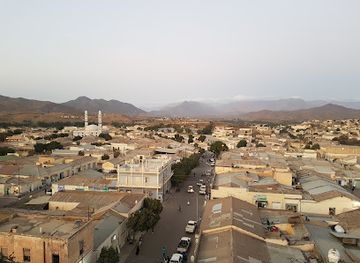
Keren lies in a broad, sunlit basin in Eritrea’s western-central highlands, surrounded by rugged hills and dry valleys. Its setting gives the city a character distinct from the cooler, more elevated capital, Asmara: days are generally warmer, the landscape is more openly arid, and the streets feel closely connected to the surrounding countryside. Keren is an important centre for the Tigre-speaking communities of the region and has long served as a meeting place for traders, pastoralists and farming communities.Read more about Keren
Markets, Faith and Everyday Life
A Landscape Shaped by History
When is the best time to visit Keren?
Best: December–February · 24–25°C| Month | High (°C) | Rainfall (mm) |
|---|---|---|
| January (best) | 24 | 0 |
| February (best) | 25 | 0 |
| March | 27 | 0 |
| April | 29 | 2 |
| May | 31 | 9 |
| June | 30 | 42 |
| July | 30 | 100 |
| August | 30 | 84 |
| September | 30 | 31 |
| October | 29 | 10 |
| November | 27 | 2 |
| December (best) | 25 | 0 |
Getting to and around Keren
How to get there
Transportation
Best attractions in Keren
Keren’s principal attractions reflect its role as a regional market town and a place of wartime memory. The Monday market is the most immediate cultural experience, bringing together livestock traders, farmers, craft sellers and shoppers from across the Anseba region. Mariam Dearit, a rock-associated shrine dedicated to the Virgin Mary, provides a significant religious and landscape encounter, although visitors should observe local customs and arrange access respectfully. The cemetery and memorial sites connected with the 1941 Battle of Keren lead into the hills and passes that shaped the campaign, offering historical context as well as views across the dry basin. In town, older Italian-era buildings and remnants associated with the former railway and colonial administration reveal Keren’s twentieth-century transformation. The surrounding hills, wadis and scattered settlements are also part of the attraction, but visits beyond the centre require careful transport planning, permission where applicable and sensitivity towards local communities.
-
 Hiking area
جبل يتعبر
Experience the breathtaking landscapes and serene hiking trails of جَبَل يَتَعَبَر in Keren, Eritrea, perfect for adventurers and nature lovers alike.
14 min walk · 1.1 km from city centre
-
Park
ዓንሰባ ፓርክ Anseba Park
Experience the tranquility and natural beauty of Anseba Park in Keren, Eritrea - a perfect escape into nature's embrace.
12 min walk · 1.0 km from city centre
-
Tourist attraction
حلة حرابسو
Explore Hala Harabso in Keren, Eritrea - a stunning tourist attraction blending natural beauty with rich cultural heritage.
15 min walk · 1.2 km from city centre
-
Garden
سينية مدينة كرن KEREN Gerafiyori
Explore the enchanting beauty of Gerafiyori Garden in Keren, Eritrea, where nature meets tranquility in a vibrant floral oasis.
5 min walk · 0.4 km from city centre
Best landmarks in Keren
Keren’s most significant landmarks connect religious devotion, colonial urban development and the military history of the twentieth century. Mariam Dearit, associated with the Virgin Mary and set among rocky terrain, is an important Christian pilgrimage site whose setting is as memorable as its spiritual role. The Battle of Keren cemeteries and memorials commemorate the 1941 campaign and the soldiers from Eritrea, Italy, Britain and Commonwealth countries who fought in it; they also give physical meaning to the strategic passes around the city. Italian-era administrative and commercial buildings, together with remnants linked to the former railway network, reveal how colonial planning altered Keren’s urban form. The market area is less a monument than a civic landmark, expressing the town’s continuing role as a meeting point for the Anseba region.
-
Hospital
Keren Hospital
Explore Keren Hospital, a vital healthcare hub in Eritrea, offering insight into local culture and community resilience.
1 min walk · 0.1 km from city centre
-
Hotel
Keren Hotel
Experience comfort and local culture at Keren Hotel, your perfect retreat in the heart of Keren, Eritrea.
5 min walk · 0.4 km from city centre
-
Hotel
Costina Hotel ኮስቲና ሆቴል
Experience the heart of Eritrea at Costina Hotel in Keren, where comfort meets culture in a beautiful setting.
4 min walk · 0.3 km from city centre
-
Cemetery
Keren War Cemetery
Explore Keren War Cemetery, a serene tribute to the heroes of Eritrea's past, offering a profound reflection on sacrifice and valor.
5 min drive · 1.8 km from city centre
Explore Keren on the map
Plan your Keren trip on one map. See where the top attractions, landmarks, restaurants, bars and hotels are, find what's near where you're staying, and book hotels and experiences in a few clicks.
Best hotels in Keren
Best restaurants in Keren
Keren’s food scene is modest, local and closely connected to Eritrean household cooking rather than a formal restaurant circuit. Injera, the large fermented flatbread made from teff and other grains, is commonly served with tsebhi stews, lentils, vegetables and meat, while shiro provides a familiar chickpea-based option. Italian influence remains visible in the popularity of coffee, pasta and simple baked goods, reflecting Eritrea’s colonial history without defining the whole cuisine. Small cafés and casual eateries around the commercial centre are useful places to encounter coffee ceremonies, tea and light meals, while market areas offer produce and snacks rather than an extensive street-food tradition in the style of larger regional capitals. Dining is often informal, and menus may be limited, so travellers should expect local availability to shape the meal. Water should be taken from reliable sources.
-
Restaurant
ማእከላይ ከረን Central Keren
Experience authentic Eritrean cuisine at Central Keren – where every dish tells a story steeped in tradition and flavor.
4 min walk · 0.3 km from city centre
-
Restaurant
Estif Restaurant Cafe
Discover authentic Eritrean flavors at Estif Restaurant Cafe in Keren – a culinary journey through traditional dishes and warm hospitality.
5 min walk · 0.4 km from city centre
-
Restaurant
Hamid Aseyr حامد عصير
Experience authentic Eritrean cuisine at Hamid Aseyr in Keren - a culinary delight that showcases local flavors and warm hospitality.
10 min walk · 0.8 km from city centre
-
Oyster Bar
SLER Ristorante
Discover exquisite flavors at SLER Ristorante, Keren's premier oyster bar offering fresh seafood and a delightful dining experience.
7 min walk · 0.5 km from city centre

Best bars in Keren
Keren’s evening life is relatively quiet and social rather than centred on large nightclubs. Local cafés and modest bars provide places for conversation, coffee, tea and occasionally beer or spirits, while family and community gatherings remain important after dark. Music may be heard in informal settings, but entertainment venues can be small, changeable and difficult to identify in advance. The town’s main market and commercial streets are more active during the day than late at night, and visitors should not expect the extensive club districts found in larger capitals. Evening walks are best kept to familiar, reasonably busy areas, with locally arranged transport for longer journeys. Religious observance, local customs and Eritrea’s regulated commercial environment all influence the pace and character of nightlife.
-
Bar
Yohana bar
Discover the vibrant atmosphere of Yohana Bar in Keren, Eritrea – a perfect blend of local culture, delicious drinks, and friendly faces.
8 min walk · 0.7 km from city centre
-
Oyster Bar
SLER Ristorante
Discover the rich flavors of Eritrean seafood at SLER Ristorante, a premier oyster bar in Keren, known for its fresh offerings and inviting atmosphere.
7 min walk · 0.5 km from city centre
-
Bar
Sahil Amusement Park
Discover Fun and Adventure at Sahil Amusement Park in Keren, Eritrea – A Perfect Family Getaway!
3 min walk · 0.2 km from city centre
-
Bar
Bar hibret keren
Immerse yourself in Eritrean culture at Bar Hibret Keren, a lively bar offering authentic local drinks and a warm atmosphere for relaxation.
14 min walk · 1.1 km from city centre
Best nightclubs in Keren
Keren’s evening life is relatively quiet and social rather than centred on large nightclubs. Local cafés and modest bars provide places for conversation, coffee, tea and occasionally beer or spirits, while family and community gatherings remain important after dark. Music may be heard in informal settings, but entertainment venues can be small, changeable and difficult to identify in advance. The town’s main market and commercial streets are more active during the day than late at night, and visitors should not expect the extensive club districts found in larger capitals. Evening walks are best kept to familiar, reasonably busy areas, with locally arranged transport for longer journeys. Religious observance, local customs and Eritrea’s regulated commercial environment all influence the pace and character of nightlife.
-
Hotel
Sarina Hotel
Discover comfort and local charm at Sarina Hotel, your perfect retreat in Keren, Eritrea, blending modern amenities with traditional hospitality.
7 min drive · 2.3 km from city centre
-
Hotel
Keren Hotel
Discover Keren Hotel in Eritrea: A blend of comfort and local culture awaits you in the heart of Keren.
5 min walk · 0.4 km from city centre
-
Hotel
Costina Hotel ኮስቲና ሆቴል
Discover the warmth and hospitality of Keren, Eritrea at Costina Hotel, your perfect retreat for exploring local culture and history.
4 min walk · 0.3 km from city centre
-
Cemetery
Keren War Cemetery
Explore Keren War Cemetery: A poignant tribute to fallen soldiers in a serene setting, reflecting Eritrea's rich history and resilience.
5 min drive · 1.8 km from city centre
Best shops in Keren
Shopping in Keren is concentrated around its traditional market and central commercial streets, where local residents purchase food, clothing, household goods and livestock-related supplies. Monday is the main market day and brings a wider flow of traders from surrounding settlements, making it the best time to observe the regional trading economy, although it can also be crowded and visually sensitive. Visitors may find Eritrean fabrics, woven items, modest jewellery, spices and packaged foods, but availability changes and products are not arranged primarily for tourism. Small shops provide everyday necessities, while market stalls offer a more direct connection with local commerce. Bargaining can be part of the experience for some goods, but it should be polite and proportionate. Ask before photographing merchandise or sellers, and check that any cultural or antique-looking object can be legally taken out of the country.
-
Hotel
Keren Hotel
Experience the warm hospitality of Keren Hotel, perfectly situated for exploring the rich culture and stunning landscapes of Eritrea.
5 min walk · 0.4 km from city centre
-
Shopping mall
Yigzaw Shop ይግዛው ድኳን ከተማ ከረን
Explore local culture and shop unique crafts at Yigzaw Shop, a vibrant shopping mall in Keren, Eritrea, offering a delightful experience for all visitors.
15 min walk · 1.2 km from city centre
-
Jewelry store
Jewelry Prosperity
Explore the art of Eritrean jewelry at Jewelry Prosperity in Keren, where each piece is a reflection of rich cultural heritage and exquisite craftsmanship.
1 min walk · 0.1 km from city centre
-
Clothing store
Dahlak boutique
Explore unique Eritrean fashion at Dahlak Boutique in Keren, where style meets cultural heritage in vibrant clothing and accessories.
6 min walk · 0.5 km from city centre


Get your free copy of our complete guide to Keren, delivered straight to you.
Everything on this page, from attractions and restaurants to essentials and local phrases, in one PDF you can read offline, print or share.
Already have an account? Sign in
Your Keren guide is ready.
We'll send it to · Not you? Sign out

Getting your guide ready…
We are putting together a fresh copy of the Keren guide. This can take up to a minute.
This can take a few moments. If your browser asks, choose Allow so the download can start. You'll find the guide in your Downloads folder.
Nothing happened? Download it again
Sorry, the guide is taking longer than usual. Please try again in a minute, or get it by email instead.
Keren essentials
Currency and Payment
Safety
Emergency Situations
Do's and Don'ts
Local Tips
From Eve
Local phrases worth knowing
You don't need to get them perfect. A few words go a long way, and locals appreciate the effort.
Basics
| English | Local | Say it |
|---|---|---|
| Hello | ሰላም | [sälam] |
| Goodbye | ሰላም | [sälam] |
| Yes | እወ | [ew] |
| No | ኣይ | [ay] |
| Please/You're welcome | ንጽሕፈሉ/ሰላም | [nəṣḥəffälu/sälam] |
| Thank you | ኣመሰጋእቲ | [amsegäti] |
| Excuse me/Sorry | ኣብዚሒ/ቦልኦኽ | [abzhi/bolokh] |
| How are you? | እንተይ ምንእርከ? | [əntay män'ärkä?] |
| Fine. And you? | ንኺስ መስለኒ ነን. ነብር? | [nəḫs msleni nän. näbr?] |
| Do you speak English? | እንተይ እንግዲሞም ተብሎ? | [əntay əngädimo təblō?] |
| I don't understand | እንተይ ኣለኹ | [əntay aläḫ] |
Eating & Drinking
| English | Local | Say it |
|---|---|---|
| I'd like to see the menu, please | ናይ ምዝገብ መጠን እዩ | [nay məzgäb mätän ayu] |
| I don't eat meat | ኣስይ ዝምልን ኣስናይ | [asɨ zimlin asnay] |
| Cheers! | ምንሕራን፡፡ | [mənḥran] |
| I would like to pay, please | ናይ ምጽንተይ እዩ | [nay məṣəntay ayu] |
Emergencies
| English | Local | Say it |
|---|---|---|
| Help! | እምል! | [eml!] |
| Go away! | ተኽእሎ! | [təḫəlo!] |
| Call the Police! | ሓሊፎም ክትደው! | [ḥalifom kətdew!] |
| Call a doctor! | ሓሊፍ ክትደው! | [ḥalif kətdew!] |
| I'm lost | እምል እንደይ | [eml əndäy] |
| I'm ill | እምል ሓሳይ | [eml ḥasay] |
Shopping
| English | Local | Say it |
|---|---|---|
| I'd like to buy... | ናይ ከብታኒ እዩ... | [nay kəbtani ayu...] |
| I'm just looking | እዩ ምቕብር እዩ | [ayu mäḳɨbər ayu] |
| How much is it? | ኣብዚ ዕረፍቲ? | [abzɨ ʕärəfti?] |
| That's too expensive | ኣበይ ናብ ዝነበር | [aby näb zənäbär] |
| Can you lower the price? | ተኽእሎም ቅርሲ? | [təḫəlom qərsi?] |
Time & Numbers
| English | Local | Say it |
|---|---|---|
| What time is it? | ተለፎ ነብር? | [talfo näbr?] |
| It's one o'clock | ኣነ ምኽንያት | [anä məknyat] |
| Half past (10) | ክሰን ናይ (10) | [ksən nay (10)] |
| Morning | ኣማዊ | [amawi] |
| Afternoon | ኣምሓራ | [amḥara] |
| Evening | ሓርማዝ | [ḥaramaz] |
| Yesterday | ትኽዋን | [təkwan] |
| Today | ዕለት | [əlit] |
| Tomorrow | ናብሓን | [näbhan] |
| 1 | ኣነ | [anä] |
| 2 | ርብሽ | [rəbš] |
| 3 | ሕምብር | [ḥəmbər] |
| 4 | ጸብጻት | [ṣəbst] |
| 5 | ምስራቅ | [msrak] |
| 6 | ሓድሽ | [ḥadš] |
| 7 | ስምንታዊ | [sməntawi] |
| 8 | ስምንታዊ ምስር | [sməntawi msr] |
| 9 | ስምንታዊ ሕምብር | [sməntawi ḥəmbər] |
| 10 | ስምንታዊ ጸብጻት | [sməntawi ṣəbst] |
Transport & Directions
| English | Local | Say it |
|---|---|---|
| Where's a/the...? | ኣብዚ ነዚ...? | [abzɨ näzi...?] |
| What's the address? | ናይ ኣዴማ ነዚ? | [nay adəma näzi?] |
| Can you show me (on the map)? | ተኽእሎም ንኽእል እዩ? | [təḫəlom nəḵəl ayu?] |
| When's the next (bus)? | ሓበሬታ ኣብዚ ነዚ (ቡስ)? | [ḥabəräta abzɨ näzi (bus)?] |
| A ticket (to ....) | ትኪታሕ (እዩ ....) | [tiktah (ayu ....)] |
History of Keren
A Regional Tigre Settlement
Keren developed in a region inhabited by Tigre-speaking communities and shaped by movement between the Eritrean highlands, the western lowlands and the Red Sea hinterland. Its basin offered a useful meeting point for agriculture, pastoralism and exchange, while the surrounding hills provided strategic control of routes through the area. Rather than emerging solely as a colonial creation, the town grew from older patterns of regional settlement and commerce. Its position also brought it into contact with Saho, Bilen, Rashaida and other communities, contributing to the cultural mixture visible in its markets and religious life. Seasonal conditions, access to water and the movement of livestock have remained important influences on the city’s development.
Colonial Roads and Railways
Keren expanded significantly during the period of Italian rule in Eritrea, particularly after the colony’s establishment in 1890. Italian authorities developed roads, administrative facilities and military positions linking the town with Asmara, Agordat and Massawa. The railway system that connected Massawa with Asmara also reached the Keren area, although the line was never completed through to Agordat. Colonial planning left traces in the town’s street layout, public buildings and transport history, while the wider economy was tied to agriculture, livestock and military logistics. Italian rule also brought coercive colonial administration and racial hierarchy, so the surviving architectural remains represent both urban development and an unequal political order.
The Battle of Keren, 1941
Keren became the scene of a major battle in the East African campaign of the Second World War. From February to March 1941, Italian and Eritrean forces defended the mountain approaches around the town against British and Commonwealth troops advancing from Sudan and other parts of the region. The steep passes and rocky heights made the fighting especially difficult, and the battle ended with the withdrawal and defeat of the Italian forces. Keren’s capture opened the route towards Asmara and contributed to the collapse of Italian control in Eritrea. War cemeteries and memorials in and around the city preserve the memory of soldiers from several countries, as well as Eritrean participation in the conflict.
British Administration and Federation
After the Italian defeat in 1941, Eritrea was placed under British military administration. Keren continued to function as a regional centre while wartime disruption, changing trade patterns and the dismantling or decline of parts of the colonial transport network affected the local economy. Eritrea’s later federation with Ethiopia in 1952 brought a new constitutional arrangement, but political tensions increased as autonomy was progressively reduced. The growth of centralised rule and the eventual annexation of Eritrea by Ethiopia in 1962 formed part of the background to the armed struggle for Eritrean independence. Keren’s strategic location and surrounding mountains made the wider region important during the conflicts that followed.
War and Eritrean Independence
The Eritrean War of Independence, fought from 1961 until 1991, brought repeated hardship to Keren and the communities around it. The city’s position on routes between western Eritrea and the central highlands made it strategically significant, while civilians experienced displacement, disruption and the pressures of military occupation. Eritrea achieved de facto independence in 1991 and formal independence in 1993. In the period since, Keren has remained an important commercial and administrative centre for the Anseba region. Its markets, religious sites and war memorials now form a historical landscape in which older colonial legacies, the memory of the liberation struggle and contemporary Eritrean life coexist.
Keren in Photos
Browse through our photo collection highlighting the charm and character of the destination.
Cities near Keren
The closest cities to Keren, if you have time for more than one stop.
-

-

-

-

-


Swipe for more cities
Explore more

Explore more of Eritrea
Discover Eritrea: A land of ancient history, stunning coastlines, and vibrant cultures nestled in the heart of the Horn of Africa.
Explore Eritrea