
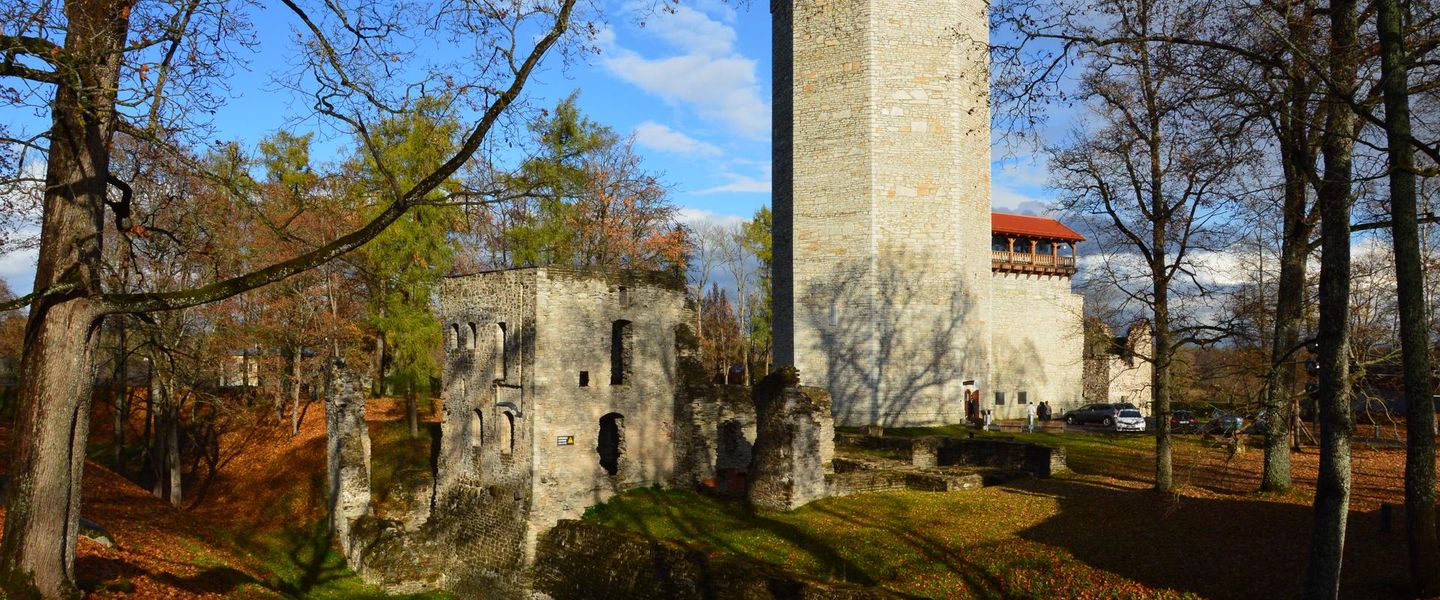
Järvamaa, Estonia Travel Guide
Explore Järvamaa, Estonia: A blend of natural beauty, rich history, and vibrant culture, offering serene landscapes, historical landmarks, and engaging local festivals.
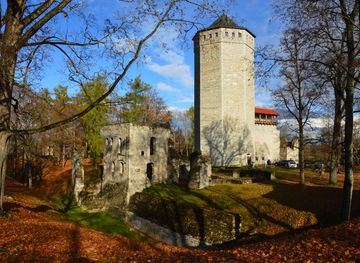
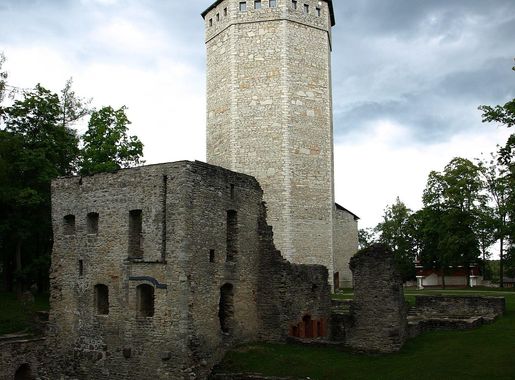
Nestled in the heart of Estonia, Järvamaa is a region that offers a blend of natural beauty, rich history, and vibrant culture. The rolling landscapes, dotted with forests, lakes, and rivers, make it a perfect destination for nature lovers and outdoor enthusiasts. Järvamaa's lush greenery and serene environment provide a peaceful retreat from the hustle and bustle of city life. The region is home to several historical landmarks, including ancient churches, manors, and museums that tell the story of Estonia's past. One must-visit site is the Paide Castle, a medieval fortress that offers stunning views of the surrounding area. Another highlight is the Järva-Jaani Old Equipment Museum, where visitors can explore a fascinating collection of vintage vehicles and machinery. Järvamaa is also known for its vibrant local festivals and events that showcase traditional Estonian culture. From folk music and dance performances to food festivals celebrating local cuisine, there's always something happening in Järvamaa to engage visitors. The local cuisine is a treat for the taste buds, with many restaurants offering delicious Estonian dishes made from fresh, locally-sourced ingredients.

Know before you go
Hi, I'm Eve. Here are a few practical things to know before exploring Järvamaa.
- Visit during the summer months to enjoy outdoor activities and local festivals.
- Don't miss the Paide Castle for a glimpse into the region's medieval history.
- Explore the Järva-Jaani Old Equipment Museum for a unique look at vintage machinery.
- Try the local cuisine in small village restaurants for an authentic Estonian culinary experience.
- Pack comfortable walking shoes as many attractions are best explored on foot.
Top City Travel Guides in Järvamaa
The cities of Järvamaa, and the easiest places to base yourself.


Destinations in Järvamaa
Resorts, valleys and scenic spots worth a trip of their own.

Explore Järvamaa: Things to Do, Places to Eat, Hotels & More
Handpicked recommendations for top attractions, local dining, accommodations, and more

Top Attractions & Sightseeing in Järvamaa
Top-rated picks
Best Attractions

Kirna mansion
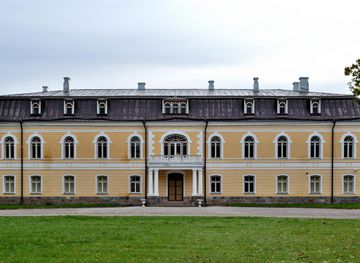
Experience the charm of Kirna Mansion, a historical landmark in Järva County, steeped in rich heritage and surrounded by beautiful gardens.

Kakerdaja raba matkarada
Discover breathtaking landscapes and diverse ecosystems at Kakerdaja Raba Matkarada, a premier hiking destination in Järva County, Estonia.

Jäneda Mõis
Explore the historic charm and natural beauty of Jäneda Mõis, a tranquil manor in Lääne-Viru County, Estonia.

Paide ordulinnuse varemed ja Vallitorn
Discover the enchanting ruins of Paide Castle, a medieval fortress in Estonia, where history meets stunning views and cultural experiences.

Best landmarks in Järvamaa
Top-rated picks
Best Landmarks

Järva-Jaani Vanatehnika varjupaik ja muuseumide keskus
Explore the fascinating history of Estonia's industrial heritage at the Järva-Jaani Vanatehnika Museum, showcasing vintage machinery and vehicles.
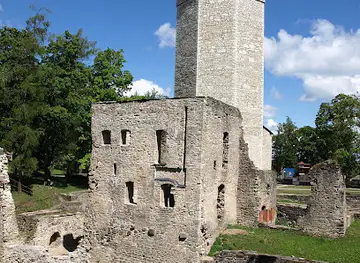
Paide ordulinnuse varemed ja Vallitorn
Explore the historic Ruins of Paide Fortress and Vallitorn in Estonia, a captivating destination steeped in medieval history and stunning views.

Museum of A. H. Tammsaare
Explore the Museum of A. H. Tammsaare, an open-air museum celebrating Estonia's literary heritage in a stunning natural setting.

SA Ajakeskus Wittenstein
Explore Estonia's rich heritage at SA Ajakeskus Wittenstein, where history comes alive through engaging exhibits and interactive displays.

Best restaurants in Järvamaa
Top-rated picks
Best Restaurants
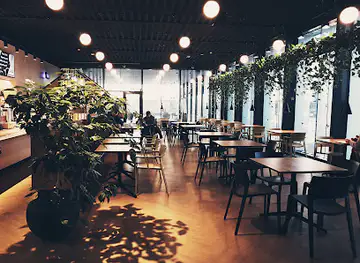
Tikupoiss
Experience authentic Estonian cuisine at Tikupoiss in Imavere – where local flavors come alive in every dish.

Valgehobusemäe Ski and Recreation Center
Experience thrilling winter sports and serene relaxation at Valgehobusemäe Ski and Recreation Center in Estonia's stunning Järva County.
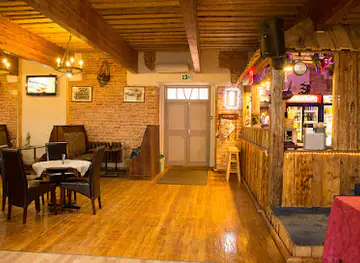
Kreisi Trahter
Experience the best of Estonian cuisine at Kreisi Trahter in Paide – where local flavors meet unforgettable moments.

Musta Täku Tall
Discover authentic Estonian cuisine at Musta Täku Tall in Jäneda—where rustic charm meets delicious local flavors.

Best bars in Järvamaa
Top-rated picks
Best Bars

Tikupoiss
Experience the flavors of Estonia at Tikupoiss in Imavere, where exceptional cuisine meets warm hospitality.

Meie Pubi
Discover the heart of Rapla at Meie Pubi, where traditional flavors and a vibrant atmosphere come together for an unforgettable experience.

Kreisi Trahter
Experience the heart of Estonian dining at Kreisi Trahter in Paide, where culinary traditions meet warm hospitality.

Põhjaka mõis
Discover the authentic taste of Estonia at Põhjaka Mõis, a charming restaurant offering local flavors in a historic manor setting.

Best nightclubs in Järvamaa
Top-rated picks
Best Nightclubs

MJClub
Experience the electrifying nightlife of Tallinn at MJClub, where the beats are as vibrant as the city itself.

Paparazzi
Experience the vibrant nightlife at Paparazzi, Tallinn's premier night club where every night is a celebration of music and dance.

Lokaal Kassa
Experience the vibrant nightlife of Pärnu at Lokaal Kassa, where unforgettable nights and electric beats await you.

Club Studio
Dive into Tallinn's nightlife at Club Studio, a premier night club with electrifying dancefloors and vibrant bars for an unforgettable experience.

Best shops in Järvamaa
Top-rated picks
Best Shops

Paide MaksiMarket
Explore local flavors and vibrant culture at Paide MaksiMarket, the heart of fresh produce in Järva County, Estonia.

Paide Selver
Explore the vibrant offerings of Paide Selver, a premier supermarket in Estonia, showcasing local products and fresh produce for every traveler.

Paide Ehituskeskus
Discover Paide Ehituskeskus: Your trusted tool store in Paide, Estonia, with a wide selection of high-quality equipment for all your DIY needs.

Paide Konsum
Explore Paide Konsum - the vibrant store at the heart of Paide, offering local delicacies and essentials for an authentic Estonian experience.

Explore Järvamaa on the Map
A handpicked selection of must-see spots in Järvamaa, mapped for you.
Järvamaa Essentials
-
Järvamaa is located in central Estonia. The nearest major international airport is Lennart Meri Tallinn Airport, approximately 90 kilometers to the northwest. From Tallinn, you can take a bus or a train to reach Järvamaa. The bus services are frequent and reliable, with the journey typically taking around 1.5 to 2 hours. Alternatively, you can rent a car and drive, which offers the flexibility to explore the countryside at your own pace.
-
Within Järvamaa, public transportation is mainly provided by buses, which connect the various towns and villages. Taxis are also available in larger towns. Renting a car is a convenient option for those looking to explore the region more thoroughly. Biking is another popular mode of transportation, especially during the warmer months, as the region is relatively flat and bike-friendly.
-
The official currency in Estonia is the Euro (EUR). Credit cards are widely accepted in hotels, restaurants, and larger shops. However, in smaller towns and rural areas, it is advisable to carry some cash. ATMs are available in larger towns like Paide and Türi. Ensure you have a sufficient amount of cash when traveling to more remote areas.
-
Järvamaa is generally a safe destination for tourists. As with any location, standard safety precautions should be taken. Avoid leaving valuables unattended and be cautious in crowded places. There are no specific high-crime areas targeting tourists in Järvamaa. Always stay aware of your surroundings and use common sense.
-
In case of emergency, dial 112 for immediate assistance, which connects you to police, fire, and medical services. Major towns like Paide and Türi have medical facilities and pharmacies where you can get help for minor health issues. It is advisable to have travel insurance that covers medical emergencies while traveling.
-
Fashion: Do dress in layers, especially during the colder months, as the weather can be unpredictable. Avoid overly revealing clothing. Religion: Do respect local customs and traditions. When visiting churches, dress modestly and behave respectfully. Public Transport: Do be courteous and offer your seat to elderly passengers. Don't eat or drink on public transport. Greetings: Do greet people with a handshake and maintain eye contact. A friendly smile goes a long way. Eating & Drinking: Do try local dishes and accept food offerings graciously. Don’t refuse hospitality, as it is considered impolite.
-
To experience Järvamaa like a local, visit the local markets where you can buy fresh produce and traditional Estonian goods. Engage with locals, as they are often friendly and willing to share stories about their culture and history. Don’t miss visiting the Paide Castle and the Türi Flower Festival. For a unique experience, take a hike in the Endla Nature Reserve, which offers stunning natural scenery and wildlife.
When is the best time to visit Järvamaa?
Useful Local Phrases for Järvamaa
You don't need to speak the language perfectly. Even learning a few simple words can make conversations warmer—and locals usually appreciate the effort.
— Eve

Here are the phrases I use most often in Järvamaa. Try a few—you'll be surprised how far they go! 😊
❤️
-
- HelloTere
[teh-reh] - GoodbyeHead aega
[head eye-gah] - YesJah
[yah] - NoEi
[ay] - Please/You're welcomePalun
[pah-loon] - Thank youAitäh
[eye-tah] - Excuse me/SorryVabandust
[vah-bahn-doost] - How are you?Kuidas sul läheb?
[koo-dahs sool leh-hehb] - Fine. And you?Hästi. Aga sina?
[hahs-tee. ah-gah see-nah?] - Do you speak English?Kas sa räägid inglise keelt?
[kahs sah rah-eh-gid een-glee-seh kelt?] - I don't understandMa ei saa aru
[mah ay zah ah-roo]
- HelloTere
-
- I'd like to see the menu, pleaseTahaksin näha menüüd, palun
[tah-hak-sin nah-hah meh-nuud, pah-loon] - I don't eat meatMa ei söö liha
[mah ay suh-eh lee-hah] - Cheers!Terviseks!
[ter-vee-seks] - I would like to pay, pleaseTahaksin maksta, palun
[tah-hak-sin mahk-stah, pah-loon]
- I'd like to see the menu, pleaseTahaksin näha menüüd, palun
-
- Help!Abi!
[ah-bee] - Go away!Mine ära!
[mee-neh eh-rah] - Call the Police!Kutsu politsei!
[koot-soo poh-leet-say] - Call a doctor!Kutsu arsti!
[koot-soo ahr-stee] - I'm lostMa olen kadunud
[mah oh-len kah-doo-nud] - I'm illMa olen haige
[mah oh-len high-geh]
- Help!Abi!
-
- I'd like to buy...Tahaksin osta...
[tah-hak-sin oh-stah] - I'm just lookingMa lihtsalt vaatlen
[mah liss-talt vaht-len] - How much is it?Kui palju see maksab?
[kwee pah-lee-yoo seh mahk-sahb?] - That's too expensiveSee on liiga kallis
[seh on lee-gah kah-lis] - Can you lower the price?Kas sa saad hinda alandada?
[kahs sah sahd hin-dah ah-lahn-dah?]
- I'd like to buy...Tahaksin osta...
-
- What time is it?Mis kell on?
[mees kehl on?] - It's one o'clockKell on üks
[kehl on uks] - Half past (10)Kell on pool (kümme)
[kehl on pool (kuh-meh)] - MorningHommik
[hohm-ik] - AfternoonPäev
[pah-ehv] - EveningÕhtu
[uh-h-too] - YesterdayEile
[ay-leh] - TodayTäna
[tah-nah] - TomorrowHomme
[hoh-meh] - 1Üks
[uks] - 2Kaks
[kahks] - 3Kolm
[kohlm] - 4Neli
[neh-lee] - 5Viis
[vees] - 6Kuus
[koos] - 7Seitsme
[sayts-meh] - 8Kaheksa
[kah-heks-ah] - 9Üheksa
[u-hek-sah] - 10Kümme
[kuh-meh]
- What time is it?Mis kell on?
-
- Where's a/the...?Kus on ...?
[koos on ...?] - What's the address?Mis on aadress?
[mees on ahd-res] - Can you show me (on the map)?Kas sa saad mulle näidata (kaardil)?
[kahs sah sahd moole nah-ee-dahtah (kahr-deel)?] - When's the next (bus)?Millal on järgmine (buss)?
[meel-lahl on yahrg-mee-neh (boos)?] - A ticket (to ....)Pilet (kuhu ...)
[pee-let (koo-hoo ...)]
- Where's a/the...?Kus on ...?
History of Järvamaa
-
Järvamaa's history dates back to prehistoric times, with evidence of ancient settlements found throughout the region. Archaeological finds such as stone tools, pottery, and burial mounds indicate that the area was inhabited by early Finno-Ugric tribes. These ancient communities were primarily engaged in hunting, fishing, and later, agriculture, which laid the foundation for the region's development.
-
During the 13th century, Järvamaa fell under the influence of the Livonian Order, a branch of the Teutonic Knights. The town of Paide, often referred to as 'Weissenstein' in German, became a significant stronghold. The Paide Castle, constructed in the 1260s, served as a pivotal military and administrative center. This period was marked by the establishment of Christian churches and the integration of the region into the broader medieval European trade networks.
-
Following the Livonian War, Järvamaa, along with the rest of Estonia, came under Swedish rule in the early 17th century. This era, known as the 'Good Old Swedish Time,' brought numerous administrative and educational reforms. The Swedish rulers implemented land reforms that improved the conditions of the peasantry and established schools, which increased literacy rates. The Swedish influence is still visible in the region's architecture and cultural practices.
-
The Great Northern War (1700-1721) saw Järvamaa become a battleground between Sweden and Russia. The Treaty of Nystad in 1721 resulted in Estonia becoming part of the Russian Empire. Under Russian rule, Järvamaa experienced significant changes, including the construction of new infrastructure and the introduction of Russian administrative practices. This period also saw the rise of local Estonian nationalism, laying the groundwork for future independence movements.
-
Järvamaa played a crucial role in the Estonian War of Independence (1918-1920). Local volunteers joined the fight against both Bolshevik and German forces. The Battle of Paju, one of the key battles during the war, saw significant participation from Järvamaa's residents. The successful defense and eventual victory in the war led to the establishment of the independent Republic of Estonia in 1920.
-
During World War II, Järvamaa experienced the turmoil of successive occupations by Soviet and Nazi German forces. The Soviet occupation, beginning in 1940, was marked by mass deportations and repression. The German occupation from 1941 to 1944 brought its own set of atrocities. After the war, Järvamaa was incorporated into the Soviet Union until Estonia regained its independence in 1991. This period left a lasting impact on the region's demographic and cultural landscape.
-
Since regaining independence in 1991, Järvamaa has undergone significant transformation. The region has focused on preserving its historical heritage while embracing modernization. Key historical sites have been restored, and new cultural institutions have been established. Järvamaa today is a vibrant area that celebrates its rich history through festivals, museums, and cultural events, attracting visitors from around the world.
Neighbouring Regions of Järvamaa
The closest regions to Järvamaa, if you have time for more than one.



Your all‑in‑one travel companion app
Explore expert travel guides, compare and book tours, experiences, hotels, and more—all from the palm of your hand. Download now for seamless trip planning wherever your wanderlust takes you.


Explore More of Estonia

Looking beyond Järvamaa? Discover Estonia for broader travel guides, local hot-spots, and regional highlights.
Explore EstoniaJärvamaa in Photos
Browse through our photo collection highlighting the charm and character of the destination.





Järvamaa: The Heart of Estonia's Natural Beauty and Culture
Nestled in the heart of Estonia, Järvamaa is a region that offers a blend of natural beauty, rich history, and vibrant culture. The rolling landscapes, dotted with forests, lakes, and rivers, make it a perfect destination for nature lovers and outdoor enthusiasts. Järvamaa's lush greenery and serene environment provide a peaceful retreat from the hustle and bustle of city life. The region is home to several historical landmarks, including ancient churches, manors, and museums that tell the story of Estonia's past. One must-visit site is the Paide Castle, a medieval fortress that offers stunning views of the surrounding area. Another highlight is the Järva-Jaani Old Equipment Museum, where visitors can explore a fascinating collection of vintage vehicles and machinery. Järvamaa is also known for its vibrant local festivals and events that showcase traditional Estonian culture. From folk music and dance performances to food festivals celebrating local cuisine, there's always something happening in Järvamaa to engage visitors. The local cuisine is a treat for the taste buds, with many restaurants offering delicious Estonian dishes made from fresh, locally-sourced ingredients.