

Free Rapla County Travel Guide & Mobile App
Explore Rapla County with free travel guides. Discover regional history, expert tips, proposed trips, and audio guides on web or mobile app.


Explore Rapla County in Estonia for bog trails, manor houses, hillforts, forest roads, village heritage and peaceful central-country landscapes.
Read more about Rapla County
When is the best time to visit Rapla County?
Best: June–August · 20–22°C| Month | High (°C) | Rainfall (mm) |
|---|---|---|
| January | 0 | 40 |
| February | 0 | 35 |
| March | 4 | 40 |
| April | 10 | 40 |
| May | 16 | 50 |
| June (best) | 20 | 60 |
| July (best) | 22 | 70 |
| August (best) | 21 | 70 |
| September | 15 | 60 |
| October | 10 | 50 |
| November | 4 | 50 |
| December | 1 | 50 |
Getting to and around Rapla County
How to get there
Transportation
Top city travel guides in Rapla County
The cities of Rapla County, and the easiest places to base yourself.
-

-

-


Swipe for more cities
Destinations in Rapla County
Resorts, valleys and scenic spots worth a trip of their own.
-

-


Swipe for more destinations
Best attractions in Rapla County
Rapla County's attractions are spread through a rural landscape of bogs, forests, farms and small settlements. Wetland walks at Mukri and in the wider Kõnnumaa landscape offer boardwalks, peatland vegetation and open views, while Paluküla Hiiemägi provides a higher, wooded setting for walking and seasonal recreation. The county's historical attractions include Varbola and Keava hillforts, whose earthworks convey the scale of pre-modern fortified settlements, as well as parish churches and manor estates around Rapla, Kohila, Juuru, Märjamaa and Vigala. Museums and heritage sites explore farming, village life and local industry, including the glassmaking history associated with Järvakandi and the rural collections of the Sillaotsa Farm Museum near Velise. Kohila's cultural institutions and manor surroundings add an industrial and estate perspective, while smaller villages reward visitors who travel slowly and look for wooden buildings, old avenues and community heritage. The area is also suitable for birdwatching, mushroom and berry landscapes, cycling on quiet roads and short nature walks, although conditions and access vary by season. Rapla County is less about a single headline attraction than about the connections between natural environments, historic landholding and everyday rural culture.
-
Tourist attraction
Mukri raba vaatetorn
Discover the breathtaking beauty of Mukri Raba Vaatetorn in Rapla County, Estonia, a must-visit destination for nature lovers and adventure seekers.
-
Observation deck
Hellemann Tower and Town Wall Walkway
Explore Tallinn's rich heritage at Hellemann Tower and the Town Wall Walkway, where stunning views meet medieval history in Estonia's picturesque capital.
-
Tourist attraction
Mukri nature trail
Discover the natural beauty of Mukri Nature Trail in Rapla County, Estonia, a perfect escape for hiking and wildlife enthusiasts.
-
Scenic spot
Pahkla Suurkivi
Discover Pahkla Suurkivi, a stunning natural landmark in Rapla County, where history and beauty converge in the heart of Estonia's landscapes.


Best landmarks in Rapla County
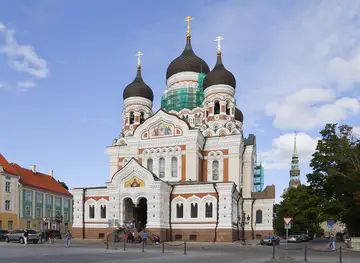
Rapla's church, with its distinctive twin towers and nineteenth-century architectural character, is one of the county's clearest visual landmarks and an important centre of local religious heritage. The medieval church at Märjamaa and the churches of Hageri, Juuru and Vigala reflect the historic parish network that shaped settlement across the region. Varbola Hillfort is a landmark of a different kind: its extensive earthworks represent the defensive power of an important early community, while Keava Hillfort preserves another elevated stronghold site in the eastern part of the county. Manor architecture adds further variety, with Tohisoo, Maidla, Ingliste and Vana-Vigala associated with estate buildings, parks and avenues, though their current uses and visitor access differ. Järvakandi's glassmaking heritage is represented by its industrial identity and glass museum tradition, connecting the county's rural setting with modern manufacturing. Natural landmarks are equally important: Mukri's raised bog, the wetland expanses of Kõnnumaa and the wooded rise of Paluküla Hiiemägi show how water, forest and glacial relief define Rapla County's appearance.
-
Historical landmark
Varbola linnus
Explore Varbola Linnus, a historical landmark in Estonia, where ancient ruins meet stunning natural beauty. Experience the rich medieval heritage of Rapla County.
-
Hiking area
Mukri nature trail
Discover the breathtaking Mukri Nature Trail in Rapla County, Estonia - a serene hiking area perfect for nature lovers and outdoor enthusiasts.
-
Live Music
Nõmme inn
Experience the lively ambiance of Nõmme Inn in Rapla County, where live music, delicious food, and memorable events come together in a charming setting.
-
Scenic spot
Pahkla Suurkivi
Explore Pahkla Suurkivi, a stunning natural monument in Rapla County, Estonia, where beauty, history, and tranquility converge in perfect harmony.


Explore Rapla County on the map
Plan your trip on one map. See where the top cities, national parks and sights are, and book hotels and experiences in a few clicks.
Best hotels in Rapla County
Best restaurants in Rapla County
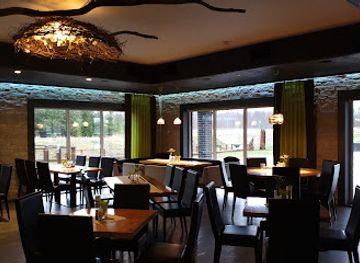
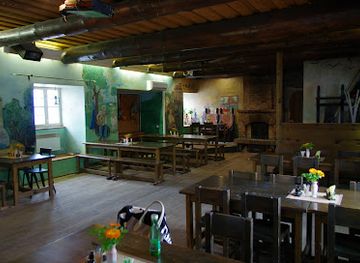
Dining in Rapla County reflects Estonia's northern climate and rural food traditions, with rye bread, potatoes, dairy products, pork, fish, berries, mushrooms and seasonal preserves appearing more often than highly regionalised signature dishes. Rapla, Kohila, Märjamaa and Järvakandi have the broadest choice of cafés, casual restaurants and everyday eateries, while rural manor settings and traditional pubs may offer a more leisurely meal when open. Local menus can include soups, baked goods, smoked or preserved foods and desserts using forest berries, though recipes vary from one establishment to another. Farmers' markets, village events and farm shops are useful places to look for honey, jams, bread and other Estonian produce. In summer, outdoor cafés and seasonal food stalls become more common, while travellers visiting bogs and hillforts should not expect refreshments at the site itself. Larger towns provide the safest options for dietary requirements, but it is sensible to explain needs clearly, particularly in smaller rural establishments.
-
Restaurant
Harakapesa
Discover Harakapesa: A delightful restaurant in Rapla County serving exquisite Estonian cuisine with a modern twist.
-
Fast Food
Pajuks OÜ
Discover delicious fast food delights at Pajuks OÜ in Vaimõisa – where quick bites meet local charm.
-
Restaurant
Arturi Trahter
Experience authentic Estonian cuisine at Arturi Trahter in Valtu – where tradition meets flavor in a cozy setting.
-
Restaurant
Krantsi Kõrts
Discover the idyllic charm of Krantsi Kõrts in Raplamaa – where delightful cuisine meets stunning nature and cozy accommodations.


Best bars in Rapla County
Rapla County has a modest evening scene centred on pubs, cafés, restaurant bars and community events rather than a concentrated nightclub district. Rapla and Kohila offer the greatest choice for an evening out, with local venues sometimes hosting live music, cultural programmes or seasonal gatherings. Märjamaa and Järvakandi have a more small-town character, while in villages and manor areas evening entertainment is often linked to community houses, concerts, dance events or occasional festivals. Traditional pubs remain relevant meeting places, but opening arrangements can change and rural venues may be quiet outside event times. Visitors interested in Estonian drinks can look for local beer, cider and non-alcoholic refreshments, while the county's forests and bogs mean that an early walk or a meal in a rural inn may be more characteristic than late-night clubbing. Arrange transport in advance if staying outside the main settlements, as rural public services do not cater for spontaneous late-night journeys.
-
Pub
Meie Pubi
Discover the authentic Estonian pub experience at Meie Pubi in Rapla, where local flavors and friendly faces await.
-
Pub
Ruut 66 Pub
Discover Ruut 66 Pub, a lively spot in Märjamaa offering local flavors, refreshing drinks, and a warm atmosphere for an authentic Estonian experience.
-
Restaurant
Arturi Trahter
Experience the authentic taste of Estonia at Arturi Trahter, a cozy restaurant in Valtu serving delicious local cuisine in a welcoming atmosphere.
-
Restaurant
Krantsi Kõrts
Discover the rustic charm and culinary delights of Krantsi Kõrts in Raplamaa, a perfect retreat for nature lovers and food enthusiasts alike.


Best nightclubs in Rapla County
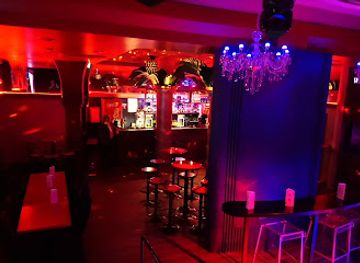
Rapla County has a modest evening scene centred on pubs, cafés, restaurant bars and community events rather than a concentrated nightclub district. Rapla and Kohila offer the greatest choice for an evening out, with local venues sometimes hosting live music, cultural programmes or seasonal gatherings. Märjamaa and Järvakandi have a more small-town character, while in villages and manor areas evening entertainment is often linked to community houses, concerts, dance events or occasional festivals. Traditional pubs remain relevant meeting places, but opening arrangements can change and rural venues may be quiet outside event times. Visitors interested in Estonian drinks can look for local beer, cider and non-alcoholic refreshments, while the county's forests and bogs mean that an early walk or a meal in a rural inn may be more characteristic than late-night clubbing. Arrange transport in advance if staying outside the main settlements, as rural public services do not cater for spontaneous late-night journeys.
-
Night club
MJClub
Discover the vibrant nightlife of Tallinn at MJClub, where electrifying music and an energetic crowd create unforgettable memories.
-
Bar
Karavani baar
Discover the lively atmosphere and local flavors of Karavani Baar, a charming bar in Rapla perfect for unwinding after your adventures.
-
Night club
Lokaal Kassa
Experience the vibrant nightlife of Pärnu at Lokaal Kassa, where music and dance come together for unforgettable nights.
-
Night club
Club Studio
Discover the pulsating nightlife of Tallinn at Club Studio, a vibrant night club with electrifying music and an unforgettable atmosphere.



Best shops in Rapla County
Shopping in Rapla County is primarily local and practical, with small-town high streets, independent businesses, supermarkets, cafés and occasional markets rather than large retail complexes. Rapla and Kohila offer the broadest everyday choice, while Märjamaa and Järvakandi are useful for regional errands and small independent shops. Look for Estonian foods such as rye bread, honey, preserves, berry products and locally made baked goods at markets, farm shops and seasonal events. Crafts may include textiles, knitwear, woodwork, ceramics and small decorative items, although availability varies by town and season. Järvakandi's association with glass makes glassware and glass-related heritage particularly relevant souvenirs when available through local cultural outlets. Manor events, community fairs and tourist sites can provide handmade goods, but they do not operate on a uniform daily schedule. Visitors seeking a wider range of designer brands or major shopping centres should use Tallinn, outside Rapla County, rather than expecting the county's rural towns to provide metropolitan retail.
-
Store
Rapla Konsum
Discover Rapla Konsum, the local store that captures the essence of Rapla, Estonia with fresh produce, local specialties, and a welcoming atmosphere.
-
Home goods store
Magaziin
Explore Magaziin in Rapla for unique home goods and exceptional local craftsmanship, perfect for enhancing your living space with Estonian charm.
-
Store
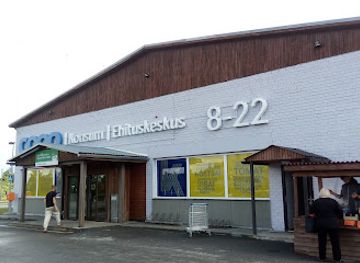
Jaama Konsum / Ehituskeskus
Discover the ultimate hardware shopping experience at Jaama Konsum / Ehituskeskus in Rapla, where quality meets convenience.
-
Shopping mall
Rappeli Shopping Center
Experience the heart of shopping and dining at Rappeli Shopping Center, a vibrant destination in Rapla, Estonia.



Get your free copy of our complete guide to Rapla County, delivered straight to you.
Everything on this page, from attractions and restaurants to essentials and local phrases, in one PDF you can read offline, print or share.
Already have an account? Sign in
Your Rapla County guide is ready.
We'll send it to · Not you? Sign out

Getting your guide ready…
We are putting together a fresh copy of the Rapla County guide. This can take up to a minute.
This can take a few moments. If your browser asks, choose Allow so the download can start. You'll find the guide in your Downloads folder.
Nothing happened? Download it again
Sorry, the guide is taking longer than usual. Please try again in a minute, or get it by email instead.
Rapla County essentials
Currency and Payment
Safety
Emergency Situations
Do's and Don'ts
Local Tips
From Eve
Local phrases worth knowing
You don't need to get them perfect. A few words go a long way, and locals appreciate the effort.
Basics
| English | Local | Say it |
|---|---|---|
| Hello | Tere | [teh-reh] |
| Goodbye | Nägemist | [nah-geh-mist] |
| Yes | Jah | [yah] |
| No | Ei | [ay] |
| Please/You're welcome | Palun | [pah-loon] |
| Thank you | Aitäh | [eye-tah] |
| Excuse me/Sorry | Vabandust | [vah-bahn-doost] |
| How are you? | Kuidas sul läheb? | [koo-id-as sul leh-heb] |
| Fine. And you? | Hästi. Ja sina? | [hahs-tee. yah see-nah] |
| Do you speak English? | Kas sa räägid inglise keelt? | [kahs sah rah-eeg-id een-glee-seh kelt] |
| I don't understand | Ma ei saa aru | [mah ay zah ah-roo] |
Eating & Drinking
| English | Local | Say it |
|---|---|---|
| I'd like to see the menu, please | Ma tahaksin menüüd näha, palun | [mah tah-hahks-in meh-nuh-d nah-hah, pah-loon] |
| I don't eat meat | Ma ei söö liha | [mah ay suh-lay heh] |
| Cheers! | Terviseks! | [ter-vee-seks] |
| I would like to pay, please | Ma tahaksin maksta, palun | [mah tah-hahks-in mahk-stah, pah-loon] |
Emergencies
| English | Local | Say it |
|---|---|---|
| Help! | Aita! | [eye-tah] |
| Go away! | Mine ära! | [mee-neh eh-rah] |
| Call the Police! | Kutsu politsei! | [koot-soo poh-lee-tsay] |
| Call a doctor! | Kutsu arst! | [koot-soo arst] |
| I'm lost | Ma olen kadunud | [mah oh-len kah-doo-nud] |
| I'm ill | Ma olen haige | [mah oh-len high-geh] |
Shopping
| English | Local | Say it |
|---|---|---|
| I'd like to buy... | Ma tahaksin osta... | [mah tah-hahks-in oh-stah] |
| I'm just looking | Ma lihtsalt vaatan | [mah leest-lat vah-tahn] |
| How much is it? | Kui palju see maksab? | [kwee pah-lyoo seh mahk-sahb] |
| That's too expensive | See on liiga kallis | [seh on lee-gah kah-lis] |
| Can you lower the price? | Kas sa saad hinda alandada? | [kahs sah sahd hin-dah ah-lahn-dah] |
Time & Numbers
| English | Local | Say it |
|---|---|---|
| What time is it? | Mis kell on? | [mis kel on] |
| It's one o'clock | Kell on üks | [kel on uks] |
| Half past (10) | Kell on pool (10) | [kel on pool (ten)] |
| Morning | Hommik | [hom-mik] |
| Afternoon | Päev | [pah-ev] |
| Evening | Õhtu | [uh-h-too] |
| Yesterday | Eile | [ay-leh] |
| Today | Täna | [tah-nah] |
| Tomorrow | Homme | [hohm-meh] |
| 1 | Üks | [uks] |
| 2 | Kaks | [kaks] |
| 3 | Kolm | [kolm] |
| 4 | Neli | [ne-lee] |
| 5 | Viis | [vees] |
| 6 | Kuus | [koos] |
| 7 | Seitsme | [sayts-meh] |
| 8 | Kaheksa | [kah-heks-ah] |
| 9 | Üheksa | [ue-heks-ah] |
| 10 | Kümme | [kuhm-meh] |
Transport & Directions
| English | Local | Say it |
|---|---|---|
| Where's a/the...? | Kus on ...? | [koos on ...?] |
| What's the address? | Mis on aadress? | [mis on ah-dress] |
| Can you show me (on the map)? | Kas sa saad mulle näidata (kaardil)? | [kahs sah sahd moo-leh nay-da-tah (kahr-deel)?] |
| When's the next (bus)? | Millal tuleb järgmine (buss)? | [mil-lahl too-leb yah-r-gmi-ne (boos)?] |
| A ticket (to ....) | Pilet (....-le) | [pee-let (....-leh)] |
History of Rapla County
Early settlement and sacred landscapes
The territory of present-day Rapla County has been occupied since prehistoric times, with settlement taking advantage of river valleys, forest margins and drier islands within the wetland landscape. Farming, hunting and movement across the region created a network of local communities long before modern administrative boundaries. Places such as hills, springs and groves could have religious significance, while archaeological finds across the county indicate changing patterns of settlement and trade in central Estonia.
Varbola and Keava hillforts
Varbola Hillfort, in present-day Märjamaa Parish, was among the most substantial fortified sites in medieval Estonia and probably flourished particularly during the eleventh and twelfth centuries. Its broad earthworks and enclosed area reflect the defensive needs of a wealthy and organised local community. Keava Hillfort, near the later settlement of Keava, is another important fortified site. Together they illustrate the political landscape of Estonia before and during the Northern Crusades.
Medieval parishes and the Livonian period
After the conquest and Christianisation of northern Estonia in the thirteenth century, the area was incorporated into the political structures of medieval Livonia. Parish churches and rural estates became important centres of administration, worship and landholding. The historic parishes of Rapla, Hageri, Juuru, Märjamaa and Vigala helped shape settlement patterns that remain recognisable today. Medieval routes linked inland communities with Tallinn and other regional markets.
Manor estates and agricultural society
From the late medieval period into the nineteenth century, manor estates organised much of the region's agricultural production and administration. Estates including Tohisoo, Maidla, Ingliste and Vana-Vigala controlled farms, forests and labour, while manor parks and estate buildings altered the appearance of the countryside. Estonian-speaking peasants formed the majority of the rural population, and the gradual changes in landholding during the nineteenth century laid foundations for later national and social transformation.
Religious and national change in the nineteenth century
The nineteenth century brought expanding literacy, parish education and the growth of Estonian national consciousness, alongside the administrative and cultural pressures of the Russian Empire. Lutheran churches remained prominent landmarks, while village societies, choirs and schools strengthened local communal life. The countryside was also affected by estate reforms and improvements in roads and communications. These developments connected Rapla County's rural communities to wider cultural movements in Estonia.
Railways, glass and paper industry
Improved transport in the late nineteenth and early twentieth centuries changed the county's relationship with Tallinn and other parts of Estonia. Railway connections supported the growth of settlements and the movement of agricultural goods and timber. Kohila became associated with paper manufacture, while Järvakandi developed a major glassmaking tradition during the twentieth century. These industries diversified an economy that had previously depended strongly on farming, forestry and manor-based agriculture.
Twentieth-century administrative transformation
Rapla became an important local centre during the twentieth century, particularly as Estonia's administrative and transport systems were reorganised. The county experienced the upheavals of independence, Soviet rule and the restoration of Estonian independence, with collectivised agriculture and industrial employment leaving a visible legacy in villages and towns. Contemporary Rapla County was re-established as an administrative county in the 1990s and is now defined by municipalities, rural communities and small urban centres.
Rapla County in Photos
Browse through our photo collection highlighting the charm and character of the destination.
Neighbouring regions of Rapla County
The closest regions to Rapla County, if you have time for more than one.
-

-
-

-

-


Swipe for more regions
Explore more

Explore more of Estonia
Discover Estonia: A perfect blend of medieval charm, modern innovation, and natural beauty in the heart of Northern Europe.
Explore Estonia