

Free Raplamaa Travel Guide & Mobile App
Explore Raplamaa with free travel guides. Discover regional history, expert tips, proposed trips, and audio guides on web or mobile app.


Explore Raplamaa in central Estonia for bog walks, manor heritage, village churches, rural museums and quiet landscapes between Tallinn and Pärnu.
Read more about Raplamaa
When is the best time to visit Raplamaa?
Best: June–August · 21–23°C| Month | High (°C) | Rainfall (mm) |
|---|---|---|
| January | 0 | 30 |
| February | 1 | 25 |
| March | 5 | 30 |
| April | 10 | 35 |
| May | 17 | 40 |
| June (best) | 21 | 50 |
| July (best) | 23 | 55 |
| August (best) | 22 | 50 |
| September | 17 | 45 |
| October | 12 | 40 |
| November | 6 | 35 |
| December | 2 | 30 |
Getting to and around Raplamaa
How to get there
Transportation
Top city travel guides in Raplamaa
The cities of Raplamaa, and the easiest places to base yourself.
-

-

-


Swipe for more cities
Destinations in Raplamaa
Resorts, valleys and scenic spots worth a trip of their own.
-

-
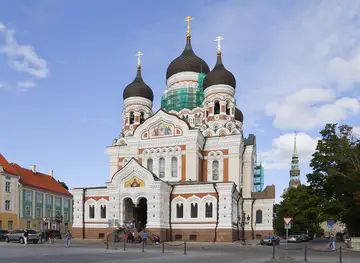


Swipe for more destinations
Best attractions in Raplamaa
Raplamaa’s attractions are dispersed through a countryside of bogs, forests, farms and small towns rather than concentrated in a single resort centre. The Mukri and Loosalu bogs provide marked walking routes and boardwalks through open peatland, pools and pine woodland, while the Kõnnumaa landscape offers further opportunities to experience central Estonia’s wetland environment. Historic churches in Rapla, Märjamaa, Hageri and Vigala reveal the county’s medieval parish network, and manor sites such as Kehtna, Atla and Hõreda introduce the architecture and social history of former estates. The Varbola hillfort is important for visitors interested in Estonia’s prehistoric and early medieval past. Local museums add a more intimate perspective: the Sillaotsa Farm Museum presents rural life and agricultural traditions, the Mahtra Peasant Museum interprets the 1858 uprising, and the Järvakandi Glass Museum explores the industrial history of glassmaking. Rapla’s cultural venues and concerts complement the outdoor and heritage sites, while quiet roads through Märjamaa, Juuru, Kehtna and Kohila make the journey between attractions part of the experience.
-
Observation deck
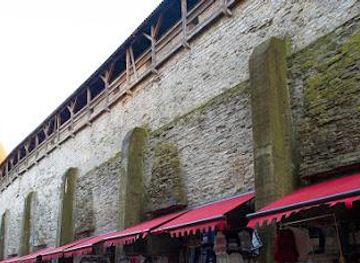
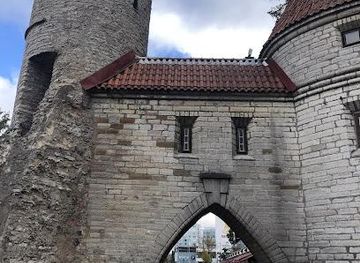
Hellemann Tower and Town Wall Walkway
Explore the majestic Hellemann Tower and Town Wall Walkway, a historic gem in Tallinn offering stunning views and a glimpse into Estonia's medieval past.
-
Tourist attraction
Pahkla Suurkivi
Discover the incredible Pahkla Suurkivi, a giant boulder in Estonia's Rapla County, surrounded by breathtaking nature and perfect for outdoor adventures.
-
Tour operator
Tallinn Free Tour
Discover Tallinn's rich history and vibrant culture on a captivating free walking tour through Estonia's enchanting capital.
-
Tourist attraction
Maarja-Magdaleena kirik
Discover the architectural beauty and serene atmosphere of Maarja-Magdaleena Kirik, a historical Lutheran church in Rapla County, Estonia.


Best landmarks in Raplamaa
Rapla’s limestone Church of St Mary Magdalene is one of the county’s defining architectural landmarks, with its substantial form reflecting the importance of the parish and the availability of local limestone. The churches of Märjamaa, Hageri and Vigala give other parts of Raplamaa a visible medieval and ecclesiastical identity, each set within a historic rural settlement rather than an urban cathedral quarter. Varbola hillfort is the county’s most significant archaeological landmark: its large earthworks evoke the defensive settlements of Estonia’s prehistoric and early medieval communities. The manor landscapes of Kehtna, Atla and Hõreda preserve another layer of regional history through estates, parks and agricultural settings, even where individual buildings have changed use or condition. In Järvakandi, the legacy of glassmaking is an industrial landmark of a different kind, linking a small town with Estonia’s twentieth-century manufacturing history. Wetland landscapes such as Mukri bog are also landmarks in geographical terms, demonstrating the scale and distinctiveness of Raplamaa’s peatlands.
-
Scenic spot
Pahkla Suurkivi
Explore the stunning Pahkla Suurkivi, a colossal glacial erratic stone in Rapla County, a perfect destination for nature lovers and outdoor adventurers.
-
Historical landmark
Lohu Jaanilinn
Experience the enchanting allure of Lohu Jaanilinn, a historical landmark in Rapla County, where nature and culture intertwine beautifully.
-
Tourist attraction
Kehtna Manor
Explore Kehtna Manor, a historical gem in Rapla County, showcasing stunning architecture and beautiful gardens for a serene getaway.
-
Tourist attraction
Raikküla Manor
Explore the enchanting Raikküla Manor, a historical landmark in Estonia's Rapla County, offering cultural experiences and serene landscapes for every traveler.


Explore Raplamaa on the map
Plan your trip on one map. See where the top cities, national parks and sights are, and book hotels and experiences in a few clicks.
Best hotels in Raplamaa
Best restaurants in Raplamaa
Dining in Raplamaa is rooted in Estonia’s broad rural food culture, with rye bread, potatoes, dairy products, pork, fish, forest berries, mushrooms and preserves appearing more often than highly formal regional specialities. Rapla, Kohila and Märjamaa have the widest choice of cafés, pubs and everyday restaurants, while smaller settlements may offer limited opening hours and a more local, informal atmosphere. Rural inns and farm-based venues sometimes focus on seasonal menus or produce from nearby gardens and forests, though availability changes with the time of year. Travellers may encounter familiar Estonian baked goods, soups, smoked foods and berry desserts alongside contemporary café cooking. Markets and farm shops, where operating, are useful places to look for black bread, honey, jams and seasonal produce. Estonia’s craft-beer and cider culture can also appear on drinks lists, but dining remains more important to the county’s evening life than elaborate restaurant districts.
-
Restaurant
Harakapesa
Discover authentic Estonian cuisine at Harakapesa in Urge – where tradition meets taste in a cozy setting.
-
Restaurant
Halinga Restoran, Halinga Pizza
Discover authentic Estonian cuisine at Halinga Restoran in Pärnu County – where every meal tells a story.
-
Fast Food
Pajuks OÜ
Discover delicious fast food at Pajuks OÜ in Vaimõisa—your perfect pitstop for local flavors and quick bites.
-
Restaurant
Arturi Trahter
Savor authentic Estonian flavors at Arturi Trahter in Valtu - where tradition meets taste in every dish.


Best bars in Raplamaa
Raplamaa has a modest evening scene shaped by pubs, cafés, hotel restaurants and community events rather than a large nightclub culture. Rapla is the main place to look for an evening meal, drinks or cultural programming, while Kohila, Märjamaa, Järvakandi and other larger settlements have local pubs and restaurants that may serve as social centres. Traditional Estonian beer, cider and spirits are available, but alcohol is not essential to experiencing the county. Live music, concerts and seasonal community events can provide a livelier evening than the everyday rural timetable, although programmes and opening arrangements vary. In smaller villages, evenings are generally quiet after dining hours, and visitors should plan transport in advance rather than assume that late public connections or taxis will be available.
-
Pub
Meie Pubi
Experience the heart of Estonian culture at Meie Pubi, a cozy pub in Rapla, offering delightful drinks and hearty local cuisine.
-
Bar
Mati House Pub
Discover the inviting atmosphere and diverse drink selection at Mati House Pub, a must-visit bar in Harju County for tourists and locals alike.
-
Pub
Ruut 66 Pub
Experience the warmth of Ruut 66 Pub in Märjamaa, where delicious food and a welcoming atmosphere await every visitor.
-
Restaurant
Arturi Trahter
Discover the essence of Estonian cuisine at Arturi Trahter, a cozy restaurant in the heart of Rapla County, offering delightful traditional dishes.


Best nightclubs in Raplamaa
Raplamaa has a modest evening scene shaped by pubs, cafés, hotel restaurants and community events rather than a large nightclub culture. Rapla is the main place to look for an evening meal, drinks or cultural programming, while Kohila, Märjamaa, Järvakandi and other larger settlements have local pubs and restaurants that may serve as social centres. Traditional Estonian beer, cider and spirits are available, but alcohol is not essential to experiencing the county. Live music, concerts and seasonal community events can provide a livelier evening than the everyday rural timetable, although programmes and opening arrangements vary. In smaller villages, evenings are generally quiet after dining hours, and visitors should plan transport in advance rather than assume that late public connections or taxis will be available.
-
Bar
Mill Bar
Discover the warm and inviting Mill Bar in Kohila, where local flavors and a cozy atmosphere await every tourist.
-
Bar
Loone villa
Explore the cozy ambiance of Loone Villa, a charming bar in Kohila, perfect for unwinding and enjoying local flavors in a friendly atmosphere.
-
Night club
MJClub
Unleash your night at MJClub, Tallinn's ultimate night club for an unforgettable party experience with electrifying music and vibrant ambiance.
-
Bar
Karavani baar
Experience the charm of Rapla at Karavani Baar, where local flavors and a cozy atmosphere come together for the perfect evening.


Best shops in Raplamaa
Shopping in Raplamaa is primarily local and practical, with the broadest choice found in Rapla and smaller high-street centres such as Kohila and Märjamaa. Independent shops, supermarkets, cafés and service businesses serve residents rather than forming a major destination retail scene. Visitors should look for farm produce, honey, preserves, rye bread and seasonal berries, together with Estonian handicrafts, woollen goods, ceramics or small artworks when available through local makers and cultural venues. Markets and community events can offer more direct contact with producers, but their dates and scale vary. Museum shops and craft outlets are useful for souvenirs linked to the county’s rural, glassmaking and historical identity. Antique and second-hand finds may appear in market towns, while Tallinn is the more suitable nearby destination for extensive designer or specialist shopping. Bring cash for occasional stalls and small rural sellers, even though most established retailers accept cards.
-
Supermarket
Rapla Selver
Explore Rapla Selver, a vibrant supermarket offering a wide selection of local Estonian products and everyday essentials in the heart of Rapla.
-
Store
Rapla Konsum
Explore the vibrant local shopping scene at Rapla Konsum in Estonia, where fresh produce and unique goods come together in a welcoming atmosphere.
-
Store
Jaama Konsum / Ehituskeskus
Experience local commerce at Jaama Konsum / Ehituskeskus, your one-stop hardware store in Rapla, where quality meets convenience.
-
Grocery store
Lemmiku pood
Experience the local charm and flavors at Lemmiku Pood, the grocery store that brings Märjamaa's best products to your fingertips.


Get your free copy of our complete guide to Raplamaa, delivered straight to you.
Everything on this page, from attractions and restaurants to essentials and local phrases, in one PDF you can read offline, print or share.
Already have an account? Sign in
Your Raplamaa guide is ready.
We'll send it to · Not you? Sign out

Getting your guide ready…
We are putting together a fresh copy of the Raplamaa guide. This can take up to a minute.
This can take a few moments. If your browser asks, choose Allow so the download can start. You'll find the guide in your Downloads folder.
Nothing happened? Download it again
Sorry, the guide is taking longer than usual. Please try again in a minute, or get it by email instead.
Raplamaa essentials
Currency and Payment
Safety
Emergency Situations
Do's and Don'ts
Local Tips
From Eve
Local phrases worth knowing
You don't need to get them perfect. A few words go a long way, and locals appreciate the effort.
Basics
| English | Local | Say it |
|---|---|---|
| Hello | Tere | [teh-reh] |
| Goodbye | Head aega | [head eye-gah] |
| Yes | Jah | [yah] |
| No | Ei | [ay] |
| Please/You're welcome | Palun | [pah-loon] |
| Thank you | Aitäh | [eye-tah] |
| Excuse me/Sorry | Vabandage | [vah-bahn-dah-geh] |
| How are you? | Kuidas sul läheb? | [kwee-dahs sul leh-heh-b?] |
| Fine. And you? | Hästi. Aga sina? | [hahs-tee. ah-gah see-nah?] |
| Do you speak English? | Kas te räägite inglise keelt? | [kahs teh reh-ee-gih-teh ing-lee-seh kehlt?] |
| I don't understand | Ma ei saa aru | [mah ay zah ah-roo] |
Eating & Drinking
| English | Local | Say it |
|---|---|---|
| I'd like to see the menu, please | Ma tahaksin menüüd näha, palun | [mah tah-hahk-seen meh-noo-d nah-hah, pah-loon] |
| I don't eat meat | Ma ei söö liha | [mah ay suh-eh lee-hah] |
| Cheers! | Terviseks! | [tehr-vih-seks] |
| I would like to pay, please | Ma tahaksin maksta, palun | [mah tah-hahk-seen mahk-stah, pah-loon] |
Emergencies
| English | Local | Say it |
|---|---|---|
| Help! | Aita! | [eye-tah] |
| Go away! | Mine ära! | [mee-neh er-rah] |
| Call the Police! | Kutsu politsei! | [koot-soo poh-liht-sei] |
| Call a doctor! | Kutsu arst! | [koot-soo ahrst] |
| I'm lost | Ma olen kadunud | [mah oh-len kah-doo-nud] |
| I'm ill | Ma olen haige | [mah oh-len hi-geh] |
Shopping
| English | Local | Say it |
|---|---|---|
| I'd like to buy... | Ma tahaksin osta... | [mah tah-hahk-seen oh-stah] |
| I'm just looking | Ma lihtsalt vaatan | [mah leest-lt vah-tahn] |
| How much is it? | Kui palju see maksab? | [kwee pah-lyoo seh mahk-sahb?] |
| That's too expensive | See on liiga kallis | [seh on lee-gah kah-lis] |
| Can you lower the price? | Kas te saaksite hinda alandada? | [kahs teh sahk-see-teh hin-dah ah-lahn-dah?] |
Time & Numbers
| English | Local | Say it |
|---|---|---|
| What time is it? | Mis kell on? | [mis kel on?] |
| It's one o'clock | Kell on üks | [kel on yuks] |
| Half past (10) | Pool (10) | [pool (10)] |
| Morning | Hommik | [hom-meek] |
| Afternoon | Pärastlõuna | [pah-rahst-loo-nah] |
| Evening | Õhtu | [uh-thoo] |
| Yesterday | Eile | [eye-leh] |
| Today | Täna | [tah-nah] |
| Tomorrow | Homme | [hom-meh] |
| 1 | Üks | [uuks] |
| 2 | Kaks | [kahks] |
| 3 | Kolm | [kolm] |
| 4 | Neli | [neh-lee] |
| 5 | Viis | [vees] |
| 6 | Kuus | [koos] |
| 7 | Seitsme | [saye-ts-meh] |
| 8 | Kaheksa | [kah-heh-k-sah] |
| 9 | Üheksa | [u-heh-k-sah] |
| 10 | Kümme | [küm-meh] |
Transport & Directions
| English | Local | Say it |
|---|---|---|
| Where's a/the...? | Kus on...? | [koos on...?] |
| What's the address? | Mis on aadress? | [mis on ah-dress?] |
| Can you show me (on the map)? | Kas sa saad mulle (kaardil) näidata? | [kahs sah zahd moo-leh (kaar-deel) nah-ee-dah-tah?] |
| When's the next (bus)? | Millal on järgmine (buss)? | [mil-lahl on yahr-gih-meh (bus)?] |
| A ticket (to ....) | Pilet (....-le) | [pee-let (....-leh)] |
History of Raplamaa
Prehistoric settlement and Varbola Hillfort
Raplamaa’s rivers, forests and relatively accessible limestone country supported settlement long before written records. The Varbola hillfort near Märjamaa is the clearest reminder of this early landscape: its earthworks and defensive position illustrate the organisation of communities in Estonia’s late prehistoric and early medieval period. Varbola later became associated with the wider political struggles surrounding the conquest of Estonia, but its main importance for visitors is archaeological. The site shows how settlements used raised ground, timber defences and surrounding wetlands for protection.
Medieval churches and Livonian rule
After the conquest and Christianisation of northern Estonia in the thirteenth century, Raplamaa was incorporated into the political and religious structures of medieval Livonia. Parish churches at places including Rapla, Märjamaa, Hageri and Vigala became enduring centres of settlement, worship and administration. Their limestone construction reflects the local building environment and the influence of medieval ecclesiastical architecture. Although later rebuilding altered many structures, the churches and surrounding graveyards remain among the region’s most substantial visible links with the medieval period.
Manor estates and rural administration
From the early modern period until Estonia’s independence, much of Raplamaa was organised through manor estates, many controlled by Baltic German landowners. Estates such as Kehtna, Atla and Hõreda administered farmland, forests and tenant labour, while villages and farmsteads developed around them. Manor buildings, parks, avenues and agricultural landscapes still appear across the county, though preservation and public access vary. This system deeply influenced local settlement patterns and social relations, particularly the distinction between estate owners and the Estonian-speaking rural population.
The Mahtra War of 1858
The Mahtra War was a major peasant uprising in Juuru parish during 1858, when local farmers resisted the implementation of new obligations and working arrangements under the Russian Empire’s reforms. The confrontation between peasants and imperial authorities became one of the best-known nineteenth-century rural conflicts in Estonia. Its name refers to Mahtra, where the decisive clash took place. The Mahtra Peasant Museum and memorial landscape preserve the event’s local memory and help explain the tensions surrounding estate labour, law and rural reform.
Independence, land reform and new rural ownership
Estonia’s independence in 1918 brought a major transformation to Raplamaa. The land reform of the early twentieth century broke up much of the old manor system and created new farms for Estonian cultivators, changing both social relations and the appearance of the countryside. Former manor buildings acquired new functions as schools, public offices or other institutions, while independent farmsteads became central to local identity. The period also strengthened Estonian-language cultural and civic life in the county’s towns and parishes.
Industry, glassmaking and the Soviet period
The twentieth century added industrial layers to Raplamaa’s predominantly agricultural economy. Järvakandi became particularly associated with glassmaking, an industry that shaped employment and settlement in the town and is now interpreted through the Järvakandi Glass Museum. Rail connections and improved roads also tied the county more closely to Tallinn and other parts of Estonia. During the Soviet period, farms were collectivised and rural administration was reorganised, leaving physical and social traces that form part of the county’s contemporary historical landscape.
Raplamaa in Photos
Browse through our photo collection highlighting the charm and character of the destination.
Neighbouring regions of Raplamaa
The closest regions to Raplamaa, if you have time for more than one.
-

-
-

-

-


Swipe for more regions
Explore more

Explore more of Estonia
Discover Estonia: A perfect blend of medieval charm, modern innovation, and natural beauty in the heart of Northern Europe.
Explore Estonia