

Free Jõgevamaa Travel Guide & Mobile App
Explore Jõgevamaa with free travel guides. Discover regional history, expert tips, proposed trips, and audio guides on web or mobile app.


Explore Jõgevamaa for Peipsi lakeside villages, Põltsamaa Castle, bog trails, manor landscapes and the literary heritage of rural Estonia.
Read more about Jõgevamaa
When is the best time to visit Jõgevamaa?
Best: June–August · 21–22°C| Month | High (°C) | Rainfall (mm) |
|---|---|---|
| January | -1 | 40 |
| February | 0 | 35 |
| March | 5 | 40 |
| April | 11 | 45 |
| May | 17 | 50 |
| June (best) | 21 | 60 |
| July (best) | 22 | 70 |
| August (best) | 21 | 70 |
| September | 16 | 60 |
| October | 10 | 55 |
| November | 4 | 50 |
| December | 1 | 45 |
Getting to and around Jõgevamaa
How to get there
Transportation
Top city travel guides in Jõgevamaa
The cities of Jõgevamaa, and the easiest places to base yourself.
-

-


Swipe for more cities
Destinations in Jõgevamaa
Resorts, valleys and scenic spots worth a trip of their own.

Swipe for more destinations
Best attractions in Jõgevamaa
Jõgevamaa’s attractions are spread across a rural landscape rather than concentrated in one large city. Põltsamaa Castle is the county’s leading heritage complex, combining medieval fortification remains with later architectural layers, churches and a riverside setting. In Palamuse, the parish-school museum introduces visitors to the world associated with Oskar Luts and the novel Kevade. Jõgeva offers literary and local-history institutions, while Kuremaa brings together a lake, manor setting and opportunities for seasonal outdoor recreation. Endla Nature Reserve is important for its bogs, springs, forests and wetland habitats, with marked routes where access is permitted. The eastern side of the county has a markedly different character: Mustvee and the Peipsi villages invite exploration of lakeside culture, Old Believer heritage and fishing traditions. Smaller churches, manor parks, hillfort sites and village landscapes reward visitors travelling slowly by car or bicycle. Swimming, walking, birdwatching and cross-country outdoor activities are seasonal, and conditions on nature trails can be wet even in summer.
-
Tourist attraction
Estonian National Museum
Explore Estonia's rich culture and history at the Estonian National Museum in Tartu, featuring interactive exhibits and a unique architectural design.
-
Tourist attraction
Tagurpidi Maja (Peapeal OÜ)
Experience the upside-down wonder of Tagurpidi Maja in Tartu, where imagination meets architecture in a playful and engaging environment.
-
Tourist attraction
Botanical Garden of the University of Tartu
Discover the Botanical Garden of the University of Tartu - a serene oasis filled with diverse flora, offering a tranquil escape in the heart of Tartu, Estonia.
-
Tourist attraction
Lotte Village Theme Park
Discover the magic of family fun at Lotte Village Theme Park, where adventure and imagination come to life in Estonia's enchanting setting.


Best landmarks in Jõgevamaa
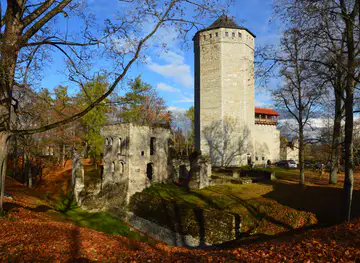
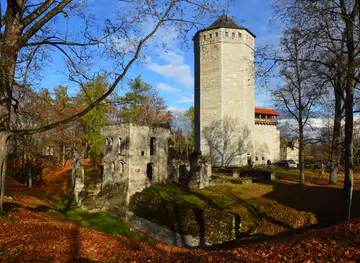
Põltsamaa Castle is Jõgevamaa’s most recognisable historic structure, its surviving walls and buildings marking the town’s importance as a medieval stronghold and the temporary court of Duke Magnus during the Livonian War. The castle area is complemented by the historic churches of Põltsamaa and the river that helped shape the settlement. In Palamuse, the former parish-school buildings have national literary significance through their connection with Oskar Luts and Kevade. The Old Believer prayer houses and village streets around Raja and Kükita express the distinctive religious and architectural heritage of the Peipsi shore, where settlement traditions differ from inland Estonia. Kuremaa Manor and its park provide a contrasting example of estate architecture and rural administration. For natural landmarks, the wetlands and bog landscapes of Endla Nature Reserve are more important than monumental scenery: springs, peatlands and forest margins reveal the ecological character of central-eastern Estonia. Kassinurme’s hillfort landscape also evokes the region’s much older settlement history.
-
Tourist attraction
Kuremaa Manor
Discover the elegance and history of Kuremaa Manor, a beautiful tourist attraction in Jõgeva County, Estonia, surrounded by stunning natural landscapes.
-
Tourist attraction
Kalevipoja Koda / Muuseum
Explore the rich folklore and adventure at Kalevipoja Koda, a cultural museum in Jõgeva County, Estonia, perfect for tourists seeking unique experiences.
-
Municipal Department of Tourism
Kuremaa Veski
Explore Kuremaa Veski, a picturesque Estonian tourist attraction in Jõgeva County, where culture, nature, and history meet.
-
Museum
Pommiauk Jõgeva Militaarmuuseum
Discover the rich military history of Estonia at Pommiauk Jõgeva Militaarmuuseum, a hidden gem in Jõgeva showcasing fascinating exhibits and artifacts.


Explore Jõgevamaa on the map
Plan your trip on one map. See where the top cities, national parks and sights are, and book hotels and experiences in a few clicks.
Best hotels in Jõgevamaa
Best restaurants in Jõgevamaa
Dining in Jõgevamaa reflects Estonia’s agricultural interior and the food culture of Lake Peipus. In Jõgeva, Põltsamaa and Mustvee, visitors will find cafés, restaurants and traditional pub-style places serving familiar Estonian cooking alongside contemporary European dishes. Local produce may include rye bread, potatoes, dairy products, woodland berries, mushrooms, preserves and seasonal vegetables. Near the Peipsi shore, smoked or otherwise prepared freshwater fish and the area’s distinctive onion-growing tradition are particularly relevant to the regional food identity, although availability varies by season and establishment. Farm shops and small roadside stalls can offer berries, honey, baked goods or preserves, while market days provide a more direct connection with local producers. Põltsamaa has historical associations with food and wine production, and Estonian fruit wines or berry-based drinks may appear in regional offerings. Dining outside the main towns is limited, so visitors touring the countryside should check arrangements in advance and avoid assuming that every village has an open restaurant.
-
Armenian
Armeenia Köök Soso Juures
Discover authentic Armenian flavors at Armeenia Köök Soso Juures in Viljandi – where every meal is a celebration of culture.
-
Family-friendly
Tegelaste Tuba
Experience authentic Estonian cuisine at Tegelaste Tuba - a family-friendly pub in Viljandi offering delicious meals and local drinks.
-
Restaurant
Rohelise Maja pood ja kohvik
Experience authentic Estonian cuisine at Rohelise Maja pood ja kohvik - where local flavors meet cozy ambiance.
-
Restaurant
VoVa Vorstid & Vahvlid KÖÖK & BAAR
Discover the essence of Estonian cuisine at VoVa Vorstid & Vahvlid KÖÖK & BAAR in Pärnu – where tradition meets taste.


Best bars in Jõgevamaa
Nightlife in Jõgevamaa is modest and locally focused rather than built around a large club scene. Jõgeva and Põltsamaa have the broadest choice of cafés, pubs and evening restaurants, while Mustvee offers seasonal lakeside activity and a small-town evening atmosphere. Traditional pubs and hotel bars are more common than dedicated nightclubs, and live music or community events may take place intermittently rather than on a fixed tourist schedule. In rural areas, evenings are generally centred on accommodation, dining and quiet walks rather than late-night entertainment. Estonia’s craft-beer culture can be encountered through selected bars and food venues, but the county is not primarily a brewery-tour destination. Visitors should check current opening arrangements, particularly outside summer, and arrange transport before drinking because villages and nature areas have limited late-night public transport.
-
Shopping mall
Pae Keskus
Explore the vibrant Pae Keskus in Jõgeva, offering a variety of shops, dining, and local goods in a welcoming atmosphere.
-
Bar
NAIIV Tartu
Experience the vibrant nightlife of Tartu at NAIIV – a cultural bar blending art, cocktails, and live music in a unique atmosphere.
-
Bar
Hullava Naise pubi
Experience the best of local hospitality at Hullava Naise Pub in Põltsamaa, where great drinks and warm atmosphere await.
-
Bar
Imavere Tavern
Discover Imavere Tavern in Järvamaa - a cozy bar offering delicious local cuisine and affordable prices, perfect for a unique dining experience.


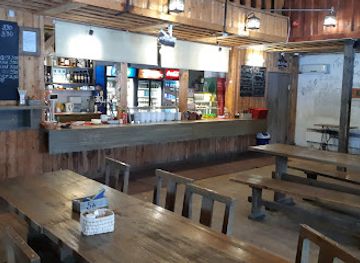
Best nightclubs in Jõgevamaa
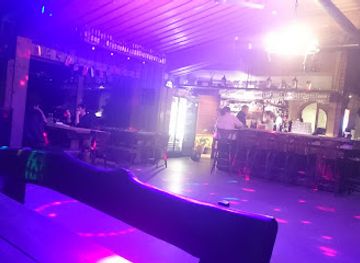
Nightlife in Jõgevamaa is modest and locally focused rather than built around a large club scene. Jõgeva and Põltsamaa have the broadest choice of cafés, pubs and evening restaurants, while Mustvee offers seasonal lakeside activity and a small-town evening atmosphere. Traditional pubs and hotel bars are more common than dedicated nightclubs, and live music or community events may take place intermittently rather than on a fixed tourist schedule. In rural areas, evenings are generally centred on accommodation, dining and quiet walks rather than late-night entertainment. Estonia’s craft-beer culture can be encountered through selected bars and food venues, but the county is not primarily a brewery-tour destination. Visitors should check current opening arrangements, particularly outside summer, and arrange transport before drinking because villages and nature areas have limited late-night public transport.
-
Bar
Genialists' Club
Experience the vibrant culture and nightlife at Genialists' Club, Tartu's premier bar and cultural center for arts and community events.
-
Bar
German Pub
Unwind at Jõgeva's German Pub, where authentic cuisine and a lively atmosphere await every visitor.
-
Night club
Lokaal Kassa
Experience the electrifying nightlife at Lokaal Kassa, Pärnu's premier night club, where unforgettable memories are made every weekend.
-
Night club
VABANK Club - Ööklubi Tartus
Dive into Tartu's nightlife at VABANK Club, where music, dance, and vibrant energy collide for an unforgettable experience.


Best shops in Jõgevamaa
Shopping in Jõgevamaa centres on practical town services, local food and small-scale regional products rather than extensive retail districts. Jõgeva and Põltsamaa have the widest selection of everyday shops, cafés and independent businesses, while Mustvee is a useful stop for exploring Peipsi-coast produce and local crafts. Market stalls and farm shops may offer onions, smoked fish, honey, preserves, berries, mushrooms, rye products and seasonal vegetables, but availability depends on time of year and location. Visitors interested in Estonia’s rural heritage can look for handmade textiles, woodwork, ceramics, candles and small artworks in local craft outlets or museum shops. Palamuse and Põltsamaa are appropriate places to find literature, historical souvenirs and locally themed gifts connected with the county’s cultural heritage. Shopping hours and market activity can be limited in villages, so buy food and supplies in the main towns before travelling to nature reserves or remote lakeside areas.
-
Shopping mall
Pae Keskus
Explore Pae Keskus, a diverse shopping hub in Jõgeva offering everything from groceries to pizza, perfect for travelers of all kinds.
-
Produce market
Pae Konsum
Explore the vibrant Pae Konsum in Jõgeva, Estonia, for fresh produce, local delicacies, and a taste of Estonian culture.
-
Supermarket
Jõgeva Selver
Explore local flavors and global goods at Jõgeva Selver, a premier supermarket in the heart of Estonia.
-
Supermarket
Jõgeva Maxima
Experience the local flavors of Estonia at Jõgeva Maxima, your one-stop grocery destination for fresh produce and traditional snacks.


Get your free copy of our complete guide to Jõgevamaa, delivered straight to you.
Everything on this page, from attractions and restaurants to essentials and local phrases, in one PDF you can read offline, print or share.
Already have an account? Sign in
Your Jõgevamaa guide is ready.
We'll send it to · Not you? Sign out

Getting your guide ready…
We are putting together a fresh copy of the Jõgevamaa guide. This can take up to a minute.
This can take a few moments. If your browser asks, choose Allow so the download can start. You'll find the guide in your Downloads folder.
Nothing happened? Download it again
Sorry, the guide is taking longer than usual. Please try again in a minute, or get it by email instead.
Jõgevamaa essentials
Currency and Payment
Safety
Emergency Situations
Do's and Don'ts
Local Tips
From Eve
Local phrases worth knowing
You don't need to get them perfect. A few words go a long way, and locals appreciate the effort.
Basics
| English | Local | Say it |
|---|---|---|
| Hello | Tere | [te-re] |
| Goodbye | Head aega | [hed ai-ka] |
| Yes | Jah | [yah] |
| No | Ei | [ay] |
| Please/You're welcome | Palun | [pah-lun] |
| Thank you | Aitäh | [ai-tah] |
| Excuse me/Sorry | Vabandust | [vah-bahn-dust] |
| How are you? | Kuidas sul läheb? | [kwee-das sul leh-hab] |
| Fine. And you? | Hästi. Ja sina? | [hahs-ti. yah si-na] |
| Do you speak English? | Kas sa räägid inglise keelt? | [kas sah rah-eegid ing-lise kelt] |
| I don't understand | Ma ei saa aru | [mah ay zah ah-roo] |
Eating & Drinking
| English | Local | Say it |
|---|---|---|
| I'd like to see the menu, please | Tahaksin menüüd näha, palun | [tah-aks-in meh-nuud nah-hah, pah-lun] |
| I don't eat meat | Ma ei söö liha | [mah ay suh li-ha] |
| Cheers! | Terviseks! | [ter-vee-seks] |
| I would like to pay, please | Tahaksin maksta, palun | [tah-aks-in mak-stah, pah-lun] |
Emergencies
| English | Local | Say it |
|---|---|---|
| Help! | Abi! | [ah-bee] |
| Go away! | Mine ära! | [mee-neh eh-rah] |
| Call the Police! | Kutsu politsei! | [koot-soo poh-lit-sei] |
| Call a doctor! | Kutsu arsti! | [koot-soo ahr-stee] |
| I'm lost | Ma olen eksinud | [mah oh-len eks-ee-nud] |
| I'm ill | Ma olen haige | [mah oh-len hai-geh] |
Shopping
| English | Local | Say it |
|---|---|---|
| I'd like to buy... | Tahaksin osta... | [tah-aks-in os-tah] |
| I'm just looking | Ma lihtsalt vaatan | [mah leess-tah va-tan] |
| How much is it? | Kui palju see maksab? | [kwee pal-yoo seh mak-sahb] |
| That's too expensive | See on liiga kallis | [seh on lee-gah kal-lis] |
| Can you lower the price? | Kas sa saad hinda alandada? | [kas sah sahd hin-dah ah-lan-dah] |
Time & Numbers
| English | Local | Say it |
|---|---|---|
| What time is it? | Mis kell on? | [mis kel on] |
| It's one o'clock | Kell on üks | [kel on uks] |
| Half past (10) | Pool (10) | [pool (ten)] |
| Morning | Hommik | [hom-mik] |
| Afternoon | Päev | [pah-ev] |
| Evening | Õhtu | [uh-thu] |
| Yesterday | Eile | [ay-le] |
| Today | Täna | [tah-nah] |
| Tomorrow | Homme | [hom-meh] |
| 1 | Üks | [uks] |
| 2 | Kaks | [kaks] |
| 3 | Kolm | [kolm] |
| 4 | Neli | [neh-li] |
| 5 | Viis | [vees] |
| 6 | Kuus | [koos] |
| 7 | Seitsme | [sayts-me] |
| 8 | Kaheksa | [kah-heks-ah] |
| 9 | Üheksa | [ue-heks-ah] |
| 10 | Kümme | [küm-meh] |
Transport & Directions
| English | Local | Say it |
|---|---|---|
| Where's a/the...? | Kus on ...? | [koos on ...?] |
| What's the address? | Mis on aadress? | [mis on aa-dress] |
| Can you show me (on the map)? | Kas sa saad mulle näidata (kaardil)? | [kas sah sahd mu-leh nai-da-ta (kar-dil)] |
| When's the next (bus)? | Millal tuleb järgmine (buss)? | [mil-lal too-leb yairg-meen (boos)?] |
| A ticket (to ....) | Pilet (....-le) | [pee-let (....-leh)] |
History of Jõgevamaa
Early Settlement and Ancient Landscapes
The territory of present-day Jõgevamaa has long been shaped by forests, rivers, wetlands and routes linking central Estonia with Lake Peipus. Archaeological evidence from the wider region records prehistoric settlement and farming, while hillforts such as Kassinurme reflect the defensive and communal landscapes of Iron Age Estonia. The area was not an isolated frontier: waterways and overland routes connected local communities with neighbouring parts of Estonia and the eastern Baltic. Many later settlements developed near river crossings, fertile land or transport routes established over much older patterns of movement.
Medieval Orders and Põltsamaa Castle
During the medieval period, eastern and central Estonia was incorporated into the political framework of Livonia, and fortified sites became important centres of authority. Põltsamaa developed around a stronghold and later castle complex on the Põltsamaa River, while churches, manors and villages extended the network of local administration. The region experienced the shifting rule and warfare that affected Livonia, including conflicts involving German, Danish, Polish-Lithuanian, Swedish and Russian powers. Surviving ruins, churches and settlement patterns preserve parts of this complicated medieval and early modern legacy.
Põltsamaa and the Kingdom of Livonia
In the sixteenth century, during the Livonian War, Põltsamaa became associated with Duke Magnus of Holstein, who was proclaimed King of Livonia under Russian backing in 1570. His court was based at Põltsamaa for a period, giving the settlement unusual political importance in a region otherwise dominated by war and territorial rivalry. The kingdom was short-lived and did not create an enduring independent state, but the episode remains one of Põltsamaa’s most distinctive historical associations. The castle complex and later buildings help visitors understand how local strongholds could become temporary centres of wider power.
Swedish Rule, Manors and Rural Administration
After the Livonian conflicts, much of the region came under Swedish rule before Estonia was incorporated into the Russian Empire in the early eighteenth century. The manor system became a major force in the countryside, organising agriculture, forests and local administration around estates such as Kuremaa and other manor centres. Although manor ownership and buildings changed over time, the spatial pattern of parkland, farmsteads and roads remains visible in parts of Jõgevamaa. Churches and parish settlements also served as important institutions in rural life, education and record-keeping.
National Awakening and the Growth of Railways
The nineteenth century brought stronger cultural and educational networks among Estonian-speaking communities. Literacy, parish schools, local associations and the press helped develop the national movement that eventually led to Estonian independence. The railway linking Tallinn and Tartu, opened in the late nineteenth century, transformed the region’s connections and contributed to the growth of Jõgeva as a settlement and transport centre. Rail access supported trade, commuting and the movement of agricultural produce, while market towns such as Põltsamaa continued to serve surrounding villages.
Palamuse and Estonia’s Literary Memory
Palamuse is closely linked with writer Oskar Luts, whose novel Kevade portrayed schoolchildren and rural life in an Estonian parish community. Luts studied at the local parish school, and the building now associated with the Palamuse Museum has become an important place in Estonia’s literary and educational heritage. The story is not simply a record of one village, but a widely recognised cultural interpretation of childhood, schooling and social relationships in late nineteenth-century Estonia. Palamuse’s heritage gives Jõgevamaa a strong connection with the country’s national literary imagination.
Occupation, War and Restored Independence
Like the rest of Estonia, Jõgevamaa endured the upheavals of the Second World War and the successive German and Soviet occupations. Rural communities were affected by mobilisation, displacement, political repression and the post-war Soviet reorganisation of agriculture. Collectivisation altered the economic structure of villages, while railway and agricultural institutions continued to shape local life. After Estonia restored its independence in 1991, the region adapted to a market economy and new administrative arrangements. Today, its museums, memorials, churches and changing rural landscapes provide points of entry to this difficult twentieth-century history.
Jõgevamaa in Photos
Browse through our photo collection highlighting the charm and character of the destination.
Neighbouring regions of Jõgevamaa
The closest regions to Jõgevamaa, if you have time for more than one.
-

-

-

-
-


Swipe for more regions
Explore more

Explore more of Estonia
Discover Estonia: A perfect blend of medieval charm, modern innovation, and natural beauty in the heart of Northern Europe.
Explore Estonia