

Free Järva County Travel Guide & Mobile App
Explore Järva County with free travel guides. Discover regional history, expert tips, proposed trips, and audio guides on web or mobile app.


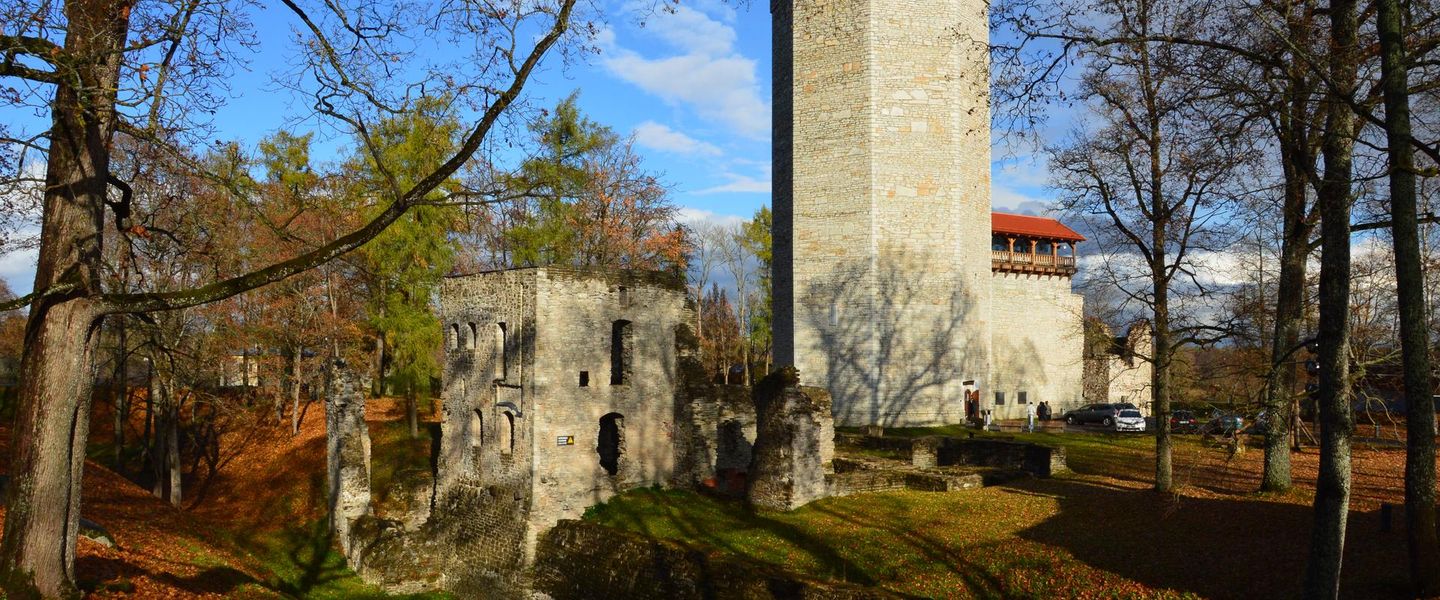


Järva County brings together Paide’s medieval castle, Türi’s gardens, literary heritage, manor landscapes and peaceful central-Estonian countryside.
Read more about Järva County
When is the best time to visit Järva County?
Best: June–August · 20–23°C| Month | High (°C) | Rainfall (mm) |
|---|---|---|
| January | -1 | 39 |
| February | -1 | 29 |
| March | 5 | 32 |
| April | 10 | 37 |
| May | 18 | 48 |
| June (best) | 20 | 63 |
| July (best) | 23 | 73 |
| August (best) | 21 | 79 |
| September | 16 | 62 |
| October | 11 | 56 |
| November | 4 | 51 |
| December | 0 | 45 |
Getting to and around Järva County
How to get there
Transportation
Top city travel guides in Järva County
The cities of Järva County, and the easiest places to base yourself.
-

-

-


Swipe for more cities
Destinations in Järva County
Resorts, valleys and scenic spots worth a trip of their own.

Swipe for more destinations
Best attractions in Järva County
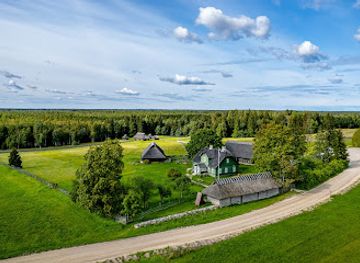
Järva County’s attractions are dispersed and closely tied to its history as a central Estonian rural region. In Paide, the medieval castle hill and tower provide the main historical focus, while museums and cultural venues explain the county’s political and civic development. Türi offers a contrasting programme centred on gardens, horticulture, local events and railway-connected town life. The A. H. Tammsaare Museum at Vargamäe is one of the county’s most meaningful visits: its farm setting connects the work of Estonia’s major twentieth-century writer with the landscape and social world that shaped it. Manor heritage is represented by places such as Kirna, where historic architecture and landscaped grounds reveal the changing role of estates. Across the county, parish churches, village settlements and small museums reward slower journeys. Outdoor attractions include forest roads, cycling routes, birdwatching areas and wetland landscapes associated with central Estonia and the nearby Kõrvemaa region. Conditions vary by season, and some paths are better suited to experienced walkers. The county is particularly appealing to visitors who prefer cultural sites integrated into working landscapes rather than concentrated in a single tourist centre.
-
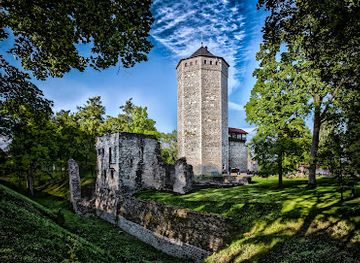
Fortress
Paide ordulinnuse varemed ja Vallitorn
Discover the rich history and stunning views at Paide Castle ruins, a must-visit destination in Estonia's Järva County.
-
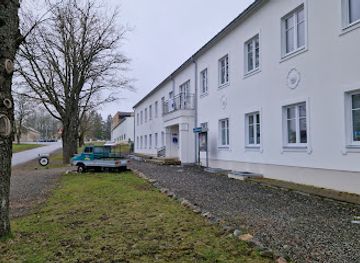
Tourist attraction
SA Ajakeskus Wittenstein
Explore the captivating history and innovative spirit of Estonia at SA Ajakeskus Wittenstein, a top cultural destination in Järva County.
-
Tourist attraction
Käru Muuseum
Explore Käru Muuseum: A captivating tourist attraction blending history and entertainment in the heart of Järva County, Estonia.
-
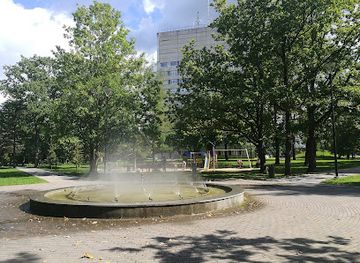
Park
Lembitu Park
Explore the natural beauty and tranquility of Lembitu Park, a serene escape in Paide, Estonia, perfect for relaxation and family fun.
Best landmarks in Järva County
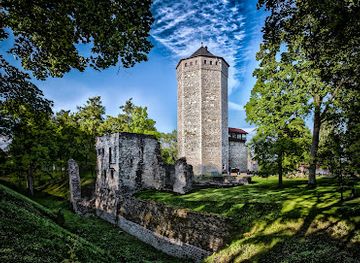
Paide Castle Hill, or Vallimägi, is Järva County’s defining historic landmark. The limestone stronghold established by the Livonian Order gave the town its medieval importance, and the surviving tower and fortification remains make the site an unusually legible reminder of Estonia’s medieval political landscape. Paide’s St Nicholas Church adds a prominent later layer to the town’s skyline, while the compact historic centre retains the scale of a former provincial town. In Türi, the Church of St Martin is a significant local landmark, reflecting the importance of parish institutions in Estonia’s rural communities. Kirna Manor represents the architectural and social legacy of the manor system, with its estate setting contrasting with later village development. At Vargamäe, the A. H. Tammsaare Museum is less a monumental structure than a landmark of national literary memory: the farm landscape itself is central to understanding Tammsaare’s work. Järva-Madise Church and its surrounding village provide another tangible connection with the county’s parish history. Together these places show how fortification, religion, estates, literature and agriculture have shaped Järva’s visual identity.
-
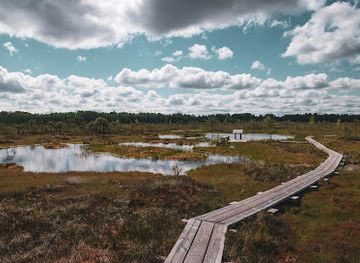
National park
Soomaa National Park
Explore the stunning landscapes and rich biodiversity of Soomaa National Park, Estonia's largest national park, a haven for nature lovers and adventure seekers.
-
Museum
Järva-Jaani Vanatehnika varjupaik ja muuseumide keskus
Discover the fascinating world of vintage technology at Järva-Jaani Vanatehnika Varjupaik, Estonia's premier museum dedicated to rural heritage.
-
Fortress
Paide ordulinnuse varemed ja Vallitorn
Explore the historical Paide Castle ruins and immerse yourself in Estonia's medieval heritage amidst stunning natural scenery.
-
Open air museum
Museum of A. H. Tammsaare
Discover Estonia's literary heritage at the Museum of A. H. Tammsaare, an enchanting open-air museum showcasing the life and times of a literary legend.
Explore Järva County on the map
Plan your trip on one map. See where the top cities, national parks and sights are, and book hotels and experiences in a few clicks.
Best hotels in Järva County
Best restaurants in Järva County
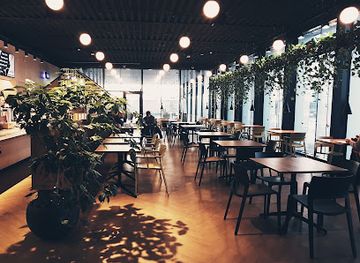
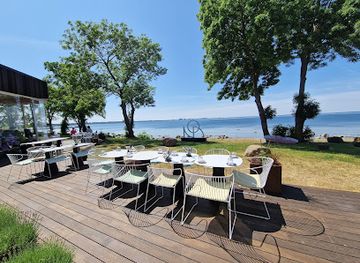
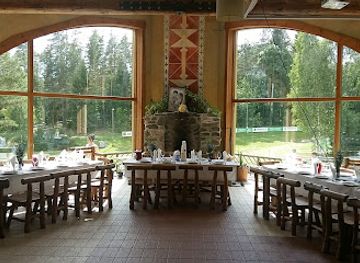
Dining in Järva County reflects Estonia’s northern climate and agricultural traditions more than a separate regional cuisine. Paide and Türi have the widest choice of cafés, bakeries, casual restaurants and pub-style meals, while rural inns and accommodation businesses provide simpler food beyond the towns. Expect rye bread, potatoes, dairy products, pork, fish, berries, mushrooms and seasonal vegetables, often accompanied by familiar Estonian soups, pastries and cakes. Local markets and farm outlets can be good places to find preserves, baked goods and produce when operating, though availability changes with the season. Türi’s horticultural identity gives fresh garden produce particular local resonance, while the countryside around Vargamäe and the manor villages suits a farm-based or heritage setting. Menus may be limited outside peak visitor periods, so visitors travelling through small settlements should not assume that a full meal is available at every stop. Estonia’s contemporary dining style is also represented in the county’s larger towns, where traditional ingredients may appear in more modern café and restaurant cooking.
-
Restaurant
Tikupoiss
Discover authentic Estonian cuisine at Tikupoiss in Imavere – where local flavors meet warm hospitality.
-
Restaurant
NOA Restaurant
Discover the culinary artistry of NOA Restaurant in Tallinn, where exquisite flavors meet breathtaking sea views for an unforgettable dining experience.
-
Restaurant
Valgehobusemäe Ski and Recreation Center
Discover Valgehobusemäe Ski and Recreation Center: A Winter Wonderland for Adventurers and Families Alike in Järva County.
-
Restaurant
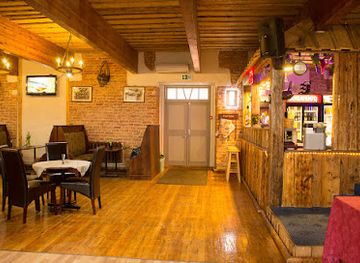
Kreisi Trahter
Discover authentic Estonian flavors at Kreisi Trahter in Paide – where tradition meets modern dining in a cozy atmosphere.
Best bars in Järva County
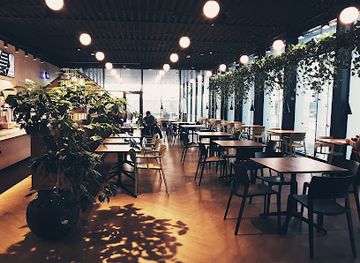
Evening life in Järva County is modest and town-centred rather than built around a large club scene. Paide has the broadest choice of pubs, cafés and occasional cultural events, with local evenings often connected to concerts, theatre, community programmes or seasonal festivals. Türi also has places for an informal drink or meal, while smaller settlements rely mainly on village pubs, accommodation venues and event-based gatherings. Traditional Estonian beer, cider and non-alcoholic drinks are commonly available, and the region’s breweries and producers are better approached as food-and-drink interests than as a major nightlife circuit. Rural evenings become quiet early, particularly outside summer and festival periods, so visitors staying in the countryside should check arrangements in advance and avoid expecting late-night transport. Alcohol is not necessary to experience local culture; museums, performances, saunas and evening walks through the compact town centres offer other ways to spend the night.
-
Restaurant
Tikupoiss
Experience the vibrant flavors of Estonia at Tikupoiss, a charming restaurant in Imavere known for its fresh ingredients and inviting atmosphere.
-
Pub
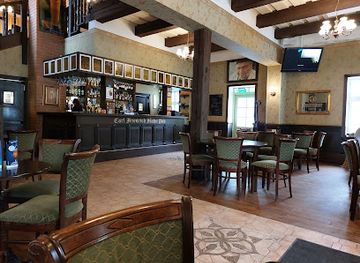
C.F Hahn pub
Discover the heart of Pärnu's nightlife at C.F Hahn Pub, where Estonian flavors meet a cozy atmosphere.
-
Pub
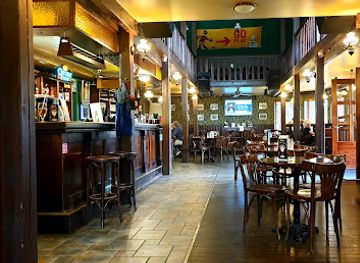
Meie Pubi
Discover local flavors and a cozy atmosphere at Meie Pubi in Rapla, a must-visit pub for a taste of Estonian culture and cuisine.
-
Restaurant
Kreisi Trahter
Discover the flavors of Estonia at Kreisi Trahter, a cozy restaurant in Paide, where tradition meets modern cuisine in a welcoming atmosphere.
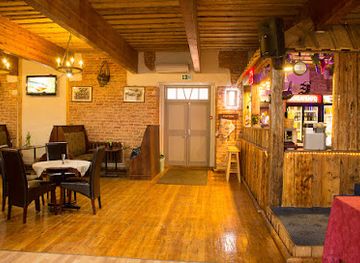
Best nightclubs in Järva County
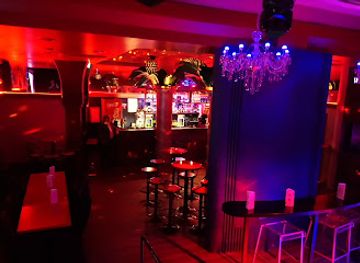
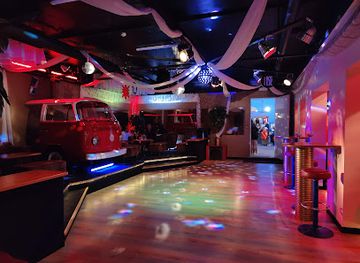
Evening life in Järva County is modest and town-centred rather than built around a large club scene. Paide has the broadest choice of pubs, cafés and occasional cultural events, with local evenings often connected to concerts, theatre, community programmes or seasonal festivals. Türi also has places for an informal drink or meal, while smaller settlements rely mainly on village pubs, accommodation venues and event-based gatherings. Traditional Estonian beer, cider and non-alcoholic drinks are commonly available, and the region’s breweries and producers are better approached as food-and-drink interests than as a major nightlife circuit. Rural evenings become quiet early, particularly outside summer and festival periods, so visitors staying in the countryside should check arrangements in advance and avoid expecting late-night transport. Alcohol is not necessary to experience local culture; museums, performances, saunas and evening walks through the compact town centres offer other ways to spend the night.
-
Night club
Lokaal Kassa
Discover Lokaal Kassa, Pärnu's ultimate night club for a vibrant atmosphere, electrifying music, and unforgettable nightlife experiences.
-
Night club
Nightclub Sunset
Discover the vibrant nightlife at Nightclub Sunset in Pärnu, where music, dance, and unforgettable memories await you.
-
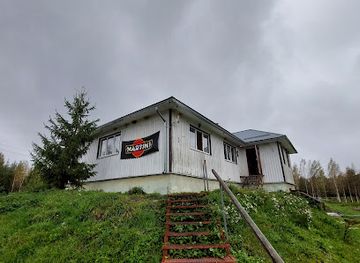
Night club
Garaaž
Experience the vibrant nightlife of Türi-Alliku at Garaaž, a dynamic night club offering unforgettable music and a lively atmosphere.
-
Night club
Club kainerool
Experience the electrifying nightlife at Club Kainerool, where vibrant beats and unforgettable parties await in Järva County.

Best shops in Järva County
Shopping in Järva County is concentrated in the high streets and everyday service centres of Paide and Türi rather than in large retail districts. Paide combines practical shops with cafés, small independent businesses, books and locally oriented cultural products, while Türi’s town centre reflects its horticultural identity and community scale. Markets and seasonal events are the best opportunities to look for Estonian food products, rye bread, preserves, honey, berries, mushrooms, handicrafts and garden produce, although dates and participating sellers vary. Rural farm shops and small producers may offer more direct local character but are not uniformly open, so visitors should treat them as planned stops rather than guaranteed shopping venues. Craft items, textiles, ceramics and woodwork can often be found through local fairs, cultural institutions or temporary makers’ stalls. For everyday supplies, supermarkets in the larger settlements are more dependable than village shops. The most representative purchases are edible regional produce and modest handmade goods connected with Estonia’s countryside, rather than mass-produced souvenirs.
-
Supermarket
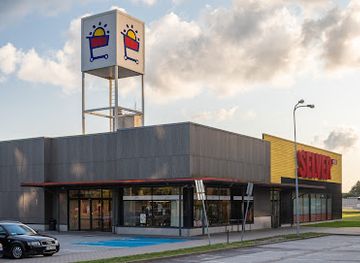
Paide Selver
Explore Paide Selver, your go-to supermarket in Järva County for local flavors and convenient shopping.
-
Tool store
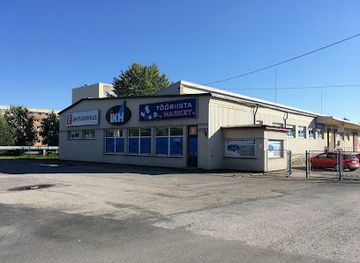
Paide Ehituskeskus
Explore Paide Ehituskeskus, your ultimate destination for top-quality tools and building supplies in the heart of Paide.
-
Store
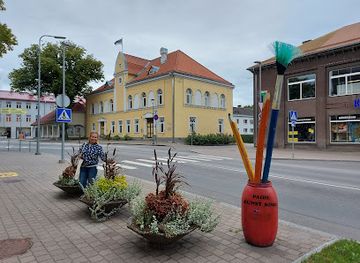
Paide Konsum
Explore Estonian culture and local flavors at Paide Konsum, the vibrant store in the heart of Paide offering quality products and a warm atmosphere.
-
Store
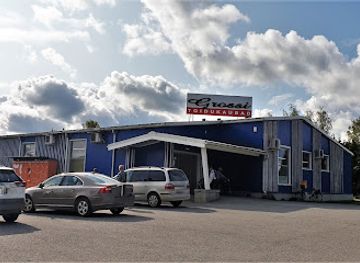
Grossi shop
Experience the warmth of local culture at Grossi Shop in Järva-Jaani, where unique products and friendly service await every visitor.
Get your free copy of our complete guide to Järva County, delivered straight to you.
Everything on this page, from attractions and restaurants to essentials and local phrases, in one PDF you can read offline, print or share.
Already have an account? Sign in
Your Järva County guide is ready.
We'll send it to · Not you? Sign out

Getting your guide ready…
We are putting together a fresh copy of the Järva County guide. This can take up to a minute.
This can take a few moments. If your browser asks, choose Allow so the download can start. You'll find the guide in your Downloads folder.
Nothing happened? Download it again
Sorry, the guide is taking longer than usual. Please try again in a minute, or get it by email instead.
Järva County essentials
Currency and Payment
Safety
Emergency Situations
Do's and Don'ts
Local Tips
From Eve
Local phrases worth knowing
You don't need to get them perfect. A few words go a long way, and locals appreciate the effort.
Basics
| English | Local | Say it |
|---|---|---|
| Hello | Tere | [Teh-reh] |
| Goodbye | Head aega | [Heh-d ah-eh-gah] |
| Yes | Jah | [Yah] |
| No | Ei | [Ay] |
| Please/You're welcome | Palun | [Pah-loon] |
| Thank you | Aitäh | [Eye-tah] |
| Excuse me/Sorry | Vabandust | [Vah-bahn-doost] |
| How are you? | Kuidas sul läheb? | [Koo-dahs sool lah-heh-b] |
| Fine. And you? | Hästi. Ja sina? | [Hah-stee. Yah see-nah?] |
| Do you speak English? | Kas sa rääkid inglise keelt? | [Kahs sah rah-eekid een-glee-seh kaylt?] |
| I don't understand | Ma ei saa aru | [Mah ay zah ah-roo] |
Eating & Drinking
| English | Local | Say it |
|---|---|---|
| I'd like to see the menu, please | Ma sooviksin menüüd näha, palun | [Mah soo-vik-sin meh-nuud nah-hah, pah-loon] |
| I don't eat meat | Ma ei söö liha | [Mah ay suh-lah] |
| Cheers! | Terviseks! | [Ter-vee-ses] |
| I would like to pay, please | Ma sooviksin maksta, palun | [Mah soo-vik-sin mahk-stah, pah-loon] |
Emergencies
| English | Local | Say it |
|---|---|---|
| Help! | Abi! | [Ah-bee] |
| Go away! | Mine ära! | [Mee-neh ah-rah] |
| Call the Police! | Kutsu politsei! | [Koot-soo poh-leet-say] |
| Call a doctor! | Kutsu arst! | [Koot-soo ah-rst] |
| I'm lost | Ma olen kadunud | [Mah oh-len kah-doon-ood] |
| I'm ill | Ma olen haige | [Mah oh-len hai-geh] |
Shopping
| English | Local | Say it |
|---|---|---|
| I'd like to buy... | Ma sooviksin osta... | [Mah soo-vik-sin oh-stah] |
| I'm just looking | Ma lihtsalt vaatan | [Mah leest-vaht-ahn] |
| How much is it? | Kui palju see maksab? | [Koo-ee pah-lu see mahk-sahb?] |
| That's too expensive | See on liiga kallis | [See on lee-kah kah-lis] |
| Can you lower the price? | Kas sa saad hinda alandada? | [Kahs sah sahd heen-dah ah-lahn-dah] |
Time & Numbers
| English | Local | Say it |
|---|---|---|
| What time is it? | Mis kell on? | [Mis kel on?] |
| It's one o'clock | Kell on üks | [Kel on uks] |
| Half past (10) | Kell on kümme ja pool | [Kel on koo-meh yah pool] |
| Morning | Hommik | [Hom-mik] |
| Afternoon | Päev | [Pah-ehv] |
| Evening | Õhtu | [Uh-thoo] |
| Yesterday | Eile | [Ay-leh] |
| Today | Täna | [Tahn-ah] |
| Tomorrow | Homme | [Hom-meh] |
| 1 | Üks | [Uks] |
| 2 | Kaks | [Kaks] |
| 3 | Kolm | [Kolm] |
| 4 | Neli | [Neh-lee] |
| 5 | Viis | [Vees] |
| 6 | Kuus | [Koo-s] |
| 7 | Seitsme | [Sayts-meh] |
| 8 | Kaheksa | [Kah-heks-ah] |
| 9 | Üheksa | [U-heks-ah] |
| 10 | Kümme | [Koo-meh] |
Transport & Directions
| English | Local | Say it |
|---|---|---|
| Where's a/the...? | Kus on...? | [Koos on...?] |
| What's the address? | Mis on aadress? | [Mis on ah-dress?] |
| Can you show me (on the map)? | Kas sa saad mulle näidata (kaardil)? | [Kahs sah sahd moo-leh nai-dah-tah (kar-deel)?] |
| When's the next (bus)? | Millal tuleb järgmine (buss)? | [Mil-lal too-leb yahrg-mee-neh (boos)?] |
| A ticket (to ....) | Pilet (....-le) | [Pee-let (....-leh)] |
History of Järva County
Early Settlement and Agricultural Landscapes
People have lived and farmed in the area now forming Järva County for many centuries, taking advantage of its relatively accessible central position and fertile limestone soils. Archaeological traces, ancient settlement sites and later parish landscapes reveal a long relationship between communities, forests, wetlands and cultivated fields. The county’s modern appearance is therefore not simply natural scenery: it is the result of repeated changes in land use, from early farming and woodland clearance to the organised agricultural systems that developed under medieval and manor administration.
The Livonian Order and Medieval Paide
In the thirteenth century, the Livonian Order established a stronghold at Paide, known in German as Weißenstein, on an important route through central Estonia. The fortress was built from local limestone and became the administrative centre of the surrounding district. Paide’s castle hill, tower and later town plan still express this period, when military power, Christian institutions and trade reshaped the region after the crusading conquest of northern Estonia. The settlement developed around the stronghold and acquired town rights in the late medieval period.
Wars and Changing Rulers, Sixteenth to Eighteenth Centuries
Järva’s central position exposed it to the upheavals that affected Estonia during the Livonian War and subsequent struggles between regional powers. Control passed through Livonian, Polish-Lithuanian, Swedish and Russian spheres before the area was incorporated into the Russian Empire in the early eighteenth century. Warfare damaged settlements and altered political authority, while the later imperial period brought a more stable manor-based administration. Much of the surrounding countryside was managed through estates whose fields, forests and buildings continued to influence local settlement patterns.
Manors, Churches and Rural Society
From the eighteenth century into the nineteenth, Järva’s rural economy was organised around manors, parish churches and dependent farming communities. Estates such as Kirna illustrate the architectural and social legacy of Baltic German landholding, while village churches and schoolhouses became important centres of local life. The nineteenth century brought the gradual growth of Estonian national consciousness, literacy and cultural organisation. Rural society remained unequal, but changing education, land ownership and communications helped create the social conditions for modern Estonian identity.
Railways and the Rise of Türi
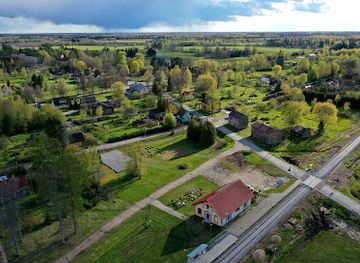
Rail connections through central Estonia at the turn of the twentieth century strengthened links between rural communities and the country’s larger towns. Türi benefited particularly from its position on the railway between Tallinn and Viljandi, developing as a service and administrative centre rather than remaining solely an agricultural settlement. Improved transport supported the movement of people, produce and ideas, and helped connect Järva’s market towns with Estonia’s wider economic and cultural life.
Independence, Occupation and Restoration
The establishment of the Estonian Republic in 1918 brought new institutions and a programme of land reform that broke up many large estates and redistributed land. The Second World War and the Soviet occupation then transformed ownership, administration and agriculture; collectivisation replaced the earlier farm and manor economy, and rural life was reorganised around collective and state farms. Since the restoration of independence in 1991, Järva has adapted to municipal reform, changing agriculture and service provision while preserving castle ruins, manor landscapes, literary heritage and local cultural traditions.
Järva County in Photos
Browse through our photo collection highlighting the charm and character of the destination.
Neighbouring regions of Järva County
The closest regions to Järva County, if you have time for more than one.
-

-

-

-

-


Swipe for more regions
Explore more

Explore more of Estonia
Discover Estonia: A perfect blend of medieval charm, modern innovation, and natural beauty in the heart of Northern Europe.
Explore Estonia