

Free Tartumaa Travel Guide & Mobile App
Explore Tartumaa with free travel guides. Discover regional history, expert tips, proposed trips, and audio guides on web or mobile app.


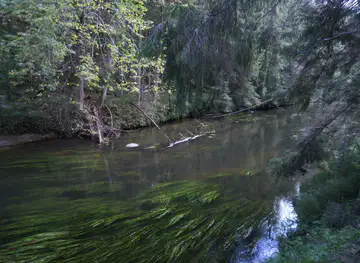
Explore Tartumaa through Tartu’s university culture, Emajõgi river landscapes, Peipsi shores, manor houses, museums and forest trails.
Read more about Tartumaa
When is the best time to visit Tartumaa?
Best: June–August · 20–22°C| Month | High (°C) | Rainfall (mm) |
|---|---|---|
| January | -1 | 35 |
| February | 0 | 30 |
| March | 5 | 35 |
| April | 11 | 40 |
| May | 17 | 45 |
| June (best) | 20 | 55 |
| July (best) | 22 | 65 |
| August (best) | 21 | 65 |
| September | 17 | 60 |
| October | 11 | 50 |
| November | 5 | 45 |
| December | 1 | 40 |
Getting to and around Tartumaa
How to get there
Transportation
Top city travel guides in Tartumaa
The cities of Tartumaa, and the easiest places to base yourself.
-

-


Swipe for more cities
Destinations in Tartumaa
Resorts, valleys and scenic spots worth a trip of their own.
-

-


Swipe for more destinations
Best attractions in Tartumaa
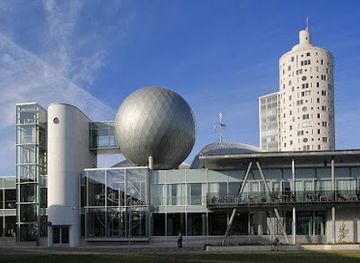
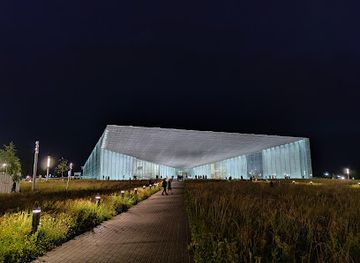
Tartumaa’s attractions range from Tartu’s concentrated museum and cultural scene to lake landscapes, manor houses and nature areas across the county. In the city, the Estonian National Museum presents Estonian cultural history and everyday life, while the Science Centre AHHAA offers interactive exhibitions suited to families and curious adults. The Tartu Art Museum, University of Tartu museums and Botanical Garden add artistic, scientific and horticultural perspectives. Outside Tartu, Alatskivi Castle provides an architectural and historical focus near Lake Peipsi, and the Ice Age Centre at Äksi interprets the geological forces that shaped Vooremaa’s ridges and lakes. The Estonian Aviation Museum near Lange explores the history of aircraft and aviation technology. Wetlands around the Emajõgi, the Emajõe-Suursoo area, and the forests and valleys of Vapramäe–Vellavere–Vitipalu offer birdwatching, walking, canoeing and cycling, although access is seasonal and sometimes easiest with a car. Lake Saadjärv and other inland waters add opportunities for boating and quiet shoreline excursions. The county’s appeal lies in this contrast between an outward-looking university city and a rural landscape where water, woodland and small settlements remain central.
-
Science museum
AHHAA Science Centre
Discover interactive science exhibits at AHHAA Science Centre in Tartu, where learning meets fun for all ages.
-
Tourist attraction
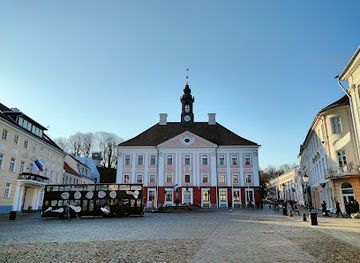
Town Hall Square
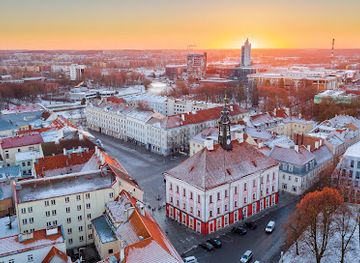
Discover the charm of Town Hall Square in Tartu, Estonia, a vibrant hub of culture, history, and local cuisine, perfect for every traveler.
-
Museum
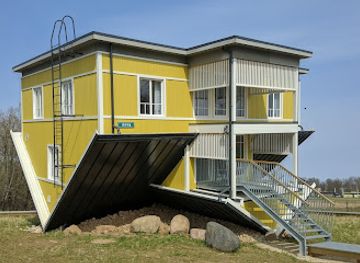
Tagurpidi Maja (Peapeal OÜ)
Discover the whimsical Tagurpidi Maja in Tartu, Estonia – an upside-down house that promises a fun and unique museum experience for all ages.
-
Restaurant
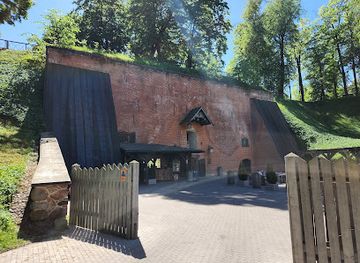
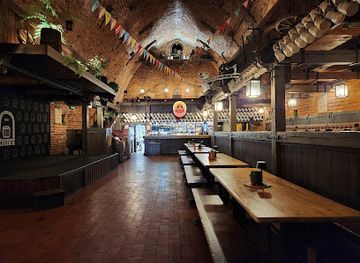
Gunpowder Cellar of Tartu
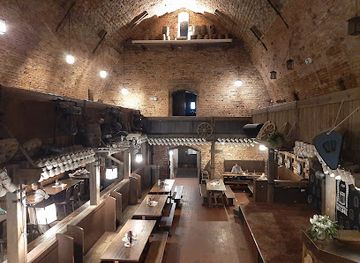
Explore the Gunpowder Cellar of Tartu, a historical restaurant and pub offering a unique Estonian dining experience in a captivating 19th-century setting.
Best landmarks in Tartumaa
Tartu Cathedral ruins on Toome Hill are among Tartumaa’s most recognisable historic remains, with the surviving brick walls and towers overlooking the university district and the Emajõgi valley. The neoclassical main building of the University of Tartu expresses the city’s nineteenth-century academic identity, while the Old Town’s streets and Town Hall Square preserve layers of medieval and imperial urban development. The Kissing Students fountain has become a contemporary emblem of the city, though its importance is civic rather than ancient. South of Tartu, the observatory complex at Tõravere represents Estonia’s modern scientific infrastructure and the county’s continuing connection with research. Alatskivi Castle, near the Peipsi shore, is a major architectural landmark whose nineteenth-century Gothic revival form was inspired by Scottish models. The Emajõgi itself is a defining natural landmark, running through Tartu and linking the county’s inland waters. Around Äksi, the lake country and glacially shaped ridges of Vooremaa provide a geographical counterpoint to the city’s built landmarks, while the wetlands of the Emajõe-Suursoo reveal the river’s wider environmental influence.
-
Science museum
AHHAA Science Centre
Discover the captivating world of science at AHHAA Science Centre in Tartu, a family-friendly destination filled with interactive exhibits and educational fun.
-
Ethnographic museum
Estonian National Museum
Explore the Estonian National Museum, a captivating destination in Tartu showcasing the rich cultural heritage and history of Estonia through interactive exhibits.
-
Museum
Tagurpidi Maja (Peapeal OÜ)
Experience the whimsical charm of Tagurpidi Maja, Tartu's unforgettable upside-down house museum that sparks wonder and creativity for all ages.
-
Tourist attraction
Town Hall Square
Explore the vibrant Town Hall Square in Tartu, Estonia, a cultural hub filled with history, architecture, and lively events.

Explore Tartumaa on the map
Plan your trip on one map. See where the top cities, national parks and sights are, and book hotels and experiences in a few clicks.
Best hotels in Tartumaa
Best restaurants in Tartumaa
Tartu has the county’s broadest dining choice, with contemporary Estonian cooking, international restaurants, bakeries, coffee houses and student-oriented cafés concentrated around the centre and university quarter. Menus commonly draw on rye bread, potatoes, dairy products, mushrooms, berries, freshwater fish and seasonal vegetables, though the combinations are often modern rather than strictly traditional. Pubs and rural inns provide a more informal setting outside the city, while farm shops and seasonal markets are useful for local honey, preserves, baked goods and produce. Around Lake Peipsi, fish and garden produce reflect the lakeside economy, but availability varies by season and settlement. The county is also part of Estonia’s developing craft-drink culture, with local breweries and small producers appearing alongside established national styles. Visitors should expect vegetarian and international options in Tartu, while rural dining may be more limited and opening arrangements more seasonal. Booking is sensible for popular city restaurants and for special meals in the countryside.
-
Restaurant
Gunpowder Cellar of Tartu
Experience the unique blend of history and culinary delights at the Gunpowder Cellar in Tartu - a must-visit restaurant and pub.
-
Restaurant
La Dolce Vita
Experience authentic Italian cuisine at La Dolce Vita in Tartu - where every dish tells a story of tradition and flavor.
-
Irish pub
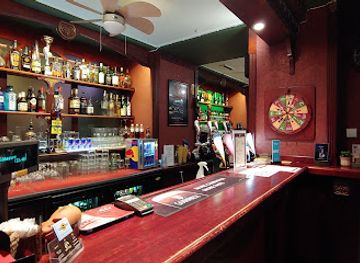
Pahad Poisid
Discover Pahad Poisid: Tartu's premier Irish pub offering delicious food and drinks in a warm and inviting atmosphere.
-
Cafe
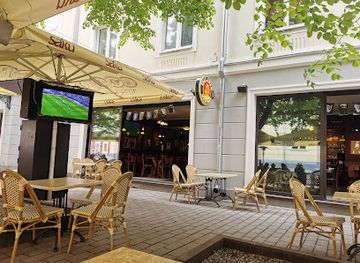
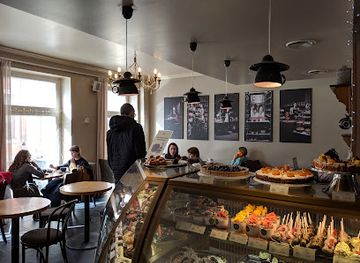
Cafe-restaurant Werner
Discover Tartu's Café-Restaurant Werner: A cozy spot offering delicious breakfasts and lunches made with fresh local ingredients.

Best bars in Tartumaa
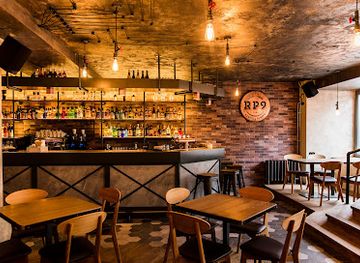
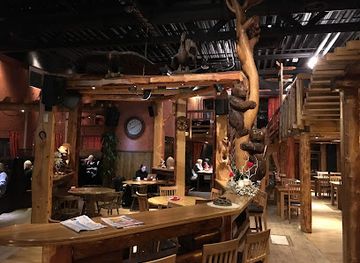
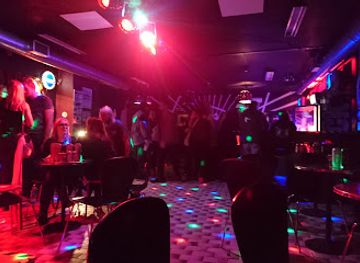
Tartu is the main evening centre of Tartumaa, with a pub and bar scene shaped by its large student population, university community and year-round cultural calendar. The central streets and areas around the university offer beer bars, cocktail-led venues, cafés that stay open late, live music and occasional club nights, while theatres and concert spaces provide alternatives to drinking-focused evenings. The city’s nightlife is generally more compact and less commercial than Tallinn’s, and individual venues and programmes change over time. Outside Tartu, evening life is quieter and usually centres on traditional pubs, restaurant bars, community events and occasional live music rather than a large nightclub scene. Rural accommodation may be some distance from the nearest bar, so transport planning matters. Estonia’s licensing and driving laws apply nationally; visitors should not drive after drinking, and late-night taxis are most readily available in Tartu rather than in small lakeside or inland settlements.
-
Restaurant
Gunpowder Cellar of Tartu
Experience the rich history and culinary delights at the Gunpowder Cellar of Tartu, a unique restaurant and pub in Estonia's vibrant city.
-
Irish pub
Pahad Poisid
Discover the vibrant atmosphere and authentic Irish experience at Pahad Poisid in Tartu, a must-visit pub for tourists.
-
Restaurant
Pubi RP 9
Discover the vibrant atmosphere and diverse menu at Pubi RP 9 in Tartu, where local flavors meet international cuisine.
-
Pub
Ränduri pub
Experience the warm ambiance and traditional flavors of Ränduri Pub in Tartu, Estonia - a must-visit for every traveler.
Best nightclubs in Tartumaa
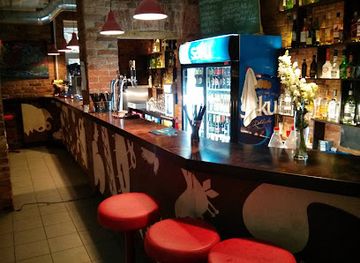
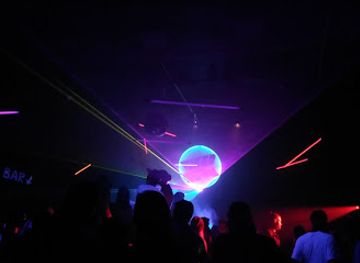
Tartu is the main evening centre of Tartumaa, with a pub and bar scene shaped by its large student population, university community and year-round cultural calendar. The central streets and areas around the university offer beer bars, cocktail-led venues, cafés that stay open late, live music and occasional club nights, while theatres and concert spaces provide alternatives to drinking-focused evenings. The city’s nightlife is generally more compact and less commercial than Tallinn’s, and individual venues and programmes change over time. Outside Tartu, evening life is quieter and usually centres on traditional pubs, restaurant bars, community events and occasional live music rather than a large nightclub scene. Rural accommodation may be some distance from the nearest bar, so transport planning matters. Estonia’s licensing and driving laws apply nationally; visitors should not drive after drinking, and late-night taxis are most readily available in Tartu rather than in small lakeside or inland settlements.
-
Bar
NAIIV Tartu
Discover the cultural heart of Tartu at NAIIV, where art, music, and cocktails blend into an unforgettable experience.
-
Bar
Genialists' Club
Discover the vibrant Genialists' Club in Tartu, a cultural hub for live music, community events, and a unique garden experience.
-
Live music bar
Klubi Rock & Roll
Discover the heart of Tartu's nightlife at Klubi Rock & Roll, a live music bar where unforgettable performances and great vibes await.
-
Night club
VABANK Club - Ööklubi Tartus
Discover the vibrant nightlife of Tartu at VABANK Club - where the beats are electric and the atmosphere is unforgettable.

Best shops in Tartumaa
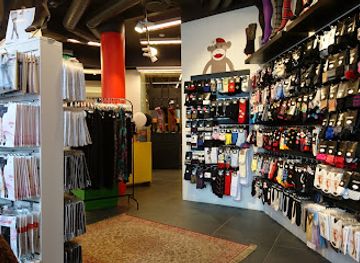
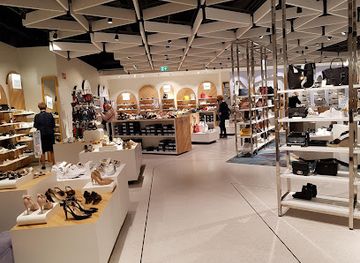
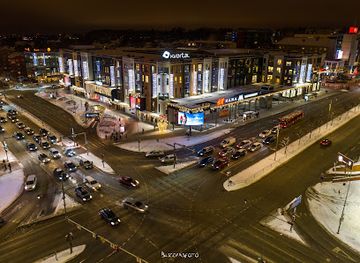
Tartu is Tartumaa’s principal shopping centre, combining ordinary high-street retail with independent bookshops, design stores, galleries, second-hand shops and craft retailers around the Old Town and central districts. University life supports a strong market for books, stationery, clothing and locally made gifts, while larger commercial centres on the city’s outskirts provide more conventional national and international brands. For regional products, look for rye bread, preserves, honey, herbal goods, chocolates, berry products and seasonal vegetables at markets, farm shops and food halls. Rural settlements around Lake Peipsi and the county’s market towns offer a smaller selection of handmade textiles, woodwork, ceramics and locally produced foods, though opening days can be limited. Tartu’s museums and cultural venues often have the most dependable sources of well-designed books, prints and Estonia-themed crafts. The best purchases are generally portable foods, craft objects and publications connected with Estonian nature, language, art or regional history rather than generic souvenirs.
-
Shopping mall
Tasku Centre
Explore Tasku Centre in Tartu for an exciting blend of shopping, dining, and entertainment in a modern and vibrant setting.
-
Shopping mall
Tartu Kaubamaja
Explore Tartu Kaubamaja, the premier shopping mall in Tartu offering a blend of local and international brands, dining options, and a vibrant atmosphere.
-
Shopping mall
Kvartal
Experience the best of shopping, dining, and entertainment at Kvartal, Tartu's ultimate retail destination.
-
Shopping mall
Eeden Shopping Mall
Discover the vibrant shopping scene at Eeden Shopping Mall, Tartu's premier destination for retail therapy, dining, and entertainment.

Get your free copy of our complete guide to Tartumaa, delivered straight to you.
Everything on this page, from attractions and restaurants to essentials and local phrases, in one PDF you can read offline, print or share.
Already have an account? Sign in
Your Tartumaa guide is ready.
We'll send it to · Not you? Sign out

Getting your guide ready…
We are putting together a fresh copy of the Tartumaa guide. This can take up to a minute.
This can take a few moments. If your browser asks, choose Allow so the download can start. You'll find the guide in your Downloads folder.
Nothing happened? Download it again
Sorry, the guide is taking longer than usual. Please try again in a minute, or get it by email instead.
Tartumaa essentials
Currency and Payment
Safety
Emergency Situations
Do's and Don'ts
Local Tips
From Eve
Local phrases worth knowing
You don't need to get them perfect. A few words go a long way, and locals appreciate the effort.
Basics
| English | Local | Say it |
|---|---|---|
| Hello | Tere | [teh-reh] |
| Goodbye | Nägemist | [nah-geh-mist] |
| Yes | Jah | [yah] |
| No | Ei | [ay] |
| Please/You're welcome | Palun | [pah-loon] |
| Thank you | Aitäh | [eye-tah] |
| Excuse me/Sorry | Vabandust | [vah-bahn-dust] |
| How are you? | Kuidas sul läheb? | [kwee-dahs sul leh-hab] |
| Fine. And you? | Hästi. Aga sina? | [has-tee. ah-gah see-nah] |
| Do you speak English? | Kas sa räägid inglise keelt? | [kahs sah reh-eh-gid een-gli-seh kaylt] |
| I don't understand | Ma ei saa aru | [mah ay zah ah-roo] |
Eating & Drinking
| English | Local | Say it |
|---|---|---|
| I'd like to see the menu, please | Soovin vaadata menüüd, palun | [soh-vin vah-dah-tah meh-noo-d, pah-loon] |
| I don't eat meat | Ma ei söö liha | [mah ay suh-lay lee-hah] |
| Cheers! | Terviseks! | [ter-vee-seks] |
| I would like to pay, please | Soovin maksta, palun | [soh-vin mahk-stah, pah-loon] |
Emergencies
| English | Local | Say it |
|---|---|---|
| Help! | Abi! | [ah-bee] |
| Go away! | Mine ära! | [mee-neh ah-rah] |
| Call the Police! | Kutsu politsei! | [koot-soo poh-lit-say] |
| Call a doctor! | Kutsu arst! | [koot-soo ar-st] |
| I'm lost | Ma olen eksinud | [mah oh-len eks-ee-nud] |
| I'm ill | Ma olen haige | [mah oh-len hi-keh] |
Shopping
| English | Local | Say it |
|---|---|---|
| I'd like to buy... | Soovin osta... | [soh-vin oh-stah] |
| I'm just looking | Ma lihtsalt vaatan | [mah leess-tahl vah-tahn] |
| How much is it? | Kui palju see maksab? | [kwee pah-yloo seh mahk-sahb] |
| That's too expensive | See on liiga kallis | [seh on lee-gah kah-lis] |
| Can you lower the price? | Kas sa saad hinda alandada? | [kahs sah sahd hin-dah ah-lahn-dah] |
Time & Numbers
| English | Local | Say it |
|---|---|---|
| What time is it? | Mis kell on? | [mis kel on] |
| It's one o'clock | Kell on üks | [kel on yuhks] |
| Half past (10) | Pool kaksteist | [pool kahk-stayst] |
| Morning | Hommik | [hom-mik] |
| Afternoon | Päev | [pah-ehv] |
| Evening | Õhtu | [uh-h-tuh] |
| Yesterday | Eile | [ay-leh] |
| Today | Täna | [tah-nah] |
| Tomorrow | Homme | [hoh-meh] |
| 1 | Üks | [yuhks] |
| 2 | Kaks | [kahks] |
| 3 | Kolm | [kohlm] |
| 4 | Neli | [neh-lee] |
| 5 | Viis | [vees] |
| 6 | Kuus | [koos] |
| 7 | Seitsme | [sayts-meh] |
| 8 | Kaheksa | [kah-heks-ah] |
| 9 | Üheksa | [yuh-heks-ah] |
| 10 | Kümme | [kuhm-meh] |
Transport & Directions
| English | Local | Say it |
|---|---|---|
| Where's a/the...? | Kus on...? | [koos on] |
| What's the address? | Mis on aadress? | [mis on ah-dress] |
| Can you show me (on the map)? | Kas sa saad mulle näidata (kaardil)? | [kahs sah sahd moo-leh nai-dah-tah (kahr-dil)] |
| When's the next (bus)? | Millal on järgmine (buss)? | [mil-lahl on yahrg-meh (boos)] |
| A ticket (to ....) | Pilet (.... juurde) | [pee-let (.... yoor-deh)] |
History of Tartumaa
Early settlement and the Emajõgi waterways
Tartumaa’s rivers, lakes and fertile lowlands have supported human settlement since prehistoric times. The Emajõgi created a natural route between Lake Võrtsjärv and Lake Peipsi, connecting inland communities with wider trading networks. Archaeological remains around Tartu and the county’s lakes record changing patterns of farming, fishing and craft production. The landscape was never simply an empty wilderness: waterways, portage routes and seasonal resources helped determine where settlement developed long before the emergence of the modern county.
Medieval Tartu and Dorpat
Medieval Tartu, known in German as Dorpat, developed around a hillfort and later a bishop’s seat on the Emajõgi. The town became an important regional centre within the Livonian world, with religious, commercial and defensive functions. The cathedral on Toome Hill and the medieval street plan preserve part of this history, although warfare and repeated fires transformed the city over time. Tartu’s position on inland routes helped it remain significant even as political powers in the region changed.
The University of Tartu and early modern rule
The University of Tartu was founded by the Swedish king Gustavus Adolphus in 1632, making the city an important centre of higher learning in the eastern Baltic. War and political upheaval interrupted its early development, and the university was later re-established in 1802 under the Russian Empire. Its presence helped shape Tartu’s architecture, intellectual traditions and connections with European scholarship. The university remains central to the county’s cultural identity and contributes strongly to contemporary public life.
Imperial Tartu and the national awakening
During the nineteenth century, Tartu became one of the main centres of Estonian cultural and national activity. Estonian-language publishing, education and learned societies expanded, while the university and local associations encouraged debate about language, history and identity. The city’s role in the national awakening was intellectual as much as political. Many institutions associated with this period helped establish the foundations of modern Estonian culture, and Tartu’s reputation as a university city dates in large part from this era.
Trade, agriculture and the Lake Peipsi communities
Outside Tartu, the county’s economy was shaped by agriculture, forestry, fishing and trade along the lake and river systems. Settlements beside Lake Peipsi developed distinctive livelihoods connected with fishing, gardening and small-scale commerce. Russian-speaking Old Believer communities elsewhere on the Peipsi shore form part of the wider lake region’s cultural landscape, although their principal concentrations lie beyond Tartumaa as well. Manor estates, farmsteads and market settlements reflect the layered social history of the countryside.
War, independence and the twentieth century
The First World War, the collapse of the Russian Empire and the Estonian War of Independence transformed Tartu and its surrounding districts. Estonia’s independence from 1918 created new national institutions and strengthened the use of Estonian in public life. The Second World War and subsequent Soviet occupation brought political repression, population changes and economic restructuring. Tartu retained its university and scientific importance, while rural areas experienced collectivisation and the reshaping of traditional agricultural life.
Restored independence and contemporary Tartumaa
Since Estonia restored independence in 1991, Tartumaa has developed as a centre of education, research, technology and culture while maintaining its agricultural and environmental importance. Tartu’s museums, renovated public spaces and expanding creative scene sit alongside protected wetlands, lake settlements and rural heritage sites. The city’s designation as European Capital of Culture in 2024 drew additional attention to the wider region, including its links between science, landscape, community history and contemporary Estonian identity.
Tartumaa in Photos
Browse through our photo collection highlighting the charm and character of the destination.
Neighbouring regions of Tartumaa
The closest regions to Tartumaa, if you have time for more than one.
-

-

-
-

-


Swipe for more regions
Explore more

Explore more of Estonia
Discover Estonia: A perfect blend of medieval charm, modern innovation, and natural beauty in the heart of Northern Europe.
Explore Estonia