

Free Tartu County Travel Guide & Mobile App
Explore Tartu County with free travel guides. Discover regional history, expert tips, proposed trips, and audio guides on web or mobile app.


Explore Tartu County for university culture, riverside walks, forest trails, Peipus villages, museums and Estonia’s distinctive inland landscapes.
Read more about Tartu County
When is the best time to visit Tartu County?
Best: June–August · 20–22°C| Month | High (°C) | Rainfall (mm) |
|---|---|---|
| January | -2 | 37 |
| February | -2 | 30 |
| March | 3 | 32 |
| April | 10 | 40 |
| May | 17 | 49 |
| June (best) | 20 | 65 |
| July (best) | 22 | 79 |
| August (best) | 21 | 82 |
| September | 16 | 69 |
| October | 10 | 65 |
| November | 4 | 55 |
| December | 0 | 46 |
Getting to and around Tartu County
How to get there
Transportation
Top city travel guides in Tartu County
The cities of Tartu County, and the easiest places to base yourself.
-

-


Swipe for more cities
Destinations in Tartu County
Resorts, valleys and scenic spots worth a trip of their own.
-

-


Swipe for more destinations
Best attractions in Tartu County
Tartu County offers a strong mix of urban museums, university heritage, river landscapes and rural cultural sites. In Tartu, the Estonian National Museum explores the country’s history, languages and everyday cultures, while the University of Tartu Museum, Tartu Art Museum and AHHAA Science Centre offer different perspectives on scholarship, art and science. Toome Hill combines parkland, university buildings and cathedral ruins, and the Emajõgi provides a setting for walking, cycling and seasonal boating. Outside the city, Elva and the Vapramäe–Vellavere–Vitipalu recreation areas are suited to forest trails, family outings and winter activities. Birdwatching and wetland exploration are important around the Emajõgi lowlands and Alam-Pedja landscapes, subject to conservation guidance. Along Lake Peipus, the villages of Varnja, Kolkja and Kasepää reveal Old Believer religious and domestic traditions, onion-growing culture and lakeside foodways. The attraction landscape is therefore less about a single monumental sight than about moving between an intellectually rich city, protected natural environments and distinctive rural communities.
-
Tourist attraction
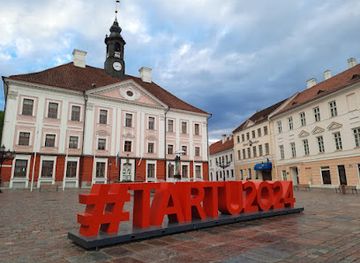
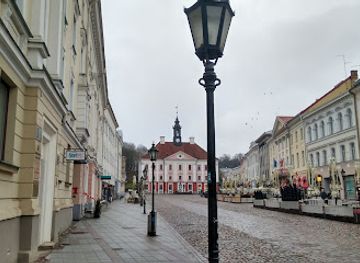
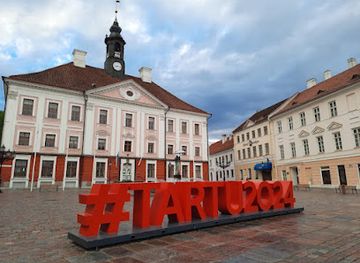
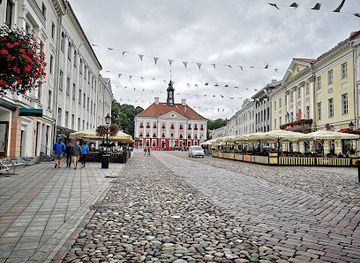
Town Hall Square
Explore the vibrant Town Hall Square in Tartu, Estonia, a cultural hub filled with stunning architecture, lively events, and local flavors.
-
Restaurant
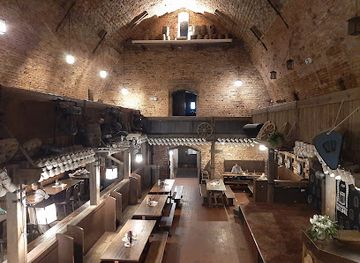
Gunpowder Cellar of Tartu
Discover the unique blend of history and cuisine at Tartu's Gunpowder Cellar, a charming restaurant and pub in Estonia's vibrant cultural hub.
-
Water park
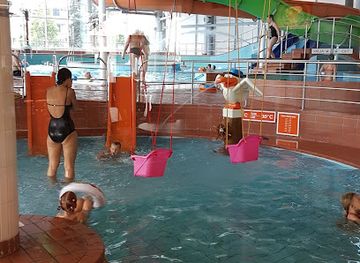
Aura Waterpark
Dive into fun at Aura Waterpark, Tartu's top destination for thrilling slides, relaxing pools, and family-friendly aquatic adventures.
-
Museum
Ice Age Centre
Discover the captivating history of the Ice Age at the Ice Age Centre in Tartu County, an engaging museum experience for all ages.

Best landmarks in Tartu County
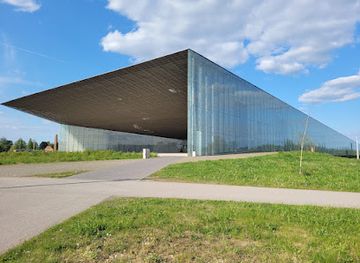
Tartu’s most recognisable landmarks cluster around Toome Hill and the historic centre. The ruins of Tartu Cathedral rise above the hill, while the neoclassical main building and Old Anatomical Theatre reflect the University of Tartu’s long scholarly history. The Angel’s Bridge and Devil’s Bridge add distinctive nineteenth-century structures to the hilltop park, and the Town Hall Square anchors the city’s civic centre. The modern building of the Estonian National Museum at Raadi is a major architectural landmark as well as a cultural institution, marking the site of a former manor estate and military airfield landscape. Beyond Tartu, the Emajõgi is the county’s defining natural landmark, threading through the city and lowlands towards Lake Peipus. The broad lake itself shapes the eastern horizon, while the wooded valleys and sandstone outcrops around Elva give the southern part of the county a different visual character. In the Peipus villages, wooden houses, onion gardens and Old Believer prayer houses are important cultural landmarks whose significance lies in the continuity of community and religious traditions rather than monumental scale.
-
Science museum
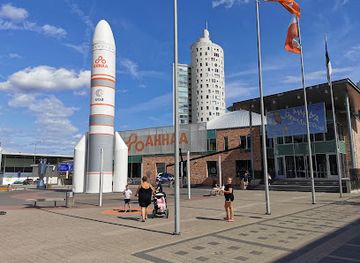
AHHAA Science Centre
Discover the interactive wonders of science at AHHAA Science Centre in Tartu, Estonia, where learning meets fun for all ages in an engaging environment.
-
Ethnographic museum
Estonian National Museum
Explore the Estonian National Museum and immerse yourself in the captivating history and culture of Estonia, where tradition meets innovation.
-
Museum
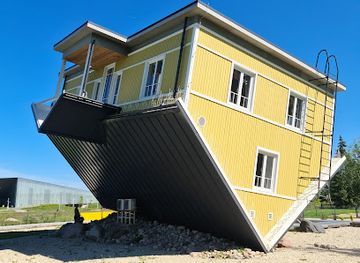
Tagurpidi Maja (Peapeal OÜ)
Discover the whimsical world of Tagurpidi Maja, Tartu's Upside-Down House, where gravity is defied and imagination takes flight.
-
Tourist attraction
Town Hall Square
Experience the vibrant atmosphere of Tartu's Town Hall Square, a historical gem filled with culture, events, and local cuisine.
Explore Tartu County on the map
Plan your trip on one map. See where the top cities, national parks and sights are, and book hotels and experiences in a few clicks.
Best hotels in Tartu County
Best restaurants in Tartu County
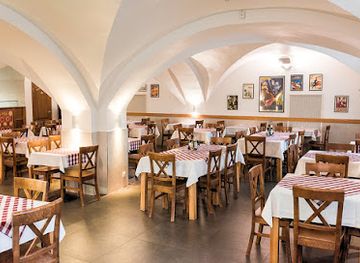
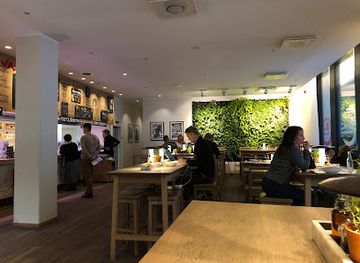
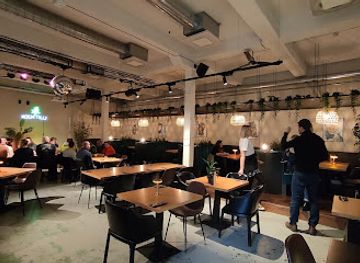
Tartu has the county’s broadest dining choice, from university-area cafés and bakeries to contemporary restaurants, vegetarian cooking, international food and traditional Estonian fare. Menus commonly draw on seasonal Baltic and Nordic ingredients, including rye bread, potatoes, dairy products, fish, mushrooms and forest berries, though not every dish is exclusive to Tartu County. Around Lake Peipus, smoked or prepared fish, onions and home-style pastries reflect the food traditions of lakeside villages, particularly within the Old Believer cultural landscape. Rural inns, farm kitchens and market stalls appear more intermittently than in the city, so opening arrangements should be checked before making a special journey. Tartu’s markets are useful for finding Estonian produce and baked goods, while cafés provide a central part of the city’s student and cultural life. Craft beer and other locally made drinks can be found in the wider Estonian dining scene, but the region’s strongest culinary distinction lies in the contrast between Tartu’s modern, outward-looking restaurants and the seasonal, village-based food culture of the Peipus shore.
-
Restaurant
Gunpowder Cellar of Tartu
Experience authentic Estonian cuisine at Tartu's historic Gunpowder Cellar - where tradition meets taste in an inviting pub setting.
-
Restaurant
La Dolce Vita
Experience authentic Italian cuisine at La Dolce Vita in Tartu - where every meal is crafted with love and tradition.
-
Restaurant
Vapiano Tartu
Experience authentic Italian cuisine at Vapiano Tartu - where fresh ingredients meet local charm in a cozy atmosphere.
-
Restaurant
Kolm Tilli
Experience authentic Estonian flavors at Kolm Tilli in Tartu – where every meal is a celebration of local ingredients and culinary passion.
Best bars in Tartu County
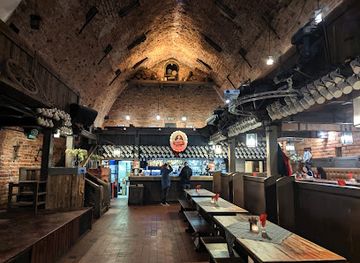
Tartu has Estonia’s most substantial nightlife outside Tallinn, shaped by its student population, cultural institutions and compact centre. Evening options include traditional pubs, beer bars, cocktail venues, cafés that stay open late, live music and occasional cultural events. The area around the historic centre and university is generally the most convenient for moving between venues, although individual establishments and programmes change over time. Theatre, concerts and festivals also form an important part of the city’s evening life and do not depend on drinking. Outside Tartu, nightlife is quieter and usually centres on local pubs, restaurants, community events or seasonal gatherings in larger settlements such as Elva. The Peipus villages are primarily daytime cultural destinations, with evenings better suited to accommodation-based relaxation than clubbing. Visitors should check current arrangements, especially outside the city and during winter, when rural venues may operate on limited schedules.
-
Restaurant
Gunpowder Cellar of Tartu
Experience the unique blend of history and flavor at Tartu's Gunpowder Cellar, where every meal tells a story.
-
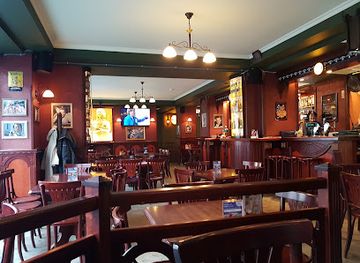
Irish pub
Pahad Poisid
Discover the charm of Pahad Poisid, Tartu's authentic Irish pub, offering delectable cuisine and a lively atmosphere for an unforgettable experience.
-
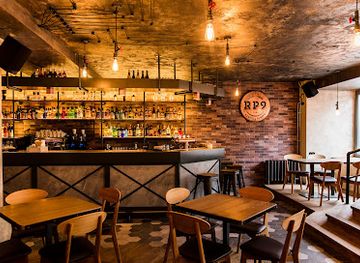
Restaurant
Pubi RP 9
Discover the delightful flavors of Estonian cuisine at Pubi RP 9, a cozy restaurant in Tartu that welcomes all travelers to unwind and indulge.
-
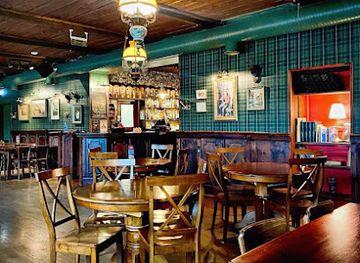
Restaurant
6Teist Kannu
Experience the local flavors and vibrant atmosphere at 6Teist Kannu, Tartu's favorite restaurant and pub.
Best nightclubs in Tartu County
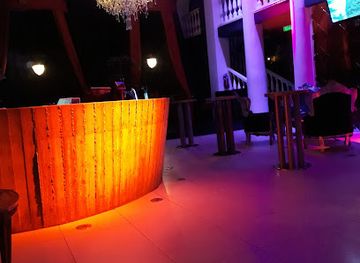
Tartu has Estonia’s most substantial nightlife outside Tallinn, shaped by its student population, cultural institutions and compact centre. Evening options include traditional pubs, beer bars, cocktail venues, cafés that stay open late, live music and occasional cultural events. The area around the historic centre and university is generally the most convenient for moving between venues, although individual establishments and programmes change over time. Theatre, concerts and festivals also form an important part of the city’s evening life and do not depend on drinking. Outside Tartu, nightlife is quieter and usually centres on local pubs, restaurants, community events or seasonal gatherings in larger settlements such as Elva. The Peipus villages are primarily daytime cultural destinations, with evenings better suited to accommodation-based relaxation than clubbing. Visitors should check current arrangements, especially outside the city and during winter, when rural venues may operate on limited schedules.
-
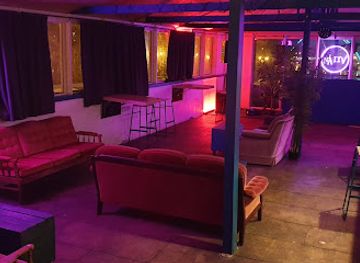
Bar
NAIIV Tartu
Discover NAIIV Tartu: A vibrant bar and cultural center blending art, cocktails, and live music for an unforgettable Estonian experience.
-
Cultural center
Genialists' Club
Discover the heart of Tartu's cultural scene at Genialists' Club, where live music, art, and community come together in a vibrant atmosphere.
-
Night club
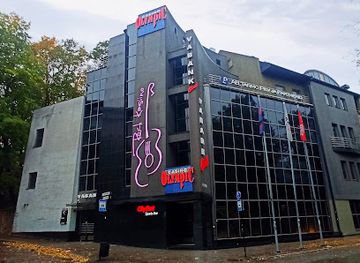
VABANK Club - Ööklubi Tartus
Experience Tartu's nightlife at VABANK Club, a vibrant night club offering dance, drinks, and unforgettable memories in the heart of Estonia.
-
Night club
Club Illusion
Unleash your inner party spirit at Club Illusion, Tartu's premier night club with electrifying music and an unforgettable atmosphere.

Best shops in Tartu County
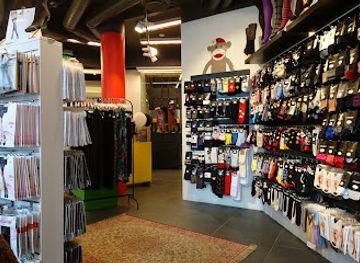
Tartu provides the county’s widest shopping choice, with central high-street retailers, bookshops, design stores, galleries, cafés and independent businesses around the historic centre and university quarter. The city’s markets are useful for seasonal vegetables, berries, preserves, bakery products and other Estonian foods, while museum shops offer books, craft items and culturally focused souvenirs. Outside Tartu, shopping is smaller in scale and often connected with local producers, farm sales, craft workshops and community events rather than large retail centres. The Lake Peipus villages are especially associated with onions and other garden produce, as well as handmade goods and food products that reflect local heritage; availability varies by season and seller. Visitors seeking regional gifts should look for Estonian textiles, ceramics, woodwork, books and carefully labelled food products rather than mass-produced souvenirs. Elva and other county settlements offer practical local shops and services, but Tartu is the best place to browse a broad range of contemporary design and specialist retail.
-
Shopping mall
Lõunakeskus
Discover Tartu's vibrant shopping scene at Lõunakeskus, featuring diverse stores, dining options, and an ice skating rink for family fun.
-
Shopping mall
Tasku Centre
Explore Tasku Centre, Tartu's bustling shopping mall offering diverse shops, delightful dining, and a lively atmosphere for every visitor.
-
Shopping mall
Tartu Kaubamaja
Experience the vibrant shopping scene at Tartu Kaubamaja, where local culture meets international brands in a lively atmosphere.
-
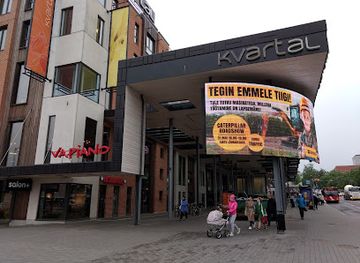
Store
Kvartal
Experience the best of shopping and dining at Kvartal, Tartu's vibrant shopping mall with something for everyone.

Get your free copy of our complete guide to Tartu County, delivered straight to you.
Everything on this page, from attractions and restaurants to essentials and local phrases, in one PDF you can read offline, print or share.
Already have an account? Sign in
Your Tartu County guide is ready.
We'll send it to · Not you? Sign out

Getting your guide ready…
We are putting together a fresh copy of the Tartu County guide. This can take up to a minute.
This can take a few moments. If your browser asks, choose Allow so the download can start. You'll find the guide in your Downloads folder.
Nothing happened? Download it again
Sorry, the guide is taking longer than usual. Please try again in a minute, or get it by email instead.
Tartu County essentials
Currency and Payment
Safety
Emergency Situations
Do's and Don'ts
Local Tips
From Eve
Local phrases worth knowing
You don't need to get them perfect. A few words go a long way, and locals appreciate the effort.
Basics
| English | Local | Say it |
|---|---|---|
| Hello | Tere | [teh-reh] |
| Goodbye | Head aega | [head ah-eh-gah] |
| Yes | Jah | [yah] |
| No | Ei | [ay] |
| Please/You're welcome | Palun | [pah-loon] |
| Thank you | Aitäh | [eye-tah] |
| Excuse me/Sorry | Vabandage | [vah-bahn-dah-geh] |
| How are you? | Kuidas sul on? | [koo-dahs sul on] |
| Fine. And you? | Hästi. Ja sina? | [hahs-tee. yah see-nah] |
| Do you speak English? | Kas sa räägid inglise keelt? | [kas sah rah-eed een-glee-se kehlt] |
| I don't understand | Ma ei saa aru | [mah ay zah ah-roo] |
Eating & Drinking
| English | Local | Say it |
|---|---|---|
| I'd like to see the menu, please | Ma sooviksin menüüd, palun | [mah soh-vik-sin meh-noo-d, pah-loon] |
| I don't eat meat | Ma ei söö liha | [mah ay suh-lie-hah] |
| Cheers! | Terviseks! | [ter-vee-seks] |
| I would like to pay, please | Ma tahaksin maksta, palun | [mah tah-hak-sin mak-stah, pah-loon] |
Emergencies
| English | Local | Say it |
|---|---|---|
| Help! | Aitäh! | [eye-tah] |
| Go away! | Mine ära! | [mee-neh eh-rah] |
| Call the Police! | Helista politseisse! | [heh-lis-tah poh-lee-tsay-seh] |
| Call a doctor! | Helista doktorile! | [heh-lis-tah dok-tor-ih-leh] |
| I'm lost | Ma olen kadunud | [mah oh-len kah-doo-nud] |
| I'm ill | Ma olen haige | [mah oh-len high-geh] |
Shopping
| English | Local | Say it |
|---|---|---|
| I'd like to buy... | Ma tahaksin osta... | [mah tah-hak-sin oh-stah] |
| I'm just looking | Ma lihtsalt vaatan | [mah leess-talt vah-tahn] |
| How much is it? | Kui palju see maksab? | [kwee pah-lyoo seh mak-sahb] |
| That's too expensive | See on liiga kallis | [seh on lee-gah kah-lis] |
| Can you lower the price? | Kas sa saad hinda langetada? | [kas sah sahd hin-dah lahng-eh-tah-dah] |
Time & Numbers
| English | Local | Say it |
|---|---|---|
| What time is it? | Mis kell on? | [miss kel on] |
| It's one o'clock | Kell on üks | [kel on uks] |
| Half past (10) | Kell on pool (10) | [kel on pool (10)] |
| Morning | Hommik | [hoh-mik] |
| Afternoon | Pärastlõuna | [pah-rahst-loo-nah] |
| Evening | Õhtu | [uh-thoo] |
| Yesterday | Eile | [eye-leh] |
| Today | Täna | [tah-nah] |
| Tomorrow | Homme | [hohm-meh] |
| 1 | Üks | [uuks] |
| 2 | Kaks | [kahks] |
| 3 | Kolm | [kohlm] |
| 4 | Neli | [neh-lee] |
| 5 | Viis | [vees] |
| 6 | Kuus | [koos] |
| 7 | Seitsme | [sate-seh-meh] |
| 8 | Kaheksa | [kah-heks-ah] |
| 9 | Üheksa | [u-hek-sah] |
| 10 | Kümme | [kuhm-meh] |
Transport & Directions
| English | Local | Say it |
|---|---|---|
| Where's a/the...? | Kus on ...? | [koos on ...?] |
| What's the address? | Mis on aadress? | [miss on ahd-rehss?] |
| Can you show me (on the map)? | Kas sa saad mulle näidata (kaardil)? | [kas sah sahd mu-lleh nah-eed-tah (kahr-dil)?] |
| When's the next (bus)? | Millal tuleb järgmine (buss)? | [mil-lal too-leb yahrg-meh-neh (boos)?] |
| A ticket (to ....) | Pilet (.... juurde) | [pee-let (.... yoor-day)] |
History of Tartu County
Early Settlement and Tarbatu
The Emajõgi corridor has attracted settlement for centuries because it connected Lake Võrtsjärv, Lake Peipus and the wider waterways of eastern Estonia. On the site of present-day Tartu stood the hill-fort settlement known as Tarbatu, an important local centre before the medieval conquest. Archaeological evidence from the city and surrounding county records trade, farming and defensive occupation in a landscape where river routes were as significant as roads. The region’s later importance was built on this earlier position at a meeting point between inland communities and routes leading towards the Baltic world.
Medieval Dorpat and the Bishopric
After the northern Baltic Crusades, Tartu became Dorpat, a German-influenced medieval town and the seat of the Bishopric of Dorpat. The settlement developed around its hilltop castle and lower town, with churches, merchants and craft activity tied to regional trade. Although the medieval buildings were damaged or lost through later wars and fires, Toome Hill and the surviving cathedral ruins preserve the shape of this period. Tartu’s position between western Estonia, Livonia and the eastern territories made it politically and commercially significant throughout the Middle Ages.
Wars and Imperial Rule, Sixteenth to Eighteenth Centuries
Tartu County was repeatedly affected by the conflicts that reshaped the eastern Baltic. The Livonian War brought Russian occupation, followed by periods under Polish-Lithuanian and Swedish authority before the region became part of the Russian Empire in the early eighteenth century. Warfare, taxation and changing administrations altered the town and countryside, while fires and military destruction repeatedly damaged Tartu. The county thereafter formed part of the Governorate of Livonia, a political framework that linked local institutions with the wider imperial Baltic provinces.
The University of Tartu and Enlightenment Culture
The University of Tartu was founded by King Gustav II Adolf of Sweden in 1632, although its activity was interrupted during periods of war and political change. Re-established in 1802 under Russian rule, it became a major centre of scholarship in the Baltic provinces. Its professors, students and scientific collections helped give Tartu an intellectual role that remains central to the city’s identity. The university also shaped the county’s cultural landscape through research in language, folklore, medicine and the natural sciences, disciplines that contributed to the emergence of modern Estonian national culture.
National Awakening and Estonian Cultural Life
During the nineteenth century, Tartu became one of the principal centres of Estonian-language education, publishing and national organisation. Newspapers, learned societies and student movements helped develop an educated Estonian public sphere, while folklorists documented language and cultural traditions from across the country. The city’s institutions played an important part in the growth of national consciousness, and the surrounding county remained connected to this movement through schools, parishes and rural communities. Tartu’s reputation as Estonia’s cultural and intellectual capital was firmly established during this period.
War, Independence and the Twentieth Century
The First World War, the Estonian War of Independence and the later occupations of Estonia brought major political and social change to Tartu County. Estonia established independence in 1918, but the Second World War was followed by incorporation into the Soviet Union, repression, wartime destruction and post-war restructuring. Tartu retained its university role under Soviet rule, while rural districts experienced collectivisation, changing settlement patterns and industrial development. The restoration of Estonian independence in 1991 opened a new period of civic, economic and cultural renewal.
Contemporary Tartu County
Since the restoration of independence, Tartu has strengthened its position as a centre of higher education, research, medicine, technology and culture. New museums and public spaces have complemented the historic university environment, while renovated riverfront areas have reconnected the city with the Emajõgi. Rural parts of the county have increasingly emphasised nature tourism, walking, cycling, local food and the cultural heritage of Lake Peipus. The result is a region where Estonia’s modern knowledge economy exists alongside historic villages, working landscapes and protected wetlands.
Tartu County in Photos
Browse through our photo collection highlighting the charm and character of the destination.
Neighbouring regions of Tartu County
The closest regions to Tartu County, if you have time for more than one.
-

-

-
-

-


Swipe for more regions
Explore more

Explore more of Estonia
Discover Estonia: A perfect blend of medieval charm, modern innovation, and natural beauty in the heart of Northern Europe.
Explore Estonia