

Free Lahemaa Travel Guide & Mobile App
Explore Lahemaa with free travel guides. Discover regional history, expert tips, proposed trips, and audio guides on web or mobile app.


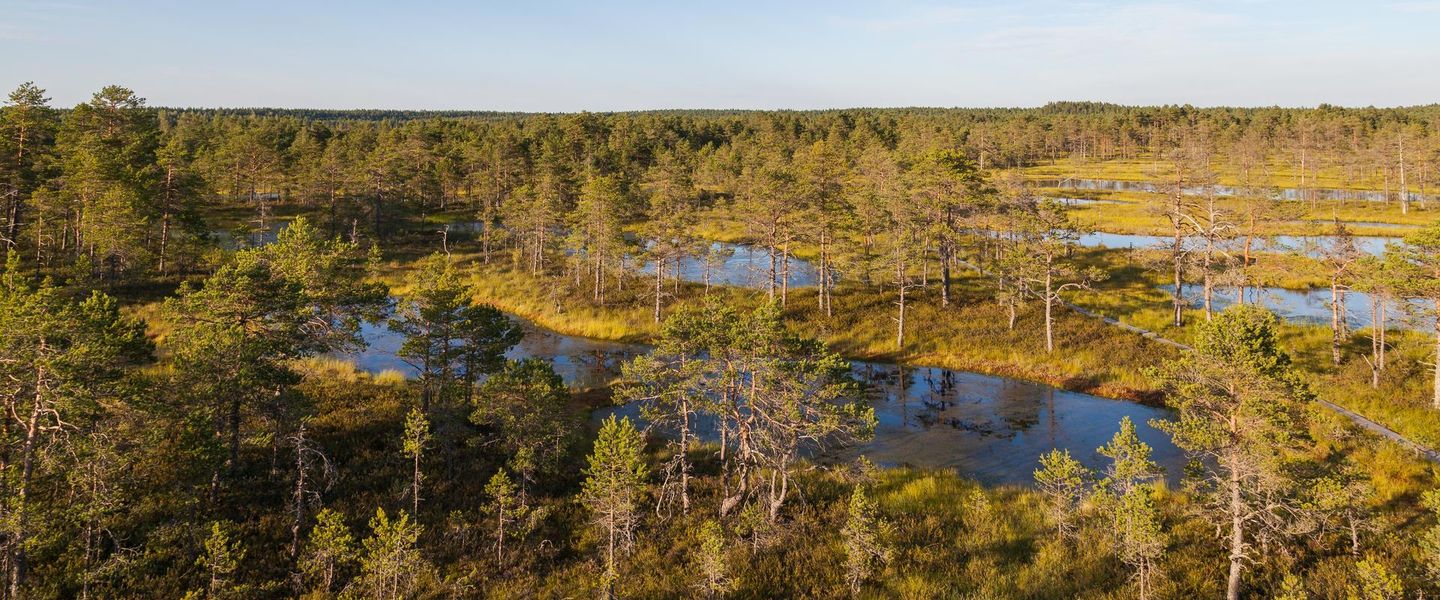


Lahemaa, Estonia’s coastal national park, combines manor houses, fishing villages, bog trails, forests and the open bays of the Gulf of Finland.
Read more about Lahemaa
When is the best time to visit Lahemaa?
Best: June–August · 20–22°C| Month | High (°C) | Rainfall (mm) |
|---|---|---|
| January | 1 | 45 |
| February | 2 | 35 |
| March | 5 | 40 |
| April | 10 | 35 |
| May | 16 | 45 |
| June (best) | 20 | 60 |
| July (best) | 22 | 80 |
| August (best) | 21 | 80 |
| September | 17 | 70 |
| October | 11 | 55 |
| November | 5 | 55 |
| December | 2 | 55 |
Getting to and around Lahemaa
How to get there
Transportation
Destinations in Lahemaa
Resorts, valleys and scenic spots worth a trip of their own.

Swipe for more destinations
Best attractions in Lahemaa
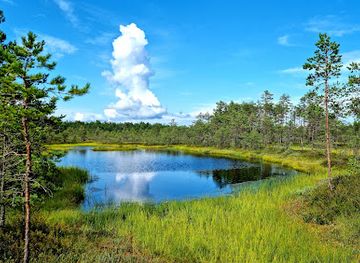
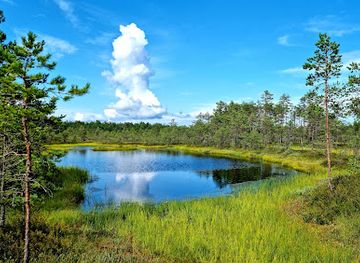
Lahemaa’s attractions combine protected nature with a cultural landscape shaped by coastal communities and historic estates. The Viru Bog trail is the best-known introduction to the park’s peatland, using boardwalks to cross open bog, pools and low pine woodland. Other routes explore forests, beaches, rocky shores and the peninsulas of Käsmu, Juminda and Pärispea, with birdwatching and quiet walking among the principal activities. Palmse Manor presents an extensive estate landscape of house, parkland and outbuildings, while Sagadi adds forestry interpretation and Vihula offers another perspective on manor architecture and grounds. Käsmu Maritime Museum and the village itself illuminate the area’s seafaring past, whereas Altja provides a compact example of traditional coastal settlement. Võsu is the park’s principal seaside resort, with a beach and summer services. The appeal lies less in a single headline attraction than in the way wetlands, woodland, villages, manor estates and the Gulf of Finland can be experienced within one protected region.
-
Tourist attraction
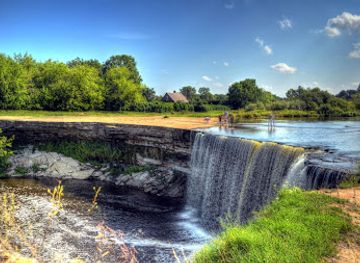
Jägala waterfall
Discover the breathtaking beauty of Jägala Waterfall, Estonia's largest waterfall, surrounded by serene landscapes perfect for relaxation and exploration.
-
Scenic spot
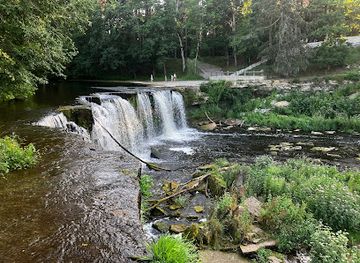
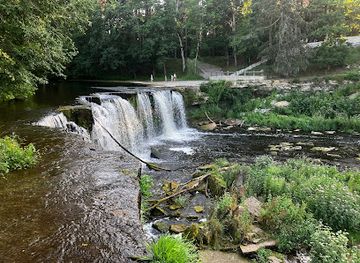
Keila waterfall
Discover the breathtaking beauty of Keila Waterfall, a must-visit scenic spot in Estonia, perfect for nature lovers and photographers alike.
-
National park
Lahemaa National Park
Discover the natural beauty and cultural heritage of Lahemaa National Park, Estonia's premier destination for outdoor adventures and historical exploration.
-
Open air museum
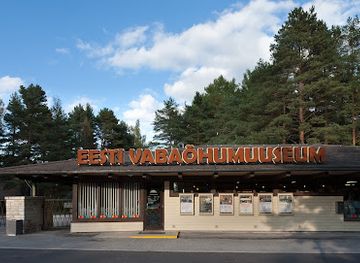
Estonian Open Air Museum
Experience the charm of Estonia's history at the Estonian Open Air Museum, where authentic rural life meets vibrant cultural traditions.


Best landmarks in Lahemaa
Lahemaa’s most recognisable landmarks express the meeting of estate history, maritime culture and northern Estonian nature. Palmse Manor is notable for its restored manor house, formal park, avenues and service buildings, which together reveal how a large Baltic German estate operated. Sagadi Manor forms another important architectural group, with its elegant main house and forestry-related buildings, while Vihula Manor adds a third distinctive estate landscape among wooded grounds. In Käsmu, the white chapel and maritime heritage buildings provide a visual focus for a village long associated with seafaring. Altja’s traditional coastal buildings and fishing-village layout are significant because they preserve the character of a working shoreline settlement. The Viru Bog boardwalk is a natural landmark rather than a monument, giving access to an open peatland landscape that is visually and ecologically central to Lahemaa. Along the coast, the rocky shores and forested headlands of the peninsulas create the region’s defining geography, with bays opening towards the Gulf of Finland.
-
Tourist attraction
Jägala waterfall
Experience the breathtaking beauty of Jägala Waterfall, Estonia's largest waterfall, nestled in the scenic landscapes of Harju County.
-
Scenic spot
Keila waterfall
Explore Keila Waterfall in Estonia: A breathtaking natural wonder with stunning cascades, lush landscapes, and serene hiking trails for nature lovers.
-
National park
Lahemaa National Park
Explore Lahemaa National Park, Estonia's breathtaking natural wonder with stunning landscapes, wildlife, historic manors, and endless outdoor adventures.
-
Open air museum
Estonian Open Air Museum
Explore Estonia's rich cultural heritage at the Estonian Open Air Museum, showcasing traditional architecture and vibrant rural life in a stunning outdoor setting.
Explore Lahemaa on the map
Plan your trip on one map. See where the top cities, national parks and sights are, and book hotels and experiences in a few clicks.
Best hotels in Lahemaa
Best restaurants in Lahemaa
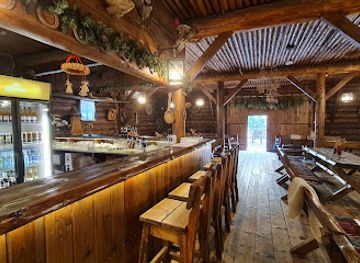
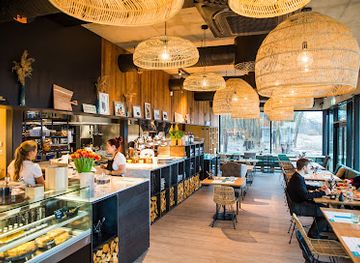
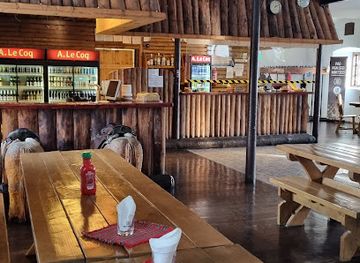
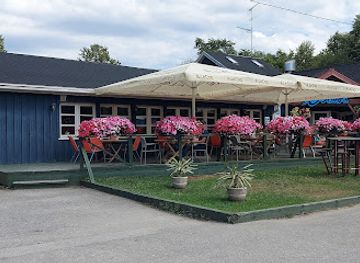
Dining in Lahemaa is shaped by rural Estonia, coastal traditions and the limited scale of its settlements. Manor restaurants and guesthouse kitchens provide more formal meals, while village cafés, country inns and seasonal seaside establishments offer practical stops during a day of exploring. Menus commonly draw on Estonian ingredients such as rye bread, potatoes, dairy products, mushrooms, berries and pork, with fish more closely associated with coastal communities and the Gulf of Finland. Smoked or preserved foods, freshwater and marine catches, soups and baked goods may appear alongside contemporary interpretations of local produce. Võsu has the broadest concentration of summer dining, while Palmse, Sagadi and Vihula are useful places to combine heritage visits with a meal when their facilities are operating. Farmers’ stalls and small rural suppliers can be seasonal rather than permanent, so visitors travelling between villages should not rely on finding food at every stop.
-
Restaurant
Viitna Kõrts
Discover the flavors of Estonia at Viitna Kõrts – where local ingredients meet heartfelt hospitality in Lääne-Viru County.
-
Restaurant
OKO Resto
Discover the flavors of Estonia at OKO Resto - where traditional cuisine meets modern culinary artistry.
-
Restaurant
Musta Täku Tall
Experience authentic Estonian flavors in a charming setting at Musta Täku Tall - your culinary haven in Jäneda.
-
Restaurant
O kõrts
Discover local flavors at O kõrts in Võsu – where every meal is crafted with passion and tradition.
Best bars in Lahemaa
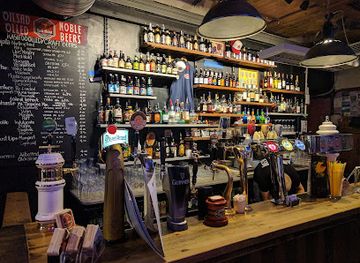
Lahemaa does not have a major nightclub scene; evening life is centred on accommodation restaurants, country inns, seasonal cafés and traditional pubs rather than dedicated late-night districts. Võsu is the liveliest base in summer, when its beach setting and holiday population support more evening activity. Elsewhere, manor properties, guesthouses and village establishments provide quieter opportunities for dinner, local beer or conversation. Some accommodation providers offer tastings or small cultural programmes, but schedules vary and should not be assumed outside the main season. Visitors seeking extensive clubbing, late public transport or a broad choice of cocktail bars will find Tallinn, outside the region, more suitable. In Lahemaa, the appeal of the evening is usually the dark sky, a coastal walk, a sauna or an unhurried meal rather than a concentrated entertainment circuit.
-
Pub
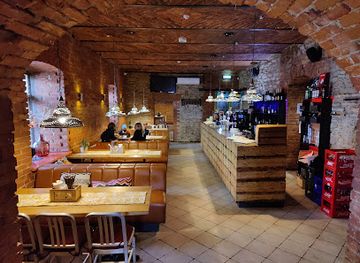
Hell Hunt
Discover Hell Hunt, Tallinn's favorite pub, offering a fantastic beer selection and a lively atmosphere perfect for unwinding after exploring the city.
-
Bar
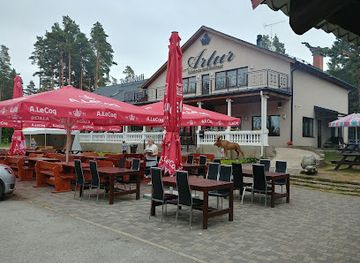
Artur Rõmeda šašlõkibaar
Discover the charm of Artur Rõmeda šašlõkibaar, a cozy bar in Viitna serving mouthwatering shashlik and local delicacies in a warm atmosphere.
-
Pub
Virma Pubi
Discover the local flavors and vibrant atmosphere of Virma Pubi in Rakvere, Estonia's cozy pub that celebrates culinary traditions and community spirit.
-
Grill
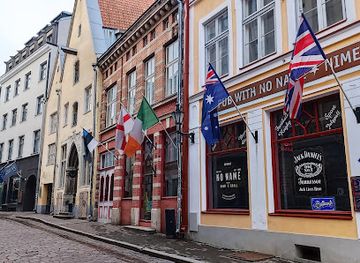
Pub With No Name
Discover the delightful flavors of Estonia at Pub With No Name, a charming bar and grill in the heart of Tallinn, perfect for food lovers.
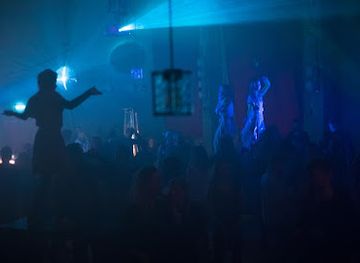
Best nightclubs in Lahemaa
Lahemaa does not have a major nightclub scene; evening life is centred on accommodation restaurants, country inns, seasonal cafés and traditional pubs rather than dedicated late-night districts. Võsu is the liveliest base in summer, when its beach setting and holiday population support more evening activity. Elsewhere, manor properties, guesthouses and village establishments provide quieter opportunities for dinner, local beer or conversation. Some accommodation providers offer tastings or small cultural programmes, but schedules vary and should not be assumed outside the main season. Visitors seeking extensive clubbing, late public transport or a broad choice of cocktail bars will find Tallinn, outside the region, more suitable. In Lahemaa, the appeal of the evening is usually the dark sky, a coastal walk, a sauna or an unhurried meal rather than a concentrated entertainment circuit.
-
Night club
Club Hollywood
Discover the electrifying atmosphere of Club Hollywood in Tallinn, where nightlife comes alive with vibrant music and an energetic crowd.
-
Night club
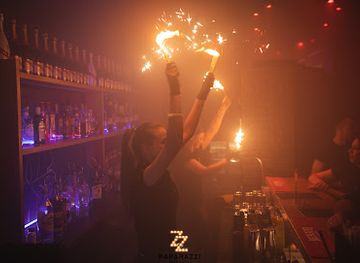
Paparazzi
Dive into Tallinn's vibrant nightlife at Paparazzi, the ultimate night club experience with pulsating beats and an electrifying atmosphere.
-
Night club
Venus Club
Discover the vibrant nightlife of Tallinn at Venus Club, where great music and an electrifying atmosphere await you.
-
Night club
Techno club HALL
Discover the pulse of Tallinn's nightlife at Techno Club HALL, where top DJs spin electrifying beats in a vibrant, spacious setting.


Best shops in Lahemaa
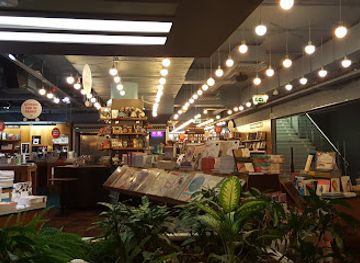
Shopping in Lahemaa is small-scale and locally oriented rather than centred on large retail streets. Palmse, Sagadi, Vihula and Käsmu may offer museum or estate shops, craft items, books and locally produced foods, while guesthouses and seasonal cafés sometimes sell preserves, baked goods or handmade products. Käsmu is particularly associated with maritime heritage, making nautical-themed items and regional history books suitable souvenirs. In villages and along rural roads, occasional farm stalls may stock berries, honey or other produce, but availability is seasonal and payment options vary. Võsu has the widest selection of everyday shops and summer services within the park, though it remains a resort settlement rather than a major shopping destination. Visitors interested in Estonian design, antiques or a more extensive choice of crafts and food markets will find broader retail options in Tallinn, outside Lahemaa, before or after their visit.
-
Shopping mall
Viru Keskus
Explore the dynamic Viru Keskus in Tallinn – a vibrant shopping mall featuring diverse stores, eateries, and family-friendly amenities for a perfect day out.
-
National park
Lahemaa National Park
Discover the stunning landscapes and rich cultural heritage of Lahemaa National Park, Estonia's largest national park, ideal for nature lovers and history fans.
-
Fashion accessories store
Oma Asi
Explore unique fashion accessories at Oma Asi in Tallinn, blending local craftsmanship with modern style for the perfect shopping experience.
-
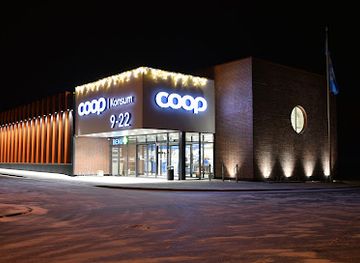
Supermarket
Loksa Konsum
Explore Loksa Konsum for a taste of Estonia's local produce, snacks, and everyday essentials in a warm, welcoming environment.

Get your free copy of our complete guide to Lahemaa, delivered straight to you.
Everything on this page, from attractions and restaurants to essentials and local phrases, in one PDF you can read offline, print or share.
Already have an account? Sign in
Your Lahemaa guide is ready.
We'll send it to · Not you? Sign out

Getting your guide ready…
We are putting together a fresh copy of the Lahemaa guide. This can take up to a minute.
This can take a few moments. If your browser asks, choose Allow so the download can start. You'll find the guide in your Downloads folder.
Nothing happened? Download it again
Sorry, the guide is taking longer than usual. Please try again in a minute, or get it by email instead.
Lahemaa essentials
Currency and Payment
Safety
Emergency Situations
Do's and Don'ts
Local Tips
From Eve
Local phrases worth knowing
You don't need to get them perfect. A few words go a long way, and locals appreciate the effort.
Basics
| English | Local | Say it |
|---|---|---|
| Hello | Tere | [teh-reh] |
| Goodbye | Head aega | [head eye-gah] |
| Yes | Jah | [yah] |
| No | Ei | [ay] |
| Please/You're welcome | Palun | [pah-loon] |
| Thank you | Aitäh | [eye-tah] |
| Excuse me/Sorry | Vabandust | [vah-bahn-doost] |
| How are you? | Kuidas sul käib? | [koo-dahs sool kybe] |
| Fine. And you? | Hästi. Ja sina? | [hahs-tee. yah see-nah] |
| Do you speak English? | Kas sa räägid inglise keelt? | [kas sah ray-gid een-glee-seh keelt] |
| I don't understand | Ma ei saa aru | [mah ay zah ah-roo] |
Eating & Drinking
| English | Local | Say it |
|---|---|---|
| I'd like to see the menu, please | Ma tahaksin näha menüüd, palun | [mah tah-hahksin nah-hah meh-nood, pah-loon] |
| I don't eat meat | Ma ei söö liha | [mah ay süh lih-hah] |
| Cheers! | Terviseks! | [ter-vee-seks] |
| I would like to pay, please | Ma tahaksin maksta, palun | [mah tah-hahksin mak-stah, pah-loon] |
Emergencies
| English | Local | Say it |
|---|---|---|
| Help! | Aita! | [eye-tah] |
| Go away! | Mine ära! | [mee-neh eh-rah] |
| Call the Police! | Kutsu politsei! | [koot-soo poh-lee-tseh] |
| Call a doctor! | Kutsu arst! | [koot-soo ar-st] |
| I'm lost | Ma olen kadunud | [mah oh-len kah-doo-nud] |
| I'm ill | Ma olen haige | [mah oh-len hai-geh] |
Shopping
| English | Local | Say it |
|---|---|---|
| I'd like to buy... | Ma tahaksin osta... | [mah tah-hahksin oh-stah] |
| I'm just looking | Ma lihtsalt vaatan | [mah leess-talt vah-tahn] |
| How much is it? | Kui palju see maksab? | [kwee pah-yoo seh mak-sahb] |
| That's too expensive | See on liiga kallis | [seh on lee-gah kah-lis] |
| Can you lower the price? | Kas sa saad hinda alandada? | [kas sah sahd hin-dah ah-lan-dah] |
Time & Numbers
| English | Local | Say it |
|---|---|---|
| What time is it? | Mis kell on? | [mis kel on] |
| It's one o'clock | Kell on üks | [kel on yuks] |
| Half past (10) | Poole kümne | [po-leh kyum-neh] |
| Morning | Hommik | [hom-mik] |
| Afternoon | Päev | [peh-ev] |
| Evening | Õhtu | [uhk-too] |
| Yesterday | Eile | [ay-leh] |
| Today | Täna | [tah-nah] |
| Tomorrow | Homme | [hoh-meh] |
| 1 | Üks | [uuks] |
| 2 | Kaks | [kahks] |
| 3 | Kolm | [kohlm] |
| 4 | Neli | [neh-lee] |
| 5 | Viis | [vees] |
| 6 | Kuus | [koos] |
| 7 | Seitsme | [sayts-meh] |
| 8 | Kaheksa | [kah-heh-khsah] |
| 9 | Üheksa | [ue-heh-khsah] |
| 10 | Kümme | [kyum-meh] |
Transport & Directions
| English | Local | Say it |
|---|---|---|
| Where's a/the...? | Kus on...? | [koos on] |
| What's the address? | Mis on aadress? | [mis on ah-dress] |
| Can you show me (on the map)? | Kas sa saad mulle näidata (kaardil)? | [kas sah sahd moo-leh nai-dah-tah (kaar-dil)] |
| When's the next (bus)? | Millal on järgmine (buss)? | [mil-lahl on yahr-gih-neh (boos)] |
| A ticket (to ....) | Pilet (....) | [pee-let] |
History of Lahemaa
Early Coastal Settlement and Maritime Life
The bays, peninsulas and sheltered coastal waters of Lahemaa have supported human settlement since prehistoric times. Fishing, seal hunting, small-scale farming and the use of woodland resources shaped communities long before the modern national park existed. Coastal villages developed distinctive relationships with the sea, while inland farms occupied clearings among forests and wetlands. Archaeological traces and traditional settlement patterns show that the region was not an untouched wilderness but a long-inhabited landscape whose geography encouraged both local subsistence and contact across the Gulf of Finland.
Medieval Livonia and Northern Trade
During the medieval period, northern Estonia formed part of Livonia, a political and religious sphere shaped by German, Danish and local influences. The coast around present-day Lahemaa lay within the wider network of settlements and estates linked to Tallinn and other centres. Churches, manorial landholding and changing systems of taxation altered rural life, while the bays provided routes for fishing and small-scale maritime exchange. Although the park has no single medieval city at its centre, its later estates and villages developed from this long period of Christianisation, feudal administration and Baltic trade.
Manor Estates and Baltic German Landholding
From the early modern period into the nineteenth century, much of Lahemaa’s agricultural land was organised through manor estates controlled largely by Baltic German families and institutions. Palmse, Sagadi and Vihula became substantial centres of estate administration, with grand houses, parks, farms, mills and workers’ buildings. The manor system influenced land use, architecture and social relations across northern Estonia. Its legacy remains especially visible in the carefully planned grounds and surviving outbuildings at the three estates, even though the political and economic order that created them disappeared during Estonia’s twentieth-century transformations.
Coastal Villages, Seafaring and Käsmu
Lahemaa’s coastal communities developed a strong maritime identity alongside farming. Käsmu became particularly associated with seafaring and captains, and its sheltered position supported the building and operation of vessels. Fishing villages such as Altja retained close ties to boats, seasonal work and the coast. Maritime life was never entirely separate from the inland economy: timber, agricultural goods and other products moved through coastal routes, while the sea connected local communities to wider networks around the Gulf of Finland. Museums, village buildings and coastal paths preserve parts of this history today.
War, Occupation and Borderland Change
The twentieth century brought Estonia’s independence, the Second World War, Soviet occupation and the restoration of independence in 1991. These upheavals affected estates, farms and coastal communities, while the northern shoreline acquired additional significance because it faced the strategically important Gulf of Finland. Private landholding was ended under Soviet rule, and many manor properties changed function or fell into disrepair. The return of Estonian independence enabled restoration, private enterprise and renewed attention to local heritage, although the marks of the previous political era remain part of the region’s historical landscape.
Lahemaa National Park, Founded in 1971
Lahemaa National Park was established in 1971 as the first national park in the Soviet Union. Its creation recognised the exceptional combination of coastal ecosystems, forests, bogs, traditional villages and manor landscapes found east of Tallinn. Protection altered the way development and land use were managed, helping to conserve habitats and historic settlement patterns through periods of political change. Since Estonia regained independence, the park has continued as a major protected area and visitor destination, with nature conservation, cultural heritage and sustainable recreation forming its central responsibilities.
Restoration and Contemporary Cultural Landscape
Since the late twentieth century, Lahemaa’s manor houses, village buildings and maritime heritage have increasingly been restored or interpreted for visitors. Palmse, Sagadi and Vihula now communicate different aspects of estate history, while Käsmu and Altja present coastal traditions in village settings. Restoration has taken place alongside the protection of bogs, forests and coastal habitats. The contemporary region therefore depends on a balance between tourism, resident communities, forestry, agriculture and conservation, rather than treating heritage and nature as separate attractions.
Lahemaa in Photos
Browse through our photo collection highlighting the charm and character of the destination.
Neighbouring regions of Lahemaa
The closest regions to Lahemaa, if you have time for more than one.
-

-

-

-

-


Swipe for more regions
Explore more

Explore more of Estonia
Discover Estonia: A perfect blend of medieval charm, modern innovation, and natural beauty in the heart of Northern Europe.
Explore Estonia