

Free Harjumaa Travel Guide & Mobile App
Explore Harjumaa with free travel guides. Discover regional history, expert tips, proposed trips, and audio guides on web or mobile app.


Harjumaa combines Tallinn’s medieval heritage and creative culture with Baltic islands, limestone coast, forests, manor estates and rural escapes.
Read more about Harjumaa
When is the best time to visit Harjumaa?
Best: June–August · 20–21°C| Month | High (°C) | Rainfall (mm) |
|---|---|---|
| January | -1 | 40 |
| February | -1 | 30 |
| March | 4 | 35 |
| April | 9 | 40 |
| May | 16 | 50 |
| June (best) | 20 | 60 |
| July (best) | 21 | 80 |
| August (best) | 20 | 80 |
| September | 16 | 70 |
| October | 11 | 70 |
| November | 5 | 60 |
| December | 1 | 50 |
Getting to and around Harjumaa
How to get there
Transportation
Top city travel guides in Harjumaa
The cities of Harjumaa, and the easiest places to base yourself.
-

-

-


Swipe for more cities
Destinations in Harjumaa
Resorts, valleys and scenic spots worth a trip of their own.
-
-


Swipe for more destinations
Best attractions in Harjumaa
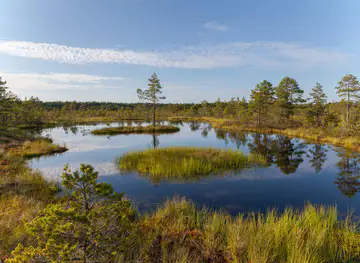
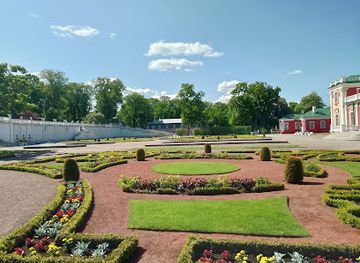
Harjumaa’s attractions range from Tallinn’s concentrated heritage and museum scene to open landscapes along the Gulf of Finland and inland forest districts. The capital provides medieval streets, city walls, churches, art museums, design venues and coastal neighbourhoods, while Kadriorg and Pirita offer parks, seaside walks and access to the city’s cultural institutions. Outside Tallinn, the Pakri Peninsula near Paldiski combines limestone cliffs, open coastal views and a complex military history, and Keila-Joa is known for its waterfall and landscaped park. Jägala Waterfall is an accessible natural excursion east of the capital, particularly impressive after wet weather. The islands of Naissaar and Aegna offer pine forests, beaches and remnants of fortifications, with access dependent on seasonal boat arrangements. Eastern Harju includes woodland and wetland landscapes associated with the edge of Lahemaa National Park, while manor parks, village churches and railway towns provide slower-paced alternatives to the capital. Walking, cycling, birdwatching and cross-country activities are particularly rewarding outside Tallinn, although visitors should check trail conditions and transport connections before setting out.
-
Tourist attraction
Balti Jaama Turg
Discover the vibrant Balti Jaama Turg, Tallinn's bustling marketplace offering fresh produce, delicious street food, and unique local crafts.
-
Tourist attraction
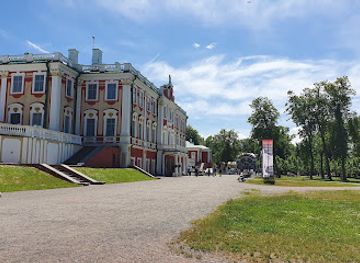
Kadriorg Park
Explore the natural beauty and cultural treasures of Kadriorg Park in Tallinn, a serene escape filled with art, history, and lush landscapes.
-
Maritime museum
Lennusadam
Discover the maritime history of Estonia at Lennusadam, a captivating museum featuring historic ships, engaging exhibits, and stunning waterfront views.
-
Tourist attraction
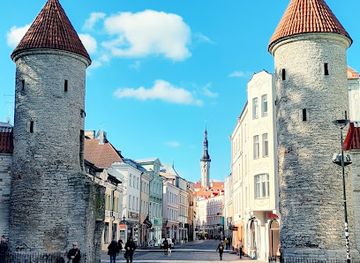
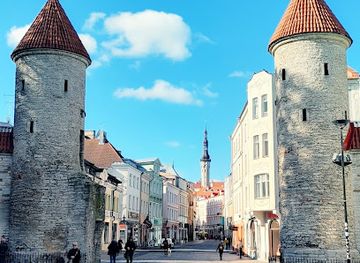
Viru Gate
Explore the historic Viru Gate, the enchanting entrance to Tallinn's Old Town, where medieval architecture meets vibrant culture.


Best landmarks in Harjumaa
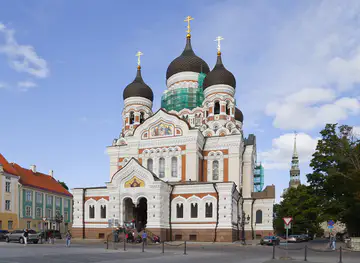
Tallinn’s Old Town is Harjumaa’s defining landmark, with its preserved medieval street plan, Toompea skyline, city walls and towers expressing the capital’s role in Baltic trade and government. The Alexander Nevsky Cathedral, St Olaf’s Church and the Town Hall are prominent elements of this historic core, though each reflects a different period and architectural tradition. Kadriorg Palace and its surrounding park represent the imperial-era landscape east of the medieval city, while the Pirita Convent ruins provide a substantial Gothic presence beside the coast. Beyond Tallinn, the limestone cliffs of the Pakri Peninsula form one of the county’s most recognisable natural landmarks, with the lighthouse area and exposed shoreline emphasising the geology of northern Estonia. Jägala Waterfall is another widely known natural feature, cutting through the limestone plateau east of the capital. Keila-Joa’s waterfall and park, Naissaar’s coastal forests and the military remains around Paldiski add further landmarks that connect Harjumaa’s natural setting with its maritime and strategic history.
-
Park
Kadriorg Park
Kadriorg Park: A Majestic Green Retreat in Tallinn, Blending Natural Beauty and Cultural Heritage for Every Traveler.
-
Historical landmark
Viru Gate
Explore the vibrant atmosphere and rich history of Viru Gate, a key landmark in Tallinn's enchanting Old Town, where past and present unite.
-
Historical landmark
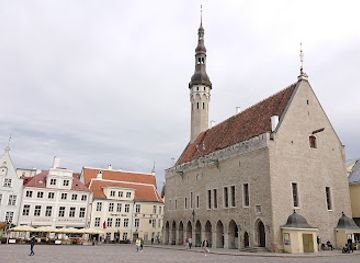
Tallinn Town Hall
Explore Tallinn Town Hall, a Gothic masterpiece and historical landmark in Estonia's capital, offering stunning architecture and rich cultural experiences.
-
Tourist attraction
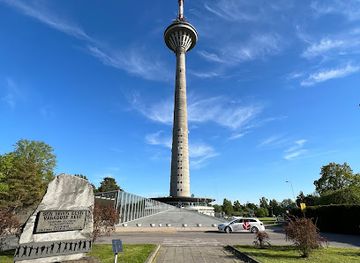
Tallinn TV Tower
Discover Tallinn from above at the Tallinn TV Tower, where breathtaking views meet rich history and delicious Estonian cuisine.
Explore Harjumaa on the map
Plan your trip on one map. See where the top cities, national parks and sights are, and book hotels and experiences in a few clicks.
Best hotels in Harjumaa
Best restaurants in Harjumaa
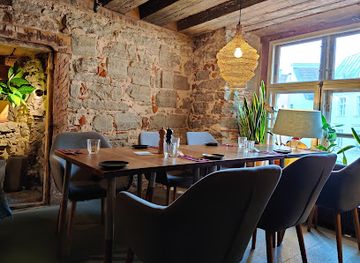
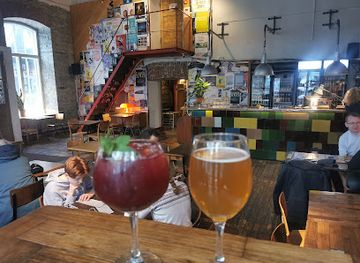
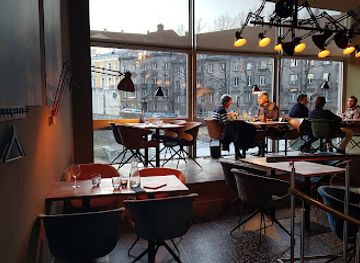
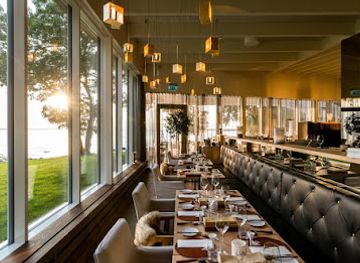
Dining in Harjumaa is anchored by Tallinn’s broad restaurant culture, where contemporary Estonian cooking sits alongside Nordic, Baltic, Russian-influenced and international cuisines. Local menus commonly draw on rye bread, potatoes, dairy products, pork, fish, mushrooms, berries and seasonal herbs, with smoked or preserved foods reflecting both inland and coastal traditions. The capital has the greatest range of cafés, bakeries, food halls, modern restaurants and traditional-style pubs, while towns such as Keila, Paldiski and Viimsi offer more limited but useful choices. Coastal areas may feature Baltic herring, other local fish and simple seasonal dishes, although availability depends on the establishment and time of year. Farmers’ markets and food shops are good places to find black bread, curd products, preserves, juniper-flavoured goods and berry preparations. Outside Tallinn, rural inns and cafés may keep shorter hours, so checking arrangements ahead is sensible when planning a countryside route.
-
Restaurant
Restaurant Rataskaevu 16
Experience authentic Estonian flavors in an inviting setting at Restaurant Rataskaevu 16, Tallinn's culinary treasure.
-
Restaurant
Restaurant F-Hoone
Discover culinary excellence at Restaurant F-Hoone in Tallinn's creative hub—where local flavors meet artistic ambiance.
-
Restaurant
Restaurant Pegasus
Discover exquisite flavors at Restaurant Pegasus - Tallinn's culinary haven blending local traditions with modern flair.
-
Restaurant
NOA Restaurant
Experience fine dining with breathtaking sea views at NOA Restaurant in Tallinn – where innovative cuisine meets elegant ambiance.
Best bars in Harjumaa
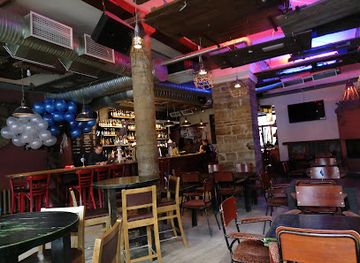
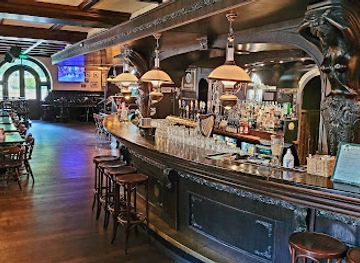
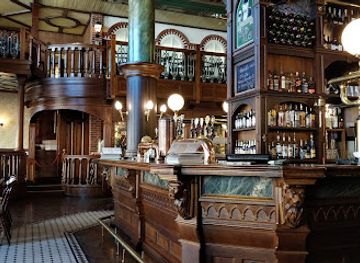
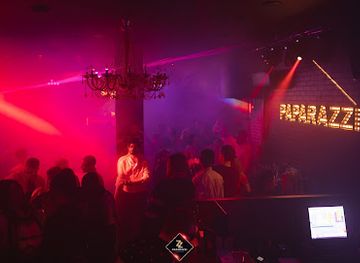
Tallinn contains Harjumaa’s main evening scene, with traditional pubs, cocktail bars, wine bars, craft-beer venues, live-music rooms and clubs concentrated in and around the Old Town, the railway-side districts and newer creative quarters. Kadriorg, Kalamaja and the harbour area offer a different atmosphere, with restaurants and compact bars rather than one continuous nightlife district. The city also has theatres, concert venues and seasonal cultural programming that broaden the choice beyond drinking establishments. In Paldiski, Keila, Viimsi and smaller county settlements, evenings are generally quieter and centre on local pubs, restaurants and occasional community or live-music events. Island and rural nightlife is limited, seasonal and dependent on accommodation providers, so visitors should not expect late transport or a large club scene outside Tallinn. Estonia’s legal drinking age and general public-order rules apply throughout the county.
-
Pub
Hell Hunt
Experience the vibrant atmosphere and extensive beer selection at Hell Hunt, a beloved pub in Tallinn's bustling city center.
-
Irish pub
Dubliner
Experience the warmth of Irish hospitality at Dubliner in Tallinn – a cozy pub with hearty food, great drinks, and vibrant entertainment.
-
Pub
Vana Villem Pub
Experience the heart of Tallinn at Vana Villem Pub, where Estonian culture meets a vibrant pub atmosphere.
-
Cocktail bar
Sigmund Freud Bar
Discover the eclectic charm of Sigmund Freud Bar in Tallinn, where creative cocktails and a vibrant atmosphere await every night.

Best nightclubs in Harjumaa
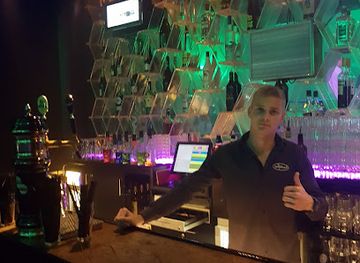
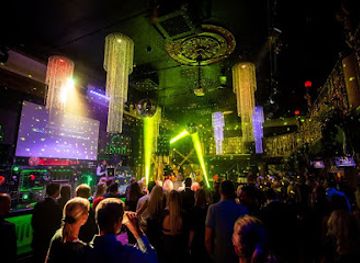
Tallinn contains Harjumaa’s main evening scene, with traditional pubs, cocktail bars, wine bars, craft-beer venues, live-music rooms and clubs concentrated in and around the Old Town, the railway-side districts and newer creative quarters. Kadriorg, Kalamaja and the harbour area offer a different atmosphere, with restaurants and compact bars rather than one continuous nightlife district. The city also has theatres, concert venues and seasonal cultural programming that broaden the choice beyond drinking establishments. In Paldiski, Keila, Viimsi and smaller county settlements, evenings are generally quieter and centre on local pubs, restaurants and occasional community or live-music events. Island and rural nightlife is limited, seasonal and dependent on accommodation providers, so visitors should not expect late transport or a large club scene outside Tallinn. Estonia’s legal drinking age and general public-order rules apply throughout the county.
-
Night club
MJClub
Experience Tallinn's nightlife at MJClub, a vibrant night club featuring great music, dance, and an electrifying atmosphere for all party enthusiasts.
-
Night club
Club Hollywood
Discover Tallinn's vibrant nightlife at Club Hollywood, where music, dance, and energy create unforgettable evenings.
-
Night club
Paparazzi
Discover the electrifying nightlife of Tallinn at Paparazzi, where dance, music, and camaraderie come alive in a vibrant atmosphere.
-
Night club
Venus Club
Venus Club in Tallinn: Where the Night Comes Alive with Music, Dance, and Unforgettable Experiences.

Best shops in Harjumaa
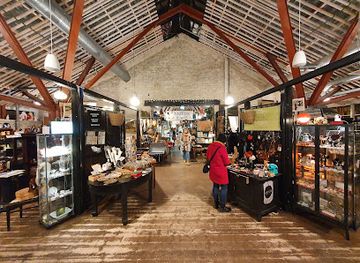
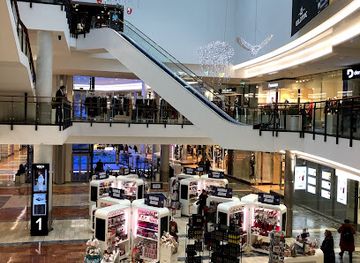
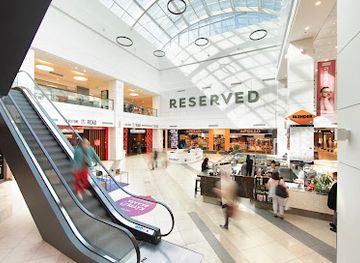
Tallinn is Harjumaa’s principal shopping centre, offering independent design shops, bookshops, galleries, department stores, modern retail centres and restored market spaces. The Old Town is suited to crafts, local design and gifts, while Kalamaja and nearby creative districts have a stronger independent and contemporary character. Visitors looking for edible souvenirs can seek Estonian rye bread, chocolate, preserves, berry products, smoked foods, herbal goods and small-batch drinks, subject to current retail availability. Markets and food halls are useful for comparing regional produce, although individual trading days and stallholders can change. Outside the capital, shopping is more practical and local in towns such as Keila, Saue, Paldiski and Viimsi, with supermarkets, smaller high streets and occasional craft or seasonal markets rather than extensive tourist retail. Rural manor or coastal routes may include galleries and farm-based producers, but these are dispersed and often require advance planning. Traditional textiles, ceramics, woodwork and contemporary Estonian design make more meaningful souvenirs than generic imported items.
-
 Shopping mall
Ülemiste Centre
Explore the vast shopping, dining, and entertainment options at Ülemiste Centre, Tallinn's premier shopping destination for every traveler.
-
Market
Balti Jaama Turg
Experience the heart of Tallinn at Balti Jaama Turg, a vibrant market filled with local delicacies, unique shops, and cultural treasures.
-
Shopping mall
Viru Keskus
Discover the ultimate shopping experience at Viru Keskus, Tallinn's premier mall featuring fashion, home goods, and dining options for every taste.
-
Shopping mall
Kristiine center
Explore Kristiine Center, Tallinn's largest shopping mall, offering diverse shopping, dining, and entertainment experiences in a vibrant atmosphere.
Get your free copy of our complete guide to Harjumaa, delivered straight to you.
Everything on this page, from attractions and restaurants to essentials and local phrases, in one PDF you can read offline, print or share.
Already have an account? Sign in
Your Harjumaa guide is ready.
We'll send it to · Not you? Sign out

Getting your guide ready…
We are putting together a fresh copy of the Harjumaa guide. This can take up to a minute.
This can take a few moments. If your browser asks, choose Allow so the download can start. You'll find the guide in your Downloads folder.
Nothing happened? Download it again
Sorry, the guide is taking longer than usual. Please try again in a minute, or get it by email instead.
Harjumaa essentials
Currency and Payment
Safety
Emergency Situations
Do's and Don'ts
Local Tips
From Eve
Local phrases worth knowing
You don't need to get them perfect. A few words go a long way, and locals appreciate the effort.
Basics
| English | Local | Say it |
|---|---|---|
| Hello | Tere | [te-re] |
| Goodbye | Nägemist | [na-ge-mist] |
| Yes | Jah | [yah] |
| No | Ei | [ay] |
| Please/You're welcome | Palun | [pa-lun] |
| Thank you | Aitäh | [ai-tah] |
| Excuse me/Sorry | Vabandust | [va-ban-dust] |
| How are you? | Kuidas sul läheb? | [kwee-das sul leh-hab?] |
| Fine. And you? | Hästi. Ent sina? | [hest-ee. ent see-na?] |
| Do you speak English? | Kas sa räägid inglise keelt? | [kas sa ray-gid in-gli-se keelt?] |
| I don't understand | Ma ei saa aru | [ma ay zah a-roo] |
Eating & Drinking
| English | Local | Say it |
|---|---|---|
| I'd like to see the menu, please | Tahaksin menüüd näha, palun | [ta-hak-sin men-ood na-ha, pa-lun] |
| I don't eat meat | Ma ei söö liha | [ma ay söo li-ha] |
| Cheers! | Terviseks! | [ter-vee-seks] |
| I would like to pay, please | Tahaksin maksta, palun | [ta-hak-sin mak-sta, pa-lun] |
Emergencies
| English | Local | Say it |
|---|---|---|
| Help! | Aita! | [ai-ta] |
| Go away! | Mine minema! | [mi-ne mi-ne-ma] |
| Call the Police! | Kutsu politsei! | [koot-su po-li-tsei] |
| Call a doctor! | Kutsu arst! | [koot-su arst] |
| I'm lost | Ma olen kadunud | [ma o-len ka-du-nud] |
| I'm ill | Ma olen haige | [ma o-len hai-ge] |
Shopping
| English | Local | Say it |
|---|---|---|
| I'd like to buy... | Tahaksin osta... | [ta-hak-sin os-ta] |
| I'm just looking | Ma lihtsalt vaatan | [ma leest-lat vaa-tan] |
| How much is it? | Kui palju see maksab? | [kwee pal-yu se mak-sab?] |
| That's too expensive | See on liiga kallis | [se on lee-ga kal-lis] |
| Can you lower the price? | Kas sa saad hinda alandada? | [kas sa saad hin-da a-lan-da-da] |
Time & Numbers
| English | Local | Say it |
|---|---|---|
| What time is it? | Mis kell on? | [mis kel on?] |
| It's one o'clock | Kell on üks | [kel on yuks] |
| Half past (10) | Poole kümme | [po-le ky-me] |
| Morning | Hommik | [hom-mik] |
| Afternoon | Päev | [pai-ev] |
| Evening | Õhtu | [uh-thu] |
| Yesterday | Eile | [ey-le] |
| Today | Täna | [ta-na] |
| Tomorrow | Homme | [hom-me] |
| 1 | Üks | [yuks] |
| 2 | Kaks | [kaks] |
| 3 | Kolm | [kolm] |
| 4 | Neli | [ne-li] |
| 5 | Viis | [viis] |
| 6 | Kuus | [kuus] |
| 7 | Seitsme | [seits-me] |
| 8 | Kaheksa | [ka-heksa] |
| 9 | Üheksa | [yheksa] |
| 10 | Kümme | [ky-me] |
Transport & Directions
| English | Local | Say it |
|---|---|---|
| Where's a/the...? | Kus on...? | [kus on?] |
| What's the address? | Mis on aadress? | [mis on aa-dress?] |
| Can you show me (on the map)? | Kas sa saad mulle näidata (kaardil)? | [kas sa saad mu-le nai-da-ta (kaar-dil)?] |
| When's the next (bus)? | Millal on järgmine (buss)? | [mil-lal on järg-mi-ne (buss)?] |
| A ticket (to ....) | Pilet (....) | [pi-let] |
History of Harjumaa
Prehistoric Coastal Settlement
The land now forming Harju County has been occupied since prehistoric times, with archaeological evidence of settlement, farming, fishing and trade around the northern coast and inland waterways. Its position beside the Gulf of Finland connected local communities with wider Baltic networks. Stone tools, burial places and later fortified settlement sites demonstrate long-term interaction between the coast and the forested interior. Although many early traces are not presented as monumental attractions, they provide the foundation for understanding Harjumaa as a long-inhabited meeting ground rather than a landscape shaped only by the medieval city of Tallinn.
Danish Tallinn and Medieval Harju
In 1219, Danish forces captured the hill later known as Toompea, beginning Tallinn’s medieval development under Danish rule. The settlement grew around its upper fortress and lower merchant town, while surrounding Harju lands became part of a political and economic sphere dominated by estates, churches and fortified centres. Tallinn’s medieval walls, towers, churches and street plan survive as the clearest physical legacy of this period. German-speaking merchants and craftsmen helped shape the city’s place within Baltic trade, while rural Harju remained connected to the capital through agriculture, roads and estate networks.
Hanseatic Trade and Urban Growth
From the late Middle Ages, Tallinn became an important port and member of the Hanseatic trading system, linking northern Estonia with Lübeck, Scandinavia, Novgorod and other Baltic markets. Grain, wax, timber and other goods moved through the harbour, while imported materials influenced the city’s architecture and religious institutions. The prosperity of merchants and civic authorities produced the warehouses, guild buildings and churches that give the Old Town its distinctive character. Beyond the walls, manors, parish churches and roads developed within the same trade-oriented landscape, tying Harju County’s rural economy to Tallinn’s urban market.
Swedish and Russian Rule
Harjumaa passed through Swedish rule before becoming part of the Russian Empire in the early eighteenth century. These changes altered administration, landholding and military priorities but did not erase the region’s older German-Baltic and Estonian influences. Tallinn’s fortifications were strengthened, manor estates expanded or rebuilt, and new military installations appeared along the coast. Paldiski developed as a naval port under Russian rule, while roads and later railways improved connections between Tallinn, the hinterland and the sea. Many manor houses, parks and defensive structures visible across the county reflect this long imperial period.
National Awakening and Estonian Independence
During the nineteenth century, Estonian-language education, publishing and cultural organisation helped shape a stronger national identity. Tallinn became a centre of political and cultural activity, while rural communities across Harju participated in the wider transformation of Estonian society. After the collapse of the Russian Empire, Estonia declared independence in 1918. The interwar republic developed its institutions, transport links and civic architecture, and Harjumaa’s proximity to Tallinn made it central to national administration, commerce and communications.
Soviet Occupation and Military Landscapes
Estonia was occupied by the Soviet Union in 1940, with a German occupation during the Second World War before Soviet rule was re-established. Harjumaa was reshaped by industrialisation, population movement and military planning. Paldiski became a heavily restricted Soviet naval and nuclear-training centre, while coastal zones and islands were subject to extensive military control. Industrial districts east of Tallinn and large housing developments around the capital also expanded. Abandoned barracks, coastal batteries and other restricted-era structures remain part of the county’s modern historical landscape, although access and preservation vary.
Restored Independence and Contemporary Harjumaa
Estonia restored its independence in 1991, prompting rapid political, economic and cultural change in Harjumaa. Tallinn developed into the country’s principal centre for government, technology, design, creative industries and international connections, while former military and industrial sites began to acquire new civilian uses. Improved roads, rail services and tourism have made the county’s coast, islands and nature areas more accessible. At the same time, suburban growth around Tallinn has transformed parts of the countryside, creating an ongoing contrast between urban expansion, protected landscapes and older rural communities.
Harjumaa in Photos
Browse through our photo collection highlighting the charm and character of the destination.
Neighbouring regions of Harjumaa
The closest regions to Harjumaa, if you have time for more than one.
-

-

-

-

-


Swipe for more regions
Explore more

Explore more of Estonia
Discover Estonia: A perfect blend of medieval charm, modern innovation, and natural beauty in the heart of Northern Europe.
Explore Estonia