

Free Harju County Travel Guide & Mobile App
Explore Harju County with free travel guides. Discover regional history, expert tips, proposed trips, and audio guides on web or mobile app.


Explore Harju County from Tallinn’s medieval core to Baltic islands, limestone coasts, waterfalls, forests and historic rural landscapes.
Read more about Harju County
When is the best time to visit Harju County?
Best: June–August · 20–23°C| Month | High (°C) | Rainfall (mm) |
|---|---|---|
| January | 0 | 40 |
| February | 0 | 35 |
| March | 4 | 40 |
| April | 9 | 40 |
| May | 16 | 45 |
| June (best) | 20 | 55 |
| July (best) | 23 | 60 |
| August (best) | 22 | 70 |
| September | 17 | 65 |
| October | 11 | 60 |
| November | 5 | 55 |
| December | 1 | 50 |
Getting to and around Harju County
How to get there
Transportation
Top city travel guides in Harju County
The cities of Harju County, and the easiest places to base yourself.
-

-

-


Swipe for more cities
Destinations in Harju County
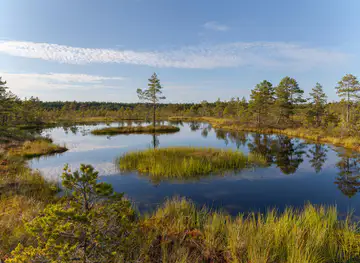
Resorts, valleys and scenic spots worth a trip of their own.
-
-


Swipe for more destinations
Best attractions in Harju County
Harju County offers a broad mixture of urban heritage, coastal scenery and accessible countryside. Tallinn’s Old Town provides medieval streets, churches, defensive towers and museums, while Kadriorg brings together an imperial park, art collections and elegant historic architecture. Pirita combines the ruins of the Bridgettine convent with riverside and seaside recreation, and the Estonian Open Air Museum in Rocca al Mare introduces traditional rural buildings from across Estonia. Beyond the capital, Jägala Waterfall is one of the county’s most recognisable natural sights, particularly during high water. Keila-Joa offers a waterfall and landscaped park, while the Pakri Peninsula near Paldiski is known for limestone cliffs, open Baltic views and military history. The county’s forests, beaches and peninsulas support walking, cycling, birdwatching and seasonal swimming. Aegna and Naissaar provide island landscapes close to Tallinn, but boat arrangements require advance checking. Archaeological and cultural attractions around Rebala, Viimsi and the northern coast reveal older settlement patterns and maritime traditions, giving the region depth beyond its capital.
-
Park
Kadriorg Park
Explore Kadriorg Park: A Stunning Green Oasis in Tallinn Rich in History, Culture, and Natural Beauty, Perfect for Relaxation and Exploration.
-
Maritime museum
Lennusadam
Explore the maritime heritage of Estonia at Lennusadam, where history meets adventure in a stunning waterfront setting.
-
Historical landmark
Freedom Square
Explore Freedom Square in Tallinn, a historic landmark celebrating Estonian independence with vibrant culture and captivating views.
-
Historical landmark
Tallinn Town Hall
Experience the enchanting Tallinn Town Hall, a historical gem in the heart of Estonia's Old Town, showcasing stunning Gothic architecture and rich heritage.


Best landmarks in Harju County
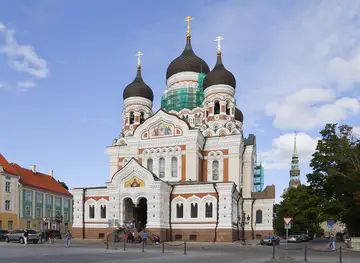
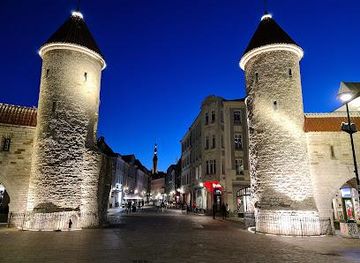
Tallinn’s medieval Old Town is Harju County’s defining landmark ensemble, with its preserved walls, towers, steep-roofed merchant houses, Town Hall Square and the contrasting silhouettes of Toompea churches and civic buildings. The complex expresses the city’s medieval role in Baltic trade rather than representing a single monument. Kadriorg Palace and its surrounding park form a later imperial landmark, built during the Russian period and now associated with Estonia’s museum and cultural life. The ruins of Pirita Convent provide a powerful reminder of late-medieval religious foundations, with tall stone walls standing beside the modern coast. West of Tallinn, the Pakri cliffs and lighthouse landscape near Paldiski are prominent natural and navigational landmarks shaped by the county’s limestone geology and maritime history. Jägala Waterfall is another recognisable physical feature, cutting through the limestone terrain east of the capital. The TV Tower in Tallinn provides a modern vertical marker, while the wooden buildings and coastal settings of Viimsi, Aegna and Naissaar add smaller-scale landmarks linked to island, military and fishing history.
-
Park
Kadriorg Park
Explore the lush beauty and cultural treasures of Kadriorg Park, a serene haven in Tallinn, Estonia, perfect for nature lovers and history enthusiasts alike.
-
Historical landmark
Freedom Square
Discover the vibrant history and culture of Estonia at Freedom Square, a must-visit landmark in Tallinn where heritage meets modernity.
-
Historical landmark
Viru Gate
Explore Viru Gate, Tallinn's historical treasure that connects the past with the vibrant present, nestled in the heart of Estonia's capital.
-
Historical landmark
Tallinn Town Hall
Explore the enchanting Tallinn Town Hall, a medieval marvel in the heart of Estonia's capital, rich in history and culture.



Explore Harju County on the map
Plan your trip on one map. See where the top cities, national parks and sights are, and book hotels and experiences in a few clicks.
Best hotels in Harju County
Best restaurants in Harju County
Harju County’s dining scene is centred on Tallinn, where contemporary Estonian cooking appears alongside cafés, market counters, neighbourhood restaurants and international cuisines. Local menus often draw on rye bread, potatoes, dairy, pork, fish, berries, mushrooms and seasonal vegetables, with smoked or pickled ingredients reflecting Estonia’s northern climate and Baltic connections. Tallinn’s market culture is a practical way to encounter regional produce, while coastal settlements may offer fish-based dishes when supplies are available. Outside the capital, rural inns, manor-area restaurants and small cafés provide a quieter setting, though opening arrangements can be seasonal and should be checked ahead. Estonian food is not limited to heavy traditional fare: chefs increasingly combine familiar ingredients with lighter, modern techniques. Beer, berry drinks and locally made spirits are common accompaniments, and coffee culture is well established. Visitors should distinguish genuinely local ingredients from general Nordic or Baltic influences, since Harju’s contemporary food identity is closely connected to Estonia as a whole while still shaped by its capital, coast and countryside.
-
Restaurant
Restoran Olde Hansa
Experience medieval charm and authentic Estonian cuisine at Restoran Olde Hansa in Tallinn.
-
Restaurant
Restaurant Rataskaevu 16
Experience authentic Estonian flavors at Restaurant Rataskaevu 16, where every dish tells a story in Tallinn's historic center.
-
Restaurant
Restaurant F-Hoone
Discover culinary creativity at Restaurant F-Hoone in Tallinn's artistic Telliskivi district – where local flavors meet modern dining.
-
Restaurant
Restaurant Pegasus
Discover the culinary magic at Restaurant Pegasus in Tallinn - where Estonian tradition meets modern gastronomy.


Best bars in Harju County
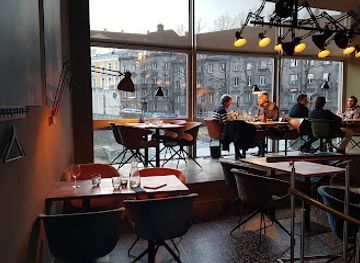
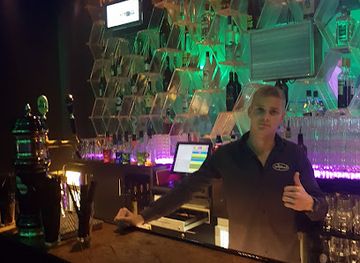
Nightlife in Harju County is concentrated in Tallinn, where the medieval centre, harbour area, Kalamaja and adjacent neighbourhoods contain pubs, cocktail bars, live-music rooms, restaurants and clubs. The capital’s evening culture ranges from relaxed craft-beer venues and wine bars to larger dance spaces, with theatre and concert programmes providing alternatives to clubbing. In Pirita, Viimsi and other coastal districts, evenings are more commonly built around restaurants, hotel bars and seasonal waterfront activity than a dense nightlife scene. Outside Tallinn, traditional pubs and small bars serve as important social venues in larger settlements, but rural evenings are generally quiet and venues may close earlier or operate seasonally. Estonia’s long summer days encourage outdoor terraces and festivals, while winter nightlife is more indoor-focused. Check current listings and transport options before staying late outside the capital, as regional buses and trains are less frequent than Tallinn’s urban services.
-
Pub
Hell Hunt
Discover the essence of Estonian culture at Hell Hunt, a vibrant pub in Tallinn, famous for its local brews and authentic cuisine.
-
Irish pub
Dubliner
Experience the warmth of Irish hospitality at The Dubliner in Tallinn, where authentic cuisine meets vibrant live music and a welcoming atmosphere.
-
Pub
Vana Villem Pub
Experience the vibrant atmosphere and delicious Estonian cuisine at Vana Villem Pub in Tallinn, your perfect stop for relaxation and socializing.
-
Cocktail bar
Labor Baar
Experience innovative cocktails and a quirky atmosphere at Labor Baar, Tallinn's unique cocktail bar with a lab-themed twist.


Best nightclubs in Harju County
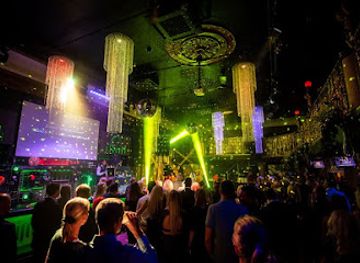
Nightlife in Harju County is concentrated in Tallinn, where the medieval centre, harbour area, Kalamaja and adjacent neighbourhoods contain pubs, cocktail bars, live-music rooms, restaurants and clubs. The capital’s evening culture ranges from relaxed craft-beer venues and wine bars to larger dance spaces, with theatre and concert programmes providing alternatives to clubbing. In Pirita, Viimsi and other coastal districts, evenings are more commonly built around restaurants, hotel bars and seasonal waterfront activity than a dense nightlife scene. Outside Tallinn, traditional pubs and small bars serve as important social venues in larger settlements, but rural evenings are generally quiet and venues may close earlier or operate seasonally. Estonia’s long summer days encourage outdoor terraces and festivals, while winter nightlife is more indoor-focused. Check current listings and transport options before staying late outside the capital, as regional buses and trains are less frequent than Tallinn’s urban services.
-
Night club
MJClub
Explore the electrifying nightlife of Tallinn at MJClub, where vibrant music and unforgettable experiences await every night.
-
Night club
Club Hollywood
Discover the electric nightlife of Tallinn at Club Hollywood, where unforgettable music and vibrant crowds create an exhilarating experience.
-
Night club
Paparazzi
Experience the electrifying nightlife at Paparazzi, Tallinn's premier nightclub, where vibrant music and a lively atmosphere await every night.
-
Night club
Venus Club
Discover the pulsating nightlife at Venus Club in Tallinn, where music, dancing, and unforgettable memories await every night.


Best shops in Harju County
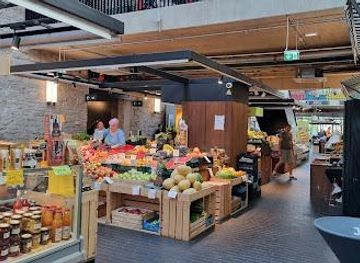
Tallinn provides Harju County’s widest shopping choice, from the independent streets and design shops of the central districts to department stores, modern shopping centres, bookshops, galleries and food halls. The Old Town is oriented towards crafts, amber, woollen goods, ceramics and souvenirs, so compare quality and provenance before buying. Kalamaja and nearby creative districts are associated with independent design, second-hand clothing, studios and small lifestyle shops, although individual businesses change over time. Markets are useful for rye bread, preserves, honey, berries, smoked products and other Estonian food gifts, while rural Harju offers fewer permanent retail options but occasional farm shops, craft outlets and seasonal stalls. Good regional souvenirs include linen, knitwear, woodwork, locally produced food and practical design objects rather than mass-produced items presented as local. Travellers visiting islands or coastal villages should not assume shops will be open throughout the day, particularly outside the summer season.
-
Shopping mall
Ülemiste Centre
Explore Ülemiste Centre: Tallinn's bustling shopping paradise with diverse stores, delicious dining options, and lively entertainment for everyone.
-
Market
Balti Jaama Turg
Explore Balti Jaama Turg, Tallinn's vibrant market blending local cuisine, unique crafts, and a lively atmosphere for an unforgettable cultural experience.
-
Shopping mall
Viru Keskus
Explore Viru Keskus, Tallinn's vibrant shopping mall offering a wide range of stores, dining options, and a lively atmosphere for all visitors.
-
Shopping mall
Kristiine center
Discover Kristiine Center, Tallinn's vibrant shopping hub with a diverse range of stores, dining options, and family-friendly entertainment.



Get your free copy of our complete guide to Harju County, delivered straight to you.
Everything on this page, from attractions and restaurants to essentials and local phrases, in one PDF you can read offline, print or share.
Already have an account? Sign in
Your Harju County guide is ready.
We'll send it to · Not you? Sign out

Getting your guide ready…
We are putting together a fresh copy of the Harju County guide. This can take up to a minute.
This can take a few moments. If your browser asks, choose Allow so the download can start. You'll find the guide in your Downloads folder.
Nothing happened? Download it again
Sorry, the guide is taking longer than usual. Please try again in a minute, or get it by email instead.
Harju County essentials
Currency and Payment
Safety
Emergency Situations
Do's and Don'ts
Local Tips
From Eve
Local phrases worth knowing
You don't need to get them perfect. A few words go a long way, and locals appreciate the effort.
Basics
| English | Local | Say it |
|---|---|---|
| Hello | Tere | [teh-reh] |
| Goodbye | Nägemist | [nah-geh-mist] |
| Yes | Jah | [yah] |
| No | Ei | [ay] |
| Please/You’re welcome | Palun | [pah-loon] |
| Thank you | Aitäh | [eye-tah] |
| Excuse me/Sorry | Vabandust | [vah-bahn-doost] |
| How are you? | Kuidas sul on? | [kwee-dahs sool on?] |
| Fine. And you? | Hästi. Ja sina? | [hahs-tee. yah see-nah?] |
| Do you speak English? | Kas sa räägid inglise keelt? | [kahs sah rah-ee-gid een-glee-seh kelt?] |
| I don't understand | Ma ei saa aru | [mah ay zah ah-roo] |
Eating & Drinking
| English | Local | Say it |
|---|---|---|
| I’d like to see the menu, please | Ma tahaksin näha menüüd, palun | [mah tah-hahks-in nah-hah meh-nuud, pah-loon] |
| I don’t eat meat | Ma ei söö liha | [mah ay sooh li-hah] |
| Cheers! | Terviseks! | [ter-vee-seks] |
| I would like to pay, please | Ma tahaksin maksta, palun | [mah tah-hahks-in mak-stah, pah-loon] |
Emergencies
| English | Local | Say it |
|---|---|---|
| Help! | Aita! | [eye-tah] |
| Go away! | Mine ära! | [mee-neh ah-rah] |
| Call the Police! | Kutsu politsei! | [kuh-tsu poh-liht-sei] |
| Call a doctor! | Kutsu arsti! | [kuh-tsu ar-stee] |
| I’m lost | Ma olen kadunud | [mah oh-len kah-doo-nud] |
| I’m ill | Ma olen haige | [mah oh-len hai-geh] |
Shopping
| English | Local | Say it |
|---|---|---|
| I’d like to buy... | Ma tahaksin osta... | [mah tah-hahks-in oh-stah...] |
| I’m just looking | Ma lihtsalt vaatan | [mah leess-talt vah-tahn] |
| How much is it? | Kui palju see maksab? | [kwee pah-yoo seh mak-sahb?] |
| That’s too expensive | See on liiga kallis | [seh on lee-gah kah-lis] |
| Can you lower the price? | Kas sa saad hinda langetada? | [kahs sah sahd hin-dah lan-geh-tah-dah?] |
Time & Numbers
| English | Local | Say it |
|---|---|---|
| What time is it? | Mis kell on? | [mis kel on?] |
| It’s one o’clock | Kell on üks | [kel on uks] |
| Half past (10) | Kell on pool (10) | [kel on pool (10)] |
| Morning | Hommik | [hom-mik] |
| Afternoon | Päevapärastlõunal | [pah-eh-vah-pah-rahst-loon-al] |
| Evening | Õhtu | [uh-thoo] |
| Yesterday | Eile | [ay-leh] |
| Today | Täna | [tah-nah] |
| Tomorrow | Homme | [hohm-meh] |
| 1 | 1 | [1] |
| 2 | 2 | [2] |
| 3 | 3 | [3] |
| 4 | 4 | [4] |
| 5 | 5 | [5] |
| 6 | 6 | [6] |
| 7 | 7 | [7] |
| 8 | 8 | [8] |
| 9 | 9 | [9] |
| 10 | 10 | [10] |
Transport & Directions
| English | Local | Say it |
|---|---|---|
| Where's a/the...? | Kus on ...? | [koos on ...?] |
| What's the address? | Mis on aadress? | [mis on ahd-res?] |
| Can you show me (on the map)? | Kas sa saad mulle näidata (kaardil)? | [kahs sah sahd moo-leh nah-ee-dah-tah (kahr-dil)?] |
| When's the next (bus)? | Millal tuleb järgmine (buss)? | [mil-lahl too-leb yahrg-mee-neh (boos)?] |
| A ticket (to ....) | Pilet (....-le) | [pee-let (....-leh)] |
History of Harju County
Prehistoric Settlement and the Rebala Landscape
Harju County contains some of northern Estonia’s most important prehistoric landscapes. Around Rebala, east of Tallinn, burial cairns, field systems and settlement traces show that farming communities were established here many centuries before the medieval town emerged. The coastal limestone plain supported cultivation, livestock keeping and contact with nearby maritime routes. These archaeological remains are significant because they demonstrate that the region was not simply a later capital hinterland but a long-inhabited cultural landscape. The Rebala heritage area preserves visible connections between ancient graves, traditional fields and the modern villages that developed around them.
Danish Tallinn and the Medieval Hanseatic City
A fortified settlement on Toompea and the lower town developed into Tallinn, known in medieval sources as Reval. Danish rule in the early thirteenth century helped establish the town within the political order of northern Europe, while German-speaking merchants and craftsmen shaped its commercial institutions. From the fourteenth century, Reval’s membership of the Hanseatic trading network connected the port with Scandinavia, German towns and the eastern Baltic. The surviving walls, towers, churches, merchant houses and town hall in Tallinn’s Old Town reflect this period, when trade in grain, wax, furs and other goods underpinned the city’s prosperity.
Monastic, Manor and Rural Development
Medieval religious foundations and later manor estates influenced much of Harju County beyond Tallinn. The Pirita convent, founded for the Bridgettine order in the fifteenth century, became one of the most important religious complexes in the region before the Livonian War brought its active life to an end. From the seventeenth to the nineteenth centuries, manor centres, parish churches and estate farms structured the countryside, while coastal villages combined fishing, seafaring and small-scale agriculture. Surviving manor parks, churches and village landscapes provide reminders of the social and economic systems that shaped rural Harju.
Swedish and Russian Rule
Harju County passed through Swedish and Russian imperial rule as power shifted across the eastern Baltic. After the Great Northern War, Estonia became part of the Russian Empire in the early eighteenth century. Tallinn remained a fortified port and administrative centre, while military concerns increasingly affected the surrounding coast. Peter the Great’s development of Kadriorg as an imperial residence left a lasting architectural and landscape legacy in Tallinn. Later Russian fortifications and naval installations were especially important around the Pakri Peninsula and Paldiski, whose strategic position gave the western coast a significance that continued into the twentieth century.
Industrialisation, Railways and the Modern Capital
During the nineteenth century, improved roads, maritime links and railway connections strengthened Tallinn’s role as Estonia’s principal urban and commercial centre. Industry expanded around the port and railway approaches, while suburbs and resort districts grew along the coast, including Pirita. The countryside remained agricultural, but its relationship with the capital became closer as workers, goods and visitors travelled more easily. This period also encouraged the spread of national cultural and political activity, helping Tallinn become a central stage in the emergence of modern Estonian public life.
War, Soviet Military Use and Restored Independence
The Second World War and the subsequent Soviet occupation transformed Harju County. Tallinn suffered wartime damage, while Paldiski and other coastal areas acquired extensive military functions and restricted access. Soviet-era housing, industrial development and population movement reshaped the capital and its surrounding settlements. Estonia restored its independence in 1991, after which Tallinn became the country’s political and economic centre and formerly closed coastal areas gradually reopened. Contemporary Harju combines this recent legacy with renewed interest in maritime heritage, historic villages, protected landscapes and the preservation of Tallinn’s internationally important old city.
Harju County in Photos
Browse through our photo collection highlighting the charm and character of the destination.
Neighbouring regions of Harju County
The closest regions to Harju County, if you have time for more than one.
-

-

-

-
-


Swipe for more regions
Explore more

Explore more of Estonia
Discover Estonia: A perfect blend of medieval charm, modern innovation, and natural beauty in the heart of Northern Europe.
Explore Estonia