

Otepaa Ski Resort Travel Guide - Free Web & App
Your ultimate guide to Otepaa Ski Resort. Discover top landmarks, proposed trips, and local tips. Free on the web or via the Evendo companion app.


Otepää Ski Resort in Estonia combines snow sports, Tehvandi trails, Pühajärv scenery and year-round outdoor pursuits in the country’s winter capital.
Snow Country in Southern Estonia
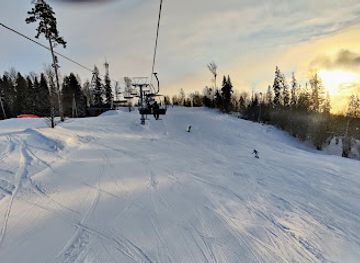
Otepää Ski Resort lies in and around Otepää, a small upland town in southern Estonia widely associated with the country’s winter-sports culture. Rather than a single enclosed alpine resort, it is a network of ski areas, training facilities, forest tracks and undulating countryside centred on the hills of Otepää Nature Park. The terrain is modest by Alpine standards but well suited to cross-country skiing, recreational downhill skiing, snowboarding and winter walking, with the Väike-Munamägi ski centre forming the principal downhill venue close to town.Read more about Otepaa Ski Resort
Sport, Forests and Lakes
Heritage and Local Character
When is the best time to visit Otepaa Ski Resort?
Best: June–August · 21–22°C| Month | High (°C) | Rainfall (mm) |
|---|---|---|
| January | -2 | 30 |
| February | -2 | 26 |
| March | 2 | 25 |
| April | 9 | 28 |
| May | 16 | 36 |
| June (best) | 21 | 46 |
| July (best) | 22 | 51 |
| August (best) | 21 | 46 |
| September | 16 | 41 |
| October | 9 | 36 |
| November | 6 | 33 |
| December | 2 | 30 |
Getting to and around Otepaa Ski Resort
How to get there
Transportation
Best attractions in Otepaa Ski Resort
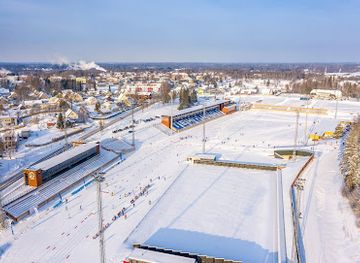
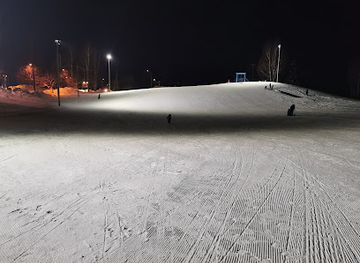
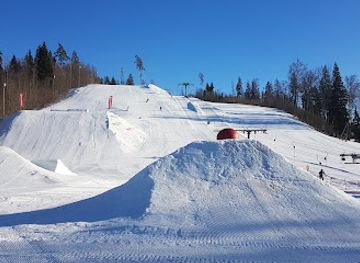
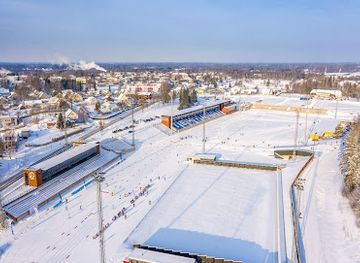
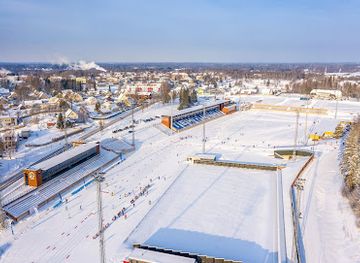
The main attraction is the winter-sports landscape itself, with Väike-Munamägi providing downhill skiing and snowboarding close to Otepää and Tehvandi Sports Centre offering an extensive setting for cross-country skiing, biathlon and other outdoor disciplines. In the wider region, Kuutsemäe is a separate ski centre known for downhill and snowboarding facilities. Otepää Nature Park brings together wooded hills, open countryside and lakes, including Pühajärv, whose shores are suitable for scenic walks and seasonal recreation. The town’s historic hill-fort area and Otepää Lutheran Church add cultural depth, while nearby rural roads reveal farms, forests and the gently rolling character of southern Estonia. In warmer months, many winter routes become walking and cycling terrain, and the sports infrastructure continues to support training and active holidays beyond the snow season.
-
Tehvandi Spordikeskus
Discover the perfect blend of adventure and relaxation at Tehvandi Spordikeskus, Estonia's premier sports and recreation center.
-
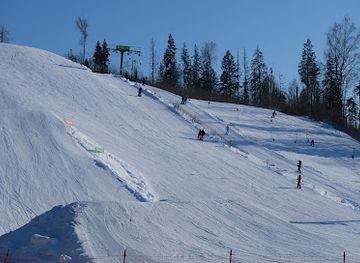
Small Munamägi Ski Center
Experience the beauty of winter sports in Estonia at Small Munamägi Ski Center, perfect for all skill levels with breathtaking views and modern amenities.
-
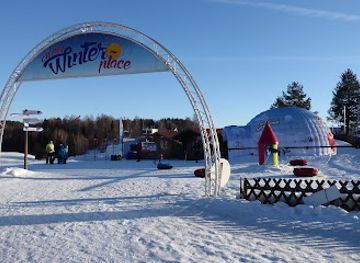
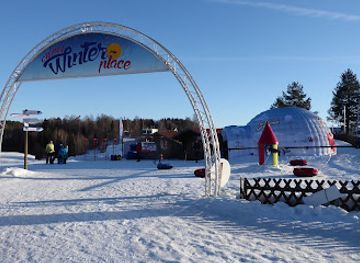
Otepaa Winterplace
Discover the enchanting winter landscapes and thrilling outdoor activities at Otepää Winterplace, Estonia's premier winter destination.
-
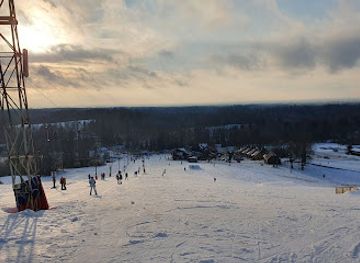
Kuutsemäe Holiday Center
Experience the magic of winter sports and nature at Kuutsemäe Holiday Center, Estonia's premier ski resort and adventure destination.

Best landmarks in Otepaa Ski Resort
Väike-Munamägi is the defining downhill landmark of the Otepää ski area, while Tehvandi’s sports complex represents the region’s national importance in cross-country skiing and biathlon. Pühajärv is the principal natural landmark, a large lake set among wooded hills and walking country within Otepää Nature Park. The historic hill-fort site at Otepää links the modern town to its medieval past, when the hill was associated with an episcopal stronghold. Otepää Lutheran Church is also significant in Estonia’s cultural history because the blue, black and white flag of the Estonian Students’ Society was consecrated there in 1884. Together, these natural, sporting and heritage features explain why Otepää is recognised both as a winter-sports centre and as an important place in Estonian national memory.
-
Hotel
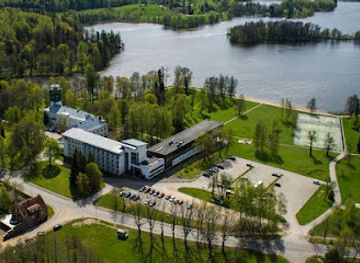
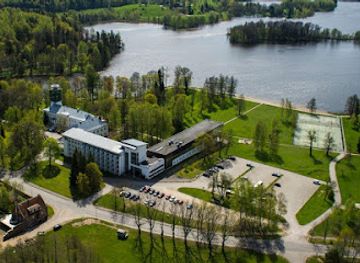
Pühajärve SPA Hotell
Experience the ultimate relaxation and rejuvenation at Pühajärve SPA Hotell, a serene retreat in Estonia's enchanting Valga County.
-
Tehvandi Spordikeskus
Discover Tehvandi Spordikeskus, Otepää's ultimate sports complex, perfect for skiing, fitness, and year-round recreation in Estonia's beautiful landscapes.
-
Sports complex
Otepaa Adventure Park Ltd.
Experience the thrill of outdoor adventures at Otepää Adventure Park, a premier destination for sports and family fun in the heart of Estonia.
-
Ski resort
Small Munamägi Ski Center
Discover the charm of Small Munamägi Ski Center, a premier ski resort in Estonia offering stunning views, diverse slopes, and family-friendly winter activities.
Explore Otepaa Ski Resort on the map
Plan your trip on one map. See where the top attractions, landmarks, restaurants and hotels are, and book hotels and experiences in a few clicks.
Best hotels in Otepaa Ski Resort
Best restaurants in Otepaa Ski Resort
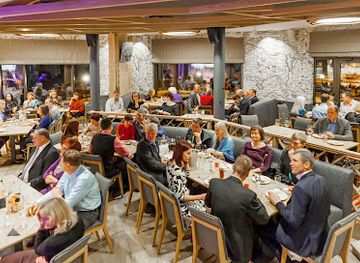
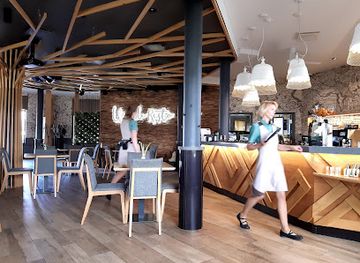
Dining is concentrated in Otepää town and around its principal accommodation and sports facilities rather than spread throughout the forested ski landscape. Visitors can expect Estonian home-style cooking, soups, breads, potato dishes, pork and seasonal produce, alongside familiar café and restaurant fare suited to an active day outdoors. Southern Estonia’s food culture is also associated with rye products, dairy, berries, mushrooms and locally sourced ingredients, although menus vary by establishment and season. Traditional pubs, cafés and hotel restaurants provide the most dependable options for breakfast, warm meals and evening dining, while smaller villages have fewer services and may not offer food throughout the day. Travellers heading to a remote trail or ski venue should plan refreshments in advance and check the opening arrangements of the chosen establishment.
-
Hotel
Pühajärve SPA Hotell
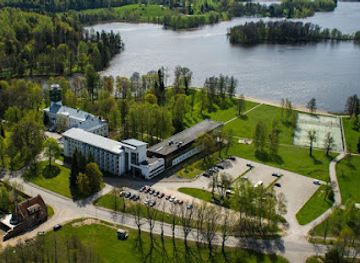
Discover tranquility and adventure at Pühajärve SPA Hotell - one of Estonia's premier spa retreats nestled by beautiful Pühajärv Lake.
-
Hotel
Tehvandi Spordikeskus
Experience the thrill of winter sports at Tehvandi Spordikeskus - Estonia's premier destination for skiing and outdoor adventures.
-
Restaurant
Ugandi Resto
Experience the authentic flavors of Estonia at Ugandi Resto in Otepää - where tradition meets modern culinary art.
-
Grill
Otepää Grill & Pub
Experience authentic Estonian flavors at Otepää Grill & Pub, where delicious grilled dishes meet warm hospitality in scenic surroundings.

Best bars in Otepaa Ski Resort
Otepää has a modest evening scene shaped by winter sport, local hospitality and the town’s small population rather than by a concentrated nightclub district. Hotel bars, cafés, traditional pub-style venues and restaurants provide places for a quiet drink or a meal after skiing, while busier periods may bring a more sociable atmosphere around sporting events and holiday arrivals. Outside Otepää, evening options are sparse, with rural ski centres and villages generally focused on daytime activities. Live entertainment and seasonal events may occur, but availability changes and should be checked locally. Visitors seeking a late-night urban scene will find more choice in larger Estonian cities, whereas Otepää is better suited to relaxed evenings, sauna time and early starts on the trails.
-
Hotel
Pühajärve SPA Hotell
Discover tranquility and wellness at Pühajärve SPA Hotell in the heart of Estonia's stunning Otepää region, perfect for relaxation and adventure.
-
Tehvandi Spordikeskus
Explore the ultimate sports and recreation destination in Estonia at Tehvandi Spordikeskus, where adventure meets relaxation in a stunning natural setting.
-
Ugandi Resto
Experience the rich flavors of Estonian cuisine at Ugandi Resto in scenic Otepää, where tradition meets modern dining in a welcoming atmosphere.
-
Sports complex
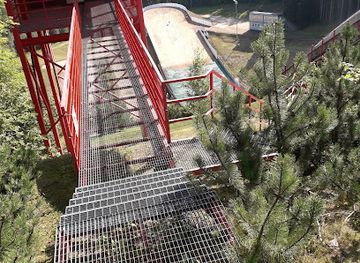
Otepaa Adventure Park Ltd.
Discover the thrill of outdoor adventures at Otepää Adventure Park, Estonia's top destination for adrenaline seekers and nature lovers alike.
Best shops in Otepaa Ski Resort
Shopping in Otepää is practical and locally focused rather than extensive, with everyday shops, cafés, outdoor-sports services and seasonal equipment provision concentrated in the town. Visitors may find regionally produced foods, preserves, honey, baked goods, woollen items, handicrafts and small-scale artistic work through local businesses or event-based stalls, although stock and opening arrangements vary. Farm shops and producers in the surrounding countryside can offer a closer connection with southern Estonia’s agricultural traditions, but they are dispersed and should not be assumed to operate like permanent markets. Outdoor equipment is most conveniently sought in Otepää or larger regional towns, particularly when visitors need ski-related supplies. The best time to encounter a broader selection of local goods may be during community, cultural or sporting events rather than on an ordinary day in a remote village.
-
Hotel
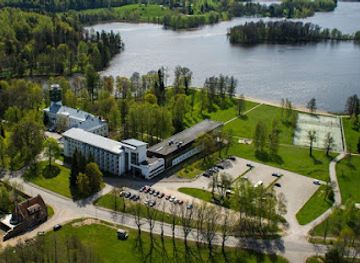
Pühajärve SPA Hotell
Experience wellness and adventure at Pühajärve SPA Hotell, a serene retreat surrounded by nature in Otepää, Estonia.
-
Sports complex
Otepaa Adventure Park Ltd.
Explore the thrilling Otepää Adventure Park, where adventure meets nature in the heart of Estonia's stunning landscapes.
-
Ski resort
Small Munamägi Ski Center
Experience the best skiing in Estonia at Small Munamägi Ski Center, where adventure meets breathtaking winter landscapes.
-
Tourist attraction
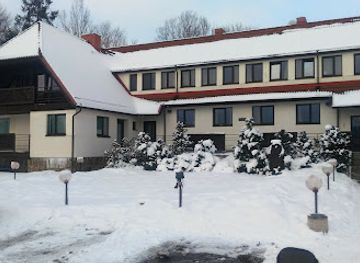
Otepaa Winterplace
Experience the magic of winter sports at Otepää Winterplace, a stunning destination perfect for outdoor adventures and breathtaking landscapes.
Get your free copy of our complete guide to Otepaa Ski Resort, delivered straight to you.
Everything on this page, from attractions and restaurants to essentials and local phrases, in one PDF you can read offline, print or share.
Already have an account? Sign in
Your Otepaa Ski Resort guide is ready.
We'll send it to · Not you? Sign out

Getting your guide ready…
We are putting together a fresh copy of the Otepaa Ski Resort guide. This can take up to a minute.
This can take a few moments. If your browser asks, choose Allow so the download can start. You'll find the guide in your Downloads folder.
Nothing happened? Download it again
Sorry, the guide is taking longer than usual. Please try again in a minute, or get it by email instead.
Otepaa Ski Resort essentials
Currency and Payment
Safety
Emergency Situations
Do's and Don'ts
Local Tips
From Eve
Local phrases worth knowing
You don't need to get them perfect. A few words go a long way, and locals appreciate the effort.
Basics
| English | Local | Say it |
|---|---|---|
| Hello | Tere | [teh-reh] |
| Goodbye | Nägemist | [nah-geh-mist] |
| Yes | Jah | [yah] |
| No | Ei | [ay] |
| Please/You're welcome | Palun | [pah-loon] |
| Thank you | Aitäh | [eye-tah] |
| Excuse me/Sorry | Vabandust | [vah-bahn-doost] |
| How are you? | Kuidas sul läheb? | [kwee-dahs sool lah-hehb] |
| Fine. And you? | Hästi. Ja sina? | [hah-stee yah see-nah] |
| Do you speak English? | Kas sa räägid inglise keelt? | [kahs sah rah-gid een-glee-seh kehlt] |
| I don't understand | Ma ei saa aru | [mah ay sah ah-roo] |
Eating & Drinking
| English | Local | Say it |
|---|---|---|
| I'd like to see the menu, please | Ma sooviksin menüüd näha, palun | [mah soh-veeks-een meh-noo-d nah-ha pah-loon] |
| I don't eat meat | Ma ei söö liha | [mah ay suh lah-heh] |
| Cheers! | Terviseks! | [tehr-vee-sehks] |
| I would like to pay, please | Ma sooviksin maksta, palun | [mah soh-veeks-een mahks-tah pah-loon] |
Emergencies
| English | Local | Say it |
|---|---|---|
| Help! | Appi! | [ahp-pee] |
| Go away! | Mine minema! | [mee-neh mee-neh-mah] |
| Call the Police! | Kutsu politsei! | [koot-soo poh-lee-tseh-ee] |
| Call a doctor! | Kutsu arst! | [koot-soo ah-rst] |
| I'm lost | Ma olen eksinud | [mah oh-lehn ehk-see-nood] |
| I'm ill | Ma olen haige | [mah oh-lehn hah-ee-geh] |
Shopping
| English | Local | Say it |
|---|---|---|
| I'd like to buy... | Ma tahaksin osta... | [mah tah-hahk-seen oh-stah] |
| I'm just looking | Ma vaatan ainult | [mah vah-tahn aye-noolt] |
| How much is it? | Kui palju see maksab? | [kwee pahl-yoo seh mahks-ahb] |
| That's too expensive | See on liiga kallis | [seh ohn lee-gah kahl-lees] |
| Can you lower the price? | Kas sa saaksid hinda alandada? | [kahs sah sah-ksid heen-dah ah-lahn-dah-dah] |
Time & Numbers
| English | Local | Say it |
|---|---|---|
| What time is it? | Mis kell on? | [mees kell ohn] |
| It's one o'clock | Kell on üks | [kell ohn yks] |
| Half past (10) | Pool (10)-ni | [pohl (10)-nee] |
| Morning | Hommik | [hohm-meek] |
| Afternoon | Pärastlõuna | [pah-rahst-loh-nah] |
| Evening | Õhtu | [oh-ktoo] |
| Yesterday | Eile | [ay-leh] |
| Today | Täna | [tah-nah] |
| Tomorrow | Homme | [hohm-meh] |
| 1 | Üks | [yks] |
| 2 | Kaks | [kahks] |
| 3 | Kolm | [kohlm] |
| 4 | Neli | [neh-lee] |
| 5 | Viis | [vees] |
| 6 | Kuus | [koos] |
| 7 | Seitse | [sayt-seh] |
| 8 | Kaheksa | [kah-heks-ah] |
| 9 | Üheksa | [yehks-ah] |
| 10 | Kümme | [koom-meh] |
Transport & Directions
| English | Local | Say it |
|---|---|---|
| Where's a/the...? | Kus on... | [koos ohn] |
| What's the address? | Mis on aadress? | [mees ohn ah-ah-drehss] |
| Can you show me (on the map)? | Kas sa saad mulle näidata (kaardil)? | [kahs sah sahd muhl-leh nah-ee-tah-dah kah-ahr-deel] |
| When's the next (bus)? | Millal on järgmine (buss)? | [meel-lahl ohn yairg-mee-neh boos] |
| A ticket (to ....) | Pilet (....-sse) | [pee-leht (....-sseh)] |
History of Otepaa Ski Resort
An Upland Landscape Shaped by Ice
The hills and lakes around Otepää form part of southern Estonia’s upland landscape, shaped by Quaternary glacial processes. Ice movement left a varied pattern of ridges, hollows, wetlands and water bodies rather than the broad flat terrain found in much of northern Estonia. This relief later influenced settlement, farming and recreation. The wooded slopes and lake basins that now support skiing and hiking are therefore part of a much older geological setting, while the region’s modern identity has been built around the practical and cultural value of this distinctive landscape.
Hill Forts and Medieval Otepää
Otepää’s name is generally linked to the shape of its hill, traditionally interpreted as ‘bear’s head’, and the area has long been associated with fortified settlement. A stronghold stood on the hill before the development of medieval power in the region. In the 13th century, after the Northern Crusades, Otepää became an important centre of the Bishopric of Tartu, and a stone castle was established on the hill. The castle later disappeared, but the hill-fort landscape remains central to the town’s historical identity and explains why Otepää is more than a modern sports destination.
Church, National Culture and the Flag
Otepää Lutheran Church is closely connected with the emergence of Estonian national identity. On 4 June 1884, the blue, black and white flag of the Estonian Students’ Society was consecrated at the church; the colours subsequently became those of Estonia’s national flag. The episode took place during the cultural national awakening of the late nineteenth century, when language, education and historical memory were becoming important expressions of Estonian identity. The church and associated local commemorations give Otepää a cultural significance that sits alongside its later sporting reputation.
From Outdoor Recreation to Winter Sport
Otepää’s modern development has been strongly influenced by outdoor recreation and organised sport. The surrounding hills and dependable cold-weather conditions made the area suitable for cross-country skiing and winter training, while later facilities supported biathlon, downhill skiing and other disciplines. Tehvandi developed into a major sports centre, and venues at Väike-Munamägi and Kuutsemäe helped establish the wider area as Estonia’s best-known winter-sports region. Today, its identity combines national-level training and competitions with recreational skiing, hiking, cycling and nature-based tourism.
Otepaa Ski Resort in Photos
Browse through our photo collection highlighting the charm and character of the destination.
Neighbouring destination travel guides
The closest destinations to Otepaa Ski Resort, if you have time for more than one.
-

-

-

-

-


Swipe for more destinations
Explore more
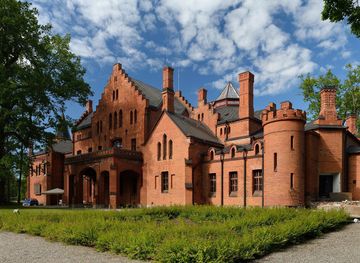
Explore more of Valga County
Discover Valga County: A serene escape in southern Estonia with rich history, stunning nature, and a unique blend of Estonian and Latvian cultures.
Explore Valga County
Explore more of Estonia
Discover Estonia: A perfect blend of medieval charm, modern innovation, and natural beauty in the heart of Northern Europe.
Explore Estonia