

Free Highveld Travel Guide & Mobile App
Explore Highveld with free travel guides. Discover regional history, expert tips, proposed trips, and audio guides on web or mobile app.


Highveld Eswatini pairs Mbabane’s mountain setting with granite outcrops, forested hills, hiking reserves and cool western landscapes.
Read more about Highveld
When is the best time to visit Highveld?
Best: March, September–October · 20–24°C| Month | High (°C) | Rainfall (mm) |
|---|---|---|
| January | 25 | 140 |
| February | 25 | 121 |
| March (best) | 24 | 100 |
| April | 22 | 81 |
| May | 18 | 61 |
| June | 15 | 40 |
| July | 15 | 30 |
| August | 17 | 35 |
| September (best) | 20 | 51 |
| October (best) | 23 | 80 |
| November | 24 | 111 |
| December | 25 | 130 |
Getting to and around Highveld
How to get there
Transportation
Top city travel guides in Highveld
The cities of Highveld, and the easiest places to base yourself.
-

-

-


Swipe for more cities
Destinations in Highveld
Resorts, valleys and scenic spots worth a trip of their own.
-

-

-


Swipe for more destinations
Best attractions in Highveld
Highveld attractions centre on mountain scenery, protected habitats and the relationship between geology and human use. Malolotja Nature Reserve is the principal outdoor destination, with upland grasslands, ravines, streams, hiking routes and opportunities for wildlife and bird observation. Sibebe Rock provides a memorable geological focus near Mbabane, while the surrounding hills offer viewpoints and walking rather than large-scale developed entertainment. Around Ngwenya, visitors can combine the historic iron-ore landscape with the region’s established glassmaking tradition. Mbabane contributes urban museums, craft outlets, restaurants and access to nearby roads and trails, although its appeal is strongly connected to its setting. North-western journeys towards Piggs Peak bring forested slopes, waterfalls and quieter mountain roads, with conditions and access varying by season. The Highveld’s attractions are therefore best understood as a network of reserves, rock formations, heritage sites, craft experiences and scenic landscapes, rather than as a dense concentration of ticketed sights.
-
Casino
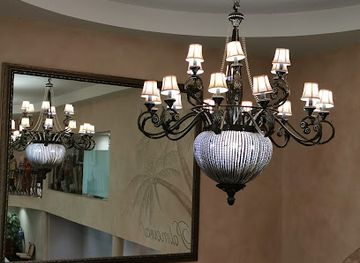
Happy Valley Casino
Unleash your excitement at Happy Valley Casino in Ezulwini, Eswatini – where gaming meets vibrant entertainment in a stunning setting.
Best landmarks in Highveld
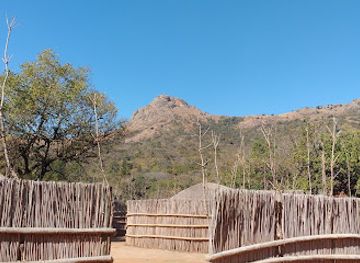
Sibebe Rock is the Highveld’s most recognisable natural landmark, a huge granite formation whose rounded surfaces and pale stone stand out above the surrounding hills. It is significant both visually and geologically, and its approach reveals the relationship between Mbabane’s urban valleys and the open uplands beyond. The Ngwenya mountain area is another landmark landscape, distinguished by iron-rich rock and the remains of ancient and modern mining activity. Malolotja’s ridges, deep valleys and high-altitude grasslands form a broader natural landmark whose importance lies in the scale and relative continuity of its mountain environment. Mbabane itself is marked by its steep setting, with civic and commercial areas distributed through valleys rather than arranged on a flat central plain. In the north-west, the wooded slopes and highland roads around Piggs Peak provide a contrasting landmark character, shaped by plantations, streams and forested horizons. Together these places define the Highveld more clearly than any single monument.
-
Nature preserve
Mlilwane Game Sanctuary
Discover the natural beauty and rich wildlife of Mlilwane Game Sanctuary, a premier destination for nature lovers in Eswatini.
-
Tourist attraction
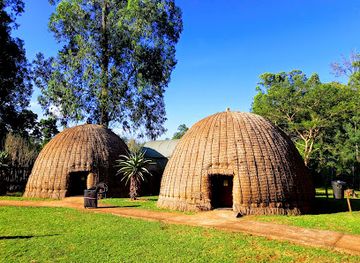
Mantenga Cultural Village
Discover the heart of Swazi culture at Mantenga Cultural Village, where tradition, dance, and craftsmanship converge in a stunning natural setting.
-
 Hotel
HotelHappy Valley Hotel & Casino
Experience comfort and excitement at Happy Valley Hotel & Casino, your perfect getaway in the heart of Eswatini's scenic landscapes.
-
National park
Hlane Royal National Park
Explore the stunning landscapes and rich biodiversity of Hlane Royal National Park, a hidden gem in Eswatini for wildlife enthusiasts and nature lovers.
Explore Highveld on the map
Plan your trip on one map. See where the top cities, national parks and sights are, and book hotels and experiences in a few clicks.
Best hotels in Highveld
Best restaurants in Highveld
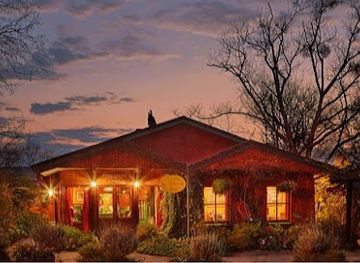
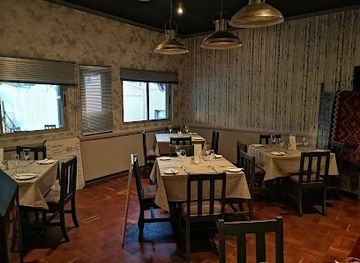
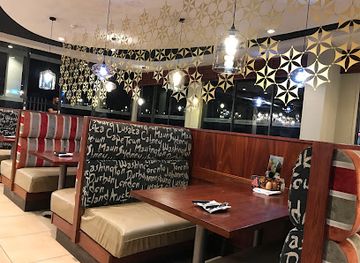
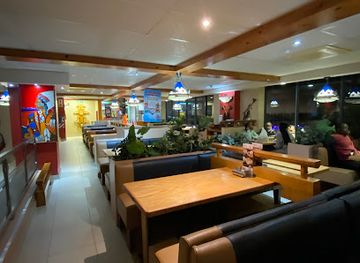
Dining in the Highveld is concentrated in Mbabane, with additional restaurants, cafés, lodges and informal food stops along major routes and in small highland settlements. Menus commonly combine Eswatini and wider southern African cooking with international dishes suited to business travellers and visitors. Expect grilled meats, stews, maize-based staples, vegetables, sandwiches and baked goods, alongside South African-influenced café and pub cooking. Mbabane has the broadest choice, from casual eateries to hotel restaurants, while rural lodges often emphasise hearty meals that suit hiking and scenic touring. Markets and small shops are useful for fruit, snacks and locally produced foods, though opening arrangements vary outside town. Visitors should distinguish genuinely local produce from dishes that are simply common across Eswatini and the region; the Highveld’s culinary identity is less a single signature cuisine than a mixture of Swazi food traditions, southern African staples and contemporary urban dining.
-
Restaurant
Foresters Arms
Discover delightful dining at Foresters Arms in Mhlambanyatsi—where local flavors meet warm hospitality amidst stunning landscapes.
-
Restaurant
Ramblas Restaurant Mbabane
Experience diverse culinary offerings at Ramblas Restaurant Mbabane – where local flavors meet international cuisine in a warm atmosphere.
-
Restaurant
Nando's Mbabane Drive Thru
Experience the vibrant flavors of South Africa at Nando's Mbabane Drive Thru – where delicious meets convenience.
-
Steak
Sibebe Rock Spur
Discover delicious steaks and warm hospitality at Sibebe Rock Spur in Mbabane – a culinary highlight in Eswatini.
Best bars in Highveld
Evening life is centred on Mbabane, where hotel bars, restaurants, casual pubs and a limited selection of late venues provide more choice than in the surrounding mountain settlements. The city’s nightlife is generally modest rather than organised around a large club district, and activity can vary according to the day of the week and seasonal demand. Live music, televised sport and socialising in established venues are more typical than an extensive all-night scene. In Piggs Peak and rural Highveld areas, evenings usually revolve around restaurants, lodge bars and local pubs, with quieter surroundings and earlier closing patterns. Breweries, craft drinks and South African beverages may appear on menus, but alcohol is not necessary to experience the region’s evening culture. Visitors should arrange transport in advance when staying outside Mbabane and avoid walking long rural distances after dark.
-
Lodging
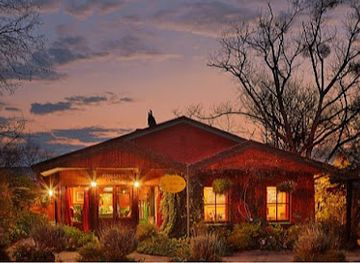
Summerfield Botanical Garden & Exclusive Resort
Immerse yourself in the tranquil beauty of Summerfield Botanical Garden & Exclusive Resort, where luxury meets nature in Eswatini.
-
Hotel
Happy Valley Hotel & Casino
Discover luxury and excitement at Happy Valley Hotel & Casino, your gateway to the beauty and culture of Eswatini.
-
Bar
Foresters Arms
Discover the delightful ambiance of Foresters Arms, a perfect blend of bar, restaurant, and hotel in the heart of Eswatini.
-
Italian
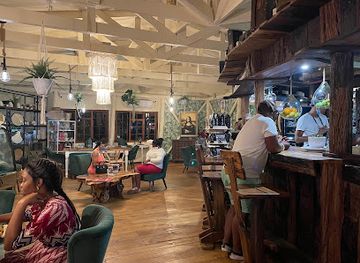
The Velvet Monkey
Experience the charm of Italian dining at The Velvet Monkey, where every meal is a delightful journey into authentic flavors.
Best nightclubs in Highveld
Evening life is centred on Mbabane, where hotel bars, restaurants, casual pubs and a limited selection of late venues provide more choice than in the surrounding mountain settlements. The city’s nightlife is generally modest rather than organised around a large club district, and activity can vary according to the day of the week and seasonal demand. Live music, televised sport and socialising in established venues are more typical than an extensive all-night scene. In Piggs Peak and rural Highveld areas, evenings usually revolve around restaurants, lodge bars and local pubs, with quieter surroundings and earlier closing patterns. Breweries, craft drinks and South African beverages may appear on menus, but alcohol is not necessary to experience the region’s evening culture. Visitors should arrange transport in advance when staying outside Mbabane and avoid walking long rural distances after dark.
-
Lounge
The Vibe
Experience the perfect blend of relaxation and style at The Vibe, Tembisa's premier lounge for good times and great drinks.
-
Night club
Manzini club
Discover the vibrant nightlife at Manzini Club in Eswatini, where music, dance, and a welcoming atmosphere await every visitor.
-
Grill
Flying Club
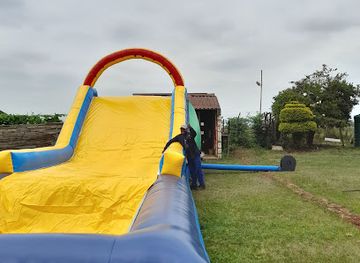
Experience the thrill of dining at Flying Club, where delicious grilled dishes meet exciting water park fun in Matsapha, Eswatini.
-
Bar
Venue AVVII - Finesse
Discover the essence of nightlife at Venue AVVII - Finesse, a vibrant bar in Mbabane offering stunning views and a welcoming atmosphere.

Best shops in Highveld
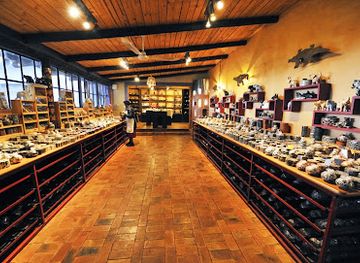
Mbabane is the Highveld’s principal shopping centre, offering supermarkets, pharmacies, bookshops, clothing retailers, cafés and practical services for travellers. Smaller shopping areas and roadside outlets serve Piggs Peak and communities along the main routes, but retail choice becomes limited in remote mountain districts. Craft shopping is particularly relevant: visitors can look for woven goods, carved items, beadwork, textiles and other southern African handicrafts, while the Ngwenya area is associated with locally made glassware. Specialist craft outlets and market-style stalls vary in stock and opening arrangements, so quality and provenance should be considered when buying. Regional food products, snacks and locally produced goods make more useful souvenirs than imported items, although packaging and availability differ. Bargain politely where prices are not fixed, carry cash for small vendors, and remember that archaeological objects, plants, rocks and artefacts should never be removed from protected or heritage sites.
-
Nature preserve
Mlilwane Game Sanctuary
Explore the rich wildlife and stunning landscapes of Mlilwane Game Sanctuary, a top nature preserve in Eswatini perfect for all nature enthusiasts.
-
Candle store
Swazi Candles
Explore Swazi Candles: Handcrafted artistry and vibrant culture in Malkerns Valley, Eswatini.
-
Tourist attraction
Mantenga Cultural Village
Explore the traditions of Eswatini at Mantenga Cultural Village, a vibrant hub of Swazi culture, dance, and crafts amidst stunning natural beauty.
-
Shopping mall
The Gables Shopping Center
Explore The Gables Shopping Center in Ezulwini, Eswatini - A unique blend of shopping, dining, and entertainment for every traveler.


Get your free copy of our complete guide to Highveld, delivered straight to you.
Everything on this page, from attractions and restaurants to essentials and local phrases, in one PDF you can read offline, print or share.
Already have an account? Sign in
Your Highveld guide is ready.
We'll send it to · Not you? Sign out

Getting your guide ready…
We are putting together a fresh copy of the Highveld guide. This can take up to a minute.
This can take a few moments. If your browser asks, choose Allow so the download can start. You'll find the guide in your Downloads folder.
Nothing happened? Download it again
Sorry, the guide is taking longer than usual. Please try again in a minute, or get it by email instead.
Highveld essentials
Currency and Payment
Safety
Emergency Situations
Do's and Don'ts
Local Tips
From Eve
Local phrases worth knowing
You don't need to get them perfect. A few words go a long way, and locals appreciate the effort.
Basics
| English | Local | Say it |
|---|---|---|
| Hello | Sawubona | [sah-woo-bon-ah] |
| Goodbye | Hamba kahle | [ham-bah kah-leh] |
| Yes | Yebo | [yeh-boh] |
| No | Cha | [chah] |
| Please/You're welcome | Ngiyacela | [ngee-yah-cheh-lah] |
| Thank you | Ngiyabonga | [ngee-yah-bong-ah] |
| Excuse me/Sorry | Uxolo | [oo-ksoh-loh] |
| How are you? | Unjani? | [oon-jah-nee] |
| Fine. And you? | Ngiyaphila. Wena unjani? | [ngee-yah-pee-lah. weh-nah oon-jah-nee] |
| Do you speak English? | Ukhuluma isiNgisi? | [oo-khoo-lum-ah ee-see-ng-ee-see] |
| I don't understand | Angiqondi | [ahn-gee-kohn-dee] |
Eating & Drinking
| English | Local | Say it |
|---|---|---|
| I'd like to see the menu, please | Ngicela ukubona imenyu | [ngee-cheh-lah oo-koo-bon-ah ee-men-yoo] |
| I don't eat meat | Angidli inyama | [ahn-gee-dlee in-yah-mah] |
| Cheers! | Phakade! | [pah-kah-deh] |
| I would like to pay, please | Ngifuna ukukhokha, ngicela | [ngee-foo-nah oo-koo-koh-kah, ngee-cheh-lah] |
Emergencies
| English | Local | Say it |
|---|---|---|
| Help! | Siza! | [see-zah] |
| Go away! | Hamba kude! | [ham-bah koo-deh] |
| Call the Police! | Biza amaphoyisa! | [bee-zah ah-mah-poh-yee-sah] |
| Call a doctor! | Biza udokotela! | [bee-zah oo-doh-koh-teh-lah] |
| I'm lost | Ngilahlekile | [ngee-lah-kheh-lee-keh] |
| I'm ill | Ngiyagula | [ngee-yah-goo-lah] |
Shopping
| English | Local | Say it |
|---|---|---|
| I'd like to buy... | Ngifuna ukuthenga... | [ngee-foo-nah oo-khoo-ten-gah] |
| I'm just looking | Ngiyabuka kuphela | [ngee-yah-boo-kah koo-peh-lah] |
| How much is it? | Kubiza malini? | [koo-bee-zah mah-lee-nee] |
| That's too expensive | Lokhu kubiza kakhulu | [loh-khoo koo-bee-zah kah-khoo-loo] |
| Can you lower the price? | Unganciphisa intengo? | [oon-gahn-chee-pee-sah in-ten-goh] |
Time & Numbers
| English | Local | Say it |
|---|---|---|
| What time is it? | Yisiphi isikhathi? | [yee-see-pee ee-see-khah-teh] |
| It's one o'clock | Kuyisikhathi sokuqala | [koo-yee-see-khah-teh soo-koh-kah-lah] |
| Half past (10) | Ihafu kuye (10) | [ee-hah-foo koo-yeh (10)] |
| Morning | Ekuseni | [eh-koo-seh-nee] |
| Afternoon | Ntambama | [n-tahm-bah-mah] |
| Evening | Ubusuku | [oo-boo-soo-koo] |
| Yesterday | Izolo | [ee-zoh-loh] |
| Today | Namuhla | [nah-moo-hlah] |
| Tomorrow | Mangalisasa | [mah-ngah-lee-sah-sah] |
| 1 | 1 | [1] |
| 2 | 2 | [2] |
| 3 | 3 | [3] |
| 4 | 4 | [4] |
| 5 | 5 | [5] |
| 6 | 6 | [6] |
| 7 | 7 | [7] |
| 8 | 8 | [8] |
| 9 | 9 | [9] |
| 10 | 10 | [10] |
Transport & Directions
| English | Local | Say it |
|---|---|---|
| Where's a/the...? | Kuphi...? | [koo-pee...?] |
| What's the address? | Iyini ikheli? | [ee-yee-nee ee-kheh-lee] |
| Can you show me (on the map)? | Ungangikhombisa (emaphethelweni)? | [oon-gahn-gee-khom-bee-sah (eh-mah-peh-theh-loh-nee)?] |
| When's the next (bus)? | Nini (ibhasi) elilandelayo? | [nee-nee (ee-bah-see) eh-lee-lah-ndeh-lah-yoh?] |
| A ticket (to ....) | Itikithi (ku...) | [ee-tee-kee-thee (koo...)] |
History of Highveld
Early settlement and San rock art
The western mountains contain evidence of long human use, including rock shelters and rock art associated with San hunter-gatherer communities. These paintings are part of a much older southern African cultural landscape and should be approached respectfully, since their meaning is not always fully understood and their locations can be vulnerable to damage. Later settlement and farming transformed the region, but the surviving archaeological record shows that the Highveld was not an empty wilderness before the emergence of the Swazi kingdom.
Ngwenya iron-ore mining
The Ngwenya mountain area is associated with one of the world’s oldest known mining landscapes. Iron ore was extracted there long before modern industrial mining, probably for use in pigment and later iron production. The mine’s archaeological importance lies in the evidence it provides for deep knowledge of local minerals and organised resource use in southern Africa. Modern industrial activity also took place at Ngwenya during the twentieth century, leaving a layered history in which ancient mining and modern economic development occupy the same upland landscape.
The formation of the Swazi kingdom
During the nineteenth century, the Swazi kingdom consolidated territory and political authority in the region amid wider upheavals in southern Africa. The western mountains formed part of the kingdom’s broader geographic setting, linking central settlements with routes towards the Transvaal and Natal. Political power, land use and settlement patterns changed through negotiation, conflict and royal authority. Contemporary Eswatini’s cultural institutions and national identity retain connections with this period, although the modern state is substantially shaped by later colonial and administrative boundaries.
Colonial rule and Mbabane’s development
Eswatini became a British protectorate in 1906, and colonial administration gradually strengthened the importance of Mbabane as a governmental centre in the western highlands. The cooler climate and elevated setting made it suitable for administration and European settlement, while roads and commercial networks connected the towns with neighbouring South Africa. Colonial rule altered land administration, labour patterns and economic priorities. Many of the region’s modern administrative functions and urban forms consequently developed during the late nineteenth and twentieth centuries rather than from an older precolonial town tradition.
Forestry and highland industry
Commercial forestry became a major feature of Eswatini’s western uplands during the twentieth century. Pine and eucalyptus plantations, sawmilling and related industries reshaped parts of the Highveld, creating employment and export connections but also replacing some native grassland and woodland. Mining around Ngwenya and other industrial activity added further economic layers. The result is a landscape where protected mountain country, working plantations, rural settlement and industrial sites exist in close proximity.
Mbabane as national capital
After Eswatini, then Swaziland, became independent from Britain in 1968, Mbabane continued as the country’s administrative capital. Its position in the Highveld gave the national government a cooler, relatively accessible western base, while Lobamba retained important royal and legislative functions elsewhere in the country. Mbabane expanded as a centre for public administration, education, commerce and services. Its present character reflects both its role within an independent Eswatini and its setting among mountain valleys rather than on a broad urban plain.
Conservation and contemporary tourism
Late twentieth- and early twenty-first-century tourism development placed greater emphasis on the Highveld’s scenery, biodiversity and outdoor recreation. Malolotja Nature Reserve and other protected areas help conserve mountain grasslands, river valleys and wildlife habitats, while attractions around Sibebe and Ngwenya connect geology with recreation and heritage. Conservation remains balanced against forestry, settlement and infrastructure needs. Today the region’s visitor identity rests on this combination of protected uplands, working landscapes, historical sites and Mbabane’s national institutional role.
Highveld in Photos
Browse through our photo collection highlighting the charm and character of the destination.
Neighbouring regions of Highveld
The closest regions to Highveld, if you have time for more than one.
-

-

-

-

-


Swipe for more regions
Explore more

Explore more of Eswatini
Discover the vibrant culture and stunning landscapes of Eswatini, a hidden gem in Africa offering rich traditions, diverse wildlife, and adventure-filled outdoor activities.
Explore Eswatini