

Ezulwini Valley, Eswatini Travel Guide
Explore Ezulwini Valley, the serene heart of Eswatini, where lush landscapes, rich culture, and exciting wildlife encounters await.
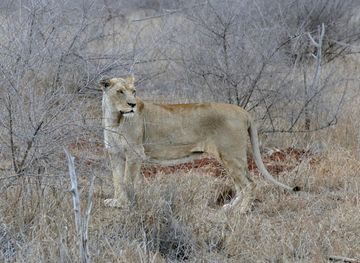
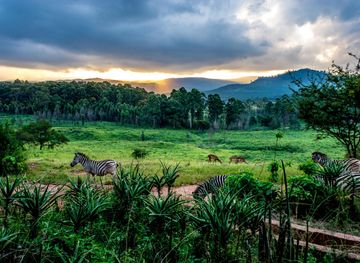
Nestled between the rolling hills of Eswatini, Ezulwini Valley is a captivating destination that offers a unique blend of natural beauty and cultural heritage. Known as the 'Valley of Heaven,' it is a place where lush landscapes meet historic landmarks, creating a serene and picturesque escape for travelers. The valley is home to several notable attractions, including the Mlilwane Wildlife Sanctuary, where visitors can experience close encounters with native wildlife and enjoy a variety of outdoor activities such as hiking, horseback riding, and bird watching. The sanctuary's beautiful scenery and rich biodiversity make it a paradise for nature enthusiasts. In addition to its natural wonders, Ezulwini Valley also boasts significant cultural sites. The Mantenga Cultural Village offers an immersive experience into Swazi traditions, including traditional dances, music, and crafts. The nearby Mantenga Falls, the highest waterfall in Eswatini, provides a stunning backdrop and a refreshing stop during a day of exploration. For those interested in history, the Royal Swazi Spa Valley Complex offers a glimpse into the country's regal past while also providing modern luxury with its spa and golf facilities. The valley's vibrant markets and local craft shops are perfect for finding unique souvenirs and experiencing the warm hospitality of the Swazi people.

Know before you go
Hi, I'm Eve. Here are a few practical things to know before exploring Ezulwini Valley.
- Visit during the cooler dry season from May to September for the most pleasant weather.
- Bring comfortable walking shoes for exploring the wildlife sanctuary and cultural sites.
- Carry cash for local markets and craft shops, as not all vendors accept credit cards.
- Check the schedule for traditional dance performances at Mantenga Cultural Village to ensure you don’t miss this vibrant experience.
- Book a guided tour at Mlilwane Wildlife Sanctuary to learn more about the local flora and fauna.
Top City Travel Guides in Ezulwini Valley
The cities of Ezulwini Valley, and the easiest places to base yourself.


Destinations in Ezulwini Valley
Resorts, valleys and scenic spots worth a trip of their own.



Explore Ezulwini Valley: Things to Do, Places to Eat, Hotels & More
Handpicked recommendations for top attractions, local dining, accommodations, and more

Top Attractions & Sightseeing in Ezulwini Valley
Top-rated picks
Best Attractions

Mantenga Nature Reserve and Cultural Village
Discover the breathtaking landscapes and rich culture of Eswatini at Mantenga Nature Reserve and Cultural Village, a perfect blend of nature and tradition.

House On Fire / Malandelas Restaurant
Discover the cultural heartbeat of Eswatini at House On Fire, where dining meets dynamic performances in a breathtaking setting.

Mantenga Lifestyle & Craft Centre
Explore the Mantenga Lifestyle & Craft Centre, where shopping, dining, and Swazi culture come together in the heart of Eswatini's Ezulwini Valley.

Manzini Main Market
Discover the vibrant Manzini Main Market, a cultural hub in Eswatini filled with local crafts, fresh produce, and authentic Swazi street food.

Best landmarks in Ezulwini Valley
Top-rated picks
Best Landmarks

Mlilwane Game Sanctuary
Explore the breathtaking landscapes and vibrant wildlife of Mlilwane Game Sanctuary, a premier nature preserve in Eswatini.

Hilton Garden Inn Mbabane
Discover modern comfort and exceptional service at the Hilton Garden Inn Mbabane, your gateway to the beauty of Eswatini.

Happy Valley Hotel & Casino
Discover the perfect blend of luxury and entertainment at Happy Valley Hotel & Casino in Eswatini, where comfort meets excitement.

Mantenga Cultural Village
Discover the vibrant traditions and stunning landscapes of Mantenga Cultural Village in Eswatini, a must-visit cultural attraction for all travelers.

Best restaurants in Ezulwini Valley
Top-rated picks
Best Restaurants

Mlilwane Game Sanctuary
Discover the enchanting wildlife and cultural richness at Mlilwane Game Sanctuary in Eswatini - a perfect escape into nature's embrace.

Hilton Garden Inn Mbabane
Discover modern comfort at Hilton Garden Inn Mbabane - your gateway to exploring Eswatini's rich culture and natural beauty.

Mantenga Lodge
Discover the serene beauty and cultural richness at Mantenga Lodge in Ezulwini Valley, Eswatini – your gateway to unforgettable experiences.
Lugogo Sun
Experience comfort and culture at Lugogo Sun, your ideal retreat in Lobamba, Eswatini with stunning views and local charm.

Best bars in Ezulwini Valley
Top-rated picks
Best Bars

Mlilwane Game Sanctuary
Explore the majestic Mlilwane Game Sanctuary: a nature preserve brimming with wildlife, scenic beauty, and cultural richness in Eswatini.

Hilton Garden Inn Mbabane
Discover the comfort of Hilton Garden Inn Mbabane, your gateway to exploring the beauty and culture of Eswatini.

Mantenga Lodge
Experience the perfect blend of comfort and cultural immersion at Mantenga Lodge in the stunning Ezulwini Valley of Eswatini.
Lugogo Sun
Discover the beauty of Eswatini at Lugogo Sun, a charming hotel in Lobamba offering comfort and culture in a stunning setting.

Best nightclubs in Ezulwini Valley
Top-rated picks
Best Nightclubs
Lugogo Sun
Discover the perfect blend of comfort and hospitality at Lugogo Sun in Lobamba, Eswatini - your ideal base for exploration.
Happy Valley Hotel & Casino
Experience the luxurious comfort and vibrant entertainment of Happy Valley Hotel & Casino in the heart of Eswatini.

Foresters Arms
Experience the vibrant atmosphere of Foresters Arms, a premier bar and restaurant in Eswatini offering delicious cuisine and comfortable accommodations.
Ematjeni Retreat - Eswatini
Discover tranquility and natural beauty at Ematjeni Retreat, a perfect getaway in Eswatini surrounded by nature's splendor.

Best shops in Ezulwini Valley
Top-rated picks
Best Shops

Mlilwane Game Sanctuary
Explore the breathtaking Mlilwane Game Sanctuary, a nature preserve in Eswatini teeming with wildlife, adventure, and stunning landscapes.

Mantenga Cultural Village
Explore the cultural heart of Eswatini at Mantenga Cultural Village, where tradition meets breathtaking nature in an unforgettable experience.

The Gables Shopping Center
Discover The Gables Shopping Center in Ezulwini, Eswatini – a vibrant shopping destination featuring diverse retail, dining, and entertainment options.

SWAZI PLAZA
Explore Swazi Plaza in Mbabane - a vibrant shopping mall filled with local crafts, international brands, and delicious dining options.

Explore Ezulwini Valley on the Map
A handpicked selection of must-see spots in Ezulwini Valley, mapped for you.
Ezulwini Valley Essentials
-
Ezulwini Valley is located in the Kingdom of Eswatini. The nearest international airport is King Mswati III International Airport (SHO), situated about 70 kilometers from the valley. From the airport, you can take a taxi or arrange for a shuttle service to Ezulwini Valley. Alternatively, you can fly into Johannesburg's OR Tambo International Airport in South Africa and drive or take a bus to Ezulwini, which is approximately a 4-hour drive.
-
Within Ezulwini Valley, you can get around using local minibuses (kombi taxis), which are the most common form of public transport. Taxis are also available and can be hailed or arranged through your accommodation. Car rentals are an option for those preferring to explore at their own pace. Roads are generally in good condition, but be cautious of rural road conditions and wildlife.
-
The official currency of Eswatini is the Swazi Lilangeni (SZL), though South African Rand (ZAR) is also widely accepted. Credit cards are accepted in most hotels, restaurants, and larger shops, but it is advisable to carry cash for smaller establishments and markets. ATMs are available in Ezulwini Valley, but ensure you have enough cash before venturing into more remote areas.
-
Ezulwini Valley is generally safe for tourists, but standard precautions should be taken. Avoid walking alone at night and be cautious of your surroundings. Petty crime such as pickpocketing can occur in crowded areas. Areas with higher crime rates are rare, but always seek local advice on which neighborhoods to avoid. Keep valuables secure and be wary of unsolicited offers of assistance.
-
In case of emergency, dial 999 for police, 977 for medical emergencies, and 933 for fire services. The closest hospital is the RFM Hospital in Manzini, approximately 20 kilometers away. It is advisable to have travel insurance that covers medical emergencies. For minor health issues, there are pharmacies in Ezulwini Valley where you can get over-the-counter medications.
-
Fashion: Do dress conservatively, especially in rural areas and religious sites. Avoid overly revealing clothing. Religion: Do respect local customs and traditions, and always ask for permission before taking photos in sacred places. Public Transport: Do be polite and patient when using kombi taxis. Don't speak loudly or disruptively. Greetings: Do greet people with a handshake and a warm smile. A slight nod of the head shows respect. Eating & Drinking: Do try local dishes and accept food offerings graciously. Don't waste food, as it is considered disrespectful.
-
To experience Ezulwini Valley like a local, visit the Mantenga Cultural Village to learn about Swazi culture and traditions. Join in the vibrant local markets to purchase handmade crafts and fresh produce. Engage with locals, who are often friendly and eager to share their stories. Don't miss the opportunity to hike the scenic trails in the surrounding mountains and visit the natural hot springs for a relaxing experience.
When is the best time to visit Ezulwini Valley?
Useful Local Phrases for Ezulwini Valley
You don't need to speak the language perfectly. Even learning a few simple words can make conversations warmer—and locals usually appreciate the effort.
— Eve

Here are the phrases I use most often in Ezulwini Valley. Try a few—you'll be surprised how far they go! 😊
❤️
-
- HelloSawubona
[sah-woo-boh-nah] - GoodbyeHamba kahle
[ham-bah kah-leh] - YesYebo
[yeh-boh] - NoCha
[chah] - Please/You're welcomeNgiyacela/Unemukelekile
[ngee-yah-cheh-lah/oo-neh-moo-keh-leh-keh] - Thank youNgiyabonga
[ngee-yah-boh-ngah] - Excuse me/SorryUxolo
[oo-zoh-loh] - How are you?Unjani?
[oon-jah-nee] - Fine. And you?Ngiyaphila. Wena unjani?
[ngee-yah-pee-lah. weh-nah oon-jah-nee] - Do you speak English?Ukhuluma isiNgisi?
[oo-koo-loo-mah ee-see-ngee-see] - I don't understandAngiqondi
[ahn-gee-kohn-dee]
- HelloSawubona
-
- I'd like to see the menu, pleaseNgicela ukubona imenu, ngiyacela
[ngee-cheh-lah oo-koo-boh-nah ee-meh-noo, ngee-yah-cheh-lah] - I don't eat meatAngidli inyama
[ahn-gee-dlee ee-nyah-mah] - Cheers!Phakade!
[pah-kah-deh] - I would like to pay, pleaseNgicela ukukhokha, ngiyacela
[ngee-cheh-lah oo-koo-koh-khah, ngee-yah-cheh-lah]
- I'd like to see the menu, pleaseNgicela ukubona imenu, ngiyacela
-
- Help!Siza!
[see-zah] - Go away!Hamba kude!
[ham-bah koo-deh] - Call the Police!Shayela amaphoyisa!
[shah-yeh-lah ah-mah-poh-ee-sah] - Call a doctor!Shayela udokotela!
[shah-yeh-lah oo-doh-koh-teh-lah] - I'm lostNgilahlekile
[ngee-lah-leh-keh-leh] - I'm illNgiyagula
[ngee-yah-goo-lah]
- Help!Siza!
-
- I'd like to buy...Ngifuna ukuthenga...
[ngeef-oo-nah oo-koo-theng-ah] - I'm just lookingNgiyabuka nje
[ngee-yah-boo-kah njay] - How much is it?Kubiza malini?
[koo-bee-zah mah-lee-nee] - That's too expensiveLokho kubiza kakhulu
[loh-koh koo-bee-zah kah-khoo-loo] - Can you lower the price?Unganciphisa intengo?
[oon-gahn-chee-pee-sah in-teng-oh]
- I'd like to buy...Ngifuna ukuthenga...
-
- What time is it?Yini isikhathi?
[yee-nee ee-see-kah-thee] - It's one o'clockKuyisikhathi sokuphila
[koo-yee-see-kah-thee soh-koo-pee-lah] - Half past (10)Ihafu (10)
[ee-hah-foo (10)] - MorningEkuseni
[eh-koo-seh-nee] - AfternoonNtambama
[n-tah-bah-mah] - EveningUbusuku
[oo-boo-soo-koo] - YesterdayIzolo
[ee-zoh-loh] - TodayNamuhla
[nah-moo-hlah] - TomorrowKusasa
[koo-sah-sah] - 1Kunye
[koon-yeh] - 2Kubili
[koo-bee-lee] - 3Kuthathu
[koo-tah-thoo] - 4Kune
[koo-neh] - 5Kuhlanu
[koo-lah-noo] - 6Kukhombisa
[koo-kohm-bee-sah] - 7Kukho
[koo-koh] - 8Kuhlangana
[koo-hlahn-gah-nah] - 9Kuhlanu
[koo-lah-noo] - 10Kushumi
[koo-shoo-mee]
- What time is it?Yini isikhathi?
-
- Where's a/the...?Iphi i...?
[ee-pee ee...?] - What's the address?Iyini ikheli?
[ee-yee-nee ee-keh-lee] - Can you show me (on the map)?Ungangikhombisa (emap)
[oon-gahn-gee-kohm-bee-sah (eh-map)] - When's the next (bus)?Nini (ibhasi) elandelayo?
[nee-nee (ee-bah-see) eh-lah-n-dah-lah-nee] - A ticket (to ....)Ithikithi (ku ....)
[ee-thee-kee-thee (koo ....)]
- Where's a/the...?Iphi i...?
History of Ezulwini Valley
-
Ezulwini Valley, often referred to as the 'Valley of Heaven,' has been inhabited since ancient times. The early settlers of this region were the San people, who lived as hunter-gatherers and left behind a rich legacy of rock art, detailing their daily lives and spiritual beliefs. These ancient paintings, found in various caves throughout the valley, offer a glimpse into the life of the valley's earliest inhabitants.
-
In the 18th century, the Dlamini clan, led by King Ngwane III, migrated to the region and established the Swazi Kingdom. Ezulwini Valley became a significant area for the Swazi people, serving as a fertile land for agriculture and a strategic location for the kingdom's expansion. The valley's lush landscapes and abundant resources made it an ideal setting for the Swazi royalty and their subjects.
-
Lobamba, located within Ezulwini Valley, is the traditional and legislative capital of Eswatini. It is home to the Ludzidzini Royal Village and the residence of the Queen Mother, Ndlovukati. The village is a cultural hub, where many of the kingdom's most important ceremonies and rituals take place, including the Umhlanga (Reed Dance) and the Incwala (Kingship Ceremony). These events draw thousands of participants and spectators, showcasing the rich cultural heritage of the Swazi people.
-
During the late 19th and early 20th centuries, Eswatini, including Ezulwini Valley, came under British colonial rule. The valley saw significant changes during this period, including the introduction of new agricultural practices and the construction of infrastructure. Despite colonial pressures, the Swazi people maintained their cultural identity and traditions. In 1968, Eswatini gained independence from British rule, and the valley continued to flourish as a center of Swazi culture and politics.
-
In recent decades, Ezulwini Valley has emerged as a premier tourist destination in Eswatini. The valley is home to several luxury resorts, cultural villages, and nature reserves, attracting visitors from around the world. Notable attractions include the Mlilwane Wildlife Sanctuary, which offers a chance to experience the region's diverse flora and fauna. Efforts have been made to balance development with conservation, ensuring that the valley's natural beauty and cultural heritage are preserved for future generations.
Neighbouring Regions of Ezulwini Valley
The closest regions to Ezulwini Valley, if you have time for more than one.



Your all‑in‑one travel companion app
Explore expert travel guides, compare and book tours, experiences, hotels, and more—all from the palm of your hand. Download now for seamless trip planning wherever your wanderlust takes you.


Explore More of Eswatini

Looking beyond Ezulwini Valley? Discover Eswatini for broader travel guides, local hot-spots, and regional highlights.
Explore EswatiniEzulwini Valley in Photos
Browse through our photo collection highlighting the charm and character of the destination.


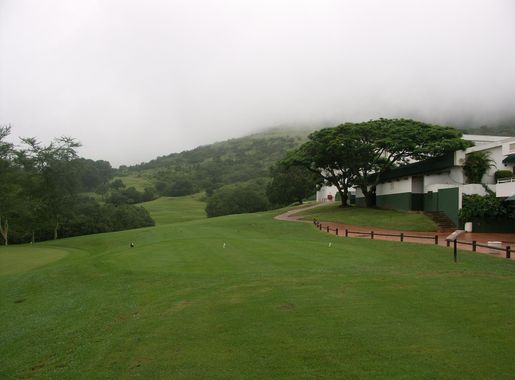


The Serene Heart of Eswatini: Ezulwini Valley
Nestled between the rolling hills of Eswatini, Ezulwini Valley is a captivating destination that offers a unique blend of natural beauty and cultural heritage. Known as the 'Valley of Heaven,' it is a place where lush landscapes meet historic landmarks, creating a serene and picturesque escape for travelers. The valley is home to several notable attractions, including the Mlilwane Wildlife Sanctuary, where visitors can experience close encounters with native wildlife and enjoy a variety of outdoor activities such as hiking, horseback riding, and bird watching. The sanctuary's beautiful scenery and rich biodiversity make it a paradise for nature enthusiasts. In addition to its natural wonders, Ezulwini Valley also boasts significant cultural sites. The Mantenga Cultural Village offers an immersive experience into Swazi traditions, including traditional dances, music, and crafts. The nearby Mantenga Falls, the highest waterfall in Eswatini, provides a stunning backdrop and a refreshing stop during a day of exploration. For those interested in history, the Royal Swazi Spa Valley Complex offers a glimpse into the country's regal past while also providing modern luxury with its spa and golf facilities. The valley's vibrant markets and local craft shops are perfect for finding unique souvenirs and experiencing the warm hospitality of the Swazi people.