

Free Malkerns Valley Travel Guide & Mobile App
Explore Malkerns Valley with free travel guides. Discover regional history, expert tips, proposed trips, and audio guides on web or mobile app.


Explore Malkerns Valley in Eswatini for craft centres, cultural performances, rural scenery and easy access to the country’s central highlands.
Read more about Malkerns Valley
When is the best time to visit Malkerns Valley?
Best: April, September–October · 21–24°C| Month | High (°C) | Rainfall (mm) |
|---|---|---|
| January | 27 | 150 |
| February | 27 | 130 |
| March | 25 | 110 |
| April (best) | 22 | 70 |
| May | 17 | 40 |
| June | 15 | 30 |
| July | 15 | 30 |
| August | 17 | 40 |
| September (best) | 21 | 60 |
| October (best) | 24 | 90 |
| November | 25 | 120 |
| December | 26 | 140 |
Getting to and around Malkerns Valley
How to get there
Transportation
Top city travel guides in Malkerns Valley
The cities of Malkerns Valley, and the easiest places to base yourself.

Swipe for more cities
Destinations in Malkerns Valley
Resorts, valleys and scenic spots worth a trip of their own.

Swipe for more destinations
Best attractions in Malkerns Valley
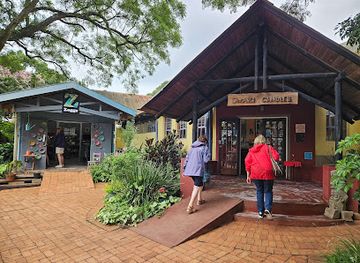
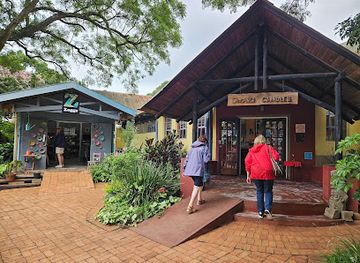
Malkerns Valley’s attractions combine rural scenery, craft production and contemporary cultural life rather than a dense collection of monumental sights. Swazi Candles Centre is the area’s best-known creative stop, with colourful handmade candles and other Eswatini crafts providing an insight into local design and small-scale enterprise. The Malandela’s and House on Fire complex adds restaurants, retail and a performance setting where music, theatre and cultural events take place; major festival arrangements should be checked before travel. The valley is also well placed for countryside drives, short walks and visits to surrounding Middleveld communities. Nearby Mantenga Nature Reserve and Mantenga Cultural Village lie in the neighbouring Ezulwini Valley and can be added as separate excursions, offering waterfalls, forested hills and cultural interpretation. Visitors interested in wildlife can plan further trips to Eswatini’s protected areas, but these are not attractions within Malkerns itself. The region is most rewarding when its craft workshops, agricultural landscape and cultural venues are treated as connected parts of an everyday rural setting.
-
Tourist attraction
Mlilwane Game Sanctuary
Explore the breathtaking landscapes and diverse wildlife at Mlilwane Game Sanctuary, a premier nature preserve in Eswatini.
-
Performing arts theater
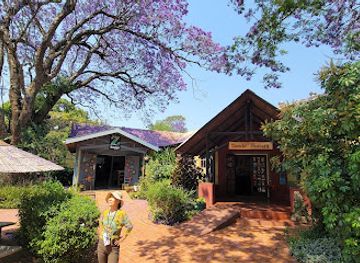
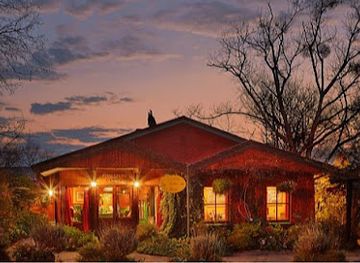
House On Fire / Malandelas Restaurant
Experience the essence of Eswatini at Malandela's Farm, where vibrant performances and delicious local cuisine create unforgettable memories.
-
Museum
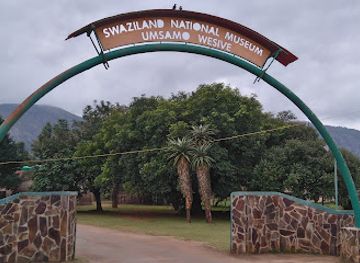
Swaziland National Museum
Explore the Swaziland National Museum: A gateway to Eswatini's rich culture, history, and traditions, perfect for curious travelers and culture enthusiasts.
-
Tourist attraction
Tfutjana Mount Resort and Restaurant
Explore the stunning landscapes of Eswatini at Tfutjana Mount Resort, the perfect blend of adventure, culture, and relaxation.

Best landmarks in Malkerns Valley
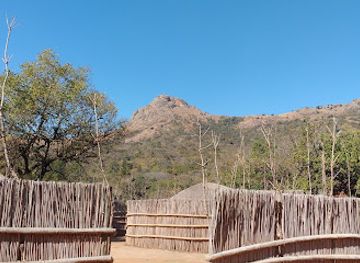
Malkerns Valley’s most recognisable landmarks are associated with its creative economy and open Middleveld setting. The Swazi Candles Centre is distinctive for its colourful handmade candle displays and has become a visual symbol of the area’s craft culture. House on Fire, within the Malandela’s complex, is a notable contemporary cultural landmark whose architecture, performance spaces and festival history give the valley an international arts connection. Beyond these sites, the landscape itself is significant: cultivated fields, rounded hills and rural homesteads express the valley’s agricultural character and distinguish it from the built-up centres of Mbabane and Manzini. Mantenga Falls and the cultural sites at Mantenga are nearby landmarks in the Ezulwini Valley, not technically within Malkerns, but they are relevant to travellers extending their itinerary through the central region. Lobamba’s royal and legislative sites are also nearby, although they should be visited as part of a separate excursion rather than described as Malkerns landmarks.
-
Nature preserve
Mlilwane Game Sanctuary
Discover the enchanting wildlife and natural beauty of Mlilwane Game Sanctuary in Eswatini, a must-visit nature preserve for all adventurers.
-
 Lodging
Summerfield Botanical Garden & Exclusive Resort
Explore the enchanting Summerfield Botanical Garden & Exclusive Resort in Eswatini, blending luxury with the beauty of nature for an unforgettable getaway.
-
Candle store
Swazi Candles
Discover the vibrant world of handcrafted candles at Swazi Candles in Malkerns, Eswatini. A unique artisan experience awaits you!
-
Tourist attraction
Mantenga Cultural Village
Experience the rich cultural heritage of Eswatini at Mantenga Cultural Village, where tradition meets breathtaking beauty.
Explore Malkerns Valley on the map
Plan your trip on one map. See where the top cities, national parks and sights are, and book hotels and experiences in a few clicks.
Best hotels in Malkerns Valley
Best restaurants in Malkerns Valley
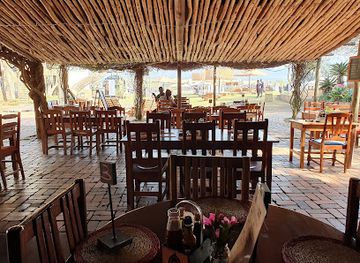
Dining in Malkerns is centred on restaurants, cafés and casual venues attached to craft and cultural complexes, along with accommodation establishments and rural guesthouses. Malandela’s is the principal visitor-oriented dining setting in the valley, while House on Fire can bring food service and temporary stalls during performances or festivals. Menus commonly draw on Southern African ingredients, including maize, vegetables, grilled meat and seasonal produce, alongside international dishes suited to visitors. The wider Eswatini food tradition includes hearty stews, porridge and locally available fruit, while braai-style cooking is common across the country. Craft-centre visits can be combined with a café stop, but choices become more limited on rural roads, so plan meals around opening arrangements rather than assuming continuous service. In Manzini, Mbabane and the Ezulwini area, visitors will find a broader selection of restaurants, but these are outside Malkerns Valley and require a separate journey.
-
Hotel
Mantenga Lodge
Experience unparalleled comfort and scenic beauty at Mantenga Lodge in Ezulwini Valley, Eswatini – your gateway to nature and culture.
-
Lodging
Summerfield Botanical Garden & Exclusive Resort
Experience luxury and tranquility at Summerfield Botanical Garden & Exclusive Resort in Eswatini, where nature meets elegance.
-
Hotel
Happy Valley Hotel & Casino
Discover the perfect blend of luxury accommodations and thrilling entertainment at Happy Valley Hotel & Casino in Eswatini.
-
Performing arts theater
House On Fire / Malandelas Restaurant
Discover exquisite dining and captivating performances at House On Fire in Eswatini's scenic landscapes.
Best bars in Malkerns Valley
Evening life in Malkerns is shaped more by cultural performances, restaurants, occasional live music and relaxed social venues than by a concentrated nightclub district. House on Fire is the valley’s leading performance setting and may host music, arts events and festival programming, with the atmosphere varying according to the event. Restaurants and bars connected with visitor complexes provide places for an evening drink or meal, while rural accommodation tends to offer quieter nights under open skies. Larger nightlife selections are available in Mbabane, Manzini and the Ezulwini corridor, but they are outside the valley and require planned transport. During major events, arrange a safe return journey in advance, as public transport options in rural areas can be limited after dark. Alcohol is available in licensed venues, but cultural performances, food and conversation are equally important parts of the local evening scene.
-
Candle store
Swazi Candles
Discover the vibrant world of handcrafted candles at Swazi Candles in Malkerns, where tradition meets creativity in every delightful piece.
-
Hotel
Happy Valley Hotel & Casino
Discover the ultimate blend of luxury, entertainment, and breathtaking views at Happy Valley Hotel & Casino in Eswatini.
-
Hotel
Foresters Arms
Experience the perfect blend of hospitality, dining, and local culture at Foresters Arms in Mhlambanyatsi, Eswatini's hidden gem.
-
Restaurant
Mugg & Bean Swaziland
Experience the flavors of Eswatini at Mugg & Bean Swaziland, where delightful dishes meet a warm atmosphere in the heart of Lobamba.
Best nightclubs in Malkerns Valley
Evening life in Malkerns is shaped more by cultural performances, restaurants, occasional live music and relaxed social venues than by a concentrated nightclub district. House on Fire is the valley’s leading performance setting and may host music, arts events and festival programming, with the atmosphere varying according to the event. Restaurants and bars connected with visitor complexes provide places for an evening drink or meal, while rural accommodation tends to offer quieter nights under open skies. Larger nightlife selections are available in Mbabane, Manzini and the Ezulwini corridor, but they are outside the valley and require planned transport. During major events, arrange a safe return journey in advance, as public transport options in rural areas can be limited after dark. Alcohol is available in licensed venues, but cultural performances, food and conversation are equally important parts of the local evening scene.
-
Hotel
Happy Valley Hotel & Casino
Discover unparalleled luxury and excitement at Happy Valley Hotel & Casino in Lobamba, Eswatini, where culture and entertainment meet.
-
Bed & breakfast
Malandelas Complex
Experience the perfect blend of relaxation and nature at Malandelas Complex, a charming bed and breakfast in Malkerns, Eswatini.
-
Restaurant
Malkerns Country Club
Experience the delightful flavors and warm hospitality of Malkerns Country Club, a culinary gem nestled in the heart of Eswatini.
-
Lounge
The Vibe
Discover the perfect blend of relaxation and local culture at The Vibe, Tembisa's go-to lounge for tourists and locals alike.


Best shops in Malkerns Valley
Shopping in Malkerns is strongest in craft centres rather than conventional retail streets. Swazi Candles Centre is the leading stop for handmade candles, decorative objects, textiles and other locally produced gifts, while the Malandela’s complex and associated outlets provide further opportunities to browse Eswatini crafts and contemporary design. Products may include woven goods, carvings, baskets, jewellery and decorative work, although stock and individual makers vary. Ask sellers about materials, care and whether an item was made locally, particularly when comparing similar products. The valley’s rural setting means there is no large shopping district or extensive luxury retail scene; larger supermarkets, banks and general shops are found in nearby Manzini, Mbabane and the Ezulwini corridor. Visitors should carry cash for smaller craft purchases and protect fragile items carefully when travelling onward.
-
Lodging
Summerfield Botanical Garden & Exclusive Resort
Experience the perfect blend of luxury and nature at Summerfield Botanical Garden & Exclusive Resort in Eswatini, where tranquility meets elegance.
-
Candle store
Swazi Candles
Explore the vibrant world of handcrafted candles at Swazi Candles, where local artistry meets unique souvenirs in Malkerns, Eswatini.
-
Shopping mall
The Gables Shopping Center
Discover shopping, dining, and entertainment at The Gables Shopping Center, the heart of Ezulwini, Eswatini.
-
Shopping mall
Riverstone Mall
Explore Riverstone Mall in Manzini, Eswatini - a shopping haven with local charm, diverse dining, and entertainment for every traveler.
Get your free copy of our complete guide to Malkerns Valley, delivered straight to you.
Everything on this page, from attractions and restaurants to essentials and local phrases, in one PDF you can read offline, print or share.
Already have an account? Sign in
Your Malkerns Valley guide is ready.
We'll send it to · Not you? Sign out

Getting your guide ready…
We are putting together a fresh copy of the Malkerns Valley guide. This can take up to a minute.
This can take a few moments. If your browser asks, choose Allow so the download can start. You'll find the guide in your Downloads folder.
Nothing happened? Download it again
Sorry, the guide is taking longer than usual. Please try again in a minute, or get it by email instead.
Malkerns Valley essentials
Currency and Payment
Safety
Emergency Situations
Do's and Don'ts
Local Tips
From Eve
Local phrases worth knowing
You don't need to get them perfect. A few words go a long way, and locals appreciate the effort.
Basics
| English | Local | Say it |
|---|---|---|
| Hello | Sawubona | [sah-woo-boh-nah] |
| Goodbye | Hamba kahle | [ham-bah kah-leh] |
| Yes | Yebo | [yeh-boh] |
| No | Cha | [chah] |
| Please/You're welcome | Ngiyabonga | [ngee-yah-bong-ah] |
| Thank you | Ngiyabonga | [ngee-yah-bong-ah] |
| Excuse me/Sorry | Uxolo | [oo-xo-lo] |
| How are you? | Unjani? | [oon-jah-nee] |
| Fine. And you? | Ngiyaphila. Unjani wena? | [ngee-yah-pee-lah. oon-jah-nee weh-nah] |
| Do you speak English? | Ukhuluma isiNgisi? | [oo-khoo-loo-mah ee-see-ngee-see] |
| I don't understand | Angiqondi | [ahn-gee-kohn-dee] |
Eating & Drinking
| English | Local | Say it |
|---|---|---|
| I'd like to see the menu, please | Ngicela ukubona imenu, ngiyabonga | [ngee-cheh-lah oo-koo-boh-nah ee-meh-noo, ngee-yah-bong-ah] |
| I don't eat meat | Angidli inyama | [ahn-gee-dlee een-yah-mah] |
| Cheers! | Phakamisa | [pah-kah-mee-sah] |
| I would like to pay, please | Ngicela ukukhokha, ngiyabonga | [ngee-cheh-lah oo-koo-koh-kah, ngee-yah-bong-ah] |
Emergencies
| English | Local | Say it |
|---|---|---|
| Help! | Usizo! | [oo-see-zoh] |
| Go away! | Hamba kude! | [ham-bah koo-deh] |
| Call the Police! | Shayela amaphoyisa! | [shah-yeh-lah ah-mah-poy-ee-sah] |
| Call a doctor! | Shayela udokotela! | [shah-yeh-lah oo-doh-koh-teh-lah] |
| I'm lost | Ngilahlekile | [ngeel-ah-leh-kee-leh] |
| I'm ill | Ngiyagula | [ngee-yah-goo-lah] |
Shopping
| English | Local | Say it |
|---|---|---|
| I'd like to buy... | Ngifuna ukuthenga... | [ngee-foo-nah oo-khoo-theng-ah] |
| I'm just looking | Ngiyabuka nje | [ngee-yah-boo-kah njay] |
| How much is it? | Kubiza malini? | [koo-bee-zah mah-lee-nee] |
| That's too expensive | Lokhu kubiza kakhulu | [loh-khoo koo-bee-zah kah-khoo-loo] |
| Can you lower the price? | Unganciphisa intengo? | [oo-ngahn-chee-pee-sah een-ten-go] |
Time & Numbers
| English | Local | Say it |
|---|---|---|
| What time is it? | Ithini isikhathi? | [ee-thee-nee ee-see-kah-thee] |
| It's one o'clock | Iyi ngu-1 | [ee-yee ngoo-wan] |
| Half past (10) | Ihafu ka-10 | [ee-hah-foo kah-ten] |
| Morning | Ekuseni | [eh-koo-seh-nee] |
| Afternoon | Emva kwemini | [ehm-vah kweh-mee-nee] |
| Evening | Ntambama | [n-tahm-bah-mah] |
| Yesterday | Izolo | [ee-zoh-loh] |
| Today | Namuhla | [nah-moo-hlah] |
| Tomorrow | Kusasa | [koo-sah-sah] |
| 1 | 1 | [1] |
| 2 | 2 | [2] |
| 3 | 3 | [3] |
| 4 | 4 | [4] |
| 5 | 5 | [5] |
| 6 | 6 | [6] |
| 7 | 7 | [7] |
| 8 | 8 | [8] |
| 9 | 9 | [9] |
| 10 | 10 | [10] |
Transport & Directions
| English | Local | Say it |
|---|---|---|
| Where's a/the...? | Kuphi...? | [koo-pee] |
| What's the address? | Yini ikheli? | [yee-nee ee-keh-lee] |
| Can you show me (on the map)? | Ungangikhombisa (emaphethelweni)? | [oon-gahn-gee-khohm-bee-sah (eh-mah-peh-theh-loh-nee)] |
| When's the next (bus)? | Nini (ibhasi) elandelayo? | [nee-nee (ee-bah-see) eh-lah-ndah-lah-yo] |
| A ticket (to ....) | Itikithi (ku....) | [ee-tee-kee-thee (koo....)] |
History of Malkerns Valley
Early Settlement and Middleveld Landscapes
The Malkerns area forms part of the wider Middleveld landscape occupied and cultivated by communities long before the modern kingdom of Eswatini existed. Archaeological evidence across Eswatini records early farming, metalworking and settlement, while surviving rock art and stone features provide evidence of older human activity in the wider region. The valley’s fertile soils, seasonal rainfall and position between the highlands and eastern lowlands helped make it suitable for cultivation and movement. Much of its historical importance is therefore embedded in the landscape itself, rather than in one surviving ancient town.
The Formation of the Swazi Kingdom
During the eighteenth and nineteenth centuries, the Swazi kingdom consolidated under the Dlamini royal line and incorporated communities across the territory now known as Eswatini. The Middleveld became part of a political and cultural system organised through chiefly authorities, royal institutions and homestead communities. The traditions of siSwati language, oral history, dance, dress and communal ceremonies that visitors encounter today developed through this long history. Malkerns lies close to Lobamba, the traditional and legislative centre of the kingdom, although Malkerns itself is primarily a rural and cultural district rather than a royal capital.
Colonial Rule and Changing Land Use
In the late nineteenth century, European political and commercial influence expanded in the Swazi kingdom, followed by British administration under the Swaziland Protectorate from 1906 until independence. Colonial rule altered land tenure, taxation, labour patterns and agricultural production. Commercial farming and transport links grew alongside established subsistence agriculture, creating divisions that continued to shape rural life after independence. The central valleys became increasingly connected to roads and urban markets, allowing produce and manufactured goods to circulate between Mbabane, Manzini and surrounding settlements.
Independence in 1968
Swaziland became independent from British rule on 6 September 1968, retaining the monarchy and its own national institutions. The country was renamed Eswatini in 2018, reflecting the siSwati name used by many citizens. Independence brought new investment in roads, education, agriculture and tourism, while royal, cultural and community institutions continued to influence national life. Malkerns benefited from its position near the principal road corridor between the country’s major urban centres and from its proximity to royal and cultural sites in the central region.
Agriculture and the Middleveld Economy
Malkerns Valley’s modern identity has been shaped by agriculture as well as by access to urban markets. Cultivated fields, smallholdings and commercial farming form part of a broader Middleveld economy that includes food production, forestry, manufacturing and services. Irrigation and improved road connections have supported more regular agricultural activity in parts of the valley, although farming remains affected by rainfall, water availability and changing economic conditions. The continuing presence of fields and rural settlements gives Malkerns a markedly different character from nearby Mbabane and Manzini.
Craft, Music and Cultural Tourism
From the late twentieth century onwards, craft enterprises and cultural venues helped establish Malkerns as one of Eswatini’s most recognisable creative districts. Swazi Candles Centre became known for colourful handmade candles and associated craft retail, while House on Fire developed as a venue for music, performance and cultural exchange. The annual MTN Bushfire festival has further connected the valley with international music and arts audiences. This development did not replace the area’s rural character; instead, it added a contemporary cultural economy to an already agricultural landscape.
Malkerns Valley in Photos
Browse through our photo collection highlighting the charm and character of the destination.
Neighbouring regions of Malkerns Valley
The closest regions to Malkerns Valley, if you have time for more than one.
-

-

-

-

-


Swipe for more regions
Explore more

Explore more of Eswatini
Discover the vibrant culture and stunning landscapes of Eswatini, a hidden gem in Africa offering rich traditions, diverse wildlife, and adventure-filled outdoor activities.
Explore Eswatini