

Free Usuthu River Basin Travel Guide & Mobile App
Explore Usuthu River Basin with free travel guides. Discover regional history, expert tips, proposed trips, and audio guides on web or mobile app.


Explore Eswatini’s Usuthu River Basin through forested uplands, sugar country, river landscapes, rural culture and warm lowveld scenery.
Read more about Usuthu River Basin
Getting to and around Usuthu River Basin
How to get there
Transportation
Top city travel guides in Usuthu River Basin
The cities of Usuthu River Basin, and the easiest places to base yourself.
-

-

-

-

-


Swipe for more cities
Destinations in Usuthu River Basin
Resorts, valleys and scenic spots worth a trip of their own.
-

-

-

-

-

-


Swipe for more destinations
Best attractions in Usuthu River Basin
Attractions in the Usuthu River Basin are defined by landscape and working environments as much as by formal visitor sites. Scenic drives move between forested uplands, planted timber country, open middleveld and the hotter lowveld around the lower river. Forestry landscapes offer a different perspective on Eswatini from the better-known wildlife reserves, while river valleys and irrigated estates show how water supports sugar and other agricultural production. Around Big Bend and Siphofaneni, visitors can explore the human geography of the lower basin through arranged cultural visits, local markets and views of cultivated country, provided access is agreed in advance. Wildlife experiences are available in parts of the wider lowveld through established reserves and conservation areas, although their exact location and entry arrangements should be checked before travel. Birdwatching is rewarding near watercourses and woodland, especially in the warmer east. Outdoor activities are best undertaken with a recognised guide because river access, private land, seasonal flooding and limited signage can make independent exploration impractical. The basin suits travellers interested in rural scenery, conservation, forestry and agriculture rather than those seeking a dense concentration of museums or monuments.
-
Golf course
Nkonyeni Lodge & Golf Estate
Discover the enchanting Nkonyeni Lodge & Golf Estate in Eswatini: where stunning landscapes meet exceptional golfing experiences.
-
 Lodge
LodgePhophonyane Falls Ecolodge
Experience the breathtaking beauty of Phophonyane Falls Ecolodge, where nature meets comfort in the heart of Eswatini.
-
Tourist attraction
Tfutjana Mount Resort
Experience the breathtaking landscapes and outdoor adventures at Tfutjana Mount Resort in Eswatini, a paradise for nature lovers and hiking enthusiasts.
-
Tour agency
Woza Nawe African Cultural Tours
Discover the heart of Eswatini with Woza Nawe African Cultural Tours, offering authentic experiences that connect you to local culture and traditions.
Best landmarks in Usuthu River Basin
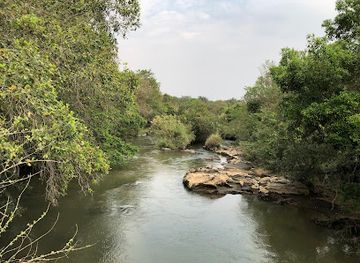
The Usuthu River itself is the basin’s defining natural landmark, although its appearance changes from wooded and fast-moving upland channels to broad, warmer lowveld valleys. River views are often encountered from roads, bridges and cultivated areas rather than from a single developed promenade, and private land or agricultural operations may limit access. The Usuthu forests and associated plantation landscapes form another recognisable feature of the western and central basin, marking a cooler, wetter environment with tall stands of commercial timber. Around Big Bend, the extensive sugar-growing landscape is a major human-made landmark, showing how irrigation and river water have shaped the eastern economy. Siphofaneni and other lower-basin settlements provide reference points for the transition between rural communities, transport routes and large-scale agriculture. Individual viewpoints and access roads can change with weather, forestry operations and land management, so visitors should seek local guidance rather than treating every visible track as public. The basin’s significance lies in the relationship between river, forest, farm and settlement, not in a long sequence of monumental buildings.
-
Nature preserve
Mlilwane Game Sanctuary
Explore the breathtaking landscapes and diverse wildlife at Mlilwane Game Sanctuary, a premier nature preserve in Eswatini, perfect for adventure seekers and nature lovers.
-
Lodging
Summerfield Botanical Garden & Exclusive Resort
Discover the serene beauty of Summerfield Botanical Garden & Exclusive Resort in Eswatini, where luxury meets nature for a tranquil escape.
-
Tourist attraction
Mantenga Cultural Village
Explore the vibrant Swazi culture at Mantenga Cultural Village, a remarkable living museum showcasing traditional life, dance, and artistry in Eswatini.
-
National park
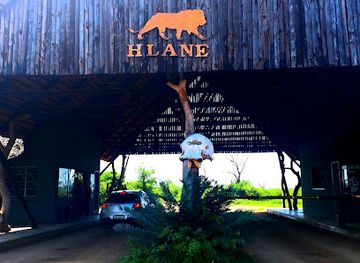
Hlane Royal National Park
Experience the breathtaking wildlife and scenic landscapes of Hlane Royal National Park in Eswatini, a true gem for nature lovers.
Explore Usuthu River Basin on the map
Plan your trip on one map. See where the top cities, national parks and sights are, and book hotels and experiences in a few clicks.
Best hotels in Usuthu River Basin
Best restaurants in Usuthu River Basin
Dining in the Usuthu River Basin is generally centred on hotel restaurants, lodges, cafés in larger settlements, family-run eateries and informal food stalls rather than a concentrated restaurant district. Eswatini’s everyday food may include maize-based dishes, stews, grilled meats, beans, vegetables and seasonal fruit, with menus reflecting both Swazi home cooking and broader southern African influences. In the warmer agricultural country, locally grown produce and sweet crops are part of the regional setting, although individual farm products are not always sold directly to visitors. Rural inns and lodges may provide the most convenient meals for travellers following the river corridor, but advance notice is sensible when staying away from major towns. Markets and roadside sellers offer opportunities to buy fruit, snacks and prepared food, though hygiene standards and availability vary. South African products and drinks are widely encountered because of the close economic relationship between the two countries. Visitors with dietary requirements should explain them clearly and carry suitable provisions for longer drives.
-
Lodging
Summerfield Botanical Garden & Exclusive Resort
Experience tranquility at Summerfield Botanical Garden & Exclusive Resort in Eswatini – where luxury meets nature's beauty.
-
Hotel
Lugogo Sun
Discover comfort and local culture at Lugogo Sun Hotel in Lobamba - your gateway to exploring the beauty of Eswatini.
-
Restaurant
Foresters Arms
Discover the vibrant flavors and warm hospitality at Foresters Arms – your culinary oasis in Mhlambanyatsi, Eswatini.
-
Restaurant
Ramblas Restaurant Mbabane
Experience the rich flavors of Eswatini at Ramblas Restaurant Mbabane - a culinary gem in the heart of Mbabane offering diverse and delicious dishes.
Best bars in Usuthu River Basin
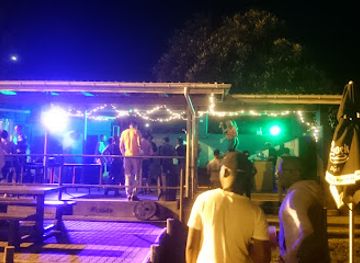
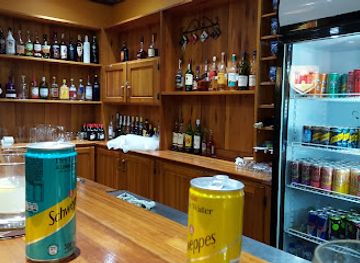
Evening life in the Usuthu River Basin is low-key and dispersed. In larger settlements and commercial centres, visitors will find local pubs, hotel bars, informal drinking spots and restaurants where residents meet after work, while lodges may provide a quieter setting for drinks and conversation. The lower basin’s agricultural towns do not have a major, concentrated nightclub scene, and nightlife can be especially limited outside weekends or seasonal periods. Music and social gatherings may be organised around community events, churches or local venues rather than permanent entertainment districts. Because roads are dark and distances between settlements are substantial, it is safer to arrange transport in advance and avoid travelling after drinking. Some establishments may close earlier than visitors expect, particularly in rural areas. The most rewarding evening experience is often a meal, conversation or guided cultural programme at a recognised lodge rather than a search for late-night venues.
-
Bar
Foresters Arms
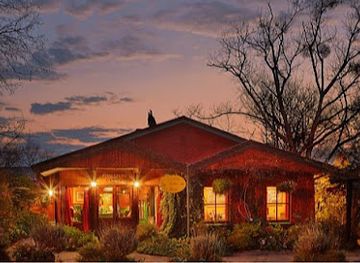
Discover the Victorian elegance and local flavors of Foresters Arms, a must-visit bar, restaurant, and hotel in the heart of Eswatini.
-
Hotel
Mountain View International Hotel by BON Hotels
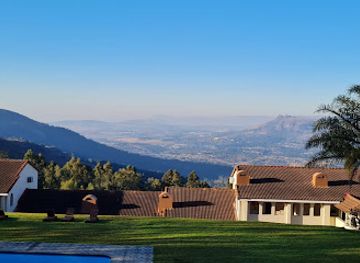
Discover comfort and breathtaking views at Mountain View International Hotel in the heart of Mbabane, Eswatini.
-
Italian
The Velvet Monkey
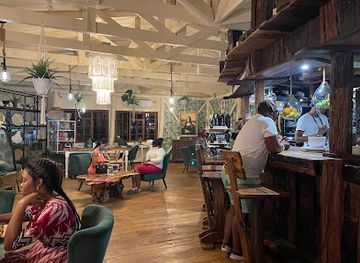
Discover the essence of Italy at The Velvet Monkey, Lobamba's top destination for authentic Italian cuisine and a warm dining atmosphere.
-
Portuguese
Amigos Restaurant
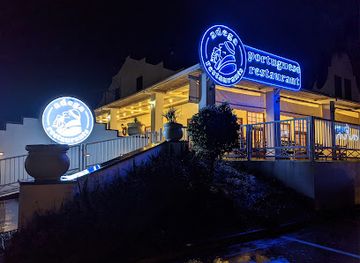
Experience authentic Portuguese cuisine at Amigos Restaurant in Lobamba, Eswatini, where every meal is a journey through the flavors of Portugal.
Best nightclubs in Usuthu River Basin
Evening life in the Usuthu River Basin is low-key and dispersed. In larger settlements and commercial centres, visitors will find local pubs, hotel bars, informal drinking spots and restaurants where residents meet after work, while lodges may provide a quieter setting for drinks and conversation. The lower basin’s agricultural towns do not have a major, concentrated nightclub scene, and nightlife can be especially limited outside weekends or seasonal periods. Music and social gatherings may be organised around community events, churches or local venues rather than permanent entertainment districts. Because roads are dark and distances between settlements are substantial, it is safer to arrange transport in advance and avoid travelling after drinking. Some establishments may close earlier than visitors expect, particularly in rural areas. The most rewarding evening experience is often a meal, conversation or guided cultural programme at a recognised lodge rather than a search for late-night venues.
-
Pub
The Albert Millin
Experience the vibrant nightlife at The Albert Millin, a lively pub in Mbabane, Eswatini, offering a variety of drinks and a welcoming atmosphere.
-
Restaurant
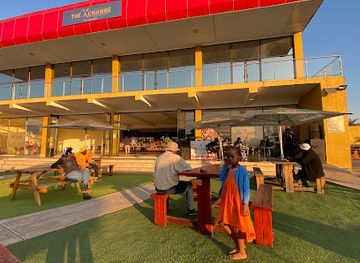
The XChange Lounge & Shisanyama
Experience the authentic flavors of Eswatini at The XChange Lounge & Shisanyama, a vibrant restaurant in Manzini offering a unique culinary journey.
-
Night club
Manzini club
Discover the heart of Eswatini's nightlife at Manzini Club, where music, dance, and good vibes create unforgettable memories.
-
Restaurant
Equinox Restaurant & Bar
Experience the vibrant flavors of Eswatini at Equinox Restaurant & Bar, a culinary delight in the heart of Mbabane.

Best shops in Usuthu River Basin
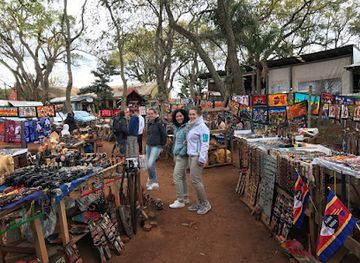
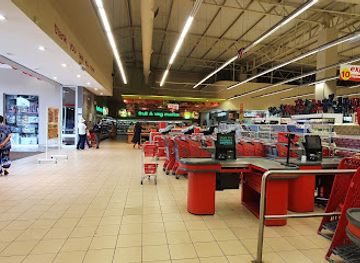
Shopping in the Usuthu River Basin is practical and locally focused. Larger settlements provide supermarkets, pharmacies, fuel stations and general shops, while smaller trading centres serve nearby communities with food, household goods and basic travel supplies. Market stalls and roadside sellers may offer seasonal fruit, vegetables, snacks and locally made items, but availability depends on the day and location. Visitors looking for craft purchases should ask at cultural centres, recognised markets, lodges or community-based projects rather than buying from unverified roadside displays. Eswatini is known more broadly for weaving, beadwork, woodwork, candles and other handmade products, though not every item sold in the basin is locally produced. Sugar and agricultural products are central to the lower basin’s economy, but packaged goods and souvenirs are easier to find in larger towns or established craft outlets elsewhere in Eswatini. Carry cash in smaller denominations, check prices before purchasing and remember that rural shops may have limited opening arrangements and card facilities.
-
Candle store
Swazi Candles
Experience the vibrant artistry of handcrafted candles at Swazi Candles in Malkerns, a true gem of Eswatini's rich cultural heritage.
-
Shopping mall
The Gables Shopping Center
Explore The Gables Shopping Center in Ezulwini, Eswatini, where shopping meets culture and delightful dining options await.
-
Store
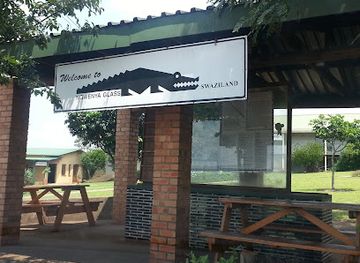
Ngwenya Glass - Eswatini
Explore the captivating world of glass artistry at Ngwenya Glass in Eswatini, where tradition meets creativity in stunning glass creations.
-
Shopping mall
Corner Plaza
Discover Corner Plaza in Ezulwini, a vibrant shopping mall offering a mix of retail, dining, and entertainment experiences in Eswatini.

Get your free copy of our complete guide to Usuthu River Basin, delivered straight to you.
Everything on this page, from attractions and restaurants to essentials and local phrases, in one PDF you can read offline, print or share.
Already have an account? Sign in
Your Usuthu River Basin guide is ready.
We'll send it to · Not you? Sign out

Getting your guide ready…
We are putting together a fresh copy of the Usuthu River Basin guide. This can take up to a minute.
This can take a few moments. If your browser asks, choose Allow so the download can start. You'll find the guide in your Downloads folder.
Nothing happened? Download it again
Sorry, the guide is taking longer than usual. Please try again in a minute, or get it by email instead.
Usuthu River Basin essentials
Currency and Payment
Safety
Emergency Situations
Do's and Don'ts
Local Tips
From Eve
Local phrases worth knowing
You don't need to get them perfect. A few words go a long way, and locals appreciate the effort.
Basics
| English | Local | Say it |
|---|---|---|
| Hello | Sawubona | [sah-woo-boh-nah] |
| Goodbye | Hamba kahle | [hahm-bah kah-leh] |
| Yes | Yebo | [yeh-boh] |
| No | Cha | [chah] |
| Please/You're welcome | Ngiyabonga | [ngee-yah-bong-ah] |
| Thank you | Ngiyabonga | [ngee-yah-bong-ah] |
| Excuse me/Sorry | Uxolo | [oo-zoh-loh] |
| How are you? | Unjani? | [oon-jah-nee] |
| Fine. And you? | Ngiyaphila. Wena unjani? | [ngee-yah-pee-lah. weh-nah oon-jah-nee] |
| Do you speak English? | Ukhuluma isiNgisi? | [oo-khoo-loo-mah ee-see-nee-gee-see] |
| I don't understand | Angiqondi | [ahn-gee-kohn-dee] |
Eating & Drinking
| English | Local | Say it |
|---|---|---|
| I'd like to see the menu, please | Ngicela ukubona imenu | [ngee-cheh-lah oo-koo-boh-nah ee-meh-noo] |
| I don't eat meat | Angidli inyama | [ahn-gee-dlee een-yah-mah] |
| Cheers! | Phakade! | [pah-kah-deh] |
| I would like to pay, please | Ngicela ukukhokha | [ngee-cheh-lah oo-koo-koh-kah] |
Emergencies
| English | Local | Say it |
|---|---|---|
| Help! | Usizo! | [oo-see-zoh] |
| Go away! | Hamba kude! | [hahm-bah koo-deh] |
| Call the Police! | Shayela amaphoyisa! | [shah-yeh-lah ah-mah-poh-ee-sah] |
| Call a doctor! | Shayela udokotela! | [shah-yeh-lah oo-doh-koh-teh-lah] |
| I'm lost | Ngilahlekile | [ngee-lah-leh-kee-leh] |
| I'm ill | Ngiyagula | [ngee-yah-goo-lah] |
Shopping
| English | Local | Say it |
|---|---|---|
| I'd like to buy... | Ngifuna ukuthenga... | [ngee-foo-nah oo-koo-theng-ah] |
| I'm just looking | Ngiyabuka nje | [ngee-yah-boo-kah n-jay] |
| How much is it? | Kubiza malini? | [koo-bee-zah mah-lee-nee] |
| That's too expensive | Lokhu kubiza kakhulu | [loh-khoo koo-bee-zah kah-khoo-loo] |
| Can you lower the price? | Unganciphisa intengo? | [oon-gah-nchee-pee-sah een-teng-oh] |
Time & Numbers
| English | Local | Say it |
|---|---|---|
| What time is it? | Kuyini isikhathi? | [koo-yee-nee ee-see-khah-teh] |
| It's one o'clock | Kuyisikhathi sokuqala | [koo-yee-see-khah-teh soo-koh-kah-lah] |
| Half past (10) | Ihlandla le (10) | [ee-hlan-dlah leh (10)] |
| Morning | Ekuseni | [eh-koo-seh-nee] |
| Afternoon | Emva kwemini | [ehm-vah kweh-mee-nee] |
| Evening | Ubusuku | [oo-boo-soo-koo] |
| Yesterday | Izolo | [ee-zoh-loh] |
| Today | Namuhla | [nah-moo-hlah] |
| Tomorrow | Mangisale | [mahn-gee-sah-leh] |
| 1 | 1 | [1] |
| 2 | 2 | [2] |
| 3 | 3 | [3] |
| 4 | 4 | [4] |
| 5 | 5 | [5] |
| 6 | 6 | [6] |
| 7 | 7 | [7] |
| 8 | 8 | [8] |
| 9 | 9 | [9] |
| 10 | 10 | [10] |
Transport & Directions
| English | Local | Say it |
|---|---|---|
| Where's a/the...? | Kuphi ...? | [koo-pee ...?] |
| What's the address? | Iyini ikheli? | [ee-yee-nee ee-kheh-lee] |
| Can you show me (on the map)? | Ungangikhombisa (emaphethelweni)? | [oon-gah-ngi-khom-bee-sah (eh-mah-peh-theh-loh-nee)?] |
| When's the next (bus)? | Nini ibhasi elilandelayo? | [nee-nee ee-bhah-see eh-lee-lahn-dah-lah-yeh] |
| A ticket (to ....) | Itikithi (ku ....) | [ee-tee-kee-thee (koo ....)] |
History of Usuthu River Basin
Early settlement and the river environment
The Usuthu basin has long provided water, grazing, fertile valley land and routes through Eswatini’s varied terrain. Communities using the wider region included early farming societies whose descendants contributed to the settlement history of the kingdom. Archaeological evidence across Eswatini indicates successive patterns of Stone Age activity, ironworking, cultivation and cattle keeping, although individual sites are not always developed for public visitation in the basin. The river’s importance was practical as well as geographical: it linked upland and lowveld environments and helped shape where people farmed, settled and moved.
Formation of the Swazi kingdom
During the eighteenth and nineteenth centuries, political consolidation among Nguni-speaking communities helped form the Swazi kingdom, later known as Eswatini. Royal authority and local chiefly structures developed across landscapes that included the Usuthu catchment, while homesteads, cattle ownership and access to productive land remained central to social organisation. The basin was not an isolated frontier: its valleys and routes connected communities in the interior with neighbouring areas of present-day South Africa and Mozambique. Contemporary cultural visits should be understood within this living political and social history rather than treated as displays of a vanished past.
Nineteenth-century conflict and political change
The nineteenth century brought regional upheaval associated with the mfecane period, shifting political alliances and expanding state power in south-eastern Africa. The Swazi kingdom defended and negotiated its position amid pressure from larger neighbouring polities and later European interests. These changes affected settlement, cattle movements and control of land and water across the Usuthu region. The political geography of modern Eswatini emerged through these processes, although present-day boundaries do not precisely reproduce the territories and routes of earlier communities.
Colonial rule and land concessions
From the late nineteenth century, European concessionaires acquired extensive commercial rights in Swaziland, and the territory came under British administration. Land alienation, taxation and labour demands altered rural life, while roads and commercial estates developed alongside existing chiefly authority. In the Usuthu basin, the combination of accessible river valleys, agricultural potential and forest resources encouraged outside investment. The legacy is visible in the contrast between communal land, private estates, plantations and large-scale irrigated farming that still characterises parts of the basin.
Forestry, roads and commercial agriculture
During the twentieth century, forestry expanded in the wetter western and central uplands, where planted pine and eucalyptus benefited from favourable rainfall and cooler conditions. In the warmer east, irrigation and sugar cultivation grew in importance, especially around the lower Usuthu and the settlement of Big Bend. These industries brought employment, processing infrastructure, roads and new patterns of movement, while also raising enduring questions about land, water use and rural livelihoods. The basin’s contemporary economic landscape is therefore closely tied to both plantation forestry and irrigated agriculture.
Independence and modern conservation
Eswatini became independent from British rule in 1968, and the country has since balanced customary governance, commercial agriculture, forestry, conservation and tourism. In the Usuthu basin, environmental pressures include water demand, habitat fragmentation, soil erosion and the effects of changing rainfall patterns. Conservation projects and private reserves have helped protect wildlife habitats in parts of the wider lowveld, while community initiatives seek to connect tourism benefits with local livelihoods. The river remains an economic resource, a cultural reference point and an indicator of the region’s environmental future.
Usuthu River Basin in Photos
Browse through our photo collection highlighting the charm and character of the destination.
Neighbouring regions of Usuthu River Basin
The closest regions to Usuthu River Basin, if you have time for more than one.
-

-

-

-

-


Swipe for more regions
Explore more

Explore more of Eswatini
Discover the vibrant culture and stunning landscapes of Eswatini, a hidden gem in Africa offering rich traditions, diverse wildlife, and adventure-filled outdoor activities.
Explore Eswatini