

Free Middleveld Travel Guide & Mobile App
Explore Middleveld with free travel guides. Discover regional history, expert tips, proposed trips, and audio guides on web or mobile app.


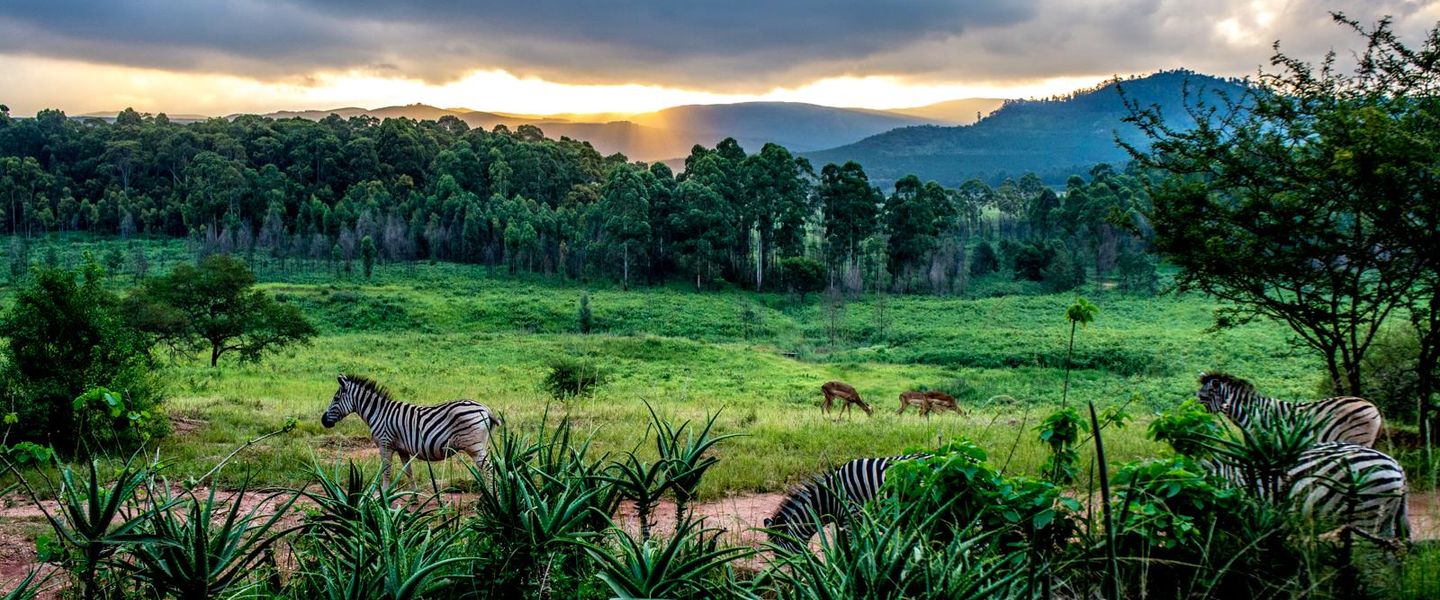


Explore Eswatini's Middleveld for royal heritage, craft villages, wildlife walks, market towns and the green valleys around Lobamba and Manzini.
Read more about Middleveld
When is the best time to visit Middleveld?
Best: April, September–October · 23–25°C| Month | High (°C) | Rainfall (mm) |
|---|---|---|
| January | 28 | 100 |
| February | 28 | 90 |
| March | 27 | 80 |
| April (best) | 24 | 70 |
| May | 21 | 50 |
| June | 18 | 40 |
| July | 18 | 40 |
| August | 20 | 50 |
| September (best) | 23 | 60 |
| October (best) | 25 | 70 |
| November | 26 | 80 |
| December | 27 | 90 |
Getting to and around Middleveld
How to get there
Transportation
Top city travel guides in Middleveld
The cities of Middleveld, and the easiest places to base yourself.
-

-

-

-

-


Swipe for more cities
Destinations in Middleveld
Resorts, valleys and scenic spots worth a trip of their own.
-

-

-

-

-


Swipe for more destinations
Best attractions in Middleveld
The Middleveld's attractions combine wildlife, royal history, crafts and accessible countryside. Mlilwane Wildlife Sanctuary is the region's leading outdoor destination, with game-viewing drives, walking and horse-riding opportunities across grassland and wooded hills; its open setting offers a different experience from large predator reserves. Around Lobamba, the National Museum introduces Eswatini's cultural and natural history, while the King Sobhuza II Memorial Park explains the life and political legacy of one of the country's most important modern monarchs. The Ezulwini Valley adds cultural venues, leisure facilities and views of the surrounding hills, although activities and access are spread along the valley rather than concentrated in a single centre. In the Malkerns Valley, Swazi Candles and nearby craft enterprises provide insight into local production, design and retail. Manzini is less about monumental sightseeing than markets, commerce and the everyday movement of central Eswatini. Rural roads lead towards farms, homesteads and small-scale craft businesses, but visitors should arrange directions and opening details in advance. The region is well suited to combining a short wildlife excursion with museums, workshops and scenic drives rather than trying to complete every experience in one day.
-
 Lodging
Summerfield Botanical Garden & Exclusive Resort
Experience a luxurious escape at Summerfield Botanical Garden & Exclusive Resort, where nature and tranquility meet in the heart of Eswatini.
-
Manzini Main Market
Experience the vibrant culture of Eswatini at Manzini Main Market, a bustling hub for local crafts, fresh produce, and unforgettable flavors.
-
Tourist attraction
King Sobhuza II Park
Discover the serene King Sobhuza II Park in Lobamba, Eswatini, a beautiful memorial park that celebrates history and nature in a tranquil setting.
-
Somhlolo Park (Jubilee Park)
Explore the natural beauty and tranquility of Somhlolo Park in Manzini, Eswatini—a perfect escape for relaxation and recreation amidst lush landscapes.


Best landmarks in Middleveld
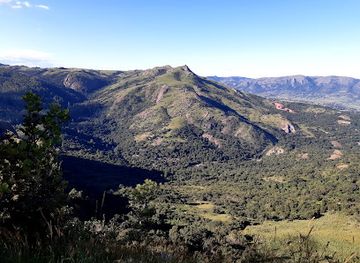
Lobamba's royal and national landmarks give the Middleveld much of its symbolic importance. The King Sobhuza II Memorial Park is associated with the monarch who shaped modern Eswatini and provides a focal point for understanding the country's twentieth-century political history. Nearby national institutions, including the Parliament area and the National Museum, reinforce Lobamba's role as the country's traditional and legislative capital, though visitors should follow access rules around official buildings. The Ezulwini Valley itself is a major natural landmark: a broad central corridor enclosed by rising hills and linked to royal history, conservation and tourism. Mlilwane Wildlife Sanctuary is also significant as a landscape of conservation, where open grassland, wooded slopes and traditional rural surroundings form a recognisable central Eswatini scene. The Malkerns Valley contributes a more settled agricultural landmark character, with cultivated fields, craft workshops and views towards the surrounding hills. Rather than a region dominated by one ancient monument, the Middleveld's identity is expressed through the relationship between royal places, living institutions, valleys and protected wildlife landscapes.
-
Nature preserve
Mlilwane Game Sanctuary
Explore the breathtaking Mlilwane Game Sanctuary in Eswatini, a nature preserve teeming with wildlife and offering unforgettable outdoor adventures.
-
Lodging
Summerfield Botanical Garden & Exclusive Resort
Discover the perfect blend of nature and luxury at Summerfield Botanical Garden & Exclusive Resort in Eswatini, where relaxation meets breathtaking beauty.
-
Tourist attraction
Mantenga Cultural Village
Discover the heart of Eswatini at Mantenga Cultural Village, an authentic experience showcasing Swazi traditions, crafts, and cuisine amidst stunning landscapes.
-
Hotel
Happy Valley Hotel & Casino
Happy Valley Hotel & Casino: A vibrant retreat in Lobamba blending luxury, entertainment, and local culture in the heart of Eswatini.
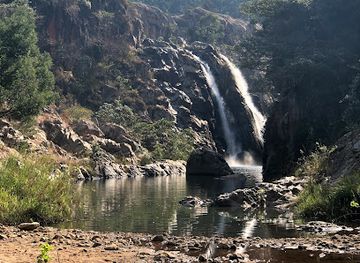
Explore Middleveld on the map
Plan your trip on one map. See where the top cities, national parks and sights are, and book hotels and experiences in a few clicks.
Best hotels in Middleveld
Best restaurants in Middleveld
Middleveld dining reflects Eswatini's combination of rural produce, urban commerce and southern African culinary influences. In Manzini and the Ezulwini Valley, visitors will find hotel restaurants, cafés, casual eateries and more formal dining rooms, while outside the main centres meals are more likely to be arranged through lodges, guesthouses or local establishments. Common foods include maize-based dishes, beans, vegetables, grilled meat and chicken, with seasonal produce appearing in home-style and contemporary cooking. Roadside and market food can provide a more informal taste of everyday life, but choose busy stalls with good turnover and sensible food handling. Craft and cultural venues sometimes pair visits with refreshments or regional dishes, and lodges near wildlife areas often serve practical set meals for guests. South African drinks and products are widely available, while Eswatini's own agricultural and craft traditions give the Middleveld a distinct local context. Tipping is discretionary, with modest recognition for attentive service customary rather than an automatic requirement everywhere.
-
Restaurant
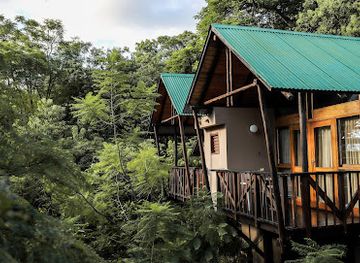
Mantenga Lodge
Experience exquisite dining and serene accommodations at Mantenga Lodge in Eswatini's beautiful Ezulwini Valley.
-
Lodging
Summerfield Botanical Garden & Exclusive Resort
Experience luxury and tranquility at Summerfield Botanical Garden & Exclusive Resort in Eswatini - where nature meets comfort.
-
Restaurant
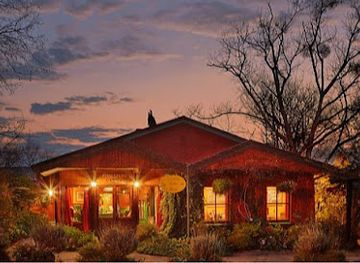
Foresters Arms
Discover the essence of Eswatini at Foresters Arms – where delightful cuisine meets vibrant hospitality in Mhlambanyatsi.
-
Restaurant
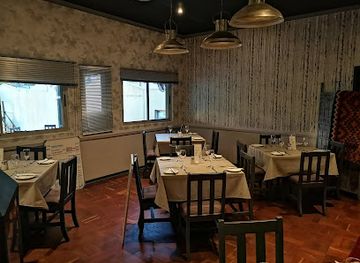
Ramblas Restaurant Mbabane
Discover exquisite local flavors and international cuisine at Ramblas Restaurant Mbabane, where every meal is a celebration of culinary artistry.
Best bars in Middleveld
Nightlife in the Middleveld is concentrated in Manzini and the Ezulwini Valley rather than spread evenly across the countryside. Manzini has the broadest choice of casual bars, hotel lounges, restaurants and occasional live-music settings, while Ezulwini's evening scene is more closely linked to lodges, hotels and dining venues. Traditional pubs and informal bars are important social spaces, but visitors should choose established venues, arrange transport in advance and avoid walking on poorly lit roads late at night. Rural lodges generally offer quiet evenings, meals and conversation rather than a club scene. Entertainment linked to cultural venues or ceremonies should not be confused with regular nightlife and may follow a separate calendar. Opening arrangements and individual venue status can change, so accommodation staff are usually the most useful source of current local information.
-
Lodging
Summerfield Botanical Garden & Exclusive Resort
Discover the tranquility of Summerfield Botanical Garden & Exclusive Resort in Eswatini, where luxury meets nature's beauty for an unforgettable escape.
-
Hotel
Happy Valley Hotel & Casino
Experience luxury and entertainment at Happy Valley Hotel & Casino, a stunning retreat in the heart of Eswatini’s beautiful landscapes.
-
Hotel
Foresters Arms
Discover the perfect blend of comfort and local charm at Foresters Arms in Eswatini, a destination for relaxation and vibrant social experiences.
-
Grill
Solanis
Savor the taste of expertly grilled delicacies at Solanis, a premier dining destination in Mbabane, Eswatini.
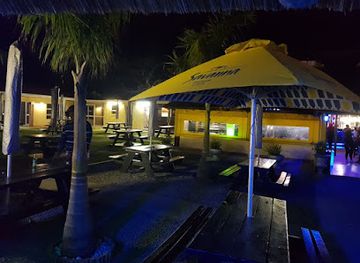
Best nightclubs in Middleveld
Nightlife in the Middleveld is concentrated in Manzini and the Ezulwini Valley rather than spread evenly across the countryside. Manzini has the broadest choice of casual bars, hotel lounges, restaurants and occasional live-music settings, while Ezulwini's evening scene is more closely linked to lodges, hotels and dining venues. Traditional pubs and informal bars are important social spaces, but visitors should choose established venues, arrange transport in advance and avoid walking on poorly lit roads late at night. Rural lodges generally offer quiet evenings, meals and conversation rather than a club scene. Entertainment linked to cultural venues or ceremonies should not be confused with regular nightlife and may follow a separate calendar. Opening arrangements and individual venue status can change, so accommodation staff are usually the most useful source of current local information.
-
Restaurant
The XChange Lounge & Shisanyama
Discover the vibrant flavors of Eswatini at The XChange Lounge & Shisanyama, a culinary hotspot in Manzini with lively events and delicious local dishes.
-
Lounge
The Vibe
Experience the vibrant atmosphere at The Vibe, Tembisa's premier lounge for relaxation and socializing with locals.
-
Night club
Manzini club
Immerse yourself in the vibrant energy of Manzini Club, Eswatini's premier nightlife destination, where music and culture collide.
-
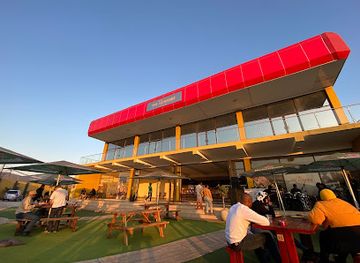
Grill
Flying Club
Experience the best of grilled cuisine and water park fun at Flying Club in Matsapha, Eswatini, a perfect family-friendly destination.

Best shops in Middleveld
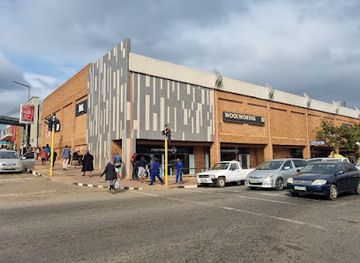
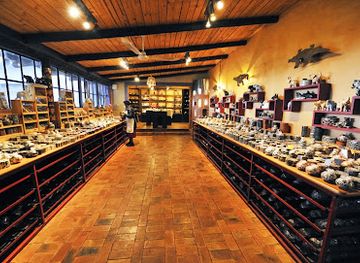
Shopping in the Middleveld ranges from Manzini's practical commercial centre and market culture to craft-focused visits in the Malkerns and Ezulwini areas. Manzini is useful for everyday goods, clothing, food and local market browsing, while formal shops and hotel retail outlets provide a more straightforward environment for visitors seeking packaged products. The Malkerns Valley is particularly associated with Swazi Candles, whose hand-made wax designs are a well-known regional purchase, and nearby craft businesses may sell woven items, pottery, woodwork, baskets and textiles. Product quality and availability vary between workshops, so inspect goods carefully and ask about materials when buying. Cultural centres and lodges often stock locally produced gifts, including decorative objects and regional food products. Bargaining is not appropriate everywhere: establish whether a price is fixed before negotiating, and never photograph artisans or market sellers without permission. Receipts help with larger purchases and with any customs questions when taking goods across an international border.
-
Nature preserve
Mlilwane Game Sanctuary
Experience the breathtaking beauty and rich wildlife of Mlilwane Game Sanctuary, a must-visit nature preserve in the heart of Eswatini.
-
Shoe store
Footgear Bhunu Mall
Discover Footgear Bhunu Mall in Manzini, Eswatini - your one-stop-shop for quality footwear including stylish boots and running shoes.
-
Lodging
Summerfield Botanical Garden & Exclusive Resort
Experience luxury and tranquility at Summerfield Botanical Garden & Exclusive Resort, a lush haven in Eswatini perfect for relaxation and natural exploration.
-
Candle store
Swazi Candles
Discover the artistry of Eswatini at Swazi Candles, where vibrant handcrafted candles reflect the rich cultural heritage of the region.
Get your free copy of our complete guide to Middleveld, delivered straight to you.
Everything on this page, from attractions and restaurants to essentials and local phrases, in one PDF you can read offline, print or share.
Already have an account? Sign in
Your Middleveld guide is ready.
We'll send it to · Not you? Sign out

Getting your guide ready…
We are putting together a fresh copy of the Middleveld guide. This can take up to a minute.
This can take a few moments. If your browser asks, choose Allow so the download can start. You'll find the guide in your Downloads folder.
Nothing happened? Download it again
Sorry, the guide is taking longer than usual. Please try again in a minute, or get it by email instead.
Middleveld essentials
Currency and Payment
Safety
Emergency Situations
Do's and Don'ts
Local Tips
From Eve
Local phrases worth knowing
You don't need to get them perfect. A few words go a long way, and locals appreciate the effort.
Basics
| English | Local | Say it |
|---|---|---|
| Hello | Sawubona | [sah-woo-boh-nah] |
| Goodbye | Hamba kahle | [hahm-bah kah-leh] |
| Yes | Yebo | [yeh-boh] |
| No | Cha | [chah] |
| Please/You’re welcome | Ngiyacela | [ngee-yah-cheh-lah] |
| Thank you | Ngiyabonga | [ngee-yah-bon-gah] |
| Excuse me/Sorry | Uxolo | [oo-ksoh-loh] |
| How are you? | Unjani? | [oon-jah-nee] |
| Fine. And you? | Ngiyaphila. Wena? | [ngee-yah-pee-lah. weh-nah?] |
| Do you speak English? | Ukhuluma isiNgisi? | [oo-khoo-loo-mah ee-see-nee-gee-see?] |
| I don’t understand | Angiqondi | [ahn-gee-kohn-dee] |
Eating & Drinking
| English | Local | Say it |
|---|---|---|
| I’d like to see the menu, please | Ngicela ukubona imenyu | [ngee-cheh-lah oo-koo-boh-nah ee-meh-nyoo] |
| I don’t eat meat | Angidli inyama | [ahn-gee-dlee een-yah-mah] |
| Cheers! | Phakamisa! | [pah-kah-mee-sah] |
| I would like to pay, please | Ngicela ukukhokha | [ngee-cheh-lah oo-koo-koh-kah] |
Emergencies
| English | Local | Say it |
|---|---|---|
| Help! | Siza! | [see-zah] |
| Go away! | Hamba! | [hahm-bah] |
| Call the Police! | Biza uphiko lwezokuphepha! | [bee-zah oo-pee-koh lweh-zoh-koo-peh-pah] |
| Call a doctor! | Biza udokotela! | [bee-zah oo-doh-koh-teh-lah] |
| I’m lost | Ngiyalahleka | [ngee-yah-lah-heh-kah] |
| I’m ill | Ngiyagula | [ngee-yah-goo-lah] |
Shopping
| English | Local | Say it |
|---|---|---|
| I’d like to buy... | Ngifuna ukuthenga... | [ngee-foo-nah oo-koo-teng-ah] |
| I’m just looking | Ngiyabheka nje | [ngee-yah-bhe-kah n-geh] |
| How much is it? | Kubiza malini? | [koo-bee-zah mah-lee-nee?] |
| That’s too expensive | Lokhu kubiza kakhulu | [loh-khoo koo-bee-zah kah-khoo-loo] |
| Can you lower the price? | Unganciphisa intengo? | [oon-gahn-chee-pee-sah een-ten-goh?] |
Time & Numbers
| English | Local | Say it |
|---|---|---|
| What time is it? | Iphi isikhathi? | [ee-pee see-kah-teh?] |
| It’s one o’clock | Kuyisikhathi sokukhumbula | [koo-yee-see-kah-teh so-koo-khum-boo-lah] |
| Half past (10) | Ihafu kwezi-10 | [ee-hah-foo kweh-zee ten] |
| Morning | Umsombuluko | [oom-soh-mboo-loo-koh] |
| Afternoon | Ubusuku | [oo-boo-soo-koo] |
| Evening | Uhlanga | [oo-hlan-gah] |
| Yesterday | Izolo | [ee-zoh-loh] |
| Today | Namuhla | [nah-moo-hlah] |
| Tomorrow | Kusasa | [koo-sah-sah] |
| 1 | Kunye | [koon-yeh] |
| 2 | Kubili | [koo-bee-lee] |
| 3 | Kuthathu | [koo-tah-thoo] |
| 4 | Kune | [koo-neh] |
| 5 | Kuhlanu | [koo-lah-noo] |
| 6 | Kukhulu | [koo-khoo-loo] |
| 7 | Kusixhenxe | [koo-see-khen-kay] |
| 8 | Kuhlanganisa | [koo-hlah-gan-ee-sah] |
| 9 | Kune | [koo-neh] |
| 10 | Kuphila | [koo-pee-lah] |
Transport & Directions
| English | Local | Say it |
|---|---|---|
| Where's a/the...? | Kuphi i...? | [koo-pee ee...?] |
| What's the address? | Iyini ikheli? | [ee-yee-nee ee-kheh-lee?] |
| Can you show me (on the map)? | Ungangikhombisa (emaphepheni)? | [oon-gahn-gee-kohm-bee-sah (eh-mah-peh-peh-nee)?] |
| When's the next (bus)? | Uphi (ibhasi) elandelayo? | [oo-pee (ee-bah-see) eh-lahn-da-lah-yee?] |
| A ticket (to ....) | Itikiti (kuy....) | [ee-tee-kee-tee (koo-ee....)] |
History of Middleveld
Early settlement and rock-art heritage
The Middleveld has long been used by communities moving through central Eswatini's grasslands and valleys. San hunter-gatherers left rock art in parts of the wider region, while later farming communities introduced settled cultivation, livestock keeping and ironworking traditions. Much of this early history survives through archaeology, oral traditions and the continuing importance of land and cattle in Swazi society rather than through large monumental ruins. Visitors should treat rock-art sites and other archaeological evidence as cultural heritage requiring protection, not as informal places for touching or collecting objects.
Nguni settlement and the formation of the Swazi kingdom
During the eighteenth and nineteenth centuries, Nguni-speaking communities consolidated political authority in the territory now known as Eswatini. The Dlamini royal line became central to the kingdom, whose institutions combined hereditary leadership, councils, age-based organisation and wide networks of allegiance. The Middleveld's valleys and central position helped make it an important zone for settlement, royal activity and communication. The modern significance of Lobamba and surrounding royal sites is rooted in this longer process of state formation.
Nineteenth-century royal consolidation
Under King Mswati II, the Swazi kingdom expanded and developed stronger political and military organisation during the nineteenth century. The period brought both consolidation within the kingdom and pressure from neighbouring African polities and advancing colonial interests. Royal authority, cattle wealth, land use and military settlements shaped the central landscape. Although many physical traces have changed, the Middleveld's royal institutions and living ceremonial traditions remain visible reminders that Eswatini's history is not confined to museum displays.
Colonial rule and changing land ownership
From the late nineteenth century, British influence and concessionary land arrangements altered the kingdom's political and economic landscape. Colonial administration, commercial farming and growing demands for land affected communities across central Eswatini. Roads, trading centres and formal administrative institutions developed alongside older royal structures. The legacy is visible in the contrast between communal and privately controlled land, in the region's commercial towns and in the coexistence of imported architectural and religious influences with Swazi institutions.
Sobhuza II and the return to independence
King Sobhuza II, who reigned for most of the twentieth century, became one of the defining figures in modern Eswatini's history. During the colonial period he remained an important symbol of national continuity, and after political changes in the 1970s the monarchy regained a central constitutional role. Lobamba is closely associated with this history: the King Sobhuza II Memorial Park commemorates the king, while nearby national institutions reflect the country's political development. Eswatini achieved independence from Britain in 1968.
Conservation, crafts and modern tourism
Late twentieth-century conservation and cultural enterprise helped give the Middleveld its present visitor character. Mlilwane Wildlife Sanctuary became a prominent example of community-linked conservation and accessible wildlife tourism, while craft businesses in the Malkerns Valley developed markets for candles, textiles, pottery and other products. These initiatives complemented Manzini's role as a transport and commercial centre and encouraged visitors to see the region through several connected themes: living culture, rural livelihoods, landscapes and wildlife rather than safari alone.
Middleveld in Photos
Browse through our photo collection highlighting the charm and character of the destination.
Neighbouring regions of Middleveld
The closest regions to Middleveld, if you have time for more than one.
-

-

-

-

-


Swipe for more regions
Explore more

Explore more of Eswatini
Discover the vibrant culture and stunning landscapes of Eswatini, a hidden gem in Africa offering rich traditions, diverse wildlife, and adventure-filled outdoor activities.
Explore Eswatini