

Free Ngwavuma Valley Travel Guide & Mobile App
Explore Ngwavuma Valley with free travel guides. Discover regional history, expert tips, proposed trips, and audio guides on web or mobile app.


Explore Ngwavuma Valley in Eswatini for lowveld scenery, river landscapes, rural culture and access to eastern wildlife reserves.
Read more about Ngwavuma Valley
When is the best time to visit Ngwavuma Valley?
Best: April, September–October · 23–25°C| Month | High (°C) | Rainfall (mm) |
|---|---|---|
| January | 28 | 121 |
| February | 28 | 110 |
| March | 27 | 100 |
| April (best) | 24 | 90 |
| May | 21 | 80 |
| June | 19 | 70 |
| July | 18 | 60 |
| August | 20 | 70 |
| September (best) | 23 | 80 |
| October (best) | 25 | 90 |
| November | 27 | 100 |
| December | 28 | 110 |
Getting to and around Ngwavuma Valley
How to get there
Transportation
Top city travel guides in Ngwavuma Valley
The cities of Ngwavuma Valley, and the easiest places to base yourself.

Swipe for more cities
Best attractions in Ngwavuma Valley
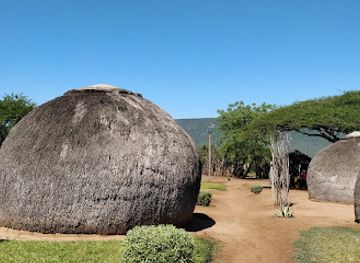
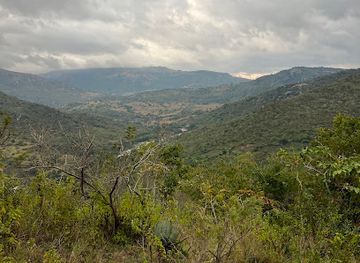
Ngwavuma Valley’s attractions are primarily landscape-based rather than concentrated in a single visitor centre. Scenic drives reveal the contrast between the Ngwavuma River corridor, dry lowveld woodland, cultivated areas and the rising Lubombo terrain. Birdwatching is rewarding where riverine vegetation and water create habitat, while rural walks and guided community visits can provide a more grounded understanding of farming, settlement and local land use. The valley is also a useful base or passage for exploring eastern Eswatini’s wider conservation landscape, including Hlane Royal National Park and other reserves, though these are separate destinations and should be planned as such. Wildlife excursions, photography, seasonal river scenery and quiet observation are more characteristic here than a dense programme of formal museums or ticketed attractions. Visitors interested in history can explore the broader story of the Swazi kingdom, colonial land administration, irrigation and sugar production through local interpretation and regional cultural institutions, rather than expecting a single landmark to explain the valley. The most rewarding journeys allow time for changing light, roadside landscapes and conversations arranged respectfully with local guides.
-
Tourist attraction
Nisela Nature Reserve
Experience the beauty and serenity of Nisela Nature Reserve, a nature preserve in Eswatini filled with wildlife, stunning landscapes, and peaceful walking trails.
-
Hiking area
Sheba's Breast Hiking Trail
Discover the breathtaking views and vibrant nature of Sheba's Breast Hiking Trail in Eswatini, a haven for adventure seekers and nature lovers.
-
Artistic handicrafts
Ezulwini Handcraft Market
Experience the artistic heart of Eswatini at the Ezulwini Handcraft Market, a vibrant showcase of local craftsmanship and culture.
Best landmarks in Ngwavuma Valley
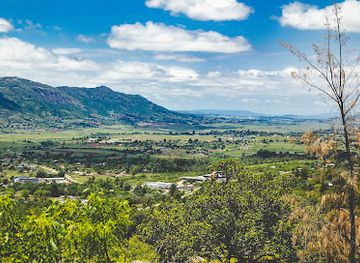
The defining landmark of Ngwavuma Valley is the relationship between the Ngwavuma River and the surrounding lowveld, with the Lubombo Mountains providing a strong natural horizon. The river is not a monumental structure, but it is the geographical feature that gives the valley its coherence and explains the concentration of vegetation and cultivation along parts of its course. The dry woodland and open country around it provide a visual contrast to the escarpment and to the greener irrigated agricultural landscapes elsewhere in eastern Eswatini. Hlane Royal National Park, with its recognised lowveld wildlife landscape, is an important nearby regional landmark but should not be described as lying within every part of Ngwavuma Valley. The wider Lubombo setting also gives the area historical importance as a borderland and route between inland Eswatini and neighbouring Mozambique and South Africa. In the valley itself, the most meaningful landmarks may be modest: road crossings, elevated viewpoints, river corridors, community churches and cultivated landscapes whose significance depends on local knowledge. A guide can provide context that maps and photographs alone cannot supply.
-
 Indoor lodging
Nisela Safaris
Discover the beauty of Eswatini at Nisela Safaris, where nature meets comfort in a breathtaking game park setting.
-
Lodging
KaMsholo Bushveld Safaris
Experience the enchanting beauty of Eswatini’s bushveld at KaMsholo Bushveld Safaris, where nature and luxury harmoniously coexist.
-
Tourist attraction
Nsangwini Rock Art
Discover the ancient beauty of Nsangwini Rock Art, a UNESCO World Heritage site showcasing the incredible artistry of the San people in Eswatini's stunning landscape.
Explore Ngwavuma Valley on the map
Plan your trip on one map. See where the top cities, national parks and sights are, and book hotels and experiences in a few clicks.
Best hotels in Ngwavuma Valley
Best restaurants in Ngwavuma Valley
Dining in and around Ngwavuma Valley is shaped by rural settlement, roadside trade and the wider food culture of Eswatini rather than by a large restaurant scene. Visitors are likely to encounter straightforward meals based on maize meal, vegetables, beans, chicken or beef, with seasonal produce varying between households, markets and small eateries. The broader lowveld also has a strong agricultural connection through irrigation and sugar, while fruit and other crops are produced in suitable areas. In larger service towns, cafés, takeaway outlets and supermarkets provide more choice, but remote accommodation may offer set meals that should be arranged in advance. South African products are widely present because of the region’s close commercial links, and the South African rand is commonly accepted. Travellers should carry snacks and water for long drives, buy fresh food from reputable sellers, and ask about ingredients where dietary requirements are important. Food is often enjoyed communally, so patience and courtesy matter more than expecting rapid, highly formal service.
-
Hotel
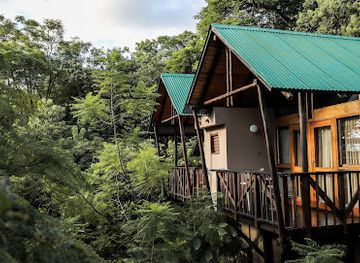
Mantenga Lodge
Experience tranquility at Mantenga Lodge in Eswatini with breathtaking views and authentic local cuisine.
-
Hotel
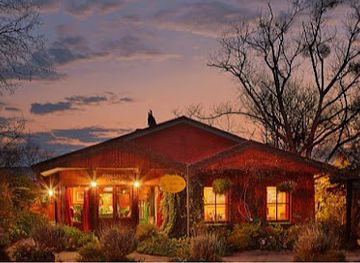
Foresters Arms
Experience authentic Swazi hospitality at Foresters Arms - your home away from home in beautiful Eswatini.
-
Restaurant
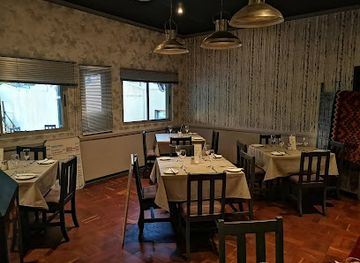
Ramblas Restaurant Mbabane
Experience the vibrant flavors of Eswatini at Ramblas Restaurant Mbabane - where local cuisine meets modern dining.
-
Restaurant
Mugg & Bean Swaziland
Experience delightful dining at Mugg & Bean Swaziland - where local flavors meet modern comfort in Lobamba's charming Galleria Shopping Centre.
Best bars in Ngwavuma Valley
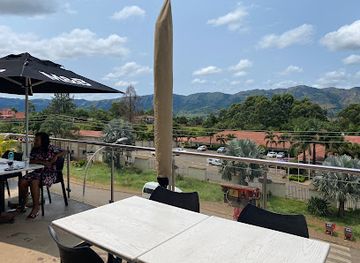
Ngwavuma Valley has little conventional nightclub culture; evening life is more likely to centre on guest-lodge dining areas, local taverns, community gatherings and occasional live music than on purpose-built entertainment districts. Siteki and other larger settlements in the eastern region offer the greatest choice of licensed venues, bars and casual restaurants, while rural accommodation tends to provide a quieter evening with conversation, views of the surrounding countryside and, where appropriate, organised cultural entertainment. Drinking is not necessary to engage with local life, and visitors should follow the guidance of hosts when cultural performances or community events are involved. Night driving is best avoided because of livestock, pedestrians, poor lighting and changing road conditions. Some venues and services operate informally or seasonally, so confirm arrangements locally rather than relying on assumptions about opening times.
-
Lodging
Summerfield Botanical Garden & Exclusive Resort
Experience the serene luxury of Summerfield Botanical Garden & Resort, where nature meets comfort in the heart of Eswatini.
-
Hotel
Happy Valley Hotel & Casino
Discover the ultimate blend of luxury accommodations and thrilling casino entertainment at Happy Valley Hotel & Casino in Lobamba, Eswatini.
-
Italian
The Velvet Monkey
Experience authentic Italian cuisine at The Velvet Monkey in Lobamba Ezulwini, where fresh ingredients meet vibrant culture for an unforgettable dining experience.
-
Portuguese
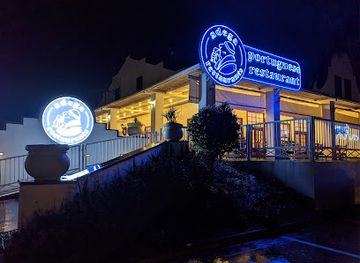
Amigos Restaurant
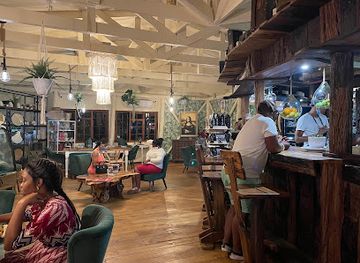
Discover the rich flavors of authentic Portuguese cuisine at Amigos Restaurant in Lobamba, Eswatini, where tradition meets local hospitality.
Best nightclubs in Ngwavuma Valley
Ngwavuma Valley has little conventional nightclub culture; evening life is more likely to centre on guest-lodge dining areas, local taverns, community gatherings and occasional live music than on purpose-built entertainment districts. Siteki and other larger settlements in the eastern region offer the greatest choice of licensed venues, bars and casual restaurants, while rural accommodation tends to provide a quieter evening with conversation, views of the surrounding countryside and, where appropriate, organised cultural entertainment. Drinking is not necessary to engage with local life, and visitors should follow the guidance of hosts when cultural performances or community events are involved. Night driving is best avoided because of livestock, pedestrians, poor lighting and changing road conditions. Some venues and services operate informally or seasonally, so confirm arrangements locally rather than relying on assumptions about opening times.
-
Lounge
The Vibe
Experience a vibrant atmosphere at The Vibe, Tembisa's premier lounge with refreshing drinks, light snacks, and live entertainment.
-
Night club
Manzini club
Discover the lively nightlife scene at Manzini Club, where music, dance, and good vibes come together in a vibrant atmosphere.
-
Grill
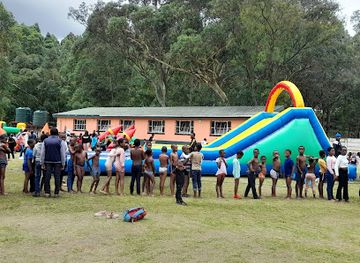
Flying Club
Experience the best of dining and aquatic fun at Flying Club in Matsapha, Eswatini - where grilling meets water park excitement.
-
Bar
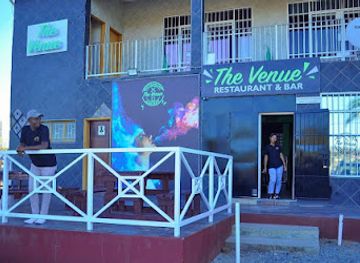
The Venue
Discover The Venue in Manzini, Eswatini—a vibrant bar with a diverse drink menu and lively entertainment for a memorable night out.

Best shops in Ngwavuma Valley
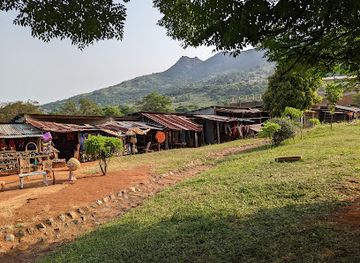
Shopping in Ngwavuma Valley is practical and dispersed, with small general stores, roadside stalls and local purchasing points rather than a dedicated retail district. Siteki is the most useful nearby town for everyday supplies, while larger centres elsewhere in Eswatini offer broader supermarket, clothing and household choices. Visitors may find seasonal fruit, vegetables and other farm products along regional roads, but availability and hygiene standards vary, so inspect produce carefully and carry suitable storage for longer journeys. Craft purchases are best made through reputable community projects, cultural centres or established markets, where buyers can ask about materials, makers and fair payment. Eswatini is known more broadly for woven goods, woodwork, candles, textiles and other crafts, although not every product is made in Ngwavuma Valley. Practical souvenirs include locally produced foods and handmade items, while visitors should avoid buying wildlife products, ancient objects or anything whose legal origin is unclear. Keep cash available for small purchases, as electronic payment may not be offered in rural areas.
-
Candle store
Swazi Candles
Explore the vibrant artistry of handcrafted candles at Swazi Candles in Malkerns, Eswatini - a unique cultural experience for every traveler.
-
Shopping mall
The Gables Shopping Center
Explore an exciting shopping experience at The Gables Shopping Center in Ezulwini, where local culture meets modern retail.
-
Shopping mall
SWAZI PLAZA
Explore Swazi Plaza: Mbabane's premier shopping mall offering a blend of local and international brands, dining, and entertainment.
-
Store
Ngwenya Glass - Eswatini
Explore Ngwenya Glass in Eswatini for exquisite handcrafted glassware, delightful chocolates, and a glimpse into the artistry of local artisans.



Get your free copy of our complete guide to Ngwavuma Valley, delivered straight to you.
Everything on this page, from attractions and restaurants to essentials and local phrases, in one PDF you can read offline, print or share.
Already have an account? Sign in
Your Ngwavuma Valley guide is ready.
We'll send it to · Not you? Sign out

Getting your guide ready…
We are putting together a fresh copy of the Ngwavuma Valley guide. This can take up to a minute.
This can take a few moments. If your browser asks, choose Allow so the download can start. You'll find the guide in your Downloads folder.
Nothing happened? Download it again
Sorry, the guide is taking longer than usual. Please try again in a minute, or get it by email instead.
Ngwavuma Valley essentials
Currency and Payment
Safety
Emergency Situations
Do's and Don'ts
Local Tips
From Eve
Local phrases worth knowing
You don't need to get them perfect. A few words go a long way, and locals appreciate the effort.
Basics
| English | Local | Say it |
|---|---|---|
| Hello | Sawubona | [sah-oo-boh-nah] |
| Goodbye | Hamba kahle | [hahm-bah kah-leh] |
| Yes | Yebo | [yeh-boh] |
| No | Cha | [chah] |
| Please/You're welcome | Ngiyacela | [ngee-yah-cheh-lah] |
| Thank you | Ngiyabonga | [ngee-yah-bon-gah] |
| Excuse me/Sorry | Uxolo | [oo-ksoh-loh] |
| How are you? | Unjani? | [oon-jah-nee] |
| Fine. And you? | Ngiyaphila. Wena unjani? | [ngee-yah-pee-lah. weh-nah oon-jah-nee] |
| Do you speak English? | Ukhuluma isiNgisi? | [oo-khoo-loo-mah ee-see-ngee-see] |
| I don't understand | Angiqondi | [ahn-ghee-kohn-dee] |
Eating & Drinking
| English | Local | Say it |
|---|---|---|
| I'd like to see the menu, please | Ngicela ukubona imenu | [ngee-cheh-lah oo-koo-boh-nah ee-meh-noo] |
| I don't eat meat | Angidli inyama | [ahn-gee-dlee een-yah-mah] |
| Cheers! | Phila! | [pee-lah] |
| I would like to pay, please | Ngicela ukukhokha | [ngee-cheh-lah oo-koo-koh-khah] |
Emergencies
| English | Local | Say it |
|---|---|---|
| Help! | Usizo! | [oo-see-zoh] |
| Go away! | Hamba kude! | [hahm-bah koo-deh] |
| Call the Police! | Shayela amaphoyisa! | [shah-yeh-lah ah-mah-poh-ee-sah] |
| Call a doctor! | Shayela udokotela! | [shah-yeh-lah oo-doh-koh-teh-lah] |
| I'm lost | Ngilahlekile | [ngee-lah-leh-kee-leh] |
| I'm ill | Ngiyagula | [ngee-yah-goo-lah] |
Shopping
| English | Local | Say it |
|---|---|---|
| I'd like to buy... | Ngifuna ukuthenga... | [ngee-foo-nah oo-koo-theng-ah] |
| I'm just looking | Ngiyabheka | [ngee-yah-bheh-kah] |
| How much is it? | Ikhulu malini? | [ee-khoo-loo mah-lee-nee] |
| That's too expensive | Lokhu kubiza kakhulu | [loh-khoo koo-bee-zah kah-khoo-loo] |
| Can you lower the price? | Unganciphisa intengo? | [oon-gahn-chee-pee-sah een-teh-ngoh] |
Time & Numbers
| English | Local | Say it |
|---|---|---|
| What time is it? | Yisiphi isikhathi? | [yee-see-pee ee-see-khah-teh] |
| It's one o'clock | Kuyisikhathi esisodwa | [koo-yee-see-khah-teh eh-see-soh-dwah] |
| Half past (10) | Ihafu kwangu (10) | [ee-hah-foo kwahn-goo (10)] |
| Morning | Ekuseni | [eh-koo-seh-nee] |
| Afternoon | Emva kwemini | [ehm-vah kweh-mee-nee] |
| Evening | Ebusuku | [eh-boo-soo-koo] |
| Yesterday | Izolo | [ee-zoh-loh] |
| Today | Namuhla | [nah-moo-lah] |
| Tomorrow | Mangalisukuma | [mah-ngah-lee-soo-kum-ah] |
| 1 | Kunye | [koon-yeh] |
| 2 | Kubili | [koo-bee-lee] |
| 3 | Kuthathu | [koo-thah-thu] |
| 4 | Kune | [koo-neh] |
| 5 | Kuhlanu | [koo-lah-noo] |
| 6 | Kukhombisa | [koo-khom-bee-sah] |
| 7 | Kuphila | [koo-pee-lah] |
| 8 | Kunhlanu | [koon-hlah-noo] |
| 9 | Kuhlanu | [koo-lah-noo] |
| 10 | Kushumi | [koo-shoo-mee] |
Transport & Directions
| English | Local | Say it |
|---|---|---|
| Where's a/the...? | Kuphi i...? | [koo-pee ee...?] |
| What's the address? | Yini ikheli? | [yee-nee ee-kheh-lee] |
| Can you show me (on the map)? | Ungangikhombisa (emap) | [oon-gahn-gee-khom-bee-sah (eh-mahp)] |
| When's the next (bus)? | Nini ibhasi elandelayo? | [nee-nee ee-bhah-see eh-lah-ndah-lah-yo] |
| A ticket (to ....) | Itikiti (ku....) | [ee-tee-kee-tee (koo....)] |
History of Ngwavuma Valley
Early settlement and the lowveld environment
The Ngwavuma Valley forms part of a wider eastern Eswatini landscape occupied and used by communities over many centuries. River corridors, woodland and seasonal water supported hunting, gathering, livestock keeping and cultivation, although the hot lowveld environment required practical knowledge of rainfall, soils and access to water. Archaeological evidence across Eswatini records long sequences of settlement and farming, but individual sites in the valley should not be interpreted without local or professional guidance. The enduring importance of rivers and elevated ground remains visible in the pattern of rural settlement and land use today.
The emergence of the Swazi kingdom
During the eighteenth and nineteenth centuries, political consolidation among Nguni-speaking communities resulted in the growth of the Swazi kingdom under influential rulers including Ngwane III and Sobhuza I. Eastern lowveld communities became part of a broader political system whose authority, alliances and land relationships developed over time. The valley’s present-day cultural setting is therefore connected to the formation of the Eswatini kingdom, although local histories are more complex than a single royal narrative and include the experiences of distinct chiefdoms and communities.
Nineteenth-century frontier pressures
The nineteenth century brought intensified competition for land and political influence across southern Africa. The Swazi kingdom faced pressure from neighbouring African polities, Boer communities and expanding colonial interests, while trade, migration and conflict altered relationships between lowveld settlements. The Lubombo area’s position near the present-day borders with Mozambique and South Africa gave it strategic significance. Many modern roads and boundary lines follow a much later political geography, whereas older movement through the valley was shaped by rivers, grazing, kinship and seasonal routes.
Colonial rule and changing land administration
Eswatini became a British protectorate in 1906, and colonial administration introduced new systems of taxation, legal authority and land management. The Swazi Nation Land and Title Deed Land distinction that still influences landholding developed within this broader history, although its operation has changed over time. In rural eastern areas, colonial policies affected labour, agriculture, access to natural resources and movement across boundaries. The valley’s contemporary settlement pattern and economic challenges cannot be separated from these long-term changes in land administration.
Irrigation, sugar and the transformation of the lowveld
The development of large-scale irrigation and sugar production transformed parts of eastern Eswatini during the twentieth century. Water engineering, commercial estates and processing infrastructure created employment and export income, while also changing land use and the appearance of the lowveld. The principal sugar landscapes are concentrated in parts of the wider eastern region rather than uniformly across Ngwavuma Valley, but they form an important context for understanding the valley’s roads, settlement patterns and economy. Smallholder cultivation and livestock keeping continue alongside commercial agriculture.
Conservation and independence
Eswatini gained independence in 1968, after which national institutions continued to develop systems for conservation, tourism and rural administration. In the eastern lowveld, protected areas such as Hlane Royal National Park helped preserve representative bushveld habitats and support wildlife tourism, although these reserves are distinct from the valley itself. Conservation has brought economic opportunities as well as debates over land use, access and community benefit. Today, Ngwavuma Valley sits within a wider landscape where agriculture, settlement, conservation and cross-border movement meet.
Ngwavuma Valley in Photos
Browse through our photo collection highlighting the charm and character of the destination.
Neighbouring regions of Ngwavuma Valley
The closest regions to Ngwavuma Valley, if you have time for more than one.
-

-

-

-

-


Swipe for more regions
Explore more

Explore more of Eswatini
Discover the vibrant culture and stunning landscapes of Eswatini, a hidden gem in Africa offering rich traditions, diverse wildlife, and adventure-filled outdoor activities.
Explore Eswatini