

Free Lubombo Travel Guide & Mobile App
Explore Lubombo with free travel guides. Discover regional history, expert tips, proposed trips, and audio guides on web or mobile app.


Explore Lubombo in Eswatini for lowveld safaris, mountain landscapes, community tourism, sugar country and routes towards Mozambique.
Read more about Lubombo
When is the best time to visit Lubombo?
Best: May, August–September · 23–26°C| Month | High (°C) | Rainfall (mm) |
|---|---|---|
| January | 30 | 120 |
| February | 31 | 110 |
| March | 30 | 100 |
| April | 27 | 80 |
| May (best) | 23 | 70 |
| June | 22 | 60 |
| July | 21 | 50 |
| August (best) | 23 | 50 |
| September (best) | 26 | 60 |
| October | 29 | 70 |
| November | 29 | 100 |
| December | 30 | 110 |
Getting to and around Lubombo
How to get there
Transportation
Top city travel guides in Lubombo
The cities of Lubombo, and the easiest places to base yourself.
-

-

-

-

-


Swipe for more cities
Destinations in Lubombo
Resorts, valleys and scenic spots worth a trip of their own.
-

-

-

-

-

-


Swipe for more destinations
Best attractions in Lubombo
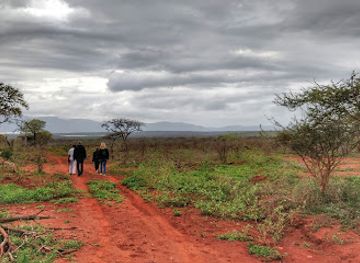
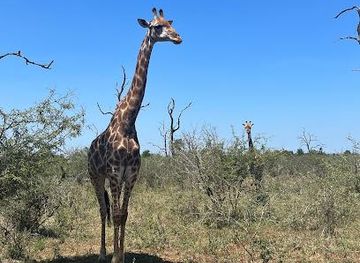
Lubombo’s attractions combine lowveld wildlife, mountain scenery, working agricultural landscapes and community-led experiences. Hlane Royal National Park is the region’s best-known protected area, offering guided and self-drive game viewing in bushveld inhabited by large mammals and abundant birdlife. Mlawula Nature Reserve is particularly valuable for visitors who want a closer look at the transition between the Lubombo Mountains and the lowveld, with opportunities for walking, driving and observing varied habitats. Mbuluzi Game Reserve adds another safari setting within the wider conservation landscape. The Lubombo Conservancy gives the region a broader ecological identity, linking protected areas and wildlife corridors. Around Siteki and the mountains, community tourism can introduce visitors to local food, crafts, homestead life and mountain routes. In the east, the irrigated sugar estates near Big Bend, Mhlume and Simunye reveal the economic importance of water and agriculture. Birdwatching, photography, hiking and scenic driving are rewarding, but distances are considerable and some activities require advance arrangements or a suitable vehicle.
-
Tourist attraction
Pongola Game Reserve
Discover the breathtaking beauty and diverse wildlife of Pongola Game Reserve, a must-visit destination for nature lovers and adventure seekers in South Africa.
-
Tourist attraction
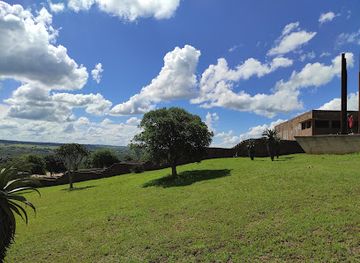
Samora Machel Monument and Museum
Explore the Samora Machel Monument and Museum, a significant tribute to legacy and freedom in South Africa, reflecting on the journey towards liberation.
-
National park
Hlane Royal National Park
Explore Hlane Royal National Park, a stunning escape in Eswatini, where diverse wildlife and rich cultural heritage come together in breathtaking landscapes.
-
National park
Mlawula Nature Reserve
Explore the breathtaking landscapes and rich biodiversity of Mlawula Nature Reserve, a must-visit destination for nature lovers in Eswatini.

Best landmarks in Lubombo
The Lubombo Mountains are the region’s defining natural landmark, forming a long escarpment of folded hills, wooded slopes and valleys that contrast with the eastern lowveld. Siteki stands among these uplands and provides one of the clearest urban points of reference for the mountain country. The Great Usutu River is another major geographical feature, supporting irrigation and helping explain the location of the sugar-growing settlements around Big Bend. Hlane Royal National Park is both a conservation destination and a symbolic lowveld landscape, where broad bushveld and wildlife represent a major part of Eswatini’s natural heritage. Mlawula’s transition from mountain foothills to riverine and savannah habitats gives the regional scenery particular variety. Around Mhlume and Simunye, irrigation canals, expansive sugar fields and associated processing landscapes form a striking modern landmark system, showing how water engineering reshaped the eastern economy. These places are significant less as isolated monuments than as expressions of Lubombo’s physical geography, conservation history and agricultural development.
-
 Nature preserve
Mlilwane Game Sanctuary
Explore the stunning Mlilwane Game Sanctuary, a nature preserve in eSwatini, rich in wildlife, adventure, and cultural experiences for an unforgettable getaway.
-
Tourist attraction
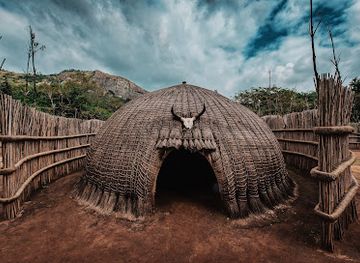
Mantenga Cultural Village
Explore the captivating Mantenga Cultural Village in Eswatini, where tradition and nature unite in a vibrant cultural experience.
-
Hotel
Happy Valley Hotel & Casino
Discover the perfect blend of luxury and excitement at Happy Valley Hotel & Casino in Lobamba, Eswatini, where every stay is a memorable adventure.
-
Country club
Simunye Club
Experience the beauty and tranquility of Simunye Club in Eswatini, where golf meets nature in a stunning setting.
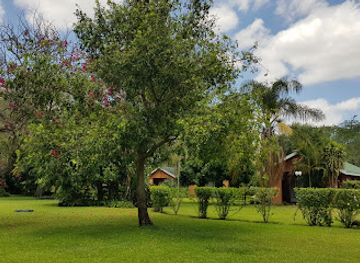
Explore Lubombo on the map
Plan your trip on one map. See where the top cities, national parks and sights are, and book hotels and experiences in a few clicks.
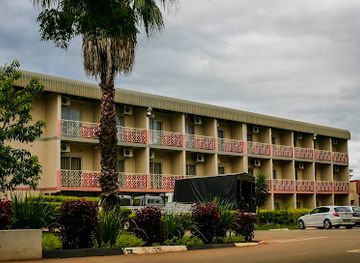
Best hotels in Lubombo
Best restaurants in Lubombo
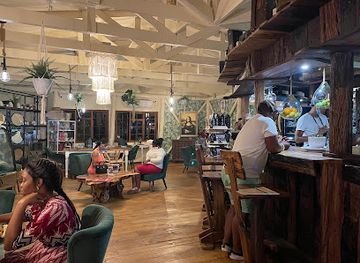
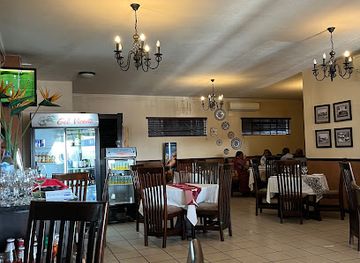
Dining in Lubombo is shaped by Eswatini’s wider food culture and by the produce of the eastern lowveld. Lodge restaurants and safari camps generally provide practical meals for visitors, often combining international dishes with local staples such as maize meal, vegetables, beans, grilled meats and seasonal produce. In Siteki, Big Bend and other larger settlements, informal eateries and cafés offer straightforward local meals, while roadside sellers may provide fruit, snacks and cooked food when available. The sugar-growing area contributes to the region’s agricultural character, although sugar is primarily an export crop rather than a defining restaurant ingredient. Visitors may encounter dishes and ingredients shared across Eswatini and neighbouring southern African countries, including braaied meat, stews and sweet baked goods. Rural meal arrangements and community visits should be booked ahead, particularly for groups. Carry water and simple provisions when driving between reserves, as dining choices become limited away from the principal towns and accommodation areas.
-
Restaurant
Esibayeni Lodge Eswatini
Discover comfort at Esibayeni Lodge in Matsapha - your perfect retreat blending hospitality with cultural experiences.
-
Italian
The Velvet Monkey
Experience authentic Italian cuisine at The Velvet Monkey in Lobamba Ezulwini - where every dish tells a story.
-
Restaurant
Gil Vicente Restaurant
Experience the best of Eswatini's flavors at Gil Vicente Restaurant in Manzini - where tradition meets taste.
-
Restaurant
The XChange Lounge & Shisanyama
Experience authentic Eswatini cuisine at The XChange Lounge & Shisanyama - where vibrant flavors meet lively ambiance.
Best bars in Lubombo
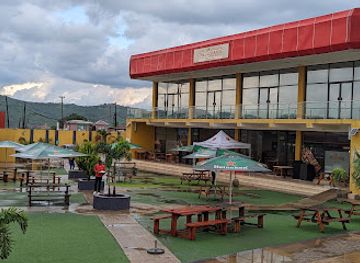
Lubombo’s evening life is quieter and more dispersed than the nightlife of Eswatini’s main urban centres. In Siteki, Big Bend and the larger lowveld settlements, local bars, hotel lounges and casual restaurants provide places to meet, while entertainment may include music, televised sport and social gatherings rather than a concentrated club scene. Safari lodges and reserve accommodation usually focus on sundowners, dinners and conversation around a fire, with evenings shaped by the surrounding bush rather than late-night venues. Some towns have informal music and dancing at weekends, but operating arrangements can change and should be confirmed locally. Visitors should avoid walking alone after dark in unfamiliar areas and arrange transport through their accommodation. The region’s nightlife is best approached as a social and hospitality experience, not as a dedicated entertainment district.
-
National park
Mlawula Nature Reserve
Experience the natural wonders of Mlawula Nature Reserve in Eswatini, a haven for wildlife enthusiasts and outdoor adventurers.
-
Restaurant
The XChange Lounge & Shisanyama
Experience the vibrant tastes of Eswatini at The XChange Lounge & Shisanyama, where every meal is a celebration of local flavors.
-
Lounge
The Vibe
Discover The Vibe in Tembisa, a vibrant lounge where relaxation meets entertainment, offering a unique taste of Eswatini's nightlife.
-
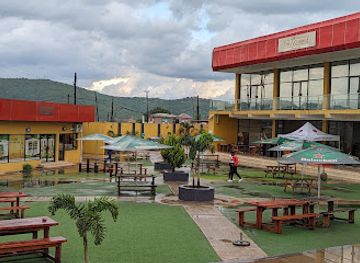
Bar
Lismore lodge and restuarant
Experience the vibrant flavors and warm hospitality of Lismore Lodge and Restaurant in the heart of Big Bend, Eswatini.

Best nightclubs in Lubombo
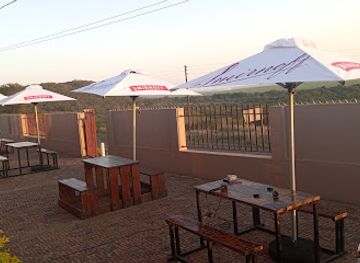
Lubombo’s evening life is quieter and more dispersed than the nightlife of Eswatini’s main urban centres. In Siteki, Big Bend and the larger lowveld settlements, local bars, hotel lounges and casual restaurants provide places to meet, while entertainment may include music, televised sport and social gatherings rather than a concentrated club scene. Safari lodges and reserve accommodation usually focus on sundowners, dinners and conversation around a fire, with evenings shaped by the surrounding bush rather than late-night venues. Some towns have informal music and dancing at weekends, but operating arrangements can change and should be confirmed locally. Visitors should avoid walking alone after dark in unfamiliar areas and arrange transport through their accommodation. The region’s nightlife is best approached as a social and hospitality experience, not as a dedicated entertainment district.
-
Country club
Simunye Club
Discover the ultimate leisure experience at Simunye Club, where golf, family fun, and relaxation unite in the heart of Eswatini.
-
Lodging
Mhlume Country Club & Lodge
Discover the serene beauty of Mhlume Country Club & Lodge, where luxury meets nature in the heart of Eswatini.
-
Lounge
The Vibe
Discover The Vibe in Tembisa, a chic lounge offering a fusion of relaxation and local culture, perfect for tourists seeking a memorable experience.
-
Night club
Manzini club
Experience the vibrant nightlife at Manzini Club, a premier destination for dancing, music, and local culture in Eswatini.
Best shops in Lubombo
Shopping in Lubombo is practical and locally focused, with Siteki, Big Bend and the larger sugar-growing settlements providing everyday shops, small supermarkets, pharmacies and informal stalls. Rural markets and roadside sellers may offer seasonal fruit, vegetables, snacks and household goods, although availability varies by day and location. Visitors looking for regional mementoes can seek woven items, beadwork, carved objects, textiles and locally made crafts through reputable community projects or established curio outlets, where purchases can support makers directly. Eswatini’s wider craft traditions are represented in the region, but selection is generally smaller and less concentrated than in the country’s principal craft and tourism centres. Packaged food, coffee, honey or other agricultural products can make useful souvenirs when bought from reliable sellers and carried within customs rules. Bargaining is not appropriate everywhere, so observe local practice and agree prices before purchasing. Keep cash available for smaller transactions, particularly outside Siteki and the main commercial settlements.
-
Shopping mall
The Gables Shopping Center
Explore The Gables Shopping Center in Ezulwini – a vibrant hub of shopping, dining, and entertainment in Eswatini.
-
National park
Hlane Royal National Park
Experience the breathtaking beauty and diverse wildlife of Hlane Royal National Park, Eswatini's largest national park, a must-visit for every nature enthusiast.
-
Shopping mall
Riverstone Mall
Explore Riverstone Mall, a vibrant shopping destination in Manzini, Eswatini, offering a mix of local culture, dining, and retail therapy.
-
National park
Mlawula Nature Reserve
Explore Mlawula Nature Reserve, a serene national park in Eswatini, where nature's beauty and wildlife thrive in harmony.


Get your free copy of our complete guide to Lubombo, delivered straight to you.
Everything on this page, from attractions and restaurants to essentials and local phrases, in one PDF you can read offline, print or share.
Already have an account? Sign in
Your Lubombo guide is ready.
We'll send it to · Not you? Sign out

Getting your guide ready…
We are putting together a fresh copy of the Lubombo guide. This can take up to a minute.
This can take a few moments. If your browser asks, choose Allow so the download can start. You'll find the guide in your Downloads folder.
Nothing happened? Download it again
Sorry, the guide is taking longer than usual. Please try again in a minute, or get it by email instead.
Lubombo essentials
Currency and Payment
Safety
Emergency Situations
Do's and Don'ts
Local Tips
From Eve
Local phrases worth knowing
You don't need to get them perfect. A few words go a long way, and locals appreciate the effort.
Basics
| English | Local | Say it |
|---|---|---|
| Hello | Sawubona | [sah-woo-boh-nah] |
| Goodbye | Uhambe kahle | [oo-hahm-beh kah-leh] |
| Yes | Yebo | [yeh-boh] |
| No | Cha | [chah] |
| Please/You're welcome | Ngiyacela | [ngee-yah-cheh-lah] |
| Thank you | Ngiyabonga | [ngee-yah-bong-ah] |
| Excuse me/Sorry | Uxolo | [oo-ksoh-loh] |
| How are you? | Unjani? | [oon-jah-nee] |
| Fine. And you? | Ngiyaphila. Wena unjani? | [ngee-yah-pee-lah. weh-nah oon-jah-nee] |
| Do you speak English? | Ukhuluma isiNgisi? | [oo-khoo-loo-mah ee-see-nghee-see] |
| I don't understand | Ngiyaxolisa, angiqondi | [ngee-yah-ksoh-lee-sah, ahn-gee-kohn-dee] |
Eating & Drinking
| English | Local | Say it |
|---|---|---|
| I'd like to see the menu, please | Ngicela ukubona imenu, ngiyacela | [ngee-cheh-lah oo-koo-boh-nah ee-meh-noo, ngee-yah-cheh-lah] |
| I don't eat meat | Angidli inyama | [ahn-gee-dlee ee-nyah-mah] |
| Cheers! | Phakade! | [pah-kah-deh] |
| I would like to pay, please | Ngifuna ukukhokha, ngiyacela | [ngee-foo-nah oo-koo-koh-khah, ngee-yah-cheh-lah] |
Emergencies
| English | Local | Say it |
|---|---|---|
| Help! | Usizo! | [oo-see-zoh] |
| Go away! | Hamba phansi! | [hahn-bah pahn-see] |
| Call the Police! | Shayela amaphoyisa! | [shah-yeh-lah ah-mah-poh-ee-sah] |
| Call a doctor! | Shayela udokotela! | [shah-yeh-lah oo-doh-koh-teh-lah] |
| I'm lost | Ngilahlekile | [ngee-lah-leh-kee-leh] |
| I'm ill | Ngiyagula | [ngee-yah-goo-lah] |
Shopping
| English | Local | Say it |
|---|---|---|
| I'd like to buy... | Ngifuna ukuthenga... | [ngee-foo-nah oo-koo-ten-gah] |
| I'm just looking | Ngiyabuka nje | [ngee-yah-boo-kah n-geh] |
| How much is it? | Kubiza malini? | [koo-bee-zah mah-lee-nee] |
| That's too expensive | Lokho kubiza kakhulu | [loh-koh koo-bee-zah kah-khoo-loo] |
| Can you lower the price? | Unganciphisa intengo? | [oon-gahn-chee-pee-sah een-ten-goh] |
Time & Numbers
| English | Local | Say it |
|---|---|---|
| What time is it? | Ishini mshini? | [ee-shee-nee m-shee-nee] |
| It's one o'clock | Ku-1 o'clock | [koo-1 oh-clock] |
| Half past (10) | Ihafu kweyashumi | [ee-hah-foo kway-yah-shoo-mee] |
| Morning | Ekuseni | [eh-koo-seh-nee] |
| Afternoon | Ntambama | [n-tahm-bah-mah] |
| Evening | Ubusuku | [oo-boo-soo-koo] |
| Yesterday | Izolo | [ee-zoh-loh] |
| Today | Namuhla | [nah-moo-hlah] |
| Tomorrow | Kusasa | [koo-sah-sah] |
| 1 | Kunye | [koon-yeh] |
| 2 | Kubili | [koo-bee-lee] |
| 3 | Kuthathu | [koo-thah-thoo] |
| 4 | Kune | [koo-neh] |
| 5 | Kuhlanu | [koo-lah-noo] |
| 6 | Kuthandathu | [koo-than-dah-thoo] |
| 7 | Kuphakathi | [koo-pah-kah-thee] |
| 8 | Kuhlanu | [koo-lah-noo] |
| 9 | Kuphumelela | [koo-puh-meh-leh-lah] |
| 10 | Kushumi | [koo-shoo-mee] |
Transport & Directions
| English | Local | Say it |
|---|---|---|
| Where's a/the...? | Kuphi i...? | [koo-pee ee...] |
| What's the address? | Yini ikheli? | [yee-nee ee-keh-lee] |
| Can you show me (on the map)? | Ungangikhombisa (kuma-map)? | [oon-gah-nee-khohm-bee-sah (koo-mah-map)] |
| When's the next (bus)? | Nini ibhasi elandelayo? | [nee-nee ee-bah-see eh-lah-ndeh-lah-yoh] |
| A ticket (to ....) | Ithikithi (ku ....) | [ee-thee-kee-thee (koo ....)] |
History of Lubombo
Early Settlement and the Lubombo Landscape
The Lubombo Mountains and eastern lowveld have long been used by communities moving through the wider southeastern African region. Archaeological evidence across the broader landscape points to ancient hunting, gathering, farming and herding traditions, while rock shelters and traces of settlement testify to a human presence extending well before the modern kingdom. The mountains also shaped movement, trade and political geography by separating higher inland country from the lowveld and routes towards present-day Mozambique. Much of the early history survives through archaeology, oral tradition and the continuing importance of land, water and grazing in rural life.
The Formation of the Swazi Kingdom
During the eighteenth and nineteenth centuries, the Ngwane and later Swazi political formations consolidated territory in the region under royal leadership. Lubombo became part of the kingdom’s eastern sphere, with communities organised through chiefly structures and linked by allegiance to the monarchy. Political control was not expressed through modern administrative borders, but through relationships among the king, chiefs, homesteads and the use of land. Many contemporary cultural practices, settlement patterns and ceremonies in Eswatini are rooted in institutions that developed during this period.
Nineteenth-Century Regional Pressures
The nineteenth century brought intensified competition for land, labour and political influence across southeastern Africa. Swazi rulers faced pressure from neighbouring African polities, Boer settlers, traders and expanding colonial interests. The eastern lowveld was particularly important because it connected inland communities with routes towards Delagoa Bay, present-day Maputo and the wider Mozambique borderlands. These pressures contributed to changing alliances and land arrangements, while the monarchy worked to preserve political authority in a difficult regional environment.
Colonial Rule and the Swaziland Protectorate
British influence expanded over Swaziland during the late nineteenth century, and the territory became a British protectorate in 1906 after a period of contested administration. Colonial rule introduced new legal and land systems alongside taxation, labour recruitment and commercial farming. In Lubombo, the eastern lowveld remained comparatively sparsely settled in places, but its rivers, transport routes and agricultural potential attracted growing economic attention. The distinction between traditional authority and colonial administration, established during this era, continues to influence how land and governance are understood.
Irrigation and the Rise of Sugar
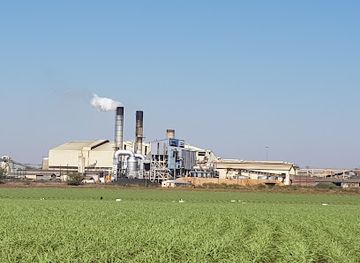
From the mid-twentieth century, irrigation transformed parts of eastern Eswatini. Commercial sugar estates and associated settlements developed around the Great Usutu and other water resources, especially near Big Bend, Mhlume and Simunye. Sugar became one of the country’s major export industries and created employment, roads, processing facilities and new urban centres in Lubombo. The industry also brought disputes and debate concerning land, water, labour and environmental change. Today, fields and processing landscapes stand alongside conservation areas, making the region’s economic history visible in everyday travel.
Independence and the Modern Kingdom
Eswatini gained independence from Britain in 1968, retaining its monarchy while developing modern national institutions and a more integrated economy. Lubombo’s eastern position made it important for cross-border trade, road connections and relations with neighbouring Mozambique and South Africa. Siteki grew as the regional administrative centre, while sugar and transport continued to shape the lowveld. Independence also encouraged a stronger presentation of Swazi cultural identity, including royal traditions, national ceremonies and community-based approaches to tourism.
Conservation and the Lubombo Conservancy
Wildlife protection became increasingly important as farming, settlement and earlier hunting pressures altered the lowveld. Hlane Royal National Park, Mlawula Nature Reserve and private reserves such as Mbuluzi now protect different habitats across the region. Cooperation between protected areas developed into the broader Lubombo Conservancy, part of a cross-border conservation vision extending towards neighbouring countries. This modern conservation story combines habitat restoration, tourism and community interests, while also reflecting the continuing challenge of balancing wildlife protection with agriculture and local livelihoods.
Lubombo in Photos
Browse through our photo collection highlighting the charm and character of the destination.
Neighbouring regions of Lubombo
The closest regions to Lubombo, if you have time for more than one.
-

-

-

-

-


Swipe for more regions
Explore more

Explore more of Eswatini
Discover the vibrant culture and stunning landscapes of Eswatini, a hidden gem in Africa offering rich traditions, diverse wildlife, and adventure-filled outdoor activities.
Explore Eswatini