

Free Shiselweni Travel Guide & Mobile App
Explore Shiselweni with free travel guides. Discover regional history, expert tips, proposed trips, and audio guides on web or mobile app.


Explore Shiselweni in southern Eswatini for highveld scenery, rural culture, Mkhaya wildlife, Mahamba Gorge and journeys towards the South African border.
Read more about Shiselweni
When is the best time to visit Shiselweni?
Best: April, September–October · 24–26°C| Month | High (°C) | Rainfall (mm) |
|---|---|---|
| January | 27 | 110 |
| February | 27 | 90 |
| March | 27 | 80 |
| April (best) | 25 | 60 |
| May | 21 | 40 |
| June | 18 | 20 |
| July | 18 | 20 |
| August | 20 | 20 |
| September (best) | 24 | 40 |
| October (best) | 26 | 60 |
| November | 26 | 90 |
| December | 27 | 110 |
Getting to and around Shiselweni
How to get there
Transportation
Top city travel guides in Shiselweni
The cities of Shiselweni, and the easiest places to base yourself.
-

-

-


Swipe for more cities
Destinations in Shiselweni
Resorts, valleys and scenic spots worth a trip of their own.

Swipe for more destinations
Best attractions in Shiselweni
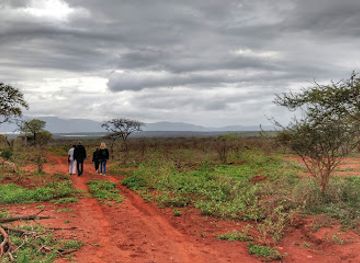
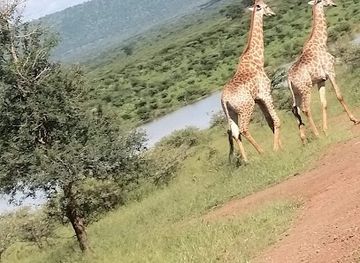
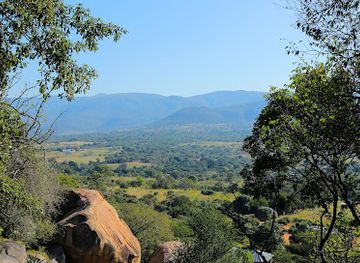
Shiselweni’s attractions are spread across a changing landscape rather than concentrated in one resort town. Mkhaya Game Reserve is the region’s principal wildlife experience, offering guided visits in a lowveld setting where conservation of rhinoceros, elephant and other species is central to the visitor experience. In the southwest, Mahamba Gorge provides a contrasting combination of river scenery, wooded slopes and historic religious heritage. The highveld around Nhlangano, Hlatikulu and Hluti is better suited to scenic drives, rural stays and interaction with the agricultural landscape than to a dense programme of formal attractions. Visitors can explore mission history, local churches, markets and craft outlets, while birdwatching and countryside walks are possible where accommodation or local guides provide access. Trips require planning because many places are reached by road and public transport is designed primarily for local travel rather than sightseeing. The most rewarding itineraries allow time to experience the transition from cool grassland and cultivated hills to warmer bush country in the east, rather than treating Shiselweni as a short corridor between Eswatini and South Africa.
-
Tourist attraction
Pongola Game Reserve
Experience the stunning wildlife and breathtaking landscapes of Pongola Game Reserve, a premier destination for nature lovers and adventure seekers in South Africa.
-
Nature preserve
Nisela Nature Reserve
Explore the tranquil beauty of Nisela Nature Reserve, a wildlife haven in Eswatini that offers lush landscapes and thrilling adventures for nature lovers.
-
 Hotel
HotelWhite Elephant Safaris
Discover the luxury of White Elephant Safaris, where wildlife adventure meets unparalleled comfort in the heart of South Africa's Pongola Game Reserve.
-
Nature preserve
Phongolo Nature Reserve
Explore the breathtaking beauty and diverse wildlife of Phongolo Nature Reserve in South Africa, a must-visit destination for nature lovers and outdoor enthusiasts.
Best landmarks in Shiselweni
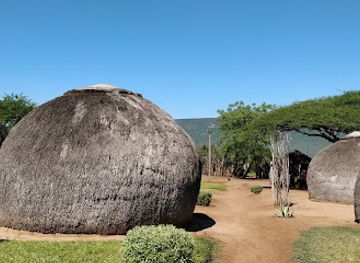
Mahamba Methodist Church is one of Shiselweni’s most important historic landmarks. Established in the early twentieth century near the South African border, it represents the development of Methodist mission work in Eswatini and remains associated with the educational and religious history of the southern region. Nearby Mahamba Gorge is the area’s most prominent natural landmark, where the Great Usutu River has cut through the landscape to create a striking river corridor of rock, vegetation and steep-sided terrain. In the east, the conserved bushveld of Mkhaya Game Reserve is a landmark of modern Eswatini: its importance lies not in monumental architecture but in the country’s commitment to protecting threatened wildlife. Nhlangano’s townscape and surrounding hills are less monumental but significant as the administrative and commercial focus of Shiselweni. Across the region, church buildings, rural schools, field systems, cattle areas and traditional homestead landscapes reveal how settlement, faith and agriculture have shaped the southern Eswatini countryside.
-
Border crossing station
Lavumisa Border Post
Experience the vibrant culture and stunning landscapes at Lavumisa Border Post, your gateway to the enchanting kingdom of Eswatini.
-
Historical landmark
Elufohlweni, KaGasa
Explore Elufohloko in Velebantfu, Eswatini, where history and culture converge in a stunning natural landscape.

Explore Shiselweni on the map
Plan your trip on one map. See where the top cities, national parks and sights are, and book hotels and experiences in a few clicks.
Best hotels in Shiselweni
Best restaurants in Shiselweni
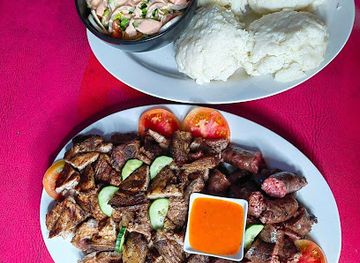
Dining in Shiselweni is closely connected to everyday regional life and is most often found in guesthouses, cafés, family-run establishments, roadside stops and town-centre eateries. Maize-based foods, rice, beans, vegetables, grilled meat and chicken are common, with fresh produce varying by season and by the altitude of the district. Rural households and small businesses may offer food influenced by local Swazi cooking, while Nhlangano, Hluti and Lavumisa provide the broadest choice of simple meals and takeaway food. Markets and small shops are useful for fruit, baked goods and provisions for long drives, though opening arrangements and stock can vary. Accommodation providers are often the best source of a cooked evening meal in quieter areas, particularly when staying near outdoor attractions. Visitors should distinguish between food that is locally prepared and dishes found throughout Eswatini; the region’s culinary identity is expressed more through fresh ingredients, home-style cooking and hospitality than through a single nationally exclusive dish.
-
Fast Food
KFC Eswatini Nhlangano
Experience the best of fast food at KFC Eswatini Nhlangano, where delicious chicken dishes meet friendly service in a vibrant atmosphere.
-
Restaurant
The Plaas Bar and Restaurant
Experience authentic Swazi cuisine at The Plaas Bar and Restaurant in Nhlangano – a delightful culinary escape for every traveler.
-
Restaurant
Galito's Pizza Inn Nhlangano
Experience delightful pizza flavors in Nhlangano at Galito's Pizza Inn, where every meal becomes a memorable occasion.
-
Restaurant
Sinos Bouquet Garni Restaurant
Discover authentic Swazi cuisine at Sinos Bouquet Garni Restaurant in Eswatini – where every dish tells a story.

Best bars in Shiselweni
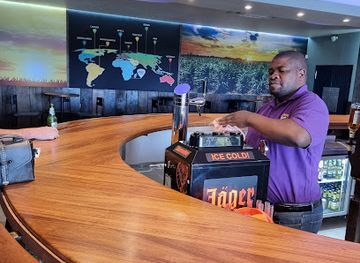
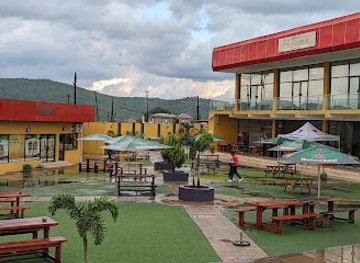
Shiselweni has a modest evening scene centred on local pubs, hotel bars, restaurants and social venues in Nhlangano, Hluti and other larger settlements rather than a large nightclub circuit. In rural districts, evenings are generally quiet, and accommodation providers may serve drinks or arrange supper but should not be assumed to operate late. Lavumisa’s position on a busy regional route gives it a more transient atmosphere, while the highveld towns provide places for conversation, televised sport and informal socialising. Live entertainment and community events may occur seasonally, but schedules are not always published for international visitors. Drink responsibly, arrange transport before travelling at night, and respect the privacy of residential communities. A lodge evening near a conservation area is more likely to involve a meal, conversation and early rest than organised nightlife, which suits the region’s dispersed settlements and rural character.
-
Bar
Spiller Bar Pongola
Experience the lively atmosphere and diverse drink selection at Spiller Bar in Pongola, South Africa's vibrant gathering spot.
-
Bar
Fat Leisure House
Discover the vibrant nightlife at Fat Leisure House in Pongola, where great drinks and a lively atmosphere await.
-
Restaurant
The XChange Lounge & Shisanyama
Experience the vibrant flavors and festive atmosphere at The XChange Lounge & Shisanyama in Manzini, a must-visit restaurant for every traveler.
-
Bar
Ayeb Yeb Lounge
Discover the lively Ayeb Yeb Lounge in Pongola, where local culture meets a vibrant bar experience for an unforgettable night out.


Best nightclubs in Shiselweni
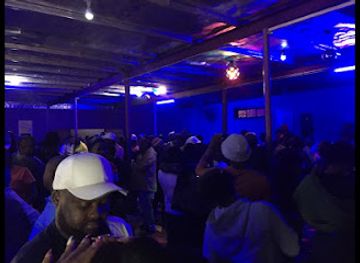
Shiselweni has a modest evening scene centred on local pubs, hotel bars, restaurants and social venues in Nhlangano, Hluti and other larger settlements rather than a large nightclub circuit. In rural districts, evenings are generally quiet, and accommodation providers may serve drinks or arrange supper but should not be assumed to operate late. Lavumisa’s position on a busy regional route gives it a more transient atmosphere, while the highveld towns provide places for conversation, televised sport and informal socialising. Live entertainment and community events may occur seasonally, but schedules are not always published for international visitors. Drink responsibly, arrange transport before travelling at night, and respect the privacy of residential communities. A lodge evening near a conservation area is more likely to involve a meal, conversation and early rest than organised nightlife, which suits the region’s dispersed settlements and rural character.
-
Lounge
The Vibe
Discover the vibrant atmosphere of The Vibe Lounge in Tembisa, where relaxation meets excitement in the heart of Eswatini.
-
Bar
Captains Lounge Bar
Experience the vibrant nightlife and local culture at Captains Lounge Bar in Lavumisa, Eswatini.
-
Night club
Club BIB
Dive into the vibrant nightlife at Club BIB, Nhlangano's premier night club for unforgettable experiences and electrifying music.
-
Bar
Lavumisa Lifestyle
Discover Lavumisa Lifestyle: A Fusion of Bar, Lodge, and Restaurant in the Heart of Eswatini's Vibrant Culture.

Best shops in Shiselweni
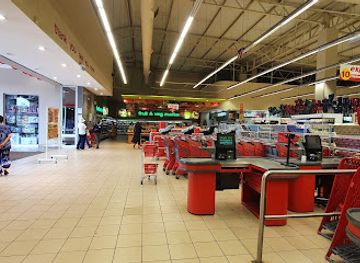
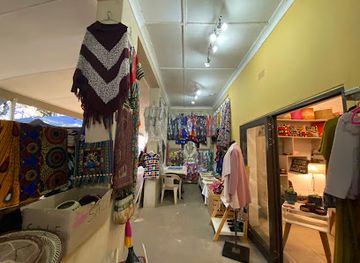
Shopping in Shiselweni is practical and locally focused, with the widest choice in Nhlangano, Hluti and Lavumisa. Small-town high streets and market areas sell food, clothing, household goods and travel essentials, while informal stalls may offer seasonal fruit, vegetables and prepared snacks. Visitors looking for regional products should explore craft outlets and ask accommodation providers or local guides about current market locations rather than expecting a permanent tourist bazaar. Handcrafted items, woven goods, carved objects and patterns associated with Eswatini may be available, but quality, provenance and stock vary; buy respectfully and avoid objects made from protected wildlife materials. Rural shops are useful for provisions but may have limited card facilities, so cash remains helpful. Shopping in Shiselweni is best understood as part of the region’s everyday commercial life, not as a dedicated luxury or designer destination.
-
Shopping mall
The Gables Shopping Center
Explore The Gables Shopping Center in Ezulwini, Eswatini: A vibrant shopping hub with diverse shops and delightful dining experiences.
-
Shopping mall
Mantenga Lifestyle & Craft Centre
Discover the vibrant culture of Eswatini through unique crafts, delicious local cuisine, and an immersive shopping experience at Mantenga Lifestyle & Craft Centre.
-
Shopping mall
Malandela's Lifestyle Centre
Explore Malandela's Lifestyle Centre: A vibrant shopping mall in Eswatini offering crafts, dining, and local distillery experiences.
-
Gift shop
Crown Of A Natural (Obsessories)
Explore the Crown Of A Natural in Eswatini for exquisite gifts and a taste of local culture, all in a welcoming atmosphere.

Get your free copy of our complete guide to Shiselweni, delivered straight to you.
Everything on this page, from attractions and restaurants to essentials and local phrases, in one PDF you can read offline, print or share.
Already have an account? Sign in
Your Shiselweni guide is ready.
We'll send it to · Not you? Sign out

Getting your guide ready…
We are putting together a fresh copy of the Shiselweni guide. This can take up to a minute.
This can take a few moments. If your browser asks, choose Allow so the download can start. You'll find the guide in your Downloads folder.
Nothing happened? Download it again
Sorry, the guide is taking longer than usual. Please try again in a minute, or get it by email instead.
Shiselweni essentials
Currency and Payment
Safety
Emergency Situations
Do's and Don'ts
Local Tips
From Eve
Local phrases worth knowing
You don't need to get them perfect. A few words go a long way, and locals appreciate the effort.
Basics
| English | Local | Say it |
|---|---|---|
| Hello | Sawubona | [sah-oo-boh-nah] |
| Goodbye | Hamba kahle | [ham-bah kah-leh] |
| Yes | Yebo | [yeh-boh] |
| No | Cha | [chah] |
| Please/You're welcome | Ngiyacela | [ngee-yah-cheh-lah] |
| Thank you | Ngiyabonga | [ngee-yah-bong-ah] |
| Excuse me/Sorry | Uxolo | [oo-xoh-loh] |
| How are you? | Unjani? | [oon-jah-nee] |
| Fine. And you? | Ngiyaphila. Wena unjani? | [ngee-yah-pee-lah. weh-nah oon-jah-nee] |
| Do you speak English? | Ukhuluma isiNgisi? | [oo-khoo-loo-mah ee-see-ng-ee-see] |
| I don't understand | Angiqondi | [ahn-gee-kohn-dee] |
Eating & Drinking
| English | Local | Say it |
|---|---|---|
| I'd like to see the menu, please | Ngicela ukubona imenyu | [ngee-cheh-lah oo-koo-boh-nah ee-meh-nyoo] |
| I don't eat meat | Angidli inyama | [ahn-gee-dlee een-yah-mah] |
| Cheers! | Phuza! | [poo-zah] |
| I would like to pay, please | Ngicela ukukhokha | [ngee-cheh-lah oo-koo-koh-khah] |
Emergencies
| English | Local | Say it |
|---|---|---|
| Help! | Usizo! | [oo-see-zoh] |
| Go away! | Hamba! | [ham-bah] |
| Call the Police! | Shayela amaphoyisa! | [shah-yeh-lah ah-mah-poh-ee-sah] |
| Call a doctor! | Shayela udokotela! | [shah-yeh-lah oo-doh-koh-teh-lah] |
| I'm lost | Ngilahlekile | [ngee-lah-leh-kee-leh] |
| I'm ill | Ngiyagula | [ngee-yah-goo-lah] |
Shopping
| English | Local | Say it |
|---|---|---|
| I'd like to buy... | Ngithanda ukuthenga... | [ngee-tahn-dah oo-khoo-ten-gah] |
| I'm just looking | Ngiyabheka | [ngee-yah-bhe-kah] |
| How much is it? | Kubiza malini? | [koo-bee-zah mah-lee-nee] |
| That's too expensive | Lokhu kubiza kakhulu | [loh-khoo koo-bee-zah kah-khoo-loo] |
| Can you lower the price? | Unganciphisa intengo? | [oon-gahn-chee-pee-sah een-ten-goh] |
Time & Numbers
| English | Local | Say it |
|---|---|---|
| What time is it? | Yini isikhathi? | [yee-nee ee-see-khah-tee] |
| It's one o'clock | Kuyashona | [koo-yah-shoh-nah] |
| Half past (10) | Hhafu kwe (10) | [hah-foo kweh] |
| Morning | Ekuseni | [eh-koo-seh-nee] |
| Afternoon | Emva kwemini | [ehm-vah kweh-mee-nee] |
| Evening | Ubusuku | [oo-boo-soo-koo] |
| Yesterday | Izolo | [ee-zoh-loh] |
| Today | Namuhla | [nah-moo-hlah] |
| Tomorrow | Kusasa | [koo-sah-sah] |
| 1 | Kunye | [koon-yeh] |
| 2 | Kubili | [koo-bee-lee] |
| 3 | Kuthathu | [koo-tah-thoo] |
| 4 | Kune | [koo-neh] |
| 5 | Kuhlanu | [koo-lah-noo] |
| 6 | Kukhombisa | [koo-kohm-bee-sah] |
| 7 | Kuphakade | [koo-pah-kah-deh] |
| 8 | Kuhlangana | [koo-hlahn-gah-nah] |
| 9 | Kuhlanu | [koo-lah-noo] |
| 10 | Kukhombisa | [koo-kohm-bee-sah] |
Transport & Directions
| English | Local | Say it |
|---|---|---|
| Where's a/the...? | Kuphi...? | [koo-pee] |
| What's the address? | Yini ikheli? | [yee-nee ee-kheh-lee] |
| Can you show me (on the map)? | Ungangikhombisa (emap) | [oon-gahn-gee-kohm-bee-sah] |
| When's the next (bus)? | Ngubani umphakathi olandelayo? | [ngoo-bah-nee oom-pah-kah-thee oh-lahn-deh-lah-yoh] |
| A ticket (to ....) | Ithikithi (ku ....) | [ee-thee-kee-thee] |
History of Shiselweni
Early settlement and archaeological heritage
Southern Eswatini has been occupied for thousands of years, with archaeological evidence across the wider region recording changing hunter-gatherer, pastoral and farming communities. Rock art and stone-working traditions in southern Eswatini provide evidence of early settlement, although individual sites can be difficult to reach and are not always formally developed for tourism. Later communities introduced more settled agriculture and ironworking, linking the area to wider patterns of migration and exchange in southeastern Africa. The landscape’s rivers, sheltered valleys and grassland margins helped support successive communities.
The formation of Swazi political authority
The political identity of Eswatini developed through the consolidation of Nguni-speaking communities and the authority of the Dlamini royal line. By the nineteenth century, royal power and local chiefdoms shaped settlement, land use and allegiance throughout the southern districts, including the country now administered as Shiselweni. The region’s hills and valleys became part of a political landscape organised through homesteads, cattle ownership, agriculture and relationships with the monarch and chiefs. These structures remain important to understanding local administration and customary life.
Nineteenth-century upheavals and regional change
The nineteenth century brought major disruption across southeastern Africa through warfare, migration, competition for land and the expansion of powerful states. Swazi communities were affected by pressures from neighbouring polities as well as by changing trade and political relationships with colonial authorities. Southern Eswatini’s position near present-day KwaZulu-Natal and the Pongola region made it especially connected to developments beyond the kingdom’s modern borders. The resulting political landscape helped shape the boundaries, loyalties and settlement patterns visible in the region today.
Christian missions at Mahamba
Christian missions became an important force in southern Eswatini during the colonial period. Mahamba Methodist Church, founded in the early twentieth century, is associated with the establishment of Methodist mission work in the country and remains a significant historic site near the South African border. Mission stations introduced formal schooling, new forms of worship and written education, while also interacting with established customary institutions. Their legacy is visible in churches, schools and Christian communities across Shiselweni, although the region’s religious life includes both church traditions and older cultural practices.
Colonial administration and agricultural development
Eswatini became a British protected territory in 1906, and colonial administration increasingly formalised land, taxation, labour and local government. In Shiselweni, agriculture remained central, with rural households combining cultivation and livestock with wage labour and other forms of income. Roads and administrative centres strengthened links between places such as Nhlangano, Hlatikulu, Hluti and the borderlands. These changes created infrastructure that later supported the independent kingdom, while also leaving enduring debates about land, authority and unequal economic opportunity.
Independence and contemporary conservation
Eswatini gained independence in 1968, after which the country continued developing regional administration, roads, education and tourism within a constitutional monarchy. Shiselweni has remained predominantly rural, with livelihoods shaped by farming, public services, trade and cross-border movement. More recent conservation initiatives have added a different economic dimension, particularly in the lowveld, where protected areas such as Mkhaya Game Reserve support wildlife protection and guided tourism. The region today combines customary and modern institutions, agricultural communities and conservation landscapes.
Shiselweni in Photos
Browse through our photo collection highlighting the charm and character of the destination.
Neighbouring regions of Shiselweni
The closest regions to Shiselweni, if you have time for more than one.
-

-

-

-

-


Swipe for more regions
Explore more

Explore more of Eswatini
Discover the vibrant culture and stunning landscapes of Eswatini, a hidden gem in Africa offering rich traditions, diverse wildlife, and adventure-filled outdoor activities.
Explore Eswatini