

Amhara Region, Ethiopia Travel Guide
Explore the Amhara Region in Ethiopia: A land of stunning landscapes, rich history, and vibrant culture, from the Simien Mountains to the ancient churches of Lalibela.
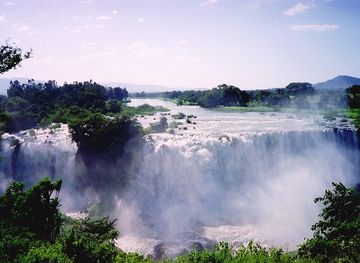
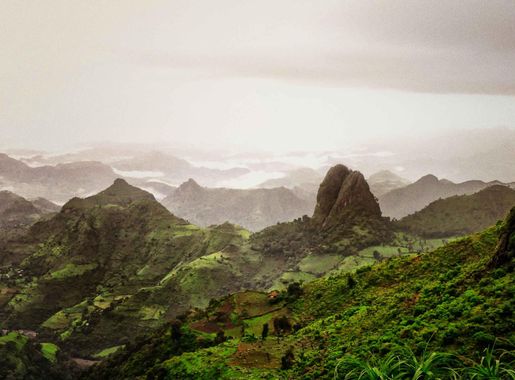
The Amhara Region, located in the northern part of Ethiopia, is a treasure trove of cultural and historical riches. This region is renowned for its stunning landscapes, including the breathtaking Simien Mountains and the majestic Blue Nile Falls. The Simien Mountains, a UNESCO World Heritage Site, offer unparalleled opportunities for hiking and wildlife viewing, with vistas that will leave you speechless. The Blue Nile Falls, locally known as 'Tis Issat,' meaning 'smoking water,' is a spectacular sight and a must-see for any nature lover. In addition to its natural beauty, the Amhara Region is steeped in history and tradition. The city of Gondar, often referred to as the 'Camelot of Africa,' boasts a series of impressive castles and palaces dating back to the 17th century. Meanwhile, Lalibela is home to the rock-hewn churches, another UNESCO World Heritage Site, which are considered one of the most incredible architectural feats in the world. These churches, carved out of solid rock, offer a glimpse into Ethiopia's rich religious heritage. The cultural fabric of the Amhara Region is equally fascinating. Visitors can experience traditional Amharic music, dance, and cuisine, which add a unique flavor to the travel experience. The region's vibrant markets and festivals provide an excellent opportunity to immerse oneself in the local way of life. Don’t miss the chance to try 'injera,' a traditional Ethiopian flatbread, and 'doro wat,' a spicy chicken stew, both of which are staples of Amharic cuisine.

Know before you go
Hi, I'm Eve. Here are a few practical things to know before exploring Amhara Region.
- Bring sturdy walking shoes for hiking in the Simien Mountains.
- Visit the Blue Nile Falls during the rainy season for the most impressive view.
- Hire a local guide to explore the rock-hewn churches of Lalibela for deeper insights.
- Try traditional dishes like 'injera' and 'doro wat' at local restaurants.
- Check local festival dates to experience the vibrant Amharic culture.
- Carry cash, as credit cards are not widely accepted in many areas.
Explore Amhara Region: Things to Do, Places to Eat, Hotels & More
Handpicked recommendations for top attractions, local dining, accommodations, and more

Top Attractions & Sightseeing in Amhara Region
Top-rated picks
Best Attractions

Unity Park
Discover the heart of Ethiopia at Unity Park, where history, art, and nature intertwine in a stunning cultural landscape.

Mile Serdo Wildlife Reserve.
Explore the rich biodiversity and stunning landscapes of Mile Serdo Wildlife Reserve, a haven for nature lovers and wildlife enthusiasts.

Yangudi Rassa National Park
Discover the stunning landscapes and unique wildlife of Yangudi Rassa National Park, a true gem in Ethiopia's Afar region.

Semien Mountain National Park office
Explore the stunning landscapes and unique wildlife of Semien Mountain National Park, a UNESCO World Heritage site in Ethiopia's breathtaking wilderness.

Best landmarks in Amhara Region
Top-rated picks
Best Landmarks

Simien Mountains National Park
Explore the breathtaking beauty and rich biodiversity of Simien Mountains National Park, Ethiopia's premier destination for trekking and wildlife adventures.

Amhara Sayint
Explore Amhara Sayint, a historical landmark in Ethiopia, where rich heritage and stunning architecture come together to create an unforgettable experience.

Best restaurants in Amhara Region
Top-rated picks
Best Restaurants

Cravings Restaurant & Bar
Experience authentic Ethiopian flavors at Cravings Restaurant & Bar in Bole, Addis Ababa - where tradition meets modern dining.

Sishu | Kera
Experience authentic American cuisine at Sishu | Kera in Addis Ababa—where comfort food meets vibrant culture.

Yod Abyssinia Traditional Restaurant
Experience authentic Ethiopian cuisine at Yod Abyssinia Traditional Restaurant in Addis Ababa – where tradition meets flavor in every bite.

Kategna Restaurant
Experience authentic Ethiopian cuisine at Kategna Restaurant in Addis Ababa - where tradition meets taste.

Best bars in Amhara Region
Top-rated picks
Best Bars

Romina Restaurant | 4 Kilo | ሮሚና ሬስቶራንት | 4 ኪሎ
Discover the flavors of Ethiopia at Romina Restaurant, a lively bar and dining experience in Addis Ababa offering traditional and international cuisine.

The Four Sisters Restaurant
Savor the authentic flavors of Ethiopian cuisine at The Four Sisters Restaurant in Gondar, where tradition meets exceptional hospitality.

Ben Abeba
Discover the culinary wonders of Ben Abeba in Lalibela, where traditional Ethiopian flavors meet stunning views and warm hospitality.

Union Cocktail Bar & Restaurant
Discover the vibrant flavors of Addis Ababa at Union Cocktail Bar & Restaurant, where grilled delights meet refreshing cocktails in a lively atmosphere.

Best nightclubs in Amhara Region
Top-rated picks
Best Nightclubs

Club H2O | Hayahulet | ክለብ ኤች ቱ ኦ | ሀያ ሁለት
Discover the vibrant nightlife of Addis Ababa at Club H2O, where energetic music and a lively crowd meet for an unforgettable experience.

The Club Addis
Experience the vibrant nightlife of Addis Ababa at The Club Addis, where modern elegance meets traditional Ethiopian hospitality.

Luxx Addis Club | Bole | ላክስ አዲስ ክለብ | ቦሌ |
Discover the vibrant nightlife of Addis Ababa at Luxx Addis Club, a stylish lounge offering a unique blend of music, drinks, and socializing.

Surrender night club
Experience the vibrant nightlife of Addis Ababa at Surrender Night Club, where music and dancing come alive until dawn.

Best shops in Amhara Region
Top-rated picks
Best Shops

Merkato
Discover the heart of Addis Ababa at Merkato, one of Africa's largest open-air markets, filled with culture, colors, and local delicacies.

Shola Market | Megenagna
Explore Shola Market in Addis Ababa: A colorful blend of local crafts, fresh produce, and vibrant Ethiopian culture awaits every traveler.

Addisu Gebeya
Addisu Gebeya Shopping Mall: Your gateway to Ethiopian culture, shopping, and dining in the heart of Addis Ababa.

Rock-Hewn Churches, Lalibela
Experience the spiritual heritage and architectural brilliance of Lalibela's Rock-Hewn Churches, a UNESCO World Heritage gem in Ethiopia.

Explore Amhara Region on the Map
A handpicked selection of must-see spots in Amhara Region, mapped for you.
Amhara Region Essentials
-
The Amhara Region in Ethiopia can be accessed via Addis Ababa Bole International Airport, the main international gateway to Ethiopia. From Addis Ababa, you can take a domestic flight to Bahir Dar or Gondar, two major cities in the Amhara Region. Alternatively, long-distance buses and private car hires are available for a scenic road trip, though the journey may take up to 9-12 hours depending on your destination within the region.
-
Within the Amhara Region, transportation options include public buses, minibuses, and taxis. Public buses and minibuses are the most economical options for getting around, though they can be crowded and less comfortable. Taxis are readily available in larger cities like Bahir Dar and Gondar. For a more flexible travel experience, consider renting a car from a local agency. Be aware that road conditions can vary, and driving outside of urban areas can be challenging.
-
The official currency in Ethiopia is the Ethiopian Birr (ETB). Credit cards are accepted in some hotels, restaurants, and larger shops in major cities, but cash is essential for smaller establishments and rural areas. ATMs are available in Bahir Dar, Gondar, and other larger towns, but it is advisable to carry sufficient cash when traveling to remote areas. Currency exchange services are available at banks and authorized exchange bureaus.
-
The Amhara Region is generally safe for tourists, but it is wise to take standard precautions. Avoid walking alone at night in unfamiliar areas and keep an eye on your belongings in crowded places. Specific areas with higher crime rates, such as pickpocketing and petty theft, include crowded markets and bus stations. Always stay aware of your surroundings and avoid displaying valuable items openly.
-
In case of emergency, dial 911 for immediate assistance. Major cities like Bahir Dar and Gondar have hospitals and medical facilities where you can receive care. Pharmacies are available for minor health issues. It is highly recommended to have travel insurance that covers medical emergencies, including evacuation if necessary. Keep a list of emergency contacts and the address of your country's embassy or consulate in Addis Ababa.
-
Fashion: Do dress modestly, especially when visiting religious sites. Avoid wearing revealing clothing. Religion: Do respect local customs and traditions. Always remove your shoes and cover your head when entering churches and monasteries. Public Transport: Do be respectful and give up your seat to elderly passengers. Don't eat or drink on public transport. Greetings: Do greet people with a handshake. A slight bow of the head is also a sign of respect. Eating & Drinking: Do try local delicacies and accept food offerings graciously. Don't refuse hospitality, as it is considered impolite.
-
To experience Amhara Region like a local, visit the vibrant local markets where you can buy fresh produce and traditional Ethiopian goods. Engage with locals, as they are often friendly and willing to share stories about the region's history and culture. Don't miss visiting the Blue Nile Falls and Lake Tana, which offer stunning natural scenery. For a unique experience, participate in a traditional coffee ceremony, a cornerstone of Ethiopian social life.
When is the best time to visit Amhara Region?
Useful Local Phrases for Amhara Region
You don't need to speak the language perfectly. Even learning a few simple words can make conversations warmer—and locals usually appreciate the effort.
— Eve

Here are the phrases I use most often in Amhara Region. Try a few—you'll be surprised how far they go! 😊
❤️
-
- Helloሰላም
[Selam] - Goodbyeደህና ሁን
[Dehna hun] - Yesአዎን
[Awen] - Noአይ
[Ay] - Please/You're welcomeእቅፍ እንደሆነ
[Eqif endehone] - Thank youአመሰግናለሁ
[Amesegenallo] - Excuse me/Sorryእቅፍ አድርግ
[Eqif adrig] - How are you?እንዴት ነህ/ነሽ?
[Endet neh/nesh?] - Fine. And you?ጥሩ ነኝ። እንዴት ነህ/ነሽ?
[Tiru nen. Endet neh/nesh?] - Do you speak English?እንግሊዝኛ ይናገራሉ?
[Ingilizinya yinageralu?] - I don't understandአልተረዳኝም
[Alteredanyim]
- Helloሰላም
-
- I'd like to see the menu, pleaseየምንጭ ዝርዝር እቅፍ እንደሆነ እቀይ
[Yemench zirezir eqif endehone eqey] - I don't eat meatበስር አልበላም
[Besir albelam] - Cheers!ይቅርታ!
[Yiqirta!] - I would like to pay, pleaseእቅፍ እንደሆነ እንደሆነ እቀይ
[Eqif endehone eqey]
- I'd like to see the menu, pleaseየምንጭ ዝርዝር እቅፍ እንደሆነ እቀይ
-
- Help!እባክህ!
[Ebakeh!] - Go away!እባክህ ይገባ!
[Ebakeh yigeba!] - Call the Police!ፖሊስ ይደውሉ!
[Polis yidewlu!] - Call a doctor!ዶክተር ይደውሉ!
[Dokter yidewlu!] - I'm lostእኔ ተረድቻለሁ
[Ine teredchalhu] - I'm illእኔ ታማም
[Ine tamam]
- Help!እባክህ!
-
- I'd like to buy...እኔ ማሽነት እፈልጋለሁ...
[Ine mashinet ifelgallehu...] - I'm just lookingእኔ በመልክ እቀይ
[Ine bemelk eqey] - How much is it?ዋጋው ስንት ነው?
[Wagaw sint new?] - That's too expensiveይህ በጣም ቡርክ ነው
[Yih betam burk new] - Can you lower the price?ዋጋውን ወደታች ይወስዳሉ?
[Wagawen wedetach yewesdalu?]
- I'd like to buy...እኔ ማሽነት እፈልጋለሁ...
-
- What time is it?ምን ሰዓት ነው?
[Men se'at new?] - It's one o'clockአንድ ሰዓት ነው
[And se'at new] - Half past (10)ከ(10) ጊዜ አንድ ሰዓት
[Ke(10) gize and se'at] - Morningጠዋት
[Tewat] - Afternoonከሰዓት በኋላ
[Kes'at behwala] - Eveningምሽት
[Mishit] - Yesterdayቀደም
[Kedem] - Todayዛሬ
[Zare] - Tomorrowነገ
[Nage] - 11
[1] - 22
[2] - 33
[3] - 44
[4] - 55
[5] - 66
[6] - 77
[7] - 88
[8] - 99
[9] - 1010
[10]
- What time is it?ምን ሰዓት ነው?
-
- Where's a/the...?አየ ይታይ?
[Aye yitay?] - What's the address?አድራሻ ምን ነው?
[Adirasha men new?] - Can you show me (on the map)?ምን ይዘው እንደሆነ እቀይ?
[Men yizew endehone eqey?] - When's the next (bus)?የተነሱ በኋላ ምን ነው?
[Yetenesu behwala men new?] - A ticket (to ....)ትኬት (እንደ....)
[Ticket (ende....)]
- Where's a/the...?አየ ይታይ?
History of Amhara Region
-
The Amhara Region is deeply intertwined with the origins of the Aksumite Empire, which flourished from approximately the 1st to the 8th centuries AD. Aksum, located in the northern part of the Amhara Region, was a major trading empire and is often considered one of the great civilizations of the ancient world. Renowned for its impressive obelisks, ancient coins, and early adoption of Christianity, the Aksumite Empire played a pivotal role in the development of the region.
-
After the decline of the Aksumite Empire, the Zagwe Dynasty emerged in the 10th century and established its capital in Lalibela, a city known for its rock-hewn churches. These churches, carved out of solid rock, are considered architectural marvels and are a UNESCO World Heritage Site. The Zagwe Dynasty is credited with preserving Christianity in Ethiopia during a time of regional instability.
-
The Solomonic Dynasty claimed descent from the biblical King Solomon and the Queen of Sheba. This dynasty brought a period of renewed strength and consolidation to the Amhara Region. Emperor Menelik II, one of the most notable rulers of this dynasty, expanded the Ethiopian Empire and successfully resisted Italian colonization, culminating in the Battle of Adwa in 1896. This victory is celebrated as a significant event in Ethiopian and African history.
-
Emperor Haile Selassie, who ruled from 1930 to 1974, is one of the most iconic figures in Ethiopian history. His reign saw modernization efforts in the Amhara Region and across Ethiopia, including the establishment of modern education systems and infrastructure. Despite these advancements, his rule ended in 1974 when he was deposed by a military coup, leading to a period of political upheaval.
-
Following the deposition of Haile Selassie, the Derg, a Marxist-Leninist military junta, took control of Ethiopia. The Amhara Region, like much of the country, experienced significant turmoil during this period, marked by the Red Terror campaign and the Ethiopian Civil War. The Derg regime lasted until 1991, when it was overthrown by the Ethiopian People's Revolutionary Democratic Front (EPRDF).
-
The Amhara Region is known for its rich cultural heritage, including traditional music, dance, and festivals. The Timkat festival, celebrating the Epiphany, is one of the most important religious events in the region, featuring elaborate processions and ceremonies. Traditional Amhara music often incorporates instruments like the masenqo (a one-stringed fiddle) and the krar (a lyre), and dances such as the Eskista, characterized by shoulder movements, are integral to cultural celebrations.
-
The Amhara Region is home to several UNESCO World Heritage Sites, including the rock-hewn churches of Lalibela and the Simien Mountains National Park. Lalibela's churches are an extraordinary example of medieval engineering and are still in use as places of worship. The Simien Mountains, with their breathtaking landscapes and unique wildlife, offer a glimpse into the natural beauty of the region and are a testament to Ethiopia's rich biodiversity.
Neighbouring Regions of Amhara Region
The closest regions to Amhara Region, if you have time for more than one.


Your all‑in‑one travel companion app
Explore expert travel guides, compare and book tours, experiences, hotels, and more—all from the palm of your hand. Download now for seamless trip planning wherever your wanderlust takes you.


Explore More of Ethiopia

Looking beyond Amhara Region? Discover Ethiopia for broader travel guides, local hot-spots, and regional highlights.
Explore EthiopiaAmhara Region in Photos
Browse through our photo collection highlighting the charm and character of the destination.




Amhara Region: A Cultural and Historical Gem in Ethiopia
The Amhara Region, located in the northern part of Ethiopia, is a treasure trove of cultural and historical riches. This region is renowned for its stunning landscapes, including the breathtaking Simien Mountains and the majestic Blue Nile Falls. The Simien Mountains, a UNESCO World Heritage Site, offer unparalleled opportunities for hiking and wildlife viewing, with vistas that will leave you speechless. The Blue Nile Falls, locally known as 'Tis Issat,' meaning 'smoking water,' is a spectacular sight and a must-see for any nature lover. In addition to its natural beauty, the Amhara Region is steeped in history and tradition. The city of Gondar, often referred to as the 'Camelot of Africa,' boasts a series of impressive castles and palaces dating back to the 17th century. Meanwhile, Lalibela is home to the rock-hewn churches, another UNESCO World Heritage Site, which are considered one of the most incredible architectural feats in the world. These churches, carved out of solid rock, offer a glimpse into Ethiopia's rich religious heritage. The cultural fabric of the Amhara Region is equally fascinating. Visitors can experience traditional Amharic music, dance, and cuisine, which add a unique flavor to the travel experience. The region's vibrant markets and festivals provide an excellent opportunity to immerse oneself in the local way of life. Don’t miss the chance to try 'injera,' a traditional Ethiopian flatbread, and 'doro wat,' a spicy chicken stew, both of which are staples of Amharic cuisine.