

Free Tigray Region Travel Guide & Mobile App
Explore Tigray Region with free travel guides. Discover regional history, expert tips, proposed trips, and audio guides on web or mobile app.


Explore Tigray in northern Ethiopia for Aksumite monuments, cliff-hewn churches, highland landscapes, ancient faith and deeply layered history.
Read more about Tigray Region
When is the best time to visit Tigray Region?
Best: January–February, October · 24–25°C| Month | High (°C) | Rainfall (mm) |
|---|---|---|
| January (best) | 24 | 5 |
| February (best) | 25 | 5 |
| March | 28 | 10 |
| April | 31 | 20 |
| May | 33 | 20 |
| June | 30 | 20 |
| July | 27 | 40 |
| August | 27 | 40 |
| September | 26 | 20 |
| October (best) | 25 | 10 |
| November | 23 | 5 |
| December | 21 | 5 |
Getting to and around Tigray Region
How to get there
Transportation
Top city travel guides in Tigray Region
The cities of Tigray Region, and the easiest places to base yourself.
-

-

-

-


Swipe for more cities
Destinations in Tigray Region
Resorts, valleys and scenic spots worth a trip of their own.
-

-


Swipe for more destinations
Best attractions in Tigray Region
Tigray’s attractions are concentrated in a remarkable combination of archaeology, sacred architecture and highland scenery. Axum is the leading historical centre, with its monumental stelae, royal tombs and archaeological remains associated with the Aksumite kingdom. Near Adwa, the pre-Aksumite site of Yeha adds an earlier layer of northern Ethiopian history, while the surrounding mountains evoke the 1896 Battle of Adwa. The Gheralta area is known for cliff churches reached through dry valleys and sandstone escarpments; Abuna Yemata Guh, Maryam Korkor and Daniel Korkor require varying degrees of fitness, sure-footedness and tolerance of exposure. More accessible churches around Wukro and eastern Tigray reveal painted interiors, carved stonework and continuing religious practice. Negash offers an important Islamic historical perspective, while Mekelle provides museums, markets and urban services useful for orientation. Hiking, landscape photography and village-based cultural visits can be rewarding, but facilities are limited outside major towns. Opening arrangements, road access and the condition of heritage sites may change, so current local information and respectful guided visits are essential.
-
National park
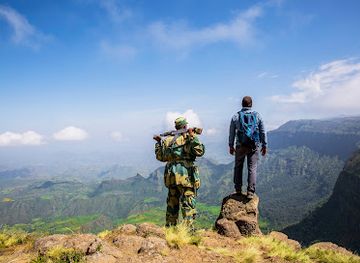
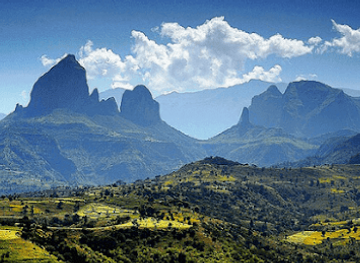
Simien Mountains National Park
Explore the breathtaking vistas and unique wildlife of Simien Mountains National Park, a UNESCO World Heritage site and a hiker's paradise in Ethiopia.
-
Memorial park
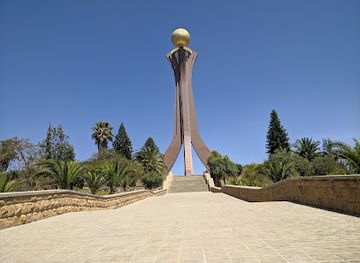
ሓወልቲ ሰማእታት መቐለ | Martyrs' Memorial Monument MeKele
A poignant tribute to the Tigrayan people's resilience, the Martyrs' Memorial Monument offers a space for reflection and remembrance in Mekele.
-
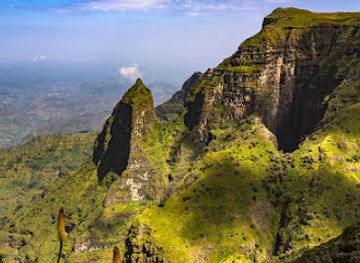
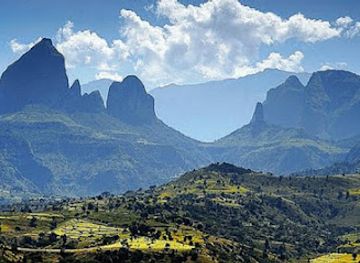
Semien Mountains
Explore the breathtaking Semien Mountains in Ethiopia, a UNESCO World Heritage site boasting stunning landscapes, rich biodiversity, and thrilling adventures.
-
National park
Semien Mountain National Park office
Explore the breathtaking landscapes, unique wildlife, and rich culture of Semien Mountain National Park, a UNESCO World Heritage site in Ethiopia.

Best landmarks in Tigray Region
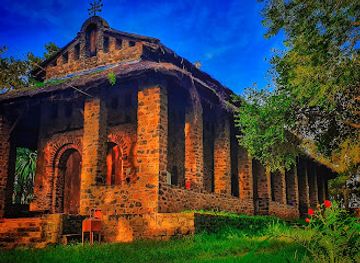
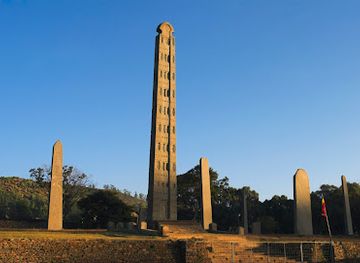
Axum’s great stelae form Tigray’s most recognisable monumental landscape. These tall, finely worked stone markers were erected in the Aksumite period, and the largest surviving examples stand near royal tombs and archaeological remains that express the power of an ancient Red Sea kingdom. The ruins and temple at Yeha, close to Adwa, are an earlier architectural landmark, combining a substantial stone structure with later Christian buildings. Around Gheralta, the natural sandstone pinnacles are landmarks in their own right, while cliff churches such as Abuna Yemata Guh and Maryam Korkor unite architecture, sacred art and difficult terrain. Wukro Cherkos and Abraha we Atsbeha represent different expressions of Tigray’s long church-building tradition. The mountains and passes around Adwa carry national and international historical meaning because of the Ethiopian victory over Italy in 1896. In eastern Tigray, Negash is a significant religious landmark associated with the early Muslim presence in Ethiopia. These places are living or fragile heritage, so their importance is best understood through careful observation rather than hurried sightseeing.
-
Historical landmark
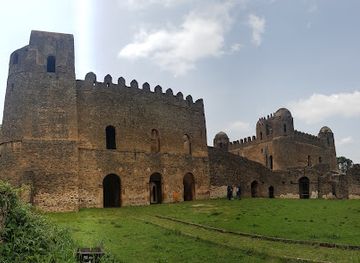
Fasil Ghebbi
Explore the majestic Fasil Ghebbi in Gondar, a UNESCO World Heritage Site showcasing Ethiopia's royal history and stunning architecture.
-
National park
Simien Mountains National Park
Explore the majestic Simien Mountains National Park, a UNESCO World Heritage Site, where stunning landscapes and unique wildlife await every adventurer.
-
Orthodox church
Debre Birhan Selassie Church
Explore the Debre Birhan Selassie Church in Gondar, a stunning example of Ethiopian Orthodox architecture and artistry, rich in history and culture.
-
Historical landmark
ኣኽሱም ሓውልት | ሓወልቲ ኣኽሱም ቑፅሪ-1 | Akhsum Obelisk No-1
Explore the Aksum Obelisk No-1, a UNESCO World Heritage Site that showcases Ethiopia's ancient architecture and rich cultural history.
Explore Tigray Region on the map
Plan your trip on one map. See where the top cities, national parks and sights are, and book hotels and experiences in a few clicks.
Best hotels in Tigray Region
Best restaurants in Tigray Region
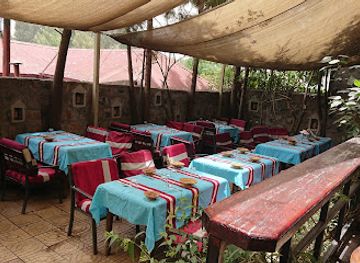
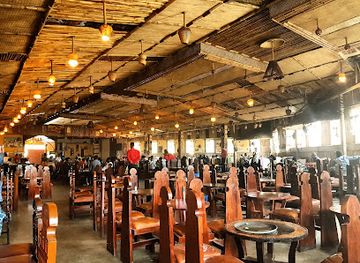
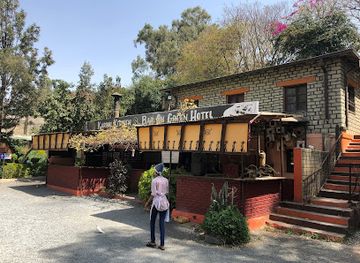
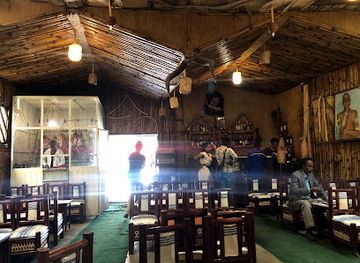
Tigrayan dining is built around injera, wat stews, lentils, vegetables and meat dishes, with berbere and clarified butter, or niter kibbeh, providing much of the region’s familiar flavour. Tihlo is particularly associated with northern Ethiopia: barley dough is shaped into small balls and dipped into a spicy meat or legume sauce. In towns, restaurants and cafés generally serve Ethiopian staples alongside pasta, rice and simple international dishes, reflecting both local habits and the region’s complex modern history. Rural meals may be more limited but can offer a direct sense of seasonal produce and household cooking. Coffee ceremonies are an important form of hospitality, while siwa, a traditional fermented drink made from grain, may be encountered in local settings; accept it respectfully and ask about preparation where relevant. Mekelle, Axum and other larger settlements have the widest choice of cafés and restaurants, whereas visitors exploring churches should carry water and snacks rather than expect regular roadside dining. Vegetarian and fasting dishes are widely available, especially during Ethiopian Orthodox fasting periods.
-
Restaurant
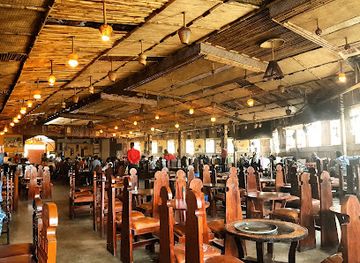
The Four Sisters Restaurant
Experience authentic Ethiopian cuisine at The Four Sisters Restaurant in Gondar—where every dish tells a story and hospitality reigns supreme.
-
Restaurant
Geza Gerlase
Experience authentic Ethiopian flavors at Geza Gerlase in Mekele – where culture meets cuisine.
-
Restaurant
ካሪቡ ባርን ሬስቶራንትን / Karibu Kitchen bar
Savor authentic Ethiopian dishes at Karibu Kitchen Bar in Mekele - where culture meets culinary delight.
-
Restaurant
AB Cultural Restaurant
Discover authentic Ethiopian flavors at AB Cultural Restaurant in Aksum, where tradition meets hospitality in every delicious dish.
Best bars in Tigray Region
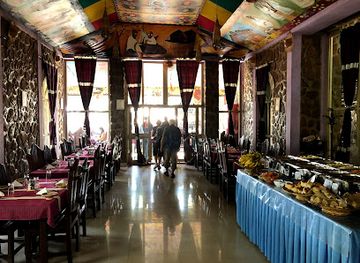
Evening life in Tigray is concentrated in Mekelle, Axum and larger district towns rather than spread across the rural highlands. Cafés, hotel lounges, traditional establishments serving siwa or local beer, and restaurants provide the main settings for socialising, with music sometimes forming part of the evening atmosphere. Mekelle offers the broadest choice of modern cafés and bars, while Axum combines visitor-oriented restaurants with more informal local venues. In Gheralta, Adwa and rural church areas, nights are generally quiet and accommodation may centre on guesthouses or lodges rather than clubs. Nightlife can be affected by electricity supply, curfews, travel restrictions and security conditions, so avoid late rural road journeys and confirm arrangements locally. Alcohol is not necessary to engage with Tigray’s evening culture; coffee, conversation, food and community gatherings are equally important parts of social life.
-
Restaurant
The Four Sisters Restaurant
Savor authentic Ethiopian dishes in Gondar at The Four Sisters Restaurant, where tradition meets flavor in a warm and inviting atmosphere.
-
Restaurant
Geza Gerlase
Experience the authentic taste of Ethiopia at Geza Gerlase in Mekele, where traditional flavors meet warm hospitality.
-
Hotel
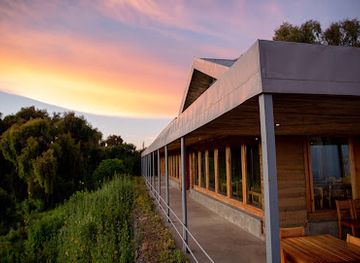
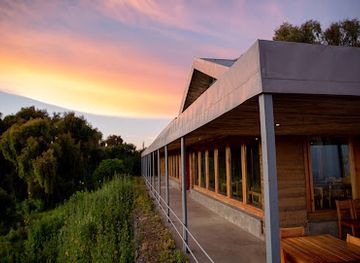
Limalimo Lodge
Discover the beauty and adventure of the Simien Mountains from Limalimo Lodge, your cozy retreat in Ethiopia’s stunning national park.
-
Mountain range
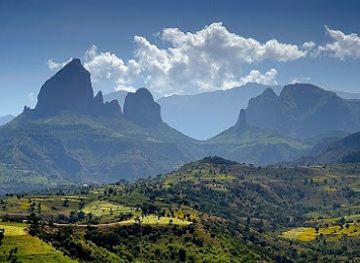
Semien Mountains
Discover the breathtaking Semien Mountains in Ethiopia, a UNESCO World Heritage site, perfect for hiking and experiencing rich biodiversity.
Best nightclubs in Tigray Region
Evening life in Tigray is concentrated in Mekelle, Axum and larger district towns rather than spread across the rural highlands. Cafés, hotel lounges, traditional establishments serving siwa or local beer, and restaurants provide the main settings for socialising, with music sometimes forming part of the evening atmosphere. Mekelle offers the broadest choice of modern cafés and bars, while Axum combines visitor-oriented restaurants with more informal local venues. In Gheralta, Adwa and rural church areas, nights are generally quiet and accommodation may centre on guesthouses or lodges rather than clubs. Nightlife can be affected by electricity supply, curfews, travel restrictions and security conditions, so avoid late rural road journeys and confirm arrangements locally. Alcohol is not necessary to engage with Tigray’s evening culture; coffee, conversation, food and community gatherings are equally important parts of social life.
-
National park
Simien Mountains National Park
Explore the breathtaking landscapes and unique wildlife of Simien Mountains National Park, a UNESCO World Heritage Site in Ethiopia.
-
Hotel
Limalimo Lodge
Discover the enchanting beauty of Simien Mountains National Park while staying at Limalimo Lodge, an eco-friendly retreat with breathtaking views and warm hospitality.
-
Lounge
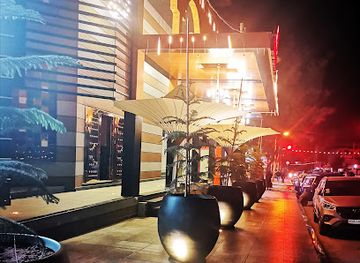
ላውንጅ ኢንፊንቲ | INFINITY LOUNGE
Discover the elegance of Infinity Lounge in Mekele, where relaxation meets sophistication in a stylish atmosphere.
-
 Bar
BarFikada
Discover the vibrant atmosphere of Fikada, a must-visit bar in Aksum, where local flavors and friendly faces await.
Best shops in Tigray Region
Shopping in Tigray is practical and locally rooted, with the widest selection in Mekelle and the main market areas of Axum, Shire and other larger towns. Markets offer grains, pulses, spices, coffee, woven goods, clothing and everyday household products, while small craft and souvenir shops may sell crosses, religiously inspired objects, baskets, textiles and locally made jewellery. Visitors should buy religious items only from reputable sellers and never remove antiquities, manuscripts, carved stones or archaeological material from the region. Packaged coffee, berbere and other dry foods can be useful souvenirs, provided they are permitted by destination-country customs rules. Rural markets are often the best places to observe regional trade, but they are primarily working markets rather than curated visitor attractions; ask before photographing people or stalls. Independent cafés and food shops provide additional opportunities to experience local produce. Retail hours, stock and payment facilities can be unpredictable, so carry birr and do not depend on finding specialist shopping outside the larger towns.
-
Supermarket
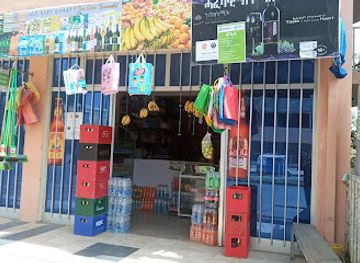
MESI SUPER MARKET
Explore Mesi Super Market in Aksum for an authentic taste of Ethiopian culture, featuring local products and friendly service.
-
Electronics store
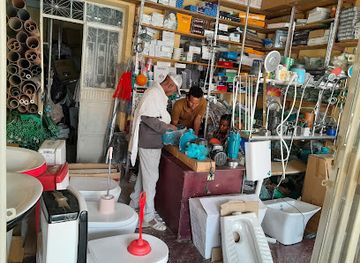
Abel Amanuel electric and sanitary materials shop
Explore Abel Amanuel in Adwa for top-quality electric and sanitary materials backed by exceptional service, perfect for all your travel needs.
-
Home goods store
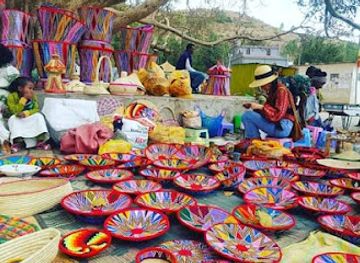
Hadas Berhe basket shop
Explore Hadas Berhe Basket Shop in Aksum for exquisite handmade basket ware, showcasing rich Ethiopian craftsmanship and culture.
-
Building materials store
Kenian sanitary Axum
Explore Kenian Sanitary Axum: A premier building materials store in Aksum, where quality meets local craftsmanship in Ethiopia.
Get your free copy of our complete guide to Tigray Region, delivered straight to you.
Everything on this page, from attractions and restaurants to essentials and local phrases, in one PDF you can read offline, print or share.
Already have an account? Sign in
Your Tigray Region guide is ready.
We'll send it to · Not you? Sign out

Getting your guide ready…
We are putting together a fresh copy of the Tigray Region guide. This can take up to a minute.
This can take a few moments. If your browser asks, choose Allow so the download can start. You'll find the guide in your Downloads folder.
Nothing happened? Download it again
Sorry, the guide is taking longer than usual. Please try again in a minute, or get it by email instead.
Tigray Region essentials
Currency and Payment
Safety
Emergency Situations
Do's and Don'ts
Local Tips
From Eve
Local phrases worth knowing
You don't need to get them perfect. A few words go a long way, and locals appreciate the effort.
Basics
| English | Local | Say it |
|---|---|---|
| Hello | ሰላም | [Selam] |
| Goodbye | ደህና መውጣት | [Dehna mewt'at] |
| Yes | አዎን | [Awen] |
| No | አይ | [Ay] |
| Please/You're welcome | እቅፍ እባክህ | [Eqif ebakih] |
| Thank you | እናመሰግናለን | [Enamesegenalen] |
| Excuse me/Sorry | እቅፍ | [Eqif] |
| How are you? | እንዴት ነህ/ነሽ? | [Endet neh/nesh?] |
| Fine. And you? | ደህና ነኝ። አንቀን? | [Dehna nen. Anqen?] |
| Do you speak English? | እንግሊዝኛ ትናገራለህ? | [Ingleznya tinategaraleh?] |
| I don't understand | አልተረዳኩም | [Alteradakum] |
Eating & Drinking
| English | Local | Say it |
|---|---|---|
| I'd like to see the menu, please | መነዛ እባክህ እየተመለከትኩ | [Menaza ebakih iyetemelakethu] |
| I don't eat meat | ስጋ አልበላም | [Siga albelam] |
| Cheers! | እንደገና እንኳን! | [Endegenna enkwan!] |
| I would like to pay, please | እባክህ ክፍያ እፈልጋለሁ | [Ebakhih kifeya ifelgalhu] |
Emergencies
| English | Local | Say it |
|---|---|---|
| Help! | እባክህ እንደገና! | [Ebakhih endegenna!] |
| Go away! | ሂደር! | [Hider!] |
| Call the Police! | ፖሊስ እባክህ ይደውሉ! | [Polis ebakih yidewlu!] |
| Call a doctor! | ዶክተር እባክህ ይደውሉ! | [Doktor ebakih yidewlu!] |
| I'm lost | እኔ እግዛለን | [Ine egzalel] |
| I'm ill | እኔ በሽታ ነኝ | [Ine beshita nen] |
Shopping
| English | Local | Say it |
|---|---|---|
| I'd like to buy... | ማሸጣት እፈልጋለሁ... | [Mashatat ifelgalhu...] |
| I'm just looking | እዚ እገዛለን | [Izi egezalen] |
| How much is it? | ዋጋው ምንድነው? | [Wagaw mindnew?] |
| That's too expensive | ይህ በጣም ውስብስብ ነው | [Yih bet'am wisbisib new] |
| Can you lower the price? | ዋጋው እባክህ እንደገና እንደሂወው? | [Wagaw ebakih endegenna endehiew?] |
Time & Numbers
| English | Local | Say it |
|---|---|---|
| What time is it? | ምን ሰዓት ነው? | [Min se'at new?] |
| It's one o'clock | አንድ ሰዓት ነው | [And se'at new] |
| Half past (10) | በ10 እስከ ወቅት | [Be 10 eske weqet] |
| Morning | ግማሽ | [Gimash] |
| Afternoon | ከሰአት በኋላ | [Kes'atat behwala] |
| Evening | ምሽት | [Mishit] |
| Yesterday | እንቁላል | [Enkulal] |
| Today | ዛሬ | [Zare] |
| Tomorrow | ነገ | [Nage] |
| 1 | 1 | [1] |
| 2 | 2 | [2] |
| 3 | 3 | [3] |
| 4 | 4 | [4] |
| 5 | 5 | [5] |
| 6 | 6 | [6] |
| 7 | 7 | [7] |
| 8 | 8 | [8] |
| 9 | 9 | [9] |
| 10 | 10 | [10] |
Transport & Directions
| English | Local | Say it |
|---|---|---|
| Where's a/the...? | የ... የት ነው? | [Ye... yet new?] |
| What's the address? | አድራሻ ምንድነው? | [Adirasha mindnew?] |
| Can you show me (on the map)? | በካርታ ማሳየት ይቻላል? | [Be kartah masayit yichalal?] |
| When's the next (bus)? | ቀጣይ ባስ ምንድነው? | [Ket'ay bas mindnew?] |
| A ticket (to ....) | በ... ምንድነው? | [Be... mindnew?] |
History of Tigray Region
Pre-Aksumite Yeha and Southern Arabian Connections
Yeha, near modern Adwa, is one of the most important archaeological sites in northern Ethiopia. Its great stone temple, generally dated to the first millennium BC, reflects the complex cultural and commercial connections that crossed the Red Sea between the northern Horn of Africa and southern Arabia. The site also includes later Christian structures, illustrating how religious and political landscapes changed over time. Yeha is significant not simply as an isolated ruin, but as evidence of early state formation, long-distance exchange and monumental building traditions in the Tigray highlands.
The Aksumite Kingdom, c. First–Seventh Centuries
The Aksumite kingdom developed around the northern Ethiopian and Eritrean highlands, with its political and ceremonial centre at Axum in present-day Tigray. It participated in Red Sea trade, issued its own coinage and adopted Christianity during the fourth century under King Ezana. Monumental stelae, elite tombs and inscriptions at Axum express the power of this kingdom, whose connections extended towards Arabia, the Mediterranean and the wider Indian Ocean world. Although Aksum’s political influence later declined, its religious and historical legacy remains central to Ethiopian identity.
Christian Monasticism and Rock-Hewn Churches
From late antiquity through the medieval period, Christianity became deeply rooted in Tigray’s highlands. Monastic communities and ecclesiastical centres developed in remote valleys, caves and cliff sanctuaries, helping to preserve religious texts, artistic traditions and systems of learning. Churches carved from rock or built against dramatic sandstone formations became defining features of the region. Sites around Gheralta, Wukro and the wider eastern highlands reflect different phases of construction, painting and devotion. Many remain active places of worship, linking historic architecture with contemporary Orthodox Christian life.
Medieval Northern Ethiopian Kingdoms and Trade Routes
After the decline of Aksum, northern Ethiopia remained important to successive Christian kingdoms and regional trading networks, although political centres shifted over time. Tigray’s highlands connected the interior with routes towards the Red Sea, while its monasteries and churches supported royal legitimacy and religious authority. The region’s mountains could provide refuge and strategic strength, but also made administration and travel difficult. Surviving church traditions, manuscripts, inscriptions and settlement patterns preserve elements of these medieval political and cultural transformations.
Negash and Ethiopia’s Early Muslim Heritage
Negash, in eastern Tigray, is traditionally associated with the first Muslim hijra, or migration, to Ethiopia in the seventh century. According to Islamic tradition, followers of the Prophet Muhammad sought protection from persecution across the Red Sea and were received by the Christian ruler known as the Negus. The historic settlement and cemetery have lasting significance for Ethiopian and international Muslim communities. Negash demonstrates that Tigray’s history is not solely Christian or Aksumite, but also includes important Islamic traditions and memories of refuge.
Adwa and the Defence of Ethiopian Sovereignty, 1896
The Battle of Adwa, fought on 1 March 1896 in the mountains near Adwa, was a decisive Ethiopian victory over invading Italian forces. Emperor Menelik II and Empress Taytu Betul led a large Ethiopian mobilisation, while the result halted Italy’s attempt to impose a colonial treaty on Ethiopia. Adwa became a powerful symbol of African resistance to European colonialism and remains a major part of Ethiopian national memory. The surrounding landscape and local commemorations give the historical event a particularly strong regional presence.
Italian Occupation and the Struggle for Liberation, 1935–1941
Italy invaded Ethiopia in 1935 and incorporated Tigray into its colonial project, bringing military occupation, coercion and infrastructure changes alongside severe violence. Resistance continued in northern Ethiopia, and the wider region became a theatre of conflict during the struggle that eventually expelled Italian forces in 1941. Roads, administrative buildings and military remains from the occupation form part of a complicated historical legacy. The period also affected local communities through displacement, economic disruption and armed resistance, memories that continue to shape interpretations of twentieth-century Tigray.
Conflict, Reconstruction and Heritage Protection in the Twenty-First Century
Tigray has experienced major political and humanitarian upheaval in the twenty-first century, including the devastating war that began in 2020 and a cessation of hostilities agreement in 2022. Communities, cultural institutions and historic sites suffered damage, disruption and loss, while access for researchers and visitors became highly unpredictable. Reconstruction and documentation remain ongoing, and conditions differ markedly between districts. Travellers should treat heritage visits as part of a changing recovery landscape, follow current security guidance and avoid assuming that formerly accessible sites or services are operating normally.
Tigray Region in Photos
Browse through our photo collection highlighting the charm and character of the destination.
Neighbouring regions of Tigray Region
The closest regions to Tigray Region, if you have time for more than one.
-

-

-

-

-


Swipe for more regions
Explore more

Explore more of Ethiopia
Discover Ethiopia: A land of ancient history, breathtaking landscapes, and rich cultural heritage, offering an unforgettable journey through time and nature.
Explore Ethiopia