

Free Wollo Travel Guide & Mobile App
Explore Wollo with free travel guides. Discover regional history, expert tips, proposed trips, and audio guides on web or mobile app.


Explore Wollo in Ethiopia for Lalibela's rock-hewn churches, highland lakes, escarpment scenery, historic towns and distinctive cultural traditions.
Read more about Wollo
When is the best time to visit Wollo?
Best: April–June · 24–25°C| Month | High (°C) | Rainfall (mm) |
|---|---|---|
| January | 21 | 15 |
| February | 22 | 20 |
| March | 23 | 26 |
| April (best) | 24 | 30 |
| May (best) | 25 | 35 |
| June (best) | 25 | 41 |
| July | 25 | 45 |
| August | 24 | 41 |
| September | 24 | 35 |
| October | 22 | 30 |
| November | 21 | 26 |
| December | 20 | 20 |
Getting to and around Wollo
How to get there
Transportation
Top city travel guides in Wollo
The cities of Wollo, and the easiest places to base yourself.

Swipe for more cities
Best attractions in Wollo
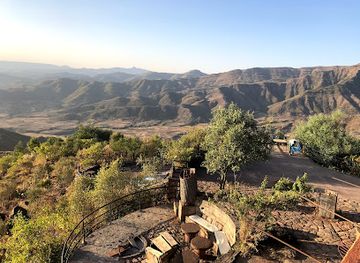
Wollo's attractions combine major religious heritage with highland scenery and historically important mountain sites. Lalibela's rock-hewn churches are the region's principal cultural destination: the interconnected sanctuaries, trenches and tunnels remain active places of Ethiopian Orthodox worship rather than museum pieces. Around Lake Hayq, visitors find a quieter landscape of water, cultivated hills and long-established monastic traditions. Dessie and Kombolcha provide urban bases for exploring southern Wollo, with markets, cafés and access to surrounding escarpment country, while Woldiya is a useful base for the north. The mountain stronghold of Mekdela offers a powerful historical connection with Emperor Tewodros II, although access requires careful planning and current local advice. Rural journeys reveal terraced fields, changing vegetation and dramatic transitions between highland and lowland environments. Birdlife, walking and landscape photography are possible, but remote outdoor activities should be organised with local knowledge because paths, roads, communications and security conditions vary. The region's strongest appeal lies in the relationship between living religious traditions, difficult terrain and a history that reaches from medieval church building to modern humanitarian memory.
-
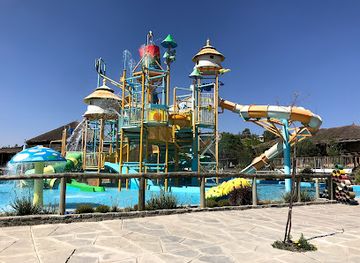
Water park
Kuriftu Water Park
Experience a day of aquatic thrills and relaxation at East Africa's largest water park, nestled in the beautiful crater lake town of Bishoftu.
-
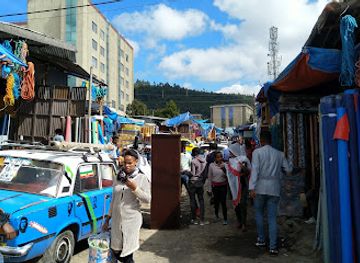
Tourist attraction
Shola Market | Megenagna
Experience the vibrant culture of Addis Ababa at Shola Market, a bustling hub of local commerce with fresh produce, crafts, and textiles.
-
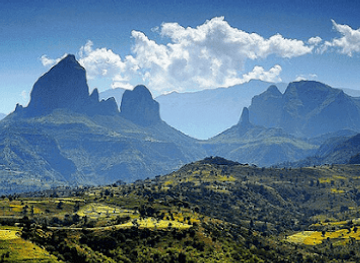
National park
Simien Mountains National Park
Discover Ethiopia's Simien Mountains National Park: A UNESCO World Heritage Site with dramatic landscapes, unique wildlife, and world-class trekking.
-
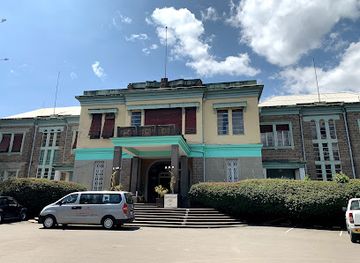
Tourist attraction
Ethnological Museum
Discover Ethiopia's vibrant cultural heritage at the Ethnological Museum, housed in a former palace on Addis Ababa University's campus.
Best landmarks in Wollo
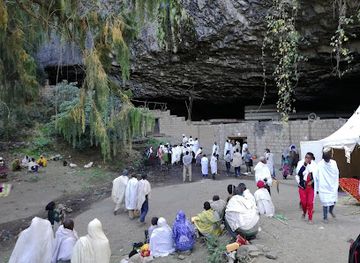
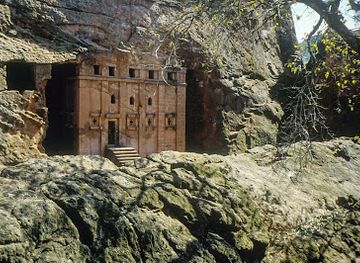
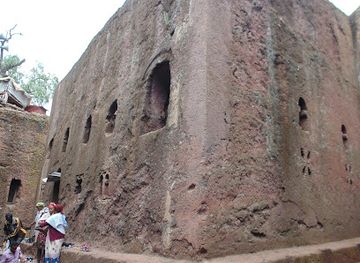
Lalibela's eleven rock-hewn churches form Wollo's most recognisable landmark ensemble. Carved into the volcanic rock beneath ground level, they include the cross-shaped Church of Saint George and the large Bete Medhane Alem, and are linked by courtyards, channels and passageways used in religious processions. Their importance lies not only in engineering and medieval design but also in their continuing role as places of worship. Mekdela is a different kind of landmark: the high mountain site associated with Emperor Tewodros II, the 1868 British expedition and the final chapter of his reign. Lake Hayq provides Wollo's principal natural landmark, a highland body of water framed by cultivated slopes and associated with ancient monastic traditions. The escarpment roads and upland plateaux around Dessie, Woldiya and Lalibela are also defining geographical features, revealing abrupt changes in altitude, climate and vegetation. Together these places express Wollo's identity through sacred architecture, imperial history, water and steep terrain rather than through a single urban monument.
-
Heritage museum
Rock-Hewn Churches, Lalibela
Discover the Rock-Hewn Churches of Lalibela, a UNESCO World Heritage site that showcases Ethiopia's rich history and extraordinary architectural achievements.
-
Orthodox church
Yemrehana Krestos Church | ይምርሃነ ክርስቶስ ቤተክርስቲያን
Discover the breathtaking Yemrehana Krestos Church in Degosay, Ethiopia - a stunning example of Orthodox architecture and spiritual heritage.
-
Church
Bete Abba Libanos
Explore Bete Abba Libanos, a stunning rock-hewn church in Lalibela, Ethiopia, rich in history and spiritual significance, perfect for all travelers.
-
Church
Tomb of Adam
Discover the Tomb of Adam in Lalibela, Ethiopia, a sacred site steeped in Christian tradition and rich history that captures the essence of spirituality.
Explore Wollo on the map
Plan your trip on one map. See where the top cities, national parks and sights are, and book hotels and experiences in a few clicks.
Best hotels in Wollo
Best restaurants in Wollo
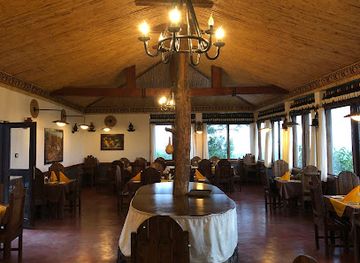
Dining in Wollo follows the broader Ethiopian highland tradition while reflecting the region's agricultural and trading connections. Injera is commonly served with stews such as doro wat, meat dishes, lentils, beans and vegetable preparations, with spice blends and preparation styles varying between households and towns. Dessie, Kombolcha, Woldiya and Lalibela offer the widest choice of restaurants, cafés and hotel dining rooms, while smaller settlements generally have simpler eateries and market food. Coffee ceremonies are an important social experience across Ethiopia, and local cafés are useful places to observe everyday town life. Honey, grains, pulses and dairy products are significant rural foods, while fasting dishes based on vegetables and legumes are widely available. Visitors should distinguish genuinely local produce from dishes found throughout Ethiopia: Wollo's culinary identity is more regional in its ingredients and social setting than in a single nationally recognised dish. In Lalibela, allow time for meals at establishments accustomed to international travellers, but expect service and menus to be more limited outside the main tourist centres.
-
Restaurant
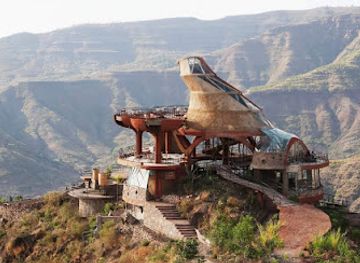
Ben Abeba
Experience authentic Ethiopian cuisine at Ben Abeba in Lalibela—where stunning views meet exceptional flavors.
-
Restaurant
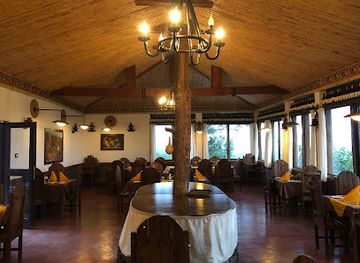
Kana Restaurant and Bar
Experience authentic Ethiopian flavors at Kana Restaurant and Bar in Lalibela – where every dish tells a story.
-
Restaurant
Ma'ed Lalibela Restaurant
Discover authentic Ethiopian flavors at Ma'ed Lalibela Restaurant—where tradition meets taste in the heart of Lalibela.
-
Restaurant
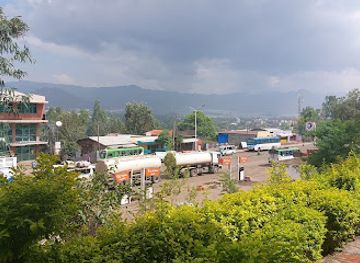
Yegof view Hotel/kombolcha
Experience the rich flavors of Ethiopia at Yegof View Hotel, where traditional cuisine meets warm hospitality in Kombolcha.

Best bars in Wollo
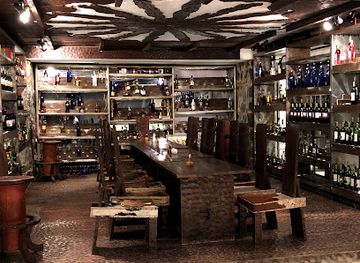
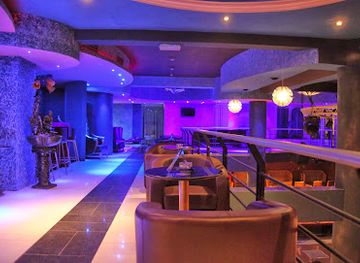
Evening life in Wollo is generally understated and centred on cafés, traditional bars, hotel lounges and local restaurants rather than a large nightclub circuit. Dessie and Kombolcha have the broadest urban choice, with places serving bottled drinks, tej or locally available beer and occasional music, while Lalibela's evening scene is oriented towards restaurants, cultural performances and relaxed hotel settings. Woldiya and smaller towns tend to close earlier and offer fewer formal entertainment venues. Traditional tej houses can provide an insight into local drinking culture, but visitors should choose reputable premises and drink cautiously. Live music, dancing and celebrations may occur around religious or community occasions, although schedules and access are not dependable enough to plan an itinerary around them. Night travel on rural roads is best avoided because of poor lighting, changing road conditions and security concerns.
-
Grill
Union Cocktail Bar & Restaurant
Discover a vibrant blend of Ethiopian and international flavors at Union Cocktail Bar & Restaurant in the heart of Addis Ababa.
-
Lounge
Black Rose Lounge
Discover the lively Black Rose Lounge in Addis Ababa, a premier destination for nightlife with exquisite cocktails and a vibrant atmosphere.
-
Bar
Black Pearl sports Bar
Discover the lively atmosphere of Black Pearl Sports Bar in Addis Ababa, where sports, music, and good company come together for an unforgettable night.
-
Restaurant
Kana Restaurant and Bar
Discover the authentic taste of Ethiopia at Kana Restaurant and Bar in Lalibela, where tradition meets flavor in a cozy setting.

Best nightclubs in Wollo
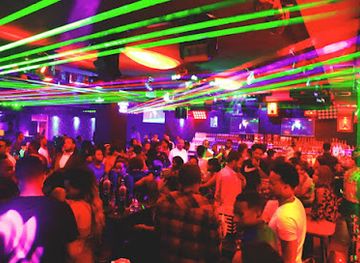
Evening life in Wollo is generally understated and centred on cafés, traditional bars, hotel lounges and local restaurants rather than a large nightclub circuit. Dessie and Kombolcha have the broadest urban choice, with places serving bottled drinks, tej or locally available beer and occasional music, while Lalibela's evening scene is oriented towards restaurants, cultural performances and relaxed hotel settings. Woldiya and smaller towns tend to close earlier and offer fewer formal entertainment venues. Traditional tej houses can provide an insight into local drinking culture, but visitors should choose reputable premises and drink cautiously. Live music, dancing and celebrations may occur around religious or community occasions, although schedules and access are not dependable enough to plan an itinerary around them. Night travel on rural roads is best avoided because of poor lighting, changing road conditions and security concerns.
-
Night club
Bar Melo | Chichinya | ባር ሜሎ |
Experience the vibrant nightlife of Addis Ababa at Bar Melo, a unique night club blending Ethiopian culture with modern entertainment.
-
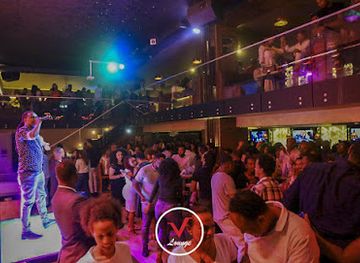
Night club
V Lounge Addis | wollo sefer | ቪ ላዉንጅ አዲስ | ወሎ ሰፈር
Experience the vibrant nightlife of Addis Ababa at V Lounge, where delicious cuisine meets live music in a stylish setting.
-
Night club
Club H2O | Hayahulet | ክለብ ኤች ቱ ኦ | ሀያ ሁለት
Discover the heart of Addis Ababa's nightlife at Club H2O, a vibrant night club with electrifying music and a lively atmosphere.
-
Night club
Surrender night club
Discover the electrifying atmosphere of Surrender Night Club, a top nightlife destination in Addis Ababa, where music and culture unite.

Best shops in Wollo
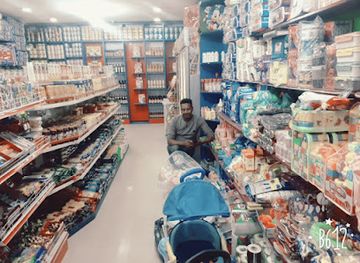
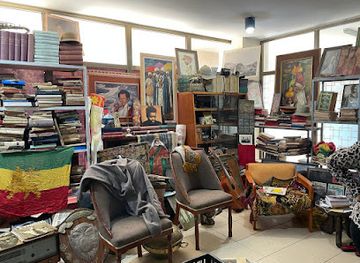
Shopping in Wollo is concentrated in the market streets and commercial centres of Dessie, Kombolcha, Woldiya and Lalibela. These towns sell everyday Ethiopian clothing, woven fabrics, baskets, leather goods, household items, spices, coffee and locally produced foodstuffs, while Lalibela has the largest selection of crafts aimed at visitors, including religious paintings, crosses, jewellery and textiles. Rural markets are more useful for observing regional trade in grain, livestock, honey and agricultural produce than for buying polished souvenirs, and their days differ from one locality to another. Bargaining is customary for some goods but should be conducted courteously; fixed prices are more common in established shops and hotels. Visitors seeking durable regional purchases should look for handwoven textiles, baskets, locally roasted coffee and small craft objects, checking quality and provenance before buying. Antique religious artefacts and archaeological material should not be purchased, and export rules for cultural objects can be strict.
-
Supermarket
Wollo Market
Discover the vibrant atmosphere and local flavors at Wollo Market, a must-visit supermarket in Moyale, Ethiopia.
-
Gift shop
Abdi Negash Antique Store
Explore the Abdi Negash Antique Store in Addis Ababa for unique antiques, art, and rare books that showcase Ethiopia's vibrant culture.
-
 Store
StoreMibe
Explore Mibe in Hayk for a delightful shopping experience featuring local crafts and unique treasures from Ethiopia.
-
Cosmetics store
Selu cosmo
Experience the essence of beauty at Selu Cosmo, your ultimate destination for cosmetics in Dese, Ethiopia.

Get your free copy of our complete guide to Wollo, delivered straight to you.
Everything on this page, from attractions and restaurants to essentials and local phrases, in one PDF you can read offline, print or share.
Already have an account? Sign in
Your Wollo guide is ready.
We'll send it to · Not you? Sign out

Getting your guide ready…
We are putting together a fresh copy of the Wollo guide. This can take up to a minute.
This can take a few moments. If your browser asks, choose Allow so the download can start. You'll find the guide in your Downloads folder.
Nothing happened? Download it again
Sorry, the guide is taking longer than usual. Please try again in a minute, or get it by email instead.
Wollo essentials
Currency and Payment
Safety
Emergency Situations
Do's and Don'ts
Local Tips
From Eve
Local phrases worth knowing
You don't need to get them perfect. A few words go a long way, and locals appreciate the effort.
Basics
| English | Local | Say it |
|---|---|---|
| Hello | ሰላም | [Selam] |
| Goodbye | ደህና ይሁን | [Dehna yihun] |
| Yes | አዎን | [Awen] |
| No | አይ | [Ay] |
| Please/You're welcome | እቅፍ | [Eqef] |
| Thank you | አመሰግናለሁ | [Amesegenallo] |
| Excuse me/Sorry | እቅፍ እቅፍ | [Eqef eqef] |
| How are you? | እንዴት ነህ/ነሽ? | [Endet neh/nesh?] |
| Fine. And you? | ደህና ነኝ። አንተ/አንቺ? | [Dehna nen. Ante/Anchi?] |
| Do you speak English? | እንግሊዝኛ ትናገራለህ? | [Inglizinya t'naageralleh?] |
| I don't understand | አልተረዳኩም | [Alteradakum] |
Eating & Drinking
| English | Local | Say it |
|---|---|---|
| I'd like to see the menu, please | እቅፍ ማንደባ ማየት እፈልጋለሁ | [Eqef mandeba mayet ifelgallo] |
| I don't eat meat | ጭምብ አልበላም | [Chimib albelam] |
| Cheers! | ወደ ጤና | [Wede tena] |
| I would like to pay, please | እቅፍ ክፍያ እፈልጋለሁ | [Eqef kifeya ifelgallo] |
Emergencies
| English | Local | Say it |
|---|---|---|
| Help! | እርዳታ! | [Erdata!] |
| Go away! | ወደ አንድ ሂድ! | [Wede and hid!] |
| Call the Police! | ፖሊስ ይደውሉ! | [Polis yidewlu!] |
| Call a doctor! | ዶክተር ይደውሉ! | [Dokter yidewlu!] |
| I'm lost | እኔ ጥፍተኛ ነኝ | [Ine t'ifetegnaw nen] |
| I'm ill | እኔ በሽታ ነኝ | [Ine beshta nen] |
Shopping
| English | Local | Say it |
|---|---|---|
| I'd like to buy... | እቅፍ ለመግዛት እፈልጋለሁ... | [Eqef lemegzat ifelgallo...] |
| I'm just looking | እኔ ብቻ ነኝ | [Ine bicha nen] |
| How much is it? | ዋጋው ምን ነው? | [Wagaw min new?] |
| That's too expensive | ይህ እጅግ ውድ ነው | [Yih ejig wid new] |
| Can you lower the price? | ዋጋው ወደ ታች ማድረግ ይቻላል? | [Wagaw wede tach madreg yichalal?] |
Time & Numbers
| English | Local | Say it |
|---|---|---|
| What time is it? | ምን ሰዓት ነው? | [Min se'at new?] |
| It's one o'clock | አንድ ሰዓት ነው | [And se'at new] |
| Half past (10) | ከ(10) ወቅት ገደም | [Ke(10) weqt gedem] |
| Morning | ጠዋት | [Te'wat] |
| Afternoon | ከሰዓት በኋላ | [Kesa'at behwala] |
| Evening | ምሽት | [Mishit] |
| Yesterday | ገና | [Gena] |
| Today | ዛሬ | [Zare] |
| Tomorrow | ሐምሌ | [Hamle] |
| 1 | 1 | [1] |
| 2 | 2 | [2] |
| 3 | 3 | [3] |
| 4 | 4 | [4] |
| 5 | 5 | [5] |
| 6 | 6 | [6] |
| 7 | 7 | [7] |
| 8 | 8 | [8] |
| 9 | 9 | [9] |
| 10 | 10 | [10] |
Transport & Directions
| English | Local | Say it |
|---|---|---|
| Where's a/the...? | አየ ወይም የሚለው የት? | [Aye weyim yemilew yet?] |
| What's the address? | አድራሻው ምን ነው? | [Adirashaw min new?] |
| Can you show me (on the map)? | እቅፍ በካርታ እንዴት እታይ? | [Eqef be karta endet itay?] |
| When's the next (bus)? | ቀጣይ (ባስ) መነሻ ወቅት እንዴት ነው? | [Ket'ay (bas) menesha weqt endet new?] |
| A ticket (to ....) | ወንበር (ወደ....) | [Wenber (wede....)] |
History of Wollo
Early Highland Kingdoms and Monastic Traditions
The highlands of Wollo formed part of the wider northern Ethiopian cultural sphere connected to the Aksumite and post-Aksumite worlds. Although the region was not the political centre of Aksum, its uplands, routes and religious communities were drawn into the expansion of Christianity and the development of Ethiopian church institutions. Monasteries and churches helped preserve manuscripts, teach liturgy and organise agricultural communities. The mountainous terrain encouraged strong local identities, while passes and valleys connected the highlands with the eastern lowlands and the trade routes beyond them.
The Zagwe Dynasty and Lalibela
During the Zagwe period, generally dated from the late twelfth to the thirteenth century, the area around Lalibela became one of Ethiopia's most important religious centres. King Lalibela is traditionally associated with the creation of the town's extraordinary rock-hewn churches, carved and excavated from volcanic rock rather than assembled from blocks. Their connected courtyards, trenches and passageways form a ceremonial landscape as well as an architectural achievement. The churches remained active places of worship, allowing medieval traditions to continue within a living Christian community.
Muslim Sultanates, Trade and Cultural Exchange
Wollo occupied a meeting zone between the Christian highlands and Muslim communities and trading networks extending towards the eastern lowlands and the Red Sea. Muslim sultanates in the wider eastern Ethiopian region influenced commerce, diplomacy and patterns of settlement, while local Muslim communities became an enduring part of Wollo's social landscape. Trade in livestock, grain, textiles and other goods linked market centres across difficult terrain. Christian and Muslim institutions developed side by side, producing a cultural history marked by exchange as well as periods of political and military rivalry.
Oromo Movement and the Making of Wollo
From the sixteenth century onwards, Oromo migrations and settlement reshaped much of central and northern Ethiopia, including Wollo. Oromo communities established themselves in parts of the region and interacted with existing Amhara, Muslim and Christian populations. Over time, political alliances, intermarriage, language change and competition for land created a complex regional society rather than a simple division between separate groups. Contemporary Wollo still reflects these layered histories in its languages, religious affiliations, names, music and patterns of settlement.
Mekdela and Emperor Tewodros II
Mekdela, also known as Magdala, became the mountain stronghold of Emperor Tewodros II in the nineteenth century. Tewodros sought to reunify and centralise Ethiopia after a period of political fragmentation, and he used the difficult highland terrain as a strategic base. In 1868, a British expedition reached Mekdela after a major military campaign to secure the release of European hostages held by the emperor. Tewodros died at Mekdela, and the episode remains one of the most important events in Wollo's modern historical memory.
Imperial Administration and Transport Development
During the twentieth century, Wollo became more closely integrated into the administrative and economic structures of the Ethiopian Empire and later the modern Ethiopian state. Towns such as Dessie and Kombolcha expanded as administrative, commercial and transport centres, connecting highland agriculture with routes towards Addis Ababa, the northern highlands and the Afar lowlands. Roads, schools, government offices and markets altered older patterns of movement, although remote communities continued to depend heavily on local agriculture, seasonal trade and difficult mountain routes.
Drought, Famine and Humanitarian Awareness
Wollo suffered severe drought and famine, most prominently during the early 1970s and again during the catastrophic famine of the mid-1980s. Crop failures, poverty, conflict, limited infrastructure and restricted access to markets intensified the effects of drought. Images from Wollo helped bring international attention to famine in Ethiopia and influenced the development of large-scale humanitarian relief efforts. The history is also a reminder that environmental hardship is shaped by political and economic conditions, not by climate alone.
Wollo in Photos
Browse through our photo collection highlighting the charm and character of the destination.
Neighbouring regions of Wollo
The closest regions to Wollo, if you have time for more than one.
-

-

-

-

-


Swipe for more regions
Explore more

Explore more of Ethiopia
Discover Ethiopia: A land of ancient history, breathtaking landscapes, and rich cultural heritage, offering an unforgettable journey through time and nature.
Explore Ethiopia