

Free Gojjam Travel Guide & Mobile App
Explore Gojjam with free travel guides. Discover regional history, expert tips, proposed trips, and audio guides on web or mobile app.


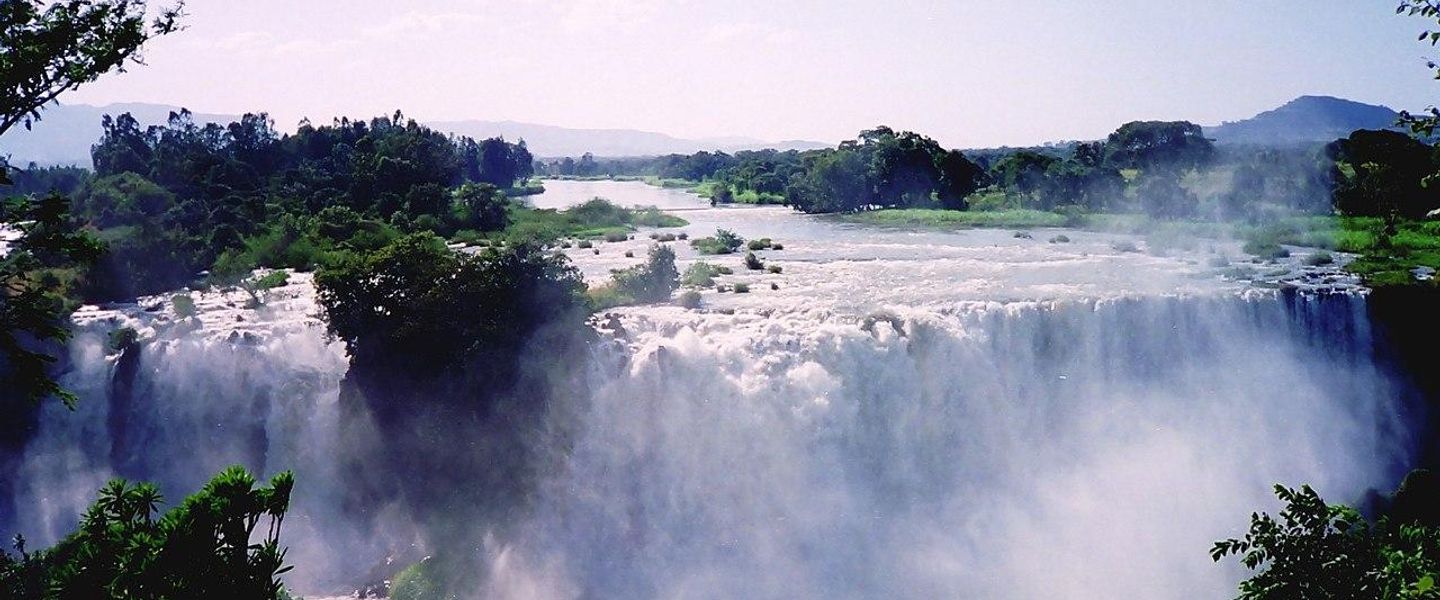


Explore Gojjam's Ethiopian highlands, Abay landscapes, market towns, Orthodox heritage and rural traditions with careful local planning.
Read more about Gojjam
When is the best time to visit Gojjam?
Best: March–May · 23–24°C| Month | High (°C) | Rainfall (mm) |
|---|---|---|
| January | 21 | 5 |
| February | 22 | 7 |
| March (best) | 23 | 10 |
| April (best) | 24 | 15 |
| May (best) | 24 | 30 |
| June | 24 | 60 |
| July | 23 | 80 |
| August | 22 | 70 |
| September | 22 | 50 |
| October | 22 | 20 |
| November | 21 | 10 |
| December | 21 | 7 |
Getting to and around Gojjam
How to get there
Transportation
Top city travel guides in Gojjam
The cities of Gojjam, and the easiest places to base yourself.
-

-

-


Swipe for more cities
Destinations in Gojjam
Resorts, valleys and scenic spots worth a trip of their own.

Swipe for more destinations
Best attractions in Gojjam
Gojjam's attractions are primarily landscape-based, historical and community-oriented rather than organised around a dense chain of commercial sites. The Abay gorge and its crossing near Dejen reveal the dramatic transition between the central plateau and the great river valley, while the higher country around the Choke Mountain massif offers upland scenery, cultivation and opportunities for carefully arranged walking. Debre Markos provides the region's most accessible urban introduction, with markets, churches and everyday commercial life, while Bichena, Mota, Bure and Finote Selam connect visitors with different agricultural and trading areas. Orthodox churches and monasteries, some containing paintings, manuscripts or distinctive local traditions, should be visited with appropriate permission and a knowledgeable guide. Rural markets are attractions in their own right, showing the movement of grain, livestock, coffee and household goods across the plateau. Wildlife viewing is not the region's principal tourism strength, and remote journeys require advance security, transport and accommodation planning.
-
Historical landmark
Meskel Square
Explore Meskel Square, Addis Ababa's cultural heart, where vibrant celebrations and daily life come together in a historical landmark.
-
Market
Merkato
Experience the richness of Ethiopian culture at Merkato, Africa's largest open-air market, where vibrant colors and local flavors await.
-
Historical landmark
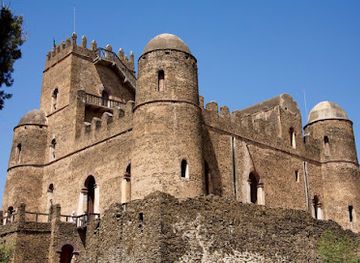
Fasil Ghebbi
Discover the majestic Fasil Ghebbi in Gondar, Ethiopia, a UNESCO World Heritage Site showcasing the grandeur of the 17th-century Ethiopian Empire.
-
Waterfall
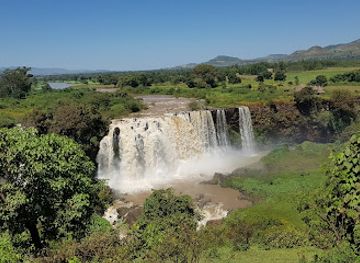
Blue Nile Falls
Discover the awe-inspiring beauty of Blue Nile Falls, a breathtaking natural wonder in Ethiopia, where adventure meets serenity amidst stunning landscapes.
Best landmarks in Gojjam
The Abay River is Gojjam's defining geographical landmark, cutting a deep gorge between the highlands and forming a powerful natural boundary in the region's history and imagination. The historic bridge at Dejen is an important engineering and transport landmark on the road linking Addis Ababa with the north-west, although the surrounding crossing should be approached with current local advice. Choke Mountain and its highland slopes provide a major natural reference point, rising above cultivated plateaux and shaping watersheds, weather and settlement patterns. Debre Markos's churches and civic buildings represent the region's principal urban landmark group, while older Orthodox churches and monasteries across Gojjam preserve religious art, manuscripts and local architectural traditions. Many rural sacred sites are active places of worship rather than conventional monuments, so their significance is best understood through respectful visits arranged with local assistance. Market squares in towns such as Bichena, Mota, Bure and Finote Selam are also important functional landmarks, reflecting the region's continuing dependence on agricultural exchange.
-
Museum
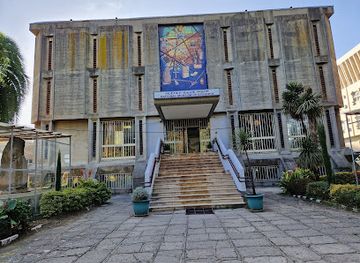
National Museum of Ethiopia
Discover Ethiopia's rich history and culture at the National Museum, home to the ancient fossil 'Lucy' and stunning artistic treasures.
-
City park
Unity Park
Discover the beauty and history of Unity Park in Addis Ababa, where culture, nature, and art converge in a vibrant urban oasis.
-
Historical landmark
Meskel Square
Explore Meskel Square, Addis Ababa's vibrant historical landmark, rich in culture and community spirit, perfect for immersing in Ethiopian heritage.
-
Historical landmark
Fasil Ghebbi
Explore the majestic Fasil Ghebbi, a UNESCO World Heritage Site in Gondar, Ethiopia, where history and architectural beauty come alive.
Explore Gojjam on the map
Plan your trip on one map. See where the top cities, national parks and sights are, and book hotels and experiences in a few clicks.
Best hotels in Gojjam
Best restaurants in Gojjam
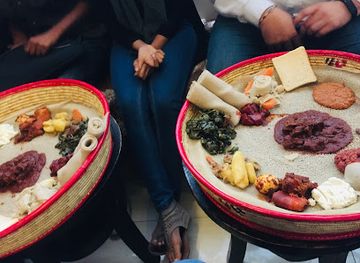
Dining in Gojjam is centred on Ethiopian home cooking, cafés, market stalls, hotels and traditional restaurants rather than a large independent restaurant scene. Injera commonly accompanies wot and other stews, with lentils, chickpeas, vegetables and meat appearing according to household custom, season and availability. Breakfast and roadside meals may include bread, eggs, beans or porridge, while roasted grains and local snacks are sold in markets. Coffee ceremonies remain an important social experience, and coffee is prepared slowly with roasting, grinding and repeated servings. In towns, bottled drinks and simple international dishes may be available, but choice becomes narrower in rural districts. Visitors should carry safe drinking water and should not expect menus, refrigeration or payment facilities to be consistent outside the main urban centres. Respect for fasting practices is useful, as Orthodox Christian fasting periods influence what many people eat and what some establishments serve.
-
American
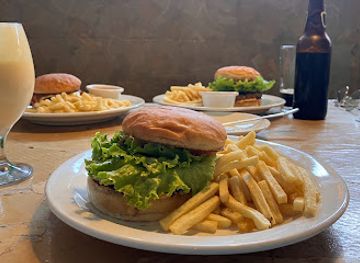
Sishu | Kera
Experience authentic American cuisine at Sishu | Kera in Addis Ababa - where flavor meets comfort in every bite.
-
Ethiopian
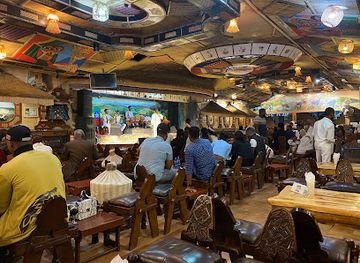
Yod Abyssinia Traditional Restaurant
Discover authentic Ethiopian flavors and vibrant culture at Yod Abyssinia Traditional Restaurant in Addis Ababa.
-
Ethiopian
Kategna Restaurant
Experience authentic Ethiopian cuisine at Kategna Restaurant in Addis Ababa - where every dish tells a story.
-
Ethiopian
2000 Habesha cultural restaurant | Bole Atlas | 2000 ሀበሻ የባህል ሬስቶራንት | ቦሌ አትላስ
Savor authentic Ethiopian cuisine amidst cultural richness at 2000 Habesha Cultural Restaurant in Addis Ababa.

Best bars in Gojjam
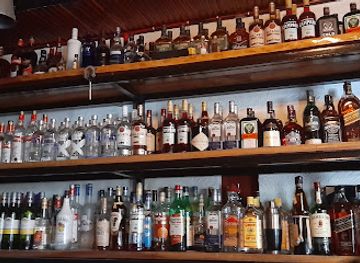
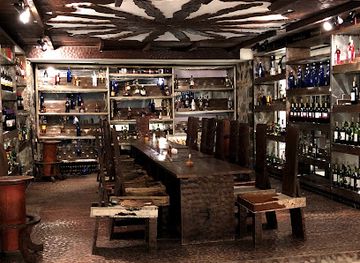
Evening life in Gojjam is generally low-key and concentrated in the larger towns, especially around Debre Markos and other administrative or market centres. Traditional cafés, hotel bars and local establishments provide places for conversation, coffee, beer and televised sport, while music may be offered on busy evenings or during celebrations. Rural communities usually have little formal nightlife, and social gatherings often centre on homes, cafés, religious calendars or local ceremonies rather than nightclubs. Opening arrangements, alcohol availability and public activity can change with security conditions, religious observances and local regulations. Visitors should avoid walking unfamiliar roads after dark, use trusted transport and follow local advice. The region is better suited to early starts, market visits and cultural encounters than to a late-night entertainment itinerary.
-
Grill
Union Cocktail Bar & Restaurant
Experience the vibrant flavors of Ethiopia at Union Cocktail Bar & Restaurant, where delicious grilled dishes meet a lively atmosphere in Addis Ababa.
-
Bar
Haile's Mojito Bar
Experience the vibrant nightlife of Addis Ababa at Haile's Mojito Bar, where refreshing cocktails meet a lively atmosphere.
-
Lounge
Black Rose Lounge
Discover the lively ambiance and exquisite drinks at Black Rose Lounge, a top destination for nightlife in Addis Ababa.
-
Night club
Bar Melo | Chichinya | ባር ሜሎ |
Experience the vibrant nightlife at Bar Melo, a unique night club in Addis Ababa blending Ethiopian culture with modern entertainment.

Best nightclubs in Gojjam
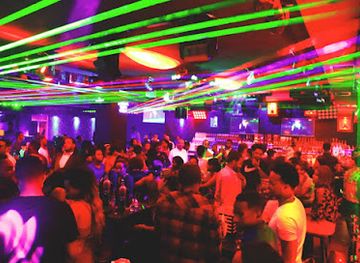
Evening life in Gojjam is generally low-key and concentrated in the larger towns, especially around Debre Markos and other administrative or market centres. Traditional cafés, hotel bars and local establishments provide places for conversation, coffee, beer and televised sport, while music may be offered on busy evenings or during celebrations. Rural communities usually have little formal nightlife, and social gatherings often centre on homes, cafés, religious calendars or local ceremonies rather than nightclubs. Opening arrangements, alcohol availability and public activity can change with security conditions, religious observances and local regulations. Visitors should avoid walking unfamiliar roads after dark, use trusted transport and follow local advice. The region is better suited to early starts, market visits and cultural encounters than to a late-night entertainment itinerary.
-
Night club
Bar Melo | Chichinya | ባር ሜሎ |
Experience the vibrant nightlife of Addis Ababa at Bar Melo, where music, dance, and local culture come together in an unforgettable atmosphere.
-
Night club
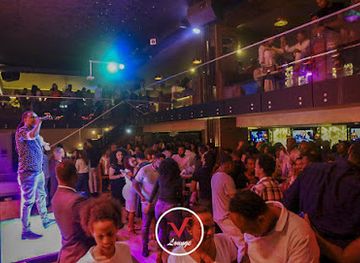
V Lounge Addis | wollo sefer | ቪ ላዉንጅ አዲስ | ወሎ ሰፈር
Experience the heartbeat of Addis Ababa's nightlife at V Lounge, where live music meets vibrant dining in a stunning atmosphere.
-
Lounge
The Club Addis
Experience the vibrant culture of Addis Ababa at The Club Addis, where Ethiopian flavors meet a lively lounge atmosphere.
-
Lounge
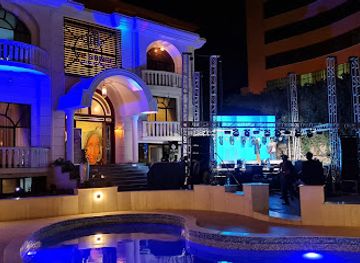
Pandora Addis
Discover the pulse of Addis Ababa's nightlife at Pandora Addis, a lively lounge and disco club with stunning views and great vibes.

Best shops in Gojjam
Shopping in Gojjam is closely tied to its market towns and agricultural economy. Debre Markos offers the broadest practical selection of food, clothing, household goods, telecommunications services and travel supplies, while Bichena, Mota, Bure and Finote Selam serve surrounding rural districts on market days. Visitors may find locally produced grains, pulses, honey, coffee, woven textiles, baskets, leather goods and simple handicrafts, although quality and availability vary by season and town. Markets are primarily working trading places rather than curated souvenir venues, so ask permission before photographing people and compare prices respectfully. Ethiopian Orthodox devotional objects, crosses and paintings should be bought through legitimate sellers and treated as religious items rather than casual decorations. Carry cash in smaller birr notes, protect purchases from dust and rain, and do not assume that shops outside the larger towns accept cards or have regular opening arrangements.
-
Market
Shola Market | Megenagna
Experience the vibrant atmosphere of Shola Market in Addis Ababa, where local crafts, delicious street food, and rich culture come together.
-
Handicraft
Salem's Ethiopia
Discover the heart of Ethiopian culture at Salem's Ethiopia, where traditional handicrafts and warm hospitality meet in Addis Ababa.
-
Clothing store
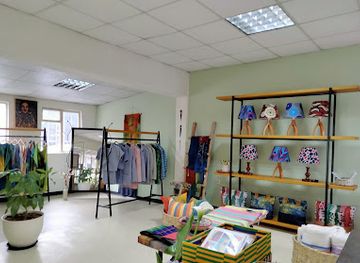
Hanubet clothing and retail store
Discover unique fashion and vibrant Ethiopian culture at Hanubet Clothing Store in Addis Ababa.
-
Gift shop
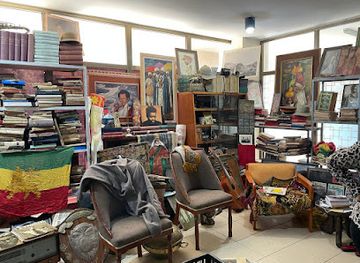
Abdi Negash Antique Store
Explore Abdi Negash Antique Store in Addis Ababa for unique antiques, rare books, and captivating art pieces that embody Ethiopia's rich heritage.


Get your free copy of our complete guide to Gojjam, delivered straight to you.
Everything on this page, from attractions and restaurants to essentials and local phrases, in one PDF you can read offline, print or share.
Already have an account? Sign in
Your Gojjam guide is ready.
We'll send it to · Not you? Sign out

Getting your guide ready…
We are putting together a fresh copy of the Gojjam guide. This can take up to a minute.
This can take a few moments. If your browser asks, choose Allow so the download can start. You'll find the guide in your Downloads folder.
Nothing happened? Download it again
Sorry, the guide is taking longer than usual. Please try again in a minute, or get it by email instead.
Gojjam essentials
Currency and Payment
Safety
Emergency Situations
Do's and Don'ts
Local Tips
From Eve
Local phrases worth knowing
You don't need to get them perfect. A few words go a long way, and locals appreciate the effort.
Basics
| English | Local | Say it |
|---|---|---|
| Hello | ሰላም | [Selam] |
| Goodbye | ደህና ሁን | [Dehna hun] |
| Yes | አዎ | [Awo] |
| No | አይ | [Ay] |
| Please/You're welcome | እቅፍ | [Eqif] |
| Thank you | አመሰግናለሁ | [Amesegenallo] |
| Excuse me/Sorry | እቅፍ አድርግ | [Eqif adrig] |
| How are you? | እንዴት ነህ? | [Endet neh?] |
| Fine. And you? | ደህና እንዴት? | [Dehna endet?] |
| Do you speak English? | እንግሊዝኛ ትናገራለህ? | [Ingilizignya t'nageralleh?] |
| I don't understand | አልተረዳኩም | [Alteradaku] |
Eating & Drinking
| English | Local | Say it |
|---|---|---|
| I'd like to see the menu, please | ምንዛሬው እቅፍ እንደምን እቅፍ | [Menzares eqif endemen eqif] |
| I don't eat meat | ምርጥ አልበላም | [Mirt albelam] |
| Cheers! | ይደግፉ! | [Yidegfou] |
| I would like to pay, please | እቅፍ እንዲኖር እገንዘብ | [Eqif endinor egenzeb] |
Emergencies
| English | Local | Say it |
|---|---|---|
| Help! | እባኮት! | [Ebakoht!] |
| Go away! | ወደ ውስጥ ይሂዱ! | [Wede wust yihidu!] |
| Call the Police! | ፖሊስ ይደውሉ! | [Polis yidewlu!] |
| Call a doctor! | ዶክተር ይደውሉ! | [Dokter yidewlu!] |
| I'm lost | እኔ እየተለወጠኝ | [Ine eyetellewten] |
| I'm ill | እኔ ታማኝ ነኝ | [Ine tamany nehn] |
Shopping
| English | Local | Say it |
|---|---|---|
| I'd like to buy... | እንደምን እቅፍ እንዲገነዘብ | [Endemen eqif endigenzeb] |
| I'm just looking | እኔ በዚህ እንዳለሁ | [Ine bezi endallehu] |
| How much is it? | ዋጋው ምን አለ? | [Wagaw min ale?] |
| That's too expensive | ይህ ገንዘብ አለቀኝ | [Yih genzeb aleqegne] |
| Can you lower the price? | ዋጋው ወዲያ እንዲቀንስ? | [Wagaw wedya endiqens?] |
Time & Numbers
| English | Local | Say it |
|---|---|---|
| What time is it? | ምን ሰዓት ነው? | [Min saat new?] |
| It's one o'clock | አንድ ሰዓት ነው | [And saat new] |
| Half past (10) | አስር ወገን ወደ ምርጥ | [Asir wegen wede mirt] |
| Morning | ጠዋት | [Tewat] |
| Afternoon | ከዋለ | [Kewale] |
| Evening | ምሽት | [Mishit] |
| Yesterday | ቀድሞ | [Qedimo] |
| Today | ዛሬ | [Zare] |
| Tomorrow | ገና | [Gena] |
| 1 | 1 | [And] |
| 2 | 2 | [Kew] |
| 3 | 3 | [Sost] |
| 4 | 4 | [Arat] |
| 5 | 5 | [Hamsa] |
| 6 | 6 | [Sida] |
| 7 | 7 | [Sebat] |
| 8 | 8 | [Semen] |
| 9 | 9 | [Zete] |
| 10 | 10 | [Asir] |
Transport & Directions
| English | Local | Say it |
|---|---|---|
| Where's a/the...? | የአንድ ነው? | [Yeand new?] |
| What's the address? | አድራሻው ምን ነው? | [Adirasha min new?] |
| Can you show me (on the map)? | በደንበር ላይ ማሳያ እቅፍ? | [Be denber lay masaya eqif?] |
| When's the next (bus)? | የቀጣይ ባስ ምን ነው? | [Yeqetay bas min new?] |
| A ticket (to ....) | የታክስ በዚህ ይሂዱ | [Yetaks bezi yihidu] |
History of Gojjam
Early Highland Kingdoms and Christianisation
The lands associated with Gojjam formed part of the wider northern Ethiopian highland world shaped by Aksumite influence and the spread of Christianity. Written evidence is uneven, and local histories often preserve traditions through churches, oral accounts and manuscripts rather than through a continuous political record. Orthodox Christian institutions became important centres of literacy, landholding and community life, while older highland customs continued alongside Christian practice. The region's position between the Lake Tana basin, the western lowlands and the central plateau later made it an important zone of movement, trade and political negotiation.
Gojjam and the Ethiopian Imperial Order
From the medieval period onwards, Gojjam was connected to successive Ethiopian imperial states, although local rulers and notable families retained substantial influence. The region's difficult terrain and agricultural resources helped sustain powerful provincial leadership. Churches and monasteries acted not only as religious institutions but also as repositories of manuscripts, land records and education. Control of routes crossing the Abay and linking the central highlands to Lake Tana and the western borderlands gave Gojjam strategic importance beyond its rural economy.
Nineteenth-Century Provincial Autonomy
During the nineteenth century, Gojjam was governed by influential local leaders who negotiated, competed and sometimes fought with the imperial court. Its rulers maintained considerable autonomy while acknowledging the wider Ethiopian monarchy, and the region became a significant source of soldiers, agricultural revenue and political support. The landscape of fortified settlements, churches and market routes reflected this mixture of local authority and imperial connection. These political traditions contributed to Gojjam's strong regional identity in later national conflicts.
Incorporation into the Modern Ethiopian State
The expansion and consolidation of Menelik II's empire in the late nineteenth century brought Gojjam more firmly within a centralising Ethiopian state. Local elites were incorporated into imperial administration, while taxation, military obligations and the appointment of officials gradually altered older patterns of provincial authority. The region did not simply lose its political identity: influential families, church institutions and local leaders continued to shape landholding and public life. Roads and administrative links later strengthened connections with Addis Ababa and the Lake Tana basin.
Resistance to Italian Occupation, 1936–1941
Gojjam was an important centre of Ethiopian resistance after Italy invaded and occupied Ethiopia in 1935–36. Local forces and allied patriots challenged Italian control through the difficult highland terrain, and resistance continued until the restoration of Emperor Haile Selassie in 1941. The occupation left scars in communities, churches and administrative centres, while the memory of resistance remains part of regional historical consciousness. Gojjam's geography made military control difficult and helped sustain organised opposition.
The 1968–69 Gojjam Tax Revolt
Gojjam became the setting for one of the most significant rural challenges to the imperial government in the late 1960s. Opposition grew against proposed agricultural taxation and related administrative changes that many farmers regarded as an intrusion into established local arrangements. The revolt demonstrated the strength of regional networks, landholding interests and customary political authority. The government eventually modified its policy, but the episode exposed tensions between centralisation and provincial autonomy that would continue into Ethiopia's revolutionary period.
Revolution, Derg Rule and Contemporary Reorganisation
The 1974 revolution and subsequent Derg government transformed landholding, administration and political life across Gojjam. Land nationalisation ended the formal power of many landlords, while conflict, conscription and economic disruption affected rural communities. Later federal reorganisation placed most of historic Gojjam within Amhara Region, chiefly in East and West Gojjam zones, while boundaries and administrative identities changed around it. Today, the region's history is visible in its churches, agricultural society, political memory and the continuing importance of Debre Markos and other market towns.
Gojjam in Photos
Browse through our photo collection highlighting the charm and character of the destination.
Neighbouring regions of Gojjam
The closest regions to Gojjam, if you have time for more than one.
-

-

-

-

-


Swipe for more regions
Explore more

Explore more of Ethiopia
Discover Ethiopia: A land of ancient history, breathtaking landscapes, and rich cultural heritage, offering an unforgettable journey through time and nature.
Explore Ethiopia