

Shewa, Ethiopia Travel Guide
Discover Shewa: Ethiopia's heartland of history, culture, and breathtaking landscapes, where ancient traditions meet modern vibrancy.
Shewa, located in the central part of Ethiopia, is a region rich in history and culture. This area is known for its stunning landscapes, from rolling highlands to fertile valleys, making it a picturesque destination for travelers. The capital city, Addis Ababa, sits on the foothills of the Entoto Mountains and offers a unique blend of modernity and tradition. Visitors can explore the bustling markets, historical landmarks, and vibrant cultural festivals that make Shewa an unforgettable experience. Beyond Addis Ababa, Shewa is home to several historical sites, including the ancient city of Debre Berhan and the rock-hewn churches of Lalibela. The region also boasts a variety of natural attractions, such as the Blue Nile River and the scenic Awash National Park, which is a haven for wildlife enthusiasts. The indigenous cuisine, traditional music, and warm hospitality of the Shewan people further enrich the travel experience. Shewa's central location makes it an ideal base for exploring other parts of Ethiopia. Whether you're interested in history, nature, or culture, Shewa offers a diverse array of attractions that cater to all types of travelers. With its unique blend of natural beauty and cultural depth, Shewa is a destination that promises to leave a lasting impression.

Know before you go
Hi, I'm Eve. Here are a few practical things to know before exploring Shewa.
- Visit during the dry season (October to February) for the best weather conditions.
- Hire a local guide to get the most out of historical sites and understand the rich cultural context.
- Try traditional Ethiopian dishes like injera with doro wat at local eateries for an authentic experience.
- Plan a visit to the Entoto Mountains for panoramic views of Addis Ababa and a taste of Ethiopia's natural beauty.
- Respect local customs and dress modestly, especially when visiting religious sites.
Top City Travel Guides in Shewa
The cities of Shewa, and the easiest places to base yourself.


Destinations in Shewa
Resorts, valleys and scenic spots worth a trip of their own.


Explore Shewa: Things to Do, Places to Eat, Hotels & More
Handpicked recommendations for top attractions, local dining, accommodations, and more

Top Attractions & Sightseeing in Shewa
Top-rated picks
Best Attractions

National Museum of Ethiopia
Discover Ethiopia's rich history and cultural heritage at the National Museum, home to Lucy and a vast collection of national treasures.

Unity Park
Discover Unity Park: A historical and cultural gem in Addis Ababa, blending art, history, and nature for an unforgettable experience.

Friendship Park
Explore Friendship Park in Addis Ababa, a lush urban retreat filled with vibrant gardens and a welcoming atmosphere perfect for relaxation and cultural experiences.

Kuriftu Resort & Spa Bishoftu
Experience luxury, relaxation, and breathtaking landscapes at Kuriftu Resort & Spa Bishoftu, the ultimate getaway in Ethiopia.

Best landmarks in Shewa
Top-rated picks
Best Landmarks
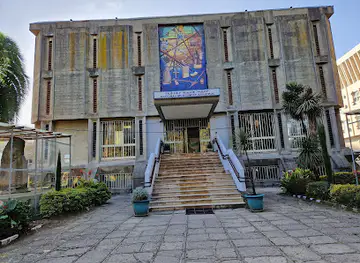
National Museum of Ethiopia
Explore the rich heritage of Ethiopia at the National Museum, home to Lucy's remains and countless historical treasures.

Unity Park
Discover the beauty of Unity Park in Addis Ababa, a cultural gem that merges history, art, and nature in a tranquil setting.
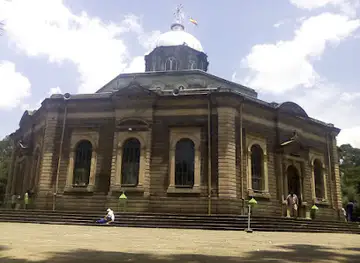
Meskel Square
Discover the vibrant heart of Addis Ababa at Meskel Square, a cultural hub rich in history and local life.
Kuriftu Resort & Spa Bishoftu
Discover serenity and luxury at Kuriftu Resort & Spa Bishoftu, where stunning lake views and rejuvenating spa treatments await you.

Best restaurants in Shewa
Top-rated picks
Best Restaurants

Cravings Restaurant & Bar
Discover authentic Ethiopian flavors at Cravings Restaurant & Bar in Addis Ababa, where every meal is a celebration of culture.

Sishu | Kera
Experience the flavors of America at Sishu in Addis Ababa - where delicious dishes meet a unique ambiance.

Yod Abyssinia Traditional Restaurant
Savor the rich flavors and vibrant culture at Yod Abyssinia Traditional Restaurant in Addis Ababa.

Kategna Restaurant
Experience the essence of Ethiopia with authentic cuisine and warm hospitality at Kategna Restaurant in Addis Ababa.

Best bars in Shewa
Top-rated picks
Best Bars

Cravings Restaurant & Bar
Discover the vibrant flavors of Ethiopia at Cravings Restaurant & Bar, where traditional dishes meet a lively atmosphere in Addis Ababa.
Hilton Addis Ababa
Discover the elegance and hospitality of Hilton Addis Ababa, a luxurious hotel in the heart of Ethiopia's vibrant capital city.

Best Western Plus Addis Ababa
Experience comfort and convenience at Best Western Plus Addis Ababa, your ideal hotel for exploring Ethiopia's vibrant capital city.

Kategna Restaurant
Savor the essence of Ethiopian culture at Kategna Restaurant, where every dish tells a story of tradition and flavor in Addis Ababa.

Best nightclubs in Shewa
Top-rated picks
Best Nightclubs

Flirt Lounge Addis
Experience the vibrant nightlife of Addis Ababa at Flirt Lounge, featuring live music, delicious cocktails, and a stylish ambiance for unforgettable nights.

Black Rose Lounge
Discover the lively ambiance and unique flavors at Black Rose Lounge in Addis Ababa, perfect for socializing and unwinding.

Bar Melo | Chichinya | ባር ሜሎ |
Discover the pulse of Addis Ababa's nightlife at Bar Melo, where music, culture, and dance unite for an unforgettable experience.

V Lounge Addis | wollo sefer | ቪ ላዉንጅ አዲስ | ወሎ ሰፈር
Experience the vibrant nightlife of Addis Ababa at V Lounge, where live music and delicious dining converge for an unforgettable evening.

Best shops in Shewa
Top-rated picks
Best Shops

National Museum of Ethiopia
Explore Ethiopia's past and present at the National Museum, home to ancient artifacts, including the iconic fossil 'Lucy' and more.

Dembel City Center
Discover the vibrant shopping experience at Dembel City Center in Addis Ababa, blending modern retail with local culture.

Shola Market | Megenagna
Discover the vibrant Shola Market in Addis Ababa, a cultural and shopping hub filled with local crafts, delicious food, and a lively atmosphere.

Zefmesh Grand Mall
Discover the vibrant shopping experience at Zefmesh Grand Mall in Addis Ababa, featuring local and international brands, dining, and entertainment.

Explore Shewa on the Map
A handpicked selection of must-see spots in Shewa, mapped for you.
Shewa Essentials
-
Shewa is located in the central part of Ethiopia. The nearest international airport is Addis Ababa Bole International Airport, approximately 80 kilometers away. From Addis Ababa, you can take a private taxi or a bus to Shewa. The journey typically takes around 2 to 3 hours by road. Alternatively, you can arrange for a private car hire which offers a more comfortable and flexible travel experience.
-
Within Shewa, local transportation options include buses, minibuses, and taxis. Buses and minibuses are the most common and affordable means of transportation, connecting major towns and villages. Taxis are available in larger towns and can be hired for short trips or day tours. For a more immersive experience, consider renting a bicycle or walking, especially in areas with scenic landscapes.
-
The official currency in Ethiopia is the Ethiopian Birr (ETB). Credit cards are accepted in some hotels, restaurants, and shops in larger towns, but it is advisable to carry cash, particularly in smaller establishments and rural areas. ATMs are available in major towns, but it is wise to withdraw sufficient cash in Addis Ababa before traveling to ensure you have enough funds.
-
Shewa is generally a safe destination for tourists, but standard precautions should always be taken. Avoid walking alone at night in unfamiliar areas and keep an eye on your belongings in crowded places. Some areas may have higher crime rates targeting tourists; consult local advice to stay informed about any current issues. Always stay vigilant and aware of your surroundings.
-
In case of emergency, dial 991 for immediate assistance. Health facilities are available in major towns, but they may vary in quality. It is recommended to have travel insurance that covers medical emergencies. For minor health issues, there are pharmacies in towns where you can purchase over-the-counter medications. Always keep a list of emergency contacts and the address of your country's embassy in Addis Ababa.
-
Fashion: Do dress modestly, especially when visiting religious sites. Avoid wearing revealing clothing. Religion: Do respect local customs and traditions. Always remove your shoes and cover your head when entering churches and religious sites. Public Transport: Do be respectful and give up your seat to elderly passengers. Don't eat or drink on public transport. Greetings: Do greet people with a handshake and a slight bow of the head. Eating & Drinking: Do try local delicacies and accept food offerings graciously. Don't refuse hospitality, as it is considered impolite.
-
To experience Shewa like a local, visit the bustling markets where you can buy fresh produce and traditional Ethiopian goods. Engage with locals, as they are often friendly and willing to share stories about the region's history and culture. Don't miss visiting historical sites such as Debre Libanos Monastery and the Portuguese Bridge. For a unique experience, participate in a traditional coffee ceremony, which is an integral part of Ethiopian culture.
When is the best time to visit Shewa?
Useful Local Phrases for Shewa
You don't need to speak the language perfectly. Even learning a few simple words can make conversations warmer—and locals usually appreciate the effort.
— Eve

Here are the phrases I use most often in Shewa. Try a few—you'll be surprised how far they go! 😊
❤️
-
- Helloእንኳን ወደ ወደ ላይ
[Enkwan wede wedde lay] - Goodbyeደህና ምልክት
[Dehna milikt] - Yesአዎን
[Awen] - Noአይ
[Ay] - Please/You're welcomeእቅፍ እቅፍ
[Eqif eqif] - Thank youእናመሰግናለን
[Enamesegenallen] - Excuse me/Sorryእቅፍ እቅፍ
[Eqif eqif] - How are you?እንዴት ነህ/ነሽ?
[Endet neh/nesh?] - Fine. And you?ጥሩ እና አንተ/አንች?
[Tiru ena ante/anch?] - Do you speak English?እንግሊዝኛ ትናገራለህ?
[Inglizignya tinageraleh?] - I don't understandአልተረዳኩም
[Alteradakum]
- Helloእንኳን ወደ ወደ ላይ
-
- I'd like to see the menu, pleaseየምግብ ዝርዝር እቅፍ እንደምታይ
[Yemigib zirezir eqif endemtay] - I don't eat meatስጋ አልመግባኝም
[Siga almegabanyim] - Cheers!ወይን እንደው!
[Weyn endew!] - I would like to pay, pleaseእቅፍ እንደምንም እገናዘብ
[Eqif endemenem eganazeb]
- I'd like to see the menu, pleaseየምግብ ዝርዝር እቅፍ እንደምታይ
-
- Help!እገዛ!
[Egezah!] - Go away!ሂድ ወደ ያው!
[Hid wede yaw!] - Call the Police!ፖሊስ ይደውሉ!
[Polis yidewlu!] - Call a doctor!ዶክተር ይደውሉ!
[Dokter yidewlu!] - I'm lostእኔ የገደው ነኝ
[Ine yagedew nen] - I'm illእኔ ታመም ነኝ
[Ine tamem nen]
- Help!እገዛ!
-
- I'd like to buy...ማሻን እገዛለሁ...
[Mashan egezalehu...] - I'm just lookingእኔ ብቻ እየመለከት ነኝ
[Ine bicha eyemeleket nen] - How much is it?የምን ዋጋ ነው?
[Yemin waga new?] - That's too expensiveይህ ለእጅግ ውድ ነው
[Yih le'ejg wud new] - Can you lower the price?የዋጋውን አውት?
[Yewagawen awt?]
- I'd like to buy...ማሻን እገዛለሁ...
-
- What time is it?ምን ሰዓት ነው?
[Min se'at new?] - It's one o'clockአንድ ሰዓት ነው
[And se'at new] - Half past (10)ከ(10) በኋላ
[Ke(10) behwala] - Morningጠዋት
[Tewat] - Afternoonከሰዓት በኋላ
[Kes'at behwala] - Eveningምሽት
[Mishit] - Yesterdayቀደም
[Qedem] - Todayዛሬ
[Zare] - Tomorrowነገ
[Nage] - 11
[1] - 22
[2] - 33
[3] - 44
[4] - 55
[5] - 66
[6] - 77
[7] - 88
[8] - 99
[9] - 1010
[10]
- What time is it?ምን ሰዓት ነው?
-
- Where's a/the...?የ... ይቀበሉ?
[Ye... yiqebelu?] - What's the address?አድራሻ ምን ነው?
[Adirasha min new?] - Can you show me (on the map)?እቅፍ የምን ወይወይ?
[Eqif yemn weywuy?] - When's the next (bus)?ቀጣይ ባለሞያ ምን ነው?
[Qetay balemoya min new?] - A ticket (to ....)ትኬት ወደ ....
[Tikete wede ....]
- Where's a/the...?የ... ይቀበሉ?
History of Shewa
-
Shewa, known as Shoa in historical texts, is a region steeped in ancient history. It was originally part of the Kingdom of Aksum, one of the great civilizations of the ancient world, dating back to the 4th century. The region's strategic location and fertile land have made it an important center for trade and agriculture over millennia.
-
In the 12th century, Shewa emerged as a prominent kingdom under the rule of Motalami, the first king of Shewa. It maintained a degree of independence from the larger Ethiopian Empire for several centuries. The Shewan kings were known for their efforts to expand their territory and influence through both diplomacy and military campaigns.
-
Shewa played a critical role in the rise of the Solomonic Dynasty in the late 13th century. Yekuno Amlak, a prince from Shewa, is credited with overthrowing the Zagwe Dynasty and re-establishing the Solomonic line, claiming descent from the biblical King Solomon and the Queen of Sheba. This event significantly elevated Shewa's status within the Ethiopian Empire.
-
Perhaps no figure is more synonymous with Shewa than Menelik II, who ruled the region before becoming Emperor of Ethiopia in 1889. Menelik II used Shewa as a base to unify Ethiopia and resist colonial powers. His victory over the Italians at the Battle of Adwa in 1896 is a landmark event in Ethiopian history, symbolizing African resistance against European colonialism.
-
In the late 19th century, Menelik II founded Addis Ababa as the capital city of Ethiopia. Located in Shewa, Addis Ababa's establishment marked a new era of modernization and centralization for the country. The city quickly grew into a political, economic, and cultural hub, reflecting Shewa's increasing prominence in Ethiopia's national affairs.
-
Shewa is rich in cultural heritage, with numerous historical landmarks and religious sites. Notable among these is the Debre Libanos Monastery, founded in the 13th century by Saint Tekle Haymanot. The region is also known for its unique architectural styles, traditional music, and vibrant festivals that celebrate the diverse cultures within Shewa.
-
Today, Shewa is a vital region within Ethiopia, encompassing parts of the Oromia and Amhara regions. It continues to be a center of economic activity, agriculture, and cultural exchange. The blend of ancient traditions and modern developments makes Shewa a fascinating destination for travelers interested in exploring Ethiopia's past and present.
Neighbouring Regions of Shewa
The closest regions to Shewa, if you have time for more than one.



Your all‑in‑one travel companion app
Explore expert travel guides, compare and book tours, experiences, hotels, and more—all from the palm of your hand. Download now for seamless trip planning wherever your wanderlust takes you.


Explore More of Ethiopia

Looking beyond Shewa? Discover Ethiopia for broader travel guides, local hot-spots, and regional highlights.
Explore EthiopiaShewa in Photos
Browse through our photo collection highlighting the charm and character of the destination.


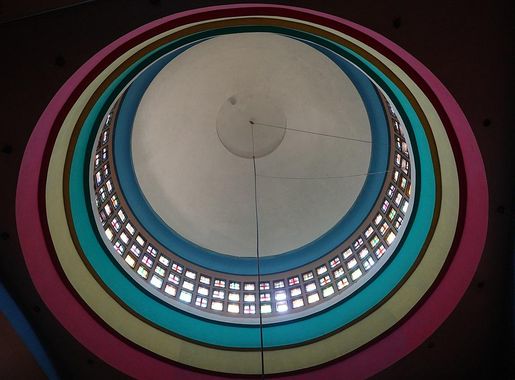


Shewa: The Heartland of Ethiopia's Heritage
Shewa, located in the central part of Ethiopia, is a region rich in history and culture. This area is known for its stunning landscapes, from rolling highlands to fertile valleys, making it a picturesque destination for travelers. The capital city, Addis Ababa, sits on the foothills of the Entoto Mountains and offers a unique blend of modernity and tradition. Visitors can explore the bustling markets, historical landmarks, and vibrant cultural festivals that make Shewa an unforgettable experience. Beyond Addis Ababa, Shewa is home to several historical sites, including the ancient city of Debre Berhan and the rock-hewn churches of Lalibela. The region also boasts a variety of natural attractions, such as the Blue Nile River and the scenic Awash National Park, which is a haven for wildlife enthusiasts. The indigenous cuisine, traditional music, and warm hospitality of the Shewan people further enrich the travel experience. Shewa's central location makes it an ideal base for exploring other parts of Ethiopia. Whether you're interested in history, nature, or culture, Shewa offers a diverse array of attractions that cater to all types of travelers. With its unique blend of natural beauty and cultural depth, Shewa is a destination that promises to leave a lasting impression.