

Free Koltur Travel Guide & Mobile App
Explore Koltur with free travel guides. Discover regional history, expert tips, proposed trips, and audio guides on web or mobile app.


Koltur offers remote island walks, historic Faroese farmsteads, sea cliffs and wildlife within the weather-shaped landscapes of the Faroe Islands.
Read more about Koltur
When is the best time to visit Koltur?
Best: June–August · 11–13°C| Month | High (°C) | Rainfall (mm) |
|---|---|---|
| January | 5 | 120 |
| February | 5 | 110 |
| March | 6 | 100 |
| April | 7 | 90 |
| May | 9 | 80 |
| June (best) | 11 | 70 |
| July (best) | 13 | 70 |
| August (best) | 13 | 80 |
| September | 11 | 90 |
| October | 9 | 100 |
| November | 7 | 110 |
| December | 6 | 120 |
Getting to and around Koltur
How to get there
Transportation
Best attractions in Koltur
Koltur’s attractions are its landscape, cultural remains and sense of remoteness rather than a large collection of visitor facilities. Walking routes lead through grass-covered slopes, old field systems and open country shaped by sheep farming, with views across Koltursund towards Streymoy and out over the North Atlantic. Coastal areas offer opportunities to observe seabirds, but cliffs and nesting places require distance and care. The historic farmstead landscape at Heimi í Húsi is the island’s principal cultural focus, bringing together turf-roofed buildings, cultivated land and traces of earlier settlement. Depending on arrangements, a guided visit may provide access and interpretation that are not available to independent walkers. There are no museums, amusement attractions, restaurants or conventional beaches on the island, and its appeal depends on weather, quiet observation and an understanding of Faroese rural life. Visitors interested in photography, birdwatching, heritage, landscape walking and traditional architecture will find more here than travellers seeking a busy sightseeing itinerary. Because transport and landing conditions are variable, the island should be regarded as a destination requiring preparation rather than an attraction that can be added without notice.
-
Historical place
Kirkjubømúrurin
Explore the awe-inspiring ruins of Magnus Cathedral in Kirkjubøur, the Faroe Islands' largest medieval relic, offering a glimpse into the past.
-
Tourist attraction
Fossá
Witness the breathtaking Fossá Waterfall, the Faroe Islands' tallest cascade, easily accessible near Haldarsvík on Streymoy Island.
-
Cultural center
The Nordic House
Discover Faroese and Nordic culture at the Nordic House in Tórshavn, a unique architectural landmark hosting diverse events and exhibitions.
-
Sculpture
The Seal Woman (Kópakonan)
Discover the legend of the Seal Woman at the Kópakonan statue in Mikladalur, Faroe Islands, where folklore meets breathtaking coastal scenery.


Best landmarks in Koltur
Heimi í Húsi is Koltur’s most significant built landmark, a historic farmstead whose turf-roofed buildings and surrounding fields preserve the relationship between Faroese domestic life and agricultural work. Its value lies not only in individual structures but in the complete setting of houses, outbuildings, boundaries and grassland. Across the island, former settlement traces and older field patterns mark the places where earlier households organised grazing, hay production and access to the shore. The steep coastal cliffs and the high ground above the island form Koltur’s principal natural landmarks, giving wide views across Koltursund and towards the larger islands. These features are visually powerful but should be approached cautiously: there are no universal barriers or urban safety infrastructure along remote paths. Together, the farmstead, historic landscape and exposed coastline express Koltur’s importance as a small-scale record of Faroese island settlement rather than as a destination dominated by a single monumental building.
-
Historical place
Kirkjubømúrurin
Discover Kirkjubøur, an ancient village in the Faroe Islands, where history meets breathtaking landscapes and rich cultural experiences.
-
Tourist attraction
Múlafossur Waterfall
Experience the breathtaking beauty of Múlafossur Waterfall, a stunning natural gem in the picturesque Faroe Islands, perfect for nature lovers and photographers.
-
Tourist attraction
Gjógv Natural Harbour
Discover the breathtaking beauty and rich cultural heritage of Gjógv Natural Harbour, a hidden gem in the Faroe Islands.
-
Tourist attraction
Fossá
Discover the breathtaking beauty of Fossá, the highest waterfall in the Faroe Islands, where nature meets tranquility in a stunning landscape.


Explore Koltur on the map
Plan your trip on one map. See where the top cities, national parks and sights are, and book hotels and experiences in a few clicks.
Best hotels in Koltur
Best restaurants in Koltur
Koltur has no restaurant, café, shop or pub, so dining is part of the logistical planning rather than a local activity once visitors arrive. Bring a packed meal, snacks and sufficient water, using reusable containers and taking all waste away. The island’s historic economy was based on farming, haymaking, sheep and the sea, and these realities connect Koltur culturally with wider Faroese food traditions, including lamb, fish, potatoes, dairy products and preserved foods. For a broader choice of meals, visitors must eat before or after the excursion in one of the larger settlements on Streymoy or elsewhere in the Faroe Islands. Faroese cuisine varies from traditional home cooking to contemporary restaurants, but it should not be assumed that food is available on Koltur itself. Any guided tour that includes refreshments should be booked in advance and treated as a specific service, not as a permanent island facility.
-
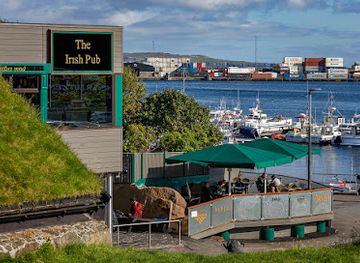
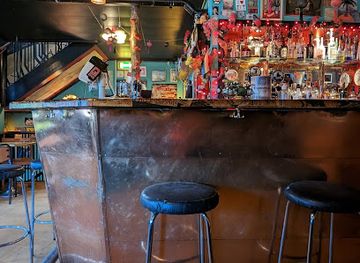
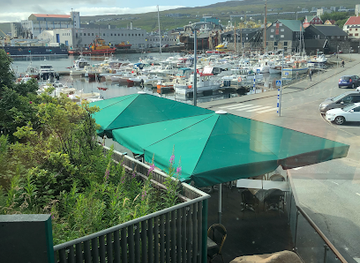
Irish pub
Irish Pub Torshavn
Discover authentic Irish cuisine and vibrant nightlife at Irish Pub in Tórshavn - where every visit feels like home.
-
Scandinavian
Katrina Christiansen
Experience authentic Scandinavian cuisine at Katrina Christiansen in Tórshavn – where fresh local ingredients meet culinary creativity.
-
Restaurant
Angus Steakhouse
Discover Angus Steakhouse in Tórshavn – where exquisite steaks meet Faroese hospitality for an unforgettable dining adventure.
-
Restaurant
THE TARV Grillhouse
Experience exceptional Faroese cuisine at THE TARV Grillhouse in Tórshavn – where tradition meets modern culinary artistry.


Best bars in Koltur
Koltur has no nightlife, bar or pub, and evenings are governed by transport arrangements, daylight, weather and the timetable of any organised excursion. Its atmosphere is suited to quiet walking, landscape observation and conversation rather than entertainment venues or late-night activity. Visitors seeking a drink, live music or a social evening should plan those activities in a larger Faroese settlement before or after travelling to the island, with Tórshavn and other communities on the main islands offering the widest choice. Returning from Koltur after dark should never be assumed to be possible, particularly when boat travel is involved. The island’s evening character is instead one of silence, sea and changing light, experienced only by visitors whose accommodation and transport arrangements have been confirmed in advance.
-
Irish pub
Irish Pub Torshavn
Discover the heart of Irish culture at Irish Pub Torshavn, where traditional dishes and local brews create an unforgettable experience in the Faroe Islands.
-
Scandinavian
Katrina Christiansen
Discover the flavors of the Faroe Islands at Katrina Christiansen, a top Scandinavian restaurant in Tórshavn offering a unique dining experience.
-
Restaurant
Angus Steakhouse
Discover the flavors of the Faroe Islands at Angus Steakhouse, where premium steaks and warm hospitality create an unforgettable dining experience.
-
Restaurant
THE TARV Grillhouse
Discover the flavors of the Faroe Islands at THE TARV Grillhouse, where local ingredients meet culinary excellence in Tórshavn.


Best nightclubs in Koltur
Koltur has no nightlife, bar or pub, and evenings are governed by transport arrangements, daylight, weather and the timetable of any organised excursion. Its atmosphere is suited to quiet walking, landscape observation and conversation rather than entertainment venues or late-night activity. Visitors seeking a drink, live music or a social evening should plan those activities in a larger Faroese settlement before or after travelling to the island, with Tórshavn and other communities on the main islands offering the widest choice. Returning from Koltur after dark should never be assumed to be possible, particularly when boat travel is involved. The island’s evening character is instead one of silence, sea and changing light, experienced only by visitors whose accommodation and transport arrangements have been confirmed in advance.
-
Irish pub
Irish Pub Torshavn
Discover the charm of Irish Pub Torshavn, where hearty meals and a warm atmosphere await you in the heart of Tórshavn.
-
Bar
Sirkus Bar
Experience the vibrant nightlife of Tórshavn at Sirkus Bar, where delicious cocktails and friendly vibes await.
-
Bar
Mikkeller Tórshavn
Discover the essence of craft beer in the charming setting of Mikkeller Tórshavn, where local flavors and global brews collide.
-
Bar
Glitnir
Discover the lively spirit of Glitnir, a top bar in Tórshavn, Faroe Islands, known for its great drinks and vibrant atmosphere.

Best shops in Koltur
Koltur has no shops, market or commercial craft outlet, so shopping cannot be incorporated into a visit after arrival. The most appropriate purchases associated with the excursion are practical provisions obtained beforehand and, where available, locally produced goods sourced elsewhere in the Faroe Islands. Visitors may find Faroese woollen knitwear, food products, books, postcards and craftwork in larger settlements, while local supermarkets and food shops are useful for assembling a picnic before a remote-island trip. Do not remove stones, plants, feathers, historic objects or farm materials as souvenirs. Shopping in Koltur is therefore about preparation rather than retail: buy food, water and weatherproof essentials in advance, and support legitimate local producers and guides through arranged services rather than expecting an improvised souvenir stall.
-
Gift shop
H. N. Jacobsens Bókahandil
H. N. Jacobsens Bókahandil: A charming bookstore and gift shop in Tórshavn, showcasing the best of Faroese literature, crafts, and unique souvenirs.
-
Supermarket
Miklagarður
Discover a local shopping gem in Tórshavn, Miklagarður offers a delightful selection of Faroese products and international groceries to enhance your travel experience.
-
Grocery store
Bónus
Discover the heart of Faroese culture at Bónus, your go-to grocery store in Sandavágur for local flavors and friendly service.
-
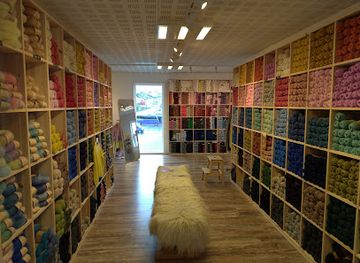
Knit shop
Navia (yarn)
Explore Navia Yarn Shop in the Faroe Islands for exquisite yarns, handmade products, and a cozy atmosphere reflecting local craftsmanship.


Get your free copy of our complete guide to Koltur, delivered straight to you.
Everything on this page, from attractions and restaurants to essentials and local phrases, in one PDF you can read offline, print or share.
Already have an account? Sign in
Your Koltur guide is ready.
We'll send it to · Not you? Sign out

Getting your guide ready…
We are putting together a fresh copy of the Koltur guide. This can take up to a minute.
This can take a few moments. If your browser asks, choose Allow so the download can start. You'll find the guide in your Downloads folder.
Nothing happened? Download it again
Sorry, the guide is taking longer than usual. Please try again in a minute, or get it by email instead.
Koltur essentials
Currency and Payment
Safety
Emergency Situations
Do's and Don'ts
Local Tips
From Eve
Local phrases worth knowing
You don't need to get them perfect. A few words go a long way, and locals appreciate the effort.
Basics
| English | Local | Say it |
|---|---|---|
| Hello | Hey | [hei] |
| Goodbye | Farvæl | [far-vail] |
| Yes | Ja | [ya] |
| No | Nei | [nay] |
| Please/You're welcome | Vinaliga | [vin-ah-li-ga] |
| Thank you | Takk | [tahk] |
| Excuse me/Sorry | Ursäkta | [ur-sek-ta] |
| How are you? | Hvernig hevur tú? | [kver-nig ha-vur too] |
| Fine. And you? | Bara gott. Og tú? | [ba-ra got. og too] |
| Do you speak English? | Talar tú ensk? | [ta-lar too en-sk] |
| I don't understand | Eg skilji ikki | [eg skili i-ki] |
Eating & Drinking
| English | Local | Say it |
|---|---|---|
| I'd like to see the menu, please | Eg vil gita um matseðilin, vinaliga | [eg vil gi-ta um mat-se-dil-in, vin-ah-li-ga] |
| I don't eat meat | Eg etti ikki kjöt | [eg et-ti i-ki kyot] |
| Cheers! | Skál! | [skawl] |
| I would like to pay, please | Eg vil gita at gjalda, vinaliga | [eg vil gi-ta at yal-da, vin-ah-li-ga] |
Emergencies
| English | Local | Say it |
|---|---|---|
| Help! | Hjálp! | [yahlp] |
| Go away! | Far burt! | [far burt] |
| Call the Police! | Ring til løgregluna! | [ring til lur-e-gri-luna] |
| Call a doctor! | Ring til lækna! | [ring til lake-na] |
| I'm lost | Eg eri lost | [eg e-ri lost] |
| I'm ill | Eg eri sjúkur | [eg e-ri shoo-kur] |
Shopping
| English | Local | Say it |
|---|---|---|
| I'd like to buy... | Eg vil keypa... | [eg vil kay-pa] |
| I'm just looking | Eg eri bara at leita | [eg e-ri ba-ra at lay-ta] |
| How much is it? | Hvør nógv kostar tað? | [hvor nock kost-ar tha] |
| That's too expensive | Tað er ov dýrt | [tha er ov dyrt] |
| Can you lower the price? | Kann tú lækka prísin? | [kan too lai-ka pri-sin] |
Time & Numbers
| English | Local | Say it |
|---|---|---|
| What time is it? | Hvat tíð er tað? | [hvat teed er tha] |
| It's one o'clock | Klokk 1 | [klock 1] |
| Half past (10) | Halv 11 | [halv 11] |
| Morning | Morgun | [mor-gun] |
| Afternoon | Eftirmiddag | [ef-ter-mid-dag] |
| Evening | Kvøld | [kvold] |
| Yesterday | Í gjár | [ee gyar] |
| Today | Í dag | [ee dahg] |
| Tomorrow | Í morgin | [ee mor-gin] |
| 1 | 1 | [1] |
| 2 | 2 | [2] |
| 3 | 3 | [3] |
| 4 | 4 | [4] |
| 5 | 5 | [5] |
| 6 | 6 | [6] |
| 7 | 7 | [7] |
| 8 | 8 | [8] |
| 9 | 9 | [9] |
| 10 | 10 | [10] |
Transport & Directions
| English | Local | Say it |
|---|---|---|
| Where's a/the...? | Hvar er ein/tekin...? | [hvar er ain/tekin] |
| What's the address? | Hvat er adressan? | [hvat er a-dres-san] |
| Can you show me (on the map)? | Kann tú vísa mær (á kortinum)? | [kan too vee-sa mer (ah kor-ti-num)] |
| When's the next (bus)? | Nær kemur næsti (buss)? | [nair kem-ur nai-sti (bus)] |
| A ticket (to ....) | Ein bílegg (til ....) | [ain be-legg (til)] |
History of Koltur
Early Norse settlement and farming
Like the wider Faroe Islands, Koltur was shaped by Norse settlement from the Viking Age onwards. Its sheltered slopes and grassland supported small-scale farming, while the surrounding sea supplied food and linked the island to neighbouring communities. The island’s traditional settlement pattern developed around farmsteads rather than a nucleated village, reflecting the importance of access to pasture, hay meadows and landing places. Archaeological and historical traces are interpreted alongside surviving buildings and field systems, which together show how a small island could sustain households despite its isolation.
Medieval Faroese society
During the medieval period Koltur formed part of the wider Faroese farming and fishing economy. Landholding, seasonal labour and shared use of pasture were governed by local customs within the broader Norwegian and later Danish political sphere. The island’s position near Streymoy meant that it was never entirely cut off, yet travel depended on small boats and favourable weather. This relationship between limited resources, communal organisation and maritime mobility remained fundamental to island life for centuries.
Traditional farmstead landscapes
Koltur’s historic farmsteads preserve the physical character of an older Faroese agricultural society. Turf-roofed houses, outbuildings, stone boundaries and cultivated plots were adapted to a cool, wet climate in which haymaking and sheep farming were essential. The farmstead known as Heimi í Húsi is especially important for understanding this way of life. Its buildings and setting demonstrate how domestic, agricultural and storage functions were arranged within a compact settlement, rather than representing an isolated monument detached from its working landscape.
Fishing, subsistence and island connections
Although farming dominated the visible landscape, Koltur’s residents also depended on fishing, seabirds, seasonal work and exchange with other Faroese islands. Boats connected households to markets, churches, schools and administrative centres, but crossings could be difficult and dangerous. This combination of self-sufficiency and dependence on maritime links shaped daily decisions about food, labour and migration. The island’s history therefore belongs to the wider story of Faroese coastal communities, where agriculture and the sea were closely interwoven.
Population decline and rural change
Modernisation, improved opportunities elsewhere and the practical difficulties of maintaining a small remote settlement led to a major decline in Koltur’s population during the twentieth century. As families left, buildings and fields faced abandonment, while the island’s traditional economy became increasingly difficult to sustain. The change reflects a wider Faroese transformation in which education, motor transport, fishing developments and urban employment drew people towards larger settlements. Koltur’s remaining structures are consequently valuable records of a disappearing rural pattern.
Conservation and cultural renewal
In recent decades, attention has focused on conserving Koltur’s historic buildings, farming landscape and natural environment. Restoration and careful management have helped retain the relationship between the farmsteads, grassland and surrounding terrain rather than treating individual houses as isolated museum pieces. This work also supports limited visitor access and interpretation. Koltur illustrates a contemporary Faroese challenge: preserving a living cultural landscape while respecting private ownership, fragile habitats and the practical limits of tourism on a small island.
Koltur in Photos
Browse through our photo collection highlighting the charm and character of the destination.
Neighbouring regions of Koltur
The closest regions to Koltur, if you have time for more than one.
-
-

-
-

-


Swipe for more regions
Explore more
Explore more of Faroe Islands
Discover the Faroe Islands: A land of rugged beauty, rich history, and tranquil villages, perfect for nature lovers and adventurers seeking an off-the-beaten-path destination.
Explore Faroe Islands