

Free Eastern Division Travel Guide & Mobile App
Explore Eastern Division with free travel guides. Discover regional history, expert tips, proposed trips, and audio guides on web or mobile app.


Explore Fiji’s Eastern Division for Levuka’s colonial heritage, Lauan island culture, Kadavu’s reefs, village life and remote Pacific landscapes.
Read more about Eastern Division
When is the best time to visit Eastern Division?
Best: June–August · 26–27°C| Month | High (°C) | Rainfall (mm) |
|---|---|---|
| January | 29 | 250 |
| February | 29 | 250 |
| March | 29 | 300 |
| April | 28 | 250 |
| May | 28 | 200 |
| June (best) | 27 | 150 |
| July (best) | 26 | 150 |
| August (best) | 26 | 150 |
| September | 27 | 200 |
| October | 28 | 250 |
| November | 28 | 250 |
| December | 29 | 250 |
Getting to and around Eastern Division
How to get there
Transportation
Best attractions in Eastern Division
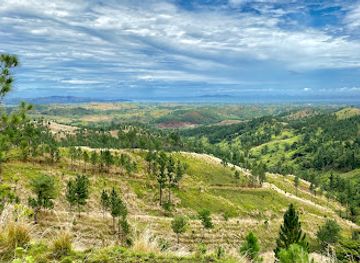
The Eastern Division’s attractions are principally maritime, cultural and historical. Levuka on Ovalau is the most concentrated heritage experience, with its waterfront streets, nineteenth-century buildings, churches and former colonial institutions set against wooded hills. Beyond the town, Ovalau offers village visits, coastal scenery and walking opportunities. Kadavu’s main draw is the Great Astrolabe Reef, where diving and snorkelling reveal channels, coral formations and marine life, while the island’s forests support birdwatching and low-key outdoor excursions. Lau offers a far more remote form of travel, with sparsely developed islands, beaches, lagoons, caves in some limestone environments and communities whose traditions remain closely connected to the sea. Across the division, kayaking, fishing, sailing, swimming and reef exploration depend on local conditions and responsible operators. Cultural attractions include churches, village architecture, craft traditions, chiefly meeting places and accounts of inter-island voyaging. Visitors should not expect a dense sequence of formal museums or large family attractions; the appeal lies in combining a small number of significant heritage sites with landscapes and community-based experiences that require time, sensitivity and flexible planning.
-
Tourist attraction
Go Dirty Tours Fiji
Experience Fiji's rugged beauty and vibrant culture with guided ATV quad bike adventures through the heart of Nadi.
-
Park
Tikaram Park
Escape to serenity at Tikaram Park in Lami, Fiji: perfect for picnics, family fun, and immersing yourself in Fijian culture. Open daily!
-
Tourist attraction
Lautoka Jame Masjid
Discover the serene beauty of Lautoka Jame Masjid, Fiji's largest mosque, a cultural and spiritual landmark in the heart of Lautoka.
-
Tourist attraction
Centenary Church
Discover Suva's Centenary Church: A blend of history, spirituality, and architectural beauty in the heart of Fiji's capital.

Best landmarks in Eastern Division
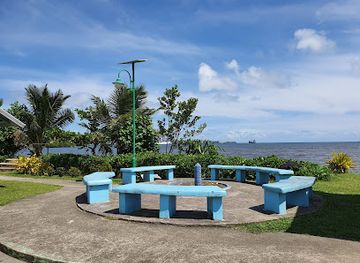
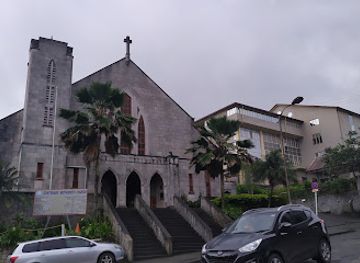
Levuka’s historic waterfront is the Eastern Division’s most recognisable built landmark, preserving the compact streetscape of Fiji’s first colonial capital. Sacred Heart Church, the former Morris Hedstrom store and other surviving nineteenth-century buildings help reveal the commercial and administrative importance the town once held. On Ovalau, the island’s steep volcanic slopes form a dramatic backdrop to the settlement and its coastal approaches. Kadavu’s Great Astrolabe Reef is the division’s defining natural landmark, a vast marine environment associated with deep channels, coral habitats and traditional seafaring waters. Its significance is ecological as well as visual, and it should be experienced without damaging coral or disturbing marine life. In Lau, the landmarks are more dispersed: island churches, village meeting places, distinctive coastal formations, lagoons and traditional houses express local histories rather than a single monumental centre. These places are often best understood with local interpretation, since their importance may lie in genealogy, ceremony, navigation and community memory as much as in formal architecture.
-
National park
Colo-I-Suva Forest Park
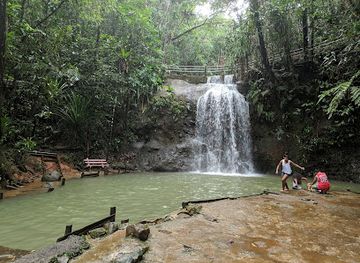
Experience the lush trails and stunning waterfalls of Colo-I-Suva Forest Park, a natural paradise in the heart of Fiji, perfect for adventure and relaxation.
-
Shopping mall
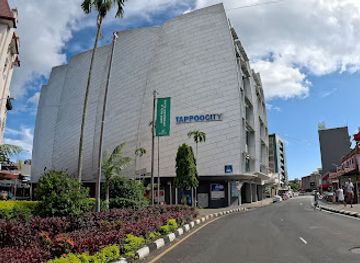
TappooCity Suva
Explore TappooCity Suva, Fiji's premier shopping destination with a blend of local culture, international brands, and delightful dining experiences.
-
Park
Albert Park
Experience the lush beauty and cultural vibrancy of Albert Park in Suva, Fiji's serene urban oasis for relaxation and exploration.
-
Market
Suva Municipal Market
Discover the vibrant heart of Fiji at Suva Municipal Market—where local flavors, crafts, and culture come alive in a bustling atmosphere.
Explore Eastern Division on the map
Plan your trip on one map. See where the top cities, national parks and sights are, and book hotels and experiences in a few clicks.
Best hotels in Eastern Division
Best restaurants in Eastern Division
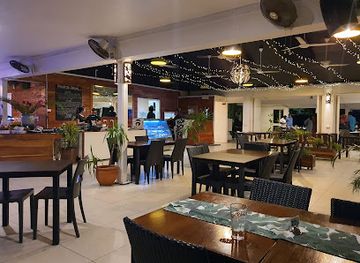
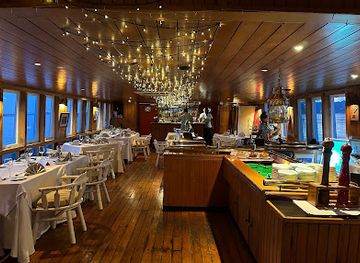
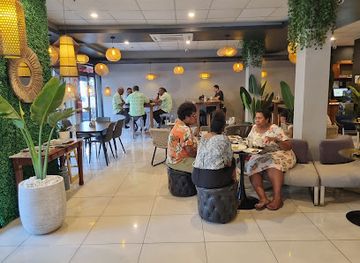
Dining in the Eastern Division is shaped by island supply chains, local gardens and the day’s catch rather than by a large restaurant industry. In Levuka, visitors can find simple cafés, hotel dining and informal eateries serving familiar Fijian and Indo-Fijian dishes, including curries, roti, cassava, taro, coconut-based preparations and fresh fish. Kadavu’s lodges and guesthouses commonly provide meals arranged around locally available seafood, root crops, fruit and vegetables, with advance notice important because alternatives may be limited. In Lau, accommodation is often the centre of dining and meals may be communal or home-style. Kava is a significant social drink in Fiji, but it is traditionally consumed as part of a cultural setting rather than treated simply as a restaurant beverage. Markets and small shops are useful for fruit, baked goods and provisions, although choice and opening arrangements vary greatly between islands. Visitors should be prepared for straightforward food, limited imported products and the need to confirm meals when staying in remote communities.
-
Restaurant
Bulaccino Café (Namaka, Nadi)
Discover the best of Fijian cuisine at Bulaccino Café in Namaka, Nadi - where every meal is an adventure!
-
Restaurant
Paradiso-bar
Experience the vibrant flavors of Fiji at Paradiso Bar - your go-to spot for breakfast and pizza in Suva.
-
Restaurant
Tikos Seafood Restaurant
Experience the best of Fijian seafood at Tikos Seafood Restaurant in Suva – where freshness meets flavor against stunning ocean views.
-
Restaurant
The Coffee Hub - Suva
Experience the best of Fijian hospitality at The Coffee Hub - Suva with delicious food and exceptional coffee.
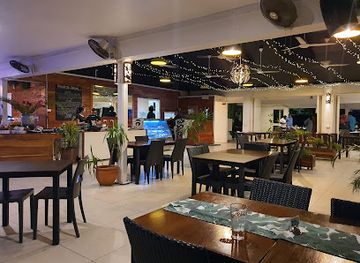
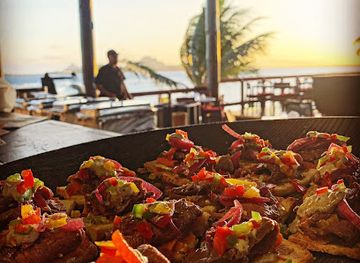
Best bars in Eastern Division
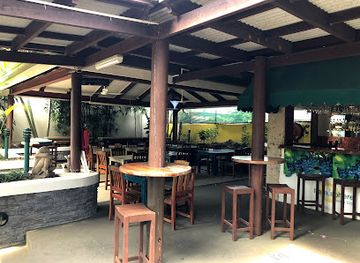
Nightlife in the Eastern Division is quiet and community-oriented rather than club-based. Levuka has the widest choice of evening activity, generally centred on hotel bars, informal drinking places, restaurants and occasional social or cultural events rather than a continuous late-night scene. In Kadavu, evenings usually belong to guesthouse dining, conversation, music, stargazing and the early start required for diving or boat excursions. Lau is quieter still, with social life organised around households, villages, churches and community gatherings. Kava ceremonies can be an important cultural experience when respectfully arranged, but visitors should follow local guidance about participation and etiquette. Alcohol availability varies by accommodation and island, and transport after dark can be limited. There are no major nightlife districts comparable with Suva or Nadi within the division, so travellers should choose accommodation for its setting, hospitality and access to daytime activities rather than expect extensive entertainment after sunset.
-
Bar
Bulaccino Café (Namaka, Nadi)
Discover the culinary charm of Bulaccino Café in Namaka, Nadi, where local flavors meet a cozy atmosphere for every traveler.
-
Restaurant
Paradiso-bar
Discover the flavors of Fiji at Paradiso-bar, where delicious pizzas and a cozy atmosphere await in the heart of Suva.
-
Restaurant
Tikos Seafood Restaurant
Discover the taste of Fiji at Tikos Seafood Restaurant, where fresh seafood meets authentic flavors in a charming setting.
-
Bar
Vasaqa Fiji
Experience the vibrant flavors and lively atmosphere at Vasaqa Fiji, an exceptional bar and restaurant in Nadi offering local cuisine and tropical drinks.

Best nightclubs in Eastern Division
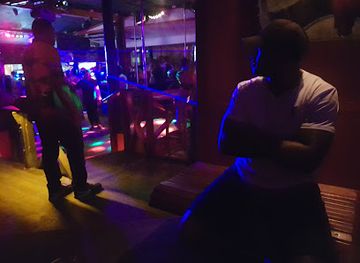
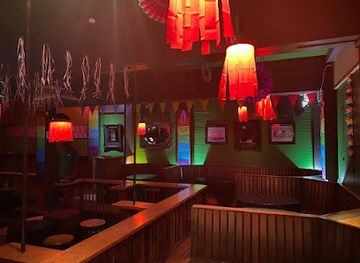
Nightlife in the Eastern Division is quiet and community-oriented rather than club-based. Levuka has the widest choice of evening activity, generally centred on hotel bars, informal drinking places, restaurants and occasional social or cultural events rather than a continuous late-night scene. In Kadavu, evenings usually belong to guesthouse dining, conversation, music, stargazing and the early start required for diving or boat excursions. Lau is quieter still, with social life organised around households, villages, churches and community gatherings. Kava ceremonies can be an important cultural experience when respectfully arranged, but visitors should follow local guidance about participation and etiquette. Alcohol availability varies by accommodation and island, and transport after dark can be limited. There are no major nightlife districts comparable with Suva or Nadi within the division, so travellers should choose accommodation for its setting, hospitality and access to daytime activities rather than expect extensive entertainment after sunset.
-
Night club
DownUnder Pub
Discover the vibrant nightlife of Suva at DownUnder Pub, where great music, drinks, and fun await you in a lively atmosphere.
-
Bar
The Hive
Experience Nadi's vibrant nightlife at The Hive, where good music and great drinks create unforgettable memories.
-
Night club
O'Reilly's Bar Suva
Discover the heartbeat of Suva's nightlife at O'Reilly's Bar, where vibrant music and a lively atmosphere create unforgettable experiences.
-
Night club
Traps Bar
Discover the vibrant nightlife at Traps Bar in Suva, Fiji, where the beats and atmosphere create unforgettable moments.


Best shops in Eastern Division
Shopping in the Eastern Division is modest and locally focused. Levuka has small shops and services for everyday needs, while its historic streets may offer locally made crafts, woven goods, shell-free souvenirs, books and practical provisions rather than extensive retail choice. In Kadavu and Lau, purchases are usually made through village sellers, guesthouses, small stores or occasional community markets. Handicrafts, woven mats, baskets, carved items and locally produced food can provide meaningful souvenirs, but availability varies and visitors should buy directly and respectfully rather than bargain aggressively in informal village settings. Kava is widely associated with Fiji, although purchasing and transporting it from remote islands may require suitable packaging and knowledge of destination-country customs rules. Fresh produce, coconut products, dried foods and handmade textiles may be available when island supply allows. Avoid buying coral, shells, archaeological objects or wildlife products, and remember that air and sea luggage allowances can be restrictive on inter-island journeys.
-
Shopping mall
MHCC
Discover shopping, dining, and entertainment at MHCC in Suva, Fiji's bustling shopping mall offering a blend of local and international experiences.
-
Shopping mall
TappooCity Suva
Discover TappooCity Suva, Fiji's premier shopping mall featuring diverse retail stores, vibrant dining options, and a lively atmosphere for all visitors.
-
E-commerce service
My Fiji Store
Explore My Fiji Store for an array of unique gifts, chocolates, and souvenirs that embody the spirit of Fiji, perfect for any traveler.
-
Clothing store
S Nagindas Renwick
Explore the vibrant fashion scene at S Nagindas Renwick in Suva, where local culture meets contemporary style in a multi-level clothing store.


Get your free copy of our complete guide to Eastern Division, delivered straight to you.
Everything on this page, from attractions and restaurants to essentials and local phrases, in one PDF you can read offline, print or share.
Already have an account? Sign in
Your Eastern Division guide is ready.
We'll send it to · Not you? Sign out

Getting your guide ready…
We are putting together a fresh copy of the Eastern Division guide. This can take up to a minute.
This can take a few moments. If your browser asks, choose Allow so the download can start. You'll find the guide in your Downloads folder.
Nothing happened? Download it again
Sorry, the guide is taking longer than usual. Please try again in a minute, or get it by email instead.
Eastern Division essentials
Currency and Payment
Safety
Emergency Situations
Do's and Don'ts
Local Tips
From Eve
Local phrases worth knowing
You don't need to get them perfect. A few words go a long way, and locals appreciate the effort.
Basics
| English | Local | Say it |
|---|---|---|
| Hello | Bula | [boo-lah] |
| Goodbye | Moce | [mo-they] |
| Yes | Io | [ee-oh] |
| No | Sega | [seh-ngah] |
| Please/You're welcome | Tukuna | [too-koo-nah] |
| Thank you | Vinaka | [vee-nah-kah] |
| Excuse me/Sorry | Tukuna, au sa sega | [too-koo-nah, ow sah seh-ngah] |
| How are you? | O cei na nomu bula? | [oh they nah noh-moo boo-lah] |
| Fine. And you? | Vinaka. O cei na nomu? | [vee-nah-kah. oh they nah noh-moo?] |
| Do you speak English? | O tukuna vakaviti? | [oh too-kuna vah-kee-vee-tee?] |
| I don't understand | Au sega ni kila | [ow seh-ngah nee kee-lah] |
Eating & Drinking
| English | Local | Say it |
|---|---|---|
| I'd like to see the menu, please | Au vinaka me raica na menu, tukuna | [ow vee-nah-kah meh rye-nah nah meh-noo, too-koo-nah] |
| I don't eat meat | Au sega ni kana na gogo | [ow seh-ngah nee kah-nah nah ngo-ngo] |
| Cheers! | Sere! | [seh-reh] |
| I would like to pay, please | Au vinaka me bay, tukuna | [ow vee-nah-kah meh bye, too-koo-nah] |
Emergencies
| English | Local | Say it |
|---|---|---|
| Help! | Vakaraitaka! | [vah-kah-rai-tah-kah] |
| Go away! | Tale mai! | [tah-leh my] |
| Call the Police! | Tukuna na polis! | [too-koo-nah nah poh-lees] |
| Call a doctor! | Tukuna e dua na doketa! | [too-koo-nah eh doo-ah nah doh-keh-tah] |
| I'm lost | Au sa leqa | [ow sah leh-ngah] |
| I'm ill | Au sa mate | [ow sah mah-teh] |
Shopping
| English | Local | Say it |
|---|---|---|
| I'd like to buy... | Au vinaka me volia... | [ow vee-nah-kah meh voh-lee-ah...] |
| I'm just looking | Au soqo tiko | [ow soh-ngoh tee-koh] |
| How much is it? | E vuqa na cost? | [eh voo-ngah nah cost?] |
| That's too expensive | Sa levu sara | [sah leh-voo sah-rah] |
| Can you lower the price? | E rawa ni lailai na cost? | [eh rah-wah nee lie-lie nah cost?] |
Time & Numbers
| English | Local | Say it |
|---|---|---|
| What time is it? | Na gauna cava oqo? | [nah gow-nah thah-vah oh-ngoh?] |
| It's one o'clock | E dua na kaloko | [eh doo-ah nah kah-loh-koh] |
| Half past (10) | Tolu na miniti | [toh-loo nah mee-nee-tee] |
| Morning | Matanitu | [mah-tah-nee-too] |
| Afternoon | Tale | [tah-leh] |
| Evening | Siga | [see-ngah] |
| Yesterday | E na siga sa oti | [eh nah see-ngah sah oh-tee] |
| Today | E na siga oqo | [eh nah see-ngah oh-ngoh] |
| Tomorrow | E na siga mai | [eh nah see-ngah my] |
| 1 | Dua | [doo-ah] |
| 2 | Rawa | [rah-wah] |
| 3 | Tolu | [toh-loo] |
| 4 | Vula | [voo-lah] |
| 5 | Lima | [lee-mah] |
| 6 | Talu | [tah-loo] |
| 7 | Tini | [tee-nee] |
| 8 | Toru | [toh-roo] |
| 9 | Ika | [ee-kah] |
| 10 | Tini | [tee-nee] |
Transport & Directions
| English | Local | Say it |
|---|---|---|
| Where's a/the...? | E na cava na...? | [eh nah thah-vah nah...?] |
| What's the address? | Na i tukutuku? | [nah ee too-koo-too-koo?] |
| Can you show me (on the map)? | E rawa ni vakaraitaka vei au (ena mapa)? | [eh rah-wah nee vah-kah-rai-tah-kah veh-ee ow (eh-nah mah-pah)?] |
| When's the next (bus)? | Na gauna cava e na loma? | [nah gow-nah thah-vah eh nah loh-mah?] |
| A ticket (to ....) | E dua na tiket (ki ....) | [eh doo-ah nah tee-ket (kee ....)] |
History of Eastern Division
Lapita Settlement and Early Island Communities
The islands of Fiji were settled by Austronesian-speaking peoples associated with the wider Lapita cultural tradition, whose movement across the Pacific began more than 3,000 years ago. Pottery, shell artefacts and other archaeological evidence demonstrate early seafaring connections across the archipelago. In the Eastern Division, the sea has consequently been a historical highway rather than a barrier. Later communities developed distinctive island identities while maintaining exchange, kinship and voyaging links with other parts of Fiji and the neighbouring Pacific.
Lauan Connections with Tonga
The Lau islands developed strong political, cultural and trading relationships with Tonga, especially during the eighteenth and nineteenth centuries. Tongan influence reached chiefly institutions, language, architecture, dress and forms of ceremony, although Lauan communities remained part of the wider Fijian world. The islands’ position between the two archipelagos made them an important zone of Pacific exchange. These layered connections remain visible in Lau’s traditions and help explain why the group has a cultural character distinct from both western Fiji and Tonga.
European Contact and Missionary Change
European maritime contact increased during the nineteenth century, followed by the arrival of Christian missionaries and expanding commercial interests. Conversion altered political alliances, settlement patterns and ceremonial life, while new churches became prominent features of many island communities. Traders also sought sandalwood, beche-de-mer and other maritime resources. These developments brought new forms of commerce and literacy but also intensified outside pressure on chiefly authority and local economies throughout Lomaiviti, Lau and Kadavu.
Levuka and Fiji’s First Colonial Capital
Levuka grew rapidly in the nineteenth century as a port, trading centre and gathering place for settlers, ships and commercial enterprises. It became the capital of the Colony of Fiji after the country was ceded to Britain in 1874, before the administrative centre moved to Suva in 1883. The town’s surviving churches, hotels, warehouses, government buildings and residences reflect this short but formative period. Levuka’s historic urban landscape was recognised by UNESCO as a World Heritage Site in 2013.
Cession to Britain and Colonial Administration
Fiji was formally ceded to Britain in 1874 under the leadership of Ratu Seru Epenisa Cakobau and other chiefs, after years of political conflict, commercial pressure and concern over foreign influence. Colonial administration reshaped taxation, land policy, labour and trade, while preserving significant chiefly structures. The Eastern Division’s islands were incorporated into this system through maritime administration and mission networks. The period left a lasting architectural and institutional legacy, particularly in Levuka and established island settlements.
World War II and the Strategic Pacific
Fiji became strategically important during the Second World War because of its position in the South Pacific. Ports, airfields and coastal facilities supported Allied communications and military logistics, while Fijian personnel served in the armed forces. The conflict connected even remote islands more closely to regional supply networks and international events. Although the most substantial military infrastructure was concentrated outside the Eastern Division, wartime shipping and defence planning affected its waters and communities.
Independence and Contemporary Island Life
Fiji became independent from Britain in 1970, and the Eastern Division’s islands continued to balance traditional community structures with changing links to tourism, education, public services and overseas employment. Kadavu’s reef and forest environments have encouraged locally based ecotourism, while Lomaiviti’s heritage has supported renewed interest in Levuka. In Lau, distance and limited transport continue to influence access and economic opportunity. Contemporary island life is therefore shaped by both cultural continuity and the practical realities of a dispersed maritime region.
Eastern Division in Photos
Browse through our photo collection highlighting the charm and character of the destination.
Neighbouring regions of Eastern Division
The closest regions to Eastern Division, if you have time for more than one.
-

-

-

-

-


Swipe for more regions
Explore more

Explore more of Fiji
Discover Fiji: A tropical haven of stunning beaches, rich culture, and endless adventure. Perfect for both relaxation and exploration in the heart of the South Pacific.
Explore Fiji