

Taveuni, Fiji Travel Guide
Discover Taveuni, Fiji's Garden Island: A tropical paradise with lush rainforests, stunning waterfalls, and world-renowned diving spots like Rainbow Reef.
Taveuni, often called the Garden Island, is a lush, tropical paradise in Fiji. Known for its abundant flora and fauna, Taveuni is home to many unique species that can only be found on this island. The landscape is a breathtaking mix of rainforests, waterfalls, and pristine beaches. Nature lovers will delight in exploring the Bouma National Heritage Park, which covers over a third of the island. The park offers several waterfalls and hiking trails, including the famous Lavena Coastal Walk. This walk takes you through the jungle, past traditional Fijian villages, and ends at a spectacular waterfall where you can take a refreshing dip. For those interested in marine life, the Rainbow Reef is a must-visit. Known as one of the best diving spots in the world, the reef is teeming with colorful corals and diverse sea creatures. Snorkeling and diving here provide an unforgettable underwater experience. Taveuni is also rich in culture and history. You can visit the 180th Meridian, which marks the line where the Eastern and Western Hemispheres meet. Local markets and villages offer a glimpse into traditional Fijian life, and the friendly locals are always eager to share their customs and stories.

Know before you go
Hi, I'm Eve. Here are a few practical things to know before exploring Taveuni.
- Pack sturdy walking shoes for exploring the island’s trails and rainforests.
- Bring insect repellent to protect against mosquitoes, especially in the evening.
- Visit during the dry season (May to October) for the best weather and clearer waters for diving.
- Try local cuisine at village markets for an authentic Fijian culinary experience.
- Hire a local guide for hiking trips to learn more about the island’s flora, fauna, and culture.

Best landmarks in Taveuni
Top-rated picks
Best Landmarks

Koroyanitu National Park
Explore the lush landscapes and rich biodiversity of Koroyanitu National Park, a paradise for nature enthusiasts and cultural explorers in Fiji.

Island Hoppers Fiji
Experience the breathtaking beauty of Fiji from above with Island Hoppers Fiji's unforgettable helicopter tours, showcasing stunning landscapes and hidden gems.

Tavuni Hill Fort
Explore Tavuni Hill Fort, a captivating historical landmark in Fiji that offers stunning views and rich cultural heritage.

Naihehe Cave
Explore the stunning Naihehe Cave, a historical landmark in Fiji that showcases breathtaking geological formations and rich cultural heritage.

Best restaurants in Taveuni
Top-rated picks
Best Restaurants

Koroyanitu National Park
Explore the breathtaking landscapes and rich biodiversity of Koroyanitu National Park – a gem in Fiji's natural heritage.

Swagat Wine and Dine
Experience authentic Indian cuisine at Swagat Wine and Dine in Suva - where every meal tells a story.

Tanoa Rakiraki Hotel
Discover tranquility at Tanoa Rakiraki Hotel - your perfect getaway in Fiji surrounded by breathtaking landscapes.

Crab Shack Fiji
Experience exquisite seafood dining with stunning ocean views at Crab Shack Fiji in Korotogo.

Best bars in Taveuni
Top-rated picks
Best Bars

Sundowner Bar & Grill
Experience the best of Fijian cuisine at Sundowner Bar & Grill, where culinary excellence meets stunning ocean views in a tropical paradise.
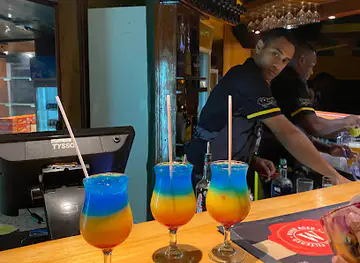
DownUnder Pub
Discover the vibrant nightlife at DownUnder Pub in Suva, Fiji, where great music and drinks create an unforgettable experience.

The Tipsy Italian (FIJI)
Experience the taste of Italy in the heart of Fiji at The Tipsy Italian, serving exquisite pizza and coffee in a tropical paradise.

Opium Bar Fiji
Discover the essence of Fiji's nightlife at Opium Bar, where vibrant atmosphere meets delicious drinks and friendly service.

Best nightclubs in Taveuni
Top-rated picks
Best Nightclubs

DownUnder Pub
Discover the vibrant nightlife at DownUnder Pub, Suva's premier night club offering the best music and an inviting atmosphere for all.

Traps Bar
Discover the vibrant nightlife of Suva at Traps Bar, where great music, drinks, and a lively atmosphere await you.

Eds Bar
Experience the vibrant nightlife at Eds Bar in Nadi, where music, cocktails, and fun come together for an unforgettable evening.

The Lab Fiji
Dive into the exciting nightlife of Fiji at The Lab, where unforgettable moments and vibrant energy await every night.

Best shops in Taveuni
Top-rated picks
Best Shops

Damodar City
Experience the vibrant shopping, dining, and entertainment at Damodar City, the heart of Suva's modern lifestyle.

TappooCity Suva
Explore TappooCity Suva: Where modern shopping meets Fijian charm, offering diverse brands and local delicacies in a vibrant atmosphere.

TappooCity Lautoka
Discover the vibrant shopping and dining experience at TappooCity Lautoka, a must-visit destination for tourists exploring Fiji.

Suva Municipal Market
Discover the Suva Municipal Market, a lively hub of Fijian culture, fresh produce, and traditional crafts in the heart of Suva.

Explore Taveuni on the Map
A handpicked selection of must-see spots in Taveuni, mapped for you.
Taveuni Essentials
-
Taveuni is accessible via air and sea. The easiest way to reach Taveuni is by flying to Nadi International Airport (NAN) in Fiji, followed by a domestic flight to Matei Airport (TVU) on Taveuni. Airlines such as Fiji Airways and Northern Air operate regular flights. Alternatively, you can take a ferry from Suva or Savusavu to Taveuni, which offers a scenic yet longer journey.
-
Once on Taveuni, getting around is relatively straightforward. Rental cars and taxis are available for hire, and many resorts offer shuttle services. Public buses run infrequently but are an affordable option for traveling between villages. For short distances, walking or renting a bicycle can be a pleasant way to explore the island.
-
The official currency in Fiji is the Fijian Dollar (FJD). Credit cards are accepted in most hotels, resorts, and larger restaurants, but smaller establishments may only accept cash. It is advisable to carry some cash for smaller purchases and transactions in more remote areas. ATMs are available in major villages, but it's wise to withdraw sufficient cash before heading to more secluded spots.
-
Taveuni is generally a safe destination for tourists. However, it is recommended to take standard precautions. Avoid walking alone at night in unfamiliar areas and keep an eye on your belongings in crowded places. There are no specific high-crime areas targeting tourists, but it is always best to stay vigilant and aware of your surroundings.
-
In case of an emergency, dial 911 for immediate assistance. Taveuni has a hospital located in Waiyevo, which provides basic medical services. It is highly recommended to have travel insurance that covers medical emergencies. For minor health issues, there are several pharmacies on the island where you can purchase over-the-counter medications.
-
Fashion: Do dress modestly, especially when visiting villages and religious sites. Avoid wearing revealing clothing. Religion: Do respect local customs and traditions. Always ask for permission before entering a village or participating in a kava ceremony. Public Transport: Do be respectful and give up your seat to elderly passengers. Don't eat or drink on public transport. Greetings: Do greet people with a friendly 'Bula!' and a smile. Eating & Drinking: Do try local delicacies and accept food offerings graciously. Don't refuse hospitality, as it is considered impolite.
-
To experience Taveuni like a local, visit the local markets such as the one in Naqara, where you can buy fresh produce and traditional Fijian goods. Engage with locals, who are often friendly and willing to share stories about the island's history and culture. Don't miss visiting the Bouma National Heritage Park for its stunning waterfalls and hiking trails. For a unique experience, take a boat trip to the Waitavala Waterslide, a natural rock slide enjoyed by locals and tourists alike.
When is the best time to visit Taveuni?
Useful Local Phrases for Taveuni
You don't need to speak the language perfectly. Even learning a few simple words can make conversations warmer—and locals usually appreciate the effort.
— Eve

Here are the phrases I use most often in Taveuni. Try a few—you'll be surprised how far they go! 😊
❤️
-
- HelloBula
[boo-lah] - GoodbyeNaka
[nah-kah] - YesIo
[ee-oh] - NoSega
[seh-ngah] - Please/You're welcomeVinaka
[vee-nah-kah] - Thank youVinaka
[vee-nah-kah] - Excuse me/SorryKerekere
[keh-reh-keh-reh] - How are you?O cei na nomu yaca?
[oh thay nah noh-moo yah-thah?] - Fine. And you?Sega ni draki. O iko?
[seh-ngah nee thrah-kee. oh ee-koh?] - Do you speak English?E volai na vosa vaka-Viti?
[eh voh-lie nah voh-sah vah-kah-vee-tee?] - I don't understandAu sega ni kila
[ow seh-ngah nee kee-lah]
- HelloBula
-
- I'd like to see the menu, pleaseAu via raica na menu, please
[ow vee-ah rye-kah nah meh-noo, please] - I don't eat meatAu sega ni kana manumanu
[ow seh-ngah nee kah-nah mah-noo-mah-noo] - Cheers!Matai!
[mah-tah-ee] - I would like to pay, pleaseAu via saumi, please
[ow vee-ah sow-mee, please]
- I'd like to see the menu, pleaseAu via raica na menu, please
-
- Help!Vakaraitaka!
[vah-kah-rai-tah-kah] - Go away!Vakarawa!
[vah-kah-rah-wah] - Call the Police!Tukuna na Polisi!
[too-koo-nah nah poh-lee-see] - Call a doctor!Tukuna e dokita!
[too-koo-nah eh doh-kee-tah] - I'm lostAu sa lutu
[ow sah loo-too] - I'm illAu sa mate
[ow sah mah-teh]
- Help!Vakaraitaka!
-
- I'd like to buy...Au via volia...
[ow vee-ah voh-lee-ah] - I'm just lookingAu sa raica ga
[ow sah rye-kah gah] - How much is it?E levu cava?
[eh leh-voo thah-vah?] - That's too expensiveSa levu ka na i lavo
[sah leh-voo kah nah ee lah-voh] - Can you lower the price?O rawa ni lailai na i lavo?
[oh rah-wah nee lie-lie nah ee lah-voh?]
- I'd like to buy...Au via volia...
-
- What time is it?Na loma ni gauna?
[nah loh-mah nee gahn-ah?] - It's one o'clockE dua na hora
[eh doo-ah nah hoh-rah] - Half past (10)Taba ni (10)
[tah-bah nee (10)] - MorningVakarau
[vah-kah-rah-oo] - AfternoonEna siga
[eh-nah see-ngah] - EveningMai na bogi
[my nah boh-ngi] - YesterdayEna siga sa oti
[eh-nah see-ngah sah oh-tee] - TodayEna siga
[eh-nah see-ngah] - TomorrowNa siga mai
[nah see-ngah my] - 1Dua
[doo-ah] - 2Rua
[roo-ah] - 3Tolu
[toh-loo] - 4Vula
[voo-lah] - 5Lima
[lee-mah] - 6Tolu
[toh-loo] - 7Vitu
[vee-too] - 8Vula
[voo-lah] - 9Tini
[tee-nee] - 10Talu
[tah-loo]
- What time is it?Na loma ni gauna?
-
- Where's a/the...?E tiko e na...?
[eh tee-koh eh nah...?] - What's the address?Na yaca ni vale?
[nah yah-thah nee vah-leh?] - Can you show me (on the map)?E rawa ni vakaraitaka vei au (e na mapa)?
[eh rah-wah nee vah-kah-rai-tah-kah veh-ee ow (eh nah mah-pah)?] - When's the next (bus)?Nai koro sa mai?
[nah-ee koh-roh sah my?] - A ticket (to ....)E dua na tikete (ki ....)
[eh doo-ah nah tee-keh-teh (kee ....)]
- Where's a/the...?E tiko e na...?
History of Taveuni
-
The island of Taveuni was first settled by Polynesians, who arrived around 3,000 years ago. These early settlers brought with them sophisticated navigational skills and a deep understanding of the ocean, which allowed them to thrive on the island. Archaeological evidence, including pottery shards and ancient tools, points to a rich and vibrant early culture.
-
Taveuni is home to the rare Tagimoucia flower, which grows only on the slopes of the island's volcanic crater lake. According to Fijian legend, the flower was born from the tears of a young princess who was forbidden from marrying her true love. Her tears flowed down the mountainside and sprouted the beautiful, crimson Tagimoucia blossoms, a symbol of enduring love and heartache.
-
In the early 19th century, missionaries from Europe arrived on Taveuni, bringing Christianity to the island's inhabitants. The London Missionary Society played a significant role in shaping the island's religious landscape, establishing churches and schools. This period also saw the introduction of written language and Western education, which had a profound impact on the local culture and traditions.
-
During the latter half of the 19th century, Taveuni became known for its extensive coconut plantations. European settlers established large estates, cultivating coconuts for copra production. The plantations not only transformed the island's economy but also its landscape, with vast swathes of land dedicated to coconut trees. Today, remnants of these plantations can still be seen, offering a glimpse into the island's colonial past.
-
One of the most unique aspects of Taveuni is its location on the International Date Line. Although the official line has since been adjusted to pass east of the island, Taveuni still holds the distinction of being one of the few places in the world where you can stand with one foot in today and the other in yesterday. This geographical quirk has made the island a fascinating destination for travelers seeking to experience time travel in a literal sense.
-
Established in 1990, Bouma National Heritage Park is a testament to Taveuni's commitment to preserving its natural beauty and biodiversity. The park covers over 150 square kilometers and includes lush rainforests, pristine waterfalls, and diverse wildlife. The local community plays a crucial role in the park's conservation efforts, promoting sustainable tourism and protecting the island's unique ecosystems.
-
Taveuni is renowned for its breathtaking waterfalls, which hold significant cultural and spiritual importance for the island's inhabitants. The Tavoro Waterfalls, located within Bouma National Heritage Park, are particularly revered. These waterfalls are not only natural wonders but also sites of traditional ceremonies and rituals, reflecting the deep connection between the island's people and their natural environment.
Neighbouring Regions of Taveuni
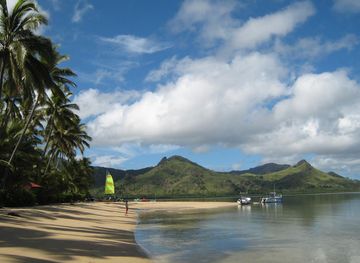
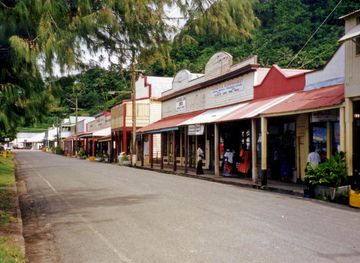
The closest regions to Taveuni, if you have time for more than one.



Your all‑in‑one travel companion app
Explore expert travel guides, compare and book tours, experiences, hotels, and more—all from the palm of your hand. Download now for seamless trip planning wherever your wanderlust takes you.


Explore More of Fiji

Looking beyond Taveuni? Discover Fiji for broader travel guides, local hot-spots, and regional highlights.
Explore FijiTaveuni in Photos
Browse through our photo collection highlighting the charm and character of the destination.


Taveuni: Fiji's Garden Island Paradise
Taveuni, often called the Garden Island, is a lush, tropical paradise in Fiji. Known for its abundant flora and fauna, Taveuni is home to many unique species that can only be found on this island. The landscape is a breathtaking mix of rainforests, waterfalls, and pristine beaches. Nature lovers will delight in exploring the Bouma National Heritage Park, which covers over a third of the island. The park offers several waterfalls and hiking trails, including the famous Lavena Coastal Walk. This walk takes you through the jungle, past traditional Fijian villages, and ends at a spectacular waterfall where you can take a refreshing dip. For those interested in marine life, the Rainbow Reef is a must-visit. Known as one of the best diving spots in the world, the reef is teeming with colorful corals and diverse sea creatures. Snorkeling and diving here provide an unforgettable underwater experience. Taveuni is also rich in culture and history. You can visit the 180th Meridian, which marks the line where the Eastern and Western Hemispheres meet. Local markets and villages offer a glimpse into traditional Fijian life, and the friendly locals are always eager to share their customs and stories.