

Free Lau Islands Travel Guide & Mobile App
Explore Lau Islands with free travel guides. Discover regional history, expert tips, proposed trips, and audio guides on web or mobile app.


Explore Fiji’s Lau Islands for remote lagoons, reef-fringed villages, traditional culture and carefully planned South Pacific journeys.
Read more about Lau Islands
When is the best time to visit Lau Islands?
Best: June–August · 28°C| Month | High (°C) | Rainfall (mm) |
|---|---|---|
| January | 30 | 300 |
| February | 30 | 250 |
| March | 30 | 230 |
| April | 30 | 200 |
| May | 29 | 170 |
| June (best) | 28 | 150 |
| July (best) | 28 | 140 |
| August (best) | 28 | 150 |
| September | 28 | 170 |
| October | 29 | 200 |
| November | 30 | 230 |
| December | 30 | 270 |
Getting to and around Lau Islands
How to get there
Transportation
Best attractions in Lau Islands
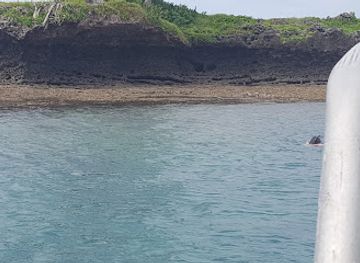
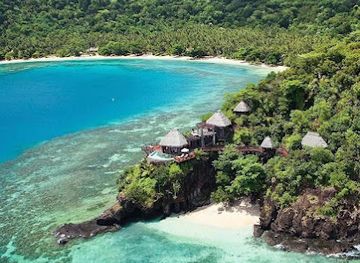
The Lau Islands’ attractions are primarily natural, cultural and experiential rather than built for mass tourism. Vanua Balavu’s Bay of Islands is the archipelago’s best-known seascape, with sheltered channels, forested limestone islets and coral reefs suited to carefully guided boating, kayaking, snorkelling and diving. Fulaga presents a different landscape: a low island encircled by a lagoon and scattered limestone outcrops, where shallow-water exploration depends closely on tides and weather. Lakeba, Cicia and Vanuavatu offer village visits, coastal walks, agricultural landscapes and opportunities to understand everyday island life when arranged with local permission. Reef fishing, sailing and birdwatching can be rewarding, but equipment and guides are not consistently available. Churches, village meeting spaces and traditional craft practices provide cultural interest, while coconut plantations and garden plots reveal the continuing importance of subsistence and small-scale production. There are no extensive collections of conventional museums or large family attractions, and many experiences are community-led or self-sufficient in character. Visitors should avoid treating remote villages and reefs as open-access attractions: permission, modest behaviour and low-impact travel are essential parts of the visit.
-
National park
Colo-I-Suva Forest Park
Explore the lush biodiversity and tranquil beauty of Colo-I-Suva Forest Park, a national park and beloved tourist attraction in Fiji.
-
Park
Albert Park
Visit Albert Park in Suva, Fiji: a historic landmark hosting key national events, cultural celebrations, and recreational activities since the 1880s.
-
Memorial park
Ratu Sukuna Park
A serene memorial park in Suva, Fiji, honoring Ratu Sir Lala Sukuna with lush greenery, historical monuments, and waterfront views.
-
Tourist attraction
River Tubing Fiji
Discover Fiji's hidden heartland: Float down the Navua River, explore traditional villages, and swim in pristine waterfalls with River Tubing Fiji.
Best landmarks in Lau Islands
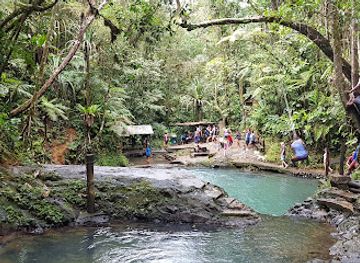
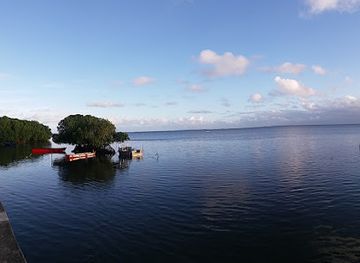
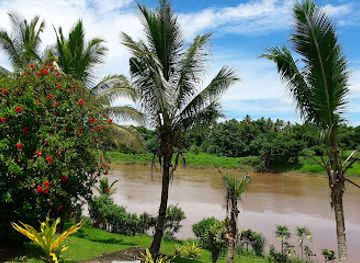
Lau’s most recognisable landmarks are landscapes and community structures rather than monumental urban buildings. The Bay of Islands at Vanua Balavu is defined by steep-sided limestone formations, narrow waterways and sheltered anchorages that demonstrate the geological variety of the northern group. Fulaga’s lagoon and its scattered mushroom-shaped limestone islets form an equally distinctive southern seascape, shaped by reef, erosion and changing tides. On Lakeba, village churches and chiefly spaces reflect the religious and political transformations that reshaped Lau during the nineteenth century, although these are living places rather than museum pieces. Coconut groves, village greens and traditional homes provide a human scale to the islands’ scenery, while reefs and mangrove-fringed shores mark the boundary between settlement and ocean. The significance of these places lies in the relationship between land, sea and community: a landmark may be a lagoon used for daily travel, a church central to village life or a reef protected through local custom. Access and photography should always be agreed with residents or guides.
-
National park
Colo-I-Suva Forest Park
Discover the lush beauty and serene tranquility of Colo-I-Suva Forest Park, a natural gem in Fiji perfect for hiking, bird watching, and relaxation.
-
Botanical garden
Garden of the Sleeping Giant
Explore the Garden of the Sleeping Giant in Fiji, a tranquil botanical paradise with over 2,000 orchid varieties and stunning tropical landscapes.
-
Amusement park
Kula WILD Adventure Park
Experience thrilling rides, exotic wildlife encounters, and breathtaking scenery at Kula WILD Adventure Park in Fiji, perfect for family fun and adventure.
-
Island
Fiji Islands
Explore the breathtaking beauty of the Fiji Islands, where pristine beaches, vibrant culture, and warm hospitality await every traveler.
Explore Lau Islands on the map
Plan your trip on one map. See where the top cities, national parks and sights are, and book hotels and experiences in a few clicks.
Best hotels in Lau Islands
Best restaurants in Lau Islands
Dining in the Lau Islands is generally informal, locally arranged and closely linked to household gardens, fishing and community hospitality rather than a restaurant industry. Meals may include freshly caught fish, reef seafood where sustainably available, cassava, sweet potato, taro, breadfruit, coconut, island greens and tropical fruit. Rice, tinned goods and other imported staples are also common, particularly where shipping is irregular. On Lakeba and other larger islands, visitors may find simple accommodation kitchens, guesthouse meals or food prepared by arrangement, while remote islands can have very few purchasing options. Traditional lovo cooking, in which food is prepared in an earth oven, may occur for communal occasions but should not be assumed as a daily service. Carrying supplementary provisions is sensible, especially for dietary requirements. Alcohol availability is limited and should never be presumed. Ask hosts about local food customs, fishing seasons, water supplies and payment before arrival, and avoid placing demands on household resources in communities with restricted deliveries.
-
Restaurant
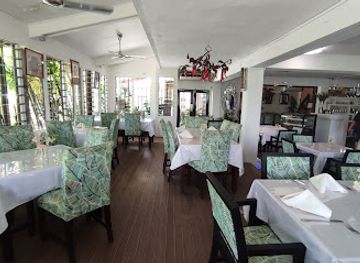
Eden Bistro & Bar (Fiji)
Experience vibrant flavors at Eden Bistro & Bar in Suva – where Fijian hospitality meets culinary excellence.
-
Restaurant
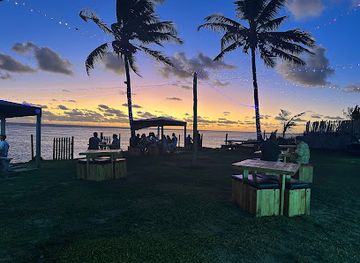
Crab Shack Fiji
Discover Crab Shack Fiji: Experience fresh seafood delights and breathtaking ocean views in Korotogo's vibrant culinary scene.
-
Restaurant
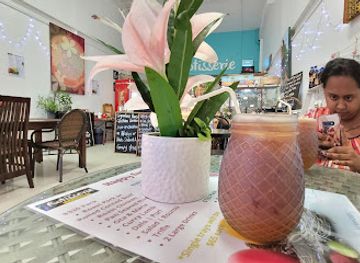
The Rotisserie
Experience the best rotisserie chicken in Suva at The Rotisserie - a local favorite for delicious meals and friendly service.
-
Chinese
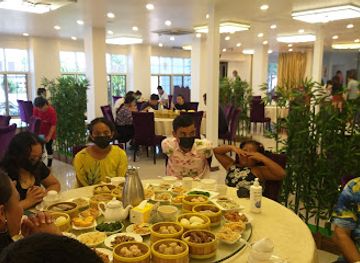
Yue Lai Restaurant
Discover exquisite Chinese cuisine at Yue Lai Restaurant in Suva, where authentic flavors meet warm hospitality for an unforgettable dining experience.
Best bars in Lau Islands
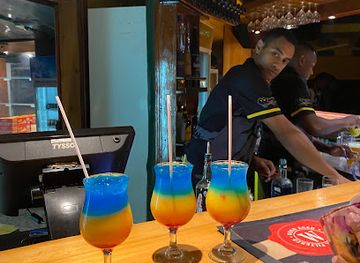
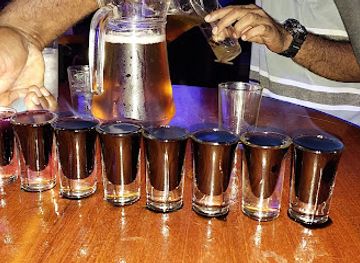
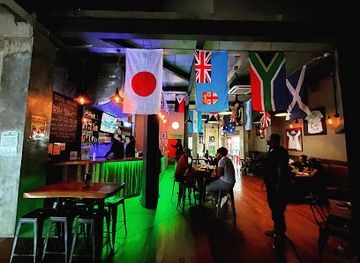
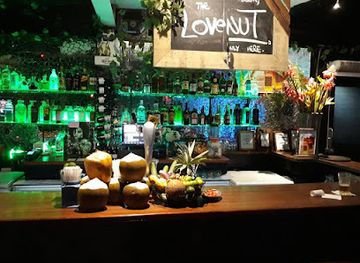
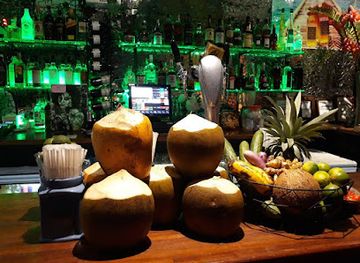
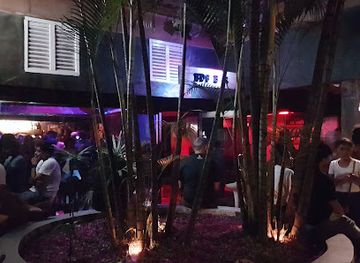
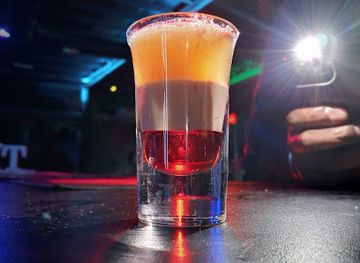
The Lau Islands do not have a conventional bar or nightclub scene. Evening social life centres on village homes, community gatherings, church activities, guesthouse meals and quiet conversation rather than commercial entertainment. Kava, or yaqona, may be shared in a formal or informal setting, but participation should follow local invitation and etiquette; it is not a performance arranged on demand. Beer and other alcoholic drinks may be available through private supplies or limited local shops, but visitors should not rely on them, and public drunkenness is particularly inappropriate in small communities. On larger or more frequently visited islands, an accommodation provider may organise a meal, music or cultural evening, subject to local arrangements. Remote anchorages are valued for darkness, stars and the sound of the sea, not late-night venues. Bring reading material or other quiet activities, respect church observances and keep noise low after dark near villages.
-
Night club
DownUnder Pub
Discover the heart of Suva's nightlife at DownUnder Pub, a lively destination for music, drinks, and unforgettable experiences.
-
Bar
Opium Bar Fiji
Discover the lively nightlife at Opium Bar Fiji, where refreshing drinks and vibrant ambience await in the heart of Suva.
-
Bar
The Dogfather Bar
Experience Fijian hospitality at The Dogfather Bar, a vibrant local bar in Suva offering refreshing drinks and a lively atmosphere.
-
Night club
Traps Bar
Discover the lively nightlife of Suva at Traps Bar, where great music meets a vibrant atmosphere for an unforgettable experience.
Best nightclubs in Lau Islands
The Lau Islands do not have a conventional bar or nightclub scene. Evening social life centres on village homes, community gatherings, church activities, guesthouse meals and quiet conversation rather than commercial entertainment. Kava, or yaqona, may be shared in a formal or informal setting, but participation should follow local invitation and etiquette; it is not a performance arranged on demand. Beer and other alcoholic drinks may be available through private supplies or limited local shops, but visitors should not rely on them, and public drunkenness is particularly inappropriate in small communities. On larger or more frequently visited islands, an accommodation provider may organise a meal, music or cultural evening, subject to local arrangements. Remote anchorages are valued for darkness, stars and the sound of the sea, not late-night venues. Bring reading material or other quiet activities, respect church observances and keep noise low after dark near villages.
-
Night club
DownUnder Pub
Discover the lively energy of DownUnder Pub in Suva, where great music and delicious drinks create an unforgettable nightlife experience.
-
Night club
Traps Bar
Experience the vibrant nightlife at Traps Bar in Suva, where local music meets a lively atmosphere for an unforgettable evening.
-
Night club
Eds Bar
Experience the vibrant nightlife of Nadi at Eds Bar, where great drinks and good times come together in a lively atmosphere.
-
Night club
The Lab Fiji
Dive into the vibrant nightlife at The Lab Fiji, a must-visit night club in Nadi offering unforgettable dancing and social experiences.

Best shops in Lau Islands
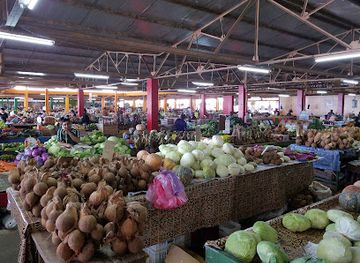
Shopping in the Lau Islands is limited and practical, with no concentrated retail district or dependable tourist market across the group. Village shops and small trading points may stock basic food, drinks, household goods and locally available produce, but supplies depend on shipping and can vary considerably. Visitors may encounter woven mats, baskets, fans, pandanus work or other handicrafts made for household and ceremonial use; purchasing should be arranged respectfully and directly, with fair payment and no pressure to sell culturally significant items. Copra, coconut products, fresh produce and fish are part of the islands’ economic life, although availability for travellers is seasonal and transport-dependent. Bring essential toiletries, medicines, specialist food and durable equipment from Fiji’s larger urban centres rather than expecting to buy them in Lau. Souvenirs should not include coral, shells, archaeological objects, feathers or other wildlife. The most appropriate purchases are locally made crafts or food products that communities have chosen to offer, supported by clear agreement about price, ownership and transport.
-
Shopping mall
TappooCity Suva
Explore TappooCity Suva for an unforgettable shopping experience in the heart of Fiji, featuring a diverse range of stores and delicious dining options.
-
Supermarket
Shop N Save Supermarket
Explore the diversity of Fiji at Shop N Save Supermarket in Tavua - your gateway to local flavors and unique shopping experiences.
-
E-commerce service
My Fiji Store
Explore My Fiji Store for unique gifts, souvenirs, and local treats that capture the essence of Fiji's vibrant culture.
-
Flea market
Suva Flea Market
Discover the vibrant Suva Flea Market, where local crafts, fresh produce, and authentic Fijian culture come together in a colorful shopping experience.

Get your free copy of our complete guide to Lau Islands, delivered straight to you.
Everything on this page, from attractions and restaurants to essentials and local phrases, in one PDF you can read offline, print or share.
Already have an account? Sign in
Your Lau Islands guide is ready.
We'll send it to · Not you? Sign out

Getting your guide ready…
We are putting together a fresh copy of the Lau Islands guide. This can take up to a minute.
This can take a few moments. If your browser asks, choose Allow so the download can start. You'll find the guide in your Downloads folder.
Nothing happened? Download it again
Sorry, the guide is taking longer than usual. Please try again in a minute, or get it by email instead.
Lau Islands essentials
Currency and Payment
Safety
Emergency Situations
Do's and Don'ts
Local Tips
From Eve
Local phrases worth knowing
You don't need to get them perfect. A few words go a long way, and locals appreciate the effort.
Basics
| English | Local | Say it |
|---|---|---|
| Hello | Bula | [boo-lah] |
| Goodbye | Moce | [moh-theh] |
| Yes | Io | [ee-oh] |
| No | Sega | [seh-ngah] |
| Please/You're welcome | Yadra | [yah-drah] |
| Thank you | Vinaka | [vee-nah-kah] |
| Excuse me/Sorry | Tukuna | [too-koo-nah] |
| How are you? | O cei na nomu bula? | [oh thay nah noh-moo boo-lah] |
| Fine. And you? | Vinaka. O iko? | [vee-nah-kah. oh ee-koh?] |
| Do you speak English? | O ni vosa vakavalagi? | [oh nee voh-sah vah-kah-vah-lah-gee] |
| I don't understand | Au sega ni kila | [ow seh-ngah nee kee-lah] |
Eating & Drinking
| English | Local | Say it |
|---|---|---|
| I'd like to see the menu, please | Au via raica na menu, yadra | [ow vee-ah rye-kah nah meh-noo, yah-drah] |
| I don't eat meat | Au sega ni kana na manumanu | [ow seh-ngah nee kah-nah nah mah-noo-mah-noo] |
| Cheers! | Bula! | [boo-lah] |
| I would like to pay, please | Au via sauma, yadra | [ow vee-ah sow-mah, yah-drah] |
Emergencies
| English | Local | Say it |
|---|---|---|
| Help! | Vuke! | [voo-keh] |
| Go away! | Sega ni tu! | [seh-ngah nee too!] |
| Call the Police! | Vakacuruma na Polisi! | [vah-kah-thoo-mah nah poh-lee-see!] |
| Call a doctor! | Vakacuruma e dua na dokita! | [vah-kah-thoo-mah eh doo-ah nah doh-kee-tah!] |
| I'm lost | Au sa taqomaki | [ow sah tah-koh-mah-kee] |
| I'm ill | Au sa mate | [ow sah mah-teh] |
Shopping
| English | Local | Say it |
|---|---|---|
| I'd like to buy... | Au via volia... | [ow vee-ah voh-lee-ah] |
| I'm just looking | Au soqo ga | [ow soh-ngoh gah] |
| How much is it? | E levu cava? | [eh leh-voo thah-vah?] |
| That's too expensive | Sa levu sara | [sah leh-voo sah-rah] |
| Can you lower the price? | E rawa ni vakalailai na isau? | [eh rah-wah nee vah-kah-lie-lie nah ee-sow?] |
Time & Numbers
| English | Local | Say it |
|---|---|---|
| What time is it? | Cava na gauna? | [thah-vah nah gow-nah?] |
| It's one o'clock | E dua na hora | [eh doo-ah nah hoh-rah] |
| Half past (10) | Taba ni (10) | [tah-bah nee (10)] |
| Morning | Muri | [moo-ree] |
| Afternoon | Vuli | [voo-lee] |
| Evening | Bogi | [boh-gee] |
| Yesterday | Siga sa oti | [see-ngah sah oh-tee] |
| Today | Siga o ni | [see-ngah oh nee] |
| Tomorrow | Siga mai | [see-ngah my] |
| 1 | Dua | [doo-ah] |
| 2 | Rua | [roo-ah] |
| 3 | Tolu | [toh-loo] |
| 4 | Vaka | [vah-kah] |
| 5 | Lima | [lee-mah] |
| 6 | Vau | [vah-oo] |
| 7 | Vitu | [vee-too] |
| 8 | Walu | [wah-loo] |
| 9 | Ciwa | [thee-wah] |
| 10 | Sega | [seh-ngah] |
Transport & Directions
| English | Local | Say it |
|---|---|---|
| Where's a/the...? | E na vuka na...? | [eh nah voo-kah nah...?] |
| What's the address? | Cava na adresi? | [thah-vah nah ah-dreh-see?] |
| Can you show me (on the map)? | E rawa ni vakaraitaka vei au (e na mapa)? | [eh rah-wah nee vah-kah-rye-tah-kah veh-ee ow (eh nah mah-pah)?] |
| When's the next (bus)? | E na cava na (busi) e tarava? | [eh nah thah-vah nah (boo-see) eh tah-rah-vah?] |
| A ticket (to ....) | E dua na tikita (ki ....) | [eh doo-ah nah tee-kee-tah (kee ....)] |
History of Lau Islands
Early Oceanic Settlement
The Lau Islands were settled by seafaring Austronesian peoples as part of the wider settlement of the Pacific, with later populations shaped by movement among Fiji, Tonga and neighbouring island groups. Archaeological evidence across Fiji points to Lapita-era voyaging and settlement more than three thousand years ago, although the surviving record varies from island to island. Communities developed around fishing, gardening, inter-island exchange and the management of scarce freshwater resources. The archipelago’s position on routes across the southwest Pacific made it a meeting place as well as a remote outlying group.
Lauan Chiefdoms and Inter-Island Exchange
Before colonial rule, Lauan islands were organised through chiefly communities whose authority rested on kinship, land, ritual obligations and control of local resources. Sailing and exchange connected the islands with Viti Levu, Vanua Levu, the Yasawas and Tonga. These relationships brought material goods, political alliances and cultural influences, while also producing rivalries between chiefly centres. The islands were not governed as a single centralised state in the modern sense; each community retained its own histories and local institutions, even as leading chiefs acquired influence across wider parts of the group.
Tongan Influence in the Lau Group
During the eighteenth and nineteenth centuries, Tongan political and cultural influence became especially important in parts of Lau. Tongan chiefs and voyagers formed alliances and established authority in several islands, while movement between Tonga and eastern Fiji encouraged shared practices in language, ceremony, architecture and chiefly organisation. The extent of this influence differed between islands, and Lauan communities retained their own identities and relationships with other Fijian regions. The period helps explain why Lau has a distinct eastern orientation within Fiji’s broader cultural landscape.
Christian Conversion and Missionary Change
Christian missionaries reached the Lau Islands during the nineteenth century, when conversion was closely connected with chiefly decisions, political alliances and the changing balance between Fiji and Tonga. Wesleyan influence became particularly important, and churches remain prominent in many island settlements. Conversion altered religious life, calendars and systems of authority, while schools and literacy gradually expanded. These changes did not erase older social structures: chiefly obligations, kinship, village cooperation and customary relationships with land and sea continued to shape life in the islands.
Cession of Fiji and Colonial Administration
Fiji became a British colony after the Deed of Cession in 1874, bringing the Lau Islands into a new administrative and economic framework. Colonial government formalised relations between island communities, chiefs and national institutions, while shipping, taxation, schooling and the cash economy became more significant. Copra production, based on dried coconut meat, linked many Lauan households to overseas markets. The islands remained geographically peripheral, however, and their scattered settlements continued to depend heavily on local agriculture, fishing and inter-island networks.
Copra, Shipping and Post-Colonial Island Life
Through the twentieth century, copra, fishing and subsistence agriculture remained important to Lau’s economy, alongside public-sector employment and remittances. Small boats and occasional shipping services connected villages with one another and with Fiji’s main islands, though distance and rough seas continued to limit regular access. After Fiji’s independence in 1970, Lau developed within the national state while retaining powerful local identities and chiefly institutions. Contemporary communities combine customary responsibilities and village life with education, migration, communications and selective participation in tourism.
Lau Islands in Photos
Browse through our photo collection highlighting the charm and character of the destination.
Neighbouring regions of Lau Islands
The closest regions to Lau Islands, if you have time for more than one.
-

-

-

-

-


Swipe for more regions
Explore more

Explore more of Fiji
Discover Fiji: A tropical haven of stunning beaches, rich culture, and endless adventure. Perfect for both relaxation and exploration in the heart of the South Pacific.
Explore Fiji