

Free Central Division Travel Guide & Mobile App
Explore Central Division with free travel guides. Discover regional history, expert tips, proposed trips, and audio guides on web or mobile app.


Explore Fiji’s Central Division for Suva’s culture, Rewa Delta waterways, rainforest trails, chiefly history and the adventure coast near Pacific Harbour.
Read more about Central Division
When is the best time to visit Central Division?
Best: June–August · 26–27°C| Month | High (°C) | Rainfall (mm) |
|---|---|---|
| January | 31 | 250 |
| February | 30 | 230 |
| March | 30 | 210 |
| April | 29 | 180 |
| May | 28 | 150 |
| June (best) | 27 | 130 |
| July (best) | 26 | 120 |
| August (best) | 27 | 130 |
| September | 28 | 150 |
| October | 29 | 180 |
| November | 30 | 210 |
| December | 31 | 230 |
Getting to and around Central Division
How to get there
Transportation
Top city travel guides in Central Division
The cities of Central Division, and the easiest places to base yourself.
-

-

-

-


Swipe for more cities
Destinations in Central Division
Resorts, valleys and scenic spots worth a trip of their own.
-

-


Swipe for more destinations
Best attractions in Central Division
The Central Division’s attractions range from Suva’s museums and gardens to rainforest, rivers, villages and marine environments. In the capital, the Fiji Museum offers a useful introduction to the islands’ archaeology, maritime history and cultural traditions, while Thurston Gardens and the surrounding civic quarter provide a calm counterpoint to the city’s commercial streets. Colo-i-Suva Forest Park, north of Suva, protects humid forest crossed by walking trails and streams with natural swimming areas. Around Nausori and the Rewa Delta, guided boat journeys reveal mangroves, channels, farms and river communities. The southern corridor through Navua and Pacific Harbour is associated with rafting, kayaking, ziplining, diving and other organised outdoor activities, while Beqa adds reef and island excursions. Tailevu and Bau offer important chiefly and cultural associations, though access is generally more structured than a conventional museum visit. The region is best explored as a combination of urban institutions, ecotourism, water-based activities and community encounters rather than as a concentration of monumental sights.
-
National park
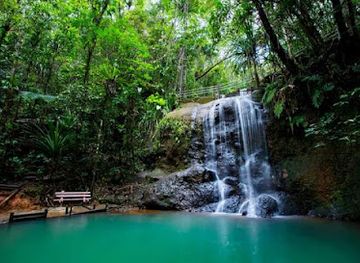
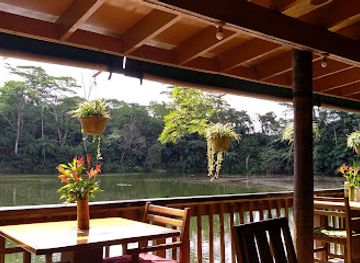
Colo-I-Suva Forest Park
Escape to Fiji's lush rainforest: Hike, swim, and discover unique birdlife at Colo-I-Suva Forest Park, a serene oasis near Suva.
-
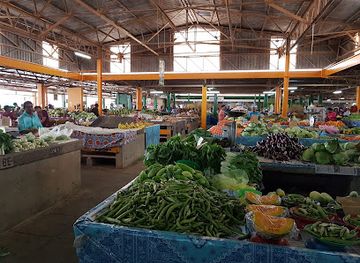
Market
Suva Municipal Market
Experience the vibrant heart of Fiji at Suva Municipal Market: fresh produce, local crafts, and a taste of Fijian culture.
-
Park
Albert Park
Discover Albert Park in Suva, Fiji: A historic park offering lush greenery, cultural events, and a glimpse into Fiji's rich past.
-
Park
My Suva Park
Escape to serenity in the heart of Suva at My Suva Park, a waterfront haven with lush greenery, walking trails, and picnic spots for all ages.


Best landmarks in Central Division
Suva’s most recognisable landmarks include the Fiji Museum, the colonial-era Government Buildings and the clock tower and civic spaces around Thurston Gardens. Together they express the capital’s role as a former colonial centre and present-day seat of national government, although the city’s identity extends well beyond its British architectural inheritance. The Suva Municipal Market is a significant everyday landmark, linking the capital to agricultural and fishing economies across the division. In the natural landscape, the forested ravines and waterways of Colo-i-Suva form a distinctive green counterpoint to the built-up city. The Rewa River and its delta are geographical landmarks of the lowlands, their branching channels shaping settlement, farming and transport. Further east, Bau Island carries exceptional symbolic importance in the history of Fijian chiefly power and the Vunivalu of Bau. Around the southern coast, Beqa’s volcanic profile, reefs and traditional firewalking association are widely recognised, while the Navua River provides a defining route through the division’s inland scenery.
-
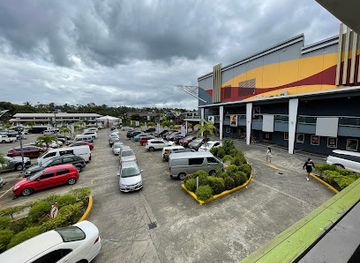
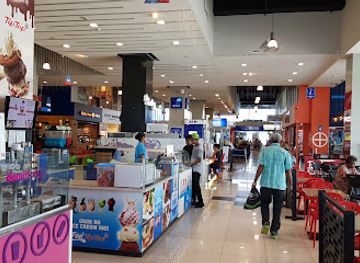
Shopping mall
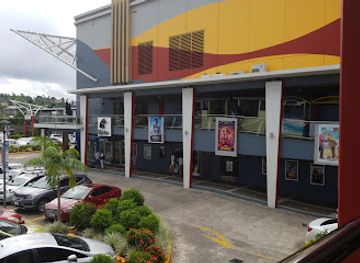
Damodar City
Discover the lively shopping, dining, and entertainment scene at Damodar City, Suva's premier shopping mall for tourists seeking a local experience.
-
National park
Colo-I-Suva Forest Park
Explore the lush wilderness of Colo-I-Suva Forest Park, Fiji's serene national park offering trails, waterfalls, and vibrant wildlife.
-
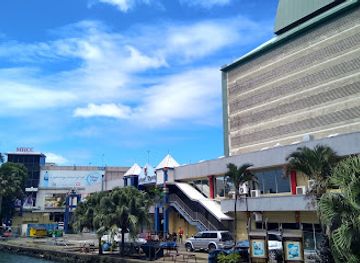
Shopping mall
MHCC
Discover the vibrant shopping and dining experiences at MHCC, Suva's premier shopping mall, where culture meets modernity in the heart of Fiji.
-
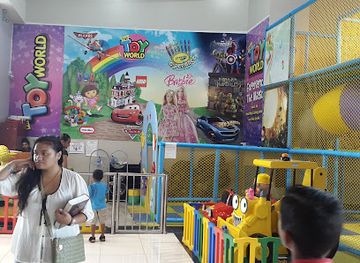
Shopping mall
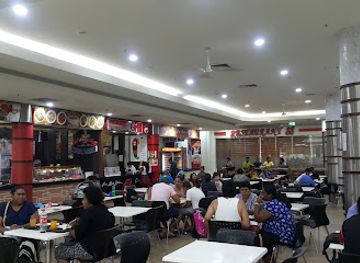
TappooCity Suva
Explore TappooCity Suva, Fiji's vibrant shopping mall offering a perfect blend of shopping, dining, and entertainment experiences.
Explore Central Division on the map
Plan your trip on one map. See where the top cities, national parks and sights are, and book hotels and experiences in a few clicks.
Best hotels in Central Division
Best restaurants in Central Division
Suva has the Central Division’s broadest dining scene, reflecting iTaukei, Indo-Fijian, Chinese, Pacific and international influences. The municipal market and smaller produce stalls are useful for seeing the ingredients behind local cooking, including root crops, tropical fruit, leafy greens and fresh seafood. Indo-Fijian restaurants and takeaways commonly serve curries, roti, savoury snacks and sweets, while Fijian-style meals may feature fish, cassava, taro, coconut and seasonal vegetables. Kokoda, raw fish marinated in citrus and coconut, is widely associated with Fiji and appears in many coastal menus, though recipes vary. Suva also has cafés, bakeries, hotel restaurants and contemporary establishments suited to business and university life. Around Navua and Pacific Harbour, dining is more closely tied to hotels, resorts, casual cafés and tour operators, with seafood and simple island-style dishes prominent. In villages, meals should be arranged through hosts or community programmes rather than assumed to be available walk-in services.
-
Shopping mall
Damodar City
Explore Damodar City in Suva: A vibrant shopping haven with diverse retail options, delicious dining experiences, and captivating entertainment.
-
National park
Colo-I-Suva Forest Park
Explore Colo-I-Suva Forest Park: A Lush National Park in Fiji Offering Scenic Trails, Waterfalls, and Unique Wildlife Experiences.
-
Shopping mall
MHCC
Discover shopping bliss at MHCC Shopping Mall in Suva—your gateway to Fijian culture with diverse shops and delicious dining options.
-
Shopping mall
TappooCity Suva
Discover TappooCity Suva: Your ultimate shopping destination in Fiji’s vibrant capital with diverse shops and delightful dining experiences.
Best bars in Central Division
Suva has the Central Division’s most varied evening scene, with hotel bars, casual pubs, cocktail venues, cafés, live music and occasional cultural or theatrical performances. Nightlife is concentrated around the central business district, Victoria Parade and nearby commercial areas, although venues and operating patterns change over time. The city’s social life also includes restaurants, kava gatherings and community events, not only late-night drinking. Nausori and smaller towns have a more local, low-key selection of pubs and restaurants, while Pacific Harbour’s evening options are mainly linked to resorts, bars and dining venues serving visitors involved in daytime activities. Navua is primarily a working town rather than a clubbing centre. Drink responsibly, use trusted transport after dark and observe local expectations when visiting villages or community spaces where alcohol is not part of the setting.
-
Hotel
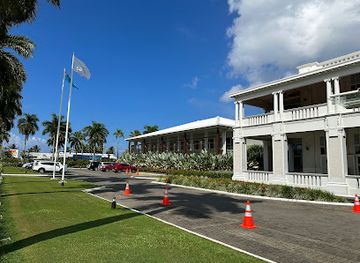
Grand Pacific Hotel
Experience luxury and history at the Grand Pacific Hotel in Suva, Fiji, where elegance meets breathtaking ocean views.
-
 Hotel
HotelNovotel Suva Lami Bay
Discover tranquility at Novotel Suva Lami Bay, where luxury meets the breathtaking beauty of Fiji's coastlines.
-
Hotel
Tanoa Plaza Hotel
Experience comfort and hospitality at Tanoa Plaza Hotel, your gateway to exploring Suva's vibrant culture and attractions.
-
Restaurant
Paradiso-bar
Experience the vibrant flavors of Suva at Paradiso-bar, where delicious pizzas and hearty breakfasts await in a welcoming atmosphere.

Best nightclubs in Central Division
Suva has the Central Division’s most varied evening scene, with hotel bars, casual pubs, cocktail venues, cafés, live music and occasional cultural or theatrical performances. Nightlife is concentrated around the central business district, Victoria Parade and nearby commercial areas, although venues and operating patterns change over time. The city’s social life also includes restaurants, kava gatherings and community events, not only late-night drinking. Nausori and smaller towns have a more local, low-key selection of pubs and restaurants, while Pacific Harbour’s evening options are mainly linked to resorts, bars and dining venues serving visitors involved in daytime activities. Navua is primarily a working town rather than a clubbing centre. Drink responsibly, use trusted transport after dark and observe local expectations when visiting villages or community spaces where alcohol is not part of the setting.
-
Hotel
Novotel Suva Lami Bay
Discover the beauty of Fiji at Novotel Suva Lami Bay, where comfort meets stunning scenery for an unforgettable stay.
-
Hotel
Quest Suva
Discover the perfect blend of comfort and convenience at Quest Suva, your ideal home away from home in Fiji's capital.
-
Night club
DownUnder Pub
Discover the electrifying nightlife of Suva at DownUnder Pub, where great music and drinks create unforgettable memories.
-
Club
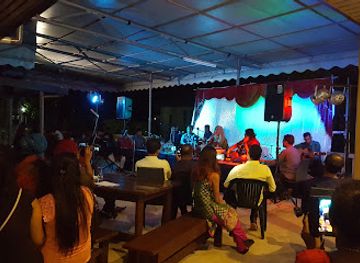
Fiji Club
Dive into Suva's nightlife at Fiji Club, a vibrant hub for music, dancing, and unforgettable entertainment experiences.
Best shops in Central Division
Suva is the Central Division’s principal shopping centre, combining modern retail, supermarkets, bookshops, pharmacies, clothing stores, craft outlets and the busy Suva Municipal Market. The market is strongest for fresh produce, fish, spices and everyday goods rather than polished souvenirs, and visitors should ask before photographing vendors or stalls. Handicraft shops and cultural outlets sell items such as woven mats, baskets, carved objects, shell jewellery and printed textiles, though quality and provenance vary; purchasing directly from recognised makers or community organisations can provide clearer context. Suva’s Indo-Fijian commercial areas are useful for spices, snacks, fabrics and sweets, while galleries and independent boutiques offer contemporary art and design. Nausori provides practical town shopping, and Pacific Harbour has resort-oriented craft and souvenir outlets rather than a large retail district. Regional food products, kava prepared for appropriate use, tropical preserves and locally made handicrafts are more meaningful purchases than generic imported souvenirs.
-
Shopping mall
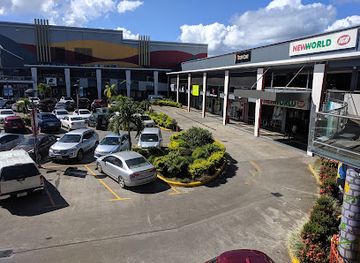
Damodar City
Experience the bustling energy of Damodar City in Suva, Fiji, where shopping, dining, and entertainment come together for an unforgettable visit.
-
Shopping mall
MHCC
Explore Suva's MHCC Shopping Mall: A vibrant retail hub with diverse shops, delicious dining, and exciting entertainment for every traveler.
-
Shopping mall
TappooCity Suva
Explore TappooCity Suva, a vibrant shopping haven in Fiji's capital, where local culture meets global brands in an unforgettable retail experience.
-
Market
Suva Municipal Market
Discover the heart of Suva at the Municipal Market, where vibrant culture meets local flavors in an unforgettable shopping experience.

Get your free copy of our complete guide to Central Division, delivered straight to you.
Everything on this page, from attractions and restaurants to essentials and local phrases, in one PDF you can read offline, print or share.
Already have an account? Sign in
Your Central Division guide is ready.
We'll send it to · Not you? Sign out

Getting your guide ready…
We are putting together a fresh copy of the Central Division guide. This can take up to a minute.
This can take a few moments. If your browser asks, choose Allow so the download can start. You'll find the guide in your Downloads folder.
Nothing happened? Download it again
Sorry, the guide is taking longer than usual. Please try again in a minute, or get it by email instead.
Central Division essentials
Currency and Payment
Safety
Emergency Situations
Do's and Don'ts
Local Tips
From Eve
Local phrases worth knowing
You don't need to get them perfect. A few words go a long way, and locals appreciate the effort.
Basics
| English | Local | Say it |
|---|---|---|
| Hello | Bula | [boo-lah] |
| Goodbye | Moce | [mo-theh] |
| Yes | Io | [ee-oh] |
| No | Sevusevu | [seh-voo-seh-voo] |
| Please/You're welcome | Vinaka | [vee-nah-kah] |
| Thank you | Vinaka vakalevu | [vee-nah-kah vah-kah-leh-voo] |
| Excuse me/Sorry | Tama na | [tah-mah nah] |
| How are you? | O cei na nomu yacana? | [oh seh-ee nah noh-moo yah-thah-nah] |
| Fine. And you? | Vinaka. O iko? | [vee-nah-kah. oh ee-koh?] |
| Do you speak English? | O tukuna na vosa Vakavalagi? | [oh too-kuna nah voh-sah vah-kah-vah-lah-ngi] |
| I don't understand | Au sega ni kila | [ow seh-ngah nee kee-lah] |
Eating & Drinking
| English | Local | Say it |
|---|---|---|
| I'd like to see the menu, please | Au via raica na menu, vinaka | [ow vee-ah rah-ee-kah nah meh-noo, vee-nah-kah] |
| I don't eat meat | Au sega ni kana na beef | [ow seh-ngah nee kah-nah nah beef] |
| Cheers! | Bula! | [boo-lah] |
| I would like to pay, please | Au via tomana, vinaka | [ow vee-ah toh-mah-nah, vee-nah-kah] |
Emergencies
| English | Local | Say it |
|---|---|---|
| Help! | Vakaraitaka! | [vah-kah-rah-ee-tah-kah] |
| Go away! | Tukuna mai! | [too-koo-nah my] |
| Call the Police! | Tukuna na polisi! | [too-koo-nah nah poh-lee-see] |
| Call a doctor! | Tukuna na dokita! | [too-koo-nah nah doh-kee-tah] |
| I'm lost | Au sa leqa | [ow sah leh-ngah] |
| I'm ill | Au sa mate | [ow sah mah-teh] |
Shopping
| English | Local | Say it |
|---|---|---|
| I'd like to buy... | Au via volia... | [ow vee-ah voh-lee-ah] |
| I'm just looking | Au sa raica ga | [ow sah rah-ee-kah gah] |
| How much is it? | E vuqa na idola? | [eh voo-ngah nah ee-doh-lah] |
| That's too expensive | Oya e levu sara | [oh-yah eh leh-voo sah-rah] |
| Can you lower the price? | E rawa ni vakalevutaki na idola? | [eh rah-wah nee vah-kah-leh-voo-tah-kee nah ee-doh-lah] |
Time & Numbers
| English | Local | Say it |
|---|---|---|
| What time is it? | Na cava na gauna? | [nah thah-vah nah gah-oo-nah] |
| It's one o'clock | E dua na hora | [eh doo-ah nah hoh-rah] |
| Half past (10) | Vata ni (10) | [vah-tah nee (10)] |
| Morning | Mataka | [mah-tah-kah] |
| Afternoon | Mataniciva | [mah-tah-nee-thee-vah] |
| Evening | Mataqali | [mah-tah-kah-lee] |
| Yesterday | E liu | [eh lee-oo] |
| Today | E na siga | [eh nah see-ngah] |
| Tomorrow | E na mata | [eh nah mah-tah] |
| 1 | Dua | [doo-ah] |
| 2 | Rua | [roo-ah] |
| 3 | Tolu | [toh-loo] |
| 4 | Oni | [oh-nee] |
| 5 | Lima | [lee-mah] |
| 6 | Oni | [oh-nee] |
| 7 | Vitu | [vee-too] |
| 8 | Vica | [vee-thah] |
| 9 | Ivi | [ee-vee] |
| 10 | Tini | [tee-nee] |
Transport & Directions
| English | Local | Say it |
|---|---|---|
| Where's a/the...? | E raica na...? | [eh rah-ee-kah nah...?] |
| What's the address? | Na cava na adiresi? | [nah thah-vah nah ah-deh-reh-see?] |
| Can you show me (on the map)? | Mo ni vakaraitaka vei au (ena map)? | [mo nee vah-kah-rah-ee-tah-kah veh-ee ow (eh-nah map)?] |
| When's the next (bus)? | E vuqa na (bus) e tarava? | [eh voo-ngah nah (bus) eh tah-rah-vah?] |
| A ticket (to ....) | E dua na tiket (ki ....) | [eh doo-ah nah tee-ket (kee ....)] |
History of Central Division
Lapita Settlement and Early Fijian Communities
Fiji was settled by Austronesian-speaking seafarers associated with the Lapita cultural tradition more than 3,000 years ago. Later arrivals and local development produced the communities, languages, chiefly systems and agricultural practices that shaped the islands before European rule. In the Central Division, the navigable Rewa system, fertile lowlands and coastal waterways supported settlement and exchange. Archaeological evidence across Fiji is complemented by oral histories, which remain important for understanding ancestral connections, land, chiefly authority and the movement of communities.
Bau and the Rise of Central Fijian Chieftaincy
From the eighteenth century, Bau Island and its ruling Vunivalu became central to the political history of much of eastern and central Fiji. Bau’s influence extended through alliances, warfare, tribute and control of maritime networks, although authority was negotiated among many chiefly groups rather than imposed uniformly. The island’s position near Tailevu and the Rewa region gave it strategic importance. Bau remains a powerful symbol in Fijian political and cultural history, even though it is not organised as a conventional sightseeing destination.
Christian Missions and Changing Alliances
Christian missionaries arrived in Fiji during the nineteenth century, and conversion progressed through a complex mixture of teaching, chiefly patronage, political calculation and local adaptation. The acceptance of Christianity by influential leaders, including those connected with Bau, helped reshape social organisation, architecture, calendars and public life. Churches and village institutions across the Central Division still reflect this transformation. Missionary influence did not erase earlier traditions; instead, Christian practice became interwoven with chiefly protocol, kinship and local forms of community authority.
Cession to Britain in 1874
Fiji became a British colony in 1874 when Ratu Seru Epenisa Cakobau and other chiefs ceded the islands to Queen Victoria. The decision followed years of internal conflict, foreign commercial pressure and concern about debt and political instability. Colonial administration introduced new legal and land arrangements while retaining elements of chiefly governance. Suva, initially a relatively small settlement, later grew into the centre of colonial government. The consequences of cession continue to inform debates about land, identity, sovereignty and the relationship between iTaukei communities and the state.
Suva Becomes the Colonial Capital
Suva replaced Levuka as the capital of Fiji in 1883, partly because its harbour and larger mainland setting offered greater room for administrative and commercial expansion. Government offices, churches, residences, businesses and public gardens developed around the town, creating the colonial streetscape still visible in parts of central Suva. The capital attracted people from across Fiji and the wider region, becoming a centre of education, trade and public life. Its later growth helped establish the Central Division as the country’s administrative and economic core.
Indenture, Migration and Indo-Fijian Society
Between 1879 and 1916, many labourers from India were brought to Fiji under the indenture system to work on colonial sugar plantations. Although the main sugar belt lay largely in western Viti Levu, the migration profoundly influenced Suva, the Rewa region and towns across the Central Division. Indo-Fijian communities developed businesses, religious institutions, food traditions and cultural organisations, while enduring severe restrictions and difficult working conditions under indenture. The region’s contemporary cuisine, commerce and social history cannot be understood without this chapter.
Independence and the Political Centrality of Suva
Fiji became independent from Britain in 1970, with Suva continuing as the seat of national government and the principal centre of public institutions. The decades since independence have included constitutional change, ethnic and political tensions and several coups, many of which were enacted or protested in and around the capital. These events shaped Fiji’s international image and domestic political life, but they are only one part of a broader national story. Suva remains a place where parliamentary politics, civil society, education and Pacific regional diplomacy meet.
Contemporary Urban and Ecological Change
The Central Division has continued to expand through urban growth around Suva and Nausori, improved regional connections and the development of tourism and adventure activities near Pacific Harbour and Navua. At the same time, the Rewa Delta, forested uplands and coastal communities face pressures from flooding, erosion, development and changing weather patterns. Conservation at places such as Colo-i-Suva and community-led tourism initiatives reflect a growing effort to protect ecosystems while sustaining livelihoods. The region today combines national institutions with rural economies and living cultural landscapes.
Central Division in Photos
Browse through our photo collection highlighting the charm and character of the destination.
Neighbouring regions of Central Division
The closest regions to Central Division, if you have time for more than one.
-

-

-

-
-


Swipe for more regions
Explore more

Explore more of Fiji
Discover Fiji: A tropical haven of stunning beaches, rich culture, and endless adventure. Perfect for both relaxation and exploration in the heart of the South Pacific.
Explore Fiji