
Lomaiviti Islands, Fiji Travel Guide
Discover the Lomaiviti Islands in Fiji: A serene escape with stunning beaches, rich cultural heritage, and thrilling adventures in an unspoiled paradise.
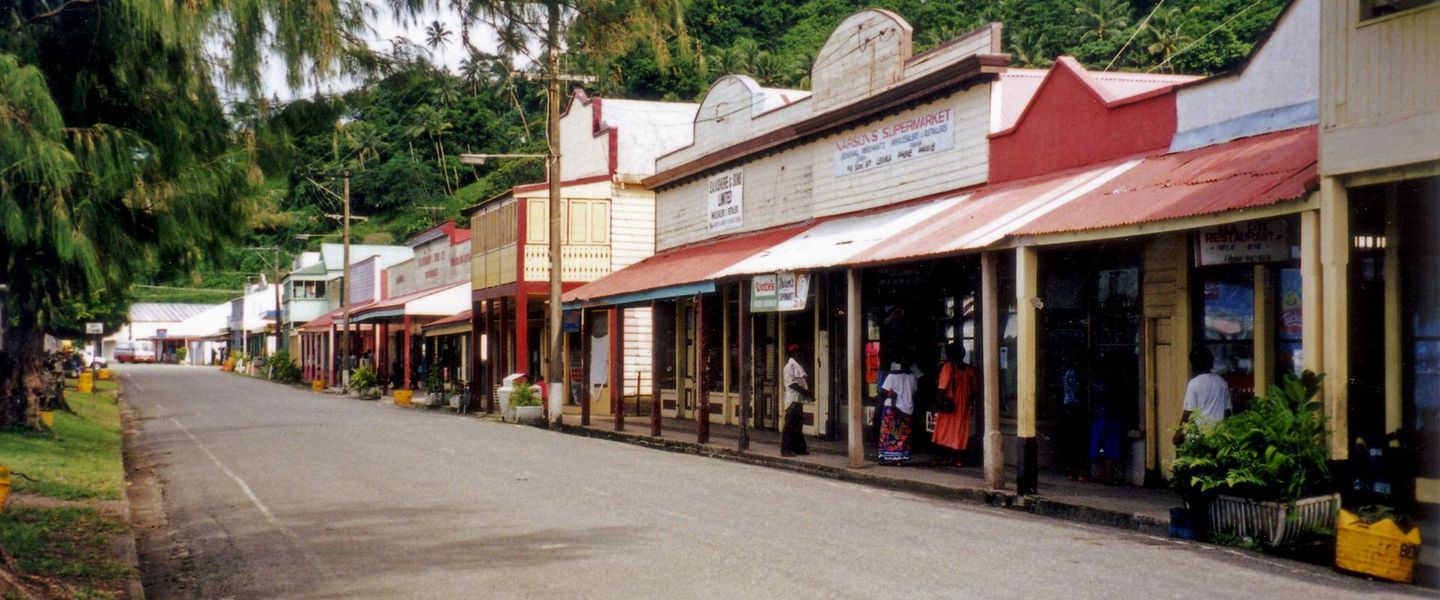
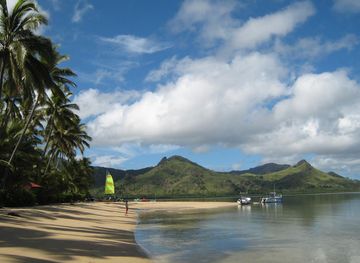
The Lomaiviti Islands, a hidden treasure in the heart of Fiji, offer an unspoiled paradise for travelers seeking a genuine tropical experience. Nestled in the Pacific Ocean, this group of islands is known for its stunning white sandy beaches, crystal-clear waters, and lush greenery that provide a serene escape from the hustle and bustle of modern life. Visitors to the Lomaiviti Islands can immerse themselves in the rich Fijian culture and history. The islands boast several historical sites, including the colonial-era Levuka, a UNESCO World Heritage Site, which offers a glimpse into Fiji's past. The local villages are warm and welcoming, providing an authentic experience of traditional Fijian lifestyle and customs. Adventure seekers will find plenty to do in the Lomaiviti Islands. The surrounding waters are perfect for snorkeling and diving, with vibrant coral reefs and abundant marine life. Hiking trails through the islands' verdant landscapes lead to breathtaking viewpoints and hidden waterfalls. Whether you are looking to relax on the beach or explore the natural beauty, the Lomaiviti Islands have something for everyone.

Know before you go
Hi, I'm Eve. Here are a few practical things to know before exploring Lomaiviti Islands.
- Best to visit during the dry season from May to October for pleasant weather and calm seas.
- Bring cash as ATMs and card facilities are limited on the islands.
- Respect local customs and traditions; dress modestly when visiting villages.
- Try local delicacies like kokoda (Fijian ceviche) and fresh tropical fruits.
- Book guided tours for diving and snorkeling to ensure safety and the best experience.
Explore Lomaiviti Islands: Things to Do, Places to Eat, Hotels & More
Handpicked recommendations for top attractions, local dining, accommodations, and more

Top Attractions & Sightseeing in Lomaiviti Islands
Top-rated picks
Best Attractions

Kiuva Beach
Discover Kiuva Beach in Fiji: Soft sands, turquoise waters, vibrant marine life, and stunning sunsets await in this tranquil paradise.

Korovou Market
Experience the vibrant culture of Fiji at Korovou Market, a bustling hub of local produce, crafts, and authentic Fijian life.

Leleuvia Island
Escape to Leleuvia Island: Discover Fiji's hidden paradise with pristine beaches, vibrant reefs, and authentic Fijian culture.

Waterfall rest stop
A refreshing roadside haven on Fiji's Kings Road, offering a tranquil escape with scenic waterfalls and lush tropical beauty.

Best landmarks in Lomaiviti Islands
Top-rated picks
Best Landmarks

Viti Levu
Explore Viti Levu, Fiji's largest island, where stunning beaches, lush landscapes, and vibrant culture await every traveler.

Fiji Islands
Explore the captivating Fiji Islands, a paradise of stunning landscapes, rich culture, and endless adventure in the South Pacific.

New Mavida Lodge
Experience authentic Fijian hospitality at New Mavida Lodge, a charming hotel in the historic town of Levuka, perfect for cultural exploration and relaxation.

Toberua Island Resort
Discover the serene beauty of Toberua Island Resort in Fiji, where luxury meets nature for an unforgettable tropical getaway.

Best restaurants in Lomaiviti Islands
Top-rated picks
Best Restaurants

Vasaqa Fiji
Experience authentic Fijian flavors at Vasaqa Fiji, where local hospitality meets delicious cuisine in a vibrant atmosphere.

Sundowner Bar & Grill
Experience the flavors of Fiji at Sundowner Bar & Grill with breathtaking views and exceptional service amidst tropical paradise.

The Tipsy Italian (FIJI)
Experience authentic Italian cuisine with a Fijian twist at The Tipsy Italian on Coral Coast.

Wicked Walu
Experience exquisite seafood dining at Wicked Walu in Fiji's Warwick Hotel, where every meal is a taste of paradise.

Best bars in Lomaiviti Islands
Top-rated picks
Best Bars

Sundowner Bar & Grill
Experience the ultimate dining delight at Sundowner Bar & Grill, where Fijian flavors meet breathtaking ocean views in a vibrant atmosphere.

DownUnder Pub
Discover the vibrant nightlife at DownUnder Pub in Suva, Fiji, where great music and an electric atmosphere await every visitor.

Opium Bar Fiji
Discover the vibrant nightlife at Opium Bar Fiji, where tropical cocktails and live music create an unforgettable atmosphere in Suva.

The Hive
Experience the vibrant nightlife of Nadi at The Hive, a lively bar offering creative cocktails and a welcoming atmosphere.

Best nightclubs in Lomaiviti Islands
Top-rated picks
Best Nightclubs

DownUnder Pub
Discover Suva's nightlife at DownUnder Pub - a vibrant night club offering the best music and unforgettable experiences.

Opium Bar Fiji
Opium Bar Fiji: Discover Suva’s electrifying nightlife with great drinks, dancing, and a vibrant atmosphere.

Traps Bar
Experience the vibrant nightlife at Traps Bar in Suva, where great drinks, music, and a lively atmosphere await you.

The Lab Fiji
Discover unforgettable nightlife at The Lab Fiji, where vibrant parties and electrifying music create magical moments in Nadi's heart.

Best shops in Lomaiviti Islands
Top-rated picks
Best Shops

TappooCity Suva
TappooCity Suva: The ultimate shopping destination in Fiji, combining local culture, diverse shopping options, and delightful dining experiences.

TappooCity Lautoka
Explore TappooCity Lautoka: Fiji's vibrant shopping hub featuring diverse retail options, local cuisine, and a lively atmosphere.

My Fiji Store
Discover the heart of Fiji at My Fiji Store, where local culture meets unique shopping experiences for every traveler.

Suva Flea Market
Discover the essence of Fiji at Suva Flea Market, where vibrant crafts, local delicacies, and a lively atmosphere await every visitor.

Explore Lomaiviti Islands on the Map
A handpicked selection of must-see spots in Lomaiviti Islands, mapped for you.
Lomaiviti Islands Essentials
-
The Lomaiviti Islands are located in Fiji and can be accessed primarily through Nausori Airport (Suva), which has regular domestic flights from Nadi International Airport. From Suva, you can take a ferry or a smaller plane to the Lomaiviti Islands, with services operated by several local providers. The ferry journey offers a scenic route through the Fijian waters and takes approximately 3-5 hours, depending on the destination island.
-
Within the Lomaiviti Islands, transportation options include local ferries, water taxis, and small boats that connect the various islands. On the islands themselves, you can find taxis, rental cars, and bicycles for hire. Walking is also a viable option for exploring the smaller islands. It’s advisable to arrange transportation in advance, especially during peak tourist seasons.
-
The official currency in Fiji is the Fijian Dollar (FJD). Credit cards are accepted in most hotels, restaurants, and larger shops, but it is recommended to carry cash for smaller establishments and local markets. ATMs are available in the main towns of the Lomaiviti Islands, but it's best to withdraw sufficient cash before traveling to the more remote areas.
-
The Lomaiviti Islands are generally safe for tourists, but it's essential to take standard precautions. Avoid walking alone at night in unfamiliar areas and keep your belongings secure in crowded places. While the crime rate is relatively low, petty theft can occur, particularly in busy tourist spots. Always be aware of your surroundings and follow local advice.
-
In case of emergency, dial 911 for immediate assistance. Medical facilities are available on the larger islands, but they may be limited on the smaller ones. It is highly recommended to have travel insurance that covers medical emergencies and evacuation if necessary. Pharmacies are available in the main towns, but carry any essential medications with you.
-
Fashion: Do dress modestly, especially when visiting villages or religious sites. Avoid wearing revealing clothing. Religion: Do respect local customs and traditions. Always remove your shoes before entering someone's home or a sacred place. Public Transport: Do be courteous and patient when using local ferries and buses. Don't expect strict adherence to schedules. Greetings: Do greet people with a friendly 'Bula' (hello). A handshake is also common. Eating & Drinking: Do try local dishes and accept food offerings graciously. Don't refuse hospitality, as it is considered impolite.
-
To experience the Lomaiviti Islands like a local, visit the local markets where you can buy fresh produce, handmade crafts, and traditional Fijian goods. Engage with the locals, who are often friendly and willing to share stories about their culture and history. Participate in a traditional kava ceremony, which is a significant cultural experience. Explore off-the-beaten-path beaches and hiking trails for a more intimate experience of the islands.
When is the best time to visit Lomaiviti Islands?
Useful Local Phrases for Lomaiviti Islands
You don't need to speak the language perfectly. Even learning a few simple words can make conversations warmer—and locals usually appreciate the effort.
— Eve

Here are the phrases I use most often in Lomaiviti Islands. Try a few—you'll be surprised how far they go! 😊
❤️
-
- HelloBula
[boo-lah] - GoodbyeMoce
[mo-theh] - YesIo
[ee-oh] - NoSega
[seh-ngah] - Please/You're welcomeYalo
[yah-loh] - Thank youVinaka
[vee-nah-kah] - Excuse me/SorryTiko
[tee-koh] - How are you?O cei iko?
[oh thay ee-koh] - Fine. And you?Vinaka. O cei iko?
[vee-nah-kah. oh thay ee-koh] - Do you speak English?O tukuna vaka-Peritania?
[oh too-kuna vah-kah-peh-ree-tah-nee-ah] - I don't understandAu sega ni kila
[ow seh-ngah nee kee-lah]
- HelloBula
-
- I'd like to see the menu, pleaseAu via raica na menu, yalo
[ow vee-ah rai-kah nah meh-noo, yah-loh] - I don't eat meatAu sega ni kana na nyama
[ow seh-ngah nee kah-nah nah nyah-mah] - Cheers!Bula!
[boo-lah] - I would like to pay, pleaseAu via biu, yalo
[ow vee-ah bee-oo, yah-loh]
- I'd like to see the menu, pleaseAu via raica na menu, yalo
-
- Help!Vakasamataka!
[vah-kah-sah-mah-tah-kah] - Go away!Tale!
[tah-leh] - Call the Police!Kerei na Polis!
[keh-ray nah poh-lees] - Call a doctor!Kerei e dua na dokita!
[keh-ray eh doo-ah nah doh-kee-tah] - I'm lostAu sa leqa
[ow sah leh-ngah] - I'm illAu sa malumalumu
[ow sah mah-loo-mah-loo-moo]
- Help!Vakasamataka!
-
- I'd like to buy...Au via volia...
[ow vee-ah voh-lee-ah] - I'm just lookingAu sa raica ga
[ow sah rai-kah gah] - How much is it?E vica na i lavo?
[eh vee-thah nah ee lah-voh] - That's too expensiveSa levu sara
[sah leh-voo sah-rah] - Can you lower the price?E rawa ni laivi na i lavo?
[eh rah-wah nee lie-vee nah ee lah-voh]
- I'd like to buy...Au via volia...
-
- What time is it?Na gauna e na yaca?
[nah gah-oo-nah eh nah yah-thah] - It's one o'clockE dua na hora
[eh doo-ah nah ho-rah] - Half past (10)Tolu na miniti mai na (10)
[toh-loo nah mee-nee-tee my nah (10)] - MorningMatanoniy
[mah-tah-noh-nee] - AfternoonVakarau
[vah-kah-rah-oo] - EveningMata ni bogi
[mah-tah nee boh-gee] - YesterdayE na vuku
[eh nah voo-koo] - TodayE na siga
[eh nah see-ngah] - TomorrowE na mataka
[eh nah mah-tah-kah] - 1Dua
[doo-ah] - 2Rua
[roo-ah] - 3Tolu
[toh-loo] - 4Va
[vah] - 5Lima
[lee-mah] - 6Oni
[oh-nee] - 7Vitu
[vee-too] - 8Walu
[wah-loo] - 9Ika
[ee-kah] - 10Tini
[tee-nee]
- What time is it?Na gauna e na yaca?
-
- Where's a/the...?E na vanua e ...?
[eh nah vah-noo-ah eh ...?] - What's the address?Na i yaca e na vanua?
[nah ee yah-thah eh nah vah-noo-ah?] - Can you show me (on the map)?E rawa ni vakaraitaka vei au (ena mapa)?
[eh rah-wah nee vah-kah-rai-tah-kah veh-ee ow (eh-nah mah-pah)?] - When's the next (bus)?Nai na bus e na yaco mai?
[nah-ee nah-ee bus eh nah yah-tho my?] - A ticket (to ....)E dua na tikiti (ki ....)
[eh doo-ah nah tee-kee-tee (kee ....)]
- Where's a/the...?E na vanua e ...?
History of Lomaiviti Islands
-
The Lomaiviti Islands were first settled around 3,500 years ago by the Lapita people, who were skilled navigators and potters. Evidence of their presence is found in the intricate pottery shards unearthed on several islands. These early settlers laid the foundations for the rich cultural tapestry that would evolve in the region.
-
In the 18th century, the Lomaiviti Islands became a focal point of power struggles among Fijian chieftains. The Bau Kingdom, centered on the nearby Bau Island, rose to prominence and exerted significant influence over the Lomaiviti Islands. Under the leadership of powerful chiefs such as Ratu Seru Epenisa Cakobau, the Bau Kingdom played a crucial role in unifying Fiji.
-
The early 19th century saw the arrival of European explorers and missionaries in the Lomaiviti Islands. The London Missionary Society was particularly active, establishing missions and schools. This period marked significant cultural exchanges and the introduction of Christianity, which gradually became a dominant religion on the islands.
-
In 1874, Fiji, including the Lomaiviti Islands, was ceded to Great Britain. This event marked the beginning of formal British colonial rule, which brought profound changes to the islands' social, economic, and political structures. The colonial period saw the development of infrastructure, the introduction of new crops, and the arrival of Indian indentured laborers.
-
During World War II, the Lomaiviti Islands held strategic importance for Allied forces. The islands served as a base for military operations in the Pacific Theater. Levuka, the old capital of Fiji located on Ovalau Island, played a significant role as a center for communication and logistics.
-
Levuka, the former capital of Fiji, located on the island of Ovalau in the Lomaiviti group, was designated a UNESCO World Heritage Site in 2013. Levuka is celebrated for its well-preserved colonial architecture and historical significance, offering a window into Fiji's past. The town's heritage buildings, such as the Sacred Heart Church and the Royal Hotel, attract history enthusiasts from around the world.
-
The Lomaiviti Islands are rich in traditional practices and cultural festivals. The islands' inhabitants continue to celebrate significant events such as the annual 'Yaqona' (kava) ceremonies and 'Meke' dance performances. These cultural expressions are essential in preserving the islands' heritage and fostering community spirit.
Neighbouring Regions of Lomaiviti Islands
The closest regions to Lomaiviti Islands, if you have time for more than one.




Your all‑in‑one travel companion app
Explore expert travel guides, compare and book tours, experiences, hotels, and more—all from the palm of your hand. Download now for seamless trip planning wherever your wanderlust takes you.


Explore More of Fiji

Looking beyond Lomaiviti Islands? Discover Fiji for broader travel guides, local hot-spots, and regional highlights.
Explore FijiLomaiviti Islands in Photos
Browse through our photo collection highlighting the charm and character of the destination.


Lomaiviti Islands: The Unseen Gem of Fiji
The Lomaiviti Islands, a hidden treasure in the heart of Fiji, offer an unspoiled paradise for travelers seeking a genuine tropical experience. Nestled in the Pacific Ocean, this group of islands is known for its stunning white sandy beaches, crystal-clear waters, and lush greenery that provide a serene escape from the hustle and bustle of modern life. Visitors to the Lomaiviti Islands can immerse themselves in the rich Fijian culture and history. The islands boast several historical sites, including the colonial-era Levuka, a UNESCO World Heritage Site, which offers a glimpse into Fiji's past. The local villages are warm and welcoming, providing an authentic experience of traditional Fijian lifestyle and customs. Adventure seekers will find plenty to do in the Lomaiviti Islands. The surrounding waters are perfect for snorkeling and diving, with vibrant coral reefs and abundant marine life. Hiking trails through the islands' verdant landscapes lead to breathtaking viewpoints and hidden waterfalls. Whether you are looking to relax on the beach or explore the natural beauty, the Lomaiviti Islands have something for everyone.