

Free Kadavu Travel Guide & Mobile App
Explore Kadavu with free travel guides. Discover regional history, expert tips, proposed trips, and audio guides on web or mobile app.


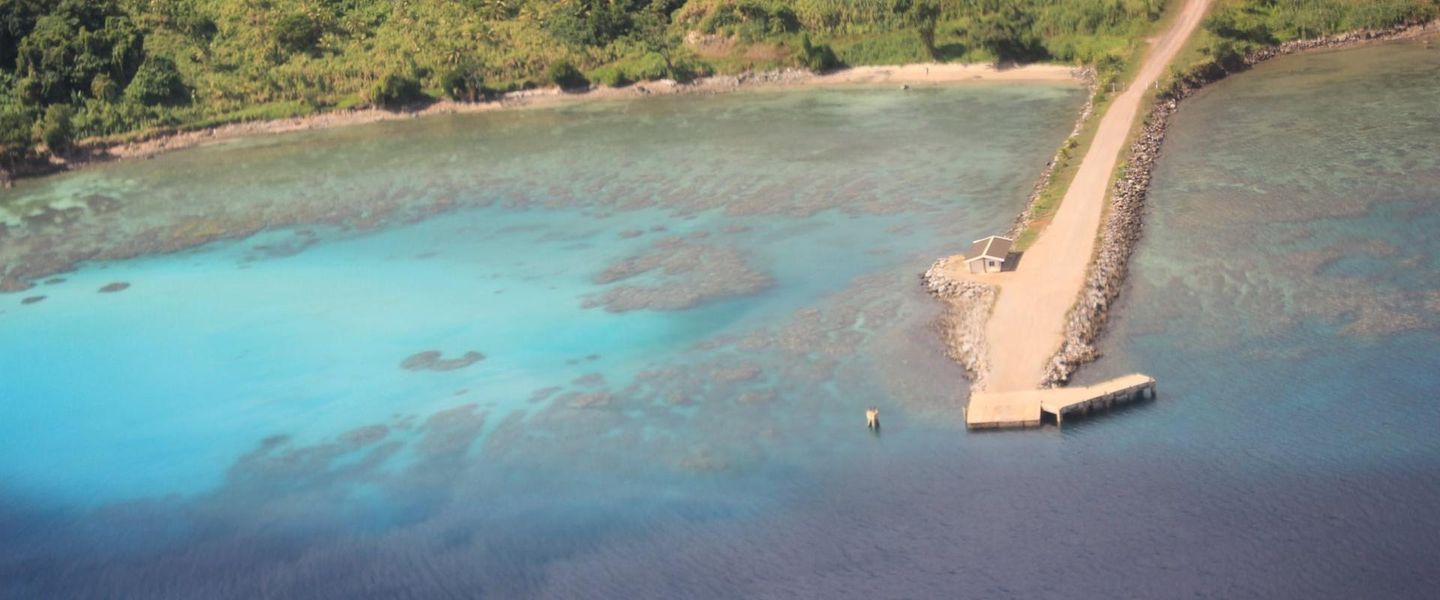


Kadavu, Fiji, combines rainforest trails, village life and the Great Astrolabe Reef for diving, snorkelling and slow island travel.
Read more about Kadavu
When is the best time to visit Kadavu?
Best: July–September · 26–27°C| Month | High (°C) | Rainfall (mm) |
|---|---|---|
| January | 29 | 275 |
| February | 30 | 240 |
| March | 30 | 270 |
| April | 29 | 195 |
| May | 28 | 165 |
| June | 27 | 115 |
| July (best) | 26 | 90 |
| August (best) | 26 | 90 |
| September (best) | 27 | 105 |
| October | 28 | 150 |
| November | 29 | 200 |
| December | 29 | 235 |
Getting to and around Kadavu
How to get there
Transportation
Best landmarks in Kadavu
The Great Astrolabe Reef is Kadavu’s most recognisable natural landmark, a large reef system whose passages, coral structures and marine habitats define the island group’s geography as much as its mountains do. On land, Nabukelevu, also known as Mount Washington, rises prominently on the western part of Kadavu Island and is one of the region’s most notable volcanic peaks; its forested slopes reflect the island’s rugged interior. Vunisea’s administrative centre and harbour area provide a practical point of reference for the scattered communities along the southern coast, although they are modest in scale. Village churches, often occupying prominent and carefully maintained sites, are important landmarks of Kadavu’s Christian and communal history. The narrow coastal settlements, reef-fringed bays and forested ridgelines form a recognisable landscape rather than a single monumental townscape. Because many sites are reached by boat or guided walk, their significance is often inseparable from local knowledge, customary access and the marine conditions that connect the islands.
-
Helicopter tour agency
Island Hoppers Fiji
Discover Fiji's breathtaking beauty from above with Island Hoppers Fiji, the leading helicopter tour agency for unforgettable aerial adventures.
-
Historical landmark
Tavuni Hill Fort
Explore Tavuni Hill Fort, a historical landmark in Fiji, and discover fascinating insights into the island's rich cultural heritage amidst stunning landscapes.
-
Historical landmark
Naihehe Cave
Discover the enchanting Naihehe Cave, a historical gem in Fiji, showcasing stunning limestone formations and rich cultural heritage.
-
Historical landmark
Center of Fiji
Discover the historical significance and natural beauty of the Center of Fiji in Ovalau, a key destination for tourists seeking to experience Fijian culture.

Explore Kadavu on the map
Plan your trip on one map. See where the top cities, national parks and sights are, and book hotels and experiences in a few clicks.
Best hotels in Kadavu
Best restaurants in Kadavu
Dining in Kadavu is closely linked to the island’s gardens, fishing grounds and small-scale accommodation. Meals commonly draw on freshly caught fish, coconut, cassava, taro, sweet potato, breadfruit and seasonal vegetables, with tropical fruit appearing when available. Kokoda, fish marinated in citrus and coconut, is associated with Fiji’s wider coastal cuisine and may feature alongside grilled or stewed seafood, though preparation varies between kitchens. Small resorts, eco-lodges and guesthouses usually provide set meals rather than extensive à la carte menus, and advance notice is useful for dietary requirements. Village-based stays may offer home-cooked food and an opportunity to understand how local produce is used. Vunisea has limited choice compared with Fiji’s larger towns, so visitors should not rely on finding a broad restaurant scene or late-night food service. Carrying a few suitable snacks can be sensible during transfers, while buying local produce respectfully supports communities and reduces dependence on imported supplies.
-
Hotel
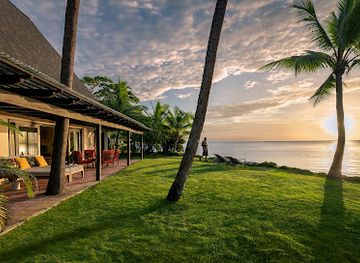
Shangri-La Yanuca Island, Fiji
Experience unparalleled luxury and Fijian hospitality at Shangri-La Yanuca Island – your ultimate tropical escape.
-
Indian
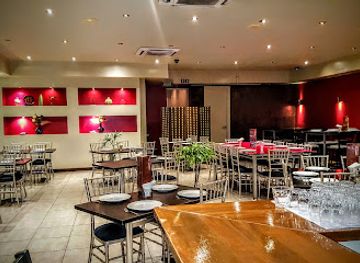
Maya Dhaba
Experience authentic Indian flavors at Maya Dhaba in Suva - where vibrant cuisine meets stunning views.
-
Restaurant
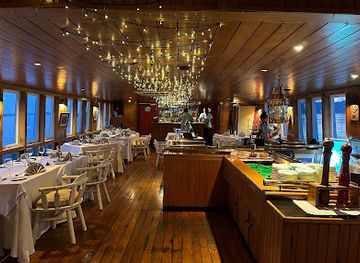
Tikos Seafood Restaurant
Experience the best of Fijian seafood at Tikos Seafood Restaurant in Suva – where every dish tells a story.
-
Indian
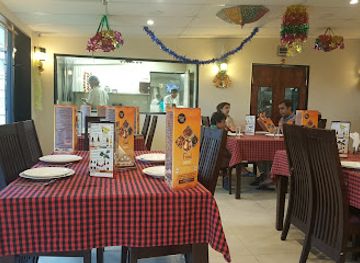
Swagat Wine and Dine
Experience authentic Indian flavors at Swagat Wine and Dine in Suva – a culinary haven for food enthusiasts visiting Fiji.
Best bars in Kadavu
Kadavu does not have a substantial nightclub scene. Evening life is centred on accommodation dining rooms, small resort bars, village gatherings and informal socialising rather than late-night entertainment districts. Some lodges serve Fiji Bitter, other drinks and simple cocktails, but supplies, licensing arrangements and hours vary, particularly outside Vunisea. In many villages, communal and church life is more significant than commercial nightlife, and Sundays are generally quieter. Guests may encounter yaqona ceremonies or kava as part of a formal welcome; this is a cultural practice, not simply a bar activity, so participation should follow local protocol. On clear nights, the absence of urban lighting makes the coast and rainforest surroundings well suited to quiet stargazing, although visitors should remain within safe areas and respect lodge or village rules. Arrange any return boat or vehicle transfer before drinking and do not treat remote island transport as available on demand.
-
 Resort hotel
OUTRIGGER Fiji Beach Resort
Discover luxury and natural beauty at OUTRIGGER Fiji Beach Resort - your ultimate tropical getaway in Sigatoka.
-
Hotel
Tokatoka Resort
Discover the tranquility of Tokatoka Resort in Nadi, Fiji, where relaxation meets adventure amidst stunning tropical landscapes.
-
Hotel
Tanoa International Hotel
Experience the perfect blend of comfort and convenience at Tanoa International Hotel, your ideal base for exploring Fiji's stunning beauty.
-
Resort hotel
Fiji Hideaway Resort and Spa
Discover a tropical paradise at Fiji Hideaway Resort and Spa, where luxury meets natural beauty on the Coral Coast of Fiji.
Best nightclubs in Kadavu
Kadavu does not have a substantial nightclub scene. Evening life is centred on accommodation dining rooms, small resort bars, village gatherings and informal socialising rather than late-night entertainment districts. Some lodges serve Fiji Bitter, other drinks and simple cocktails, but supplies, licensing arrangements and hours vary, particularly outside Vunisea. In many villages, communal and church life is more significant than commercial nightlife, and Sundays are generally quieter. Guests may encounter yaqona ceremonies or kava as part of a formal welcome; this is a cultural practice, not simply a bar activity, so participation should follow local protocol. On clear nights, the absence of urban lighting makes the coast and rainforest surroundings well suited to quiet stargazing, although visitors should remain within safe areas and respect lodge or village rules. Arrange any return boat or vehicle transfer before drinking and do not treat remote island transport as available on demand.
-
Night club
DownUnder Pub
Discover vibrant nightlife at DownUnder Pub in Suva, Fiji, where great music, delicious drinks, and a lively atmosphere come together for an unforgettable experience.
-
Bar
The Hive
Experience the vibrant nightlife at The Hive, a popular bar in Nadi, Fiji, known for its lively atmosphere and exceptional drinks.
-
Night club
Traps Bar
Experience the vibrant nightlife at Traps Bar in Suva, Fiji, where great music and drinks create unforgettable nights.
-
Night club
Eds Bar
Experience the vibrant nightlife of Nadi at Eds Bar, where energetic music and a welcoming atmosphere create unforgettable memories in Fiji.

Best shops in Kadavu
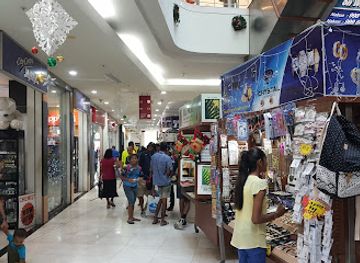
Shopping in Kadavu is limited and practical rather than centred on retail districts. Vunisea offers the best chance of finding basic supplies, while small village shops and accommodation providers may stock essentials but have little variety. Visitors can look for locally made handicrafts, woven items, shell-free souvenirs, artwork and small quantities of island produce, although availability depends on community activity and season. Purchasing directly from makers or through a recognised community arrangement is preferable to bargaining aggressively over modest prices. Food products such as coconuts, root crops or fresh fish may be available through local contacts, but they should be bought with permission and used promptly. Kadavu is not the place to expect luxury boutiques, large supermarkets or extensive duty-free shopping. Good souvenirs are lightweight, responsibly sourced and connected to the region’s marine and village culture without removing coral, shells, plants or archaeological material from the environment.
-
Shopping mall
MHCC
Discover MHCC, Suva's largest shopping mall, where shopping, dining, and local culture converge in a vibrant experience.
-
Shopping mall
TappooCity Suva
Explore TappooCity Suva, Fiji's premier shopping mall, where local culture meets international brands in a vibrant shopping experience.
-
Shopping mall
TappooCity Lautoka
Shop, dine, and experience the vibrant culture of Fiji at TappooCity Lautoka, a premier shopping destination for tourists.
-
Market
Suva Municipal Market
Discover the vibrant Suva Municipal Market, a cultural hotspot in Fiji where local flavors and lively interactions come to life.


Get your free copy of our complete guide to Kadavu, delivered straight to you.
Everything on this page, from attractions and restaurants to essentials and local phrases, in one PDF you can read offline, print or share.
Already have an account? Sign in
Your Kadavu guide is ready.
We'll send it to · Not you? Sign out

Getting your guide ready…
We are putting together a fresh copy of the Kadavu guide. This can take up to a minute.
This can take a few moments. If your browser asks, choose Allow so the download can start. You'll find the guide in your Downloads folder.
Nothing happened? Download it again
Sorry, the guide is taking longer than usual. Please try again in a minute, or get it by email instead.
Kadavu essentials
Currency and Payment
Safety
Emergency Situations
Do's and Don'ts
Local Tips
From Eve
Local phrases worth knowing
You don't need to get them perfect. A few words go a long way, and locals appreciate the effort.
Basics
| English | Local | Say it |
|---|---|---|
| Hello | Bula | [boo-lah] |
| Goodbye | Sota tale | [so-tah tah-leh] |
| Yes | Io | [ee-oh] |
| No | Sega | [seh-gah] |
| Please/You're welcome | Yalo vinaka | [yah-loh vee-nah-kah] |
| Thank you | Vinaka | [vee-nah-kah] |
| Excuse me/Sorry | Tukuna | [too-koo-nah] |
| How are you? | O viti na? | [oh vee-tee nah] |
| Fine. And you? | Vinaka. O iko? | [vee-nah-kah. oh ee-koh?] |
| Do you speak English? | O ni vosa vakavalagi? | [oh nee vo-sah vah-kah-vah-lah-ngi] |
| I don't understand | Au sega ni taura | [ow seh-gah nee tow-rah] |
Eating & Drinking
| English | Local | Say it |
|---|---|---|
| I'd like to see the menu, please | Au gadreva me raica na menu, yalo vinaka | [ow ngah-dreh-vah meh rah-ee-cah nah meh-noo, yah-loh vee-nah-kah] |
| I don't eat meat | Au sega ni kana nyama | [ow seh-gah nee kah-nah nyah-mah] |
| Cheers! | Susu! | [soo-soo] |
| I would like to pay, please | Au gadreva me volia, yalo vinaka | [ow ngah-dreh-vah meh vo-lee-ah, yah-loh vee-nah-kah] |
Emergencies
| English | Local | Say it |
|---|---|---|
| Help! | Vuke! | [voo-keh] |
| Go away! | Tukuni mai! | [too-koo-nee my] |
| Call the Police! | Tukuni na polisia! | [too-koo-nee nah poh-lee-see-ah] |
| Call a doctor! | Tukuni e dua na dokta! | [too-koo-nee eh doo-ah nah doh-kah] |
| I'm lost | Au sa lutu | [ow sah loo-too] |
| I'm ill | Au sa malumalumu | [ow sah mah-loo-mah-loo-moo] |
Shopping
| English | Local | Say it |
|---|---|---|
| I'd like to buy... | Au gadreva me volia... | [ow ngah-dreh-vah meh vo-lee-ah...] |
| I'm just looking | Au solevu ga | [ow soh-leh-voo gah] |
| How much is it? | E rau na cava? | [eh rah-oo nah thah-vah?] |
| That's too expensive | E lomani vakalevu sara | [eh lo-mah-nee vah-kah-leh-voo sah-rah] |
| Can you lower the price? | E rawa ni bulia na i lavo? | [eh rah-wah nee boo-lee-ah nah ee lah-voh?] |
Time & Numbers
| English | Local | Say it |
|---|---|---|
| What time is it? | Na cava na gauna? | [nah thah-vah nah gow-nah?] |
| It's one o'clock | E dua na clock | [eh doo-ah nah clock] |
| Half past (10) | Taleva na (10) | [tah-leh-vah nah (10)] |
| Morning | Matanivola | [mah-tah-nee-voh-lah] |
| Afternoon | Vakatakila | [vah-kah-tah-kee-lah] |
| Evening | Vakarau | [vah-kah-rah-oo] |
| Yesterday | E na siga sa oti | [eh nah see-gah sah oh-tee] |
| Today | E na siga oqo | [eh nah see-gah oh-ngoh] |
| Tomorrow | E na siga mai | [eh nah see-gah my] |
| 1 | Dua | [doo-ah] |
| 2 | Rua | [roo-ah] |
| 3 | Tolu | [toh-loo] |
| 4 | Va | [vah] |
| 5 | Lima | [lee-mah] |
| 6 | Oni | [oh-nee] |
| 7 | Vitu | [vee-too] |
| 8 | Walu | [wah-loo] |
| 9 | Ciwa | [chee-vah] |
| 10 | Talu | [tah-loo] |
Transport & Directions
| English | Local | Say it |
|---|---|---|
| Where's a/the...? | E na cava na...? | [eh nah thah-vah nah...?] |
| What's the address? | Na cava na adiresi? | [nah thah-vah nah ah-deh-ree-see?] |
| Can you show me (on the map)? | O rawa ni vakaraitaka vei au (ena map)? | [oh rah-wah nee vah-kah-rai-tah-kah veh-ee ow (eh-nah map)?] |
| When's the next (bus)? | O cei na bus e tarava? | [oh chey nah bus eh tah-rah-vah?] |
| A ticket (to ....) | E dua na ticket (ki....) | [eh doo-ah nah tee-ket (kee....)] |
History of Kadavu
Early Settlement and Lapita Connections
Kadavu forms part of the wider Fiji archipelago settled by Austronesian-speaking seafarers over successive periods of migration. Archaeological evidence across Fiji points to the importance of coastal and marine environments to early communities, which relied on fishing, gardening and exchange between islands. Kadavu’s bays and surrounding reefs offered food, landing places and routes through the southern island group. The island’s later communities developed their own chiefly relationships and customary links while remaining connected to the wider maritime world of Fiji.
Chiefly Communities and the Vanua
Before colonial rule, Kadavu was organised through chiefly communities whose authority was expressed through relationships among people, land, sea and customary obligations. These structures shaped settlement, agriculture, fishing grounds and exchange. The term vanua continues to describe more than territory: it refers to an interconnected social and environmental order. Although modern administration and Christianity have changed many institutions, chiefly relationships, village protocols and communal responsibilities remain important to understanding travel in Kadavu.
European Contact and Maritime Routes
European navigators entered Fiji’s waters during the age of Pacific exploration, followed later by traders, missionaries and other outsiders. Kadavu’s position south of the main Fijian islands placed it within regional maritime routes, but its mountainous terrain and dispersed settlements limited large-scale urban development. Contact brought new goods, religious ideas and political pressures, while disease and outside commerce affected island communities as they did elsewhere in Fiji. Much of Kadavu’s history continued to be lived through villages rather than colonial towns.
Christian Missions in the Nineteenth Century
Christian missionaries became influential in Kadavu during the nineteenth century, and Methodist Christianity eventually became a major part of community life. Conversion was connected with changing chiefly alliances, education, new forms of leadership and the wider transformation of Fijian society. Churches became prominent village buildings and remain important social as well as religious spaces. Visitors should therefore treat villages and church grounds respectfully, especially on Sundays and during ceremonies or community events.
Cession of Fiji to Britain, 1874
Fiji was ceded to Britain in 1874, bringing Kadavu into the colonial administration of the Colony of Fiji. The change affected taxation, governance, land administration, labour and the relationship between customary authority and colonial institutions. Unlike Fiji’s principal urban centres, Kadavu remained predominantly rural and maritime. Its dispersed settlement pattern and difficult internal terrain helped preserve a landscape in which village life, subsistence production and local sea knowledge continued to shape everyday activity.
Kadavu in Modern Fiji
Since Fiji’s independence in 1970, Kadavu has remained one of the country’s more remote island regions, with Vunisea providing administrative services and air and sea links connecting communities with the national network. Modern livelihoods combine subsistence agriculture, fishing, public employment and tourism. Conservation has become increasingly important because the Great Astrolabe Reef, rainforest and endemic species support both local wellbeing and visitor interest. Contemporary Kadavu therefore reflects a continuing negotiation between customary stewardship, infrastructure needs and protection of fragile ecosystems.
Kadavu in Photos
Browse through our photo collection highlighting the charm and character of the destination.
Neighbouring regions of Kadavu
The closest regions to Kadavu, if you have time for more than one.
-

-

-

-

-


Swipe for more regions
Explore more

Explore more of Fiji
Discover Fiji: A tropical haven of stunning beaches, rich culture, and endless adventure. Perfect for both relaxation and exploration in the heart of the South Pacific.
Explore Fiji