

Free Western Division Travel Guide & Mobile App
Explore Western Division with free travel guides. Discover regional history, expert tips, proposed trips, and audio guides on web or mobile app.


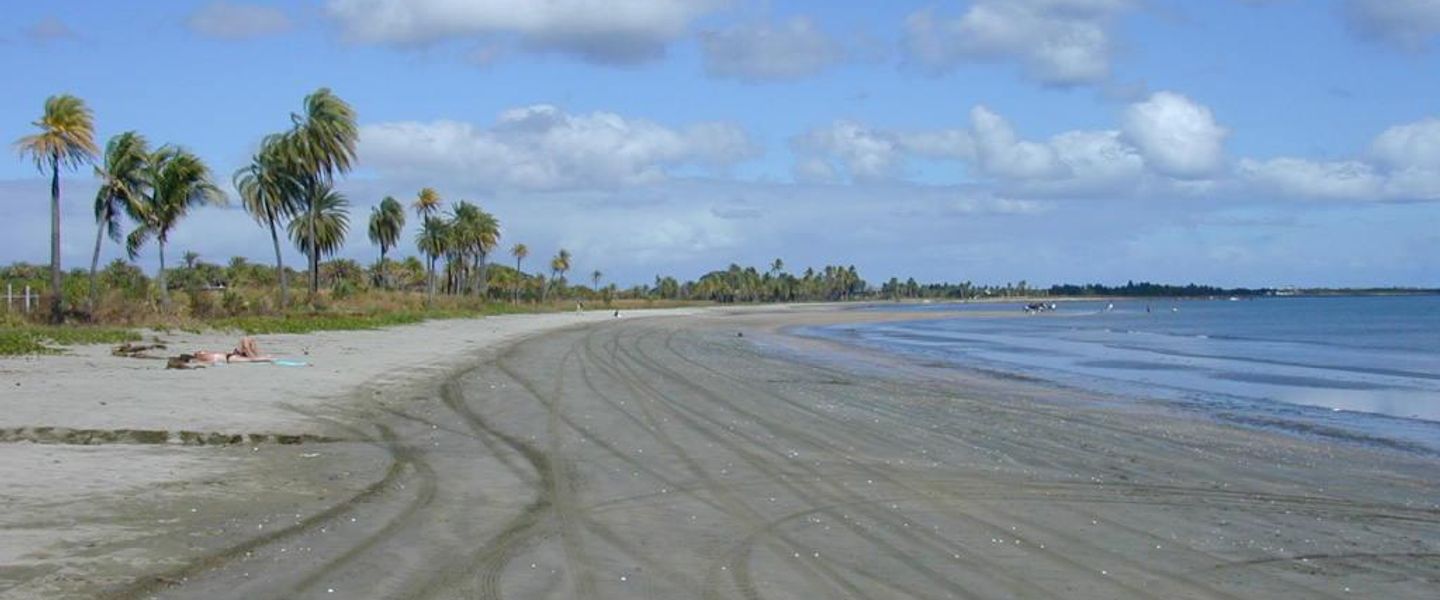


Explore Fiji’s Western Division for Coral Coast beaches, island reefs, sugar towns, cultural heritage and the country’s principal international gateway.
Read more about Western Division
When is the best time to visit Western Division?
Best: June–August · 25°C| Month | High (°C) | Rainfall (mm) |
|---|---|---|
| January | 30 | 250 |
| February | 30 | 200 |
| March | 29 | 230 |
| April | 28 | 200 |
| May | 27 | 150 |
| June (best) | 25 | 100 |
| July (best) | 25 | 100 |
| August (best) | 25 | 110 |
| September | 25 | 130 |
| October | 26 | 150 |
| November | 28 | 200 |
| December | 29 | 230 |
Getting to and around Western Division
How to get there
Transportation
Top city travel guides in Western Division
The cities of Western Division, and the easiest places to base yourself.
-

-

-

-

-


Swipe for more cities
Destinations in Western Division
Resorts, valleys and scenic spots worth a trip of their own.
-

-

-


Swipe for more destinations
Best attractions in Western Division
The Western Division combines accessible mainland attractions with some of Fiji’s most visited island environments. Around Nadi, the Garden of the Sleeping Giant introduces visitors to tropical plants in the foothills, while the Sabeto area is associated with gardens, rural scenery and geothermal mud-pool experiences. The Coral Coast offers reef excursions, snorkelling, diving, river journeys and beaches backed by villages, farms and forested hills. Near Sigatoka, the Sigatoka Sand Dunes National Park protects a changing coastal landscape and archaeological sites linked to early settlement. Inland journeys through the Sigatoka Valley reveal cane fields, market gardens and village communities. Lautoka, Ba and Tavua provide a more industrial and agricultural perspective, with sugar history visible in the landscape. Offshore, the Mamanuca and Yasawa groups offer sailing, swimming, diving, walking and island-community visits, though marine transfers require planning. Wildlife and conservation experiences range from reef observation to native-plant gardens, while cultural attractions include temples, markets, churches and guided village encounters. The appeal lies in the contrast between developed resort corridors, working towns, open agricultural plains and remote island settings rather than in a single concentrated sightseeing district.
-
Marina
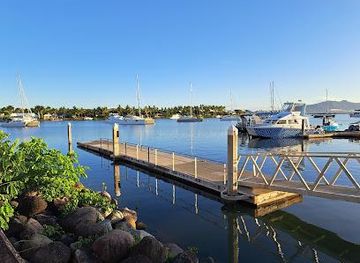
Port Denarau Marina
Explore Fiji's idyllic islands from Denarau Marina, your gateway to paradise with world-class facilities and island adventures.
-
Beach club
Malamala Beach Club
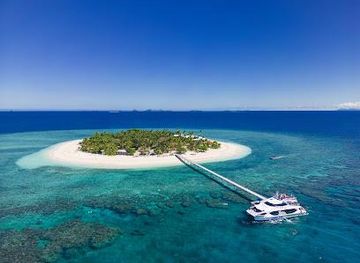
Experience the world's first island beach club, just a short boat ride from Denarau, offering white sands, turquoise waters, and island vibes.
-
Hindu temple
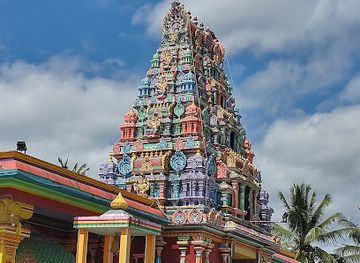
Sri Siva Subramaniya Swami Temple
Discover the largest Hindu temple in the Southern Hemisphere, a vibrant masterpiece of Dravidian architecture in the heart of Nadi, Fiji.
-
Tourist attraction
South Sea Cruises
Your gateway to Fiji's stunning Mamanuca and Yasawa Islands, offering day cruises and island resort transfers from Port Denarau.


Best landmarks in Western Division
The Sigatoka Sand Dunes are among the Western Division’s most distinctive natural and archaeological landmarks, with wind-shaped coastal dunes and evidence of early human occupation protected within a national park. The Sri Siva Subramaniya Temple in Nadi is a major Hindu landmark, recognised for its colourful Dravidian architectural style and religious importance; visitors should observe the temple’s rules about dress, footwear and photography. Viseisei village, near Lautoka, holds a significant place in iTaukei settlement traditions and remains a culturally important community, although visits should be arranged respectfully rather than treated as unstructured sightseeing. Lautoka’s port, sugar infrastructure and surrounding cane fields express the industrial history of western Viti Levu. The Yasawa and Mamanuca island ridges, beaches and reefs form a broader geographical landmark visible through boat journeys and coastal viewpoints. Along the Coral Coast, the meeting of reef flats, beaches, mangroves and inland hills provides a defining landscape, while the Garden of the Sleeping Giant adds a cultivated botanical interpretation of the region’s tropical environment.
-
Park
Albert Park
Explore Albert Park: Suva's lush green haven, where history, culture, and nature harmoniously blend for an unforgettable experience.
-
Resort hotel
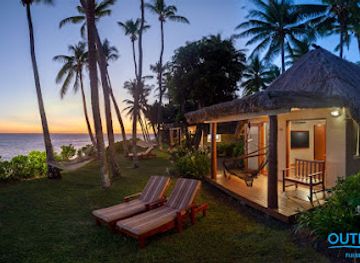
OUTRIGGER Fiji Beach Resort
Experience the essence of Fiji at Outrigger Fiji Beach Resort, where luxury meets cultural richness in a breathtaking coastal setting.
-
Hindu temple
Sri Siva Subramaniya Swami Temple
Explore the stunning Sri Siva Subramaniya Swami Temple in Nadi, Fiji - a vibrant Hindu temple showcasing intricate architecture and rich cultural heritage.
-
Stadium
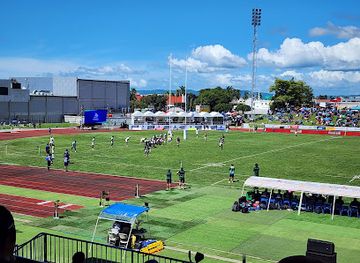
Churchill Park
Immerse yourself in the lively atmosphere of Churchill Park, where sports, nature, and Fijian culture come together in a beautiful setting.
Explore Western Division on the map
Plan your trip on one map. See where the top cities, national parks and sights are, and book hotels and experiences in a few clicks.
Best hotels in Western Division
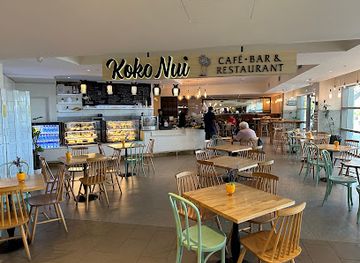
Best restaurants in Western Division
Dining in the Western Division ranges from resort restaurants and hotel buffets to small cafés, market stalls, bakeries and family-run eateries in the towns. Indo-Fijian cooking is especially visible in and around Nadi, Lautoka, Ba and Sigatoka, with curries, dhal, roti, savoury fritters and Indo-Chinese influences forming part of everyday food culture. Fijian dishes may include kokoda, marinated raw fish prepared with citrus and coconut, lovo-cooked meats and vegetables, cassava, taro and tropical fruit. Along the Coral Coast and on the islands, seafood is prominent, although availability varies with season and local supply. Municipal markets are useful for pineapples, papaya, bananas, root vegetables and prepared snacks, while roadside stalls provide inexpensive local options. Resort dining caters to international tastes and often incorporates Fijian ingredients, but visitors seeking a broader sense of regional food should also eat in town and ask about daily specials. Kava is a ceremonial and social drink rather than an alcoholic beverage, and should be approached respectfully when offered in a cultural setting.
-
Shopping mall
TappooCity Lautoka
Discover TappooCity Lautoka: A premier shopping destination blending local charm with global brands in Fiji's vibrant retail scene.
-
Fast Food
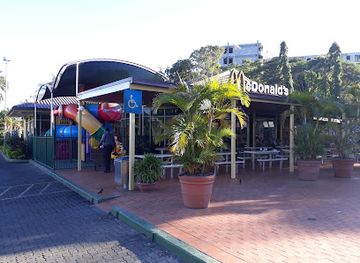
McDonald's Nadi
Enjoy classic fast food favorites with a Fijian twist at McDonald's Nadi - where comfort meets local flavor.
-
International airport
Nadi International Airport
Discover Fiji's breathtaking beauty from Nadi International Airport – your first step into paradise with vibrant culture and warm hospitality.
-
Restaurant
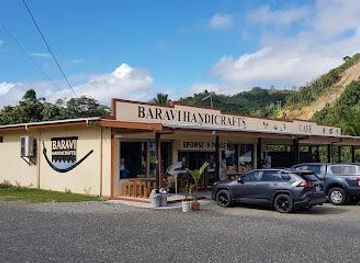
Baravi Handicrafts & Cafe
Savor hearty Fijian cafe fare amid authentic handicrafts and sunset views on the Coral Coast—a welcoming roadside gem blending delicious meals, unique souvenirs, and genuine hospitality for every traveler.
Best bars in Western Division
Evening life is concentrated around Nadi, Denarau, Lautoka, the Coral Coast resorts and larger island properties. Nadi and Denarau provide the broadest choice of hotel bars, casual restaurants, cocktail settings and occasional live entertainment, while Lautoka has a more local town-based scene of bars, clubs and eateries. Along the Coral Coast, nightlife generally centres on resort programmes, beachfront restaurants, traditional-style entertainment and informal evening gatherings rather than a dense club district. Island resorts may offer music, kava ceremonies or themed evenings, but schedules are seasonal and depend on the property. In smaller towns and rural districts, established pubs, restaurants and hotel venues are more typical than late-night clubs. Visitors should use arranged transport after dark, particularly on unfamiliar coastal roads, and remember that village ceremonies and kava gatherings have cultural significance beyond their value as evening entertainment.
-
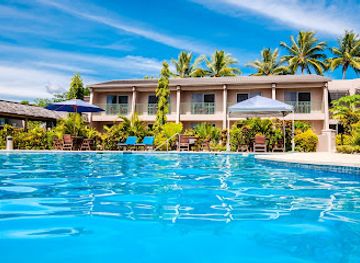
Resort hotel
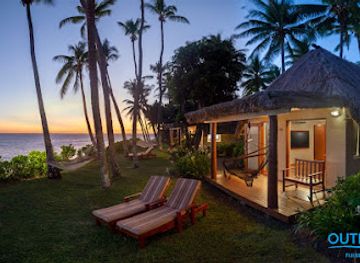
OUTRIGGER Fiji Beach Resort
Discover the ultimate island retreat at Outrigger Fiji Beach Resort, where luxury meets the breathtaking beauty of Fiji.
-
 Hotel
HotelTokatoka Resort
Experience the perfect blend of relaxation and adventure at Tokatoka Resort in Nadi, Fiji, surrounded by lush tropical gardens and vibrant local culture.
-
Hotel
Tanoa Waterfront Hotel
Experience the beauty of Lautoka and enjoy luxurious comfort at Tanoa Waterfront Hotel, your perfect retreat in Fiji.
-
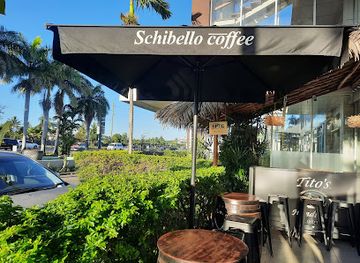
Bar
The Coffee Hub - Nadi
Discover the inviting ambiance and delightful flavors of The Coffee Hub in Nadi, Fiji's premier cafe and bar experience.
Best nightclubs in Western Division
Evening life is concentrated around Nadi, Denarau, Lautoka, the Coral Coast resorts and larger island properties. Nadi and Denarau provide the broadest choice of hotel bars, casual restaurants, cocktail settings and occasional live entertainment, while Lautoka has a more local town-based scene of bars, clubs and eateries. Along the Coral Coast, nightlife generally centres on resort programmes, beachfront restaurants, traditional-style entertainment and informal evening gatherings rather than a dense club district. Island resorts may offer music, kava ceremonies or themed evenings, but schedules are seasonal and depend on the property. In smaller towns and rural districts, established pubs, restaurants and hotel venues are more typical than late-night clubs. Visitors should use arranged transport after dark, particularly on unfamiliar coastal roads, and remember that village ceremonies and kava gatherings have cultural significance beyond their value as evening entertainment.
-
Hotel
Club Fiji
Experience Fijian hospitality at Club Fiji, a charming hotel on Wailoaloa Road, perfect for relaxation and adventure in Nadi.
-
Bar
The Hive
Experience the vibrant atmosphere and exceptional drinks at The Hive, Nadi's premier bar for a night out.
-
Bar
Lautoka Club
Experience the vibrant nightlife and refreshing drinks at Lautoka Club, the perfect bar for relaxation and socializing in Lautoka, Fiji.
-
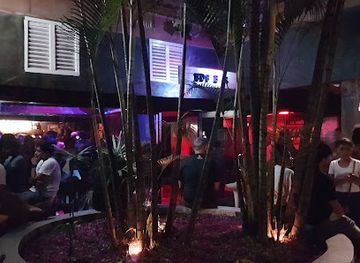
Night club
Eds Bar
Experience the vibrant nightlife of Nadi at Eds Bar, where affordable drinks and lively music create unforgettable nights in Fiji.


Best shops in Western Division
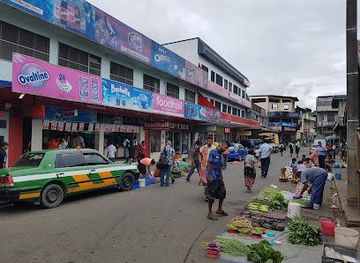
Shopping in the Western Division ranges from busy municipal markets and practical town high streets to resort boutiques and craft stalls aimed at visitors. Nadi and Lautoka have the widest selection of supermarkets, pharmacies, clothing shops, jewellers and everyday stores, while Sigatoka serves the Coral Coast and its surrounding agricultural communities. Market visits are useful for tropical fruit, root crops, spices, snacks and flowers, with Lautoka’s market offering a particularly substantial view of local produce and commerce. Resort areas sell carved wooden objects, woven goods, shell-based jewellery, printed fabrics and packaged Fijian foods, though provenance and quality vary. Look for handicrafts from recognised community or cooperative sellers and ask whether items are locally made. Kava, dried fruit, coconut products, honey, chutneys and spices can make practical food souvenirs when properly packaged for travel. Art galleries and small craft outlets provide alternatives to mass-produced gifts, while village visits may include carefully arranged opportunities to purchase mats, woven baskets or carvings directly from makers.
-
Shopping mall
TappooCity Lautoka
Discover the vibrant shopping experience at TappooCity Lautoka, a top destination for tourists seeking local and international brands in Fiji.
-
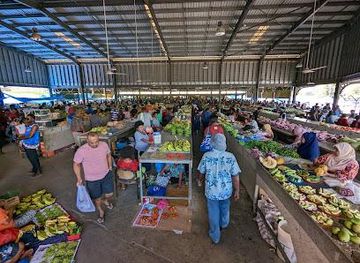
Farmers' market
Nadi Market
Discover the vibrant Nadi Market in Fiji, a bustling farmers' market offering fresh produce, local crafts, and an authentic taste of Fijian culture.
-
Market
Sigatoka Market
Discover the heart of Fijian culture at Sigatoka Market, where vibrant stalls brim with fresh produce, local dishes, and unique handicrafts.
-
Supermarket
NEWWORLD IGA
Experience the best of Fijian shopping at NEWWORLD IGA in Nadi, where local flavors meet global convenience.


Get your free copy of our complete guide to Western Division, delivered straight to you.
Everything on this page, from attractions and restaurants to essentials and local phrases, in one PDF you can read offline, print or share.
Already have an account? Sign in
Your Western Division guide is ready.
We'll send it to · Not you? Sign out

Getting your guide ready…
We are putting together a fresh copy of the Western Division guide. This can take up to a minute.
This can take a few moments. If your browser asks, choose Allow so the download can start. You'll find the guide in your Downloads folder.
Nothing happened? Download it again
Sorry, the guide is taking longer than usual. Please try again in a minute, or get it by email instead.
Western Division essentials
Currency and Payment
Safety
Emergency Situations
Do's and Don'ts
Local Tips
From Eve
Local phrases worth knowing
You don't need to get them perfect. A few words go a long way, and locals appreciate the effort.
Basics
| English | Local | Say it |
|---|---|---|
| Hello | Bula | [boo-lah] |
| Goodbye | Sota tale | [so-tah tah-leh] |
| Yes | Io | [ee-oh] |
| No | Sega | [seh-ngah] |
| Please/You're welcome | Vinaka | [vee-nah-kah] |
| Thank you | Vinaka | [vee-nah-kah] |
| Excuse me/Sorry | Tukuna | [too-koo-nah] |
| How are you? | Bula vinaka, o cei? | [boo-lah vee-nah-kah, oh thei?] |
| Fine. And you? | Vinaka. O iko? | [vee-nah-kah. oh ee-koh?] |
| Do you speak English? | O tukuna vakavalagi? | [oh too-kuna vah-kah-vah-lah-ngi?] |
| I don't understand | Au sega ni kila | [ow seh-ngah nee kee-lah] |
Eating & Drinking
| English | Local | Say it |
|---|---|---|
| I'd like to see the menu, please | Au via raica na menu, pls | [ow vee-ah rai-cah nah meh-nu, please] |
| I don't eat meat | Au sega ni kana na ivi | [ow seh-ngah nee kah-nah nah ee-vee] |
| Cheers! | Sa yawa! | [sah yah-wah] |
| I would like to pay, please | Au via sauma, pls | [ow vee-ah sow-mah, please] |
Emergencies
| English | Local | Say it |
|---|---|---|
| Help! | Vakaraitaka! | [vah-kah-rai-tah-kah] |
| Go away! | Tukuna mai! | [too-koo-nah my] |
| Call the Police! | Tukuna na polisi! | [too-koo-nah nah poh-lee-see] |
| Call a doctor! | Tukuna e dua na dokita! | [too-koo-nah eh doo-ah nah doh-kee-tah] |
| I'm lost | Au sa lost | [ow sah lost] |
| I'm ill | Au sa mate | [ow sah mah-teh] |
Shopping
| English | Local | Say it |
|---|---|---|
| I'd like to buy... | Au via volia... | [ow vee-ah voh-lee-ah] |
| I'm just looking | Au just looking | [ow just looking] |
| How much is it? | E vuqa na cost? | [eh voo-kah nah cost?] |
| That's too expensive | E levu ka cost | [eh leh-vu kah cost] |
| Can you lower the price? | O rawa ni vakalailai na cost? | [oh rah-wah nee vah-kah-lah-ee-lie nah cost?] |
Time & Numbers
| English | Local | Say it |
|---|---|---|
| What time is it? | Na gauna e dua? | [nah gow-nah eh doo-ah] |
| It's one o'clock | E dua na o'clock | [eh doo-ah nah o'clock] |
| Half past (10) | Taba ni (10) | [tah-bah nee (10)] |
| Morning | Meda | [meh-dah] |
| Afternoon | Vakarau | [vah-kah-rau] |
| Evening | Mau | [mah-oo] |
| Yesterday | Siga sa mai | [see-gah sah my] |
| Today | Siga oqo | [see-gah oh-go] |
| Tomorrow | Siga mai | [see-gah my] |
| 1 | Dua | [doo-ah] |
| 2 | Rua | [roo-ah] |
| 3 | Tolu | [toh-loo] |
| 4 | Vula | [voo-lah] |
| 5 | Lima | [lee-mah] |
| 6 | Oni | [oh-nee] |
| 7 | Vitu | [vee-too] |
| 8 | Walu | [wah-loo] |
| 9 | Ciwa | [thee-wah] |
| 10 | Talu | [tah-loo] |
Transport & Directions
| English | Local | Say it |
|---|---|---|
| Where's a/the...? | E na i...? | [eh nah ee...?] |
| What's the address? | Na adresa e dua? | [nah ah-dreh-sah eh doo-ah?] |
| Can you show me (on the map)? | O rawa ni vakaraitaka vei au (kina na map)? | [oh rah-wah nee vah-kah-rai-tah-kah veh-ee ow (kee-nah nah map)?] |
| When's the next (bus)? | Na bus e na dua? | [nah boos eh nah doo-ah?] |
| A ticket (to ....) | E dua na tiket (ki....) | [eh doo-ah nah tee-ket (kee....)] |
History of Western Division
Lapita Settlement and Early Island Communities
Fiji was settled by Austronesian-speaking seafarers associated with the Lapita cultural tradition more than 3,000 years ago. Archaeological evidence from western Viti Levu and surrounding islands contributes to the wider story of settlement across the southwest Pacific, including the movement of people, pottery styles, crops and maritime knowledge. Later iTaukei communities developed distinct chiefly relationships, languages and customs across the islands. The region’s coasts, river valleys and offshore passages were therefore part of long-established networks well before European navigation or colonial rule.
Viseisei and Indigenous Settlement Traditions
Viseisei, near Lautoka, is traditionally described in Fijian oral histories as one of the earliest settlement sites of the iTaukei people, although such traditions belong to a complex account of migration and settlement rather than a single universally agreed arrival point. The village remains important within western Fiji’s cultural landscape. Across the division, chiefly institutions, customary land relationships, village obligations and the use of marine and agricultural resources shaped communities long before the establishment of modern towns and administrative boundaries.
Christian Missions and the Cession of Fiji
Christian missionaries became increasingly influential in Fiji during the nineteenth century, working through local chiefly politics and existing networks of authority. The conversion of prominent chiefs helped accelerate social and religious change, though the process was neither uniform nor uncontested. In 1874 Fiji was ceded to Britain, bringing colonial administration, new legal structures and intensified commercial development. Western Viti Levu became particularly important because its plains, ports and transport routes supported plantation agriculture and the growth of towns such as Lautoka.
Indentured Labour and Indo-Fijian Communities
Between 1879 and 1916, the colonial government brought tens of thousands of Indian indentured workers to Fiji to labour mainly in the sugar industry. Many worked on plantations and mills in western Viti Levu, while others later established farms, shops and professional lives in towns across the division. The end of indenture did not end the community’s contribution to the region: Indo-Fijian religious institutions, languages, food traditions and businesses became enduring features of western Fiji. This history also remains connected to difficult questions of labour, land and political representation.
The Rise of the Sugar Industry
Sugar became the defining commercial industry of western Viti Levu during the colonial period and shaped the development of Lautoka, Ba, Tavua and surrounding agricultural districts. Railways, cane fields, mills and port facilities linked rural producers with export markets. Lautoka grew into Fiji’s major sugar port and industrial centre, while the Rarawai mill at Ba became an important part of the industry’s history. Although the sector has faced economic and climatic pressures, sugar cane remains prominent in the western landscape and continues to influence regional identity.
Wartime Infrastructure and Nadi’s International Role
The Second World War brought strategic investment and expanded airfield infrastructure to Fiji, strengthening the importance of Nadi as an aviation centre. After the war, commercial aviation and tourism gradually transformed the town and its surrounding districts. Nadi International Airport became Fiji’s principal gateway for overseas visitors, while roads, hotels and marine-transfer services developed around the western coast and offshore islands. The result was a regional economy increasingly divided between agriculture, port and industrial activity, local commerce and international tourism.
Tourism, Conservation and Contemporary Western Fiji
From the late twentieth century onwards, western Fiji became the country’s leading tourism region, combining airport access, resort development, Coral Coast attractions and island holidays. Tourism has created employment and infrastructure but has also raised questions about coastal development, water use, marine conservation and the equitable involvement of villages and customary landowners. Protected areas and conservation initiatives, including the Sigatoka Sand Dunes National Park and marine projects around reef and island communities, reflect continuing efforts to balance economic activity with the protection of landscapes and cultural resources.
Western Division in Photos
Browse through our photo collection highlighting the charm and character of the destination.
Neighbouring regions of Western Division
The closest regions to Western Division, if you have time for more than one.
-

-

-

-

-


Swipe for more regions

