

Free Viti Levu Travel Guide & Mobile App
Explore Viti Levu with free travel guides. Discover regional history, expert tips, proposed trips, and audio guides on web or mobile app.


Explore Viti Levu for Fiji’s capital, coral coasts, rainforest valleys, sugar towns, highlands and richly varied food and culture.
Read more about Viti Levu
When is the best time to visit Viti Levu?
Best: June–August · 27°C| Month | High (°C) | Rainfall (mm) |
|---|---|---|
| January | 30 | 300 |
| February | 30 | 300 |
| March | 30 | 300 |
| April | 29 | 250 |
| May | 28 | 200 |
| June (best) | 27 | 150 |
| July (best) | 27 | 150 |
| August (best) | 27 | 150 |
| September | 28 | 200 |
| October | 29 | 250 |
| November | 30 | 300 |
| December | 30 | 300 |
Getting to and around Viti Levu
How to get there
Transportation
Top city travel guides in Viti Levu
The cities of Viti Levu, and the easiest places to base yourself.
-

-

-

-

-

-


Swipe for more cities
Destinations in Viti Levu
Resorts, valleys and scenic spots worth a trip of their own.
-

-

-


Swipe for more destinations
Best attractions in Viti Levu
Viti Levu’s attractions range from urban museums and markets to beaches, rainforest, rivers and archaeological landscapes. In Suva, the Fiji Museum provides an accessible introduction to the country’s Indigenous Fijian, colonial and maritime history, while the nearby Colo-i-Suva Forest Park has walking trails, streams and natural swimming pools in dense tropical forest. On the south-west coast, Sigatoka Sand Dunes National Park combines coastal scenery with important archaeological evidence and short walking routes. The Coral Coast offers beaches, reef excursions and access to villages and river valleys, while Pacific Harbour is a base for adventure activities on the southern side of the island. Around Nadi, the Garden of the Sleeping Giant displays tropical plants beneath the Sabeto highlands, and the Sabeto hot springs provide a popular geothermal outing. Inland districts reveal a different Viti Levu, with waterfall walks, highland scenery, river journeys and community-led visits. Wildlife and conservation parks near the western and southern resort belt add family-oriented options, although conditions and access can vary seasonally.
-
Market
Suva Municipal Market
Experience the vibrant heart of Fiji at Suva's bustling Municipal Market, a sensory feast of local culture and fresh island produce.
-
 Hotel
HotelVolivoli Beach Resort
Discover Fiji's underwater paradise at Volivoli Beach Resort: world-class diving, stunning views, and authentic Fijian hospitality on the Suncoast.
-
Resort hotel
Wananavu Resort
Escape to Wananavu Beach Resort: Dive into Fiji's beauty, culture, and tranquility on the Sun Coast. Your idyllic island getaway awaits!
-
Catholic church
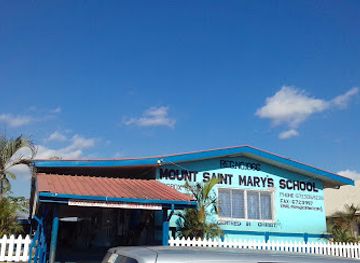
Mount Saint Mary's Catholic Church
Discover faith and community at Nadi's Mount Saint Mary's Catholic Church, a serene landmark with stunning architecture and a welcoming atmosphere.

Best landmarks in Viti Levu
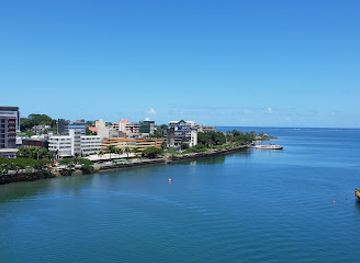
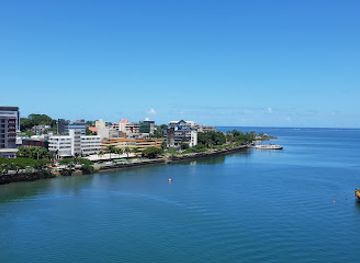
Suva’s Government Buildings and nearby colonial-era civic architecture form one of Viti Levu’s most recognisable urban ensembles, reflecting the city’s role as Fiji’s capital since 1883. The Fiji Museum, set in Thurston Gardens, is an important cultural landmark as well as a museum, linking the capital’s public spaces with the country’s longer archaeological and maritime history. In Nadi, the Sri Siva Subramaniya Temple is a prominent Hindu landmark whose ornate tower and sculptural decoration reflect the cultural history of the island’s Indo-Fijian population. Sigatoka Sand Dunes are a striking natural and archaeological landmark on the south-west coast, where wind-shaped dunes preserve evidence of early settlement. The Queen’s Road and Kings Road provide changing views of Viti Levu’s coastal geography, but the island’s strongest natural landmarks are found in its mountain interior, rainforest valleys and major rivers. The Nausori Highlands, Colo-i-Suva forest and the elevated central ranges express the sharp contrast between the drier western plains and the wetter eastern side.
-
National park
Colo-I-Suva Forest Park
Experience the serene beauty of Colo-I-Suva Forest Park, a lush national park in Fiji, perfect for hiking, wildlife watching, and relaxing amidst nature's wonders.
-
Market
Suva Municipal Market
Discover the heart of Suva at the vibrant Municipal Market, showcasing local produce, crafts, and the rich culture of Fiji.
-
Island
Viti Levu
Experience the stunning landscapes, vibrant culture, and warm hospitality of Viti Levu, Fiji's largest island paradise.
-
Botanical garden
Garden of the Sleeping Giant
Explore the vibrant flora and tranquil beauty of the Garden of the Sleeping Giant in Fiji, a botanical paradise for nature lovers and wanderers alike.
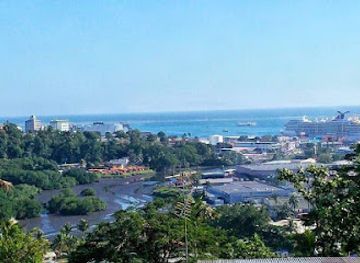
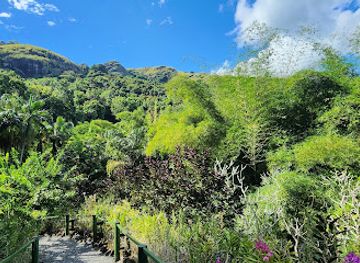
Explore Viti Levu on the map
Plan your trip on one map. See where the top cities, national parks and sights are, and book hotels and experiences in a few clicks.
Best hotels in Viti Levu
Best restaurants in Viti Levu
Eating on Viti Levu reflects both Fiji’s Pacific setting and its deeply established Indo-Fijian communities. Seafood, coconut, cassava, taro, breadfruit and seasonal tropical fruit appear in home cooking, market stalls, resort menus and village gatherings, while kokoda, raw fish marinated with citrus and coconut, is a familiar local preparation. Indian-influenced cooking is especially visible in the towns and sugar districts, with curries, roti, savoury snacks and sweets sold by small eateries and bakeries. Suva offers the broadest range of restaurants, cafés and international cuisines, while Nadi, Lautoka, Sigatoka and the Coral Coast combine tourist-oriented dining with local takeaways, markets and family-run establishments. Rural inns and roadside stops can be useful for simple meals, but choices become less predictable away from the main towns. Farmers’ markets are worthwhile for fruit, vegetables and prepared foods; visitors should follow normal hygiene precautions and remember that menus may change with supply, weather and the day’s catch.
-
Community center
Rakirakiqallau
Explore Rakirakiqallau in Vaileka - A vibrant community center showcasing Fijian culture and hospitality amidst breathtaking landscapes.
-
Restaurant
Corner Cafe Fiji
Experience authentic Fijian cuisine at Corner Cafe Fiji - your go-to spot for breakfast, pastries, and family-friendly dining.
-
Hotel
Volivoli Beach Resort
Discover tranquility at Volivoli Beach Resort in Fiji - your gateway to adventure with diving, fishing, and stunning ocean views.
-
Restaurant
Vasaqa Fiji
Experience vibrant Fijian hospitality at Vasaqa Fiji - where local flavors meet international cuisine in a lively atmosphere.
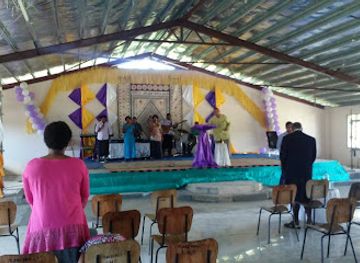
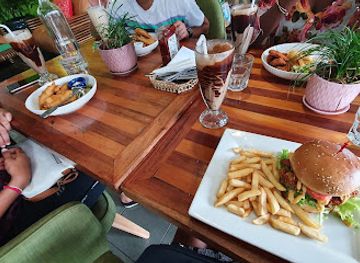
Best bars in Viti Levu
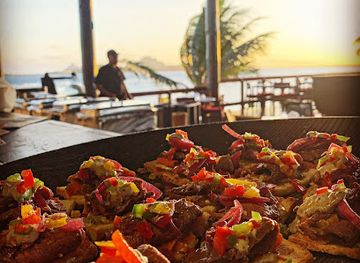
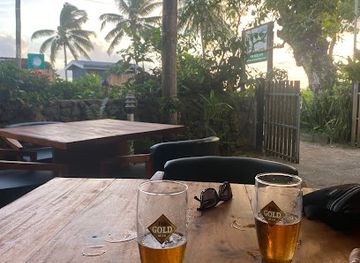
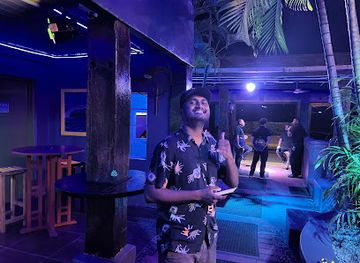
Nightlife on Viti Levu is concentrated in Suva, Nadi, Lautoka and the larger resort districts rather than spread evenly across the island. Suva has the widest choice of bars, cafés, live-music settings and late-evening venues, reflecting its student, administrative and commercial population. Nadi and the Coral Coast cater more to visitors, with hotel bars, casual restaurants, small music venues and occasional entertainment linked to resorts. Lautoka has a more local urban evening scene, while rural areas generally revolve around community gatherings, restaurants and traditional or contemporary pubs rather than nightclubs. Kava ceremonies and yaqona-drinking occasions are cultural practices that should be approached respectfully and not confused with bar culture. Opening arrangements and venue status can change, so visitors should check locally rather than rely on old listings, and should arrange transport in advance when staying outside a town.
-
Island
Fiji Islands
Explore the breathtaking beauty and rich culture of the Fiji Islands, a tropical paradise offering adventures and relaxation in the heart of the South Pacific.
-
Hotel
Volivoli Beach Resort
Discover the ultimate tropical retreat at Volivoli Beach Resort, a stunning haven with diving, fishing, and relaxation in beautiful Fiji.
-
Hotel
Tanoa Rakiraki Hotel
Experience the beauty and tranquility of Fiji at Tanoa Rakiraki Hotel, your perfect getaway surrounded by nature and culture.
-
Restaurant
Beach Bar & Grill, Fijian Thai & French Restaurant
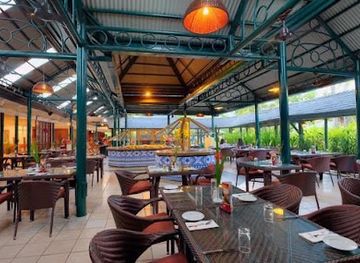
Experience a delightful fusion of Fijian, Thai, and French cuisines at the Beach Bar & Grill, where every meal is accompanied by stunning coastal views.
Best nightclubs in Viti Levu
Nightlife on Viti Levu is concentrated in Suva, Nadi, Lautoka and the larger resort districts rather than spread evenly across the island. Suva has the widest choice of bars, cafés, live-music settings and late-evening venues, reflecting its student, administrative and commercial population. Nadi and the Coral Coast cater more to visitors, with hotel bars, casual restaurants, small music venues and occasional entertainment linked to resorts. Lautoka has a more local urban evening scene, while rural areas generally revolve around community gatherings, restaurants and traditional or contemporary pubs rather than nightclubs. Kava ceremonies and yaqona-drinking occasions are cultural practices that should be approached respectfully and not confused with bar culture. Opening arrangements and venue status can change, so visitors should check locally rather than rely on old listings, and should arrange transport in advance when staying outside a town.
-
Hotel
Tanoa Rakiraki Hotel
Experience the tranquility of Fiji at Tanoa Rakiraki Hotel, where comfort meets stunning natural beauty in a welcoming atmosphere.
-
Bar
Golden Point Resort
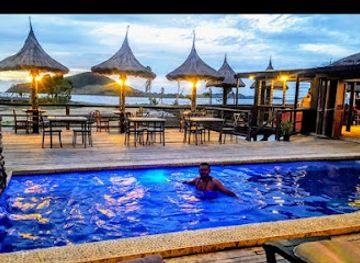
Discover the tranquility of Golden Point Resort, where relaxation meets adventure in the heart of Fiji's stunning landscapes.
-
Night club
DownUnder Pub
Discover the electric atmosphere of DownUnder Pub, Suva's premier night club for music, drinks, and unforgettable memories.
-
Bar
The Hive
Experience the vibrant nightlife of Nadi at The Hive, a lively bar known for its cool music, delightful drinks, and friendly vibes.

Best shops in Viti Levu
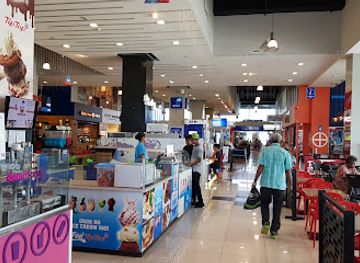
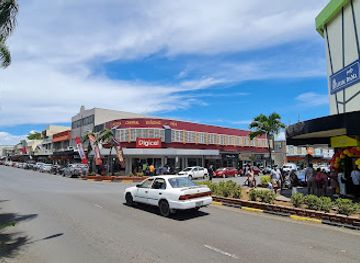
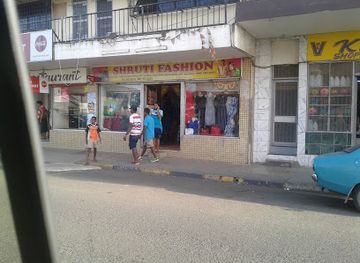
Shopping on Viti Levu is most varied in Suva, Nadi and Lautoka, where supermarkets, department stores, market stalls, independent shops and small craft outlets serve both local residents and visitors. Municipal markets are the best places to see the island’s produce economy, with tropical fruit, vegetables, root crops, spices and prepared snacks sold alongside everyday household goods. Suva’s craft and souvenir shops offer woven items, carved wood, shell jewellery, prints and books, while resort areas along the Coral Coast and around Nadi provide a concentration of Fiji-branded gifts and artisan products. Lautoka and the western sugar districts have a more practical town-centre retail character, with Indian sweets, spices, textiles and clothing particularly easy to find. Look for locally made masi-inspired designs, woven pandanus goods and carefully labelled food products, but distinguish handmade regional work from imported souvenirs. Market hours and individual stalls vary, and respectful bargaining should never become aggressive or dismissive.
-
Shopping mall
TappooCity Suva
Discover the heart of Suva at TappooCity, a shopping mall offering local brands, international cuisine, and a vibrant cultural experience.
-
Shopping mall
TappooCity Lautoka
Discover a vibrant shopping experience at TappooCity Lautoka, where local charm meets international brands in the heart of Fiji.
-
Community center
Rakirakiqallau
Immerse yourself in the vibrant culture and warm hospitality of Rakirakiqallau, a true community gem in Vaileka, Fiji.
-
Supermarket
Shop N Save Supermarket
Discover Tavua's local flavors and everyday essentials at Shop N Save Supermarket, the heart of community shopping in Fiji.

Get your free copy of our complete guide to Viti Levu, delivered straight to you.
Everything on this page, from attractions and restaurants to essentials and local phrases, in one PDF you can read offline, print or share.
Already have an account? Sign in
Your Viti Levu guide is ready.
We'll send it to · Not you? Sign out

Getting your guide ready…
We are putting together a fresh copy of the Viti Levu guide. This can take up to a minute.
This can take a few moments. If your browser asks, choose Allow so the download can start. You'll find the guide in your Downloads folder.
Nothing happened? Download it again
Sorry, the guide is taking longer than usual. Please try again in a minute, or get it by email instead.
Viti Levu essentials
Currency and Payment
Safety
Emergency Situations
Do's and Don'ts
Local Tips
From Eve
Local phrases worth knowing
You don't need to get them perfect. A few words go a long way, and locals appreciate the effort.
Basics
| English | Local | Say it |
|---|---|---|
| Hello | Bula | [boo-lah] |
| Goodbye | Moce | [moh-theh] |
| Yes | Io | [ee-oh] |
| No | Sega | [seh-ngah] |
| Please/You're welcome | Vinaka | [vee-nah-kah] |
| Thank you | Vinaka | [vee-nah-kah] |
| Excuse me/Sorry | Sori | [soh-ree] |
| How are you? | Vakacava? | [vah-kah-thah-vah] |
| Fine. And you? | Vinaka. O iko? | [vee-nah-kah. oh ee-koh?] |
| Do you speak English? | O ni veivosaki vakaviti? | [oh nee vay-voh-sah-kee vah-kah-vee-tee] |
| I don't understand | Au sega ni kila | [ow seh-ngah nee kee-lah] |
Eating & Drinking
| English | Local | Say it |
|---|---|---|
| I'd like to see the menu, please | Au via raica na menu, vinaka | [ow vee-ah rah-ee-thah nah meh-noo, vee-nah-kah] |
| I don't eat meat | Au sega ni kana na pua | [ow seh-ngah nee kah-nah nah poo-ah] |
| Cheers! | Sa moce! | [sah moh-theh!] |
| I would like to pay, please | Au via bay, vinaka | [ow vee-ah bye, vee-nah-kah] |
Emergencies
| English | Local | Say it |
|---|---|---|
| Help! | Vakararawataki! | [vah-kah-rah-rah-wah-tah-kee!] |
| Go away! | Tukuni! | [too-koo-nee!] |
| Call the Police! | Vakatawa na polisimani! | [vah-kah-tah-wah nah poh-lee-see-mah-nee!] |
| Call a doctor! | Vakatawa e dua na dokita! | [vah-kah-tah-wah eh doo-ah nah doh-kee-tah!] |
| I'm lost | Au sa leqa | [ow sah leh-ngah] |
| I'm ill | Au sa malumalumu | [ow sah mah-loo-mah-loo-moo] |
Shopping
| English | Local | Say it |
|---|---|---|
| I'd like to buy... | Au via volia... | [ow vee-ah voh-lee-ah...] |
| I'm just looking | Au just looking | [ow juhst loo-king] |
| How much is it? | E vica na isau? | [eh vee-tha nah ee-sow?] |
| That's too expensive | Sa levu sara na isau | [sah leh-voo sah-rah nah ee-sow] |
| Can you lower the price? | O rawa ni laurai na isau? | [oh rah-wah nee lah-oo-rai nah ee-sow?] |
Time & Numbers
| English | Local | Say it |
|---|---|---|
| What time is it? | Na gauna cava? | [nah gah-oo-nah thah-vah?] |
| It's one o'clock | E dua na hora | [eh doo-ah nah ho-rah] |
| Half past (10) | Toru na miniti ni walu | [toh-roo nah mee-nee-tee nee vah-loo] |
| Morning | Veiqaravi | [vey-kah-rah-vee] |
| Afternoon | Veiqaravi ni siga | [vey-kah-rah-vee nee see-ngah] |
| Evening | Bogi | [boh-gee] |
| Yesterday | Ena siga sa oti | [eh-nah see-ngah sah oh-tee] |
| Today | Ena siga | [eh-nah see-ngah] |
| Tomorrow | Ena siga sa oti | [eh-nah see-ngah sah oh-tee] |
| 1 | Dua | [doo-ah] |
| 2 | Rawa | [rah-wah] |
| 3 | Tolu | [toh-loo] |
| 4 | Vula | [voo-lah] |
| 5 | Vitu | [vee-too] |
| 6 | Talu | [tah-loo] |
| 7 | Talu | [tah-loo] |
| 8 | Walu | [wah-loo] |
| 9 | Ciwa | [see-wah] |
| 10 | Talu | [tah-loo] |
Transport & Directions
| English | Local | Say it |
|---|---|---|
| Where's a/the...? | E na vanua e ...? | [eh nah vah-noo-ah eh ...?] |
| What's the address? | Na noda adiresi? | [nah noh-dah ah-deh-ree-see?] |
| Can you show me (on the map)? | O rawa ni vakaraitaka vei au (ena mapa)? | [oh rah-wah nee vah-kah-rai-tah-kah veh-ee ow (eh-nah mah-pah)?] |
| When's the next (bus)? | Nai yaco ni bus? | [nah-ee yah-tho nee boose?] |
| A ticket (to ....) | E dua na tikiti (ki ....) | [eh doo-ah nah tee-kee-tee (kee ....)] |
History of Viti Levu
Early Settlement and Lapita Heritage
People reached the Fiji islands during the wider Austronesian and Lapita expansion across the Pacific, and later communities developed distinctive chiefly, agricultural and maritime traditions. Archaeological evidence from Viti Levu includes pottery, shell remains and settlement sites that help trace changing patterns of life over many centuries. Communities cultivated crops such as taro, yams and later cassava, used the island’s rivers and reefs, and maintained connections with neighbouring islands. The archaeological landscape at Sigatoka Sand Dunes is especially important because it records early settlement and burial practices in a coastal environment that has continued to shift over time.
Chiefly States and Tongan Influence
Before European colonial rule, Viti Levu was divided among powerful chiefly groups whose alliances and rivalries shaped trade, warfare and political authority. Bau, an island off the south-eastern coast of Viti Levu, became a particularly influential centre under the Vunivalu of Bau, whose power extended through political relationships across Fiji. From the eighteenth and nineteenth centuries, Tongan involvement added another layer to regional politics, especially in eastern Fiji. These histories remain relevant to understanding the importance of chiefly titles, village protocol and the ceremonial role of the kava yaqona ceremony in contemporary Fijian society.
European Contact and Missionary Change
European navigators visited Fiji from the late eighteenth century, followed by traders, beachcombers and Christian missionaries in the nineteenth century. Missionary activity expanded from coastal centres and was closely connected with chiefly patronage, education and the adoption of Christianity, although conversion was neither uniform nor detached from local politics. European demand for sandalwood and other resources brought new commercial pressures, while firearms and regional rivalries altered the balance between chiefly groups. On Viti Levu, the effects were particularly significant around coastal settlements and the political networks linked to Bau and the south-eastern districts.
Cession to Britain and the Colonial Capital
Fiji became a British colony in 1874 after negotiations involving Ratu Seru Epenisa Cakobau and other leading chiefs. The colonial administration first developed Levuka on Ovalau, but Suva on Viti Levu became the capital in 1883 because its harbour and location offered greater room for expansion. Government buildings, churches, commercial premises and residential districts grew around the new capital, establishing the urban framework visible in central Suva today. Colonial rule also formalised land administration and labour systems that profoundly influenced the island’s economy and the relationship between Indigenous Fijian communities and later migrant populations.
Indentured Indian Labour and the Sugar Economy
From 1879 to 1916, the British colonial government brought indentured labourers from India to work mainly in Fiji’s sugar industry. After indenture ended, many workers and their families remained, creating the Indo-Fijian communities that became central to the social, commercial and religious life of Viti Levu. Sugar cultivation expanded particularly in the dry western districts around Lautoka, Nadi, Ba and the nearby plains, supported by mills, railways and port facilities. The industry shaped settlement patterns, politics, cuisine and religious architecture, while also leaving a difficult legacy of exploitation and enduring debate over land, representation and identity.
Independence and Modern Political Change
Fiji became independent from Britain in 1970, with Suva continuing as the national capital and Viti Levu remaining the centre of government, commerce, transport and tourism. The island has also been at the heart of Fiji’s political upheavals, including the coups of 1987, 2000 and 2006, whose effects were felt particularly in Suva and the national institutions based there. Since the late twentieth century, tourism, remittances, services, manufacturing and sugar have complemented agriculture, while urban growth around Nadi, Lautoka, Suva and Nausori has transformed parts of the island. Cyclones, flooding and climate change now form an important part of its contemporary environmental and economic story.
Viti Levu in Photos
Browse through our photo collection highlighting the charm and character of the destination.
Neighbouring regions of Viti Levu
The closest regions to Viti Levu, if you have time for more than one.
-

-

-

-

-


Swipe for more regions
Explore more

Explore more of Fiji
Discover Fiji: A tropical haven of stunning beaches, rich culture, and endless adventure. Perfect for both relaxation and exploration in the heart of the South Pacific.
Explore Fiji