

Free Northern Division Travel Guide & Mobile App
Explore Northern Division with free travel guides. Discover regional history, expert tips, proposed trips, and audio guides on web or mobile app.


Explore Fiji’s Northern Division for Vanua Levu’s bays, Taveuni’s rainforests, coral reefs, village culture and unhurried island travel.
Read more about Northern Division
When is the best time to visit Northern Division?
Best: June–August · 29°C| Month | High (°C) | Rainfall (mm) |
|---|---|---|
| January | 30 | 300 |
| February | 30 | 250 |
| March | 30 | 230 |
| April | 30 | 200 |
| May | 30 | 150 |
| June (best) | 29 | 130 |
| July (best) | 29 | 120 |
| August (best) | 29 | 130 |
| September | 30 | 150 |
| October | 30 | 200 |
| November | 30 | 250 |
| December | 30 | 280 |
Getting to and around Northern Division
How to get there
Transportation
Top city travel guides in Northern Division
The cities of Northern Division, and the easiest places to base yourself.

Swipe for more cities
Best attractions in Northern Division
The Northern Division’s attractions are chiefly environmental and cultural rather than concentrated in large purpose-built complexes. On Vanua Levu, Savusavu combines a sheltered bay, geothermal hot springs, mangrove-fringed shores and access to diving and sailing waters, while the countryside around Labasa reveals the agricultural importance of the Macuata plains. Natewa Bay, one of Fiji’s large enclosed bays, offers opportunities for boat trips and nature observation, subject to local conditions. Taveuni provides the division’s most developed rainforest experiences: Bouma National Heritage Park contains waterfalls, forest trails and coastal scenery, and the Lavena Coastal Walk links dense vegetation with beaches and rocky shoreline. Divers and snorkellers are drawn to the reefs and channels around Taveuni, including the celebrated Rainbow Reef, while other marine areas support community-based conservation. Village visits, local markets, churches and small cultural sites provide insight into everyday northern life. Activities are often weather-dependent and may require a guide, transfer or boat, so the region is best explored through a sequence of deliberately planned excursions rather than spontaneous short stops.
-
Park
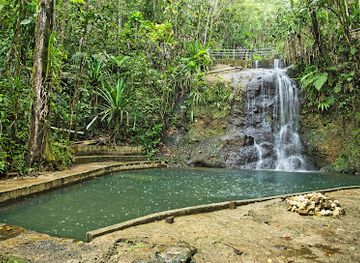
Lower Pools
Discover tranquility and natural beauty at Lower Pools, a hidden gem in Waila City, perfect for relaxation and outdoor adventures.
-
Tourist attraction
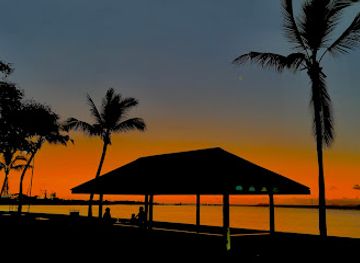
Marine bay
Discover tranquility at Marine Bay, Lautoka: crystal waters, vibrant reefs, and stunning sunsets await in Fiji's coastal paradise.
-
Park
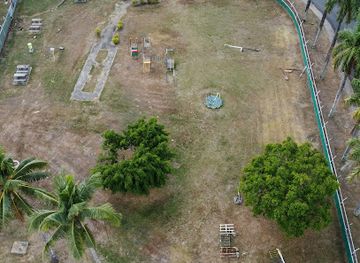
Namosau Park
Escape to Namosau Park in Ba, Fiji: A serene oasis with lush landscapes, perfect for relaxation, picnics, and enjoying Fiji's natural beauty.
Best landmarks in Northern Division
The Northern Division’s most recognisable landmarks are often landscapes rather than monumental architecture. Savusavu’s harbour and shoreline hot springs express the town’s volcanic and maritime setting, while Labasa’s urban character is linked to the commercial and agricultural life of northern Vanua Levu. On Taveuni, the waterfalls of Bouma National Heritage Park are prominent natural features, with Tavoro Waterfalls forming the best-known sequence of falls within the park. The Lavena coastline provides another defining landscape of forest meeting the sea, and the high interior’s Lake Tagimoucia is associated with a widely known Fijian flower and local legend. Offshore, the Somosomo Strait and Rainbow Reef are geographically significant marine landmarks whose importance depends on tides, currents and conservation. Historic churches, including the mission-associated Wairiki Church area, reflect the religious transformations of the nineteenth century, while village settlements and chiefly spaces convey the continuing importance of community authority. These places should be approached with attention to local access rules, environmental protection and cultural etiquette.
-
National park
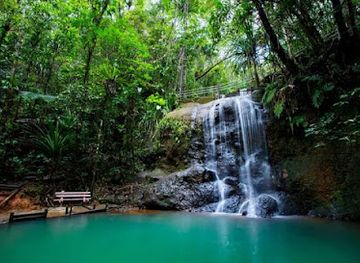
Colo-I-Suva Forest Park
Immerse yourself in the lush landscapes and vibrant wildlife of Colo-I-Suva Forest Park, a tropical paradise near Suva, Fiji.
-
Shopping mall
TappooCity Suva
Discover TappooCity Suva, the premier shopping destination in Fiji, where local culture meets international shopping and dining experiences.
-
Park
Albert Park
Discover the serene beauty and rich history of Albert Park, Suva's iconic green space, perfect for relaxation and cultural exploration.
-
Market
Suva Municipal Market
Discover the heart of Fijian culture at Suva Municipal Market, where vibrant local produce and crafts await your exploration.
Explore Northern Division on the map
Plan your trip on one map. See where the top cities, national parks and sights are, and book hotels and experiences in a few clicks.
Best hotels in Northern Division
Best restaurants in Northern Division
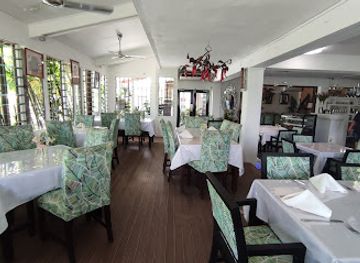
Dining in the Northern Division reflects Fiji’s blend of iTaukei, Indo-Fijian, colonial and wider Pacific influences. In Labasa, Indian-influenced cooking is especially visible in curries, roti, savoury snacks and sweets, while markets and roadside stalls offer seasonal tropical fruit, root crops and simple prepared foods. Savusavu’s restaurants and cafés tend to focus on freshly caught fish, seafood, island produce and international dishes for residents, sailors and visitors. Around Taveuni, menus commonly draw on local fish, coconut, cassava, dalo, breadfruit, pineapple and other fruit, although availability varies with supply and weather. Traditional lovo cooking, in which food is prepared in an earth oven, is associated with communal occasions and may be arranged through accommodation or village hosts rather than found as a daily restaurant option. Rural eateries and small shops can have limited hours, so carry snacks on long drives and boat trips. Fiji’s national kava tradition is cultural rather than a restaurant speciality, and visitors should approach it through local guidance.
-
Restaurant
Bulaccino Café (Namaka, Nadi)
Discover Bulaccino Café in Namaka: A delightful blend of local flavors with vegan options, perfect for tourists seeking culinary adventures.
-
Indian
Maya Dhaba
Experience authentic Indian flavors at Maya Dhaba in Suva - where every dish tells a story.
-
Restaurant
The Coffee Hub - Suva
Discover the vibrant atmosphere and exquisite flavors at The Coffee Hub in Suva - your go-to spot for coffee and cuisine.
-
Restaurant
Vasaqa Fiji
Experience exquisite Fijian cuisine and vibrant nightlife at Vasaqa Fiji - your culinary oasis in Nadi.


Best bars in Northern Division
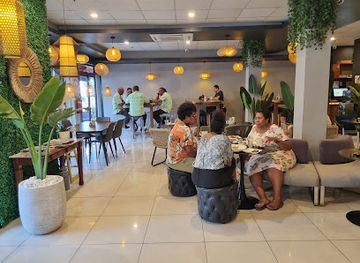
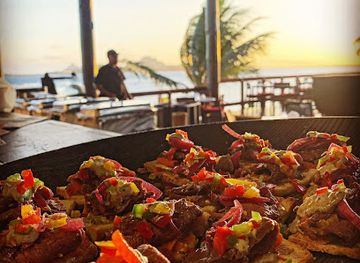
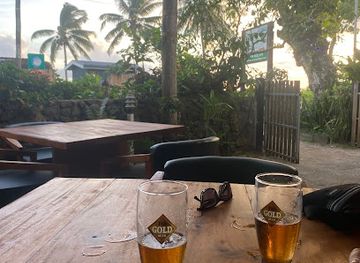
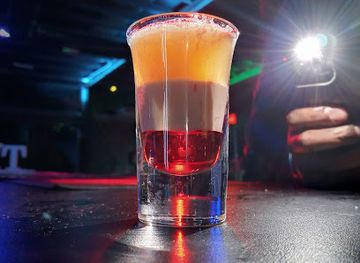
Nightlife in the Northern Division is modest and dispersed, with evening activity centred on restaurants, hotel bars, traditional pubs and community events rather than large club districts. Savusavu has the broadest visitor-oriented choice, including waterfront and hotel settings where guests may meet sailors, residents and other travellers, while Labasa’s evening scene is more closely tied to local restaurants, cafés and social life. Taveuni is generally quiet after dark, with accommodation-based dining and occasional live music or informal gatherings providing the main alternatives. In rural areas, roads, transport and licensing arrangements mean that venues may close earlier than international visitors expect. Breweries, cocktails and imported drinks can be available in established hotels, but local soft drinks, fresh juices and kava also form part of the wider evening culture. Check transport arrangements before drinking, particularly on islands where taxis and late services are limited, and treat village or community occasions as social events rather than commercial nightlife.
-
Bar
Vasaqa Fiji
Experience the vibrant flavors and lively atmosphere at Vasaqa Fiji, a premier bar and restaurant in Nadi, perfect for every traveler.
-
Restaurant
Beach Bar & Grill, Fijian Thai & French Restaurant
Experience the perfect blend of Fijian, Thai, and French flavors at Beach Bar & Grill, where every meal is a tropical celebration.
-
Restaurant
Eden Bistro & Bar (Fiji)
Discover the flavors of Fiji at Eden Bistro & Bar, where local and international cuisines meet in a cozy, welcoming atmosphere.
-
Bar
Ice Bar
Discover the Ice Bar in Nadi, a unique ice-themed bar offering a refreshing escape and an exciting nightlife experience.
Best nightclubs in Northern Division
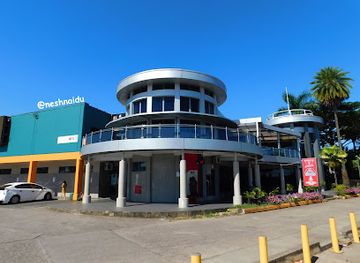
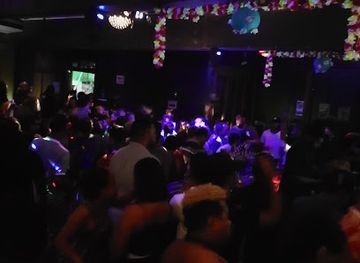
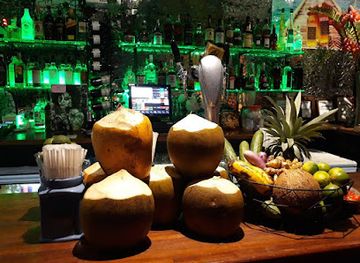
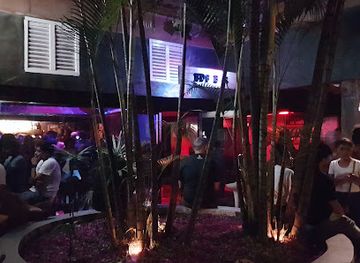
Nightlife in the Northern Division is modest and dispersed, with evening activity centred on restaurants, hotel bars, traditional pubs and community events rather than large club districts. Savusavu has the broadest visitor-oriented choice, including waterfront and hotel settings where guests may meet sailors, residents and other travellers, while Labasa’s evening scene is more closely tied to local restaurants, cafés and social life. Taveuni is generally quiet after dark, with accommodation-based dining and occasional live music or informal gatherings providing the main alternatives. In rural areas, roads, transport and licensing arrangements mean that venues may close earlier than international visitors expect. Breweries, cocktails and imported drinks can be available in established hotels, but local soft drinks, fresh juices and kava also form part of the wider evening culture. Check transport arrangements before drinking, particularly on islands where taxis and late services are limited, and treat village or community occasions as social events rather than commercial nightlife.
-
Night club
O'Reilly's Bar Suva
Discover the vibrant nightlife of Suva at O'Reilly's Bar, the ultimate destination for cocktails, music, and dancing in Fiji's capital.
-
Night club
Traps Bar
Experience the vibrant nightlife of Suva at Traps Bar, the ultimate destination for music, dancing, and fun in Fiji's capital.
-
Night club
Eds Bar
Experience the vibrant nightlife of Nadi at Eds Bar, a lively night club with great music, delicious drinks, and a friendly atmosphere that captures the spirit of Fiji.
-
Night club
The Lab Fiji
Discover the electrifying nightlife of The Lab Fiji, a premier night club in Nadi blending local culture with thrilling entertainment.
Best shops in Northern Division
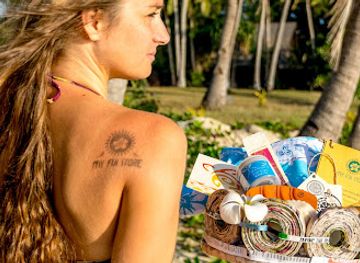
Shopping in the Northern Division is practical, local and closely connected to food production rather than focused on large retail complexes. Labasa is the strongest centre for supermarkets, pharmacies, general shops, clothing and market produce, with a commercial atmosphere shaped by the town’s agricultural hinterland and Indo-Fijian businesses. Savusavu offers smaller independent shops, galleries, craft outlets and provisions for visitors and boat crews, while Taveuni’s retail choice is more limited and concentrated around settlements and accommodation areas. Markets are useful for tropical fruit, root vegetables, spices and snacks, although exact selection follows the season. Handicrafts may include woven items, carved objects, shell work and locally made souvenirs, but purchase directly from reputable sellers and avoid products made from protected wildlife or coral. Packaged kava, coconut products, spices, chutneys and other shelf-stable foods can make practical souvenirs, subject to airline and customs rules. Bargaining is not appropriate everywhere; ask politely whether a price is negotiable rather than assuming it.
-
E-commerce service
My Fiji Store
Explore My Fiji Store for a unique selection of authentic Fijian gifts, chocolates, and more. A must-visit for every tourist in Nadi.
-
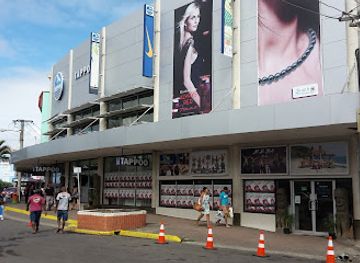
Shopping mall
Tappoo Nadi Department Store
Explore the vibrant Tappoo Nadi Department Store for an unforgettable shopping experience filled with local crafts, international brands, and delicious refreshments.
-
Clothing store
S Nagindas Renwick
Discover a colorful range of Fijian fashion and unique souvenirs at S Nagindas Renwick, the ultimate clothing store in Suva.
-
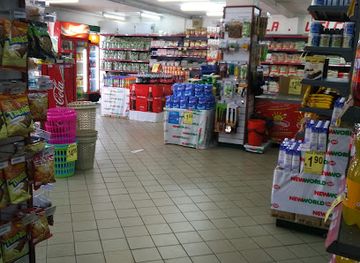
Grocery store
Shop'n Save
Discover local flavors and essential goods at Shop'n Save, your go-to grocery store in Ba, Fiji for an authentic shopping experience.

Get your free copy of our complete guide to Northern Division, delivered straight to you.
Everything on this page, from attractions and restaurants to essentials and local phrases, in one PDF you can read offline, print or share.
Already have an account? Sign in
Your Northern Division guide is ready.
We'll send it to · Not you? Sign out

Getting your guide ready…
We are putting together a fresh copy of the Northern Division guide. This can take up to a minute.
This can take a few moments. If your browser asks, choose Allow so the download can start. You'll find the guide in your Downloads folder.
Nothing happened? Download it again
Sorry, the guide is taking longer than usual. Please try again in a minute, or get it by email instead.
Northern Division essentials
Currency and Payment
Safety
Emergency Situations
Do's and Don'ts
Local Tips
From Eve
Local phrases worth knowing
You don't need to get them perfect. A few words go a long way, and locals appreciate the effort.
Basics
| English | Local | Say it |
|---|---|---|
| Hello | Bula | [boo-lah] |
| Goodbye | Moce | [moh-theh] |
| Yes | Io | [ee-oh] |
| No | Sega | [seh-ngah] |
| Please/You're welcome | Kerekere | [keh-reh-keh-reh] |
| Thank you | Vinaka | [vee-nah-kah] |
| Excuse me/Sorry | Tiko | [tee-koh] |
| How are you? | Vina na? | [vee-nah nah] |
| Fine. And you? | Vinaka. Na nomu? | [vee-nah-kah nah no-moo] |
| Do you speak English? | O ni tukuna na vosa Vakavalagi? | [oh nee too-kuna nah vo-sah vah-kah-vah-lah-ngi] |
| I don't understand | Au sega ni kilai | [ow seh-ngah nee kee-lah-ee] |
Eating & Drinking
| English | Local | Say it |
|---|---|---|
| I'd like to see the menu, please | Au via raica na menu, kerekere | [ow vee-ah rai-kah nah meh-noo keh-reh-keh-reh] |
| I don't eat meat | Au sega ni kana manumanu | [ow seh-ngah nee kah-nah mah-noo-mah-noo] |
| Cheers! | Bula! | [boo-lah] |
| I would like to pay, please | Au via saumi, kerekere | [ow vee-ah sow-meee keh-reh-keh-reh] |
Emergencies
| English | Local | Say it |
|---|---|---|
| Help! | Vakaraitaka! | [vah-kah-rai-tah-kah] |
| Go away! | Siga! | [see-ngah] |
| Call the Police! | Tukuna na Polisi! | [too-kuna nah poh-lee-see] |
| Call a doctor! | Tukuna e dua na dokita! | [too-kuna eh doo-ah nah doh-kee-tah] |
| I'm lost | Au sa leqa | [ow sah leh-kah] |
| I'm ill | Au sa mate | [ow sah mah-teh] |
Shopping
| English | Local | Say it |
|---|---|---|
| I'd like to buy... | Au via volia... | [ow vee-ah voh-lee-ah] |
| I'm just looking | Au sa raica ga | [ow sah rai-kah gah] |
| How much is it? | Ena totoka na? | [eh-nah toh-toh-kah nah] |
| That's too expensive | Oya e levu duadua | [oh-yah eh leh-voo doo-ah-doo-ah] |
| Can you lower the price? | O na rawa ni curu na iwali? | [oh nah rah-wah nee thoo-roo nah ee-wah-lee] |
Time & Numbers
| English | Local | Say it |
|---|---|---|
| What time is it? | Na gauna cava? | [nah gawn-ah thah-vah] |
| It's one o'clock | E dua na clock | [eh doo-ah nah clock] |
| Half past (10) | Taka na (10) | [tah-kah nah (10)] |
| Morning | Veiqaravi | [veh-ee-kah-rah-vee] |
| Afternoon | Veiqaravi ni siga | [veh-ee-kah-rah-vee nee see-ngah] |
| Evening | Veisiga | [veh-ee-see-ngah] |
| Yesterday | Ena yabaki sa | [eh-nah yah-bah-kee sah] |
| Today | Ena siga oqo | [eh-nah see-ngah oh-ngoh] |
| Tomorrow | Ena siga mai | [eh-nah see-ngah my] |
| 1 | Dua | [doo-ah] |
| 2 | Rua | [roo-ah] |
| 3 | Tolu | [toh-loo] |
| 4 | Vica | [vee-thah] |
| 5 | Lima | [lee-mah] |
| 6 | Talu | [tah-loo] |
| 7 | Vitu | [vee-too] |
| 8 | Walu | [wah-loo] |
| 9 | Ciwa | [chee-wah] |
| 10 | Tini | [tee-nee] |
Transport & Directions
| English | Local | Say it |
|---|---|---|
| Where's a/the...? | E na vanua e...? | [eh nah vah-noo-ah eh] |
| What's the address? | Na i vola ni vanua? | [nah ee voh-lah nee vah-noo-ah] |
| Can you show me (on the map)? | O na rawa ni vakaraitaka vei au (ena map)? | [oh nah rah-wah nee vah-kah-rai-tah-kah veh-ee ow (eh-nah map)] |
| When's the next (bus)? | Na cava na bus e rawa mai? | [nah thah-vah nah bus eh rah-wah my] |
| A ticket (to ....) | E dua na tikiti (ki ....) | [eh doo-ah nah tee-kee-tee (kee ....)] |
History of Northern Division
Lapita Settlement and Early Pacific Communities
People associated with the Lapita cultural tradition reached the Fiji group more than three thousand years ago, bringing seafaring knowledge, pottery traditions and networks that connected Fiji with western Polynesia and the wider Pacific. Archaeological evidence from Fiji’s islands shows that early communities adapted to coastal environments, cultivated plants and developed changing patterns of settlement. In the Northern Division, the sea remained central to movement between Vanua Levu, Taveuni and neighbouring islands, a pattern that still shapes trade, kinship and local identity.
Chiefly Confederacies and Tongan Influence
Before colonial rule, northern Fiji was organised through interconnected chiefly domains rather than a single central state. Cakaudrove, on Vanua Levu and Taveuni, became one of the most important chiefly areas in the north. From the eighteenth and nineteenth centuries, links with Tonga influenced politics, titles, warfare and migration, especially in eastern Fiji. These relationships were complex and changed over time, but their legacy remains visible in chiefly structures, ceremonial protocol and the importance attached to land and community authority.
Christian Missions and Coastal Change
Christian missionaries arrived during the nineteenth century as Fiji experienced intense political and social upheaval. Methodist conversion became particularly influential in many iTaukei communities, while Catholic and other Christian traditions also established congregations. Mission stations, churches and schools altered patterns of settlement and public life. On Taveuni, the Wairiki area is associated with early Catholic mission history, while throughout the Northern Division churches remain important architectural and community landmarks.
Cession to Britain in 1874
Fiji became a British colony in 1874 after the cession led by Ratu Seru Epenisa Cakobau and other chiefs. Colonial administration formalised systems of land, taxation and labour while expanding commercial agriculture and port connections. Levuka, outside the Northern Division, became the early colonial capital, but northern ports and settlements increasingly supplied copra, agricultural produce and other goods. Colonial rule also entrenched institutions whose effects continue in Fiji’s legal, political and landholding arrangements.
Indentured Labour and the Sugar Economy
From the late nineteenth century, the colonial sugar industry brought many indentured labourers from India to Fiji. After the indenture system ended, Indo-Fijian communities remained, developing farms, businesses, religious institutions and cultural traditions. Around Labasa and the Macuata plains, sugar cane became a major economic force, supported by the Colonial Sugar Refining Company and later Fiji’s national sugar industry. The region’s roads, towns, markets and social composition were all influenced by this agricultural history.
War, Independence and Modern Island Development
The Second World War brought strategic attention to Fiji’s position in the Pacific, including the development of transport and military infrastructure, although the main wartime installations were concentrated elsewhere in the country. Fiji gained independence in 1970, and the Northern Division subsequently developed through agriculture, shipping, tourism and public services. Savusavu grew as a small maritime and tourism centre, while Taveuni’s protected forests and surrounding reefs became increasingly important to conservation and nature-based travel.
Conservation and the Contemporary North
Late twentieth- and early twenty-first-century conservation initiatives placed greater emphasis on the Northern Division’s forests, watersheds and marine habitats. Bouma National Heritage Park on Taveuni, community-managed reefs and marine reserves around Vanua Levu reflect efforts to protect biodiversity while supporting local livelihoods. Tourism now sits alongside farming, fishing, sugar, public employment and small business. The region’s contemporary identity is therefore shaped both by environmental stewardship and by the practical realities of remote island development.
Northern Division in Photos
Browse through our photo collection highlighting the charm and character of the destination.
Neighbouring regions of Northern Division
The closest regions to Northern Division, if you have time for more than one.
-

-

-

-

-


Swipe for more regions
Explore more

Explore more of Fiji
Discover Fiji: A tropical haven of stunning beaches, rich culture, and endless adventure. Perfect for both relaxation and exploration in the heart of the South Pacific.
Explore Fiji