

Free Vanua Levu Travel Guide & Mobile App
Explore Vanua Levu with free travel guides. Discover regional history, expert tips, proposed trips, and audio guides on web or mobile app.


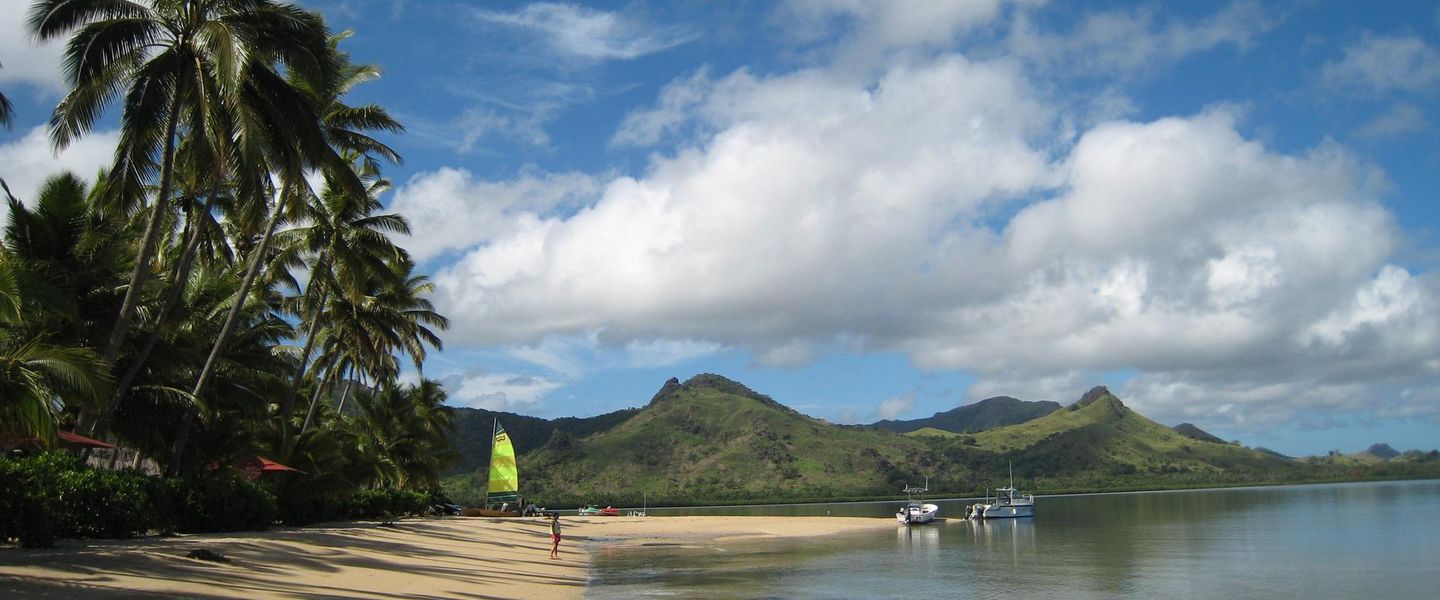


Explore Vanua Levu for rainforest reserves, reef-filled bays, Savusavu’s hot springs, Labasa’s markets and Fiji’s quieter northern landscapes.
Read more about Vanua Levu
When is the best time to visit Vanua Levu?
Best: July–September · 28–29°C| Month | High (°C) | Rainfall (mm) |
|---|---|---|
| January | 31 | 270 |
| February | 31 | 250 |
| March | 31 | 240 |
| April | 30 | 220 |
| May | 29 | 200 |
| June | 28 | 180 |
| July (best) | 28 | 170 |
| August (best) | 28 | 160 |
| September (best) | 29 | 170 |
| October | 29 | 190 |
| November | 30 | 210 |
| December | 30 | 230 |
Getting to and around Vanua Levu
How to get there
Transportation
Top city travel guides in Vanua Levu
The cities of Vanua Levu, and the easiest places to base yourself.
-

-


Swipe for more cities
Best attractions in Vanua Levu
Vanua Levu’s attractions are spread between two contrasting centres and a broad rural landscape. Savusavu’s waterfront, natural hot springs and sheltered harbour form the island’s most accessible visitor cluster, with operators offering sailing, diving, snorkelling, fishing and reef excursions. The south-eastern coast leads towards Natewa Bay, whose long enclosed waters, forested slopes and small settlements are best appreciated by boat or from carefully planned road journeys. In the interior, Waisali Rainforest Reserve protects wet tropical forest and offers a chance to experience the island’s plant life, streams and steep upland terrain. Labasa provides a more urban and commercial perspective, with markets, food shops and streets shaped by northern Fiji’s agricultural economy and Indo-Fijian communities. Elsewhere, coconut and sugar landscapes, mangrove channels, village beaches and quiet coastal roads reveal a working island rather than a purpose-built resort zone. Marine activities require attention to weather, tides and conservation rules, while remote waterfalls, reefs and forest tracks may need local guidance. The most rewarding itineraries combine one or two organised excursions with unhurried travel through the island’s towns and countryside.
-
 Reef
ReefVanua Levu Barrier Reef
Explore the breathtaking Vanua Levu Barrier Reef, a stunning underwater paradise in Fiji's South Pacific, perfect for snorkeling and diving adventures.
Best landmarks in Vanua Levu
Savusavu’s natural hot springs are among Vanua Levu’s most recognisable town landmarks, bubbling beside the harbour and reflecting the island’s volcanic geology. The town’s deep bay is itself a defining geographical feature, providing a sheltered setting for yachts, fishing boats and marine excursions. Farther east, Natewa Bay forms one of the island’s great natural landmarks: its long, branching inlet reaches deep into Vanua Levu, with forested hills and mangroves framing coastal communities. Waisali Rainforest Reserve marks a different landscape, protecting upland tropical forest in the interior and illustrating the ecological importance of the island’s wetter eastern districts. Labasa’s landmark character is less monumental but culturally significant, expressed through its market streets, sugar-country setting and religious and commercial buildings associated with its diverse population. Across the island, village churches, coastal wharves, coconut groves and traditional settlement landscapes provide a visual record of communities shaped by Christianity, agriculture and inter-island trade. These places are best approached with respect: some sites have ceremonial, customary or conservation significance beyond their appearance to visitors.
-
Park
Albert Park
Explore the lush beauty and rich history of Albert Park in Suva, Fiji – a tranquil haven for relaxation and cultural exploration.
-
Hindu temple
Sri Siva Subramaniya Swami Temple
Discover the spiritual beauty of the Sri Siva Subramaniya Swami Temple, a vibrant Hindu landmark in Nadi, showcasing rich cultural heritage and stunning architecture.
-
Island
Viti Levu
Explore Viti Levu, Fiji's largest island, where enchanting beaches, rich culture, and vibrant adventures await every traveler.
-
Botanical garden
Garden of the Sleeping Giant
Explore the breathtaking Garden of the Sleeping Giant in Fiji, a botanical paradise filled with exotic orchids and serene landscapes perfect for nature lovers.
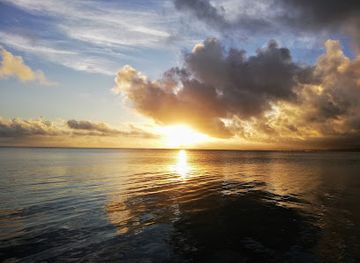
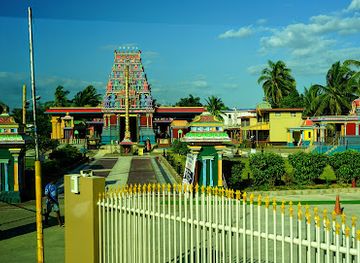
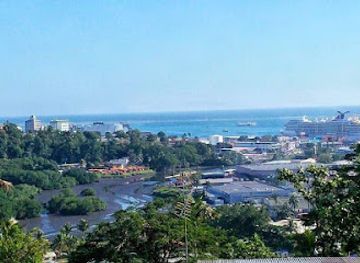

Explore Vanua Levu on the map
Plan your trip on one map. See where the top cities, national parks and sights are, and book hotels and experiences in a few clicks.
Best hotels in Vanua Levu
Best restaurants in Vanua Levu
Dining on Vanua Levu ranges from hotel and resort restaurants in Savusavu to small cafés, bakeries, takeaway counters and family-run eateries in Labasa and other settlements. Seafood is naturally prominent along the coast, with fish, prawns and shellfish appearing according to season and local supply, while root crops, cassava, dalo, breadfruit, coconut and tropical fruit are central to everyday Fijian cooking. Labasa is particularly useful for discovering Indo-Fijian flavours, including curries, roti, savoury snacks and sweets, alongside Chinese-influenced and broader Fijian options. In villages and rural areas, meals may be arranged through accommodation or community hosts rather than chosen from a large menu. Markets are valuable for fresh produce and prepared snacks, although the selection changes from day to day. Imported wine and speciality products can be expensive or limited outside the main towns; locally available beer, tropical fruit and coconut-based dishes are more dependable choices. Visitors should give advance notice of dietary requirements when booking remote stays or boat trips.
-
Resort hotel
OUTRIGGER Fiji Beach Resort
Experience unparalleled luxury and authentic Fijian culture at Outrigger Fiji Beach Resort – your ultimate tropical getaway.
-
Restaurant
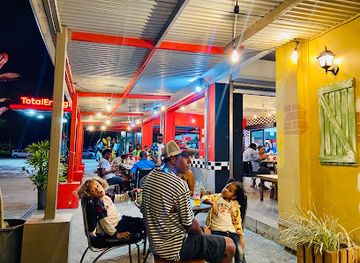
Craig's Place Diner
Experience authentic Fijian flavors at Craig's Place Diner on Coral Coast - where every bite tells a story.
-
Indian
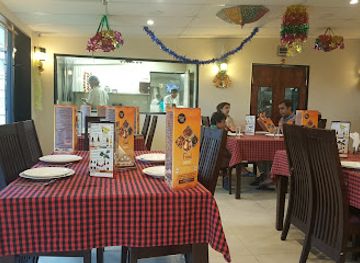
Swagat Wine and Dine
Experience authentic Indian flavors at Swagat Wine and Dine in Suva - a culinary gem offering exquisite dishes in a welcoming atmosphere.
-
Japanese
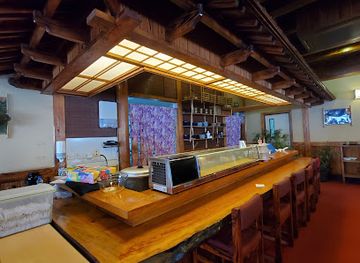
Daikoku 大黑
Discover the essence of Japanese cuisine at Daikoku in Nadi - a perfect blend of tradition and flavor awaits you.
Best bars in Vanua Levu
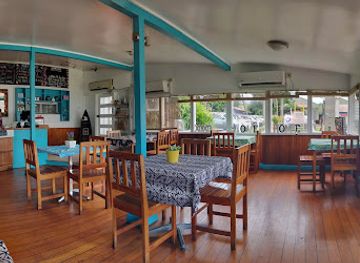
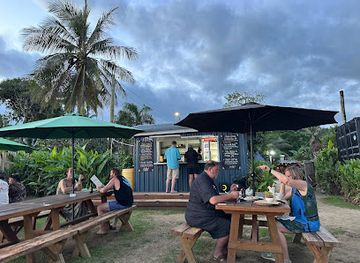
Vanua Levu’s evening life is relaxed and locally focused rather than dominated by nightclubs. Savusavu has the broadest choice of waterfront bars, hotel lounges, casual restaurants and places where visitors can meet sailors, residents and other travellers, with live music or informal entertainment appearing at some venues. Labasa’s nightlife is more closely tied to restaurants, cafés, family gatherings and social spaces than to a concentrated club district. In smaller settlements, evenings generally centre on accommodation, village events or a local pub-style venue, and options may be limited after dinner. Kava is an important traditional drink in Fiji and may be offered during a sevusevu or social gathering; accept or decline respectfully and follow the host’s guidance. Check transport arrangements before drinking, particularly in rural areas where taxis are scarce and roads are poorly lit. Opening patterns and individual venues change, so local advice is more reliable than assuming a fixed nightlife schedule.
-
Resort hotel
OUTRIGGER Fiji Beach Resort
Experience the ultimate tropical escape at Outrigger Fiji Beach Resort, where luxury meets adventure in a stunning oceanfront setting.
-
Hotel
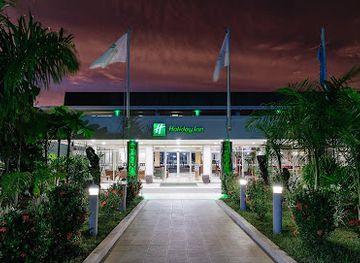
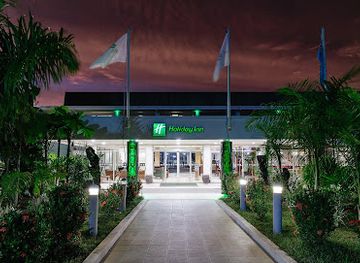
Holiday Inn Suva, an IHG Hotel
Discover the perfect blend of comfort and elegance at Holiday Inn Suva, your gateway to Fiji's vibrant capital.
-
Marina
Royal Suva Yacht Club
Explore the Royal Suva Yacht Club: A vibrant marina offering stunning views, delicious cuisine, and a taste of Fijian maritime culture.
-
Restaurant
Crab Shack Fiji
Discover the ultimate seafood experience at Crab Shack Fiji, where fresh flavors meet stunning ocean views in Korotogo.
Best nightclubs in Vanua Levu
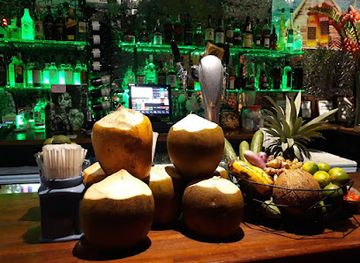
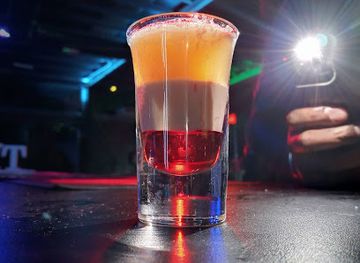
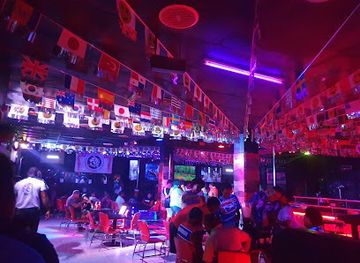
Vanua Levu’s evening life is relaxed and locally focused rather than dominated by nightclubs. Savusavu has the broadest choice of waterfront bars, hotel lounges, casual restaurants and places where visitors can meet sailors, residents and other travellers, with live music or informal entertainment appearing at some venues. Labasa’s nightlife is more closely tied to restaurants, cafés, family gatherings and social spaces than to a concentrated club district. In smaller settlements, evenings generally centre on accommodation, village events or a local pub-style venue, and options may be limited after dinner. Kava is an important traditional drink in Fiji and may be offered during a sevusevu or social gathering; accept or decline respectfully and follow the host’s guidance. Check transport arrangements before drinking, particularly in rural areas where taxis are scarce and roads are poorly lit. Opening patterns and individual venues change, so local advice is more reliable than assuming a fixed nightlife schedule.
-
Night club
DownUnder Pub
Discover the heart of Suva's nightlife at DownUnder Pub, where local culture meets vibrant entertainment.
-
Night club
Traps Bar
Experience the vibrant nightlife of Suva at Traps Bar, where local music, dancing, and a lively atmosphere come together for an unforgettable night out.
-
Night club
The Lab Fiji
Discover the electrifying nightlife of Nadi at The Lab Fiji, where great music and vibrant vibes come together for an unforgettable evening.
-
Disco club
White house Night Club Live Karaoke Nadi
Dive into the vibrant nightlife of Nadi at White House Night Club, where karaoke and dance unite in an unforgettable experience.

Best shops in Vanua Levu
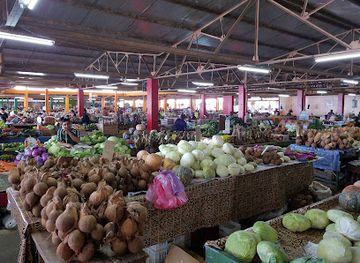
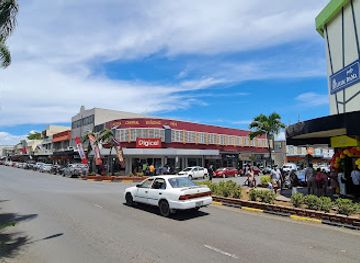
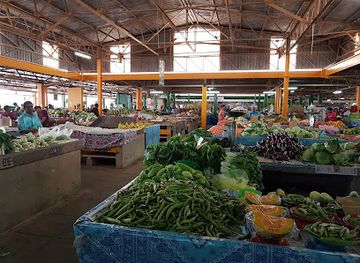
Shopping on Vanua Levu is practical, local and closely connected to food production and community life. Labasa has the island’s strongest concentration of supermarkets, clothing shops, pharmacies, market stalls and small businesses, making it the best place for everyday supplies and a broad range of local snacks. Savusavu offers galleries, resort boutiques, craft outlets and small shops aimed at visitors, although its retail scene remains modest compared with Fiji’s main urban centres. Look for woven items, shell or wood crafts, locally made soaps, artwork, tropical preserves and packaged foods, while checking that natural materials have been obtained responsibly. Fresh produce markets are useful for cassava, taro, bananas, coconuts and seasonal fruit, but availability varies. Buying directly from recognised community sellers can support local households, yet visitors should bargain gently and not treat customary craftwork as disposable souvenirs. Imported goods may cost more and niche items are not always available, so stock up in Labasa or Savusavu before travelling to remote coastal districts.
-
Shopping mall
TappooCity Suva
Discover TappooCity Suva – Fiji's premier shopping mall offering a unique blend of retail, dining, and cultural experiences in the heart of Suva.
-
Shopping mall
TappooCity Lautoka
Experience the vibrant shopping and dining scene at TappooCity Lautoka, where local culture meets modern retail.
-
Market
Suva Municipal Market
Discover the vibrant heart of Suva at the Municipal Market, where fresh produce, local crafts, and Fijian culture come alive in a bustling atmosphere.
-
Hotel
Holiday Inn Suva, an IHG Hotel
Experience the charm of Suva at Holiday Inn, where comfort meets convenience in the heart of Fiji's capital.
Get your free copy of our complete guide to Vanua Levu, delivered straight to you.
Everything on this page, from attractions and restaurants to essentials and local phrases, in one PDF you can read offline, print or share.
Already have an account? Sign in
Your Vanua Levu guide is ready.
We'll send it to · Not you? Sign out

Getting your guide ready…
We are putting together a fresh copy of the Vanua Levu guide. This can take up to a minute.
This can take a few moments. If your browser asks, choose Allow so the download can start. You'll find the guide in your Downloads folder.
Nothing happened? Download it again
Sorry, the guide is taking longer than usual. Please try again in a minute, or get it by email instead.
Vanua Levu essentials
Currency and Payment
Safety
Emergency Situations
Do's and Don'ts
Local Tips
From Eve
Local phrases worth knowing
You don't need to get them perfect. A few words go a long way, and locals appreciate the effort.
Basics
| English | Local | Say it |
|---|---|---|
| Hello | Bula | [boo-lah] |
| Goodbye | Sota tale | [so-tah tah-leh] |
| Yes | Io | [ee-oh] |
| No | Sega | [seh-ngah] |
| Please/You're welcome | Vinaka | [vee-nah-kah] |
| Thank you | Vinaka | [vee-nah-kah] |
| Excuse me/Sorry | Kerekere | [keh-reh-keh-reh] |
| How are you? | O cei na nomu yaca? | [oh thay nah noh-moo yah-tha?] |
| Fine. And you? | Vinaka. O iko? | [vee-nah-kah. oh ee-koh?] |
| Do you speak English? | O tukuna vakavalagi? | [oh too-kunah vah-kah-vah-lah-ngi?] |
| I don't understand | Au sega ni kila | [ow seh-ngah nee kee-lah] |
Eating & Drinking
| English | Local | Say it |
|---|---|---|
| I'd like to see the menu, please | Au via raica na menu, kerekere | [ow vee-ah rah-ee-cah nah meh-noo, keh-reh-keh-reh] |
| I don't eat meat | Au sega ni kana na ivi | [ow seh-ngah nee kah-nah nah ee-vee] |
| Cheers! | Sere! | [seh-reh] |
| I would like to pay, please | Au via saumi, kerekere | [ow vee-ah sow-mee, keh-reh-keh-reh] |
Emergencies
| English | Local | Say it |
|---|---|---|
| Help! | Vakaraitaka! | [vah-kah-rai-tah-kah] |
| Go away! | Tukuna mai! | [too-koo-nah my] |
| Call the Police! | Vakatumuri na Polisi! | [vah-kah-too-moo-ree nah poh-lee-see] |
| Call a doctor! | Vakatumuri e dua na dokita! | [vah-kah-too-moo-ree eh doo-ah nah doh-kee-tah] |
| I'm lost | Au sa leqa | [ow sah leh-ngah] |
| I'm ill | Au sa mate | [ow sah mah-teh] |
Shopping
| English | Local | Say it |
|---|---|---|
| I'd like to buy... | Au via volia... | [ow vee-ah voh-lee-ah] |
| I'm just looking | Au sa raica ga | [ow sah rah-ee-cah gah] |
| How much is it? | E sega na kena i qito? | [eh seh-ngah nah keh-nah ee thee-toh?] |
| That's too expensive | E levu sara na i qito | [eh leh-voo sah-rah nah ee thee-toh] |
| Can you lower the price? | E rawa ni o laiva na i qito? | [eh rah-wah nee oh lie-vah nah ee thee-toh?] |
Time & Numbers
| English | Local | Say it |
|---|---|---|
| What time is it? | Na lua e liu? | [nah loo-ah eh lee-oo?] |
| It's one o'clock | E dua na hora | [eh doo-ah nah ho-rah] |
| Half past (10) | Viti (10) | [vee-tee] |
| Morning | Aso | [ah-soh] |
| Afternoon | Vakarau | [vah-kah-rau] |
| Evening | Mali | [mah-lee] |
| Yesterday | Siga sa oti | [see-ngah sah oh-tee] |
| Today | Siga oqo | [see-ngah oh-ngoh] |
| Tomorrow | Siga mai | [see-ngah my] |
| 1 | Dua | [doo-ah] |
| 2 | Rua | [roo-ah] |
| 3 | Tolu | [toh-loo] |
| 4 | Va | [vah] |
| 5 | Vitu | [vee-too] |
| 6 | Talu | [tah-loo] |
| 7 | Vitu | [vee-too] |
| 8 | Walu | [wah-loo] |
| 9 | Ika | [ee-kah] |
| 10 | Tini | [tee-nee] |
Transport & Directions
| English | Local | Say it |
|---|---|---|
| Where's a/the...? | E na vale na...? | [eh nah vah-leh nah...?] |
| What's the address? | Na yaca ni vale? | [nah yah-thah nee vah-leh?] |
| Can you show me (on the map)? | O rawa ni o vakaraitaka vei au (ena map)? | [oh rah-wah nee oh vah-kah-rai-tah-kah veh-ee ow (eh-nah mahp)?] |
| When's the next (bus)? | E na yabaki e dua na (basi)? | [eh nah yah-bah-kee eh doo-ah nah (bah-see)?] |
| A ticket (to ....) | E dua na tikete (ki ....) | [eh doo-ah nah tee-keh-teh (kee ....)] |
History of Vanua Levu
Lapita Settlement and Early Pacific Voyaging
The wider Fiji group was settled by seafaring Austronesian communities associated with the Lapita cultural tradition during the first millennium BCE. Archaeological evidence across Fiji records the movement of people, pottery styles, tools and food plants through a network linking Melanesia and western Polynesia. Vanua Levu’s coasts, bays and river valleys provided access to fishing grounds, freshwater and cultivable land, although the island’s archaeological record is often less familiar to visitors than its modern towns. Later communities developed their own chiefly relationships, settlement patterns and connections between the coast and interior.
Chiefly Societies and Inter-island Connections
Before colonial rule, Vanua Levu was organised through networks of chiefly authority, kinship, land use and exchange rather than a single island-wide state. The sheltered waters of Natewa Bay, Savusavu and the northern coast connected communities by canoe and later by coastal shipping. Local histories also reflect the influence of neighbouring islands, including Taveuni and Vanua Balavu, and the shifting alliances that shaped Fiji’s nineteenth-century politics. These relationships remain important context for understanding why land, village affiliation and ceremonial protocol continue to matter in contemporary travel.
European Contact and the Nineteenth-Century Missionary Era
European traders, sandalwood seekers, beachcombers and missionaries became increasingly present in Fiji during the nineteenth century. Contact brought new goods and forms of Christianity, but it also introduced disease, commercial pressures and violent disruption. In Vanua Levu, coastal harbours became more closely linked to regional trade, while Christian conversion and chiefly politics reshaped village life. The period was not a simple transition from isolation to modernity: Indigenous communities actively negotiated new religious, political and economic forces on their own terms.
Cession to Britain and Colonial Administration, 1874
Fiji was ceded to Britain in 1874 under the leadership of Ratu Seru Epenisa Cakobau and other chiefs. Colonial administration formalised taxation, law, land policy and plantation development across the islands. Vanua Levu’s large bays and fertile areas became significant to copra production, shipping and later sugar cultivation. Colonial rule also strengthened the use of English in official life while preserving systems of Indigenous land tenure that remain central to Fiji. Many roads, port facilities and town institutions developed in relation to these colonial economic priorities.
Indentured Labour, Sugar and the Growth of Labasa
From the late nineteenth century, Indian indentured labourers were brought to Fiji to work mainly on sugar plantations. After the indenture system ended in 1920, many Indo-Fijian families remained, establishing farms, businesses, religious institutions and community networks. Northern Vanua Levu became particularly associated with sugar-cane cultivation, and Labasa grew as the region’s commercial centre. The industry helped shape the town’s economy and cultural landscape, while its later challenges demonstrated the vulnerability of rural communities to land-leasing arrangements, world prices and changing agricultural conditions.
Copra, Maritime Trade and Rural Transformation
Coconut cultivation and copra processing were long-standing parts of Vanua Levu’s economy, especially in coastal districts where shipping connected small settlements with larger ports. Copra, sugar, timber and agricultural produce helped create a working landscape of plantations, wharves, mills and inter-island routes. As roads and motor transport expanded, some coastal communities became less dependent on sea travel, although boats remain essential in remote bays and for marine industries. The island’s present economy still reflects this layered history of agriculture, shipping, tourism and village-based livelihoods.
Independence and Vanua Levu in Modern Fiji
Fiji became independent from Britain in 1970, and Vanua Levu has since developed within the country’s changing political and economic framework. Savusavu expanded as a tourism and yachting centre, while Labasa retained its role in commerce, agriculture and public services. Conservation initiatives have brought greater attention to rainforest, mangrove and reef protection, alongside local concerns about livelihoods, climate change and coastal development. Modern Vanua Levu is therefore neither solely a rural retreat nor simply a tourism destination: it is a living island shaped by Indigenous governance, Indo-Fijian enterprise, agriculture and marine connections.
Vanua Levu in Photos
Browse through our photo collection highlighting the charm and character of the destination.
Neighbouring regions of Vanua Levu
The closest regions to Vanua Levu, if you have time for more than one.
-

-

-

-

-


Swipe for more regions
Explore more

Explore more of Fiji
Discover Fiji: A tropical haven of stunning beaches, rich culture, and endless adventure. Perfect for both relaxation and exploration in the heart of the South Pacific.
Explore Fiji